Ch.15 Lipids
Timberlake - Chemistry: An Introduction to General, Organic, and Biological Chemistry 14th Edition
Timberlake14th EditionChemistry: An Introduction to General, Organic, and Biological ChemistryISBN: 9781292472249Non è quello che usi tu?Cambia libro di testo
Capitolo 15, Problema 3

What are some functions of lipids in the body?

Guida verificata passo dopo passo
1
Lipids serve as a major source of energy storage in the body. They are stored in adipose tissue and can be broken down to release energy when needed.
Lipids are a key component of cell membranes. Phospholipids, a type of lipid, form the bilayer structure of cell membranes, providing structural integrity and regulating the movement of substances in and out of cells.
Lipids act as insulation and protection for the body. Fat deposits help maintain body temperature by providing thermal insulation and cushion vital organs against physical impact.
Lipids are involved in the synthesis of hormones and signaling molecules. For example, steroid hormones like estrogen and testosterone are derived from cholesterol, a type of lipid.
Lipids aid in the absorption of fat-soluble vitamins (A, D, E, and K) in the digestive system, ensuring these essential nutrients are available for various biological functions.

Risposta video verificata per un problema simile:

Questa soluzione video è stata consigliata dai nostri tutor come utile per risolvere questo problema.
Durata del video:
2m

Concetti chiave

Ecco i concetti essenziali che devi comprendere per rispondere correttamente alla domanda.

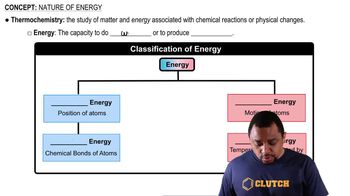
Energy Storage

Lipids serve as a major source of energy storage in the body. They are more energy-dense than carbohydrates and proteins, providing approximately 9 calories per gram. This stored energy can be mobilized during periods of fasting or increased energy demand, making lipids essential for maintaining energy balance.
Video consigliato:
Percorso guidato
01:26
Nature of Energy

Cell Membrane Structure

Lipids are fundamental components of cell membranes, primarily in the form of phospholipids. These molecules form a bilayer that provides structural integrity and fluidity to the membrane, allowing for the selective permeability essential for cellular function. This arrangement also facilitates communication and transport between cells.
Video consigliato:
Percorso guidato
1:00
Cell Membranes Example 1

Hormone Production

Certain lipids, particularly steroid hormones, play a crucial role in signaling and regulation within the body. Cholesterol, a type of lipid, is a precursor for the synthesis of hormones such as testosterone and estrogen. These hormones are vital for various physiological processes, including metabolism, immune response, and reproductive functions.
Video consigliato:
Percorso guidato
01:37
Solubility Product Constant (Ksp) Concept 2