 Indietro
Animal Biodiversity: Class Mammalia – Structure, Function, and Diversity
Guida di studio - Note intelligenti
 Appunti personalizzati basati sui tuoi materiali, ampliati con definizioni chiave, esempi e contesto.
Class Mammalia: Taxonomy and Characteristics
Taxonomic Classification
The class Mammalia belongs to the phylum Chordata and subphylum Vertebrata. Mammals are a diverse group of vertebrates characterized by unique structural and physiological features.
Phylum: Chordata
Subphylum: Vertebrata
Class: Mammalia
Key Characteristics of Mammals
Mammals possess several distinctive features that set them apart from other vertebrates. These adaptations contribute to their success in a wide range of environments.
Endothermic and Homoeothermic: Mammals regulate their body temperature internally, maintaining a constant temperature regardless of external conditions.
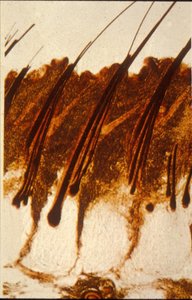
Fur-bearing: The presence of hair or fur is a defining trait, providing insulation and protection.
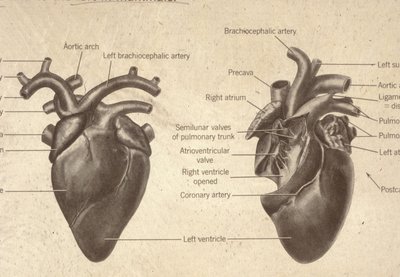
Four-chambered Heart: Mammals have a heart with four chambers (two atria and two ventricles), which efficiently separates oxygenated and deoxygenated blood, supporting high metabolic rates.
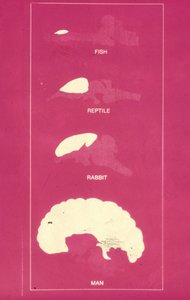
Large Brain: Mammals typically have larger and more complex brains compared to other vertebrates, supporting advanced behaviors and intelligence.
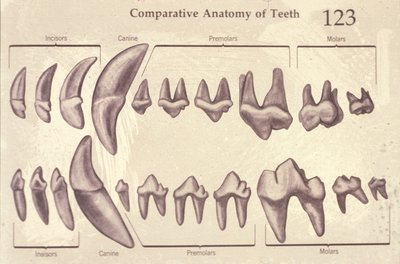
Heterodont Dentition: Mammals possess different types of teeth (incisors, canines, premolars, molars) specialized for various functions such as cutting, tearing, and grinding food.
Placental Development: Most mammals (except monotremes and marsupials) nourish their young via a placenta, which facilitates nutrient and gas exchange between mother and fetus.
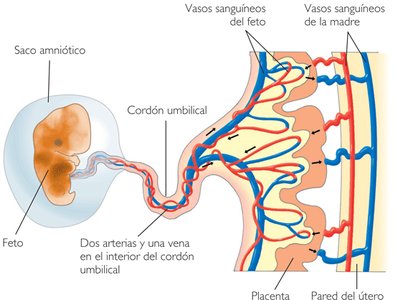
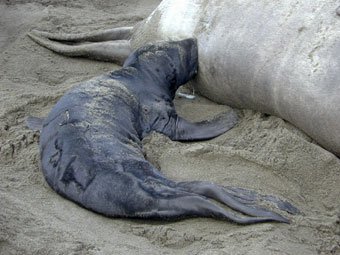
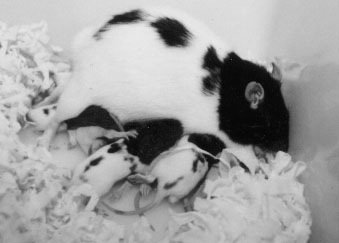
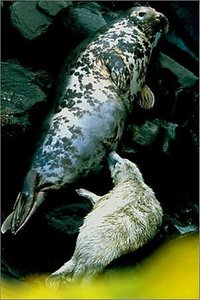
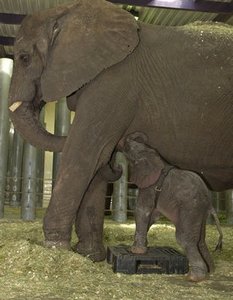
Suckling: Mammalian young feed on milk produced by mammary glands, a unique adaptation for nurturing offspring.


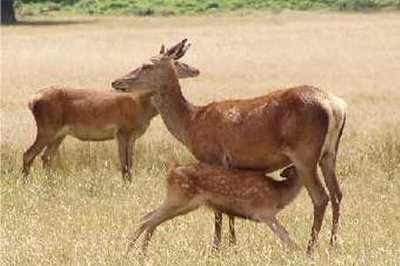
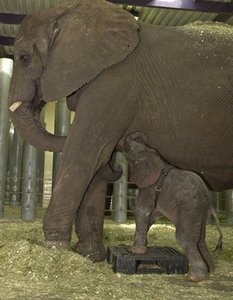
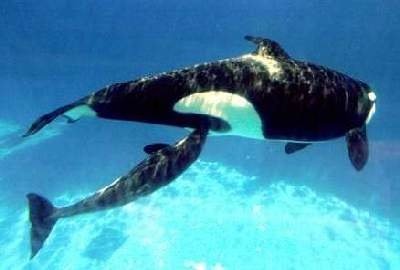
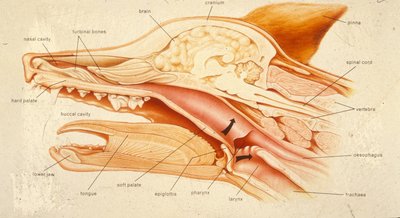
Secondary Palate: The presence of a secondary palate allows mammals to breathe while chewing, an important adaptation for efficient feeding.
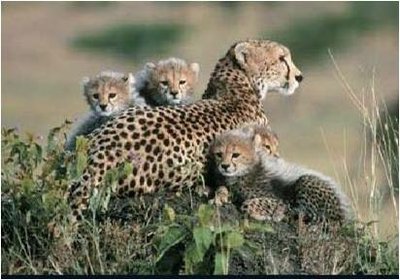
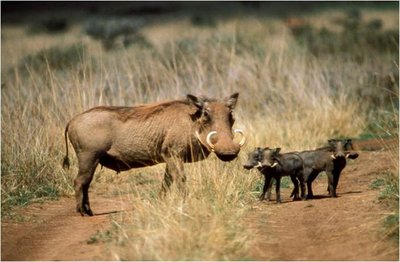
Well-developed Parental Care: Mammals exhibit complex parental behaviors, including nurturing, protection, and teaching of young.
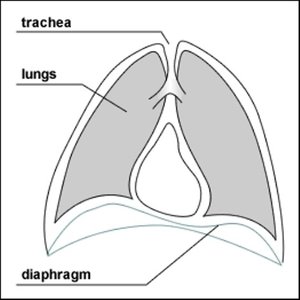
Muscular Diaphragm: A muscular diaphragm separates the thoracic and abdominal cavities, playing a crucial role in respiration.
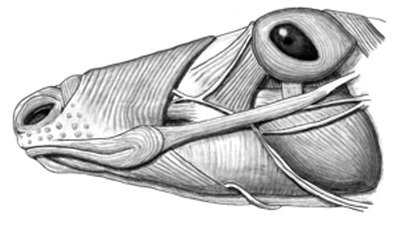
Well-developed Facial Muscles: Mammals have complex facial musculature, enabling a wide range of expressions and feeding behaviors.
Orders of Mammals
Diversity of Mammalian Orders
Mammals are classified into various orders based on their evolutionary relationships and distinctive adaptations. Below is a summary of major orders and representative examples.
Order | Examples |
|---|---|
Monotremata | Duck-billed platypus, Echidna |
Marsupialia | Kangaroo, wallaby, koala |
Insectivora | Shrews, hedgehog |
Macroscelidia | Elephant shrew |
Chiroptera | Bat, fruit-eating bat, insect-eating bat |
Primates | Human, vervet monkey |
Cingulata | Armadillo |
Rodentia | Rat, mouse, porcupine |
Lagomorpha | Rabbit |
Cetacea | Whale, dolphin, porpoise |
Carnivora | Dog, cat, hyaena, mongoose, seal |
Tubulidentata | Aardvark |
Proboscidea | Elephant |
Hydracoidea | Dassie |
Perissodactyla | Horse, rhino, tapir, zebra |
Artiodactyla | Deer, antelope, pig, hippo |
Sirenia | Manatee, Dugong |
Challenge Questions: Chordate Evolution and Mammalian Traits
Deuterostome Relationships
Evidence for grouping Echinodermata and Chordata: Both phyla share embryological features such as deuterostome development, where the blastopore becomes the anus.
Chordate Hallmarks
Notochord: Provides structural support.
Dorsal hollow nerve cord: Develops into the central nervous system.
Pharyngeal slits: Functions in filter-feeding or respiration.
Post-anal tail: Aids in locomotion.
Life History of Sea Squirts
Studying sea squirt development reveals chordate features in the larval stage, clarifying their classification.
Mammals and Animal Models
Mammals exhibit many traits of the general animal model, including complex organ systems and advanced behaviors.
Summary Table: Mammalian Characteristics
Characteristic | Description |
|---|---|
Endothermy | Internal temperature regulation |
Fur/Hair | Insulation and protection |
Four-chambered heart | Efficient blood circulation |
Large brain | Advanced cognition |
Heterodont teeth | Specialized for different functions |
Placenta | Nourishes developing young |
Suckling | Milk feeding |
Secondary palate | Allows simultaneous eating and breathing |
Parental care | Protection and learning |
Diaphragm | Respiratory muscle |
Facial muscles | Expression and feeding |
Example: The elephant, seal, and whale all demonstrate suckling behavior, placental development, and well-developed parental care, illustrating key mammalian adaptations.
Additional info: Mammalian diversity is reflected in their ecological roles, reproductive strategies, and anatomical specializations. Understanding these features is essential for studying animal biodiversity and evolutionary biology.
