 Indietro
Phylum Chordata: Structure, Diversity, and Evolution
Guida di studio - Note intelligenti
 Appunti personalizzati basati sui tuoi materiali, ampliati con definizioni chiave, esempi e contesto.
Phylum Chordata
Chordate Characteristics
Chordates are a diverse group of animals unified by several key anatomical features present at some stage in their life cycle. These features are fundamental to understanding the evolutionary relationships and biology of vertebrates and their relatives.
Notochord: A flexible, rod-shaped structure that provides support. It is present in all chordate embryos and persists in some adults.
Dorsal, hollow nerve cord: This structure develops into the central nervous system: the brain and spinal cord in vertebrates.
Pharyngeal slits or clefts: Openings in the pharynx that function in filter-feeding, respiration, or develop into other structures in vertebrates.
Segmented body muscles: Chordates exhibit segmentation, especially in their musculature.
Post-anal tail: An extension of the body past the anal opening, used for locomotion in many chordates.
Example: All these features are visible in the larval stage of tunicates and throughout the life of cephalochordates.
Subphylum Urochordata (Tunicates)
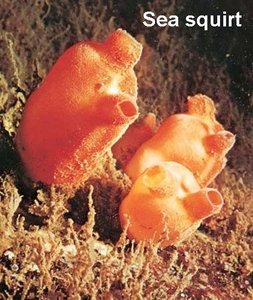
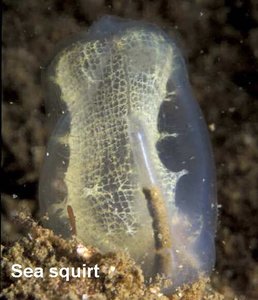
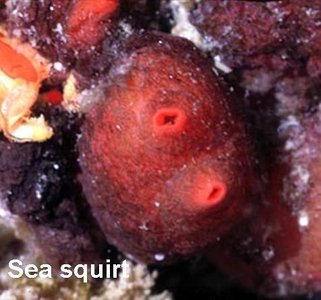
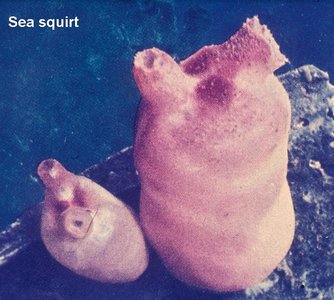
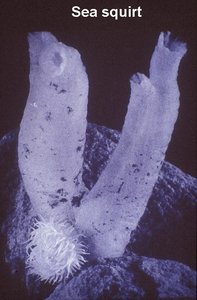
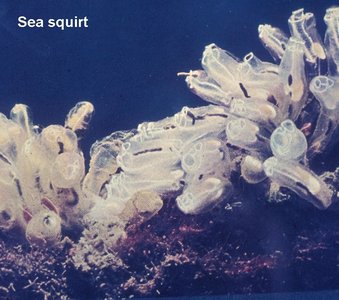
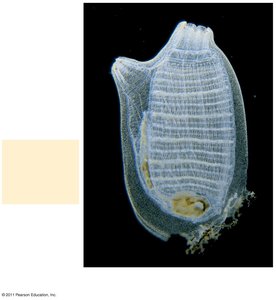
Tunicates, also known as sea squirts, are marine chordates that exhibit chordate features primarily during their larval stage. Adults are sessile filter feeders, encased in a protective tunic.
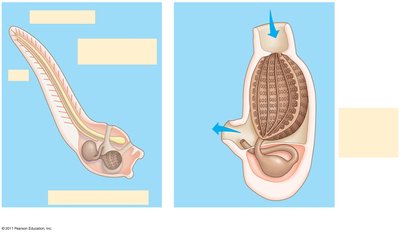
Larval tunicates: Possess all chordate characteristics, including a notochord and a dorsal nerve cord.
Adult tunicates: Lose most chordate features except pharyngeal slits, which are used for filter feeding.
Feeding: Water enters through the incurrent siphon, passes through pharyngeal slits, and exits via the excurrent siphon. Food particles are trapped and transported to the digestive tract.
Example: Sea squirts are common tunicates found attached to substrates in marine environments.
Subphylum Cephalochordata (Lancelets)
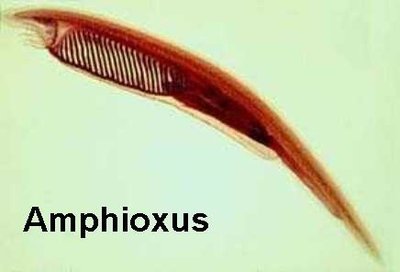
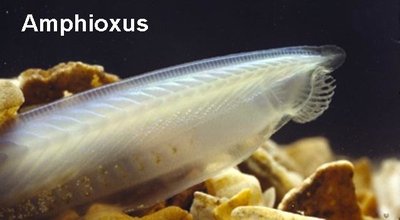
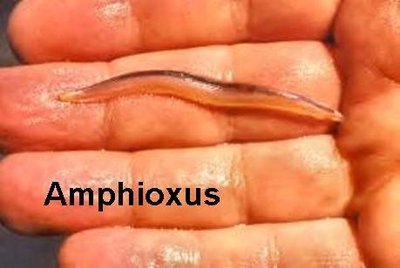
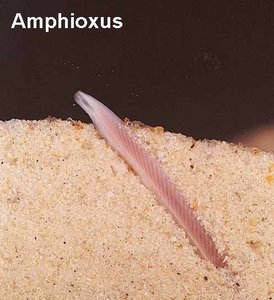
Lancelets, or amphioxus, are small, fish-like marine animals that retain all chordate features throughout their life. They are important for understanding vertebrate evolution.
Body structure: Lancelets have a notochord, dorsal nerve cord, pharyngeal slits, segmented muscles, and a post-anal tail.
Feeding: Filter feeders; water enters the mouth, passes through pharyngeal slits, and exits via the atriopore.
Locomotion: Use segmented muscles for swimming.
Example: Amphioxus is a classic example of a cephalochordate.
Subphylum Vertebrata
Vertebrates are chordates with a backbone or vertebral column. They exhibit advanced features and are classified into several major groups.
Diagnostic characters: Vertebral column, cranium, and complex organ systems.
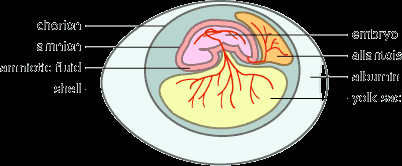
Amniotic egg: Adaptation for terrestrial life; contains membranes that protect and nourish the embryo.
Pentadactyl limb: Limbs with five digits, characteristic of many vertebrates.
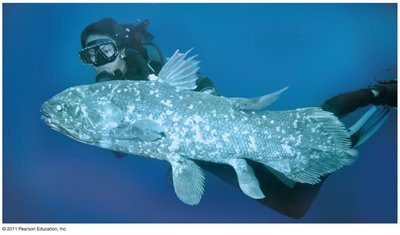
Class Pisces (Fish)
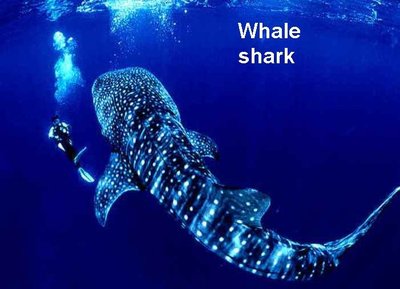
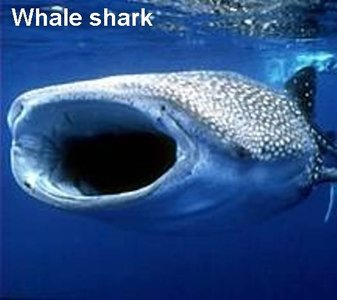
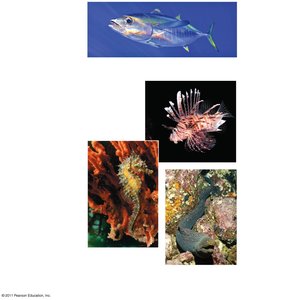
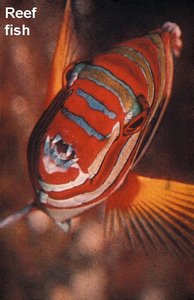
Fish are aquatic vertebrates, divided into jawless and jawed groups.
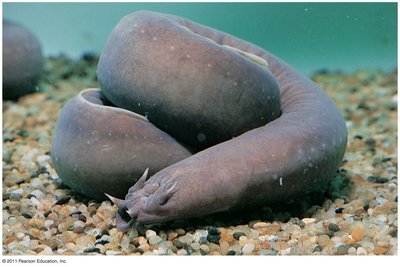
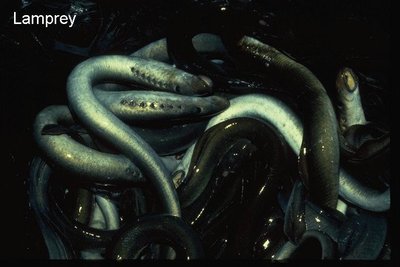
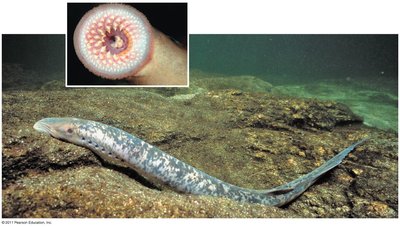
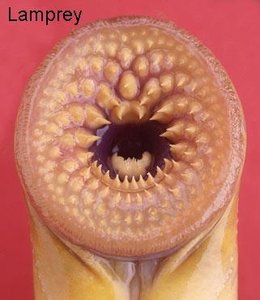
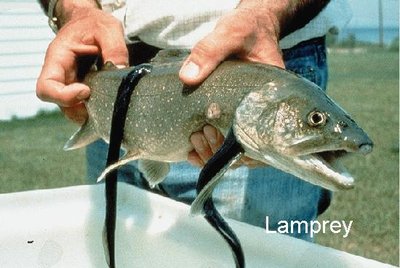
Jawless fish: Hagfish and lampreys; lack jaws and paired fins.
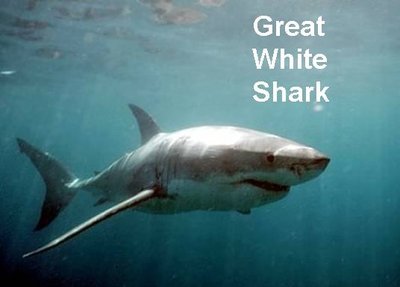
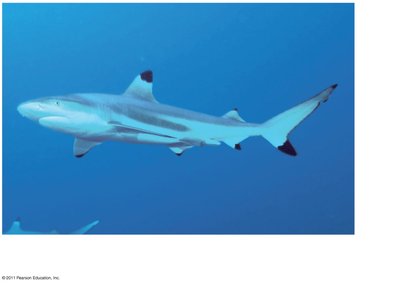
Jawed fish: Includes cartilaginous fish (sharks, rays) and bony fish (ray-finned and lobe-finned).
Class Amphibia
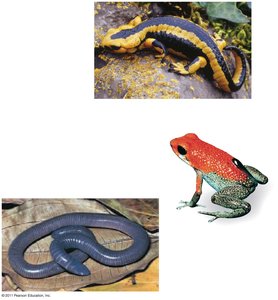
Amphibians are vertebrates that typically have a dual life, spending part of their life in water and part on land. They include salamanders, frogs, and caecilians.
Life cycle: Most undergo metamorphosis from aquatic larvae to terrestrial adults.
Respiration: Can breathe through skin, lungs, or gills.
Class Reptilia
Reptiles are vertebrates adapted for life on land, with scaly skin and amniotic eggs. They include crocodiles, turtles, tortoises, lizards, and snakes.
Adaptations: Amniotic egg, internal fertilization, and water-conserving skin.
Diversity: Includes crocodiles, turtles, lizards, and snakes.
Class Aves (Birds)
Birds are vertebrates characterized by feathers, beaks, and adaptations for flight. They are descendants of reptiles and share the amniotic egg adaptation.
Adaptations: Lightweight bones, feathers, and high metabolic rate.
Reproduction: Lay amniotic eggs.
Summary Table: Chordate Subphyla and Classes
Subphylum/Class | Key Features | Example Organisms |
|---|---|---|
Urochordata | Larval chordate features, adult filter feeding | Sea squirt (tunicate) |
Cephalochordata | All chordate features throughout life | Amphioxus (lancelet) |
Vertebrata | Vertebral column, advanced organ systems | Fish, amphibians, reptiles, birds |
Class Pisces | Jawless and jawed fish, aquatic | Hagfish, lamprey, sharks, tuna |
Class Amphibia | Dual life, metamorphosis | Frog, salamander, caecilian |
Class Reptilia | Scaly skin, amniotic egg | Crocodile, turtle, snake |
Class Aves | Feathers, flight adaptations | Birds |
Additional info: The notes expand on brief points by providing definitions, examples, and context for each chordate group. Images are included only when they directly illustrate the described anatomical or taxonomic features.
