 Indietro
Alterations in Cognition: Medical Terminology and Clinical Concepts
Guida di studio - Note intelligenti
 Appunti personalizzati basati sui tuoi materiali, ampliati con definizioni chiave, esempi e contesto.
Cognition and Its Domains
Definition and Overview
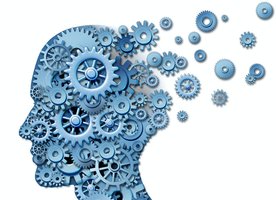
Cognition refers to the complex set of mental processes by which individuals acquire, store, retrieve, and use information. It encompasses perception, attention, memory, communication, decision making, language, emotions, and problem solving. The ability to think and reason is essential for human identity and function.
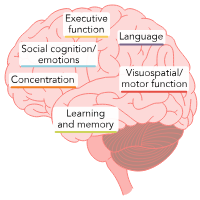
Domains of Cognitive Functioning
Executive Functions: Planning, decision-making, reasoning, and problem-solving.
Language/Communication: Object naming, word finding, language fluency, receptive language, and responding to feedback.
Social Cognition/Emotions: Recognition of emotions, self-evaluation, self-monitoring, and self-control.
Attention/Concentration: The ability to remain alert and focused on a stimulus or mental event; includes processing speed and multitasking.
Learning/Memory: Free recall, short-term and long-term memory, information processing, and implicit learning.
Visuospatial/Motor Function: Visual perception, hand–eye coordination, body–eye coordination, auditory language skills, and visual-auditory skills.
Executive Function
Definition and Importance
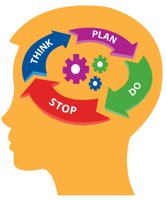
Executive function describes the mental skills involved in planning and executing complex tasks. It enables individuals to selectively focus, control emotions, problem solve, and organize speech and motor activity.
Communication in Cognition
Role of Communication
The ability to receive, interpret, and express communication is an essential component of cognitive function. This includes both speech and language abilities.
Attention and Concentration
Definition and Variability
Attention refers to the brain’s ability to remain alert and focused on a stimulus or mental event. The capacity to sustain attention and attend to multiple stimuli (multitasking) is limited and can be affected by illness or stress.
Memory
Types and Importance
Memory is the ability to retain, store, and retrieve information gained from previous experiences. It is foundational for learning and adaptation. Memory is typically divided into short-term and long-term memory.
Motor Function
Coordination and Life Stages
Motor coordination involves planning, organizing, and executing complex motor tasks. Coordination progresses through life stages, with adults typically able to control movement in a deliberate, smooth, and coordinated fashion.

Perception
Interpretation of Stimuli
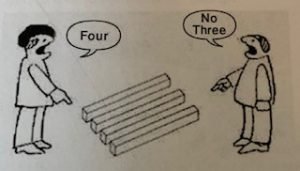
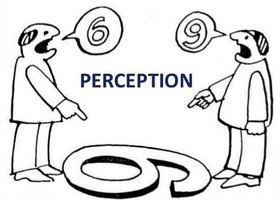
Perception refers to the interpretation of stimuli that takes place in the brain. It depends on sensory reception of both internal (e.g., proprioceptive sensations) and external (e.g., touch, taste, vision, hearing, smell) data. Perceptual variations are normal and influenced by genetics and culture.

Orientation
Elements of Orientation
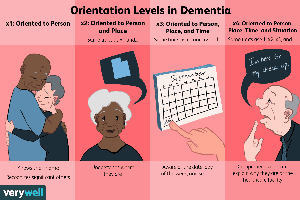
Orientation is part of normal perception and includes four basic elements: person, place, time, and situation. Orientation is assessed by asking questions such as "What is your name?", "Where are you?", "What date is today?", and "Why are you here?".
Adaptive Behavior
Categories of Adaptive Behavior
Adaptive behavior refers to practical skills needed for daily functioning. These include:
Conceptual skills: Use of language, reading, telling time
Social skills: Ability to follow rules and interact appropriately
Practical skills: Engaging in work and performing activities of daily living (ADLs)
Alterations in Cognition
Common Terms and Definitions
Confusion: Lack of understanding; uncertainty
Disorientation: Loss of sense of direction
Psychosis: Loss of contact with reality
Delusions: False beliefs despite evidence to the contrary
Hallucinations: Perceptions without external stimuli
Aphasia: Language disorder affecting communication
Ataxia: Loss of muscle control and coordination
Learning Disability: Disorders affecting information processing
Intellectual Disability: Limitations in cognitive functioning and skills
Dementia
Overview and Clinical Presentation
Dementia is a progressive decline in cognitive function, often seen in older adults. It can be difficult to distinguish from delirium or depression. Common symptoms include repetitiveness, delusions, hallucinations, agitation, aggression, altered sleeping patterns, wandering, hoarding, and resisting care.

Safety Hazards in Dementia
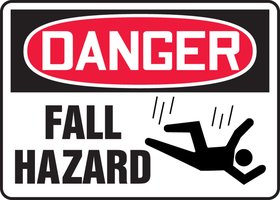
Physical environment: Fall hazards, exposed wires, inadequate lighting, stairs, lack of shower/tub mats/rails
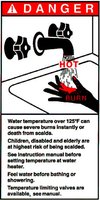
Household equipment: Stoves, hot water heaters, microwaves, heaters
Wandering: Unlocked windows/doors, lack of alarms



Cognitive Disorders
Definition and Impact
Cognitive disorders (also known as neurocognitive disorders) affect thinking, learning, problem solving, perception, and memory.
Delirium
Definition and Presentation
Delirium is a temporary, acute change in mental status characterized by fluctuating levels of consciousness, disorientation, hallucinations, delusions, and language problems. It is potentially life-threatening but usually reversible. There are three subtypes: hyperactive, hypoactive, and mixed.


Etiology and Contributing Factors
Medications or side effects
Alcohol or drug use/withdrawal
Medical conditions (e.g., stroke, infection, metabolic imbalances)
Exposure to toxins
Poor nutrition or dehydration
Lack of sleep or severe emotional distress
Pain or surgery

Nursing Care for Cognitive Disorders
Assessment Tools
CAM (Confusion Assessment Method): Assesses acute onset, inattention, disorganized thinking, and altered consciousness.
RASS (Richmond Agitation Sedation Scale): Measures agitation and sedation levels.
Mini Mental State Exam (MMSE): Assesses cognitive status.
Mini Cog: Brief cognitive screening tool.
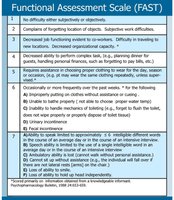
FAST (Functional Assessment Staging Tool): Stages functional decline in dementia.

Planning and Implementation
Review medications and monitor vital signs
Reorient and encourage mobility
Use sensory aids and assess for basic needs
Reduce environmental noise and clutter
Promote comfort, sleep, and routine nutrition/hydration
Use distraction and validation rather than confrontation
Structure daily activities and keep the environment safe
Utilize therapies (OT, PT, ST, massage, art, etc.)
Alzheimer’s Disease
Definition and Pathology
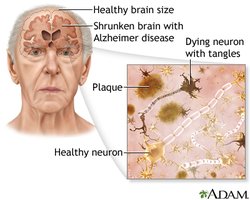
Alzheimer’s disease (AD) is a progressive mental deterioration due to generalized degeneration of the brain. It is characterized by plaques, neurofibrillary tangles, loss of neuronal connections, and brain atrophy. Death typically occurs 4 to 8 years after diagnosis.
Common Behaviors
Repetitiveness
Delusions and hallucinations
Agitation and aggression
Altered sleeping patterns
Wandering and hoarding
Resisting care
Multidisciplinary Collaboration
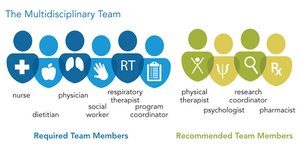
Care for individuals with dementia involves collaboration among nurses, physicians, therapists, psychologists, social workers, family, and other support personnel. Early to moderate stages are often managed in the community, while advanced stages may require skilled nursing facilities.
Therapeutic Approaches
Reality Orientation
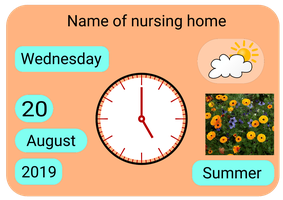
Reality orientation is a structured approach to orienting individuals to person, time, place, and situation using verbal communication and visual cues (e.g., clocks, calendars, orientation boards). It should be used judiciously as reorientation may be upsetting for some patients.
Validation Therapy
Validation therapy involves searching for the emotion or intended meaning in a patient’s verbal expressions and behaviors, rather than challenging their perception of reality. This approach supports emotional needs and reduces distress.

Reminiscence Therapy
Reminiscence therapy encourages patients to reflect on past events, often using scrapbooks, photo albums, or music. This helps retain long-term memory, provides comfort, and supports self-esteem and identity.
Nursing Process in Cognitive Disorders
Assessment
Patient interview (history, medications, changes in cognition/behavior)
Cognitive mental status (MMSE, other tools)
Physical examination (overall health, signs of neglect or depression)
Functional status (ADLs, IADLs)
Behavioral status (depression, anxiety, irritability, hallucinations)
Caregiver/living environment (caregiver burden, adequacy of environment)
Analysis and Planning
Identify risks (injury, ineffective health maintenance, self-care deficit, impaired memory, etc.)
Set goals for safety, independence, and caregiver support
Implementation
Initiate early treatment and safety measures
Promote adaptive functioning and coping
Collaborate with multidisciplinary team
Provide end-of-life care as needed
Evaluation
Frequent reassessment of intervention effectiveness
Adjust care plans as needed
