 Indietro
Medical Terminology: Gastroenterology and the Gastrointestinal System
Guida di studio - Note intelligenti
 Appunti personalizzati basati sui tuoi materiali, ampliati con definizioni chiave, esempi e contesto.
Gastroenterology: Introduction and Overview
Definition and Scope
Gastroenterology is the medical specialty focused on the anatomy, physiology, diseases, and treatment of the gastrointestinal (GI) system. Gastroenterologists use diagnostic tests, medical and surgical procedures, and pharmacological therapies to manage GI diseases.
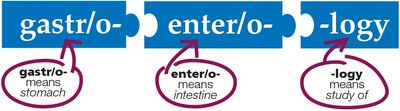
Gastroenterology: gastr/o- (stomach) + enter/o- (intestine) + -logy (study of)
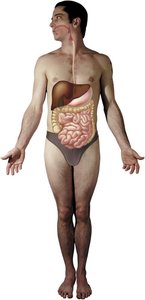
The GI system includes organs and glands that digest food, absorb nutrients, and eliminate waste.
Anatomy of the Gastrointestinal System
Upper Gastrointestinal System
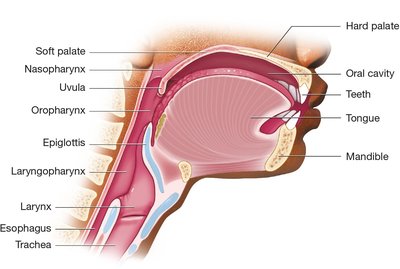
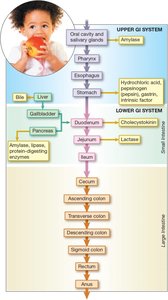
The upper GI tract begins with the oral cavity and extends through the pharynx, esophagus, and stomach. Each structure plays a specific role in the initial stages of digestion.
Oral Cavity: Contains teeth, gums, tongue, hard palate, and soft palate. Responsible for mastication (chewing) and the beginning of digestion.
Pharynx: Common passageway for air and food, divided into nasopharynx, oropharynx, and laryngopharynx.
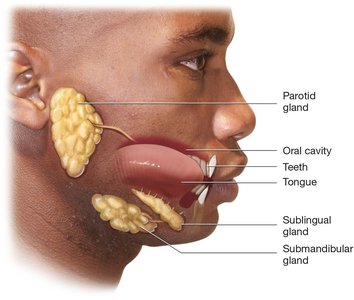
Salivary Glands: Parotid (anterior to ear), sublingual (below tongue), and submandibular (below mandible) glands secrete saliva containing amylase for carbohydrate digestion.
Swallowing: Moves food from the oral cavity to the pharynx and esophagus.
Larynx and Epiglottis: The larynx closes during swallowing to prevent aspiration; the epiglottis directs food to the esophagus.
Esophagus and Stomach
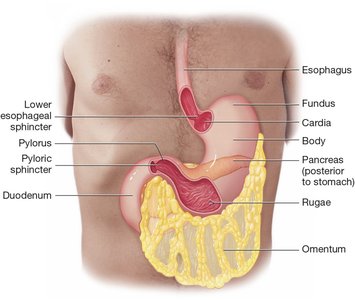
The esophagus is a muscular tube that transports food to the stomach via peristalsis. The stomach is divided into four regions and is responsible for mechanical and chemical digestion.
Esophagus: Connects pharynx to stomach; peristalsis moves food downward.
Stomach Regions: Cardia (entry), fundus (upper), body (main), pylorus (exit to duodenum).
Gastric Mucosa: Contains rugae (folds) that expand as the stomach fills.
Sphincters: Lower esophageal sphincter (prevents reflux), pyloric sphincter (regulates chyme entry to duodenum).
Lower Gastrointestinal System
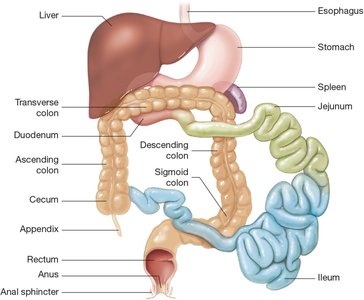
The lower GI tract includes the small and large intestines, which are responsible for nutrient absorption and waste elimination.
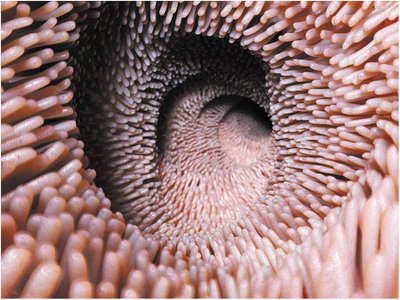
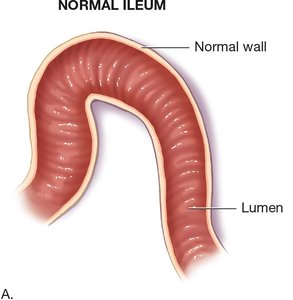
Small Intestine: Composed of duodenum (10 in), jejunum (8 ft), and ileum (12 ft). Lined with villi to maximize absorption.
Large Intestine: Includes cecum (with appendix), colon (ascending, transverse, descending, sigmoid), rectum, and anus. Responsible for water absorption and feces formation.
Abdominopelvic Cavity and Peritoneum
The intestines are housed in the abdominopelvic cavity, lined by the peritoneum, which secretes fluid and forms supportive structures (omentum and mesentery).
Accessory Organs
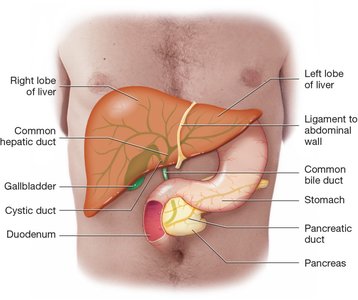
Accessory organs aid digestion by producing and storing digestive substances.
Liver: Largest solid organ; produces bile for fat digestion.
Gallbladder: Stores and concentrates bile; releases bile in response to fatty chyme.
Pancreas: Secretes digestive enzymes (amylase, lipase, proteases) and hormones (insulin).
Physiology of Digestion
Mechanical and Chemical Digestion
Digestion involves both mechanical and chemical processes to break down food into absorbable nutrients.
Mechanical Digestion: Mastication (chewing), deglutition (swallowing), and peristalsis (muscular movement).
Chemical Digestion: Enzymes and acids break down carbohydrates, proteins, and fats. Key substances include amylase (saliva), hydrochloric acid, pepsin, gastrin, and intrinsic factor (stomach), bile (liver/gallbladder), and pancreatic enzymes.
Absorption and Elimination
Absorption: Nutrients and water are absorbed primarily in the small intestine (ileum) and large intestine (water).
Elimination: Removal of undigested waste as feces (defecation); gas is referred to as flatus.
Common Diseases and Disorders of the GI System
Eating Disorders
Anorexia: Decreased appetite due to disease or drug side effect.
Dysphagia: Painful or difficult swallowing.
Polyphagia: Excessive eating, often due to endocrine or psychiatric causes.
Oral Cavity and Salivary Gland Disorders
Glossitis: Inflammation of the tongue.
Sialolithiasis: Salivary gland stone causing blockage and swelling.
Esophagus and Stomach Disorders
Dyspepsia: Indigestion or epigastric pain.
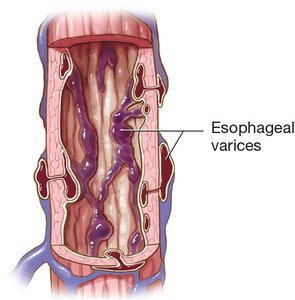
Esophageal Varix: Swollen vein in esophageal mucosa, risk of bleeding.
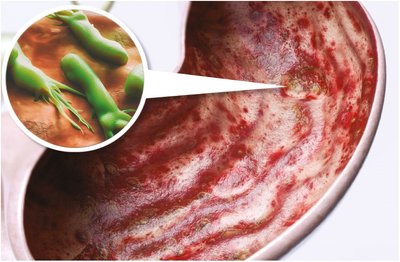
Gastritis: Inflammation of the stomach lining.
Gastroenteritis: Inflammation of stomach and intestines, often infectious.
GERD: Chronic reflux of stomach acid into esophagus, can lead to ulcers or cancer.
Peptic Ulcer Disease (PUD): Ulceration of stomach/duodenal mucosa, often due to Helicobacter pylori.
Stomach Cancer: Malignancy of gastric mucosal glands.

Small and Large Intestine Disorders
Ileus: Absence of peristalsis, causing obstruction.
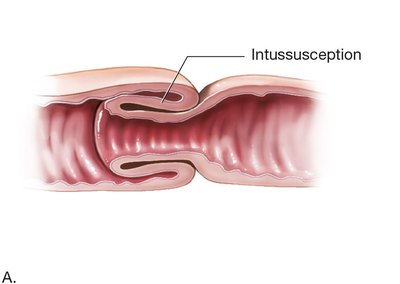
Intussusception: Telescoping of one intestinal segment into another.
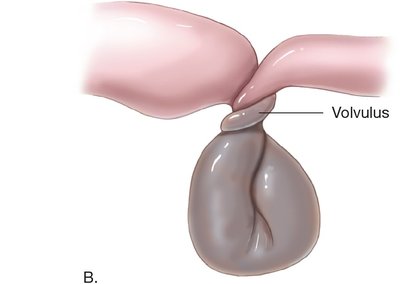
Volvulus: Twisting of the intestine, causing obstruction.
Appendicitis: Inflammation of the appendix.
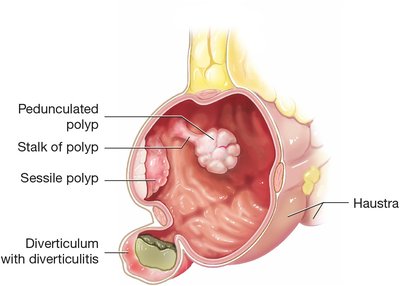
Colon Cancer: Malignancy arising from polyps or chronic inflammation.
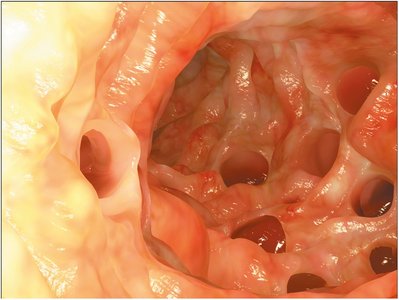
Diverticulum/Diverticulitis: Outpouching of colon wall; infection is diverticulitis.
Gluten Sensitivity Enteropathy: Autoimmune reaction to gluten, damaging small intestine.
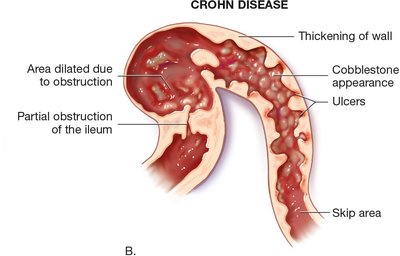
Inflammatory Bowel Disease (IBD): Chronic inflammation (Crohn disease, ulcerative colitis).
Irritable Bowel Syndrome (IBS): Functional disorder without visible inflammation.
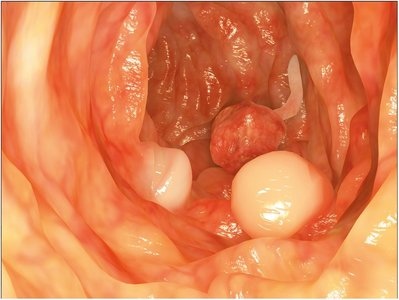
Polyposis: Multiple benign growths (polyps) in the colon.
Rectum and Anus Disorders
Hemorrhoids: Swollen veins in the rectum or anus.
Proctitis: Inflammation of rectum and anus.
Rectocele: Herniation of rectal wall into vaginal wall.
Defecation and Feces Disorders
Constipation: Infrequent, hard bowel movements.
Diarrhea: Frequent, watery stools due to rapid transit.
Flatulence: Excessive gas in GI tract.
Hematochezia: Blood in feces (lower GI bleed).
Steatorrhea: Fatty stools due to lack of lipase.
Abdominal Wall and Cavity Disorders
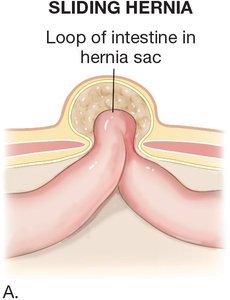
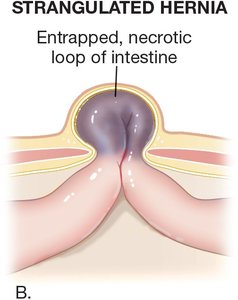
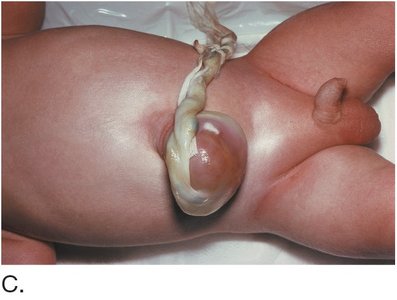
Hernia: Protrusion of intestine through abdominal wall defect (sliding, incarcerated, strangulated, hiatal, ventral, umbilical, inguinal, incisional).
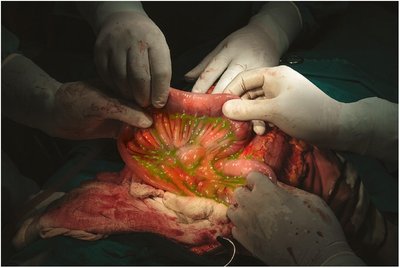
Peritonitis: Inflammation of the peritoneum, often due to perforation of GI tract.
Liver Disorders
Ascites: Fluid accumulation in the abdomen due to liver disease.
Cirrhosis: Chronic liver degeneration with scarring.
Hepatomegaly: Enlarged liver.
Hepatitis: Viral infection of the liver (A, B, C, D types).
Jaundice: Yellowing of skin/eyes from bilirubin buildup.
Liver Cancer: Usually metastatic tumors.
Gallbladder and Bile Duct Disorders
Cholangitis: Inflammation of bile ducts.
Cholecystitis: Inflammation of gallbladder, often due to gallstones.
Cholelithiasis: Gallstones in gallbladder or bile ducts.
Gallbladder Cancer: Malignancy of gallbladder or ducts.
Pancreatic Disorders
Pancreatic Cancer: Malignancy of pancreatic ducts, poor prognosis.
Pancreatitis: Inflammation/infection of pancreas, often due to gallstones or alcohol.
Laboratory Tests and Diagnostic Procedures
Common Laboratory Tests
Albumin: Liver-produced blood protein; low levels suggest liver disease.
Cologuard®: Stool DNA test for colon cancer.
Culture and Sensitivity (C&S): Identifies bacteria in stool.
Fecal Occult Blood Test: Detects hidden blood in stool.
Ova and Parasites (O&P): Detects parasites in stool.
Helicobacter pylori Tests: Detects H. pylori infection (CIM, CLO, stool antigen, PCR, urea breath test).
Liver Function Tests (LFTs): Panel includes albumin, bilirubin, ALP, ALT, AST, GGT, prothrombin time.
Radiologic and Nuclear Medicine Procedures
Barium Enema (BE): X-ray with barium contrast to visualize colon.
Cholangiography: X-ray with contrast to visualize bile ducts.
Cholescintigraphy: Radioactive tracer to assess bile flow.
CT Scan: Cross-sectional x-ray images of abdominal organs.
Gallbladder Ultrasound: Sound waves to image gallbladder.
MRI: Magnetic field imaging of abdominal structures.
Oral Cholecystography (OCG): Oral contrast to image gallbladder.
Upper GI Series (UGI): Barium swallow to visualize upper GI tract.
Medical and Surgical Procedures
Medical Procedures
Enema: Saline instillation to relieve constipation.
Nasogastric (NG) Tube: Tube through nose to stomach for drainage or feeding.
Surgical Procedures
Abdominocentesis: Needle aspiration of abdominal fluid.
Appendectomy: Removal of appendix.
Bariatric Surgery: Procedures to treat obesity (gastric balloon, band, sleeve).
Biopsy: Removal of tissue for microscopic examination.
Bowel Resection and Anastomosis: Removal and reconnection of diseased intestine.
Cholecystectomy: Removal of gallbladder.
Choledocholithotomy: Removal of gallstone from common bile duct.
Colostomy: Creation of abdominal opening for fecal diversion.
Endoscopy: Internal examination with a flexible scope.
Exploratory Laparotomy: Open abdominal surgery for diagnosis.
Gastrectomy: Removal of all or part of the stomach.
Gastrostomy/Jejunostomy: Creation of feeding tube opening into stomach/jejunum.
Hemorrhoidectomy: Removal of hemorrhoids.
Herniorrhaphy: Surgical repair of hernia.
Liver Transplantation: Replacement of diseased liver with donor organ.
Polypectomy: Removal of colon polyps.
Common Drugs Used in Gastroenterology
Antacid: Neutralizes stomach acid (for heartburn).
Antibiotic/Anti-infective: Treats bacterial GI infections.
Antidiarrheal: Slows peristalsis, increases water absorption.
Antiemetic: Treats nausea and vomiting.
Antispasmodic: Reduces GI spasms and peristalsis.
Bile Acid Drug: Reduces cholesterol to prevent gallstones.
H2 Blocker: Reduces stomach acid (GERD, ulcers).
Laxative: Softens stool or increases bulk for constipation.
Proton Pump Inhibitor: Blocks acid production (GERD, ulcers).
Abbreviations in Gastroenterology
Abbreviation | Definition |
|---|---|
ABD, abd | abdomen |
ALP | alkaline phosphatase |
ALT | alanine aminotransferase |
AST | aspartate aminotransferase |
BE | barium enema |
BM | bowel movement |
C&S | culture and sensitivity |
CAT, CT | computerized axial tomography |
CBD | common bile duct |
EGD | esophagogastroduodenoscopy |
ERCP | endoscopic retrograde cholangiopancreatography |
GERD | gastroesophageal reflux disease |
GI | gastrointestinal |
HAV | hepatitis A virus |
HBV | hepatitis B virus |
HCV | hepatitis C virus |
IBD | inflammatory bowel disease |
IBS | irritable bowel syndrome |
LFTs | liver function tests |
MRI | magnetic resonance imaging |
N&V | nausea and vomiting |
NG | nasogastric |
O&P | ova and parasites |
OCG | oral cholecystography |
PUD | peptic ulcer disease |
RLQ | right lower quadrant (abdomen) |
RUQ | right upper quadrant (abdomen) |
UBT | urea breath test |
UGI | upper gastrointestinal (series) |
