 Indietro
Medical Terminology: Respiratory System Study Guide
Guida di studio - Note intelligenti
 Appunti personalizzati basati sui tuoi materiali, ampliati con definizioni chiave, esempi e contesto.
Respiratory System Overview
Introduction to the Respiratory System
The respiratory system is responsible for the exchange of oxygen (O2) and carbon dioxide (CO2) between the body and the environment. It consists of a series of organs and structures that facilitate breathing and gas exchange. - Main Functions: Oxygenation of blood, removal of carbon dioxide, and regulation of blood pH. - Key Structures: Nose, pharynx, larynx, trachea, bronchi, lungs, and alveoli. 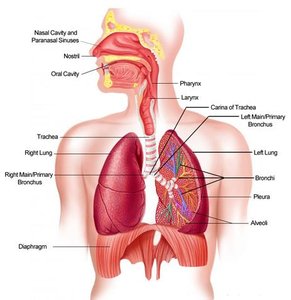
Anatomy of the Respiratory System
The respiratory system is divided into upper and lower tracts, each with specific structures and functions. Upper Respiratory Tract: - Nose: Entry point for air, filters and humidifies. - Pharynx: Passageway for air and food. - Larynx: Contains vocal cords, protects lower airways. 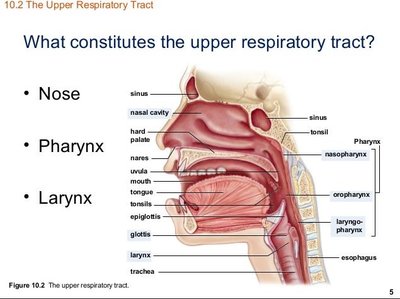 Lower Respiratory Tract: - Trachea: Windpipe, supported by cartilage rings. - Bronchi: Branches from trachea into lungs. - Bronchioles: Smaller branches, regulate airflow. - Alveoli: Tiny air sacs for gas exchange.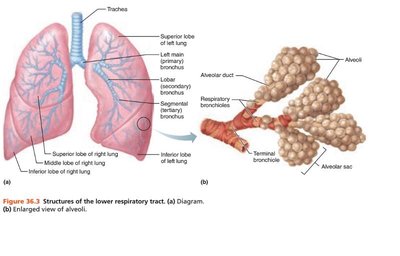
Gas Exchange in the Alveoli
Gas exchange occurs in the alveoli, where oxygen diffuses into the blood and carbon dioxide is expelled. - O2 and CO2 Exchange: Occurs across the alveolar-capillary membrane. - Loss of Elasticity: Diseases like emphysema reduce alveolar elasticity, making exhalation difficult. 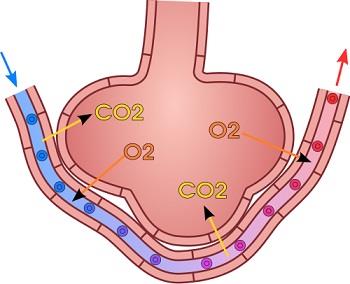
Medical Terminology: Key Terms and Word Roots
Common Word Roots and Combining Forms
Understanding medical terminology is essential for describing respiratory structures and conditions.
Structure/Condition | Word Root/Combining Form |
|---|---|
Alveolus | alveol/o |
Larynx | laryng/o |
Nose | nas/o, rhin/o |
Pleura | pleur/o |
Pharynx | pharyng/o |
Tonsils | tonsill/o |
Trachea | trache/o |
Lung | pulmon/o, pneum/o, pneumon/o |
Bronchus | bronch/o, bronchi/o |
Bronchioles | bronchiol/o |
Chest | thorac/o |
Diaphragm | phren/o |
Straight | orth/o |
Mucus | muc/o |
Blue | cyan/o |
Common Suffixes and Prefixes
- -itis: Inflammation (e.g., tonsillitis) - -oid: Resembling (e.g., mucoid) - -rrhea: Discharge (e.g., rhinorrhea) - -plegia: Paralysis (e.g., laryngoplegia) - -pnea: Breathing (e.g., tachypnea)
Respiratory Diseases and Disorders
Chronic Obstructive Pulmonary Disease (COPD)
COPD is a group of progressive lung diseases that cause airflow blockage and breathing-related problems. - Includes: Emphysema, asthma, chronic bronchitis. - Symptoms: Shortness of breath, chronic cough, wheezing, barrel chest. - Stages: Ranges from mild (at-risk) to severe (respiratory or heart failure). 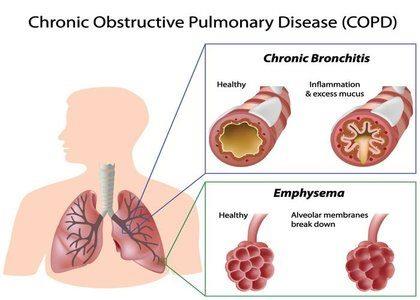
Emphysema
- Pathology: Decreased alveolar elasticity; alveoli expand but cannot fully contract, trapping air. - Symptoms: Difficulty exhaling, barrel chest, orthopnea (easier breathing upright). - Treatment: Bronchodilators, inhaled steroids, antibiotics, supplemental oxygen. 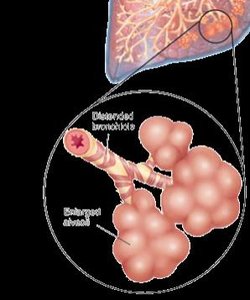
Asthma
Asthma is characterized by spasms of smooth muscle in bronchial passages, often triggered by allergens, irritants, exercise, cold, or stress. - Symptoms: Wheezing, dyspnea, coughing with mucus. - Treatment: Avoidance of triggers, mucolytics, bronchodilators, hospitalization for status asthmaticus. 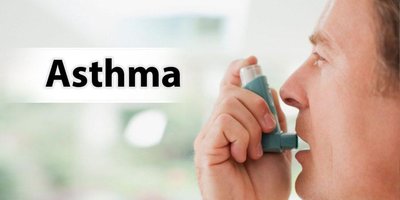
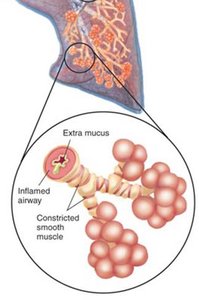
Chronic Bronchitis
Chronic bronchitis involves inflammation of the bronchial passages, often due to smoking or environmental irritants. - Symptoms: Productive cough, chest discomfort, morning "smoker's" cough. - Treatment: Smoking cessation, antibiotics for infection, inhalers, respiratory therapy. 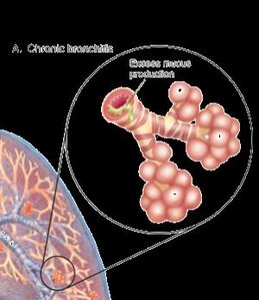
Pneumonia
Pneumonia is an inflammatory condition of the lungs caused by infection (bacterial, viral, fungal) or aspiration. - Symptoms: Cough, mucopurulent secretions, dyspnea, thoracodynia. - Pathology: Alveoli fill with fluid, impairing gas exchange. 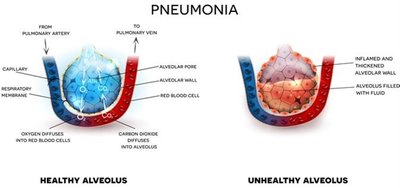
Pulmonary Embolism
Pulmonary embolism is the blockage of a pulmonary artery by a foreign object, usually a blood clot. - Symptoms: Shortness of breath, chest pain, hemoptysis, edema, acrocyanosis, finger clubbing. - Treatment: Anticoagulants, thrombolytics, filters, surgical embolectomy. 
Sleep Apnea
Sleep apnea is characterized by repeated cessation of breathing during sleep. - Types: Obstructive (airway blocked), central (brain signal failure), complex (combination). - Symptoms: Loud snoring, gasping, pauses in breathing. - Treatment: Tonsillectomy, adenoidectomy, uvulopalatopharyngoplasty, CPAP, apnea monitor. 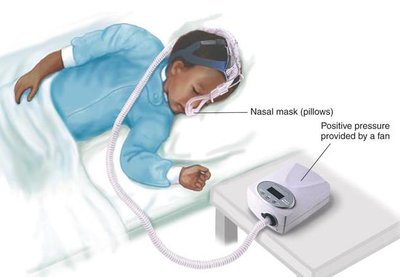
Diagnostic and Therapeutic Procedures
Endotracheal Intubation
Endotracheal intubation involves placing a tube through the mouth into the trachea to maintain an open airway and administer medications. 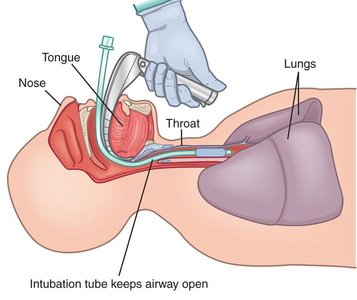
Tracheostomy
Tracheostomy is the surgical creation of an opening in the trachea to bypass obstructions, remove secretions, deliver oxygen, or treat breathing disorders. 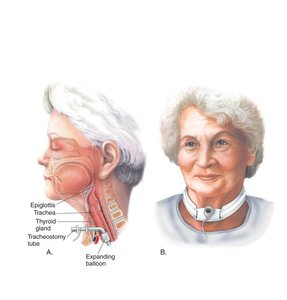
Polysomnography
Polysomnography is a sleep study that records brain waves, muscle activity, eye movements, respiratory rate, blood pressure, oxygen saturation, and heart rhythm to diagnose sleep disorders. 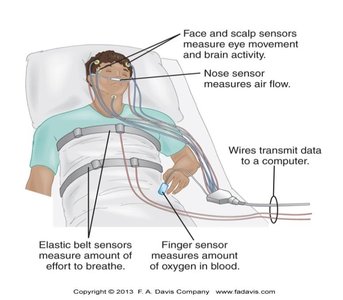
Bronchoscopy
Bronchoscopy uses a specialized endoscope to examine the larynx, trachea, bronchi, and bronchioles for pathological changes, biopsy, or removal of obstructions. 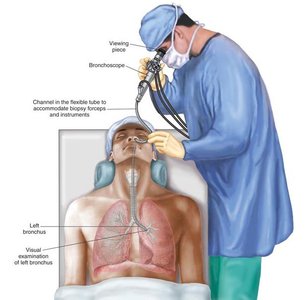
Aerosol Therapy
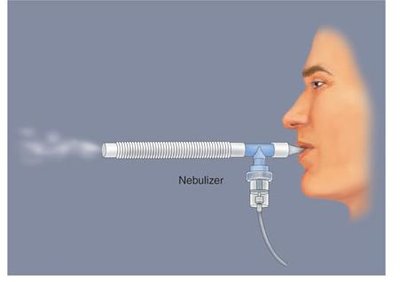
Aerosol therapy delivers medication directly into the lungs via metered-dose inhalers (MDIs) or nebulized mist treatments (NMTs). - MDI: Delivers a specific dose of medication. - NMT: Delivers medication as a fine mist, suitable for infants and those unable to use MDIs. 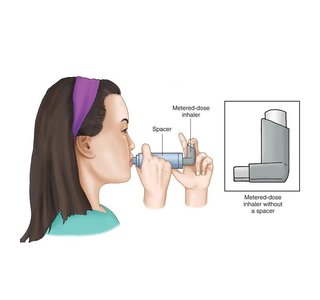
Key Respiratory Terms and Definitions
Term | Definition |
|---|---|
Atelectasis | Collapsed or airless condition of the lung(s) |
Consolidation | Process of becoming solid (engorged lung) |
Coryza | Acute inflammation of the nasal mucosa; also called rhinitis or a cold |
Epistaxis | Bleeding from the nose; nosebleed |
Rhonchi | Abnormal respiratory sound resembling snoring |
Stridor | High-pitched sound on inspiration indicating airway obstruction |
Common Medications for Respiratory Disorders
Drug Classes and Their Actions
Drug Class | Action |
|---|---|
Bronchodilators | Increase airflow by dilating bronchioles and bronchi |
Corticosteroids | Block substances that trigger allergic and inflammatory actions |
Decongestants | Constrict blood vessels in nasal passages, reduce swelling |
Antitussives | Suppress coughing by blocking the cough reflex |
Summary Table: Respiratory System Structures and Functions
Structure | Function |
|---|---|
Nose | Filters, humidifies, and warms air |
Pharynx | Passageway for air and food |
Larynx | Voice production, airway protection |
Trachea | Conducts air to bronchi |
Bronchi | Distribute air to lungs |
Bronchioles | Regulate airflow to alveoli |
Alveoli | Site of gas exchange |
Key Equations
Gas Exchange Equation
The partial pressure difference drives the movement of gases:
Respiratory Rate Calculation
Conclusion
The respiratory system is essential for life, providing oxygen to tissues and removing carbon dioxide. Understanding its anatomy, terminology, diseases, and treatments is crucial for medical professionals and students. Mastery of medical terminology enables accurate communication and understanding of respiratory health and disease.
