 Indietro
Tissue Perfusion and Hypertension: Medical Terminology Study Guide
Guida di studio - Note intelligenti
 Appunti personalizzati basati sui tuoi materiali, ampliati con definizioni chiave, esempi e contesto.
Tissue Perfusion and the Cardiovascular System
Introduction to Perfusion
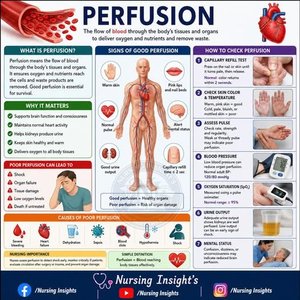
Perfusion refers to the flow of blood through the body's tissues and organs, delivering oxygen and nutrients while removing waste products. Adequate perfusion is essential for maintaining cellular function and overall homeostasis.
Oxygen Delivery: Blood transports oxygen from the lungs to tissues.
Nutrient Supply: Nutrients absorbed from the digestive tract are distributed to cells.
Waste Removal: Metabolic wastes are carried to organs of excretion (e.g., kidneys, lungs).
Homeostasis: Maintains stable internal conditions.
Immune Defense: Circulates immune cells and antibodies.
Assessing Perfusion
Assessment of perfusion involves evaluating both central (major organs) and peripheral (extremities and surface tissues) circulation. Key indicators include:
Blood Pressure (BP): Indicates the force of blood against arterial walls.
Mean Arterial Pressure (MAP): Average pressure in arteries during one cardiac cycle.
Mental Status: Changes may indicate impaired cerebral perfusion.
Skin Condition: Color, temperature, and capillary refill time reflect peripheral perfusion.
Urine Output: Reflects renal perfusion and overall fluid status.
Cardiovascular System: Structure and Function
Anatomy of the Heart
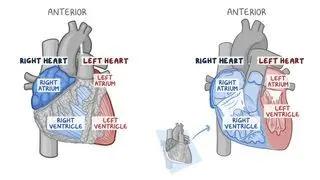
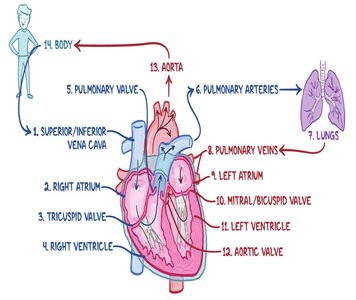
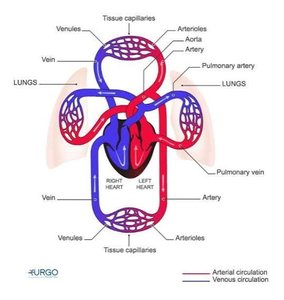
The heart is a muscular organ divided into right and left sides, each with an atrium and ventricle. It pumps blood through two main circuits: pulmonary (to the lungs) and systemic (to the body).
Right Heart: Receives deoxygenated blood from the body and pumps it to the lungs.
Left Heart: Receives oxygenated blood from the lungs and pumps it to the body.
Cardiovascular System Overview
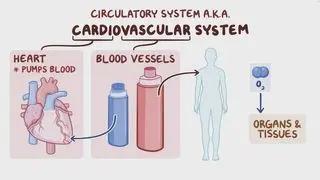
The cardiovascular system consists of the heart and blood vessels (arteries, veins, capillaries). Its primary function is to circulate blood, ensuring tissue perfusion.
Heart: Acts as a pump to propel blood.
Blood Vessels: Arteries carry blood away from the heart; veins return blood to the heart; capillaries allow exchange of gases and nutrients.
Composition of Blood
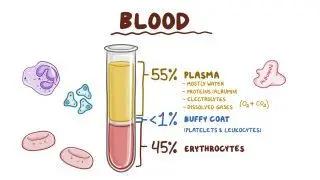
Blood is a specialized body fluid composed of plasma, red blood cells (erythrocytes), white blood cells (leukocytes), and platelets (thrombocytes).
Plasma (55%): Contains water, proteins, electrolytes, and dissolved gases.
Buffy Coat (<1%): White blood cells and platelets.
Erythrocytes (45%): Red blood cells responsible for oxygen transport via hemoglobin.
Blood Pressure: Physiology and Measurement
Definition and Phases
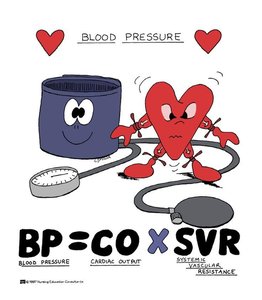
Blood pressure is the force exerted by circulating blood on the walls of blood vessels. It is measured in millimeters of mercury (mm Hg) and recorded as systolic over diastolic pressure (e.g., 120/80 mm Hg).
Systole: Ventricular contraction; highest pressure.
Diastole: Ventricular relaxation; lowest pressure.
Pulse Pressure: Difference between systolic and diastolic pressures.
Formula:
Where BP = Blood Pressure, CO = Cardiac Output, SVR = Systemic Vascular Resistance
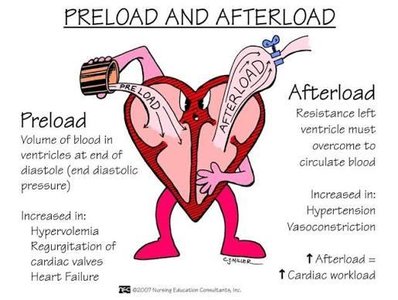
Preload and Afterload
Preload and afterload are key determinants of cardiac function and blood pressure.
Preload: Volume of blood in ventricles at end-diastole; increased by hypervolemia, regurgitation, and heart failure.
Afterload: Resistance the left ventricle must overcome to circulate blood; increased by hypertension and vasoconstriction.
Blood Pressure Categories
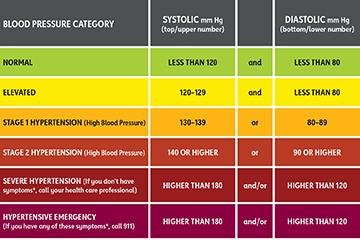
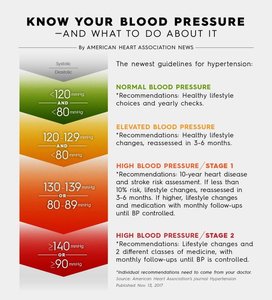
Blood pressure is classified into categories based on systolic and diastolic values. These categories guide clinical management and risk assessment.
Category | Systolic (mm Hg) | Diastolic (mm Hg) |
|---|---|---|
Normal | Less than 120 | Less than 80 |
Elevated | 120-129 | Less than 80 |
Stage 1 Hypertension | 130-139 | 80-89 |
Stage 2 Hypertension | 140 or higher | 90 or higher |
Hypertensive Emergency | Higher than 180 | Higher than 120 |
Hypertension: Types, Causes, and Management
Primary vs. Secondary Hypertension
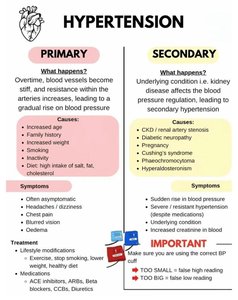
Hypertension is classified as primary (essential) or secondary based on its underlying cause.
Primary Hypertension: No identifiable cause; associated with risk factors such as age, genetics, obesity, and high salt intake.
Secondary Hypertension: Caused by identifiable conditions (e.g., kidney disease, endocrine disorders).
Factors Affecting Blood Pressure
Multiple factors influence blood pressure, including:
Age
Gender
Race
Medications
Weight
Circadian rhythm
Head injury
Blood volume
Food intake
Emotions
Pain
Teaching and Health Promotion
Patient education is crucial for managing and preventing hypertension. Key strategies include:
Maintaining normal body weight
Adopting the DASH diet (low fat, high fruits and vegetables)
Reducing sodium intake (≤2.3 g/day)
Engaging in regular aerobic activity (30 min most days)
Limiting alcohol consumption
Alterations in Cardiac Function and Perfusion
Common Alterations
Alterations in perfusion may be primary or secondary and can affect the heart's function, blood composition, or blood flow to organs and tissues.
Disturbances in Conduction: Abnormal electrical impulses (e.g., dysrhythmias).
Impaired Valvular Function: Stenosis or regurgitation of cardiac valves.
Altered Cardiac Output: Insufficient blood volume ejected into circulation.
Myocardial Ischemia: Inadequate coronary artery flow to meet myocardial oxygen demand.
Alterations in Blood: Anemia, low or abnormal hemoglobin, hypovolemia.
Lifespan Considerations: Older Adults
Aging affects the cardiovascular, pulmonary, and renal systems, influencing tissue perfusion. Assessment techniques may need adjustment for older adults.
Assessing pulse and blood pressure may be more challenging due to vascular changes.
Cardiovascular Assessment and Diagnostics
Subjective and Objective Assessment
Assessment includes both subjective (patient-reported) and objective (measured) data.
Electrocardiogram (ECG/EKG): Measures electrical activity of the heart.
Stress Testing: Evaluates cardiac function under physical stress.
Screening Tests: Blood pressure, hemoglobin/hematocrit, serum lipids (cholesterol, HDL, LDL, triglycerides).
Peripheral Circulation Assessment
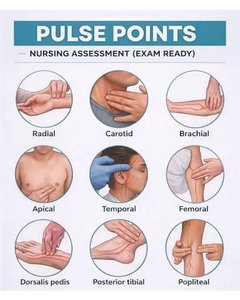
Signs and symptoms of impaired arterial or venous circulation include changes in skin color, temperature, edema, and peripheral pulses.
Impaired Arterial Circulation: Pale, cool skin; weak or absent pulses; delayed capillary refill.
Impaired Venous Circulation: Warm, edematous skin; normal or bounding pulses; possible varicosities.
Management Strategies
Goals of Therapy
Management aims to support, improve, and promote adequate perfusion, reduce cardiac workload, and meet fluid needs.
Primary prevention (lifestyle modifications)
Pharmacologic therapy (antihypertensives, antilipidemics, diuretics, anticoagulants)
Nonpharmacologic therapy (exercise, diet, smoking cessation)
Common Medications
Antilipidemics: Atorvastatin
Diuretics: Furosemide, Hydrochlorothiazide, Spironolactone
Anticoagulants: Warfarin (monitoring/antidote: vitamin K), Heparin (monitoring/antidote: protamine sulfate)
Summary Table: Blood Pressure Categories
Category | Systolic (mm Hg) | Diastolic (mm Hg) |
|---|---|---|
Normal | <120 | <80 |
Elevated | 120-129 | <80 |
Stage 1 Hypertension | 130-139 | 80-89 |
Stage 2 Hypertension | ≥140 | ≥90 |
Hypertensive Emergency | >180 | >120 |
Key Terms and Definitions
Perfusion: The passage of fluid through the circulatory or lymphatic system to an organ or tissue.
Blood Pressure (BP): The pressure of circulating blood on the walls of blood vessels.
Systole: Phase of the heartbeat when the heart muscle contracts and pumps blood.
Diastole: Phase of the heartbeat when the heart muscle relaxes and allows the chambers to fill with blood.
Preload: The initial stretching of the cardiac myocytes prior to contraction.
Afterload: The pressure the heart must work against to eject blood during systole.
Cardiac Output (CO): The volume of blood the heart pumps per minute.
Systemic Vascular Resistance (SVR): The resistance to blood flow offered by all of the systemic vasculature.
