 Indietro
Chemical Principles and Biomolecules in Microbiology
Guida di studio - Note intelligenti
 Appunti personalizzati basati sui tuoi materiali, ampliati con definizioni chiave, esempi e contesto.
Clostridium difficile: Clinical Relevance
Overview of Clostridium difficile
Clostridium difficile is a Gram-positive, spore-forming anaerobic bacterium that can cause severe gastrointestinal diseases, especially after disruption of normal gut microbiota by antibiotics. It is naturally resistant to many antibiotics and is a significant cause of hospital-acquired infections.
Habitat: Minor inhabitant of the gastrointestinal tract in some individuals.
Pathogenesis: Gains dominance when normal biota is diminished, leading to gastroenteritis, colitis, and sepsis.
Clinical Impact: Annually affects ~300,000 U.S. hospital patients, contributing to ~30,000 deaths, with 80% of cases in those aged 80+.
Treatment: Fecal transplants have a high success rate (up to 80-90%) for recurrent infections, compared to lower efficacy of antibiotics.
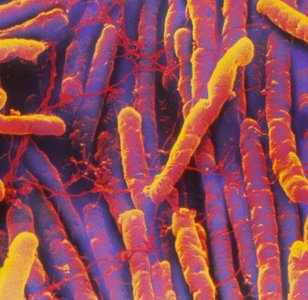
Additional info: Fecal microbiota transplantation restores healthy gut flora, reducing recurrence of C. difficile infection.
Chapter 2 - Chemical Principles
Atoms, Elements, and Molecules
Chemistry underpins all biological processes. Understanding atoms, elements, and molecules is essential for microbiology.
Element: A pure substance consisting of one type of atom.
Atom: The smallest unit of an element, composed of protons, neutrons, and electrons.
Molecule: Two or more atoms bonded together.
Subatomic Particles: Protons (+), neutrons (0), electrons (–).
Atomic Number: Number of protons in the nucleus; defines the element.
Atomic Mass: Total number of protons and neutrons.
Isotopes: Atoms of the same element with different numbers of neutrons.
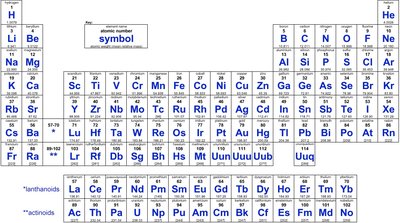
Additional info: There are 118 known elements, 94 of which occur naturally.
Electronic Structure and Chemical Bonds
Atoms interact to achieve stability by filling their outer electron shells, forming chemical bonds.
Valence: Number of electrons in the outermost shell; determines bonding behavior.
Chemical Bonds: Attractive forces holding atoms together in molecules.
Types of Bonds: Covalent (sharing electrons), ionic (transfer of electrons), hydrogen bonds, Van der Waals interactions.
Element | First Shell | Second Shell | Third Shell | Valence Electrons | Unfilled Spaces | Max Bonds |
|---|---|---|---|---|---|---|
Hydrogen | 1 | – | – | 1 | 1 | 1 |
Carbon | 2 | 4 | – | 4 | 4 | 4 |
Nitrogen | 2 | 5 | – | 5 | 3 | 3 |
Oxygen | 2 | 6 | – | 6 | 2 | 2 |
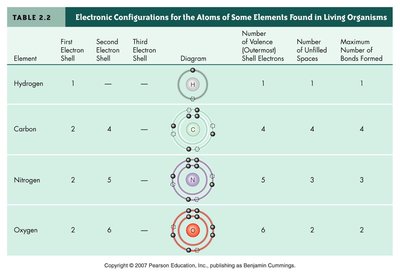
Covalent Bonds
Covalent bonds form when atoms share electrons. They are the strongest and most common bonds in biological molecules.
Nonpolar Covalent Bonds: Electrons are shared equally (e.g., H2, CH4).
Polar Covalent Bonds: Electrons are shared unequally, creating partial charges (e.g., H2O).
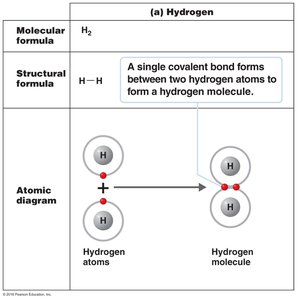
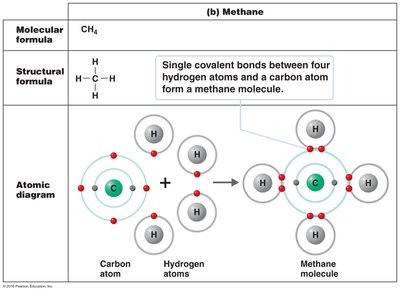
Additional info: Electronegativity differences determine bond polarity.
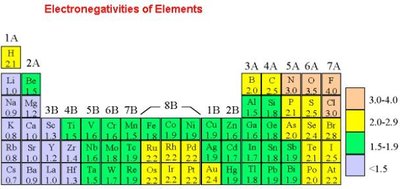
Electronegativity and Bond Polarity
Electronegativity is the tendency of an atom to attract electrons. Differences in electronegativity between atoms lead to polar or nonpolar bonds.
High Electronegativity: Atoms like O and N attract electrons strongly.
Low Electronegativity: Atoms like H and C share electrons more equally.
Hydrogen Bonds
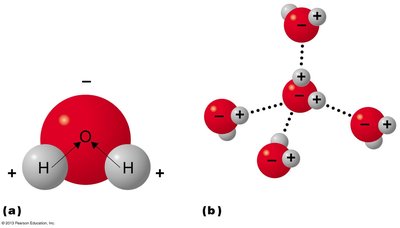
Hydrogen bonds are weak attractions between a hydrogen atom covalently bonded to an electronegative atom (O or N) and another electronegative atom. They are crucial for the structure of water, proteins, and nucleic acids.
Importance: Stabilize structures of proteins and DNA, contribute to water's unique properties.
Ionic Bonds
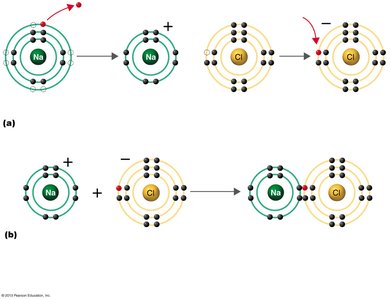
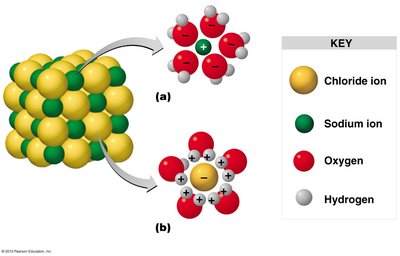
Ionic bonds form when electrons are transferred from one atom to another, resulting in oppositely charged ions that attract each other.
Cation: Positively charged ion (loss of electron).
Anion: Negatively charged ion (gain of electron).
Example: Formation of NaCl from Na and Cl atoms.
Properties of Water
Water is essential for life due to its polarity, solvent properties, high specific heat, and ability to form hydrogen bonds.
Polarity: Allows water to dissolve many substances (universal solvent).
Hydrogen Bonding: Gives water high cohesion, surface tension, and heat capacity.
Biological Importance: Major component of cells, medium for chemical reactions.
pH and Buffers
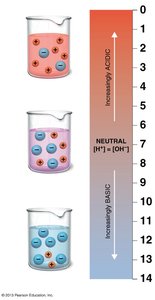
pH measures the concentration of hydrogen ions (H+) in a solution. It affects molecular structure and function in biological systems.
Acid: Proton donor; increases H+ concentration.
Base: Proton acceptor; decreases H+ concentration.
Salt: Dissociates in water but does not affect H+ concentration.
pH Scale: Ranges from 0 (acidic) to 14 (basic); pH = –log10[H+].
Functional Groups in Organic Molecules
Functional groups are specific groups of atoms within molecules that determine their chemical reactivity and properties. Common functional groups include hydroxyl, carbonyl, methyl, amino, phosphate, sulfhydryl, and carboxyl.
Importance: Functional groups participate in chemical reactions and define the behavior of biomolecules.
Biomolecules: Structure and Function
Carbohydrates
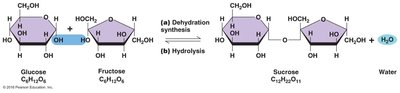
Carbohydrates are organic molecules composed of carbon, hydrogen, and oxygen, typically with the formula (CH2O)n. They serve as energy sources, structural components, and recognition molecules.
Monosaccharides: Simple sugars (e.g., glucose, fructose).
Disaccharides: Two monosaccharides joined by dehydration synthesis (e.g., sucrose, lactose).
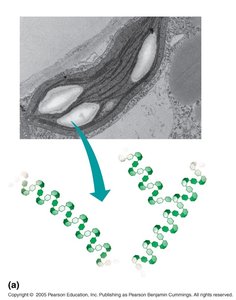
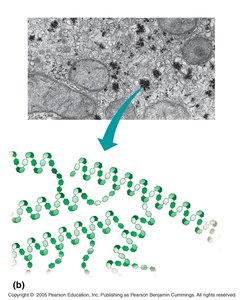
Polysaccharides: Long chains of monosaccharides (e.g., starch, glycogen, cellulose).
Isomers: Molecules with the same formula but different structures.
Lipids
Lipids are hydrophobic molecules primarily composed of carbon, hydrogen, and oxygen. They are key components of cell membranes and serve as energy storage molecules.
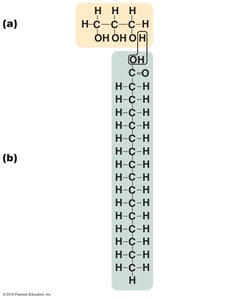
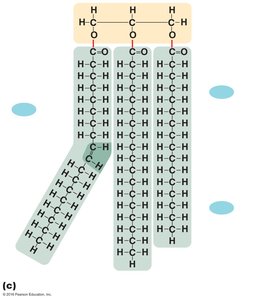
Triglycerides: Glycerol + 3 fatty acids; energy storage.
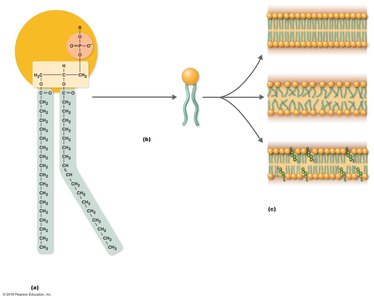
Phospholipids: Glycerol + 2 fatty acids + phosphate group; major membrane component.
Sterols: Four fused carbon rings; membrane fluidity (e.g., cholesterol).
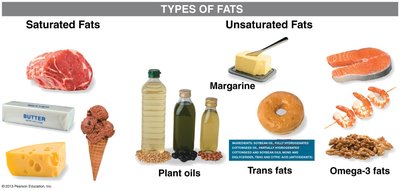
Saturated vs. Unsaturated: Saturated fats have no double bonds; unsaturated fats have one or more double bonds.
Proteins (Polypeptides)
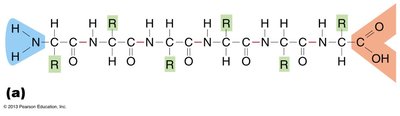
Proteins are polymers of amino acids and perform a vast array of cellular functions, including catalysis, structure, transport, and defense.
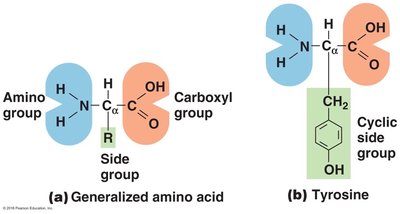
Amino Acids: Building blocks of proteins; contain amino, carboxyl, hydrogen, and R group.
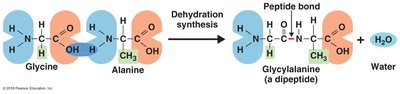
Peptide Bonds: Link amino acids via dehydration synthesis.
Levels of Structure:
Primary: Sequence of amino acids.
Secondary: Local folding (α-helix, β-sheet) via H-bonds.
Tertiary: Overall 3D shape due to R group interactions.
Quaternary: Association of multiple polypeptides.
Nucleic Acids (DNA and RNA)
Nucleic acids store and transmit genetic information. DNA is typically double-stranded and forms a double helix, while RNA is usually single-stranded.
Monomers: Nucleotides (sugar, phosphate, nitrogenous base).
DNA: Deoxyribose sugar, bases A, T, G, C; double helix; genetic blueprint.
RNA: Ribose sugar, bases A, U, G, C; single-stranded; involved in gene expression and regulation.
ATP: Adenosine triphosphate; energy currency of the cell.
Additional info: Complementary base pairing (A-T/U, G-C) is essential for replication and transcription.
Summary Table: Key Biomolecules
Biomolecule | Monomer | Bond Type | Main Functions |
|---|---|---|---|
Carbohydrate | Monosaccharide | Glycosidic | Energy, structure, recognition |
Lipid | Fatty acid, glycerol | Ester | Membranes, energy storage |
Protein | Amino acid | Peptide | Enzymes, structure, transport |
Nucleic Acid | Nucleotide | Phosphodiester | Genetic information |
