 Indietro
Introduction to Eukaryotic Cells: Structure, Function, and Diversity
Guida di studio - Note intelligenti
 Appunti personalizzati basati sui tuoi materiali, ampliati con definizioni chiave, esempi e contesto.
Introduction to Eukaryotic Cells
Overview of Eukaryotic Cells
Eukaryotic cells are fundamental units of life found in plants, animals, fungi, and protists. They are distinguished from prokaryotic cells by their larger size, complexity, and presence of membrane-bound organelles, including a defined nucleus.
Eukaryotes include multicellular and unicellular organisms.
They possess multiple linear chromosomes and larger genomes compared to prokaryotes.
Membrane-bound organelles allow compartmentalization of cellular functions.
The Endosymbiotic Theory
Origin of Eukaryotic Cells
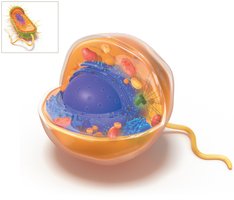
The endosymbiotic theory explains the evolutionary origin of eukaryotic cells through a series of cell-merging events between ancient prokaryotes and proto-eukaryotes.
Prokaryotes evolved ~3.5 billion years ago; eukaryotes evolved ~2.5 billion years ago.
Mitochondria originated from engulfed nonphotosynthetic prokaryotes (possibly Rickettsia species).
Chloroplasts originated from engulfed photosynthetic prokaryotes (e.g., cyanobacteria).
Evidence: mitochondria and chloroplasts have their own circular DNA, 70S ribosomes, double membranes, and replicate by binary fission.
Eukaryotic Cell Division
Mitosis, Meiosis, and Binary Fission
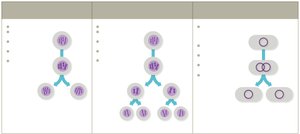
Eukaryotic cells reproduce via mitosis (asexual) and meiosis (sexual), while prokaryotes and some organelles use binary fission.
Mitosis: Produces two genetically identical diploid cells.
Meiosis: Produces four genetically unique haploid gametes; involves crossing over for genetic recombination.
Binary fission: Used by prokaryotes, mitochondria, and chloroplasts; produces two identical cells.
Eukaryotic Cell Transport
Endocytosis and Exocytosis
Eukaryotic cells use specialized processes to import and export substances.
Endocytosis: Plasma membrane engulfs extracellular material, forming vesicles.
Types: Pinocytosis (cell drinking), Phagocytosis (cell eating), Receptor-mediated endocytosis (specific ligand uptake).
Exocytosis: Vesicles fuse with plasma membrane to release contents outside the cell.
Phagocytosis
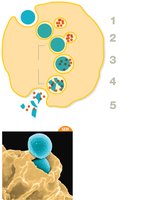
Phagocytes (e.g., macrophages) engulf targets, forming a phagosome that fuses with a lysosome to create a phagolysosome, where hydrolytic enzymes destroy the contents. 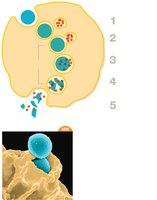
Eukaryotic Kingdoms
Animals
Animals are multicellular, non-photosynthetic organisms that obtain organic carbon from nutrients. Parasitic worms (helminths) and arthropods are included.
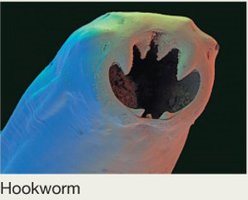
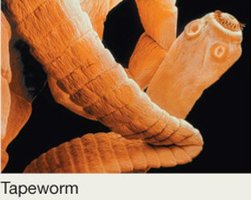
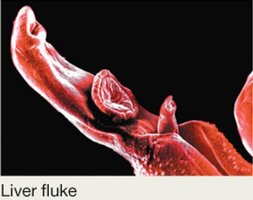
Helminths: Parasitic worms with complex life cycles; include roundworms, flatworms.
WHO estimates half the world’s population is infected with some type of helminth.
Plants
Plants are multicellular, photosynthetic organisms that produce organic carbon using light energy. Vegetation can serve as a vehicle for infectious pathogens.
Fungi
Fungi are a diverse group, mostly multicellular, with some unicellular yeasts. They absorb nutrients and include pathogens and saprobes.
Grow as hyphae: Septate hyphae (divided) and Aseptate hyphae (continuous).
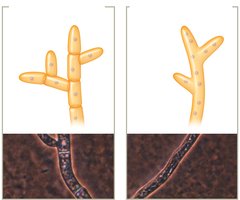
Dimorphic fungi: Alternate between hyphal and yeast forms.
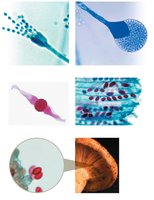
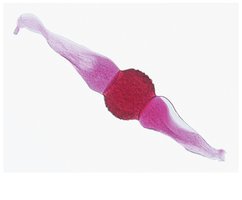
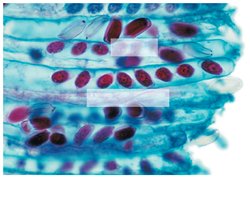
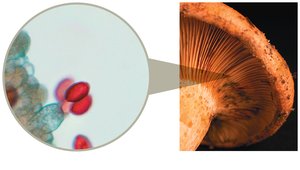
Fungal spores: Classified as asexual (conidiospores, sporangiospores) or sexual (zygospores, ascospores, basidiospores).
Fungal Diseases (Mycoses)
Occur in immunocompromised individuals or those with disrupted microbiota.
Dermatophytes: Infect skin, hair, nails; infections called "tinea" (e.g., tinea unguium, tinea pedis).
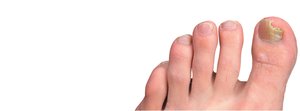
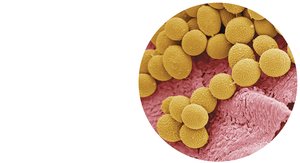
Some fungi produce mycotoxins (e.g., ergot toxin from Claviceps purpurea).
Protists
Protists are a diverse group, including unicellular, multicellular, and multinucleated masses. They may be autotrophic or heterotrophic, reproduce sexually or asexually, and may or may not have cell walls. 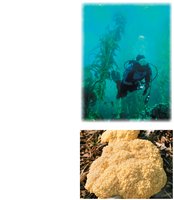
Examples: algae, slime molds, protozoans.
Protozoans
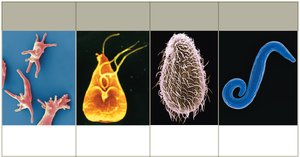
Protozoans are grouped by their motility:
Amoeboid: Move via pseudopods (e.g., Entamoeba histolytica).
Flagellated: Move via flagella (e.g., Giardia lamblia).
Ciliated: Move via cilia (e.g., Tetrahymena thermophila).
Spore-forming: Non-motile, often pathogenic (e.g., Plasmodium species).
Eukaryotic Cell Structures
Plasma Membrane
All eukaryotic cells have a plasma membrane composed of a phospholipid bilayer with embedded sterols, serving as a selective barrier.
Cell Wall
Some eukaryotes (plants, fungi, certain protists) have a cell wall external to the plasma membrane, providing shape and protection. Eukaryotic cell walls lack peptidoglycan.
Glycocalyx
Most eukaryotes possess a glycocalyx, a sticky extracellular layer composed of carbohydrates, glycoproteins, and glycolipids, aiding in protection, adhesion, and motility. 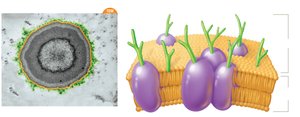
Flagella and Cilia
Flagella: Long, tail-like structures made of tubulin with a 9+2 microtubule arrangement; anchored by a basal body; move in a wavelike motion.
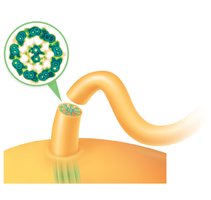
Cilia: Short, numerous structures with similar internal structure to flagella; move in an oar-like motion.
Ribosomes
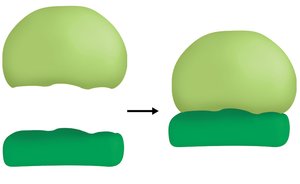
Eukaryotic ribosomes are 80S, composed of 40S (small) and 60S (large) subunits.
Can be free in the cytoplasm or bound to the endoplasmic reticulum.
Mitochondria and chloroplasts contain 70S ribosomes, similar to prokaryotes.
Cytoskeleton
The cytoskeleton is a dynamic network of protein fibers that shapes cells, coordinates movement, and organizes cell division.
Microtubules: Hollow tubes (25 nm), made of tubulin; form spindle during cell division; arise from centrosome (two centrioles).
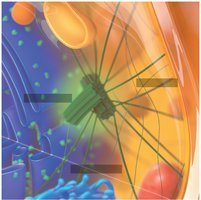
Intermediate filaments: Rope-like fibers (~10 nm), provide tensile strength.
Microfilaments: Fine fibers (3–6 nm), made of actin; involved in muscle contraction, cell division, and pseudopodia movement.
Membrane-Bound Organelles
Nucleus
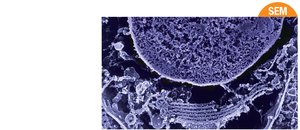
The nucleus houses DNA, organized as chromatin in the nucleoplasm. The nucleolus is a dense area enriched with RNA, where ribosomal subunits begin development. The nucleus is enclosed by a double-membrane nuclear envelope with pores for material exchange. 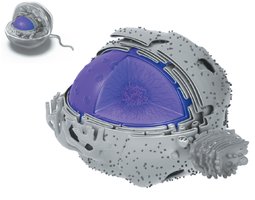
Endoplasmic Reticulum (ER)
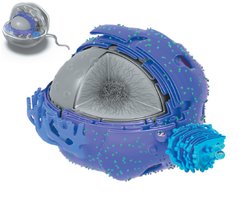
The ER is a network of membranes continuous with the nuclear envelope, essential for protein and lipid production.
Rough ER: Studded with ribosomes; modifies and transports proteins.
Smooth ER: Lacks ribosomes; involved in lipid production and detoxification.
Golgi Apparatus
The Golgi apparatus consists of cisternae and coordinates with the ER to modify, sort, and distribute proteins and lipids. 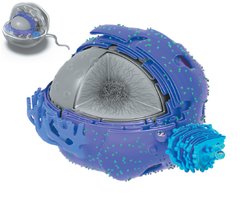
Vesicles and Vacuoles
Vesicles: Lipid bilayer sacs for transport, secretion, and digestion (lysosomes, peroxisomes).
Vacuoles: Large membranous sacs, common in plants and fungi; regulate osmotic pressure in some protists.
Mitochondria and Chloroplasts
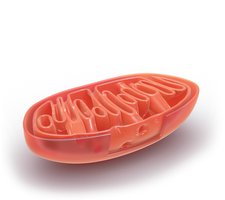
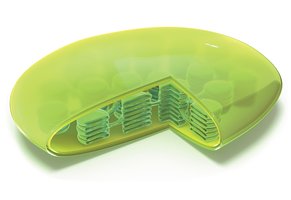
Both are double-membrane structures with 70S ribosomes and circular chromosomes.
Mitochondria: Produce ATP, amino acids, vitamins; regulate cell division and apoptosis; structure includes outer membrane, inner membrane with cristae, and matrix.
Chloroplasts: Present in photosynthetic cells; structure includes inner and outer membranes, thylakoids stacked into grana, and stroma.
Summary Table: Eukaryotic vs. Prokaryotic Cells
Feature | Eukaryotic Cells | Prokaryotic Cells |
|---|---|---|
Nucleus | Present | Absent |
Membrane-bound organelles | Present | Absent |
Chromosomes | Multiple, linear | Single, circular |
Cell division | Mitosis, meiosis | Binary fission |
Ribosomes | 80S (cytoplasm), 70S (mitochondria/chloroplasts) | 70S |
Cell wall | Plants, fungi, some protists (no peptidoglycan) | Peptidoglycan (bacteria) |
