 Indietro
Microbial Growth and Metabolism: Study Notes for Microbiology Students
Guida di studio - Note intelligenti
 Appunti personalizzati basati sui tuoi materiali, ampliati con definizioni chiave, esempi e contesto.
Microbial Growth
Definition and Process
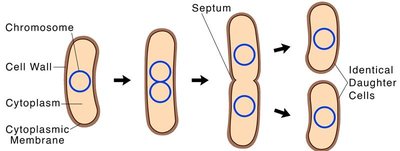
Microbial growth refers to the increase in the number of cells, not cell size, primarily through cell division. In prokaryotes, this occurs via binary fission, a process where a single cell replicates its DNA and splits into two genetically identical daughter cells.
Binary Fission: The main method of reproduction in bacteria, involving DNA replication, septum formation, and cell division.
Generation Time: The time required for a population to double; varies by species and environmental conditions.
Health Implications: Rapid microbial growth can lead to significant increases in pathogen numbers in a short time, impacting food safety and disease transmission.
Exponential Growth and Mathematical Representation
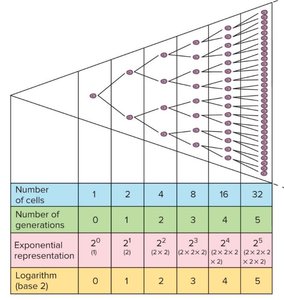
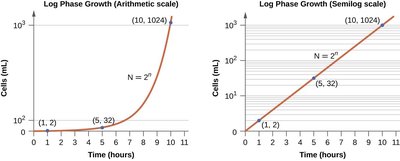
Microbial populations double with each cell division, resulting in exponential growth. This is often visualized using semilogarithmic graphs, which linearize the exponential relationship.
Growth Equations:
Generation time:
Population size:
Example: Starting with 5 cells, after 3 generations: cells.
Bacterial Growth Curve
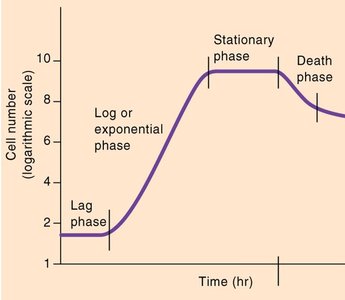
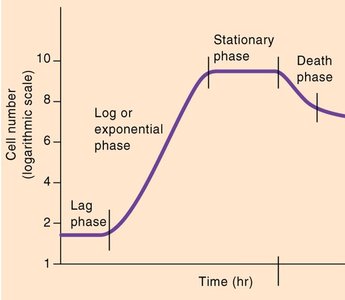
In a closed environment, microbial populations follow a predictable growth curve with four distinct phases:
Lag Phase: Adjustment, enlargement, and synthesis; cells prepare for division.
Exponential (Log) Phase: Rapid cell division; cells are at their healthiest.
Stationary Phase: Growth slows as resources become limited; cells may induce specialized processes (e.g., endospore formation).
Death Phase: Cell death exceeds reproduction due to depletion of nutrients and accumulation of toxic waste.
Growth Requirements
Nutritional Requirements
Microbes require various molecules for energy and cellular structure. These can be synthesized internally or must be acquired from the environment as nutrients.
Growth Factors: Essential compounds an organism cannot synthesize and must obtain from the environment.
Example: Amino acids, vitamins, and nucleotides may be required as growth factors.
Types of Metabolic Reactions
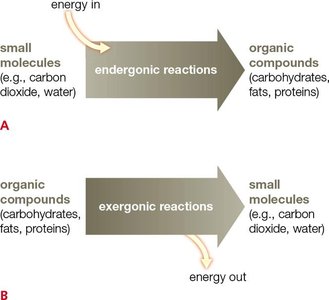
Metabolism encompasses all chemical reactions in a cell, divided into:
Anabolism: Endergonic reactions that build larger molecules from smaller ones, requiring energy input.
Catabolism: Exergonic reactions that break down larger molecules into smaller ones, releasing energy.
Coupled Reactions and ATP
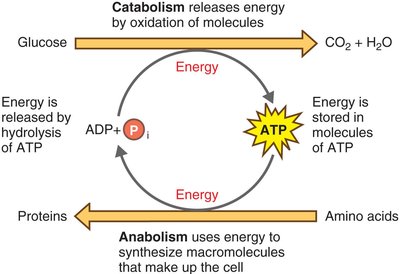
Catabolic and anabolic reactions are coupled, with ATP serving as the energy intermediary.
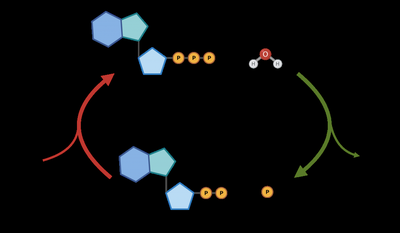
ATP: Stores energy in high-energy phosphate bonds; hydrolysis releases energy for cellular processes.
ADP: Low-energy molecule formed after ATP releases a phosphate group.
Simplified Model of Metabolism
Metabolism involves the interplay of catabolic and anabolic pathways, with ATP as the central energy carrier. 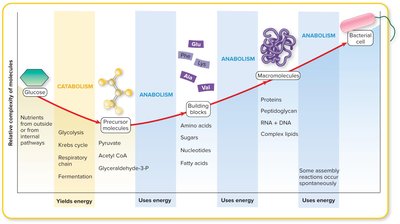
Carbohydrate Catabolism: Glycolysis and Fermentation
Glycolysis
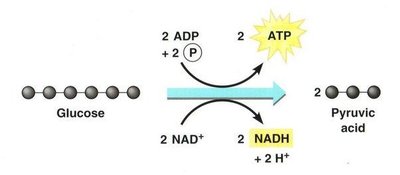
Glycolysis is the universal pathway for carbohydrate catabolism, occurring in the cytosol. It converts glucose to pyruvate, generating ATP and NADH.
Location: Cytosol of the cell.
Products: 2 ATP, 2 NADH, 2 pyruvate per glucose molecule.
Pyruvate: Central Metabolic Intermediate
Pyruvate is a key substrate in multiple metabolic pathways, including the citric acid cycle, fermentation, and anabolic reactions. 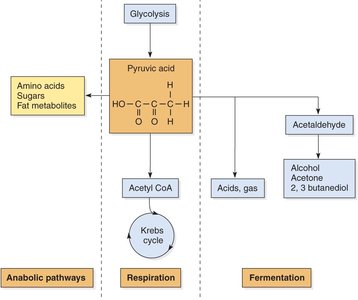
Fermentation Pathways
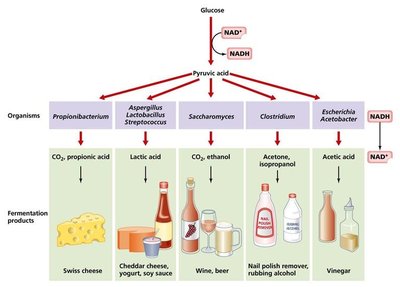
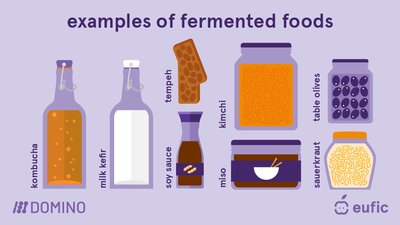
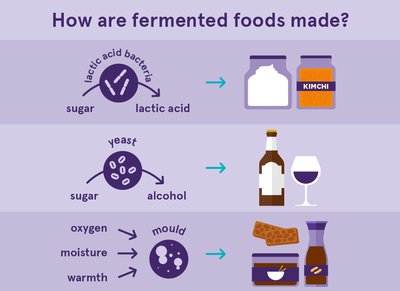
Fermentation occurs when respiration is not possible, yielding only 2 ATP per glucose. Two main types are named after their byproducts:
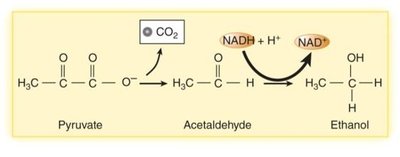
Alcohol Fermentation: Produces ethanol and CO2; utilized in beer, wine, and bread production.
Acid Fermentation: Produces various acids (lactic, acetic, succinic, formic, etc.).
Physical Requirements for Microbial Growth
Temperature
Microbes assume the temperature of their environment, which affects their growth rate and distribution.
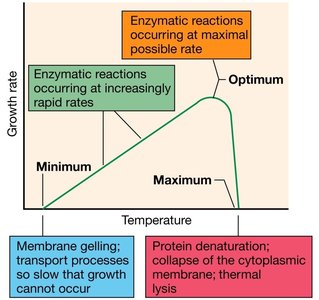
Minimum: Lowest temperature permitting growth.
Maximum: Highest temperature permitting growth.
Optimum: Temperature promoting fastest growth.
Range: Temperatures at which growth is possible.
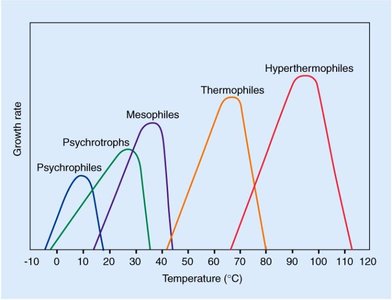
Microbial Groups by Temperature Preference
Psychrophiles: (-5°C to 15°C) Arctic and Antarctic regions.
Psychrotrophs: (20°C to 30°C) Important in food spoilage.
Mesophiles: (25°C to 45°C) Disease-causing microbes.
Thermophiles: (45°C to 70°C) Hot springs.
Hyperthermophiles: (70°C to 110°C) Hydrothermal vents, usually Archaea.
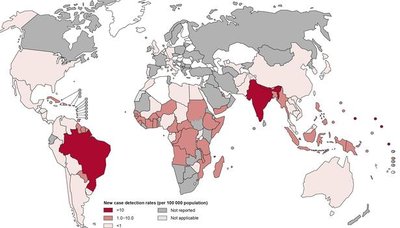
Disease Spotlight: Leprosy
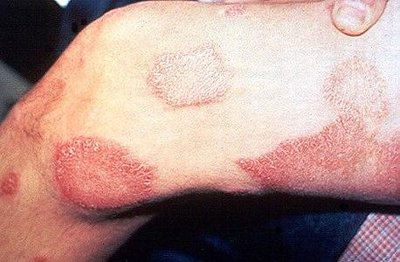
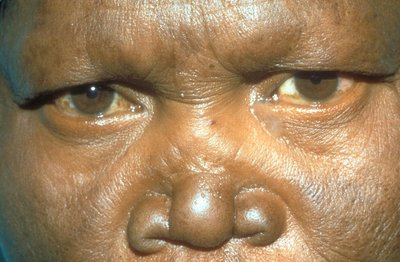
Leprosy (Hansen’s Disease) is caused by slow-growing bacteria Mycobacterium leprae, primarily affecting peripheral nerves and skin.
Transmission: Prolonged, close contact with untreated individuals.
Symptoms: Loss of sensation, skin discoloration, nerve damage, paralysis, facial deformities.
Treatment: Multi-drug therapy; global cases have significantly decreased.
Atmospheric Gas Requirements
Oxygen and carbon dioxide are the most influential gases for microbial growth.
Capnophiles: Grow best at higher CO2 concentrations than atmospheric levels.
Oxygen Effects:
Obligate aerobes: Require O2.
Obligate anaerobes: Cannot tolerate O2.
Microaerophiles: Require low O2 levels.
Facultative anaerobes: Can grow with or without O2, but prefer O2.
Aerotolerant anaerobes: Indifferent to O2.
Toxic Derivatives: Enzymes like superoxide dismutase and catalase are required to detoxify reactive oxygen species.
pH Requirements
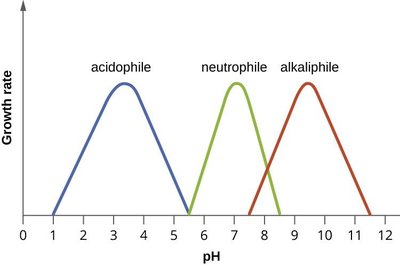
Microbes are classified by their optimal pH for growth:
Neutrophiles: Grow best at neutral pH (most microbes).
Acidophiles: Thrive at pH below 5.5.
Alkaliphiles: Grow at pH above 8.5.
Tonicity and Water Requirements
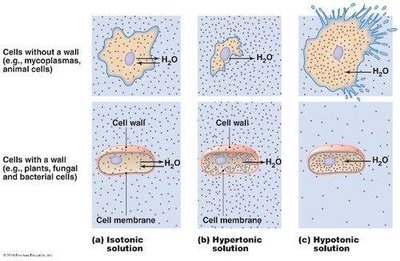
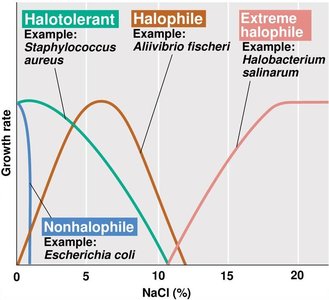
All organisms require water for growth. Microbes respond differently to salt concentrations:
Halotolerant: Tolerate moderate salt (e.g., marine bacteria).
Halophiles: Require high salt concentrations for growth.
Extreme Halophiles: Grow at ≥9% NaCl (e.g., Dead Sea).
Laboratory Techniques: The Five I's
Overview
The Five I's are fundamental techniques for manipulating, growing, and characterizing microorganisms:
Inoculation: Introduction of microbes into media to create a culture.
Incubation: Allowing microbes to grow under controlled conditions.
Isolation: Separating individual colonies for pure culture.
Inspection: Analyzing colony and cellular morphology.
Identification: Determining the species via biochemical, genotypic, and immunologic tests.
Types of Media
General Purpose Media: Supports a wide variety of microbes.
Enriched Media: Contains complex organic substances for fastidious organisms.
Selective Media: Contains inhibitors to suppress unwanted microbes.
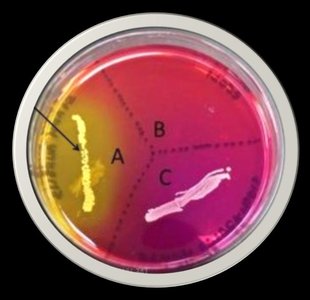
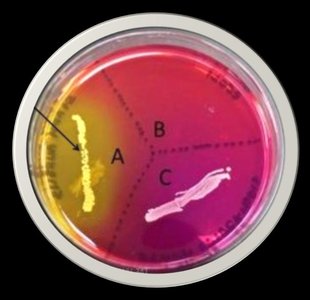
Differential Media: Allows multiple types to grow, with visible differences between colonies.
Incubation and Broth/Agar Cultures
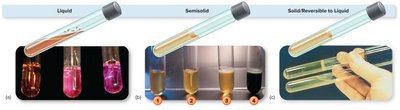
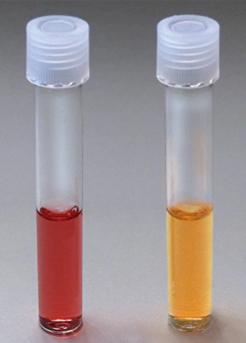
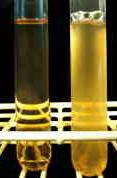
Broth: Liquid media; turbidity indicates microbial growth.
Agar Plates: Solid media; colonies form on the surface, each derived from a single cell.
Isolation and Streak Plate Technique
The streak plate method is used to obtain discrete colonies, enabling isolation of pure cultures.
Inspection: Colony and Cellular Morphology
Colony Morphology: Macroscopic appearance of colonies.
Cellular Morphology: Microscopic shape of individual cells (coccus, bacillus, spiral).
Cellular Arrangements: Diplococci, tetrads, sarcinae, staphylococci, streptococci, etc.
Microscopy: Magnification, Resolution, and Contrast
Magnification: Apparent increase in size; light microscopes (up to 1,000x), electron microscopes (over 100,000x).
Resolution: Minimum distance between two points that can be distinguished.
Contrast: Difference in color between sample and background; enhanced by staining.
Identification
Methods
Biochemical Testing: Determines metabolic capabilities.
Genotypic Testing: Analyzes genetic material.
Immunologic Testing: Uses antibodies to identify species.
Summary Table: Microbial Growth Requirements
Requirement | Type | Example |
|---|---|---|
Temperature | Psychrophile, Mesophile, Thermophile, Hyperthermophile | Arctic bacteria, human pathogens, hot spring bacteria, Archaea |
pH | Acidophile, Neutrophile, Alkaliphile | Acid mine bacteria, most bacteria, soda lake bacteria |
Salt | Halotolerant, Halophile, Extreme Halophile | Staphylococcus aureus, Aliivibrio fischeri, Halobacterium salinarum |
Oxygen | Obligate aerobe, Obligate anaerobe, Facultative anaerobe, Aerotolerant anaerobe, Microaerophile | Bacillus, Clostridium, Escherichia coli, Streptococcus, Helicobacter |
Key Equations
Generation time:
Population size:
Additional info:
Some details about metabolic pathways and laboratory techniques were expanded for clarity and completeness.
