 Indietro
Microbial Growth: Physical and Chemical Requirements, Culture Media, and Measurement
Guida di studio - Note intelligenti
 Appunti personalizzati basati sui tuoi materiali, ampliati con definizioni chiave, esempi e contesto.
Microbial Growth
Introduction to Microbial Growth
Microbial growth refers to the increase in the number of microbial cells, not the size of individual cells. Understanding the requirements for microbial growth is essential for culturing, controlling, and studying microorganisms in laboratory and clinical settings.
Physical Requirements for Microbial Growth
Temperature
Temperature is a critical physical factor influencing microbial growth. Microorganisms are classified based on their preferred temperature ranges:
Psychrophiles: Cold-loving microbes; optimal growth at around 10°C, range -10°C to 20°C.
Mesophiles: Moderate-temperature-loving; optimal at 35°C, range 10°C to 50°C. Most human pathogens are mesophiles.
Thermophiles: Heat-loving; optimal at 64°C, range 40°C to 72°C.
Hyperthermophiles: Grow at extremely high temperatures; optimal at 95°C, range 65°C to 110°C.
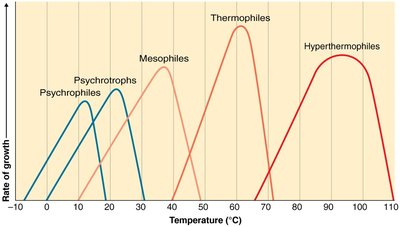
Each species has a minimum, optimum, and maximum growth temperature. Growth outside these ranges is limited or impossible due to enzyme denaturation or reduced metabolic activity.
pH
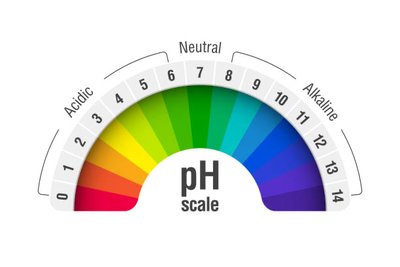
The pH of the environment affects microbial enzyme activity and membrane transport. Most bacteria grow best between pH 6.5 and 7.5 (near neutral), while molds and yeasts prefer slightly acidic conditions (pH 5–6). Acidophiles are adapted to thrive in acidic environments.
Osmotic Pressure
Osmotic pressure is the force exerted by solutes in the environment. In hypertonic environments (high solute concentration), water leaves the cell, causing plasmolysis and inhibiting growth. Halophiles are adapted to high-salt environments:
Obligate halophiles: Require high salt concentrations for growth.
Facultative halophiles: Tolerate high salt but do not require it.

Chemical Requirements for Microbial Growth
Major Elements
Carbon: Backbone of all organic molecules; chemoheterotrophs use organic carbon, autotrophs use CO2.
Nitrogen: Needed for amino acids, proteins, and nucleic acids. Some bacteria fix atmospheric N2.
Sulfur: Used in amino acids (cysteine, methionine), vitamins, and some coenzymes.
Phosphorus: Essential for nucleic acids, phospholipids, and ATP.
Trace Elements
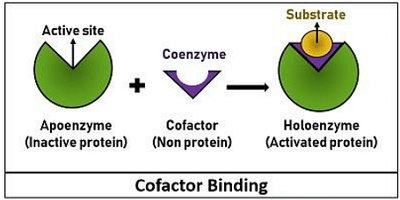
Trace elements such as iron, copper, molybdenum, and zinc are required in small amounts, usually as enzyme cofactors.

Oxygen Requirements
Microbes vary in their oxygen requirements:
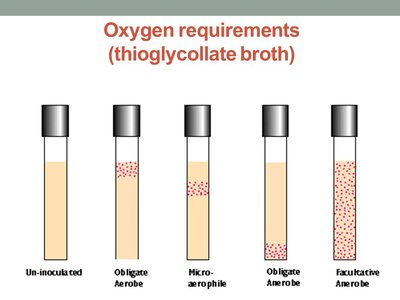
Obligate aerobes: Require oxygen for growth.
Facultative anaerobes: Can grow with or without oxygen (prefer oxygen).
Anaerobes: Cannot use oxygen; may be harmed by it.
Aerotolerant anaerobes: Tolerate oxygen but do not use it.
Microaerophiles: Require low oxygen concentrations.
Organic Growth Factors
These are essential organic compounds that microbes cannot synthesize and must obtain from the environment, such as vitamins, amino acids, purines, and pyrimidines.
Biofilms
Formation and Importance
Biofilms are complex microbial communities that adhere to surfaces and are embedded in a self-produced matrix. They communicate via quorum sensing and share nutrients. Biofilms are highly resistant to antimicrobial agents and are implicated in 70% of infections, including those associated with catheters, heart valves, and dental caries.
Culture Media
Types of Media
Chemically defined media: Exact chemical composition is known; used for fastidious organisms.
Complex media: Contains extracts from yeast, meat, or plants; composition varies.
Reducing media: Used for cultivating anaerobes; contains chemicals to remove oxygen.
Selective media: Suppress unwanted microbes and encourage desired ones.
Differential media: Distinguish between different microbes based on colony appearance or biochemical reactions.
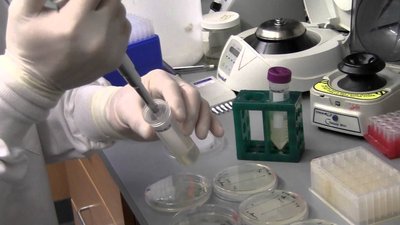
Enrichment media: Enhance growth of a particular microbe to detectable levels.
Special Culture Techniques
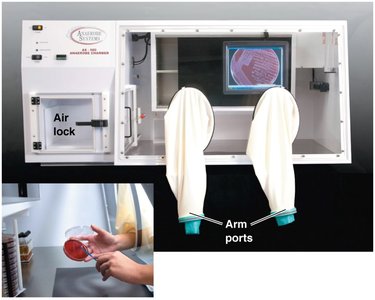
Anaerobic techniques: Use reducing media, anaerobic chambers, or jars to cultivate anaerobes.
Capnophiles: Require high CO2 conditions, achieved with CO2 packets or candle jars.
Biosafety levels (BSL): Range from BSL-1 (basic) to BSL-4 (maximum containment for dangerous pathogens).
Obtaining Pure Cultures
Streak Plate Method
A pure culture contains only one species or strain. The streak plate method is used to isolate individual colonies, each arising from a single cell or group of attached cells (colony-forming unit, CFU).
Preserving Bacterial Cultures
Methods
Deep-freezing: Cultures are frozen at -50°C to -95°C for long-term storage.
Lyophilization (freeze-drying): Cultures are frozen and dehydrated in a vacuum, allowing for long-term preservation at room temperature.
The Growth of Bacterial Cultures
Bacterial Division and Growth Curve
Bacteria reproduce mainly by binary fission, resulting in exponential population growth. The time required for a cell to divide (generation time) varies among species and environmental conditions.
The bacterial growth curve consists of four phases:
Lag phase: Metabolic activity without division.
Log (exponential) phase: Rapid cell division.
Stationary phase: Growth rate slows; equilibrium between cell division and death.
Death phase: Death rate exceeds new cell formation.
Measuring Microbial Growth
Direct Methods
Plate count: Counting colonies on agar plates after serial dilution.
Filtration: Filtering a solution and counting colonies that grow on the filter.
Most Probable Number (MPN): Statistical estimation based on dilution and growth in liquid media.
Direct microscopic count: Counting cells using a special slide under a microscope.
Indirect Methods
Turbidity: Measuring cloudiness with a spectrophotometer; more cells scatter more light.
Metabolic activity: Measuring the amount of metabolic product (e.g., acid, gas) produced.
Dry weight: Filtering, drying, and weighing cells, especially for filamentous organisms.
