 Indietro
Microbial Metabolism: Chemical Reactions and Pathways
Guida di studio - Note intelligenti
 Appunti personalizzati basati sui tuoi materiali, ampliati con definizioni chiave, esempi e contesto.
Basic Chemical Reactions Underlying Metabolism
Overview of Metabolism
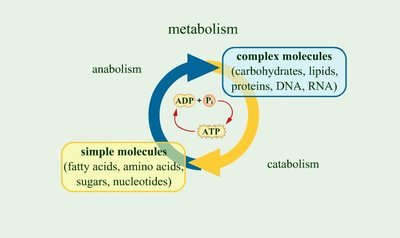
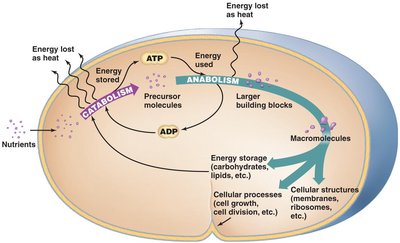
Metabolism encompasses all controlled biochemical reactions within a microbe, serving the ultimate function of reproducing the organism. These reactions are organized into two major classes: catabolism and anabolism.
Catabolism: Breakdown of complex molecules into simpler ones, releasing energy (exergonic).
Anabolism: Synthesis of complex molecules from simpler ones, requiring energy (endergonic).
ATP: Energy is stored in adenosine triphosphate (ATP), which is generated and consumed during metabolic processes.
Eight Elementary Statements Guiding Metabolic Processes
Every cell acquires nutrients.
Metabolism requires energy from light or catabolism of nutrients.
Energy is stored in ATP.
Cells catabolize nutrients to form precursor metabolites.
Precursor metabolites, ATP, and enzymes are used in anabolic reactions.
Enzymes plus ATP form macromolecules.
Cells grow by assembling macromolecules.
Cells reproduce once they have doubled in size.
Catabolism and Anabolism
Metabolic Pathways
Catabolic and anabolic pathways are interconnected, with catabolism providing energy and precursor metabolites for anabolism. The interplay between these pathways is essential for cellular growth and reproduction.
Catabolic Pathways: Break down larger molecules, releasing energy.
Anabolic Pathways: Build larger molecules, consuming energy.
Oxidation and Reduction Reactions
Redox Reactions in Metabolism
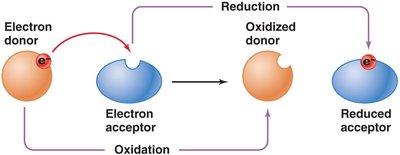
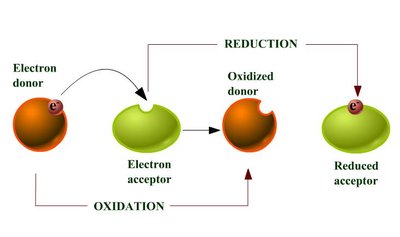
Oxidation-reduction (redox) reactions involve the transfer of electrons from an electron donor to an electron acceptor. These reactions are fundamental to energy production in cells.
Redox reactions always occur simultaneously.
Cells use electron carriers such as NAD+, NADP+, and FAD to transport electrons.
ATP Production and Energy Storage
Mechanisms of ATP Formation
Organisms release energy from nutrients and store it in ATP. ATP is produced by phosphorylation, which involves adding a phosphate group to ADP. There are three main mechanisms:
Substrate-level phosphorylation
Oxidative phosphorylation
Photophosphorylation
Anabolic pathways utilize ATP by breaking its phosphate bond to drive biosynthetic reactions.
The Roles of Enzymes in Metabolism
Enzyme Structure and Function
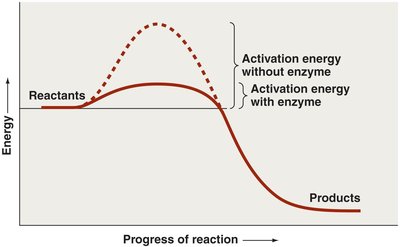
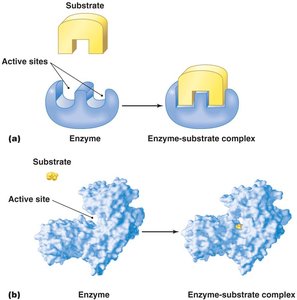
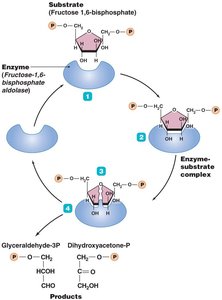
Enzymes are organic catalysts that increase the likelihood of biochemical reactions. They are classified based on their mode of action:
Hydrolases
Isomerases
Ligases/Polymerases
Lyases
Oxidoreductases
Transferases
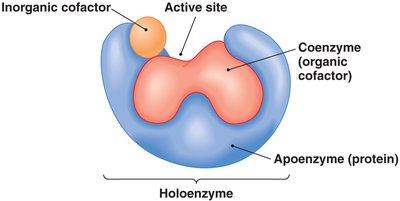
Enzymes may require cofactors (inorganic ions or coenzymes) for activity. The combination of an apoenzyme and its cofactor forms a holoenzyme. Some enzymes are RNA molecules called ribozymes.
Enzyme Activity and Regulation
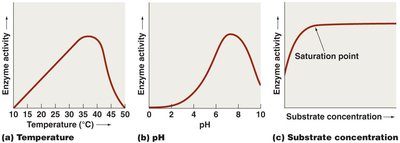
Enzyme activity is influenced by several factors:
Temperature
pH
Enzyme and substrate concentrations
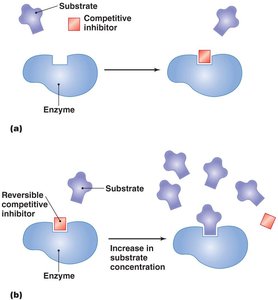
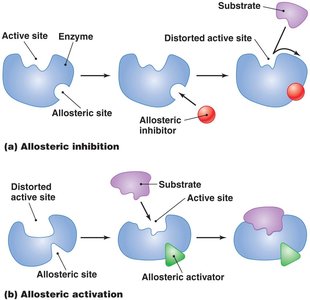
Presence of inhibitors
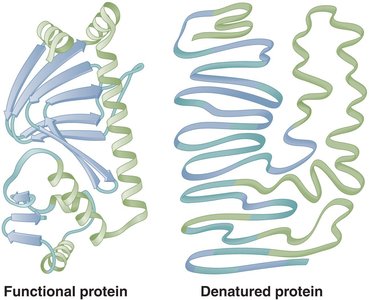
Inhibitors block the enzyme's active site without denaturing the enzyme. Types include competitive, noncompetitive, and allosteric inhibitors.
Carbohydrate Catabolism
Glucose Catabolism
Microbes commonly oxidize carbohydrates, especially glucose, as their primary energy source. Glucose catabolism occurs via cellular respiration or fermentation.
Glycolysis: Splits glucose into two three-carbon molecules, yielding ATP and NADH.
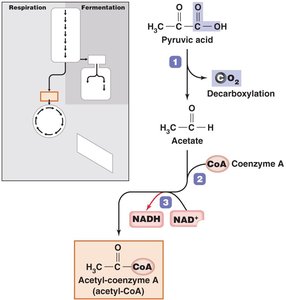
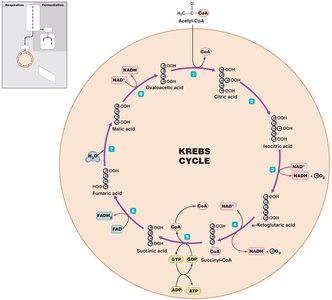
Cellular Respiration: Complete oxidation of pyruvic acid to produce ATP through three stages: synthesis of acetyl-CoA, Krebs cycle, and electron transport chain.
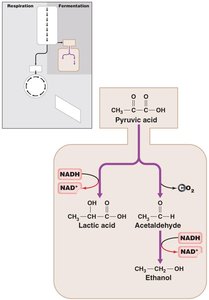
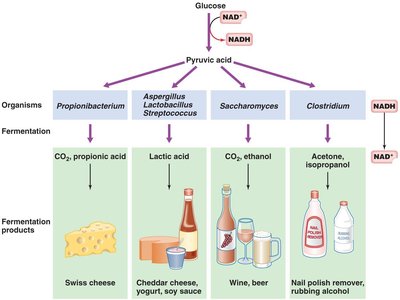
Fermentation: Partial oxidation of glucose, regenerating NAD+ and producing organic end products.
Other Catabolic Pathways
Microbes also catabolize lipids and proteins for energy.
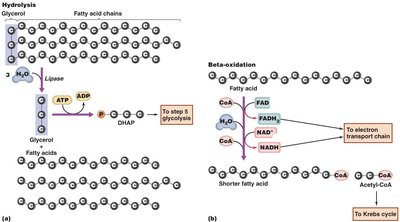
Lipid Catabolism: Fatty acids are broken down by beta-oxidation, generating acetyl-CoA for the Krebs cycle.
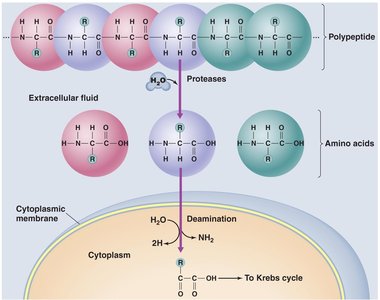
Protein Catabolism: Proteins are hydrolyzed to amino acids, which are deaminated and enter metabolic pathways.
Photosynthesis
Light-Dependent and Light-Independent Reactions
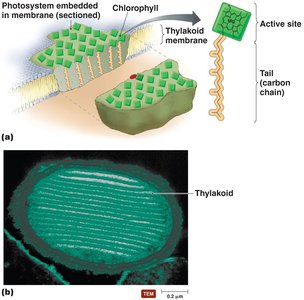
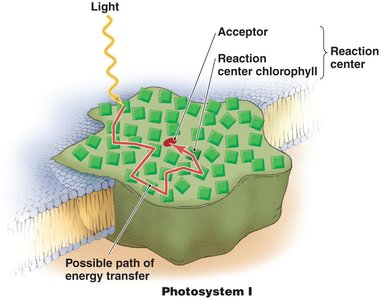
Photosynthetic organisms synthesize organic molecules from CO2 and H2O using light energy. Chlorophylls are key pigments, and photosystems are complexes that harvest light energy.
Photosystem I (PS I) and Photosystem II (PS II): Absorb light and drive redox reactions to produce ATP and NADPH.
Light-dependent reactions: Use light energy to generate ATP and NADPH.
Light-independent reactions: Use ATP and NADPH to fix carbon via the Calvin-Benson cycle.
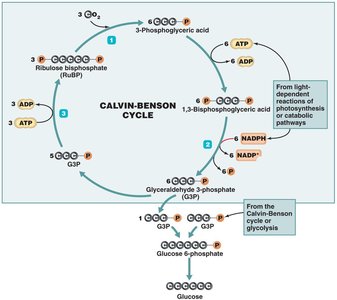
Other Anabolic Pathways
Amphibolic Pathways and Biosynthesis
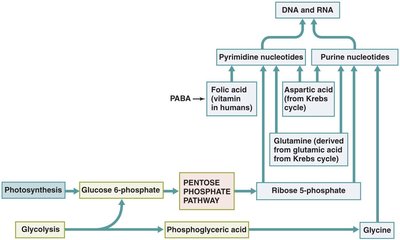
Anabolic reactions synthesize macromolecules using energy from ATP and precursor metabolites. Many pathways are amphibolic, meaning they can proceed in both directions.
Gluconeogenesis: Synthesis of glucose from non-carbohydrate precursors.
Biosynthesis of fats, amino acids, and nucleotides: Utilizes intermediates from catabolic pathways.
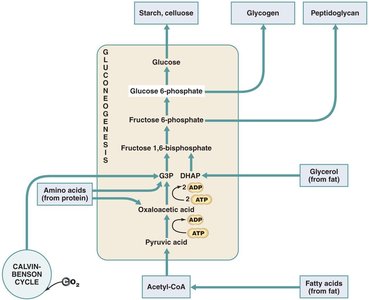
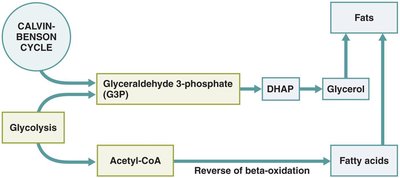
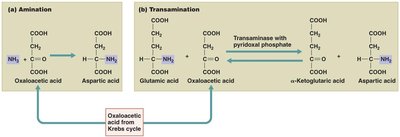
Integration and Regulation of Metabolic Function
Metabolic Regulation
Cells regulate metabolism by controlling enzyme synthesis and activity, isolating pathways within organelles, and using feedback inhibition. Amphibolic pathways are regulated by requiring different coenzymes for each direction.
Control of gene expression: Regulates the amount and timing of enzyme production.
Control of metabolic expression: Regulates enzyme activity post-production.
Summary Table: Types of Metabolic Pathways
Pathway | Main Function | Key Products |
|---|---|---|
Catabolism | Breakdown of molecules | ATP, precursor metabolites |
Anabolism | Synthesis of molecules | Macromolecules |
Glycolysis | Glucose breakdown | ATP, NADH, pyruvic acid |
Krebs Cycle | Oxidation of acetyl-CoA | ATP, NADH, FADH2, CO2 |
Electron Transport Chain | ATP synthesis | ATP, H2O (aerobic) |
Fermentation | NAD+ regeneration | Organic acids, alcohols |
Photosynthesis | Carbon fixation | Glucose, O2 |
Additional info: Academic context was added to clarify the mechanisms and regulatory aspects of metabolism, as well as to provide definitions and examples for key terms and pathways.
