Ch. 18 - Immune Disorders
Bauman - Microbiology with Diseases by Taxonomy 6th Edition
Bauman6th EditionMicrobiology with Diseases by TaxonomyISBN: 9780134832302Non è quello che usi tu?Cambia libro di testo
Capitolo 18, Problema 4

Farmer’s lung is a hypersensitivity pneumonitis resulting from:
a. A type I hypersensitivity reaction to grass pollen
b. A type II hypersensitivity to red cells in the lung
c. A type III hypersensitivity to mold spores
d. A type IV hypersensitivity to bacterial antigens

Guida verificata passo dopo passo
1
Step 1: Understand the nature of Farmer's lung. It is a type of hypersensitivity pneumonitis, which is an immune system disorder affecting the lungs caused by inhaling certain environmental antigens.
Step 2: Review the types of hypersensitivity reactions: Type I involves IgE and immediate allergic reactions; Type II involves antibody-mediated cytotoxicity; Type III involves immune complex deposition; Type IV involves T-cell mediated delayed hypersensitivity.
Step 3: Identify the common antigens causing Farmer's lung. It is typically caused by inhalation of mold spores, especially from moldy hay or crops, which leads to immune complex formation.
Step 4: Match the hypersensitivity type with the antigen involved. Since Farmer's lung involves immune complexes formed by mold spores, it corresponds to a Type III hypersensitivity reaction.
Step 5: Conclude that Farmer's lung results from a Type III hypersensitivity reaction to mold spores, which aligns with option c.

Risposta video verificata per un problema simile:

Questa soluzione video è stata consigliata dai nostri tutor come utile per risolvere questo problema.
Durata del video:
1m

Concetti chiave

Ecco i concetti essenziali che devi comprendere per rispondere correttamente alla domanda.

Hypersensitivity Pneumonitis

Hypersensitivity pneumonitis is an immune-mediated inflammatory lung disease caused by repeated inhalation of environmental antigens. It involves immune complex formation and inflammation in the alveoli, leading to symptoms like cough and breathlessness. Farmer’s lung is a classic example triggered by exposure to moldy hay or spores.
Video consigliato:

Type III Hypersensitivity Reaction

Type III hypersensitivity involves immune complex formation between antigens and antibodies, which deposit in tissues and trigger inflammation. This reaction is characteristic of diseases like Farmer’s lung, where inhaled mold spores form complexes that cause lung tissue damage and hypersensitivity pneumonitis.
Video consigliato:
05:48
Types of Chemical Reactions

Mold Spores as Antigens in Farmer’s Lung

Mold spores, especially from thermophilic actinomycetes found in moldy hay, act as antigens in Farmer’s lung. Inhalation of these spores leads to immune complex formation and lung inflammation. Understanding the source and nature of these antigens is key to diagnosing and managing the disease.
Video consigliato:
04:11
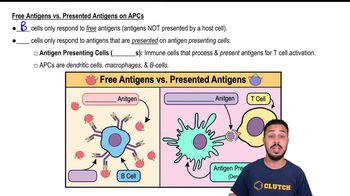
Free Antigens vs. Presented Antigens on APCs