Ch. 22 - Pathogenic Fungi
Bauman - Microbiology with Diseases by Taxonomy 6th Edition
Bauman6th EditionMicrobiology with Diseases by TaxonomyISBN: 9780134832302Non è quello che usi tu?Cambia libro di testo
Capitolo 22, Problema 1

Amphotericin B is considered the “gold standard” of antifungal agents. Technically, its mode of action works against most fungal infections. Why, then, isn’t it prescribed for most fungal infections?

Guida verificata passo dopo passo
1
Step 1: Understand the mode of action of Amphotericin B. It binds to ergosterol, a key component of fungal cell membranes, creating pores that increase membrane permeability and cause cell death.
Step 2: Recognize that while Amphotericin B is effective against a broad range of fungi, its interaction with ergosterol can also affect cholesterol in human cell membranes, leading to toxicity.
Step 3: Identify the main side effects associated with Amphotericin B, such as nephrotoxicity (kidney damage), infusion-related reactions, and electrolyte imbalances, which limit its use.
Step 4: Consider that due to these toxic effects, Amphotericin B is often reserved for severe or life-threatening fungal infections where benefits outweigh risks.
Step 5: Note that for less severe fungal infections, safer antifungal agents with fewer side effects are preferred, which explains why Amphotericin B is not prescribed for most fungal infections despite its effectiveness.

Risposta video verificata per un problema simile:

Questa soluzione video è stata consigliata dai nostri tutor come utile per risolvere questo problema.
Durata del video:
2m

Concetti chiave

Ecco i concetti essenziali che devi comprendere per rispondere correttamente alla domanda.

Mode of Action of Amphotericin B

Amphotericin B binds to ergosterol, a key component of fungal cell membranes, creating pores that cause ion leakage and cell death. This mechanism makes it effective against a broad range of fungi by disrupting membrane integrity.
Video consigliato:
04:37
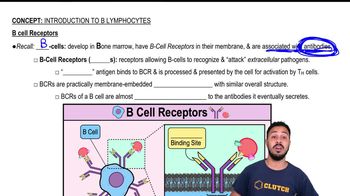
B cell Receptors

Toxicity and Side Effects

Despite its effectiveness, Amphotericin B has significant toxicity, especially nephrotoxicity (kidney damage), infusion-related reactions, and electrolyte imbalances. These adverse effects limit its use to severe or resistant fungal infections.
Video consigliato:
01:32
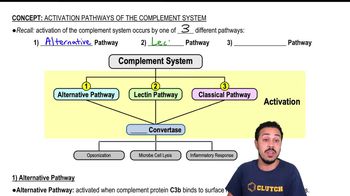
Effects of the Complement System

Alternative Antifungal Agents

Other antifungal drugs, such as azoles and echinocandins, have fewer side effects and are easier to administer. These alternatives are preferred for less severe infections, reserving Amphotericin B for cases where other treatments fail or are inappropriate.
Video consigliato:
04:40
1) Alternative Pathway