Domanda del libro di testo
In malaria, which stage occurs in red blood cells? __________
a. Liver phase
b. Erythrocytic cycle
c. Sporogonic phase
d. Amastigote cycle
875
views

 Bauman 6th EditionCh. 23 - Parasitic Protozoa, Helminths, and Arthropod VectorsProblema 6
 Guida verificata passo dopo passo
 01:27
01:27
 04:23 04:23
In malaria, which stage occurs in red blood cells? __________
a. Liver phase
b. Erythrocytic cycle
c. Sporogonic phase
d. Amastigote cycle
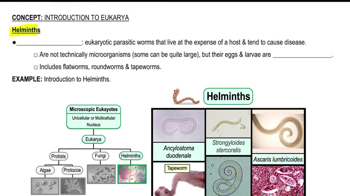
The following helminths can directly penetrate the skin of humans to establish infection:, ____________ , _____________ , and ________________ (give genera only).
Mark each statement as true or false. Rewrite the false statements to make them true by changing the underlined word(s).
__________ Toxoplasmosis can be transmitted across a placenta.
The definitive host for Toxoplasma gondii is __________.
a. humans
b. cats
c. birds
d. mosquitoes
Mark each statement as true or false. Rewrite the false statements to make them true by changing the underlined word(s).
__________ Plasmodium falciparum causes the most serious form of malaria.
Mark each statement as true or false. Rewrite the false statements to make them true by changing the underlined word(s).
__________ Humans can become intermediate hosts for Taenia saginata.