Ch. 20 - Antimicrobial Drugs
Tortora - Microbiology: An Introduction 14th Edition
Tortora14th EditionMicrobiology: An IntroductionISBN: 9780138200398Non è quello che usi tu?Cambia libro di testo
Capitolo 16, Problema 6

Why does a cell die from the following antimicrobial actions?
a. Colistimethate binds to phospholipids.
b. Kanamycin binds to 70S ribosomes.

Guida verificata passo dopo passo
1
Understand the mechanism of action for colistimethate: it binds to phospholipids in the bacterial cell membrane. This disrupts the integrity of the membrane, causing increased permeability and leakage of essential cellular contents, which ultimately leads to cell death.
Recognize that phospholipids are key components of the bacterial cell membrane, maintaining its structure and function. When colistimethate binds to these phospholipids, it compromises the membrane's barrier function.
For kanamycin, identify that it binds to the 70S ribosomes, which are the bacterial ribosomes responsible for protein synthesis. This binding interferes with the ribosome's ability to accurately translate mRNA into proteins.
Understand that inhibition of protein synthesis by kanamycin leads to the production of faulty or incomplete proteins, which disrupts vital cellular processes and causes the bacterial cell to die.
Summarize that both antimicrobial actions cause cell death by targeting essential structures: colistimethate disrupts the cell membrane integrity, while kanamycin inhibits protein synthesis by targeting the ribosomes.

Risposta video verificata per un problema simile:

Questa soluzione video è stata consigliata dai nostri tutor come utile per risolvere questo problema.
Durata del video:
1m

Concetti chiave

Ecco i concetti essenziali che devi comprendere per rispondere correttamente alla domanda.

Mechanism of Action of Colistimethate

Colistimethate is an antibiotic that targets the bacterial cell membrane by binding to phospholipids, disrupting membrane integrity. This interaction causes increased permeability, leading to leakage of cellular contents and ultimately cell death due to loss of membrane function.
Video consigliato:
01:59
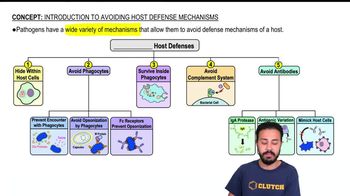
Introduction to Avoiding Host Defense Mechanisms

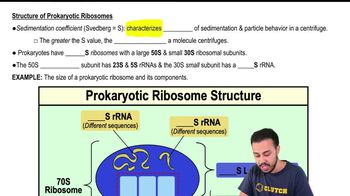
Role of 70S Ribosomes in Bacterial Protein Synthesis

Bacterial 70S ribosomes are the sites of protein synthesis, composed of 50S and 30S subunits. They translate mRNA into proteins essential for cell survival and function. Disruption of ribosomal activity halts protein production, impairing vital cellular processes.
Video consigliato:
08:39
Structure of Prokaryotic Ribosomes

Mechanism of Action of Kanamycin

Kanamycin is an aminoglycoside antibiotic that binds irreversibly to the 30S subunit of the 70S bacterial ribosome. This binding causes misreading of mRNA and inhibits protein synthesis, leading to production of faulty proteins and eventual bacterial cell death.
Video consigliato:
01:59
Introduction to Avoiding Host Defense Mechanisms