

Ch. 23 - Microbial Diseases of the Cardiovascular and Lymphatic Systems
Tortora - Microbiology: An Introduction 14th Edition
Tortora14th EditionMicrobiology: An IntroductionISBN: 9780138200398Non è quello che usi tu?Cambia libro di testo
Capitolo 19, Problema 6

List the causative agent, method of transmission, and reservoir for schistosomiasis, toxoplasmosis, and Chagas disease. Which disease are you most likely to get in the United States? Where are the other diseases endemic?

Guida verificata passo dopo passo
1
Identify the causative agent for each disease: Schistosomiasis is caused by parasitic flatworms called Schistosoma species; Toxoplasmosis is caused by the protozoan Toxoplasma gondii; Chagas disease is caused by the protozoan Trypanosoma cruzi.
Determine the method of transmission for each disease: Schistosomiasis is transmitted through skin contact with freshwater contaminated by larval forms released by snails; Toxoplasmosis is transmitted mainly through ingestion of oocysts from cat feces or undercooked meat containing tissue cysts; Chagas disease is transmitted primarily by the bite of triatomine bugs (kissing bugs) that deposit infective feces near the bite wound.
Identify the reservoir hosts for each disease: For Schistosomiasis, the reservoir includes freshwater snails and infected humans; for Toxoplasmosis, the definitive reservoir is cats, while many warm-blooded animals can serve as intermediate hosts; for Chagas disease, the reservoir includes triatomine bugs and various wild and domestic mammals.
Assess the geographic distribution and endemic areas: Schistosomiasis is endemic mainly in parts of Africa, the Middle East, South America, and Southeast Asia; Toxoplasmosis is found worldwide but is more common where cats and undercooked meat are prevalent; Chagas disease is endemic primarily in rural areas of Latin America.
Determine which disease is most likely to be acquired in the United States: Toxoplasmosis is the most common in the U.S. due to widespread exposure to cats and food sources, while Schistosomiasis and Chagas disease are rare and mostly associated with travel or immigration from endemic regions.

Risposta video verificata per un problema simile:

Questa soluzione video è stata consigliata dai nostri tutor come utile per risolvere questo problema.
Durata del video:
2m

Concetti chiave

Ecco i concetti essenziali che devi comprendere per rispondere correttamente alla domanda.

Causative Agents of Parasitic Diseases

Understanding the specific pathogens responsible for schistosomiasis, toxoplasmosis, and Chagas disease is essential. Schistosomiasis is caused by Schistosoma species (blood flukes), toxoplasmosis by the protozoan Toxoplasma gondii, and Chagas disease by the protozoan Trypanosoma cruzi. Identifying these agents helps in diagnosis and treatment.
Video consigliato:
03:24
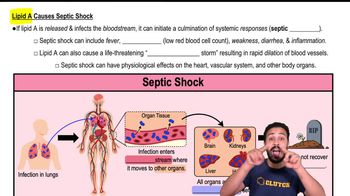
Lipid A Causes Septic Shock

Transmission Methods and Reservoirs

Each disease has distinct transmission routes and reservoirs. Schistosomiasis spreads through contact with freshwater containing infected snails, toxoplasmosis via ingestion of oocysts from cat feces or undercooked meat, and Chagas disease through triatomine bug bites. Reservoirs include humans, animals, or vectors that maintain the pathogen in nature.
Video consigliato:
06:29
Scientific Method

Geographic Distribution and Endemicity

Knowing where these diseases are endemic clarifies risk factors and epidemiology. Schistosomiasis is common in parts of Africa, Asia, and South America; toxoplasmosis is worldwide but more prevalent where cats and undercooked meat are common; Chagas disease is endemic in Latin America. In the U.S., toxoplasmosis is the most likely to occur.
Video consigliato:
05:22
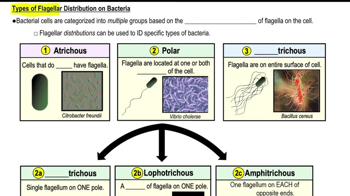
Types of Flagellar Distribution on Bacteria