Ch. 28 - Applied and Industrial Microbiology
Tortora - Microbiology: An Introduction 14th Edition
Tortora14th EditionMicrobiology: An IntroductionISBN: 9780138200398Non è quello che usi tu?Cambia libro di testo
Capitolo 24, Problema 7

The manufacture of paper includes the use of bleach and formaldehyde-based glue. The microbial enzyme xylanase whitens paper by digesting dark lignins. Oxidase causes the fibers to stick together, and cellulase will remove ink. List three advantages of using these microbial enzymes over traditional chemical methods for making paper.

Guida verificata passo dopo passo
1
Identify the traditional chemical methods used in paper manufacturing, such as bleach and formaldehyde-based glue, and understand their environmental and health impacts.
Explain how microbial enzymes like xylanase, oxidase, and cellulase function specifically in the paper-making process, focusing on their targeted actions (e.g., xylanase digests lignins to whiten paper).
Discuss the environmental advantages of using microbial enzymes, such as reduced chemical pollution and lower toxicity compared to harsh chemicals like bleach and formaldehyde.
Highlight the efficiency and specificity of microbial enzymes, which can improve paper quality by selectively breaking down unwanted components without damaging the fibers.
Mention the potential economic benefits, including lower energy consumption and reduced need for expensive chemical inputs, making the process more sustainable and cost-effective.

Risposta video verificata per un problema simile:

Questa soluzione video è stata consigliata dai nostri tutor come utile per risolvere questo problema.
Durata del video:
1m

Concetti chiave

Ecco i concetti essenziali che devi comprendere per rispondere correttamente alla domanda.

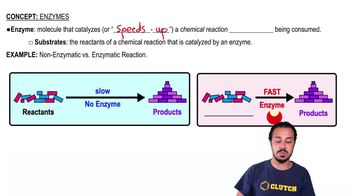
Microbial Enzymes in Paper Manufacturing

Microbial enzymes like xylanase, oxidase, and cellulase are biological catalysts produced by microorganisms that target specific components in paper production. They offer precise action, such as breaking down lignin or removing ink, improving paper quality while reducing harsh chemical use.
Video consigliato:
02:55
Enzymes

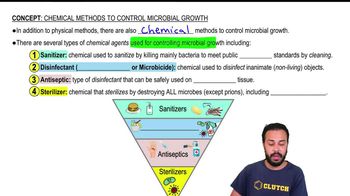
Environmental Impact of Enzymatic vs. Chemical Methods

Using microbial enzymes reduces the reliance on harsh chemicals like bleach and formaldehyde, which can be toxic and polluting. Enzymatic processes are generally more eco-friendly, biodegradable, and generate less harmful waste, contributing to sustainable paper manufacturing.
Video consigliato:
03:58
Chemical Methods to Control Microbial Growth

Efficiency and Quality Benefits of Enzymatic Treatment

Enzymes work under milder conditions and with greater specificity, leading to improved fiber quality, better paper brightness, and reduced damage to fibers. This enhances the overall efficiency of the paper-making process and results in higher-quality end products.
Video consigliato:
05:59
Symbiotic Relationships