Skip to main content
Nutrition
Il mio corso
Impara
Preparazione agli esami
AI Tutor
Guide di studio
Flashcard
Prova l'app
Il mio corso
Impara
Preparazione agli esami
AI Tutor
Guide di studio
Flashcard
Prova l'app
Indietro
Major Mineral: Sodium and Potassium exam
Puoi toccare per girare la carta.
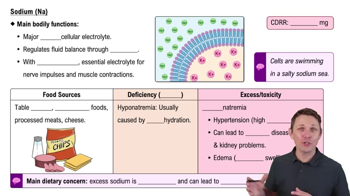
What is the main function of sodium in the body?
Puoi toccare per girare la carta.
👆
What is the main function of sodium in the body?
Sodium regulates fluid balance through osmosis and is essential for nerve impulses and muscle contractions.
Avanzamenti del tracciato
I pulsanti di controllo sono stati cambiati in modalità "navigazione".
1/29
Flashcard correlate
Pratica correlata
Video consigliati
Major Mineral: Sodium and Potassium definitions
Major Mineral: Sodium and Potassium
15 Termini
Major Mineral: Sodium and Potassium quiz
Major Mineral: Sodium and Potassium
15 Termini
Major Mineral: Sodium and Potassium quiz #1
Major Mineral: Sodium and Potassium
10 Termini
Major Mineral: Sodium and Potassium
8. Water and Minerals
10 Problemi
Argomento
Hypertension and Minerals
8. Water and Minerals
10 Problemi
Argomento
8. Water and Minerals
10 Argomenti
15 Problemi
Capitolo
02:02
Major Mineral: Sodium and Potassium Example 2
166
views
1
rank
05:34
Sodium (Na)
247
views
2
rank
04:24
Potassium (K)
198
views
Termini in questo insieme (29)
Nascondere definizioni
What is the main function of sodium in the body?
Sodium regulates fluid balance through osmosis and is essential for nerve impulses and muscle contractions.
Hyponatremia
A deficiency of sodium, usually caused by overhydration, leading to low sodium levels in the blood.
What is the recommended maximum daily intake of sodium for adults?
2,300 mg per day.
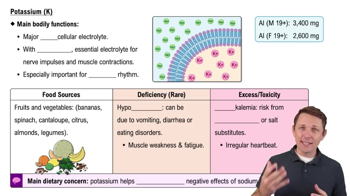
Potassium (K)
The major intracellular electrolyte, important for heart rhythm and muscle function.
What are common food sources of sodium?
Table salt and processed foods.
Hypernatremia
An excess of sodium in the blood, which can cause hypertension and edema.
What is the main dietary concern with sodium?
Excess sodium intake is common and can lead to hypertension.
What is the chemical abbreviation for sodium?
Na
What is the main function of potassium in the body?
Supports heart rhythm, muscle function, and is essential for nerve impulses.
What is the adequate intake (AI) of potassium for adult men?
3,400 mg per day.
What is the adequate intake (AI) of potassium for adult women?
2,600 mg per day.
What is the chemical abbreviation for potassium?
K
What is the main dietary concern with potassium?
Potassium helps counteract the negative effects of sodium, especially hypertension.
What is the major extracellular electrolyte?
Sodium (Na)
What is the major intracellular electrolyte?
Potassium (K)
What is hyperkalemia?
An excess of potassium in the blood, which can cause irregular heartbeat.
What are common food sources of potassium?
Fruits and vegetables, such as bananas, spinach, cantaloupe, citrus fruits, almonds, and legumes.
How do sodium and potassium work together in the body?
They balance each other out across cell membranes, essential for nerve and muscle function.
What can cause hypokalemia?
Critical deficiency of potassium, often due to vomiting, diarrhea, or certain eating disorders.
What is the effect of excess sodium intake?
Increases risk of hypertension, heart disease, stroke, and kidney problems.
Edema
Tissue swelling that can result from excess sodium intake.
What is the main way sodium regulates fluid balance?
Through osmosis, by controlling electrolyte concentration outside cells.
What is a salt substitute and how can it affect potassium levels?
A product containing potassium instead of sodium; excessive use can cause hyperkalemia.
What is the relationship between sodium intake and hypertension?
High sodium intake increases the risk of developing hypertension.
What is the relationship between potassium intake and hypertension?
Adequate potassium intake helps lower the risk of hypertension.
How does overhydration affect sodium levels?
It can dilute sodium in the blood, leading to hyponatremia.
What symptoms can result from hypokalemia?
Muscle weakness and fatigue.
Why is sodium added to many processed foods?
Because it enhances flavor and preserves food.
What is the main health risk of hypernatremia?
Hypertension (high blood pressure).
 IndietroIndietro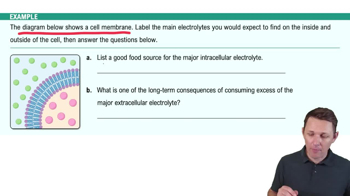
 02:02
02:02