 Indietro
Chapter 1: The Science of Nutrition – Foundations and Principles
Guida di studio - Note intelligenti
 Appunti personalizzati basati sui tuoi materiali, ampliati con definizioni chiave, esempi e contesto.
The Science of Nutrition
What Drives Our Food Choices?
Food choices are influenced by a variety of factors, including taste, culture, environment, social life, nutrition knowledge, advertising, convenience, cost, habits, and emotions. Understanding these influences is essential for making healthful dietary decisions.
Taste and enjoyment: Most people select foods based on flavor and satisfaction.
Culture and environment: Cultural traditions and surroundings shape food preferences.
Social life and media: Social gatherings and online trends can affect eating habits.
Nutrition knowledge: Awareness of health impacts guides choices.
Advertising: Marketing can sway preferences and perceptions.
Time, convenience, and cost: Busy schedules and budgets influence what is eaten.
Habits and emotions: Routine and feelings often drive food selection.
What is Nutrition?
Nutrition is the scientific study of how nutrients and compounds in foods nourish the body and affect bodily functions and overall health. It encompasses the processes of digestion, absorption, transportation, metabolism, and utilization or storage of nutrients.
Digestion: Breaking down food into absorbable components.
Absorption: Uptake of nutrients into the bloodstream.
Transport: Movement of nutrients to cells.
Metabolism: Chemical reactions that convert nutrients into energy or building blocks.
Utilization/storage: Use or storage of nutrients for bodily functions.
Nutrients: Essential Compounds in Food
Categories and Functions of Nutrients
Nutrients are compounds in foods that serve as building blocks for body components and sustain body processes. They are also present in the body. There are six categories of essential nutrients:
Carbohydrates
Fats (Lipids)
Proteins
Vitamins
Minerals
Water
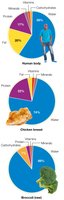
Water is the most abundant nutrient in both foods and the human body. Carbohydrates, fats, proteins, vitamins, and minerals make up the remainder. Animal foods (except dairy) generally lack carbohydrates by the time they are consumed. Plant foods are about 90% water, animal foods about 70%, and the human body is roughly 60% water.
Organic vs. Inorganic Nutrients
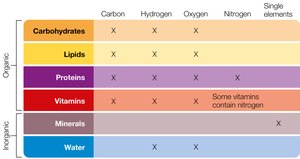
Nutrients containing carbon are classified as "organic." These include carbohydrates, proteins, lipids, and vitamins. Inorganic nutrients are minerals and water.
Organic nutrients: Carbohydrates, proteins, lipids, vitamins
Inorganic nutrients: Minerals, water
Essential, Nonessential, and Conditionally Essential Nutrients
Essential nutrients must be obtained from food because the body cannot produce them in sufficient quantities. Nonessential nutrients can be synthesized by the body. Some nutrients may become essential under certain conditions (conditionally essential).
Essential nutrients: Required from diet
Nonessential nutrients: Synthesized by the body
Conditionally essential: Become essential in specific circumstances
Energy-Yielding Nutrients
Energy is the capacity to do work, and the body derives energy from nutrients that store it in chemical bonds. The main energy-yielding nutrients are carbohydrates, lipids, and proteins. Alcohol, though not a nutrient, also provides energy.
Carbohydrates: 4 kcal/gram
Proteins: 4 kcal/gram
Fats (lipids): 9 kcal/gram
Alcohol: 7 kcal/gram (not a nutrient)
Energy in foods is measured in kilocalories (kcal), where 1 kcal is the energy needed to raise 1 kg of water by 1°C.
Formula:
Macronutrients and Micronutrients
Macronutrients are needed in large amounts (carbohydrates, fats, proteins, water), while micronutrients are required in smaller amounts (vitamins, minerals).
Macronutrients: Carbohydrates, fats, proteins, water
Micronutrients: Vitamins, minerals
Functions of Major Nutrients
Each nutrient serves unique roles:
Carbohydrates: Primary energy source; supply glucose for cells
Lipids: Provide energy, structural component of cell membranes
Proteins: Building blocks for tissue synthesis, enzymes, neurotransmitters, immune function
Vitamins: Coenzymes in metabolic reactions; water-soluble (B-complex, C) and fat-soluble (A, D, E, K)
Minerals: Assist in body processes, structural roles; major (≥100 mg/day) and trace (<100 mg/day)
Water: Fluid balance, transport, temperature regulation, lubrication, cushioning
Balanced Diet and Functional Foods
Balanced Diet Principles
A balanced diet includes a variety of whole foods: whole grains, fruits, vegetables, lean meats, and low-fat dairy. Functional foods provide health benefits beyond basic nutrition, such as phytochemicals (plant compounds) and zoochemicals (animal compounds).
Phytochemicals: Plant compounds that reduce chronic disease risk
Zoochemicals: Animal compounds (e.g., omega-3 fatty acids, probiotics)
Supplements may be necessary for individuals unable to meet nutrient needs through food alone (e.g., iron for pregnant women, calcium for lactose-intolerant individuals).
Diet and Health
Diet's Influence on Health
A healthy diet reduces the risk of chronic diseases (heart disease, cancer, stroke, Alzheimer's, diabetes) and prevents nutrient-deficiency diseases. Diet interacts with genes, influencing gene expression and disease susceptibility.
Epigenetics: Study of how food intake alters gene expression without changing DNA
Nutritional Genomics (Nutrigenomics): How nutrients influence genetic expression
Nutrigenetics: How genetic variations affect responses to diet
Assessing Nutritional Status
Methods of Nutrition Assessment
Nutritional status can be classified as healthy, malnourished, undernourished, or overnourished. Registered Dietitian Nutritionists (RDNs) are trained professionals who assess nutrition status using several methods:
Dietary intake: Food frequency questionnaires, dietary interviews, food records, 24-hour recall
Anthropometric data: Height, weight, BMI, waist-to-hip ratio, growth charts, body composition
Clinical physical examination: Inspection of hair, skin, eyes, fingernails, tongue, lips
Biochemical data: Blood and urine tests for nutrient levels and metabolic by-products
Quality of the American Diet
Dietary Trends and Obesity
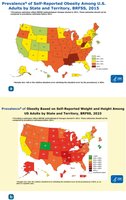
Many Americans consume excess added sugar, sodium, and saturated fat, while intake of fiber, vitamin D, potassium, and calcium is often insufficient. Women are more likely to be low in iron. Poor dietary practices are linked to eating habits and environments. Obesity rates have risen significantly in recent decades.
Nutrition Research and Scientific Method
Credible Nutrition Research
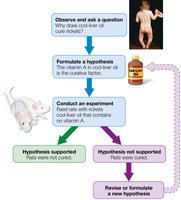
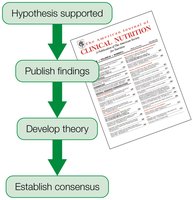
Sound nutrition advice is based on a consensus of multiple research findings. The scientific method is used to generate reliable research:
Observation and question
Hypothesis formulation
Experimentation
Analysis and conclusion
Scientific Consensus
Findings are published in peer-reviewed journals, leading to theory development and scientific consensus.
Types of Nutrition Research
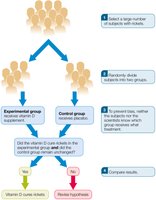
Research methods include laboratory experiments, observational studies (epidemiological research), and experimental studies (randomized controlled trials). The gold standard is the double-blind placebo-controlled study.
Experimental group: Receives treatment
Control group: Standard for comparison, may receive placebo
Double-blind: Neither researchers nor subjects know who receives treatment
Sample size: Must be adequate for reliable results
Synthesizing Research
Systematic reviews and meta-analyses combine data from multiple studies to create scientific consensus.
Finding Credible Nutrition Information
Nutrition Experts and Evaluating Information
Seek information from Registered Dietitian Nutritionists (RDNs) or Licensed Dietitian Nutritionists (LDNs). Be cautious with the title "nutritionist," which may lack accredited training. Always verify information, especially when using artificial intelligence or online sources.
Evaluate websites and apps: Check who runs the site, source of information, expert review, currency, privacy policy, and contact options.
Beware of quackery: Be skeptical of "quick fixes," "secret ingredients," or guarantees.
Peer-reviewed journals: Prefer information published in reputable scientific journals.
Additional info: These notes provide foundational concepts for Nutrition students, covering the science of nutrition, essential nutrients, dietary assessment, research methods, and guidelines for evaluating nutrition information.
