 Indietro
Designing a Healthful Diet: Tools, Principles, and Food Choices
Guida di studio - Note intelligenti
 Appunti personalizzati basati sui tuoi materiali, ampliati con definizioni chiave, esempi e contesto.
Designing a Healthful Diet
Introduction
A healthful diet is essential for maintaining optimal health, preventing chronic diseases, and supporting overall well-being. This section explores the characteristics of a healthful diet, the factors influencing food choices, and the tools available for planning nutritious meals.
Characteristics of a Healthful Diet
Adequacy
An adequate diet provides sufficient energy, nutrients, and fiber to support a person's health. Adequacy varies between individuals and across different nutrients.
Energy: Enough calories to meet metabolic and physical activity needs.
Nutrients: Sufficient vitamins, minerals, protein, carbohydrates, and fats.
Fiber: Supports digestive health and regularity.
Moderation
Moderation means consuming foods in reasonable amounts, avoiding excessive intake of any nutrient or food group. This helps maintain a healthy weight and prevents nutrient imbalances.
Portion control is key to moderation.
All foods can fit into a healthful diet if eaten in appropriate amounts.

Nutrient Density
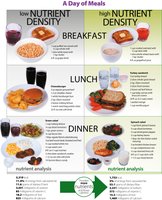
A nutrient-dense diet consists of foods and beverages that provide the highest level of nutrients for the lowest number of calories. Examples include fruits, vegetables, lean proteins, low-fat dairy, and whole grains.
Choose foods rich in vitamins, minerals, and other beneficial substances with relatively few calories.
Limit foods high in added sugars, saturated fats, and sodium.
Balance
A balanced diet contains the right proportions of foods from each food group, ensuring all nutrient needs are met without excesses or deficiencies.
Combining different food groups provides a variety of nutrients.
Balance helps maintain energy and nutrient equilibrium.
Variety
Variety means regularly consuming many different foods from all food groups. This increases the likelihood of meeting all nutrient requirements and reduces the risk of dietary monotony.
Different foods provide different essential nutrients.
Variety also makes meals more enjoyable and interesting.
Factors Influencing Food Choices
Biological and Psychological Factors
Hunger: A basic biological urge to eat, regulated by physiological signals.
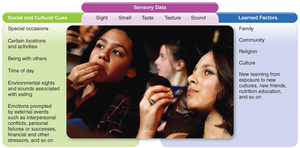
Appetite: A psychological desire to eat, influenced by sensory data, emotions, and learned experiences.
Sensory Data
Sensory experiences such as sight, smell, taste, texture, and sound can strongly influence food choices and preferences.
Foods that look, smell, or taste appealing are more likely to be chosen.
Sociocultural Cues and Emotions
Social, cultural, and emotional factors play a significant role in shaping eating behaviors.
Special occasions, traditions, and social settings can dictate food choices.
Emotional states, such as stress or happiness, may trigger cravings for certain foods (e.g., comfort foods).
Learning and Conditioning
Food preferences are largely learned through family, community, and cultural influences. Negative experiences can lead to conditioned taste aversions.
Repeated exposure to foods increases acceptance.
Conditioned taste aversion: Avoidance of a food after a negative experience (e.g., illness).
Environmental Factors
Meal size and consumption can be influenced by the number of people present, portion sizes, and serving containers.
Larger plates and bowls can lead to increased food intake, often without conscious awareness.

Tools for Designing a Healthful Diet
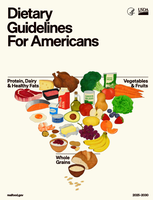
Dietary Guidelines for Americans
The Dietary Guidelines for Americans provide science-based advice for making food choices that promote health and prevent disease. Updated every five years, these guidelines emphasize:
Consuming a variety of nutrient-dense foods across all food groups
Limiting added sugars, saturated fats, and sodium
Maintaining a healthy body weight
Being physically active
USDA Food Patterns and MyPlate
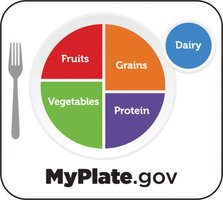
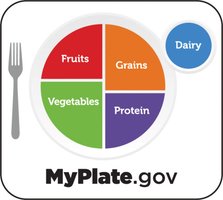
The USDA Food Patterns and MyPlate are practical tools for planning balanced meals. MyPlate visually represents the five food groups and encourages:
Half the plate as fruits and vegetables
One quarter as grains (preferably whole grains)
One quarter as protein foods
A serving of dairy on the side
Other Eating Plans
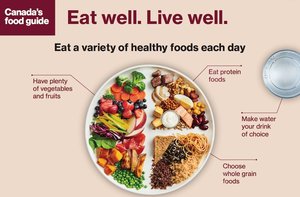
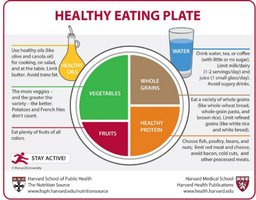
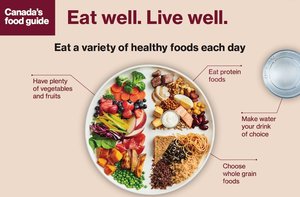
Other evidence-based eating plans, such as the Harvard Healthy Eating Plate and Canada's Food Guide, also provide frameworks for balanced, nutrient-rich diets.
Emphasize plant-based foods, healthy fats, and water as the beverage of choice.
Food Labels and the Nutrition Facts Panel
Components of Food Labels
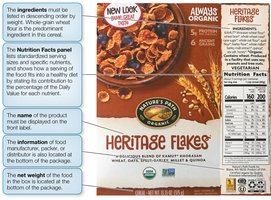
Food labels provide essential information to help consumers make informed choices. The five required components are:
Statement of identity (product name)
Net contents (weight, volume, or count)
Ingredient list (in descending order by weight)
Name and address of manufacturer, packer, or distributor
Nutrition information (Nutrition Facts Panel)
Nutrition Facts Panel
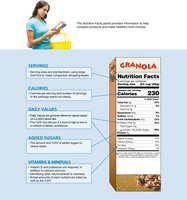
The Nutrition Facts Panel is regulated by the FDA and provides standardized nutrition information per serving. Key elements include:
Serving size and servings per container: Allows for comparison between products.
Calories per serving: Displayed in large, bold print for easy reference.
Percent Daily Values (%DV): Indicates how much a nutrient in a serving contributes to a daily diet, based on 2,000 Calories per day.
Footnote: Explains %DV and provides general dietary advice, comparing 2,000 and 2,500 Calorie diets.
Interpreting Percent Daily Values (%DV)
If a food has 5% DV or less of a nutrient per serving, it is considered low in that nutrient.
If a food has 20% DV or more of a nutrient per serving, it is considered high in that nutrient.
Low or high can be beneficial or detrimental depending on the nutrient (e.g., high fiber is good, high saturated fat is not).
Summary Table: Characteristics of a Healthful Diet
Characteristic | Definition | Example |
|---|---|---|
Adequacy | Provides sufficient energy and nutrients | Eating enough fruits, vegetables, and grains |
Moderation | Not excessive or deficient in any component | Limiting sweets and high-fat foods |
Nutrient Density | High nutrients per calorie | Leafy greens, lean meats, whole grains |
Balance | Proper proportions of food groups | Combining grains, proteins, and vegetables |
Variety | Many different foods regularly | Eating different fruits and vegetables each week |
Key Equations and Concepts
Calories per gram for macronutrients:
Percent Daily Value (%DV):
Conclusion
A healthful diet is characterized by adequacy, moderation, nutrient density, balance, and variety. Understanding the factors that influence food choices and using tools like the Dietary Guidelines, MyPlate, and food labels can help individuals make informed decisions to support lifelong health.
