 Indietro
Digestion, Absorption, and Transport: The Human Body & Digestion
Guida di studio - Note intelligenti
 Appunti personalizzati basati sui tuoi materiali, ampliati con definizioni chiave, esempi e contesto.
Digestion, Absorption, and Transport
Overview of the Digestive System
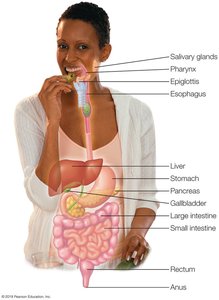
The digestive system is responsible for breaking down food into nutrients, which the body uses for energy, growth, and cell repair. This process involves mechanical and chemical digestion, absorption of nutrients, and elimination of waste. The gastrointestinal (GI) tract is a continuous tube from the mouth to the anus, supported by accessory organs such as the liver, pancreas, and gallbladder.
Movement of Food Through the GI Tract
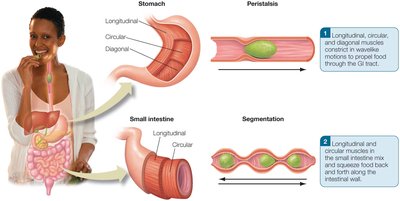
Food is propelled through the GI tract by coordinated muscular contractions. Two primary types of movement are involved:
Peristalsis: Rhythmic contractions of longitudinal, circular, and diagonal muscles push food forward through the tract.
Segmentation: Circular muscles contract to mix and break down chyme, increasing contact with digestive enzymes and absorptive surfaces.
Enzymatic Digestion of Macronutrients
Role of Enzymes in Digestion
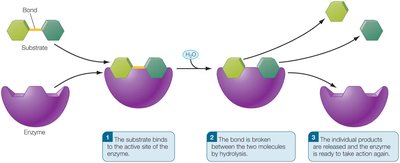
Macronutrients (carbohydrates, proteins, and fats) are too large to be absorbed directly. Enzymes catalyze their breakdown into monomers (e.g., glucose, amino acids, fatty acids) through hydrolysis reactions, making them absorbable.
Enzyme: A protein that speeds up chemical reactions without being consumed.
Substrate: The molecule upon which an enzyme acts.
Hydrolysis: The chemical process of breaking bonds using water.
Mechanical and Chemical Digestion by Organ
Mouth and Salivary Glands
Digestion begins in the mouth with both mechanical and chemical processes:
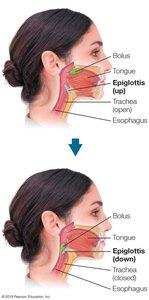
Mechanical digestion: Chewing breaks food into smaller pieces, forming a bolus for swallowing.
Chemical digestion: Salivary amylase starts breaking down starch into maltose; lingual lipase begins fat digestion.
Taste and flavor: Taste buds detect sweet, sour, bitter, salty, and umami; olfactory nerves contribute to flavor perception.
Esophagus
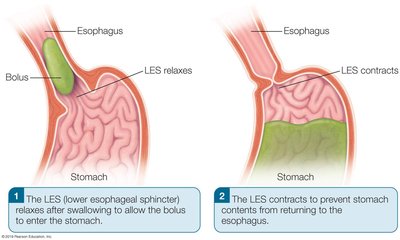
The esophagus transports the bolus from the mouth to the stomach via peristalsis. No digestion or absorption occurs here. Two sphincters (upper and lower esophageal) regulate movement and prevent backflow.
Stomach
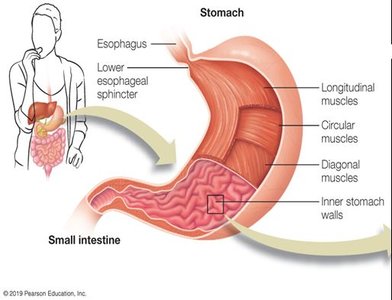
The stomach performs both mechanical and chemical digestion:
Mechanical: Muscular contractions churn food into chyme.
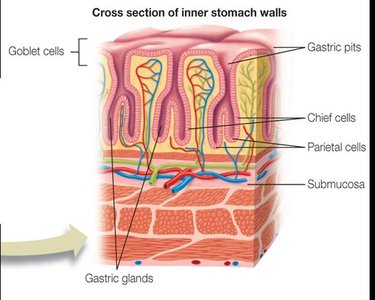
Chemical: Gastrin hormone stimulates secretion of gastric juices (HCl, pepsinogen, mucus). Pepsin breaks down proteins; HCl denatures proteins and kills bacteria.
Absorption: Minimal; some alcohol and micronutrients are absorbed.
Small Intestine
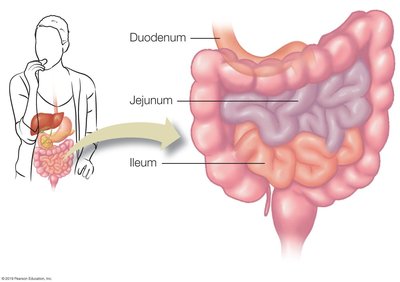
The small intestine is the primary site for digestion and absorption. It is divided into three sections: duodenum, jejunum, and ileum.
Mechanical digestion: Peristalsis and segmentation mix chyme and digestive juices.
Chemical digestion: Hormones (secretin, CCK, incretins) stimulate the release of pancreatic enzymes and bile. Intestinal enzymes (e.g., lactase, maltase) complete digestion.
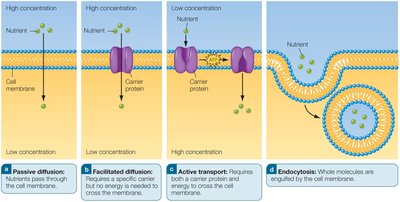
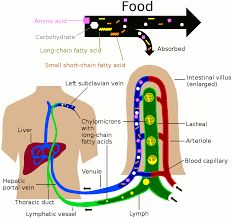
Absorption: Villi and microvilli increase surface area for nutrient absorption. Water-soluble nutrients enter capillaries; fat-soluble nutrients form chylomicrons and enter lymphatic lacteals.
Large Intestine, Rectum, and Anus
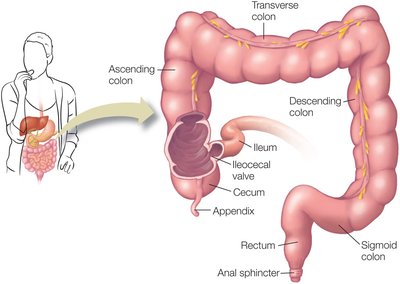
The large intestine absorbs water, salts, and some vitamins. It houses a diverse microbiota that ferments undigested carbohydrates, producing gases and short-chain fatty acids. Waste is stored in the rectum and eliminated through the anus.
Prebiotics: Compounds that support beneficial bacteria growth.
Probiotics: Live beneficial microbes.
Regulation of Digestion
Hormonal Regulation
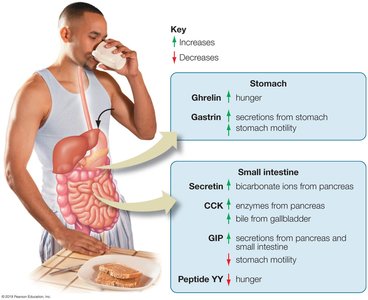
Hormones released by GI tract cells in response to food regulate digestive secretions and motility:
Gastrin: Stimulates gastric juice secretion in the stomach.
Secretin: Stimulates pancreatic bicarbonate release.
Cholecystokinin (CCK): Stimulates bile and pancreatic enzyme release.
Incretins (e.g., GLP-1): Stimulate insulin secretion and reduce appetite.
Nervous System Regulation
The nervous system coordinates digestive processes through the vagus nerve and the enteric nervous system:
Vagus nerve (CN X): Controls motility and secretion during digestion.
Myenteric plexus: Regulates peristalsis.
Submucosal plexus: Controls secretion of enzymes and mucus.
Transport of Nutrients
Circulatory System
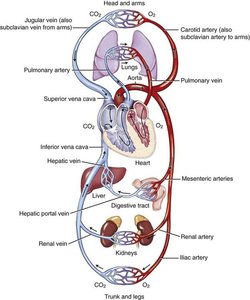
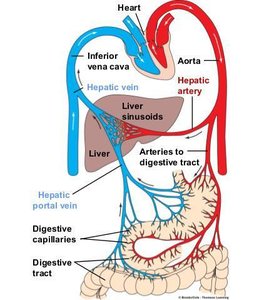
Absorbed nutrients are transported throughout the body via the circulatory system. Water-soluble nutrients enter the bloodstream directly and are routed to the liver via the hepatic portal vein for processing and detoxification.
Lymphatic System
Fat-soluble nutrients are absorbed into the lymphatic system as chylomicrons. These nutrients bypass the liver initially and enter the bloodstream via the thoracic duct and subclavian vein.
Common Pathologies of the Digestive System
Lactose Intolerance
Lactose intolerance results from the natural decline of lactase enzyme production in the small intestine after childhood. Undigested lactose is fermented by bacteria in the large intestine, causing gas, bloating, and diarrhea.
Lactaid: A commercial lactase enzyme supplement developed to aid digestion of lactose-containing foods.
Other GI Pathologies
Irritable Bowel Syndrome (IBS): Chronic abdominal pain and altered bowel habits, often linked to immune response and gut microbes. Low-gluten and low-FODMAP diets may help.
Crohn's Disease: Inflammation anywhere along the GI tract, most commonly in the small and large intestines.
Ulcerative Colitis: Inflammation of the inner lining of the large intestine.
Diverticulitis: Inflamed pouches in the colon wall, leading to pain and infection.
Colorectal Cancer: Malignant tumors in the colon or rectum; screening includes colonoscopy and polyp removal.
Celiac Disease: Autoimmune reaction to gluten, causing inflammation and damage to the small intestine.
Non-Celiac Gluten Sensitivity: Similar symptoms to celiac disease without immune involvement; may be triggered by gluten or FODMAPs.
Summary Table: Key Digestive Processes by Organ
Organ | Mechanical Digestion | Chemical Digestion | Absorption |
|---|---|---|---|
Mouth | Chewing | Salivary amylase (starch), lingual lipase (fats) | Minimal (some micronutrients sublingually) |
Stomach | Churning (peristalsis, segmentation) | Pepsin (proteins), HCl (denaturation) | Minimal (alcohol, some micronutrients) |
Small Intestine | Peristalsis, segmentation | Pancreatic enzymes, bile, intestinal enzymes | Major site (all macronutrient monomers, vitamins, minerals) |
Large Intestine | None | Bacterial fermentation of fiber | Water, salts, some vitamins |
