 Indietro
Digestion and Absorption: Structure, Function, and Disorders
Guida di studio - Note intelligenti
 Appunti personalizzati basati sui tuoi materiali, ampliati con definizioni chiave, esempi e contesto.
Digestion and Absorption
Overview of Digestion
The process of digestion transforms food into nutrients that the body can absorb and utilize for growth, maintenance, and energy. Digestion involves both mechanical and chemical processes, ensuring that carbohydrates, proteins, fats, vitamins, and minerals are broken down and released for absorption.
Mechanical Digestion: Includes chewing, peristalsis (wavelike muscular contractions), segmentation, and sphincter contractions to physically break down food and move it through the gastrointestinal (GI) tract.
Chemical Digestion: Involves digestive juices containing enzymes and acids that chemically break down food into absorbable units.
Absorption: The process by which the end products of digestion are taken up by the lymphatic and circulatory systems for distribution throughout the body.
Circulation: Nutrients are transported to cells for growth, renewal, and energy production.
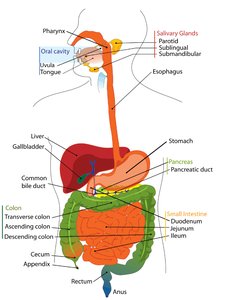
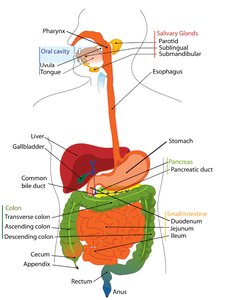
The Digestive System: Structure and Function
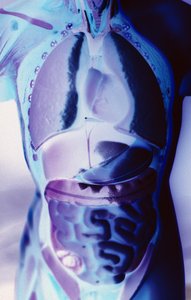
The digestive system is a 25 to 30-foot muscular tube with associated secretory organs. It is responsible for the breakdown and absorption of nutrients, as well as the elimination of waste products.
Oral Cavity: Chewing and mixing food with saliva; enzymes such as salivary amylase and lipase begin the breakdown of starches and fats.
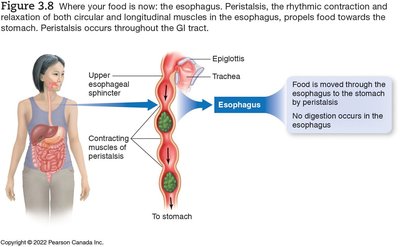
Esophagus: Transfers food to the stomach via peristalsis.
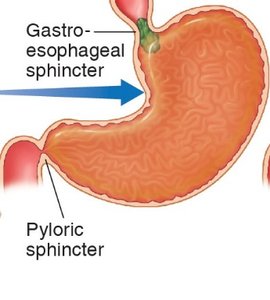
Stomach: Secretes gastric juice (water, enzymes, hydrochloric acid) to break down proteins and fats; churns food into chyme.
Small Intestine: Main site of nutrient digestion and absorption; enzymes from the pancreas and intestinal lining break down carbohydrates, proteins, and fats.
Large Intestine (Colon): Absorbs water, sodium, and some bacterial byproducts; houses bacteria that digest undigested carbohydrates and fiber.
Accessory Organs: The liver produces bile for fat digestion, the gallbladder stores and releases bile, and the pancreas secretes digestive enzymes and bicarbonate for neutralization.
Mechanical and Chemical Aspects of Digestion
Mechanical and chemical processes work together to ensure efficient digestion and absorption of nutrients.
Chewing: Breaks down large food particles and mixes them with saliva.
Peristalsis: Moves food through the GI tract via coordinated muscle contractions.
Segmentation: Mixes food with digestive juices and increases contact with absorptive surfaces.
Sphincter Contractions: Regulate the passage of food and prevent reflux.
Gastric Juice: Contains water, enzymes, and hydrochloric acid; necessary for protein digestion and protection against pathogens. The stomach lining secretes mucus to protect itself from acid damage.
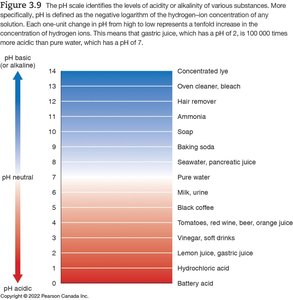
pH in Digestion
The pH scale measures the acidity or alkalinity of substances. Gastric juice is highly acidic (pH ~2), which is essential for activating digestive enzymes and breaking down food.
Substance | pH |
|---|---|
Gastric Juice | ~2 |
Pancreatic Juice | ~8 |
Pure Water | 7 |
Lemon Juice | ~2 |
Baking Soda | ~9 |
Milk | ~6 |
Battery Acid | ~1 |
Oven Cleaner | ~13 |

Absorption and Circulation
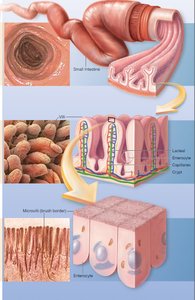
Absorption primarily occurs in the small intestine, where nutrients pass through the intestinal wall into the blood or lymphatic system. The structure of the intestinal lining, with its villi and microvilli, greatly increases the surface area for absorption.
Villi: Finger-like projections that contain blood and lymph vessels for nutrient transport.
Microvilli: Tiny hair-like structures on villi that further increase surface area.
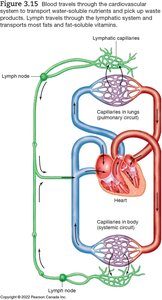
Blood Vessels: Absorb water-soluble nutrients (e.g., glucose, amino acids).
Lymphatic Vessels: Absorb fat-soluble nutrients and transport them to the bloodstream near the heart.
Fate of Nutrients and Fibre
Most carbohydrates, proteins, and fats are efficiently digested and absorbed. Dietary fiber, however, is not digested by human enzymes and passes through the digestive tract, providing bulk and supporting intestinal health.
Carbohydrates: Broken down into monosaccharides (glucose, fructose).
Proteins: Broken down into amino acids.
Fats: Broken down into fatty acids and glycerol.
Fibre: Provides bulk, speeds up transit time, and is partially digested by bacteria in the large intestine.
Digestive Disorders
Digestive disorders are common and can affect nutrient absorption and overall health. Adequate dietary fiber and proper nutrition can help prevent many of these conditions.
Irritable Bowel Syndrome (IBS): Characterized by gas, bloating, diarrhea, and constipation. Managed with a low-fat, high-fiber diet, probiotics, and medications.
Constipation and Hemorrhoids: Often due to low fiber intake and inactivity. Prevention includes 25-30 g/day of fiber and adequate fluids.
Ulcers & Heartburn: Triggered by certain foods and beverages; high-fiber diets may help prevent symptoms.
Diarrhea: Caused by infections or nutrient deficiencies; can lead to dehydration. Prevention includes sanitation, immunizations, and oral rehydration solutions.
Diverticulosis: Formation of bulging pockets in the colon wall, which can become inflamed (diverticulitis). Prevention includes increased dietary fiber to strengthen intestinal muscles.
Flatulence: Gas production from swallowed air and bacterial breakdown of undigested foods, especially complex carbohydrates.
Lactose Intolerance: Reduced ability to digest lactose due to low lactase enzyme. Symptoms include nausea, bloating, diarrhea, and gas. Managed with lactose-free products, lactase supplements, and cultured dairy foods.
Population Group | Estimated Incidence of Lactose Maldigestion |
|---|---|
Asian Americans | 90% |
Native Americans | 80% |
African Americans | 80% |
Mediterranean People | 70% |
Asians | ≥65% |
Hispanics | ≥53% |
U.S. adults (overall) | 25% |
Northern Europeans | <15% |
Summary
The digestive system efficiently breaks down and absorbs nutrients, supporting the body's continual renewal and health.
Most nutrient absorption occurs in the small intestine, while the large intestine reabsorbs water and minerals and processes waste.
Dietary fiber is essential for digestive health and prevention of many disorders.
Understanding digestive processes and disorders can help guide dietary choices for optimal health.
