 Indietro
Healthful Diets and Dietary Patterns: Foundations for Nutrition Students
Guida di studio - Note intelligenti
 Appunti personalizzati basati sui tuoi materiali, ampliati con definizioni chiave, esempi e contesto.
Healthful Diets: Principles and Foundations
What Makes a Healthful Diet?
A healthful diet provides a proper balance of energy and nutrients to support the health of individuals at their age and stage of life. The key elements of a healthful diet are adequacy, moderation, nutrient density, balance, and variety.
Adequate: Supplies sufficient energy, nutrients, and fiber to maintain health. A diet can be adequate in some areas and inadequate in others.
Moderate: Not too little and not too much in terms of nutrient intakes. Moderation is linked to nutrient recommendations and Dietary Reference Intakes (DRIs).
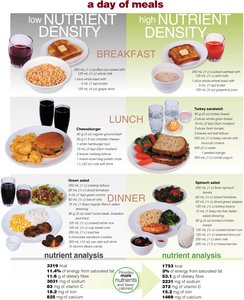
Nutrient-dense: Foods with a high nutrient-to-energy ratio, providing many nutrients with fewer calories. Lower in processed foods and drinks that provide little nutritional value.
Balanced: Coordination of foods consumed to meet nutrient needs.
Varied: Choosing different foods within a food group increases the likelihood of meeting nutrient needs.
Factors That Drive Food Choice
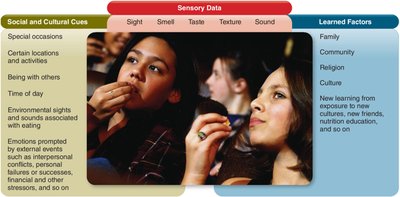
Food choices are influenced by a combination of social and cultural cues, sensory input, and learned factors. These factors impact eating patterns and can affect the healthfulness of the diet.
Social and Cultural Cues: Special occasions, locations, activities, and environmental signals.
Sensory Data: Sight, smell, taste, texture, and sound.
Learned Factors: Family, community, religion, culture, and new learning from education or experiences.
Designing a Healthful Diet: Canada’s Food Guide
Canadian Dietary Guidelines
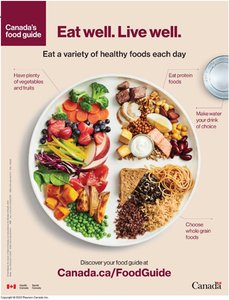
In 2019, Health Canada released updated dietary guidelines to promote healthful eating. The guidelines provide information for policy makers, the public, and healthcare professionals, focusing on sodium, added/free sugars, saturated fat, and healthy eating habits.
Foundations for Healthy Eating: Emphasize plant-based foods, limit highly processed foods, and consider the food environment and marketing influences.
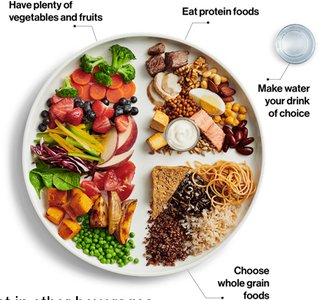
Healthy Eating Recommendations: Eat a variety of healthy foods each day, including plenty of vegetables and fruits, protein foods, whole grain foods, and water as the drink of choice.
Physical Activity: The guide also recommends regular physical activity as part of a healthy lifestyle.
Assessing Canada’s Food Guide as a Healthful Eating Pattern
Canada’s Food Guide is assessed based on adequacy, moderation, nutrient density, balance, and variety. The Eat Well Plate visually represents these principles, promoting plant-based foods and minimizing processed foods.
Multiple Ways to Achieve a Healthful Diet
Alternative Dietary Patterns
Research confirms that healthful eating is a balance of meeting nutrient and energy needs. Several dietary patterns, including the Mediterranean-style diet, DASH diet, vegetarian diets, Portfolio diet, and Nordic diet, are recognized for their health benefits.
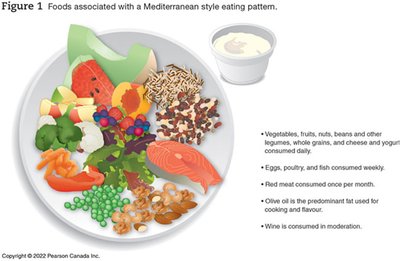
Mediterranean-Style Diet: Daily intake of vegetables, fruits, nuts, beans, legumes, whole grains, cheese, and yogurt; weekly eggs, poultry, fish; monthly red meat; olive oil as main cooking oil; wine in moderation. Associated with lower rates of cardiovascular disease (CVD).
DASH Diet: Designed to help treat or prevent hypertension. Includes foods rich in potassium, calcium, and magnesium, and limits sodium, saturated fat, and added sugars. Focuses on daily unprocessed vegetables, fruits, whole grains, low-fat dairy, moderate lean meat, poultry, fish, and weekly nuts, seeds, dry beans. Plant-based oil is the main cooking oil.
Vegetarian Diets: Focus on plant-based foods. Types include lacto-ovo vegetarian, lacto-vegetarian, ovo-vegetarian, and vegan. Well-planned vegetarian diets can protect against heart disease, type 2 diabetes, some cancers, high blood pressure, obesity, and high cholesterol.
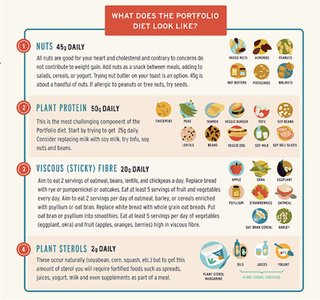
Portfolio Diet: Developed at the University of Toronto, this modified vegetarian diet emphasizes foods that lower LDL cholesterol. Associated with reductions in blood pressure, triglycerides, inflammation, and blood cholesterol.
Nordic Diet: Plant-based foods, quality whole grains, fruits, vegetables, fatty fish, high-quality lean meat, low-fat dairy, eggs, nuts, seeds, legumes, and canola oil as the primary fat. Focuses on sustainability and local foods, popular in Denmark, Sweden, and Finland.

Assessing Other Approaches as Healthful Eating Patterns
All these dietary patterns are assessed based on adequacy, moderation, nutrient density, balance, and variety. The common thread among them is a plant-based food pattern with limited processed food intake.
Summary Table: Key Characteristics of Healthful Diets
Dietary Pattern | Adequate | Moderate | Nutrient-dense | Balanced | Varied |
|---|---|---|---|---|---|
Canada's Food Guide | Yes | Yes | Yes | Yes | Yes |
Mediterranean Diet | Yes | Yes | Yes | Yes | Yes |
DASH Diet | Yes | Yes | Yes | Yes | Yes |
Vegetarian Diets | Yes | Yes | Yes | Yes | Yes |
Portfolio Diet | Yes | Yes | Yes | Yes | Yes |
Nordic Diet | Yes | Yes | Yes | Yes | Yes |
Key Terms and Concepts
Nutrient Density: The ratio of nutrients to energy in a food. Foods with high nutrient density provide more vitamins and minerals per calorie.
Dietary Reference Intakes (DRIs): Reference values for nutrient intake to prevent deficiencies and promote health.
Processed Foods: Foods that have been altered from their natural state, often with added sugars, sodium, and fats.
Plant-Based Diet: A dietary pattern emphasizing foods derived from plants, including vegetables, fruits, whole grains, legumes, nuts, and seeds.
Conclusion
Healthful eating is about balancing nutrient and energy needs. Canada’s Eat Well Plate and other dietary patterns promote healthful dietary intake by focusing on plant-based foods, minimizing processed foods, and considering cultural context. Many dietary patterns can support health, as assessed by the five key characteristics described above.
