 Indietro
Introduction to Nutrition: Nutrients, Energy, and Food Components
Guida di studio - Note intelligenti
 Appunti personalizzati basati sui tuoi materiali, ampliati con definizioni chiave, esempi e contesto.
Science of Nutrition
The Meaning and Scope of Nutrition
Nutrition is the scientific study of food, the nutrients and other chemical constituents in food, and the effects of these substances on health. It encompasses the choices people make about what to eat, the physiological effects of nutrients, and the overall impact of diet on well-being.
Nutrition: The study of food and its relationship to health.
Diet: The pattern of foods and beverages consumed by an individual.
Food Choices: Influenced by culture, preferences, availability, and health considerations.
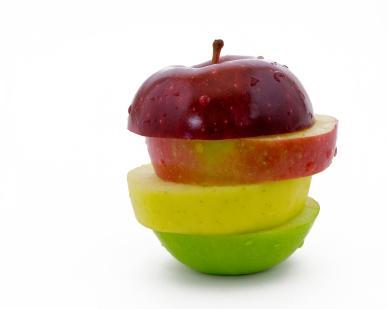
What is a Diet?
A diet refers to the habitual pattern of foods and beverages consumed by an individual. It is not limited to weight loss regimens but encompasses all eating and drinking habits.
Foods provide:
Nutrients: Essential for body function and health.
Energy (Calories): The potential of food to provide energy, measured in kilocalories (kcal).
Other Substances: Compounds in food that may benefit health but are not classified as nutrients.
Calorie: A unit of energy; 1 kilocalorie (kcal) = 1000 calories. Commonly, "Calorie" (with a capital C) refers to a kilocalorie.
Nutrient Categories
Macronutrients and Micronutrients
Nutrients are classified based on the quantities required by the body and their roles in metabolism. Macronutrients are needed in larger amounts, while micronutrients are required in smaller quantities.
Macronutrients:
Carbohydrates: Simple sugars and complex carbohydrates; provide 4 kcal/g.
Proteins: Composed of 20 amino acids (9 essential, 11 nonessential); provide 4 kcal/g.
Fats (Lipids): Includes saturated, unsaturated fats, essential fatty acids, and cholesterol; provide 9 kcal/g.
Water: Essential for life, does not provide energy.
Micronutrients:
Vitamins: 13 essential vitamins, including A, C, D, E, K, and B vitamins (e.g., thiamin, riboflavin, niacin, folate, B6, B12, biotin, pantothenic acid).
Minerals: 15 essential minerals, such as calcium, iron, magnesium, potassium, sodium, zinc, and others.
Energy Provided by Nutrients
Only carbohydrates, proteins, fats, and alcohol provide energy. Vitamins, minerals, and water do not yield energy.
Nutrient | Calories per Gram |
|---|---|
Carbohydrate | 4 kcal/g |
Protein | 4 kcal/g |
Fat | 9 kcal/g |
Alcohol (not a nutrient) | 7 kcal/g |
Vitamins | 0 kcal/g |
Minerals | 0 kcal/g |
Example: 1 mango contains approximately 1g protein, 35g carbohydrate, and 1g fat. Most foods contain a mix of nutrients, with exceptions like table sugar (pure carbohydrate) and oil (pure fat).
Calculating Energy in Foods
Energy Calculation Example: Kit Kat™ Bar
To calculate the total energy in a food, multiply the grams of each macronutrient by its caloric value and sum the results.
Carbohydrate: 27g × 4 kcal/g = 108 kcal
Protein: 3g × 4 kcal/g = 12 kcal
Fat: 11g × 9 kcal/g = 99 kcal
Total Calories: 108 + 12 + 99 = 219 kcal

Formula:
Essential and Non-Essential Nutrients
Definitions and Examples
Nutrients are classified as essential or non-essential based on whether the body can synthesize them in sufficient quantities.
Essential Nutrients: Must be obtained from the diet because the body cannot make them or cannot make enough. Example: 9 essential amino acids.
Non-Essential Nutrients: Can be synthesized by the body; not required in the diet but may be present in food. Example: 11 non-essential amino acids.

Can I Live Just on Supplements? While supplements can provide nutrients, whole foods offer additional benefits such as fiber, phytochemicals, and other bioactive compounds not present in supplements.
Non-Nutrients and Phytochemicals
Phytochemicals
Non-nutrients are compounds in food that are not classified as nutrients but have biological activity in the body. Phytochemicals are a major group of these substances, found in plants.
Phytochemicals: Plant chemicals that may protect against disease and contribute to the color, flavor, and health benefits of fruits and vegetables.
Examples:
Lycopene (red color in tomatoes)
Anthocyanins (blue color in blueberries)
Beta-carotene (orange color in carrots)
Over 2000 phytochemicals are found in edible plants.
Many phytochemicals are thought to reduce the risk of chronic diseases such as heart disease and cancer.
Calculating Macronutrient Energy Proportion
Step-by-Step Calculation
To determine the percentage of energy from each macronutrient in a food, follow these steps:
Calculate the energy from each macronutrient (grams × kcal/g).
Sum the total energy from all macronutrients.
Divide the energy from each macronutrient by the total energy to get the proportion.
Multiply by 100 to express as a percentage.
Example: Soup with 15g carbohydrate, 10g protein, 5g fat
Carbohydrate: 15g × 4 kcal/g = 60 kcal
Protein: 10g × 4 kcal/g = 40 kcal
Fat: 5g × 9 kcal/g = 45 kcal
Total: 60 + 40 + 45 = 145 kcal

Macronutrient | Energy (kcal) | Proportion | Percentage (%) |
|---|---|---|---|
Carbohydrate | 60 | 60/145 = 0.41 | 41% |
Protein | 40 | 40/145 = 0.28 | 28% |
Fat | 45 | 45/145 = 0.31 | 31% |
Formula:
Summary
Foods provide energy, nutrients, and other biologically active substances.
There are six main nutrient categories: carbohydrate, protein, fat, vitamins, minerals, and water.
Essential nutrients must be obtained from the diet; non-essential nutrients can be synthesized by the body.
Phytochemicals are non-nutrients with potential health benefits.
The energy content of foods can be calculated from the amounts of carbohydrate, fat, protein, and alcohol present.
