 Indietro
The Human Body & Digestion: Structure, Function, and Disorders
Guida di studio - Note intelligenti
 Appunti personalizzati basati sui tuoi materiali, ampliati con definizioni chiave, esempi e contesto.
The Human Body & Digestion
Introduction to Nutrition and the Human Body
Nutrition is the science of how food and its components nourish the body and affect health. The human body is organized into hierarchical levels, each playing a critical role in digestion and nutrient absorption.
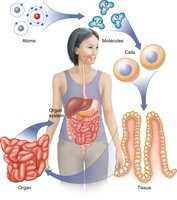
Levels of Organization in the Human Body
Atoms: The smallest units of matter, such as hydrogen (H) and oxygen (O).
Molecules: Groups of atoms bonded together, e.g., water (H2O), carbohydrates, proteins, fats, and vitamins.
Cells: The smallest units of life, capable of growth, reproduction, and nutrient uptake.
Tissues: Groups of cells working together for a common function (e.g., muscle, nervous tissue).
Organs: Structures composed of multiple tissues performing specific functions (e.g., stomach, heart).
Organ Systems: Groups of organs working together (e.g., gastrointestinal system).
Cell Structure and Function
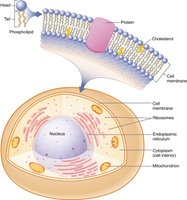
Cells are the fundamental units of life. The cell membrane, composed of a phospholipid bilayer with embedded proteins and cholesterol, regulates the movement of substances in and out of the cell.
Phospholipids: Have hydrophilic (water-loving) heads and hydrophobic (water-fearing) tails, forming a selectively permeable barrier.
Organelles: Specialized structures within cells, including the nucleus, ribosomes, endoplasmic reticulum, and mitochondria.
Mechanisms of Hunger and Appetite
Appetite vs. Hunger
Appetite: The psychological desire to eat, stimulated by sensory cues (sight, smell, thought of food).
Hunger: The physiological need for food, regulated by the body’s internal signals.
Anorexia: The absence of appetite despite physiological need, often due to illness or medication.
Regulation of Food Intake
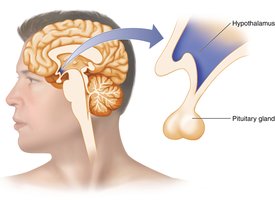
The hypothalamus in the brain integrates signals from nerve cells, hormones, and the type/amount of food consumed to regulate hunger and satiety.
Nerve signals: From the stomach and small intestine, indicating fullness or emptiness.
Hormones: Chemical messengers such as insulin, glucagon, ghrelin, CCK, and leptin.
Key Hormones in Appetite Regulation
Insulin & Glucagon: Produced by the pancreas to regulate blood glucose levels.
Ghrelin: Produced by the stomach; stimulates hunger.
CCK (Cholecystokinin): Produced in the small intestine; promotes satiety.
Leptin: Produced by adipose tissue; signals long-term satiety.
Satiety Value of Foods
Proteins provide the highest satiety value.
Bulky foods (high in fiber and water) increase satiety.
Solid foods are more filling than liquids.
The Gastrointestinal (GI) Tract and Digestion
Overview of the GI Tract
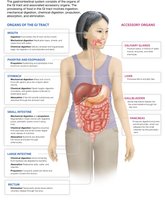
The GI tract is a continuous tube from mouth to anus, specialized for digestion, absorption, and elimination. It consists of four major tissue layers: mucosa, submucosa, muscularis externa, and serosa.
Digestive Processes
Digestion: Breakdown of large food molecules into smaller absorbable units.
Absorption: Movement of nutrients from the GI tract into the blood or lymph.
Elimination: Removal of indigestible substances from the body.
Mechanical and Chemical Digestion
Mechanical digestion: Physical breakdown of food (chewing, churning).
Chemical digestion: Enzymatic breakdown of macromolecules.
Enzymes in Digestion
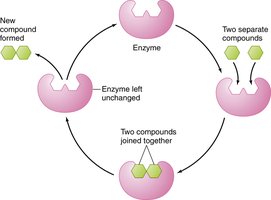
Enzymes are proteins that catalyze chemical reactions, including the breakdown of nutrients. They are not consumed in the reaction and can be reused.
Digestive Tract: Mouth to Esophagus
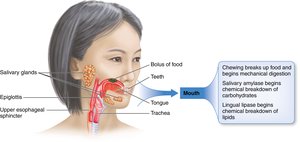
Mouth: Site of mechanical (chewing) and chemical (salivary amylase, lingual lipase) digestion.
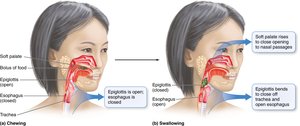
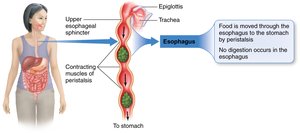
Pharynx and Esophagus: Propel food to the stomach via peristalsis; no digestion occurs in the esophagus.
Peristalsis
Peristalsis is the rhythmic contraction of circular and longitudinal muscles that propels food through the GI tract.
Stomach Function
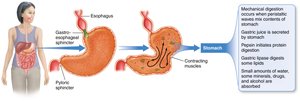
Mechanical digestion: Mixing and churning of food with gastric juices.
Chemical digestion: Secretion of gastric juice containing hydrochloric acid (HCl), intrinsic factor, pepsinogen, and gastric lipase.
Gastrin: Hormone that stimulates gastric juice secretion.
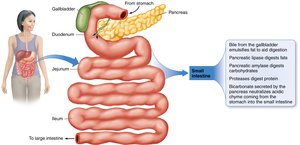
Small Intestine
Primary site for digestion and absorption.
Divided into three sections: duodenum, jejunum, ileum.
Receives chyme from the stomach through the pyloric sphincter.

Large Intestine
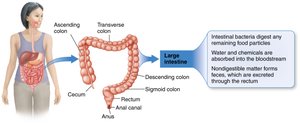
Absorbs water and electrolytes; forms and stores feces.
Contains beneficial bacteria that aid in digestion of remaining food particles.
Accessory Organs of Digestion
Salivary glands: Secrete saliva containing digestive enzymes.
Liver: Produces bile for fat emulsification.
Gallbladder: Stores and releases bile into the small intestine.
Pancreas: Secretes digestive enzymes and bicarbonate to neutralize stomach acid.
Absorption of Nutrients
Structures Facilitating Absorption
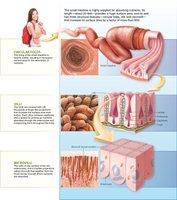
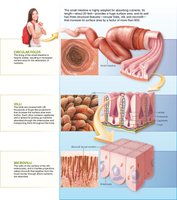
Villi: Finger-like projections in the small intestine that increase surface area.
Microvilli (Brush Border): Tiny projections on villi that further increase surface area for absorption.
Mechanisms of Absorption
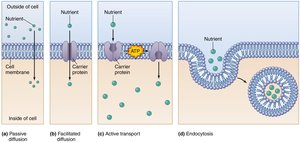
Passive diffusion: Movement along a concentration gradient.
Facilitated diffusion: Requires a carrier protein.
Active transport: Requires energy (ATP) and a carrier protein.
Endocytosis: Cell membrane engulfs nutrients.
Transport of Nutrients
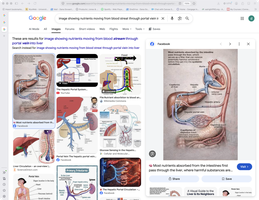
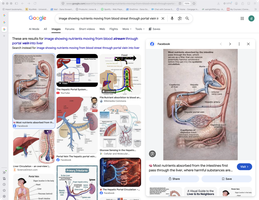
Water-soluble nutrients: Absorbed into capillaries and transported to the liver via the portal vein.
Fat-soluble nutrients: Absorbed into lacteals (lymphatic vessels) and transported to the bloodstream.
Gut Microbiome
The gut microbiome consists of beneficial bacteria and other microbes that aid in digestion, synthesize vitamins (e.g., vitamin K), inhibit harmful microbes, and support immune function. Probiotics are beneficial bacteria, while prebiotics are foods that support their growth.
Neuromuscular and Nervous Regulation of Digestion
Muscular system: Mixes and moves food through voluntary and involuntary muscle contractions (peristalsis, segmentation).
Nervous system: The enteric nervous system (ENS) and central nervous system (CNS) regulate GI tract activity.
Common Digestive Disorders
Gastroesophageal reflux disease (GERD): Chronic reflux of stomach acid into the esophagus, causing heartburn and potential complications.
Peptic ulcers: Erosion of the GI tract lining, often due to Helicobacter pylori infection or NSAID use.
Vomiting, diarrhea, constipation: Disruptions in normal GI function, with various causes and health risks.
Intestinal barrier dysfunction ("leaky gut"): Increased permeability of the intestinal lining, linked to various GI and chronic diseases.
Irritable bowel syndrome (IBS): Functional disorder with symptoms of abdominal pain, bloating, and altered bowel habits.
Cancer: Can affect any region of the GI tract, with oral, pancreatic, and colorectal cancers being most common.
Food Intolerances, Allergies, and Celiac Disease
Food intolerance: Most commonly due to enzyme deficiencies (e.g., lactase in lactose intolerance).
Food allergy: Immune hypersensitivity to food proteins, causing allergic reactions.
Celiac disease vs. nonceliac gluten sensitivity: Celiac disease is an autoimmune disorder triggered by gluten, while nonceliac gluten sensitivity does not involve an autoimmune response.
Sample Questions and Applications
Nutrient-dense snack: Provides a high level of nutrients for a low number of Calories.
Olfaction: Plays a key role in stimulating appetite and enabling taste.
