 Indietro
Organic Chemistry I: Structure, Bonding, Resonance, Hybridization, Acids/Bases, and Molecular Representations
Guida di studio - Note intelligenti
 Appunti personalizzati basati sui tuoi materiali, ampliati con definizioni chiave, esempi e contesto.
Structure and Bonding
Quantum Numbers and Electron Configuration
Quantum numbers describe the arrangement and properties of electrons in atoms, which is foundational for understanding chemical bonding. - Principal Quantum Number (n): Indicates the main energy level or shell. - Azimuthal Quantum Number (l): Describes the subshell and shape of the orbital (s, p, d, f). - Magnetic Quantum Number (ml): Specifies the orientation of the orbital. - Magnetic Spin Quantum Number (ms): Indicates the spin direction of the electron. Example: Electron configuration for Fluorine: Boron: Oxygen: Potassium:
Empirical Formula Calculation
The empirical formula represents the simplest whole-number ratio of elements in a compound. - Step 1: Convert mass percentages to moles by dividing by atomic mass. - Step 2: Divide each by the smallest number of moles to get the ratio. - Step 3: Write the formula using these ratios. Example: For a compound with 40.0% C, 6.7% H, 53.3% O: 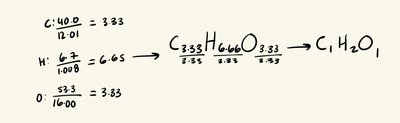
Structure and Bonding
Lewis Structures
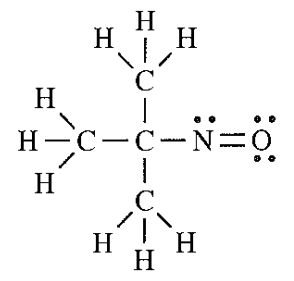
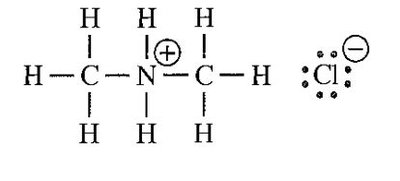
Lewis structures show the arrangement of atoms, bonds, and lone pairs in molecules. - Key Points: Each atom's valence electrons are represented as dots. Bonds are shown as lines. Formal charges are indicated where necessary. Examples: 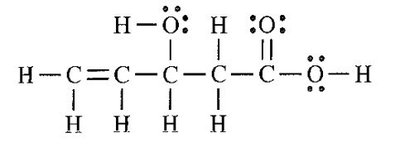
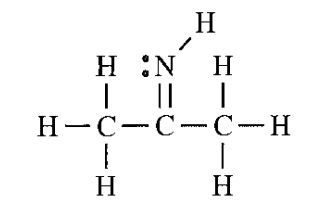
Formal Charge Calculation
Formal charge helps identify the most stable Lewis structure. - Formula: Example: BF4- 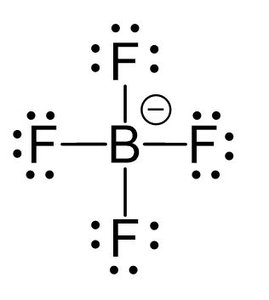
Resonance
Resonance Structures
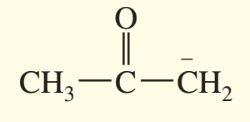
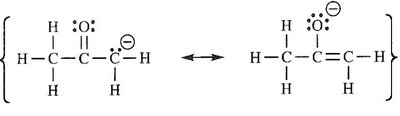
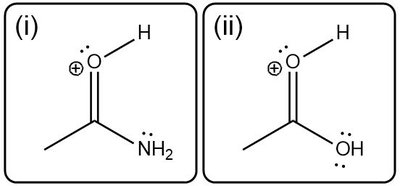
Resonance structures represent delocalization of electrons within molecules, stabilizing the molecule. - Key Points: Resonance forms differ only in the placement of electrons, not atoms. The true structure is a hybrid of all resonance forms. Examples: 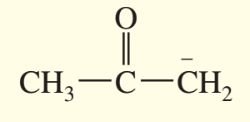
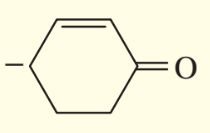
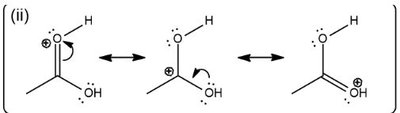
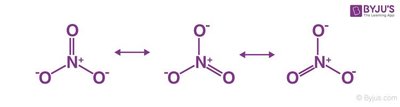
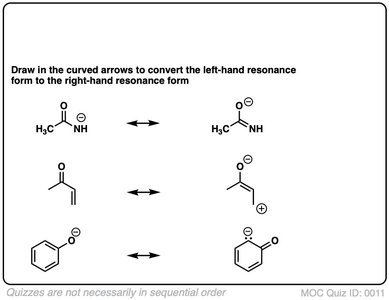
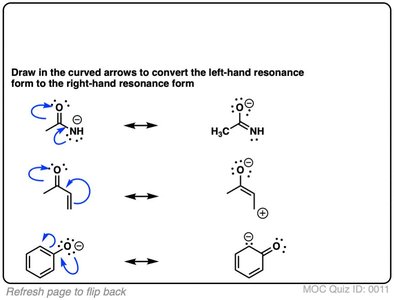
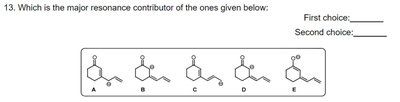
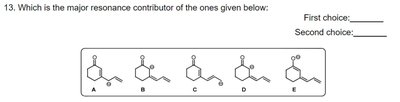
Resonance in Carbonyl Compounds
Resonance is especially important in carbonyl compounds, affecting their reactivity and stability. Example: 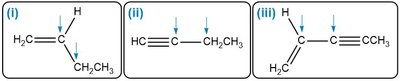
Hybridization
Hybridization Types
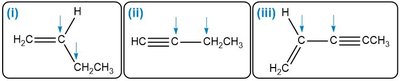
Hybridization describes the mixing of atomic orbitals to form new hybrid orbitals suitable for bonding. - sp3: Tetrahedral geometry, 109.5° bond angles. - sp2: Trigonal planar geometry, 120° bond angles. - sp: Linear geometry, 180° bond angles. Example: 

Acids and Bases
Acid-Base Reactions
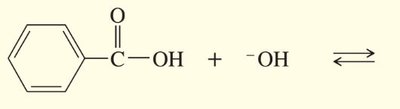
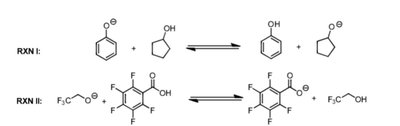
Acid-base reactions involve the transfer of protons (H+) between molecules. - Acid: Proton donor. - Base: Proton acceptor. - Equilibrium: Favors the side with the weaker acid/base. Example: 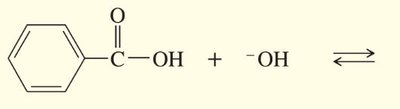

Ranking Acidity
Acidity is ranked by pKa values; lower pKa means stronger acid. Example: 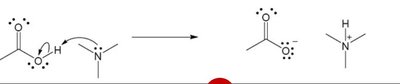

Compound | pKa |
|---|---|
NH3 | 33 (or 36) |
H2O | 15.7 |
CH3OH | 15.5 |
CH3COOH | 4.74 |
HF | 3.2 |
H3O+ | -1.7 |
H2SO4 | -5 |
pH Calculations
pH is calculated using the concentration of acids/bases and their pKa values. - Formula: Example: For 1M CH3COONa (pKa=4.74): For 1M weak acid (pKa=3.18):
Predicting Equilibrium Direction
The equilibrium of acid-base reactions favors the formation of the weaker acid and base. Example: 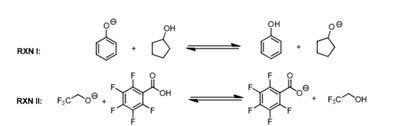
Structure and Stereochemistry of Alkanes
Newman Projections
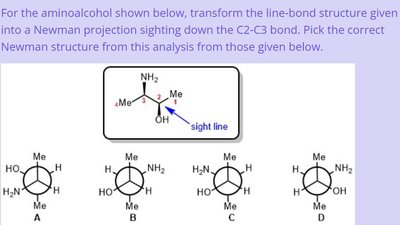
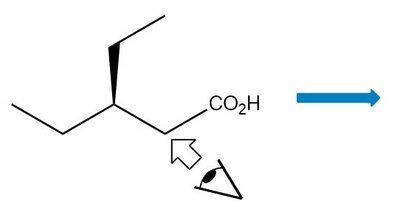
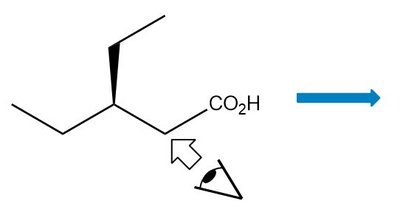
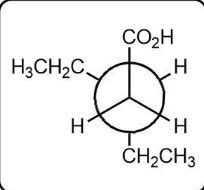
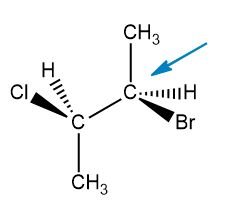
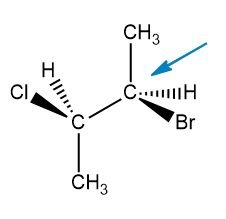
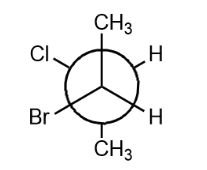
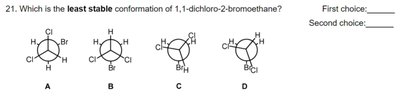
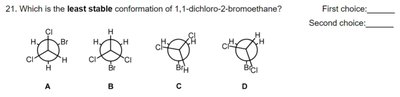
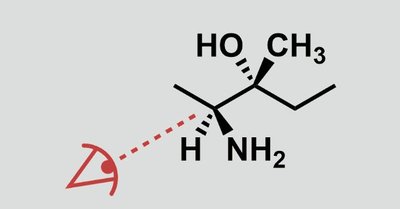
Newman projections are used to visualize the spatial arrangement of atoms around a single bond, important for understanding conformational isomerism. - Key Points: Staggered conformations are more stable than eclipsed. - Applications: Used to analyze steric interactions and predict stability. Example: 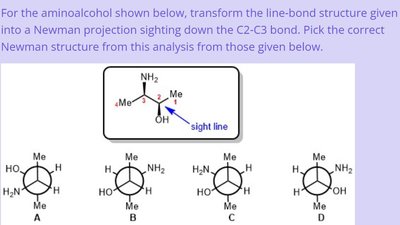
Nomenclature
Organic Molecule Naming
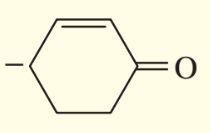
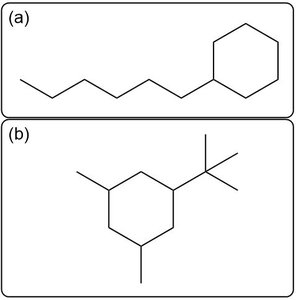
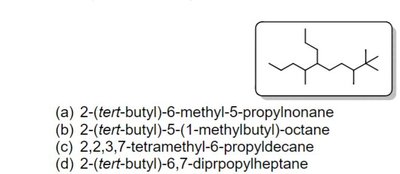
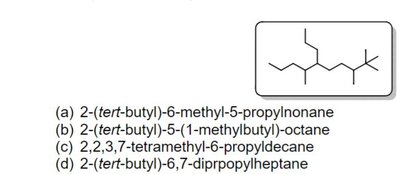
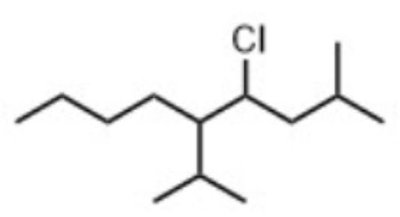
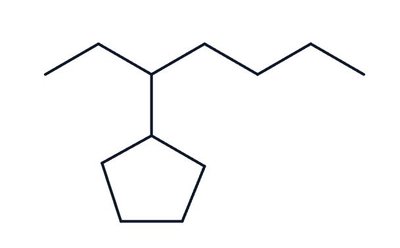
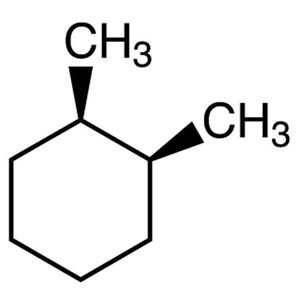
Nomenclature is the systematic naming of organic compounds based on IUPAC rules. - Key Points: Identify the longest carbon chain, number the chain, name substituents, and assign locants. Examples: 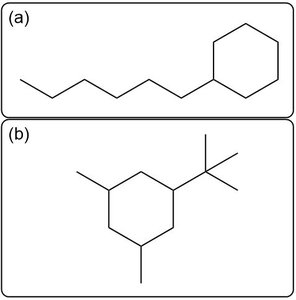
Stereochemistry and Chair Conformations
Chair Conformations of Cyclohexane
Chair conformations are the most stable forms of cyclohexane due to minimized steric strain. - Key Points: Axial and equatorial positions alternate around the ring. Bulky groups prefer equatorial positions for stability. Examples:
Summary
These notes cover foundational concepts in Organic Chemistry I, including atomic structure, bonding, resonance, hybridization, acid-base chemistry, molecular representations, nomenclature, and stereochemistry. Mastery of these topics is essential for understanding more advanced organic reactions and mechanisms. Additional info: Some images and examples were inferred to provide complete academic context and reinforce key concepts.
