Ch. 11 - Properties and Synthesis of Alkyl Halides: Radical Reactions
Mullins - Organic Chemistry: A Learner Centered Approach 1st Edition
Mullins1st EditionOrganic Chemistry: A Learner Centered ApproachISBN: 9780137566471Non è quello che usi tu?Cambia libro di testo
Capitolo 10, Problema 27a

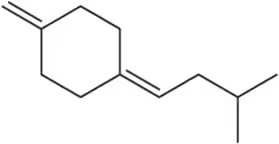
Identify the allylic carbon(s) in the following molecules.
(a)

Guida verificata passo dopo passo
1
Step 1: Recall the definition of an allylic carbon. An allylic carbon is a carbon atom that is directly adjacent to a carbon-carbon double bond (C=C). This means it is one bond away from the double bond.
Step 2: Examine the structure of the molecule provided in part (a). Locate the carbon-carbon double bond (C=C) in the molecule.
Step 3: Identify all carbon atoms that are directly bonded to the carbon atoms involved in the double bond. These are the allylic carbons.
Step 4: Verify that the identified allylic carbons are not part of the double bond itself. Allylic carbons are adjacent to the double bond, not part of it.
Step 5: Highlight or mark the allylic carbons in the structure for clarity and ensure no other carbons meet the criteria of being adjacent to the double bond.

Risposta video verificata per un problema simile:

Questa soluzione video è stata consigliata dai nostri tutor come utile per risolvere questo problema.
Durata del video:
2m

Concetti chiave

Ecco i concetti essenziali che devi comprendere per rispondere correttamente alla domanda.

Allylic Carbon

An allylic carbon is a carbon atom that is directly adjacent to a carbon-carbon double bond (C=C). In organic chemistry, these carbons are significant because they can participate in various reactions, such as allylic substitutions, due to their unique reactivity. Identifying allylic carbons is crucial for understanding reaction mechanisms and predicting the outcomes of chemical reactions.
Video consigliato:
00:48
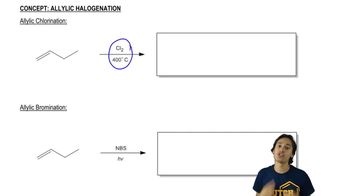
The products of Allylic Chlorination.

Double Bond Structure

The double bond structure consists of two shared pairs of electrons between two carbon atoms, denoted as C=C. This structure not only influences the geometry of the molecule, making it planar around the double bond, but also affects the reactivity of the molecule. Recognizing the position and nature of double bonds is essential for identifying allylic carbons and understanding their role in organic reactions.
Video consigliato:
06:00
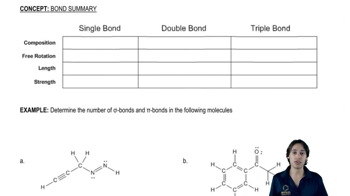
Single bonds, double bonds, and triple bonds.

Molecular Geometry

Molecular geometry refers to the three-dimensional arrangement of atoms within a molecule. The presence of double bonds and lone pairs can alter the bond angles and overall shape of the molecule, impacting its reactivity and interactions. Understanding molecular geometry is vital for visualizing the location of allylic carbons and predicting how they will behave in chemical reactions.
Video consigliato:
07:44
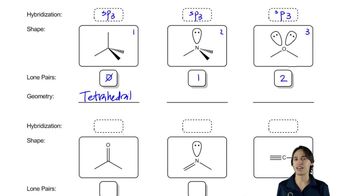
Molecular Geometry Explained.