Domanda del libro di testo
Molecule A is significantly more water soluble than molecule B. Justify this observation.
849
views

 Mullins 1st EditionCh. 23 - Benzene 1: Aromatic Stability and Substitution ReactionsProblema 74c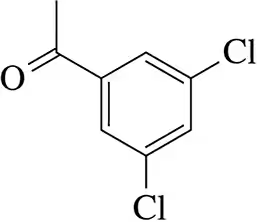
 Guida verificata passo dopo passo
 03:07
03:07
 02:49
02:49 02:36
02:36Molecule A is significantly more water soluble than molecule B. Justify this observation.
Predict the major product(s) that would result when molecules (a)–(i) are allowed to react under the following conditions. (iv) chlorocyclopentane, AlCl3, (v) 1-chloro-1-methylcyclohexane , AlCl3, (vi) PhCOCl, AlCl3. If no reaction will occur, indicate by writing NR.
(a)
Protonation of aniline slows electrophilic aromatic substitution and directs electrophiles to the meta position. Why?
Indigo is a dye that was originally isolated from coal tar. In 1905, Johann Friedrich Wilhelm Adolf von Baeyer won a Nobel Prize for a method that allowed indigo to be isolated from plants [a green chemist ahead of his time.] If you nitrated indigo using the reaction learned in this chapter, at which carbon would you expect the nitro group to attach?
In Section 17.7.4, we studied the acid-catalyzed hydrolysis of acetals. The acetal shown here resists hydrolysis by the mechanism in Figure 17.63. Why? [Draw the intermediates as if the reaction would occur, then analyze the intermediates for any problems.]
Bromination of phenol or aniline does not require the use of a Lewis acid catalyst and often results in trihalogenation. Why?