 Indietro
Study Guide: The Circulatory System for Personal Health
Guida di studio - Note intelligenti
 Appunti personalizzati basati sui tuoi materiali, ampliati con definizioni chiave, esempi e contesto.
The Circulatory System
Overview and Functions
The circulatory system, also known as the cardiovascular system, is essential for maintaining homeostasis by transporting nutrients, oxygen, and waste products throughout the body. It consists of the heart, blood vessels, and blood, working together to sustain life and health.
Transport of Oxygen and Nutrients: Delivers oxygen and nutrients to body cells.
Removal of Waste: Removes carbon dioxide and metabolic waste from cells.
Regulation: Helps regulate body temperature and pH balance.
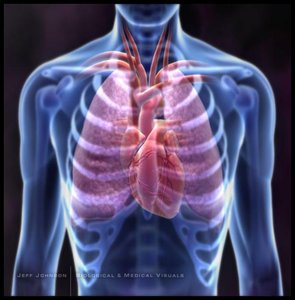
Location and Structure of the Heart
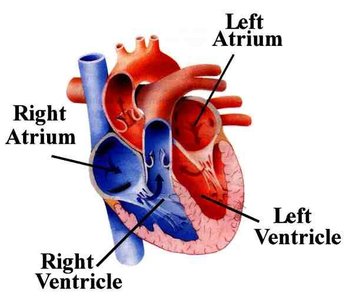
The heart is a muscular organ located in the center of the chest, slightly to the left. It is divided into four chambers: right atrium, right ventricle, left atrium, and left ventricle. Each chamber plays a specific role in the circulation of blood.
Right Atrium: Receives deoxygenated blood from the body.
Right Ventricle: Pumps deoxygenated blood to the lungs.
Left Atrium: Receives oxygenated blood from the lungs.
Left Ventricle: Pumps oxygenated blood to the body.
Parts of the Circulatory System
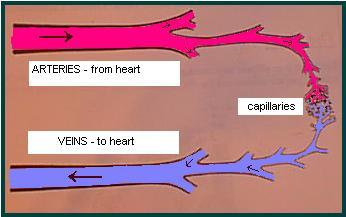
The circulatory system is composed of the heart, arteries, veins, and capillaries. Each type of blood vessel has a unique function in the circulation process.
Arteries: Carry blood away from the heart. The aorta is the largest artery, and the pulmonary artery carries blood to the lungs.
Veins: Bring blood back to the heart. The superior and inferior vena cava are major veins, and the pulmonary vein carries oxygenated blood from the lungs to the heart.
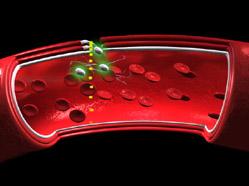
Capillaries: Smallest blood vessels; facilitate exchange of oxygen, nutrients, and waste between blood and tissues.
Heart Valves
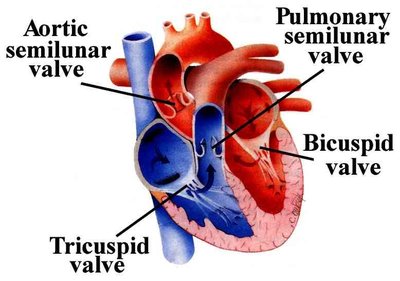
Valves in the heart ensure unidirectional flow of blood and prevent backflow. There are four main valves:
Tricuspid Valve: Between right atrium and right ventricle.
Bicuspid (Mitral) Valve: Between left atrium and left ventricle.
Pulmonary Semilunar Valve: Between right ventricle and pulmonary artery.
Aortic Semilunar Valve: Between left ventricle and aorta.
Blood Vessels
Blood vessels are classified into three types based on their function and structure:
Arteries: Thick-walled vessels carrying blood away from the heart.
Veins: Thin-walled vessels carrying blood toward the heart.
Capillaries: Microscopic vessels where exchange of gases and nutrients occurs.
Components of Blood
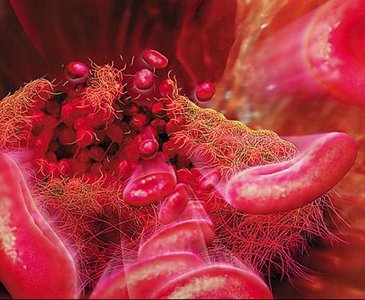
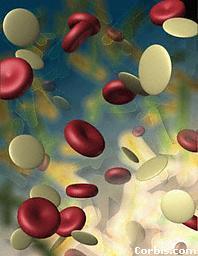
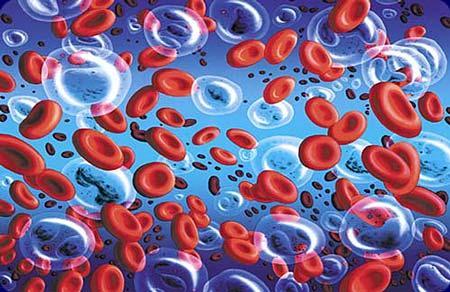
Blood is a complex tissue composed of several types of cells and plasma. Each component has a specific function:
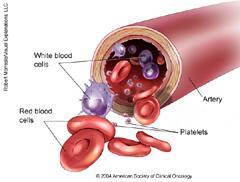
Red Blood Cells (Erythrocytes): Carry oxygen and remove carbon dioxide; produced in bone marrow.
White Blood Cells (Leukocytes): Defend against infection; produced in lymph nodes.
Platelets (Thrombocytes): Help blood to clot, preventing excessive bleeding.
Plasma: The liquid portion of blood; makes up about 55% of blood volume.
Blood Types and RH Factor
Blood types are classified based on the presence of antigens on the surface of red blood cells. The RH factor (+ or -) is another important classification.
Type A: Accepts A and O
Type B: Accepts B and O
Type AB: Accepts AB and O (Universal recipient)
Type O: Universal donor
RH Factor: Determines positive or negative blood type
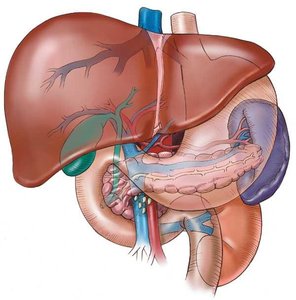
Blood Filtration Organs
Several organs filter and clean the blood:
Liver: Metabolizes toxins and waste.
Kidneys: Filter waste and excess fluid.
Lymph Nodes: Filter pathogens; located in the neck and other regions.
Spleen: Removes old red blood cells.
Blood Pressure
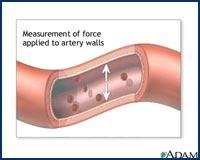
Blood pressure is the force exerted by circulating blood on the walls of blood vessels. It is measured using two values:
Systolic Pressure: Maximum pressure during heart contraction.
Diastolic Pressure: Lowest pressure during heart relaxation.
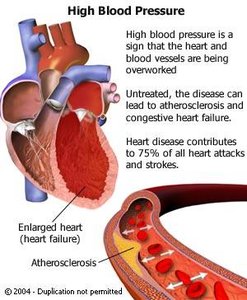
Normal blood pressure is typically around 120/80 mmHg. High blood pressure (hypertension) is a continuous elevation above the normal range and can lead to serious health issues.
Blood Pressure Measurement Tools
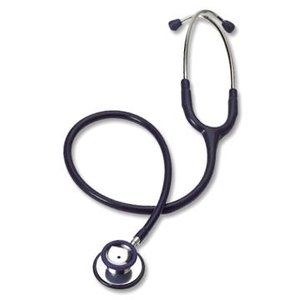
Blood pressure is measured using a sphygmomanometer and a stethoscope.
Sphygmomanometer: Measures blood pressure.
Stethoscope: Used to listen to heart sounds and blood flow.
Arteriosclerosis and Cholesterol
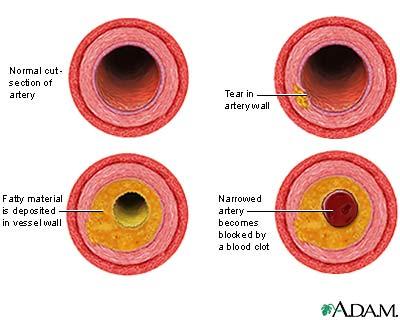
Arteriosclerosis is the hardening of artery walls, often caused by high fat and cholesterol diets. It can lead to plaque buildup and restricted blood flow.
Causes: Smoking, high blood pressure, high cholesterol, lack of exercise.
Prevention: Reduce stress, improve diet, regular checkups, medication, exercise.
Cholesterol Types
Cholesterol is carried in the blood by lipoproteins:
LDL (Low-Density Lipoprotein): Bad cholesterol; carries cholesterol to tissues and can form plaques.
HDL (High-Density Lipoprotein): Good cholesterol; removes excess cholesterol from tissues and arteries.
LDL levels should be less than 129 mg/dL; HDL levels should be 40 mg/dL or higher.
Diseases and Disorders of the Circulatory System
Several diseases affect the circulatory system, including:
Heart Attack: Stoppage of blood flow to the heart; prevention includes reducing stress, salt, fat, and cholesterol intake.
Anemia: Lack of red blood cells or cells that do not carry enough oxygen; treatment includes iron-rich foods and supplements.
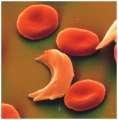
Sickle Cell Anemia: Genetic disorder causing abnormal red blood cells; treated with transfusions and medication.
Leukemia: Abnormal white blood cells crowd out normal cells; requires medical treatment.
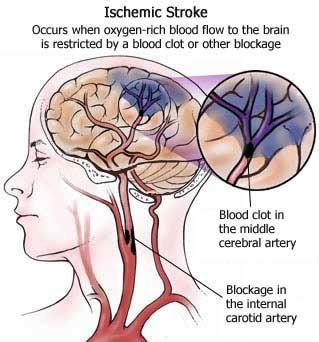
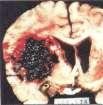
Stroke: Blockage of blood vessels in the brain; prevention includes exercise and low-fat diet.
Hemophilia: Blood does not clot properly; treated with transfusions of clotting factors.
Kidney Failure: Inability of kidneys to filter blood; results in accumulation of waste.
Summary Table: Blood Vessel Types
Type | Function | Structure |
|---|---|---|
Arteries | Carry blood away from heart | Thick, muscular walls |
Veins | Carry blood toward heart | Thin walls, valves |
Capillaries | Exchange of gases/nutrients | Microscopic, single-cell thick |
Summary Table: Blood Components
Component | Function |
|---|---|
Red Blood Cells | Transport oxygen and CO2 |
White Blood Cells | Fight infection |
Platelets | Clot blood |
Plasma | Transport nutrients, hormones, waste |
Key Equations
Blood Pressure Equation:
Cardiac Output Equation:
Conclusion
The circulatory system is vital for personal health, as it ensures the delivery of essential substances and the removal of waste. Understanding its structure, function, and common disorders is crucial for maintaining overall wellness.
