 Indietro
Introduction to Forensic Psychology: Foundations, Roles, and Ethical Considerations
Guida di studio - Note intelligenti
 Appunti personalizzati basati sui tuoi materiali, ampliati con definizioni chiave, esempi e contesto.
Introduction to Forensic Psychology
Definition and Scope
Forensic psychology is a specialized field that applies psychological principles and methods to the legal system. It encompasses both research and professional practice related to human behavior in legal contexts.
Research: Examines aspects of human behavior directly related to the legal process, such as eyewitness memory and criminal responsibility.
Professional Practice: Involves psychological assessment, expert testimony, and consultation within legal systems.
International Differences: Great Britain uses a narrower definition, focusing on clinical practice and excluding research and expert witness testimony.
Examples of Forensic Psychologists
Consulting with police on crime investigations
Researching psychopathy and violent behavior
Assessing witness credibility in court
Providing risk assessment and management for offenders
History of Forensic Psychology
Early Foundations
The origins of forensic psychology trace back to the early 20th century, with key figures contributing to its development.
Cesare Lombroso: Studied causes of crime.
James Catell: Researched eyewitness memory.
Alfred Binet: Investigated children's memory suggestibility.
Freud: Influenced thinking about criminal behavior.
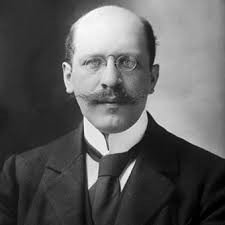
Hugo Munsterberg: Considered the founder of forensic psychology, emphasized the fallibility of memory and advocated for psychology's role in the courtroom.
Psychologists began appearing as expert witnesses in court, addressing issues such as pretrial publicity and the reliability of testimony.
Resurgence and Modern Developments
Forensic psychology "died" until the 1970s due to focus on theoretical issues.
Resurgence in the 1970s with renewed emphasis on naturalistic observation and applied research.
Eyewitness memory research became prominent, influencing legal practices.
Present day: Forensic psychologists research topics relevant to the legal world and influence decisions in courts, police, and parole boards.
Forensic Psychology in Canada
Historical Milestones
1940s: CSC hires professionals to classify inmates.
1950s: Psychologists hired in penitentiaries.
1970s-2000s: Development of assessment tools, risk models, and correctional treatment programs.
2010s-2020s: Canada leads in research on forensic assessment, correctional treatment, investigative interviewing, and psychopathy.
Training and Opportunities
Few structured forensic psychology programs in Canada.
Most forensic psychologists have backgrounds in clinical, experimental, or legal psychology.
Six graduate programs offer specialized training.
Pathways to Forensic Psychology
Clinical, Experimental, and Legal Tracks
Forensic psychologists may come from various academic backgrounds:
Clinical: Focus on assessment tools, intervention effectiveness, and forensic assessment.
Experimental: Research in memory, perception, child development, and group decision making; applied roles include jury selection and litigation strategy.
Legal: Research in mental health law and policy consultation.
Canada is recognized for its contributions to eyewitness testimony, risk assessment, deception detection, and investigative interviewing.
Law vs. Psychology
Differences in Values and Methods
Law and psychology often operate with different values and approaches:
Laws: Human creations reflecting societal values, evolving to resolve disagreements.
Psychology: Answers questions through empirical data, objective measurement, and replicable observations.
Legal System: Relies on experience, intuition, and common sense; judges may disregard empirical findings.
Comparison Table: Law vs. Psychology
Law | Psychology |
|---|---|
Reliance on legal precedent | Emphasis on innovation |
Authoritarian epistemology | Empirical research |
Adversarial process | Experimental methodology |
Prescriptive discourse | Descriptive discourse |
Focus on single case | Focus on multiple studies |
Emphasis on certainty | Probabilistic conclusions |
Pragmatic orientation | Academic orientation |
Reactive | Proactive |

Legal System's Criticisms of Psychology
Lack of ecological validity: Laboratory findings may not apply to real-life situations.
Intrusion upon legal system: Concerns that psychological knowledge may subvert legal legitimacy.
Roles of Forensic Psychologists
Assessment, Treatment, Research, and Consultation
Forensic psychologists fulfill multiple roles within the legal system:
Assessment: Evaluating brain functioning, psychopathy, competence, and psychopathology.
Treatment: Providing psychological interventions in legal contexts.
Research: Conducting studies relevant to legal issues.
Consultation: Advising legal professionals and law enforcement.
Expert Witness: Offering specialized testimony in court.
Ethical Temptations and Dilemmas
Promising too much: Overstating success or reliability.
Substituting advocacy for scientific objectivity: Becoming a "hired gun" rather than an objective scientist.
Letting values override empirical findings.
Maintaining dual relationships and competing roles.
Specific Roles in Forensic Psychology
Trial Consulting
Forensic psychologists assist attorneys in preparing for trial, including witness preparation, evidence evaluation, and jury selection.
Client is primarily the lawyer; ethical responsibilities include confidentiality and objectivity.
Potential conflicts arise regarding case decisions and witness management.
Police Consulting
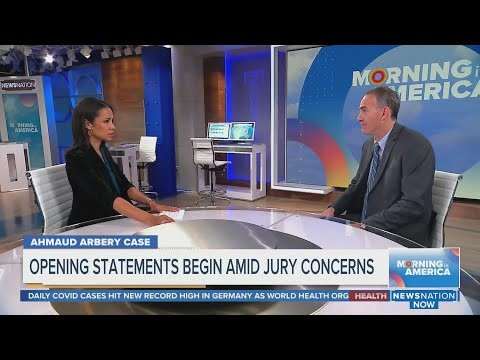
Consultants help police with investigations, personnel selection, training, and crisis negotiation.
Client is the police force; ethical responsibilities mirror those in trial consulting.
Conflicts may arise regarding investigative procedures and theory of the case.

Expert Witness
Expert witnesses testify in court, providing opinions based on specialized knowledge. Judges determine their appropriateness and qualifications.
Topics include criminal responsibility, competence, sentencing, eyewitness identification, child custody, and psychological damages.
Ethical responsibilities: Objectivity, accuracy, and honesty in reporting findings.
Criteria for admissibility differ between US (Daubert) and Canada (R v. Mohan).
Correctional Psychologist
Works within correctional institutions to provide psychological services to offenders, including assessment, program delivery, and crisis intervention.
Ethical responsibilities: Confidentiality, informed consent, accuracy, and awareness of legal rights.
Forensic Psychology Researcher
Conducts research in forensic psychology, ensuring ethical standards such as voluntary participation, informed consent, and confidentiality.
Accuracy in reporting and sharing data is essential.
Preparation of Scientific Briefs for the Court
Psychologists may submit amicus curiae briefs to inform judges on relevant matters. This is common in the US and rare in Canada.
Historic example: Brown v. Board of Education (1954), where psychological research influenced the Supreme Court's decision.
Ethical considerations: Should psychologists assist courts or limit themselves to research?
General Ethical Considerations for Forensic Psychologists
Professional guidelines address issues such as confidentiality, dual relationships, and test administration. The Canadian Psychological Association (CPA) and the American Psychology-Law Society (AP-LS) provide specific guidance for forensic psychologists.
Focus on relationships with litigating parties and procedures for forensic evaluations.
Additional info: These notes expand on brief points from the original materials, providing academic context and examples for clarity and completeness.
