 Indietro
Introduction to Psychology: Foundations, Brain, Memory, and Stress
Guida di studio - Note intelligenti
 Appunti personalizzati basati sui tuoi materiali, ampliati con definizioni chiave, esempi e contesto.
Introduction to Psychology
What is Psychology?
Psychology is the scientific study of behavior and mental processes. It seeks to understand how individuals think, feel, and act both individually and in groups. The field encompasses a wide range of topics, from biological underpinnings to social influences.
Structuralism: An early school of psychology focused on breaking down mental processes into their most basic components.
Functionalism: Emphasized the purpose of consciousness and behavior, considering how mental activities help an organism adapt to its environment.
Psychoanalysis: Founded by Sigmund Freud, this approach emphasizes unconscious motives and conflicts as drivers of behavior.
Multicultural Psychology examines the influence of culture, race, and ethnicity on behavior and mental processes.
The Five Pillars of Psychology
Core Domains
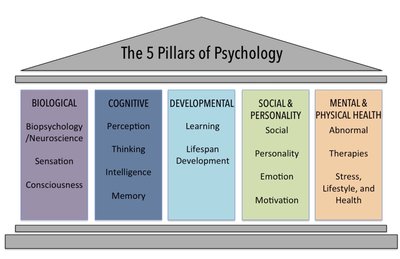
Modern psychology is organized into five major domains, each representing a foundational area of research and application.
Biological: Biopsychology, neuroscience, sensation, and consciousness.
Cognitive: Perception, thinking, intelligence, and memory.
Developmental: Learning and lifespan development.
Social & Personality: Social behavior, personality, emotion, and motivation.
Mental & Physical Health: Abnormal psychology, therapies, stress, lifestyle, and health.
Psychological Research
The Scientific Method
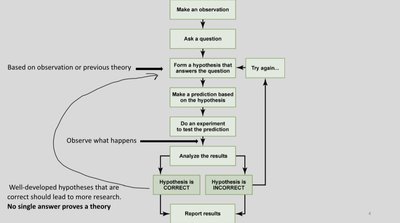
Psychological research relies on the scientific method, a systematic process for investigating phenomena, acquiring new knowledge, or correcting previous knowledge.
Steps:
Make an observation
Ask a question
Form a hypothesis
Make a prediction
Do an experiment
Analyze the results
Report results
Hypotheses: Testable predictions derived from theory or observation.
Replication: Repeating studies to confirm findings and ensure reliability.
Types of Research Designs
Descriptive: Observing and recording behavior without manipulating variables.
Correlational: Examining relationships between variables without inferring causality.
Experimental: Manipulating one variable (independent variable) to observe its effect on another (dependent variable).
Sampling and Ethics
Random Sampling: Every individual in the population has an equal chance of being selected.
Random Assignment: Participants are randomly assigned to experimental or control groups to reduce bias.
Ethics: Research must be approved by an Institutional Review Board (IRB) and adhere to ethical guidelines, including informed consent and minimizing harm.

Biological Psychology: The Brain and Nervous System
Major Brain Structures
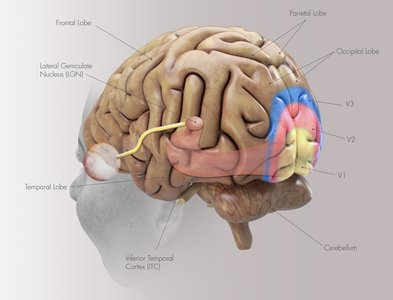
The brain is divided into several lobes and structures, each with specialized functions.
Frontal Lobe: Planning, reasoning, movement, and problem-solving.
Parietal Lobe: Sensory processing and spatial orientation.
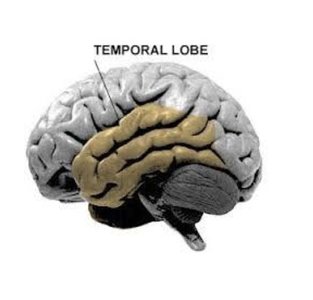
Temporal Lobe: Auditory processing and memory.
Occipital Lobe: Visual processing.
Motor and Somatosensory Cortex
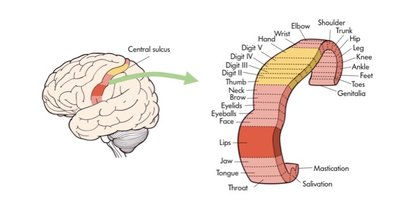
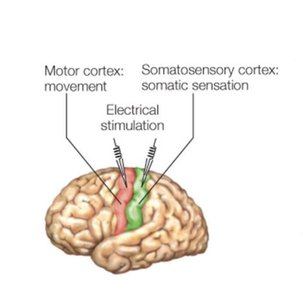
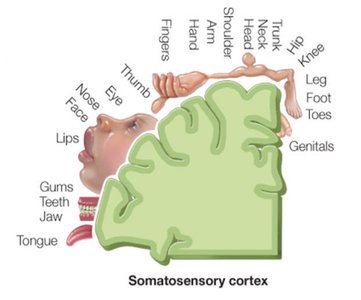
The motor cortex controls voluntary movements, while the somatosensory cortex processes sensory information from the body.
Central Sulcus: Separates the frontal and parietal lobes.
Homunculus: A visual representation of the body within the brain, showing the amount of cortex devoted to each body part.
Subcortical Structures
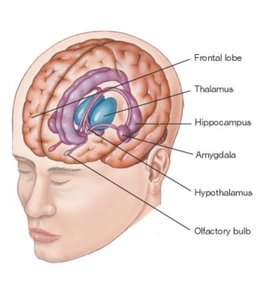
Thalamus: Relay station for sensory information.
Limbic System: Includes the amygdala (emotion), hippocampus (memory), and hypothalamus (homeostasis and hormone release).
Memory
Stages of Memory
Memory involves encoding, storage, and retrieval of information. The Atkinson-Shiffrin model describes three main stages:
Sensory Memory: Brief retention of sensory information.
Short-Term Memory (STM): Holds information temporarily for analysis and retrieves information from long-term memory. Capacity is about 7 ± 2 items.
Long-Term Memory (LTM): Relatively permanent storage of information.
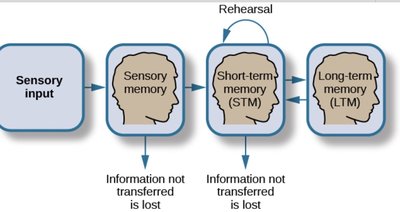
Types of Long-Term Memory
Type | Subtypes | Description |
|---|---|---|
Explicit (Declarative) | Episodic, Semantic | Conscious recall of facts and events |
Implicit (Nondeclarative) | Procedural, Priming, Emotional Conditioning | Unconscious memory, such as skills |
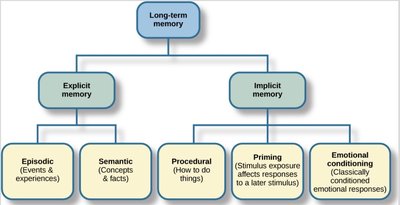
Encoding and Retrieval
Encoding: Transforming sensory input into a form that can be stored in memory.
Retrieval: Accessing stored information when needed.
Levels of Processing: Deeper, meaningful processing leads to better memory retention.
Self-Reference Effect: Information related to oneself is more easily remembered.
Memory Errors and Amnesia
Anterograde Amnesia: Inability to form new memories after a brain injury.
Retrograde Amnesia: Loss of memories from before a brain injury.
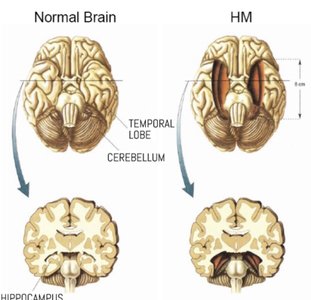
Stress and Health
Understanding Stress
Stress is a physiological and psychological response to perceived challenges or threats. It can be acute or chronic and affects both mental and physical health.
Types of Stressors: Catastrophic events, major life changes, daily hassles.
Appraisal: The way an individual evaluates a stressor influences their response.
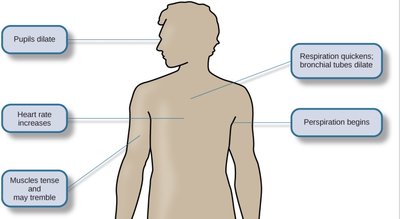
Physiological Response to Stress
Fight-or-Flight Response: Activation of the sympathetic nervous system, preparing the body for action.
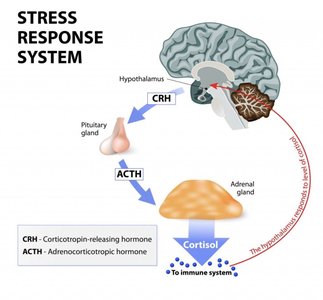
HPA Axis: The hypothalamic-pituitary-adrenal axis releases cortisol, a stress hormone.
Coping with Stress
Problem-Focused Coping: Addressing the source of stress directly.
Emotion-Focused Coping: Managing emotional responses to stress.
Social Support: Relationships and community can buffer the effects of stress.
Exercise and Mindfulness: Physical activity and relaxation techniques reduce stress and improve well-being.
Learned Helplessness and Control
Learned Helplessness: When individuals believe they have no control over outcomes, they may stop trying to change their situation, leading to depression and poor health outcomes.
Benefits of Control: Perceived control over stressors is associated with better health and psychological outcomes.
