Indietro
Introduction to Psychology: Foundations, Theoretical Orientations, and Key Debates
Guida di studio - Note intelligenti
 Appunti personalizzati basati sui tuoi materiali, ampliati con definizioni chiave, esempi e contesto.
What is Psychology?
Definition and Scope
Psychology is the scientific study of the mind, brain, and behavior. It encompasses both a science—focused on systematic research and empirical evidence—and a practice, applying psychological principles to solve real-world problems. The scientific and practical aspects of psychology inform and enhance each other.
Science of Psychology: Involves research, observation, and experimentation to understand mental processes and behavior.
Practice of Psychology: Applies psychological knowledge to areas such as mental health, education, business, and more.
Goals of Psychology:
Description: Accurately describe behaviors and mental processes.
Understanding: Explain why behaviors and mental processes occur.
Prediction: Anticipate future behaviors based on current knowledge.
Change: Use psychological principles to bring about positive change.
Theoretical Orientations in Psychology
Overview
Psychologists use different theoretical orientations to explain the fundamental causes of behavior. Each orientation offers a unique perspective on how to describe, understand, predict, and change human behavior.
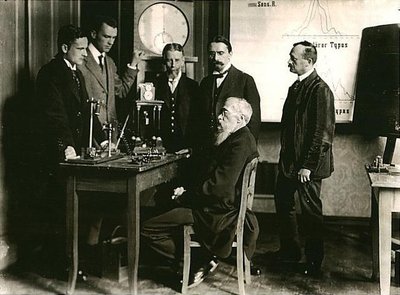
Structuralism
Structuralism was one of the earliest schools of psychology, aiming to identify the basic elements of psychological experience through introspection. It emphasized systematic data collection and scientific observation, laying the groundwork for psychology as an empirical science.
Key Method: Introspection—examining one's own conscious experience.
Contribution: Established the importance of empirical methods in psychology.

Functionalism
Functionalism, influenced by Charles Darwin's theory of evolution, focused on the adaptive purposes of thought and behavior. It sought to understand why we experience certain mental processes and how they help us adapt to our environment.
Key Question: What is the function or purpose of a behavior or mental process?
Influence: Inspired evolutionary perspectives in modern psychology.

Psychoanalysis
Psychoanalysis, founded by Sigmund Freud, posits that much of human behavior is influenced by unconscious drives, dark impulses, and repressed childhood trauma. It rejected introspection in favor of exploring unconscious processes through techniques like dream analysis and free association.
Key Idea: Unconscious motives and early experiences shape behavior.
Contribution: Highlighted the importance of unconscious mental processes.

Radical Behaviorism
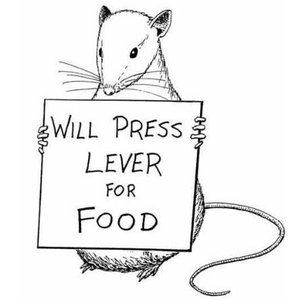
Radical behaviorism focuses on observable behavior and the environmental factors that reinforce or punish it. It argues that cognitive processes exist but are not useful for explaining behavior, emphasizing instead the role of learning through rewards and punishments.
Key Principle: Behavior is shaped by its consequences (reinforcement and punishment).
Example: A rat presses a lever to receive food, demonstrating operant conditioning.
Cognitive Psychology
Cognitive psychology rejects the behaviorist notion that mental processes cannot be studied scientifically. It focuses on the mental processes involved in thinking, memory, language, and problem-solving, emphasizing how our thoughts and interpretations influence behavior.
Key Focus: Mental processes such as perception, memory, and reasoning.
Contribution: Demonstrated that internal mental states can be studied scientifically.
Levels of Explanation in Psychology
Biopsychosocial Model
Human behavior and mental processes can be explained at multiple levels, including biological, psychological, and social factors. These levels interact to shape individual experiences and actions.
Biological Level: Genetics, brain structures, neurochemistry.
Psychological Level: Thoughts, emotions, motivations.
Social Level: Social and cultural influences.
Molecular/Genetic Level
This level explains behavior in terms of inherited, adaptive traits and genetic influences. It asks why certain behaviors may have been useful to our ancestors and how genes contribute to psychological traits.
Example: Aggressive behavior may have helped ancestors compete for resources.


Neurochemical/Physiological Level
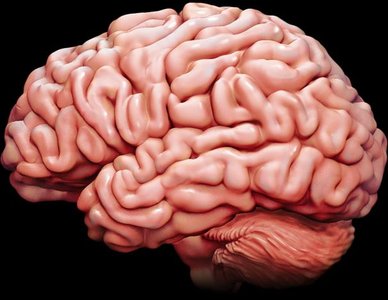
This level focuses on the biological processes underlying behavior, including brain structures, hormones, and neurotransmitters. It examines what is happening physically in the body that influences behavior.
Example: Imbalances in neurotransmitters like dopamine can affect mood and behavior.

Behavioral Level
The behavioral level explains actions in terms of what has been rewarded or punished. It focuses on observable behaviors and the environmental contingencies that shape them.
Example: A child receives praise for sharing, increasing the likelihood of sharing in the future.


Cognitive Level
This level examines how thoughts, emotions, and motivations influence behavior. It highlights the importance of mental processes in interpreting and responding to events.
Example: Interpreting a challenging situation as a threat may lead to anxiety, while seeing it as an opportunity may lead to motivation.
Social/Cultural Level
The social/cultural level emphasizes the influence of social contexts and cultural norms on behavior. It considers how interactions with others and cultural expectations shape individual actions.
Example: Social support from friends can buffer against stress; cultural values influence attitudes toward mental health.


Debates in Psychology
Determinism vs. Free Will
This debate centers on whether human behavior is determined by external and internal factors (determinism) or if individuals have the freedom to make their own choices (free will).
Determinism: Behavior is caused by preceding factors; choices are shaped by environment and biology.
Free Will: Individuals have the capacity to choose their actions independently of external influences.



Nature vs. Nurture
The nature vs. nurture debate explores the relative contributions of genetic inheritance (nature) and environmental factors (nurture) to human behavior. Modern psychology recognizes that both play significant roles, and the key question is to what extent each influences specific behaviors.
Nature: Biological and genetic influences on behavior.
Nurture: Environmental and experiential influences.
Current View: Interactionist perspective—nature and nurture work together to shape behavior.