 Indietro
The History and Foundations of Psychology: Key Concepts and Early Influences
Guida di studio - Note intelligenti
 Appunti personalizzati basati sui tuoi materiali, ampliati con definizioni chiave, esempi e contesto.
The History of Psychology
Key Elements of Science in Psychology
Psychology is grounded in scientific principles that distinguish it from speculation or common sense. Two foundational concepts are empiricism and determinism.
Empiricism: The idea that knowledge is based on careful observation and evidence, not on speculation.
Determinism: The belief that all events, including human behaviour, are governed by lawful, cause-and-effect relationships.
Part I: Ancient Views of the Mind
Early Clinical Observations and Theories
Ancient civilizations began to link brain functions to behaviour through clinical observations, although many theories were untested.
Edwin Smith Papyrus: The first written case descriptions connecting brain injuries to behavioural changes, authored by a battlefield surgeon in ancient Egypt (ca. 1600 BCE).
Observation: Damage to the brain and spinal cord led to impairments such as paralysis and seizures.

Hippocrates and the Four Humors
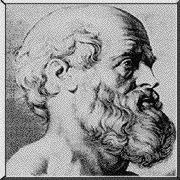
Hippocrates, a Greek physician, proposed that health and personality were determined by the balance of four bodily fluids, or humors.
Four Humors: Blood, phlegm, black bile, and yellow bile.
Health: Achieved when humors are balanced; disease results from imbalance.
Personality: Each humor was associated with specific personality traits.
Humor | Personality | Characteristics |
|---|---|---|
Blood | Sanguine | Optimistic, impulsive, irresponsible |
Yellow bile | Choleric | Short-tempered, ambitious |
Phlegm | Phlegmatic | Sluggish, calm, well-meaning |
Black bile | Melancholic | Introspective, thin, sallow |
Part II: Early Influences on Psychology
Scientific and Cultural Context
Psychology's development was shaped by advances in anatomy, physics, evolution, and the medical model, as well as social and cultural factors.
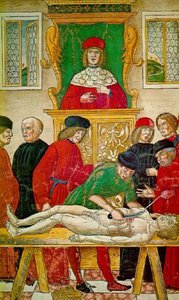
Anatomy: Dissection and study of the human body provided insight into brain function.
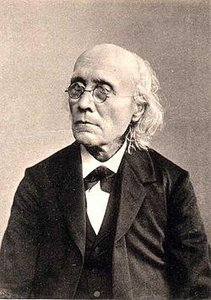
Physics: Gustav Fechner's work showed that perception differs from physical reality, leading to the field of psychophysics.
Evolution: Darwin's theory of natural selection emphasized the adaptive value of behaviour.
Medical Model: Applied scientific methods to understanding psychological disorders.
Psychophysics and Perception
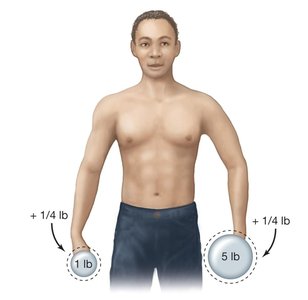
Psychophysics studies the relationship between the physical world and mental representation. Fechner demonstrated that perceived weight does not always match actual weight.
Example: Adding equal weights to each hand does not always feel equally heavy, illustrating subjective perception.
Evolutionary Theory and Psychology
Darwin's concept of natural selection influenced psychology by emphasizing the survival value of behaviours.
Natural Selection: Favourable traits become more common in a population, while unfavourable traits diminish.
Behavioural Adaptation: Certain behaviours promote survival within a specific range.
Brain Localization and Phrenology
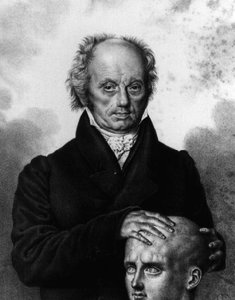
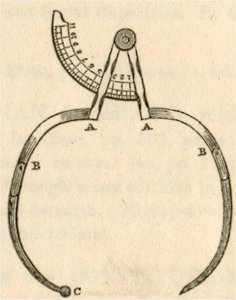
Early studies attempted to localize brain functions, leading to the development of phrenology by Franz Gall and Johannes Spurzheim.
Phrenology: Assessed personality and traits based on the shape and size of skull bumps.
Logic: The brain is the organ of the mind, composed of distinct faculties, each with a separate location.
Problems: Lacked scientific evidence and relied on confirmation bias.

Phrenology Principle | Description |
|---|---|
Brain is organ of mind | Mind composed of distinct faculties |
Faculties have separate seats | Size of organ measures its power |
Skull shape reflects brain development | Surface of skull indicates psychological tendencies |
Medical Model and Psychological Disorders
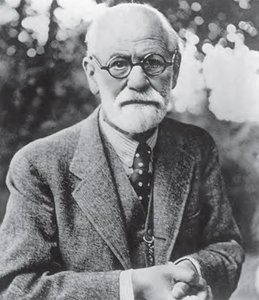
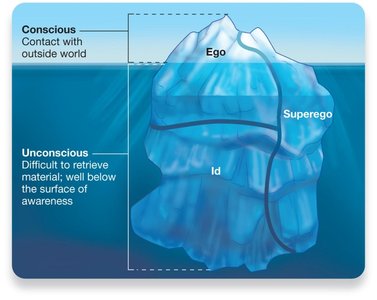
Freud, a neurologist, introduced the medical model to psychology and developed psychoanalysis, focusing on unconscious processes.
Psychoanalysis: Explains behaviour and personality through unconscious conflicts, dreams, and early experiences.
Unconscious: Source of neuroses; psychoanalysis aims to bring conflicts into consciousness.
Legacy: Freud's methods were not scientific, but he contributed key concepts such as the unconscious and the importance of early experiences.
Part III: The Beginnings of Contemporary Psychology
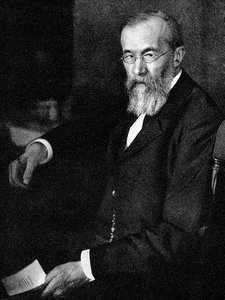
Wilhelm Wundt and the First Laboratory
Wilhelm Wundt established the first psychological laboratory in Leipzig, Germany (1879), marking the beginning of experimental psychology.
Introspection: Subjects reported their experiences in response to stimuli; aimed to describe experience without interpretation.
Legacy: Demonstrated that meaningful experiments could be conducted in psychology.
Structuralism and Functionalism
Two major schools emerged: structuralism and functionalism.
Structuralism (Edward Titchener): Analyzed conscious experiences by breaking them into basic elements.
Functionalism (William James): Studied the purpose and function of behaviours and conscious experiences.
Behaviourism
Behaviourism focused on observable behaviour, minimizing reference to mental events.
Ivan Pavlov: Demonstrated that animals can learn associations (classical conditioning).
John B. Watson: Argued that all behaviour can be explained by conditioning.
B.F. Skinner: Showed that behaviour is shaped by reinforcement and punishment.
Cognitive, Humanistic, and Social Psychology
Later developments included cognitive psychology (examining thinking, memory, and language), humanistic psychology (focusing on individual uniqueness and rational thought), and social psychology (studying how social situations influence behaviour).
Cognitive Revolution: Reaction against behaviourism; examined internal mental processes.
Humanistic Psychology: Emphasized freedom, rationality, and uniqueness of humans.
Social Psychology: Explored how situations and social context affect behaviour.
Contemporary Trends
Modern psychology includes cross-cultural studies, neuroimaging, positive psychology, and applied psychology in various settings.
Neuroimaging: Techniques like fMRI allow visualization of brain activity.
Positive Psychology: Focuses on self-acceptance, fulfillment, and improving relationships.
Applied Psychology: Used in legal, employment, and environmental contexts.
Summary Table: Major Early Influences
Influence | Key Figure | Main Contribution |
|---|---|---|
Ancient Egypt | Edwin Smith Papyrus | Linked brain injury to behaviour |
Greek Medicine | Hippocrates | Four humors and personality |
Physics | Gustav Fechner | Psychophysics and perception |
Evolution | Charles Darwin | Natural selection and adaptation |
Phrenology | Franz Gall | Localization of function (theory) |
Psychoanalysis | Sigmund Freud | Unconscious processes |
Experimental Psychology | Wilhelm Wundt | First laboratory, introspection |
Behaviourism | Pavlov, Watson, Skinner | Learning, conditioning, reinforcement |
