 뒤로
Airway Management: Structure, Function, and Emergency Procedures
스터디 가이드 - 스마트 노트
 자료에 맞춘 맞춤형 노트, 핵심 정의, 예시, 맥락을 확장해 제공합니다.
Airway Physiology
Structure and Function of the Airway
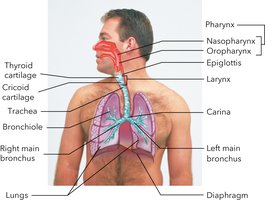
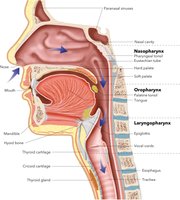
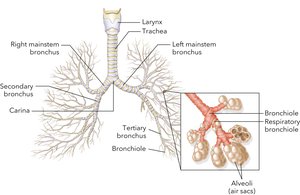
The airway is a critical anatomical system responsible for the passage of air into and out of the lungs. It is divided into upper and lower portions, each with distinct structures and functions.
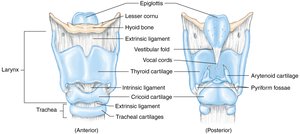
Upper Airway: Begins at the mouth and nose, includes the pharynx (nasopharynx, oropharynx, laryngopharynx), and ends at the larynx.
Larynx: Serves as the boundary between the upper and lower airways.
Lower Airway: Includes the trachea, mainstem bronchi, bronchioles, and alveoli. Gas exchange occurs at the alveolar-capillary interface.
Key Terms: Pharynx, Larynx, Trachea, Bronchi, Alveoli, Diaphragm
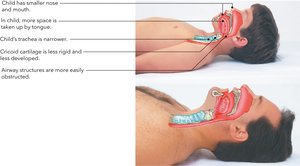
Pediatric Airway Physiology
Infants and children have unique airway characteristics that increase their risk of obstruction.
Shorter, narrower, and less rigid airway structures
Proportionately larger tongue
Newborns and infants are nose breathers
Softer, more flexible trachea
Breathing is more dependent on the diaphragm
Airway Pathophysiology
Obstructions and Airway Compromise
Airway patency can be compromised by various obstructions and physiological changes.
Obstructions: Foreign bodies (food, toys), liquids (blood, vomit), loss of muscle tone
Acute vs. Chronic: Obstructions may develop suddenly or over time
Swelling: Anaphylaxis, burns, trauma, and infections can cause rapid tissue swelling
Smooth Muscle Constriction: Changes airway diameter and increases resistance
Sounds of a Partially Obstructed Airway:
Stridor: High-pitched whistling, severe narrowing
Hoarseness: Raspy voice, swelling near vocal cords
Snoring: Diminished muscle tone
Gurgling: Presence of fluids in the airway
Patient Assessment
Assessing Airway Patency
Assessment of the airway is a continuous process in emergency care.
Ability to speak indicates airway patency
Listen for abnormal sounds: stridor, gurgling, wheezing, snoring
Observe chest movement and breathing patterns
Monitor for signs of inadequate airway: inability to speak, abnormal noises, minimal chest movement
Signs of Inadequate Airway:
No breathing or air movement
Foreign bodies present
Absent or uneven chest movement
Breathing limited to abdomen
Retractions and nasal flaring in children
Opening the Airway
Basic Life Support Positioning
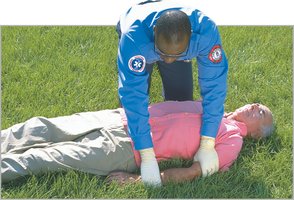
Proper patient positioning is essential for airway management, especially in unconscious patients.
Supine position is preferred for airway procedures
Protect head and neck if spinal trauma is suspected
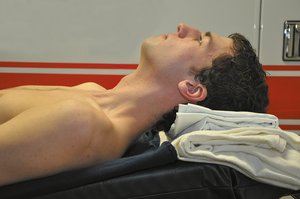
Head-elevated, sniffing position aligns airway structures for improved patency
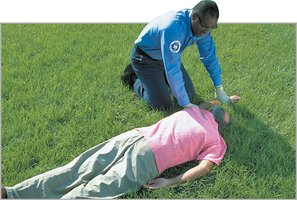
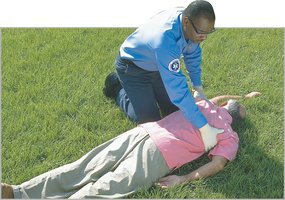
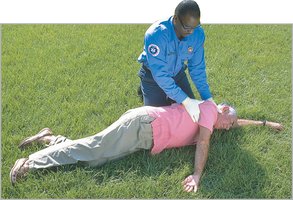
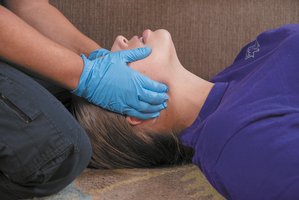
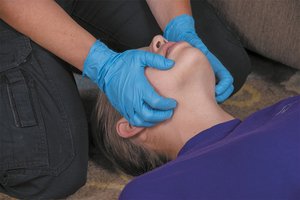
Manual Maneuvers to Open the Airway
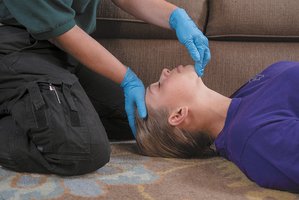
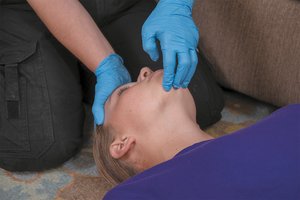
Manual techniques are used to maintain airway patency in patients with diminished muscle control.
Head-Tilt, Chin-Lift Maneuver: Used when no spinal injury is suspected
Jaw-Thrust Maneuver: Used for patients with suspected spinal injury
Obstructed Airways
Foreign-Body Airway Obstruction
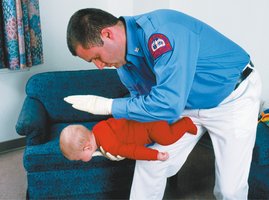
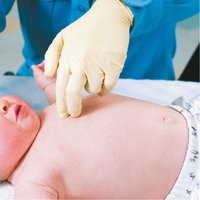
Obstructed airways require immediate intervention. Choking is classified as severe (complete blockage) or nonsevere (partial blockage).
Adults: Abdominal thrusts (Heimlich maneuver)
Infants: Back slaps and chest thrusts
If patient becomes unconscious, begin CPR
Airway Adjuncts
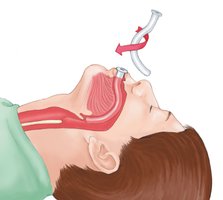
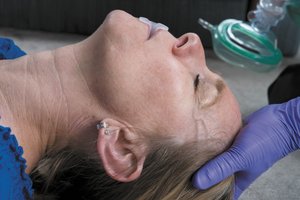
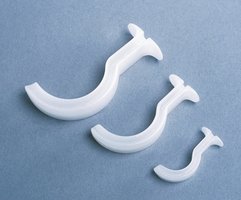
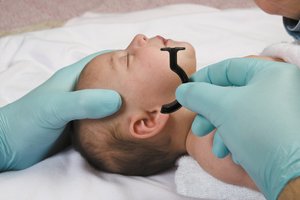
Oropharyngeal and Nasopharyngeal Airways
Airway adjuncts are devices used to maintain airway patency when manual maneuvers are insufficient.
Oropharyngeal Airway (OPA): Used in patients without gag reflex
Nasopharyngeal Airway (NPA): Used when gag reflex is present or oral injuries exist
Correct sizing is essential for effectiveness

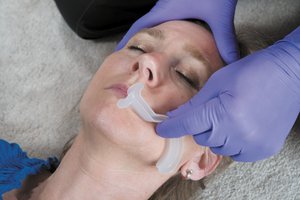
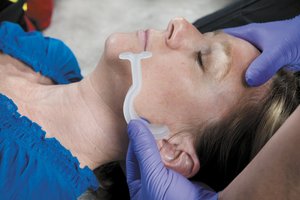
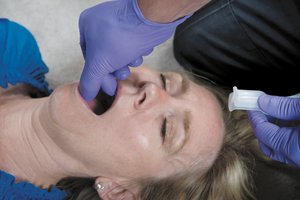
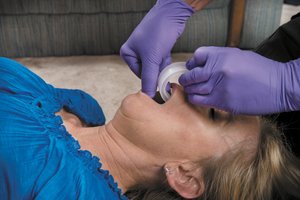
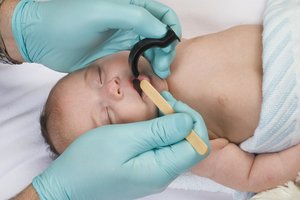
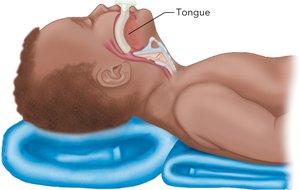
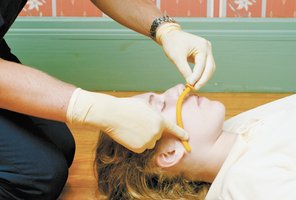
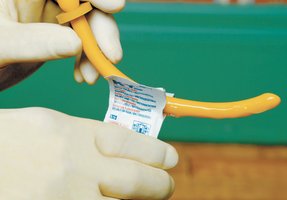
Airway Adjuncts—Supraglottic Airway Devices
Advanced Airway Management
Supraglottic airways are used when basic measures fail or prolonged airway management is required.
Devices include King airway and laryngeal mask airway
Insertion steps vary by manufacturer
Confirm placement with end-tidal CO2 detection
Suctioning
Clearing the Airway
Suctioning is used to remove fluids and secretions from the airway to prevent aspiration and maintain patency.
Gravity can assist in clearing fluids by turning the patient to one side
Suction devices include vehicle-mounted, portable, and manual units
Rigid pharyngeal tips (Yankauer) and flexible catheters are used
Infants are sensitive to vagal stimulation; minimize suctioning time
Special Considerations
Facial Injuries and Dental Appliances
Special situations may require additional airway management strategies.
Frequent suctioning may be needed for facial injuries
Dental appliances should be left in place unless they endanger the airway
Solid obstructions require abdominal thrusts, chest thrusts, or finger sweeps
Chapter Review
The airway is essential for respiration and survival. Airway adjuncts and suctioning are critical tools for maintaining patency, especially in emergency situations. Ongoing assessment and proper technique are vital for effective airway management.
Key Questions for Review
Name the main structures of the airway
Explain why care for the airway is the first priority of emergency care
Describe the signs of an inadequate airway
Explain when the head-tilt, chin-lift maneuver should be used and when the jaw-thrust maneuver should be used
Explain how airway adjuncts and suctioning help in airway management
Critical Thinking Scenarios
How to proceed with a patient with gurgling sounds and inadequate breathing
Immediate concerns when stridor is heard in a child
Steps to correct snoring respirations in an unconscious patient
Additional info: This guide expands on brief points with academic context, definitions, and examples to ensure completeness and clarity for Anatomy & Physiology students.
