뒤로

Anatomy & Physiology: Core Concepts, Chemistry, Cell Structure, and Histology Study Guide

학습 가이드 - 영상으로 배우기

업로드한 자료에 맞춘 엄선된 수업 – 모든 주제를 단계별로 배워보세요.

What is Anatomy & Physiology?

  • What is Anatomy & Physiology? Example 3
    3:06
  • What is Anatomy & Physiology? Example 2
    01:58
  • The Difference Between Anatomy and Physiology
    03:04

Levels of Organization

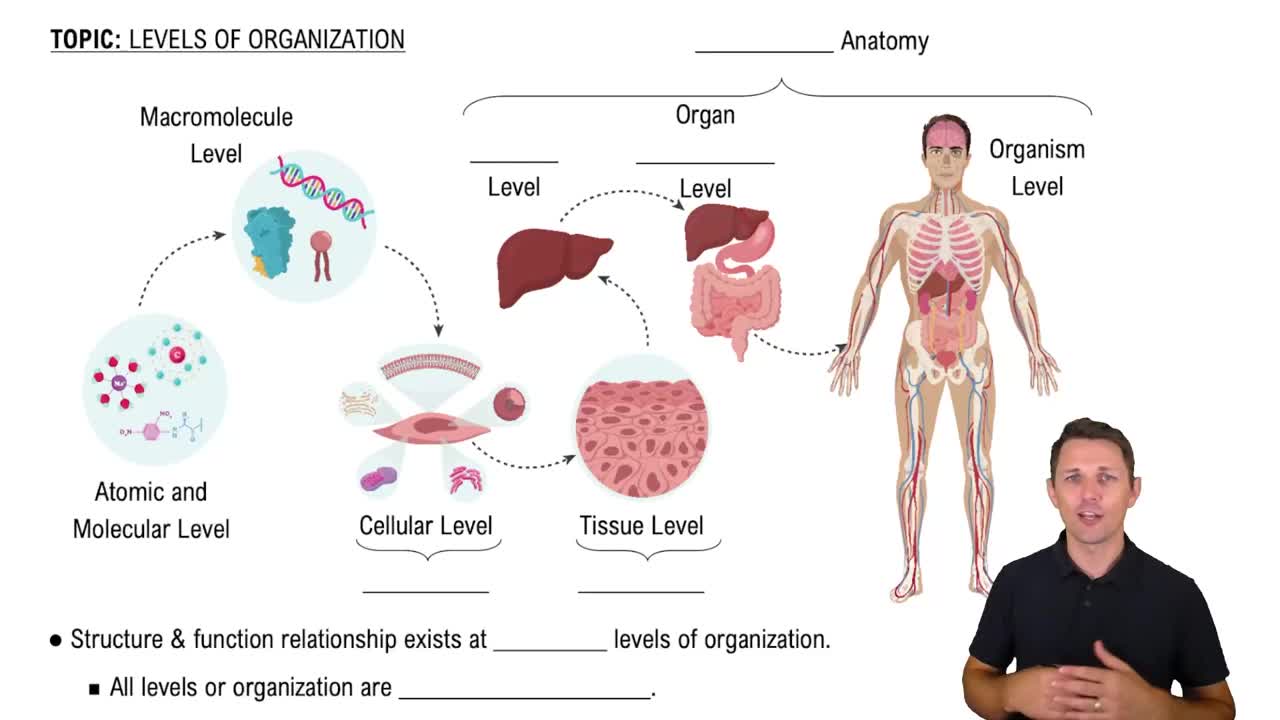
  • The Levels of Organization
    05:04
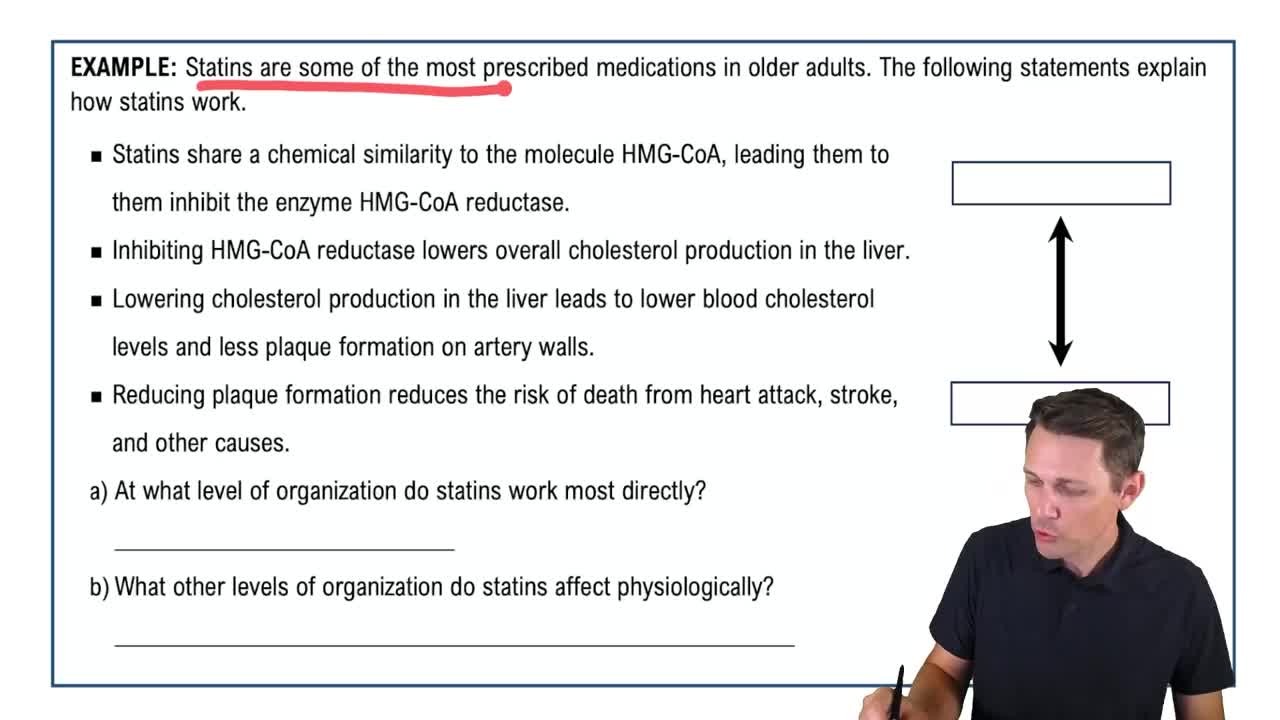
  • Levels of Organization Example 1
    02:22

Homeostasis

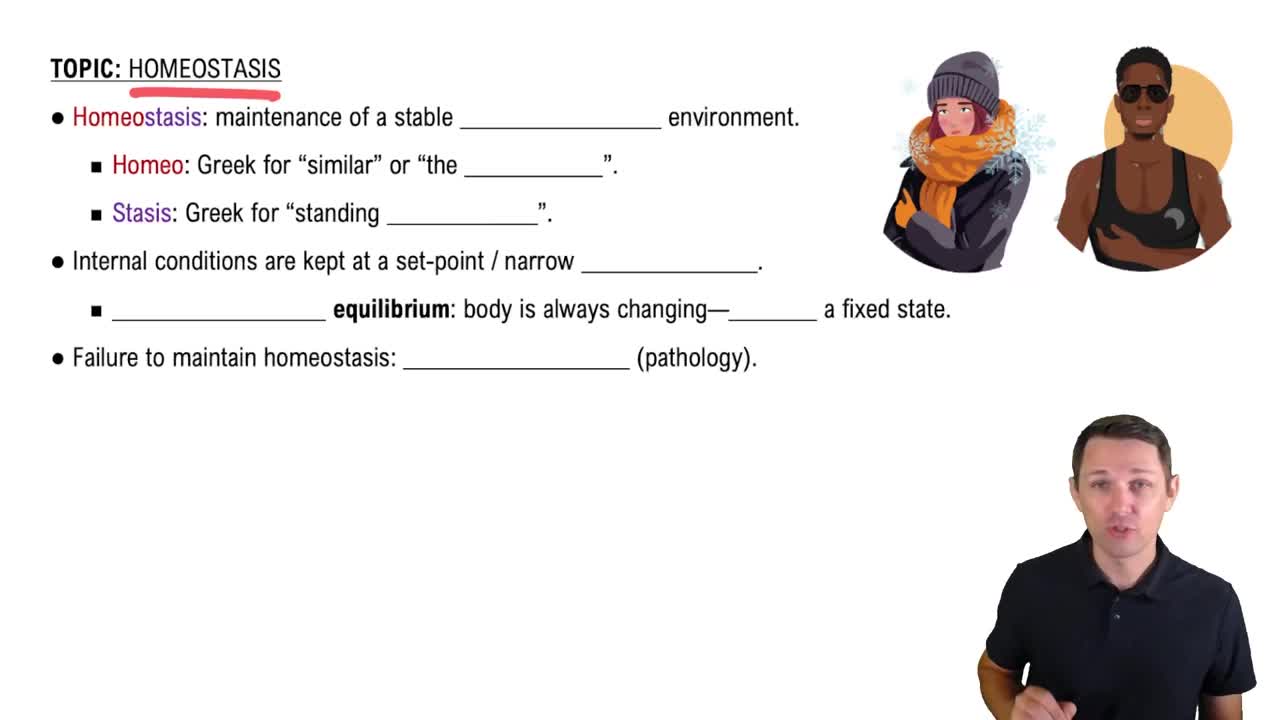
  • Introduction to Homeostasis
    01:59
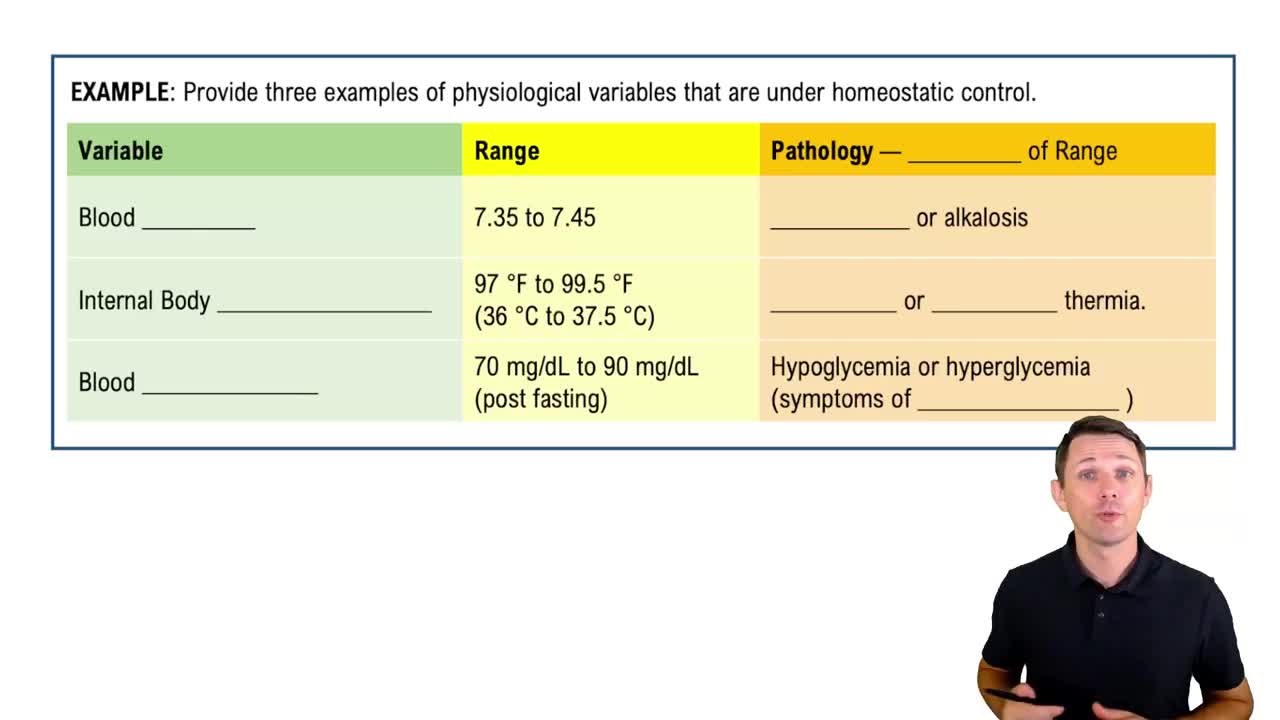
  • Homeostasis Example 1
    03:46
Feedback Loops

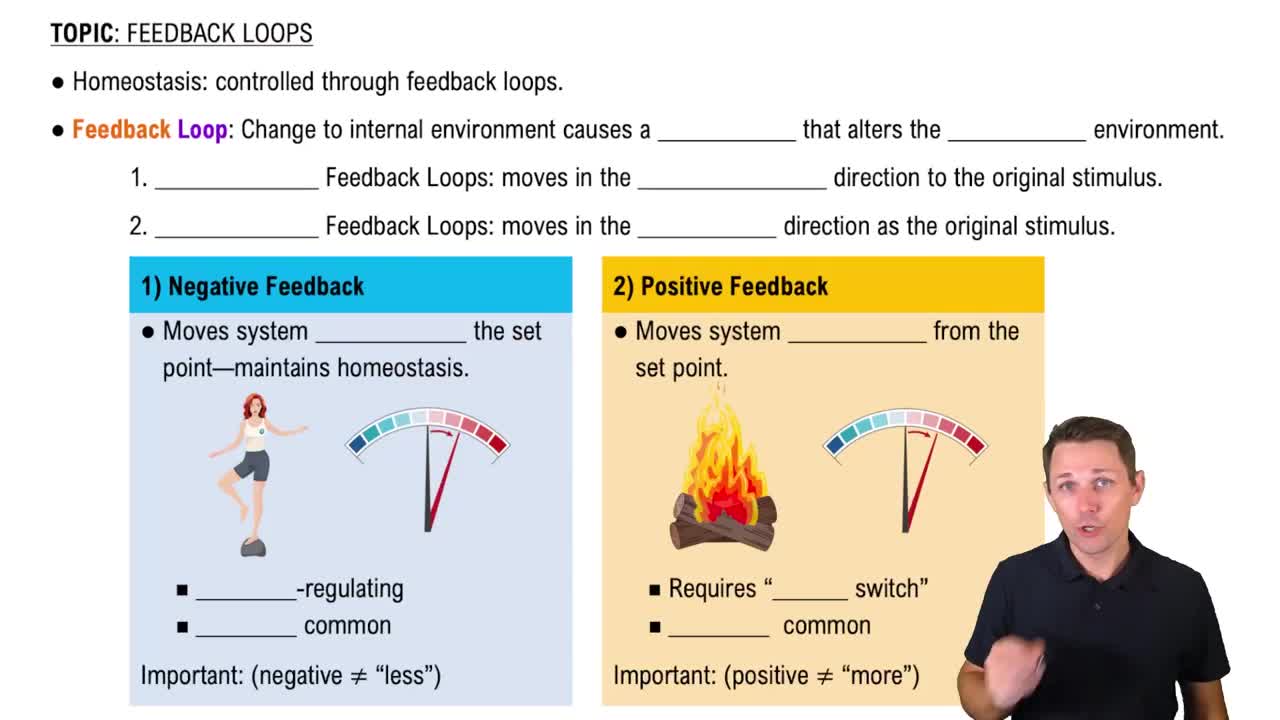
  • Introduction to Feedback Loops
    04:09
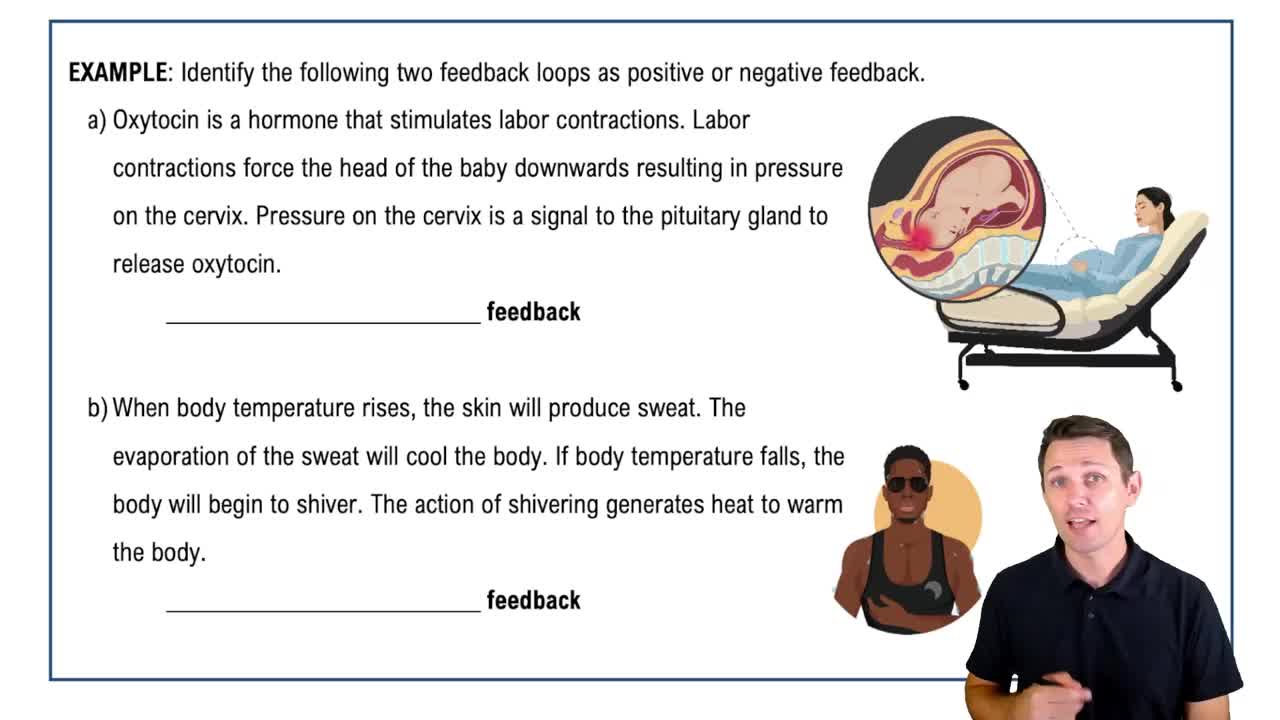
  • Feedback Loops Example 1
    01:57

Feedback Loops: Negative Feedback

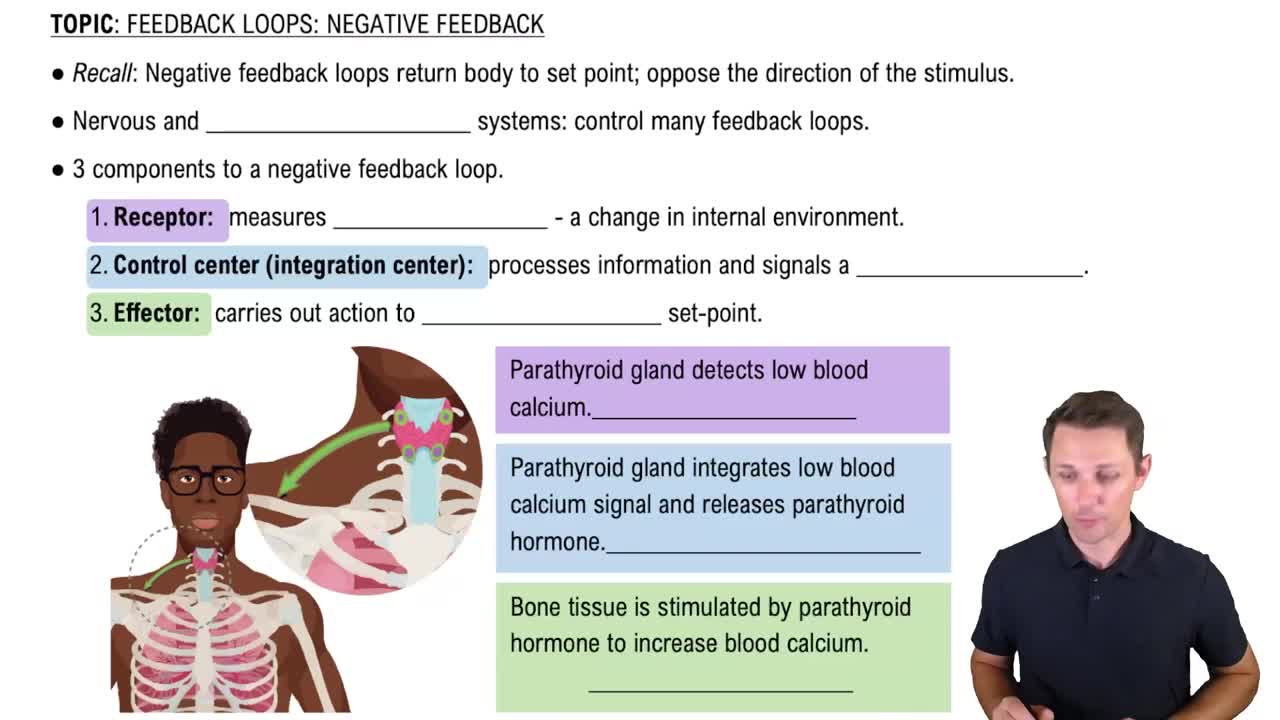
  • Negative Feedback Loops
    03:26
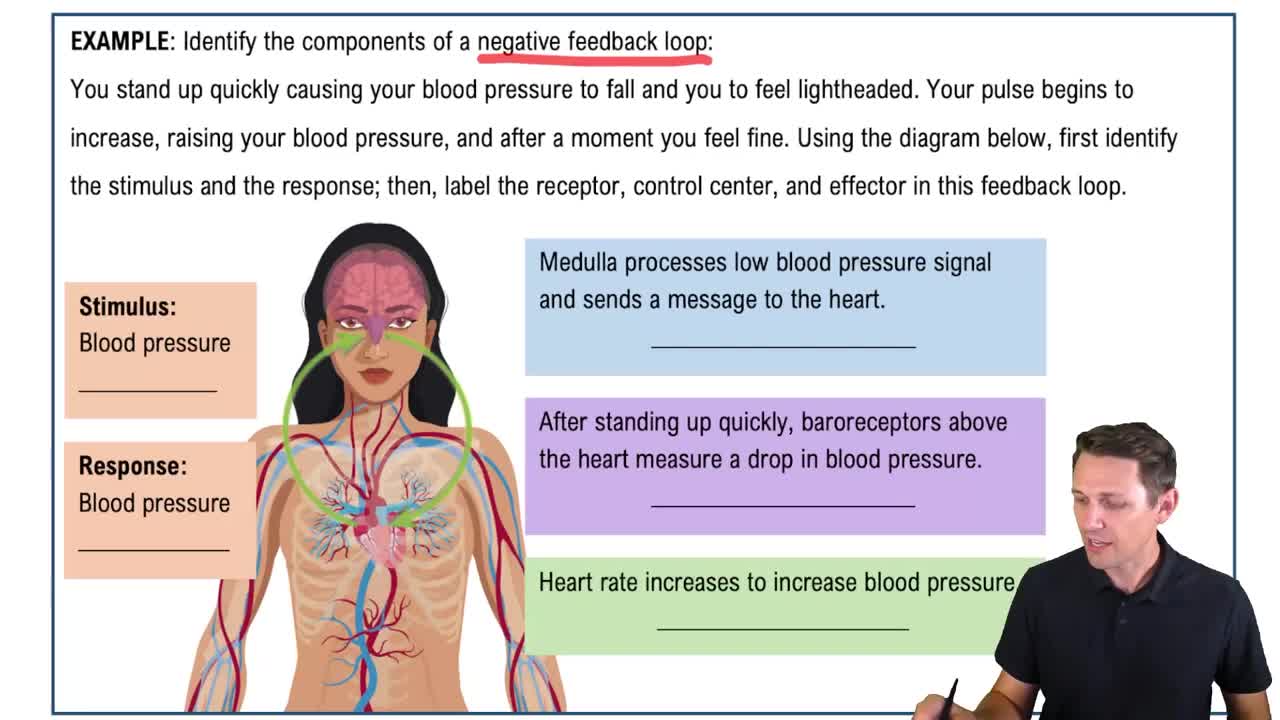
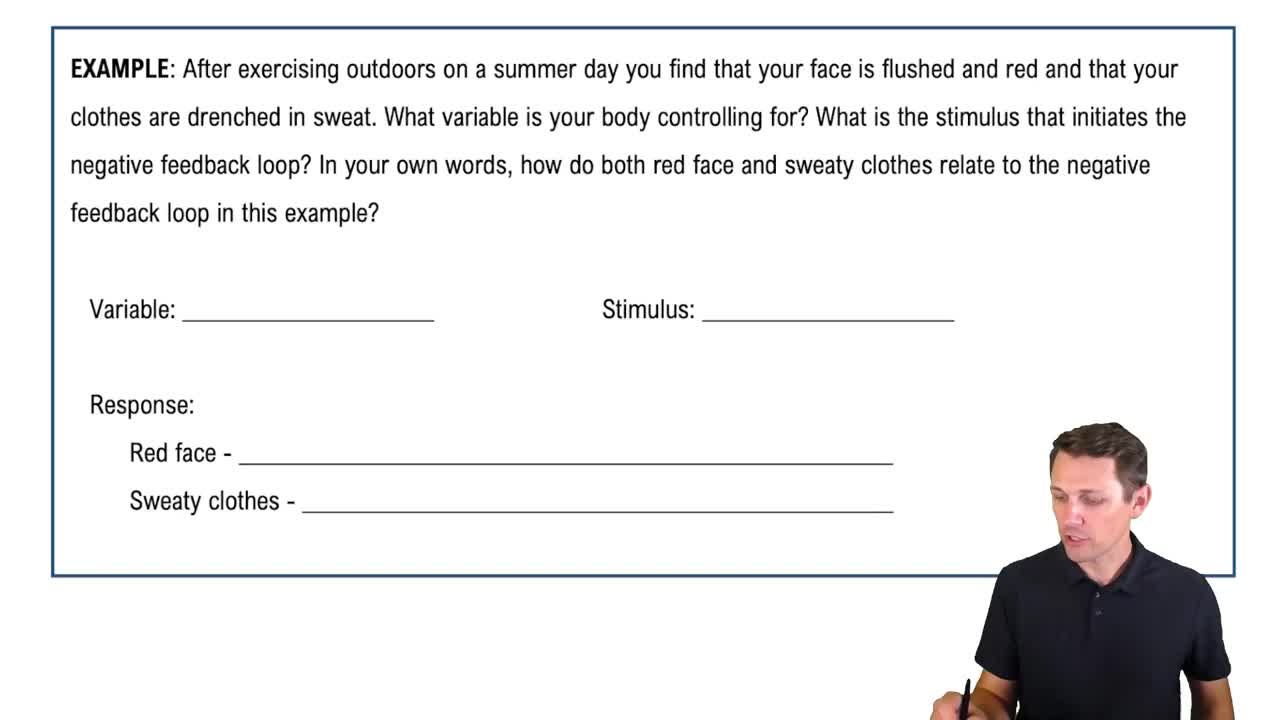
  • Feedback Loops: Negative Feedback Example 1
    03:00
  • Feedback Loops: Negative Feedback Example 2
    02:17

Feedback Loops: Positive Feedback

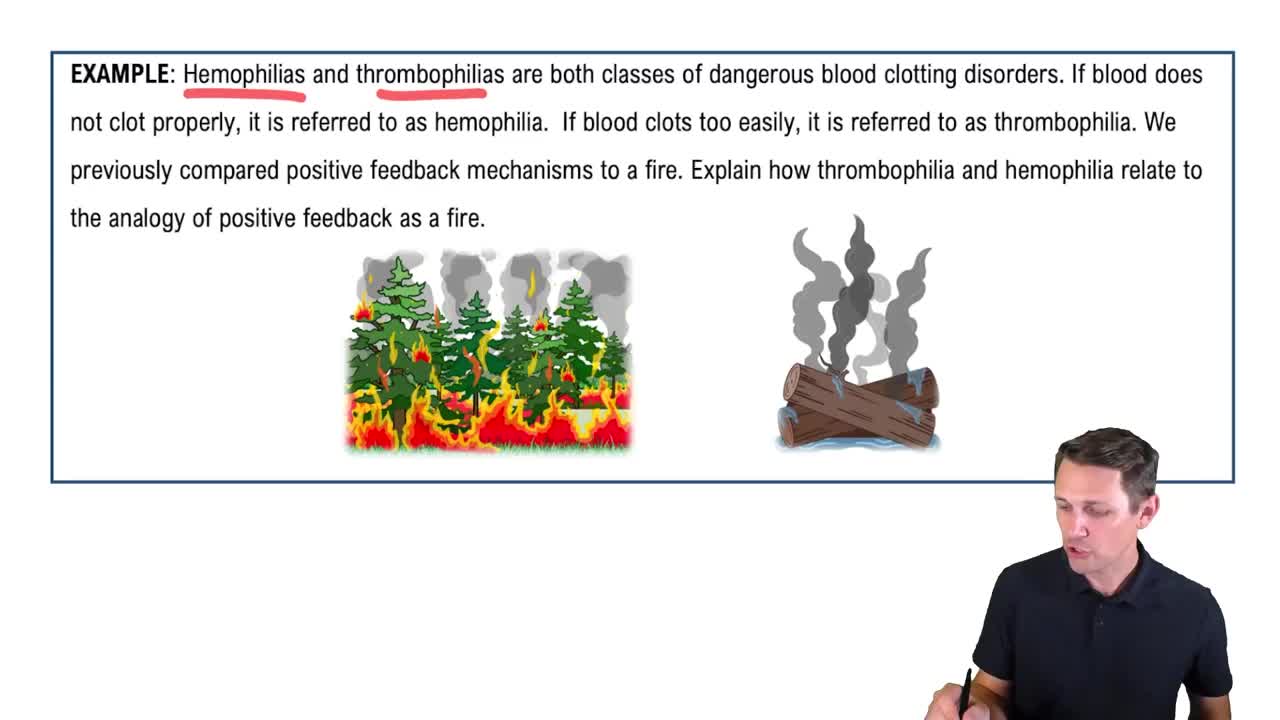
  • Feedback Loops: Positive Feedback Example 1
    02:43
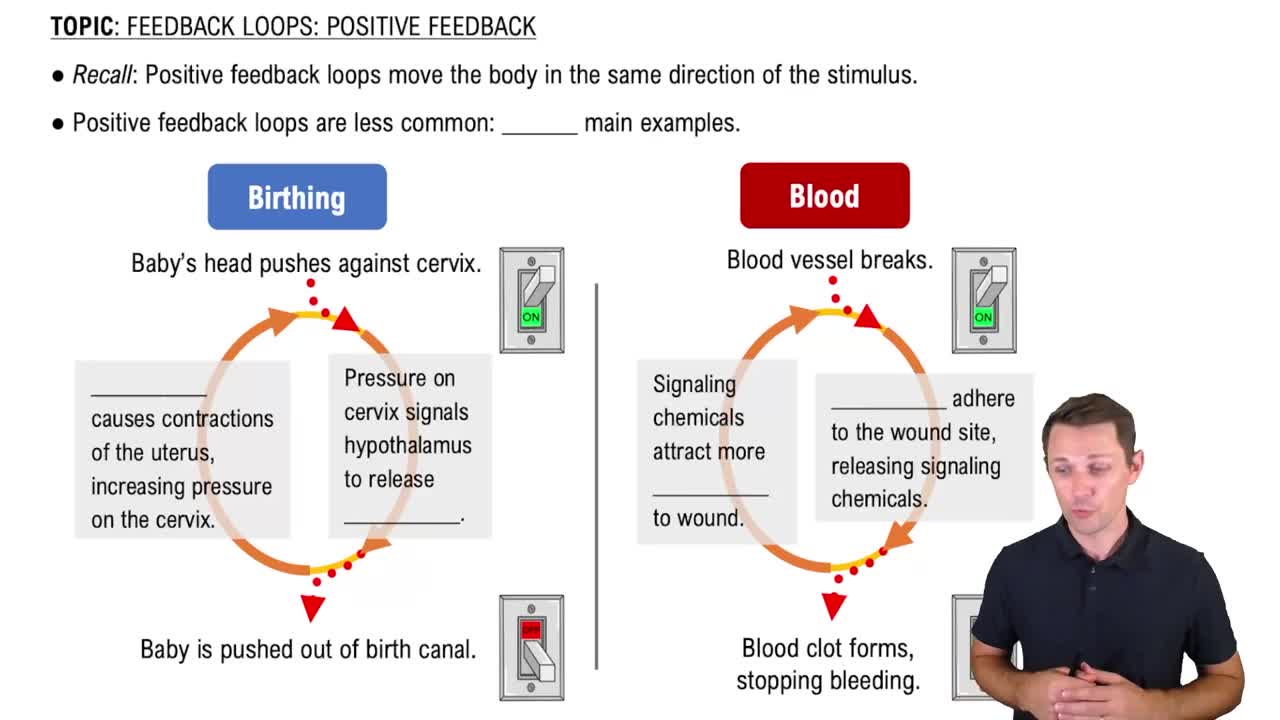
  • Positive Feedback Loops
    03:25

Prokaryotic & Eukaryotic Cells

  • 가이드 코스
    Recap: Prokaryotic vs. Eukaryotic Cells
    04:26
  • 가이드 코스
    Prokaryotic & Eukaryotic Cells
    05:54
  • 가이드 코스
    Features of Bacterial Cells
    03:54

Introduction to Eukaryotic Organelles

  • 가이드 코스
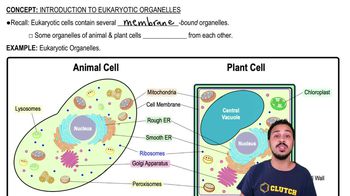
    Introduction to Eukaryotic Organelles
    03:45
  • 가이드 코스
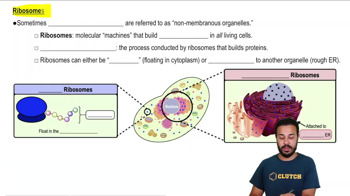
    Ribosomes
    05:32
  • 가이드 코스
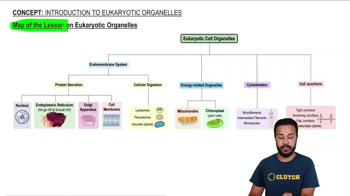
    Map of the Lesson on Eukaryotic Organelles
    02:04

Biological Membranes

  • 가이드 코스
    Biological Membranes Example 1
    02:21
  • 가이드 코스
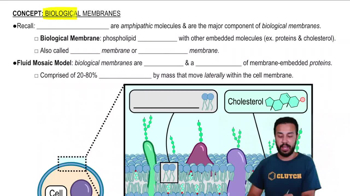
    Biological Membranes
    06:49

Introduction to Membrane Transport

  • 가이드 코스
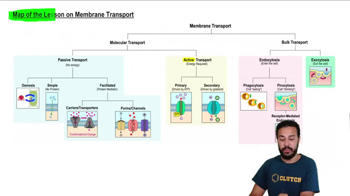
    Map of the Lesson on Membrane Transport
    02:26
  • 가이드 코스
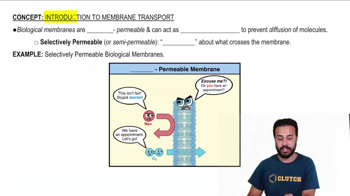
    Introduction to Membrane Transport
    03:00
  • 가이드 코스
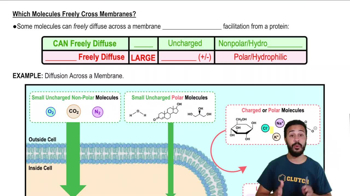
    Which Molecules Freely Cross Membranes?
    07:10

Simple and Facilitated Diffusion

  • 가이드 코스
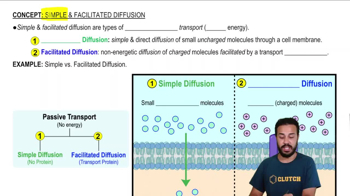
    Simple and Facilitated Diffusion
    04:59
  • 가이드 코스
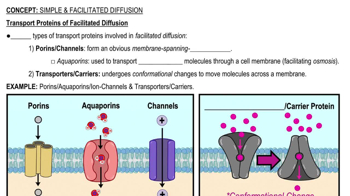
    Transport Proteins of Facilitated Diffusion
    04:49

Passive vs. Active Transport

  • 가이드 코스
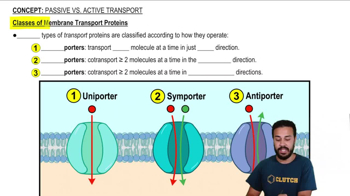
    Classes of Membrane Transport Proteins
    03:41
  • 가이드 코스
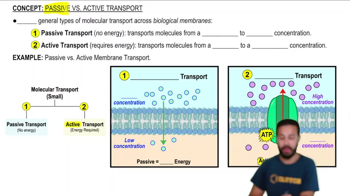
    Passive vs. Active Transport
    05:05

Introduction to Chemical Bonding

  • 가이드 코스
    Introduction to Chemical Bonding Example 1
    1:59
  • 가이드 코스
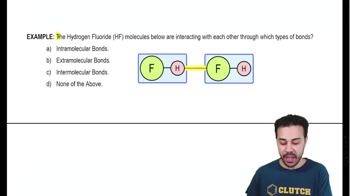
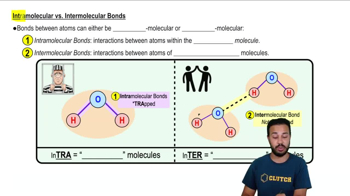
    Intramolecular vs. Intermolecular Bonds
    03:53
  • 가이드 코스
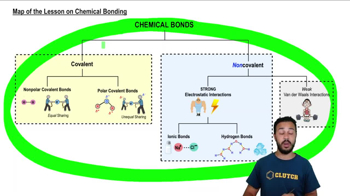
    Map of the Lesson on Chemical Bonding
    02:42

Covalent Bonds

  • 가이드 코스
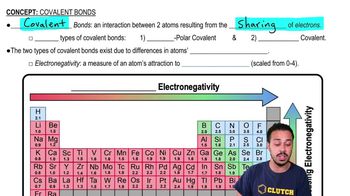
    Covalent Bonds
    04:28
  • 가이드 코스
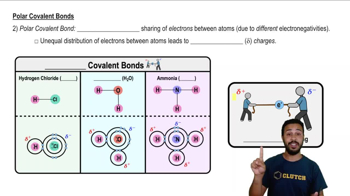
    Polar Covalent Bonds
    06:59
  • 가이드 코스
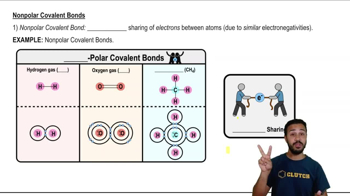
    Nonpolar Covalent Bonds
    05:58

Ionic Bonding

  • 가이드 코스
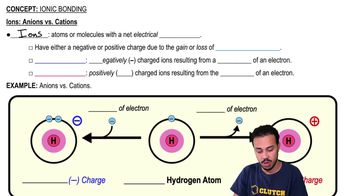
    Ions: Anions vs. Cations
    04:34
  • 가이드 코스
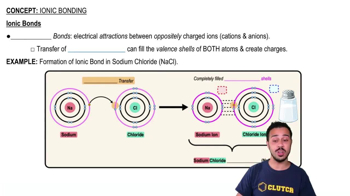
    Ionic Bonds
    06:07

Hydrogen Bonding

  • 가이드 코스
    Hydrogen Bonding
    05:03

Introduction to Biomolecules

  • 가이드 코스
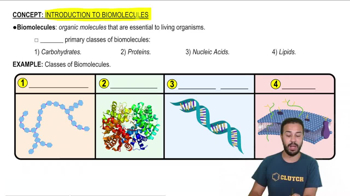
    Introduction to Biomolecules
    01:22
  • 가이드 코스
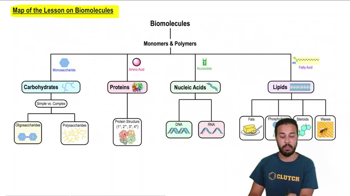
    Map of the Lesson on Biomolecules
    02:00

Carbohydrates

  • 가이드 코스
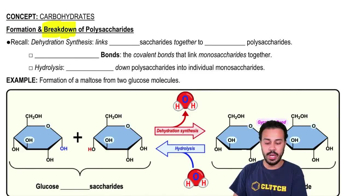
    Formation & Breakdown of Polysaccharides
    03:08
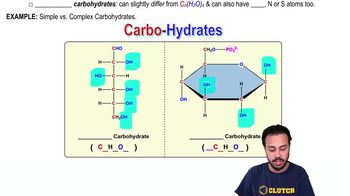
  • 가이드 코스
    Carbohydrates
    04:53
  • 가이드 코스
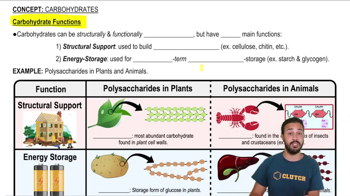
    Carbohydrate Functions
    05:08

Proteins

  • 가이드 코스
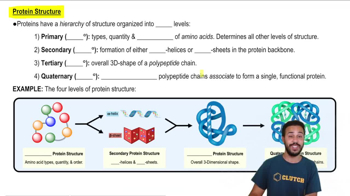
    Protein Structure
    04:53
  • 가이드 코스
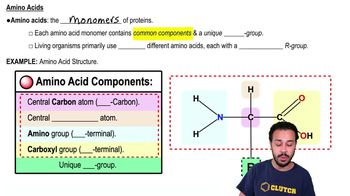
    Amino Acids
    04:37
  • 가이드 코스
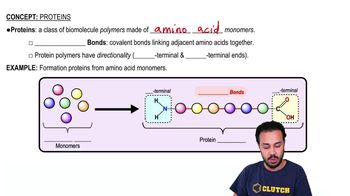
    Proteins
    02:50

Lipids

  • 가이드 코스
    Steroids & Waxes
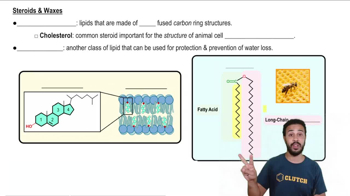
    03:31
  • 가이드 코스
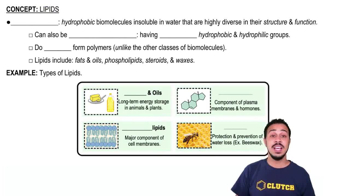
    Lipids
    04:19
  • 가이드 코스
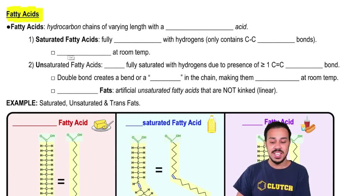
    Fatty Acids
    06:59

Enzymes

  • 가이드 코스
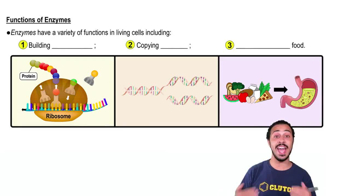
    Functions of Enzymes
    02:32
  • 가이드 코스
    Enzymes Example 1
    02:25
  • 가이드 코스
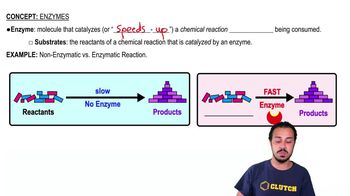
    Enzymes
    02:55

Enzyme Activation Energy

  • 가이드 코스
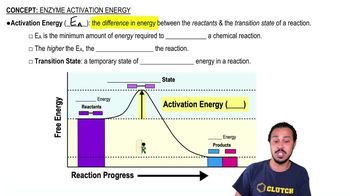
    Enzyme Activation Energy
    04:18
  • 가이드 코스
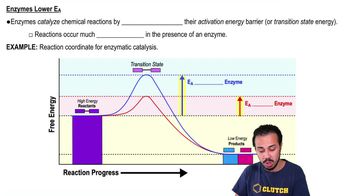
    Enzymes Lower Activation Energy
    03:26

Enzyme Binding Factors

  • 가이드 코스
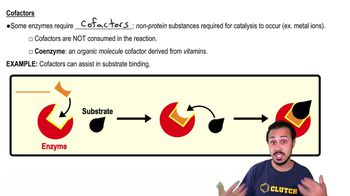
    Cofactors
    04:22
  • 가이드 코스
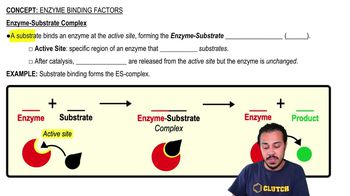
    Enzyme-Substrate Complex
    03:49

Enzyme Inhibition

  • 가이드 코스
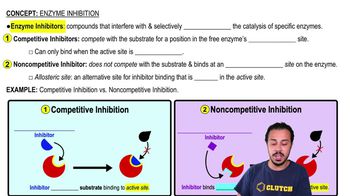
    Enzyme Inhibition
    05:03

Introduction to Tissues & Histology

  • Map of the Lesson on Tissues
    03:32
  • What is Histology?
    02:52
  • Intro to Human Tissues
    04:14

Introduction to Epithelial Tissue

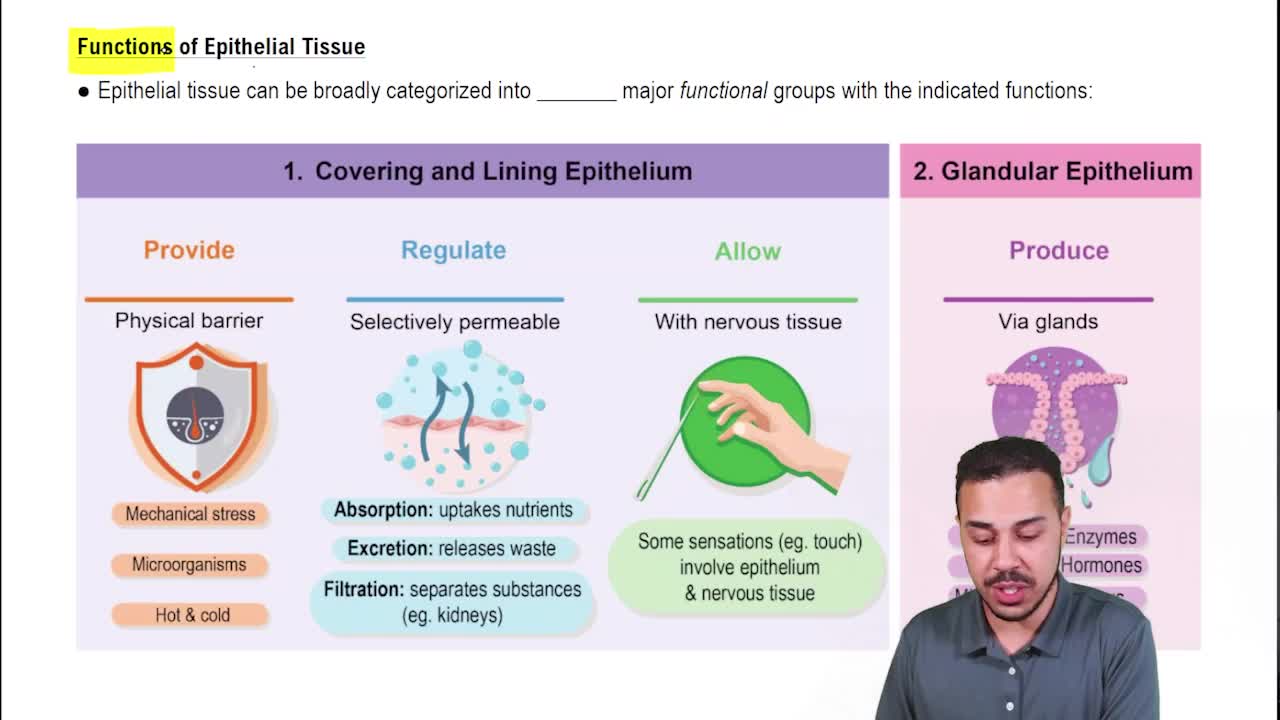
  • Functions of Epithelial Tissue
    07:25
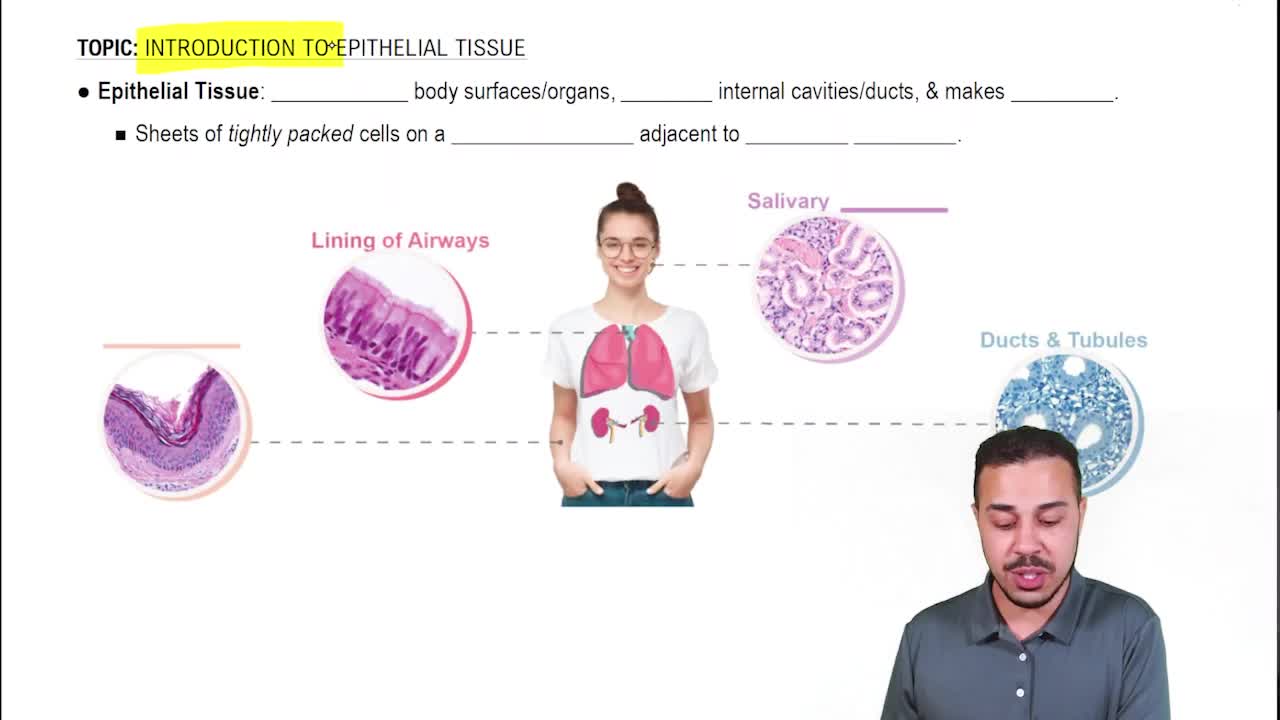
  • Intro to Epithelia
    03:40
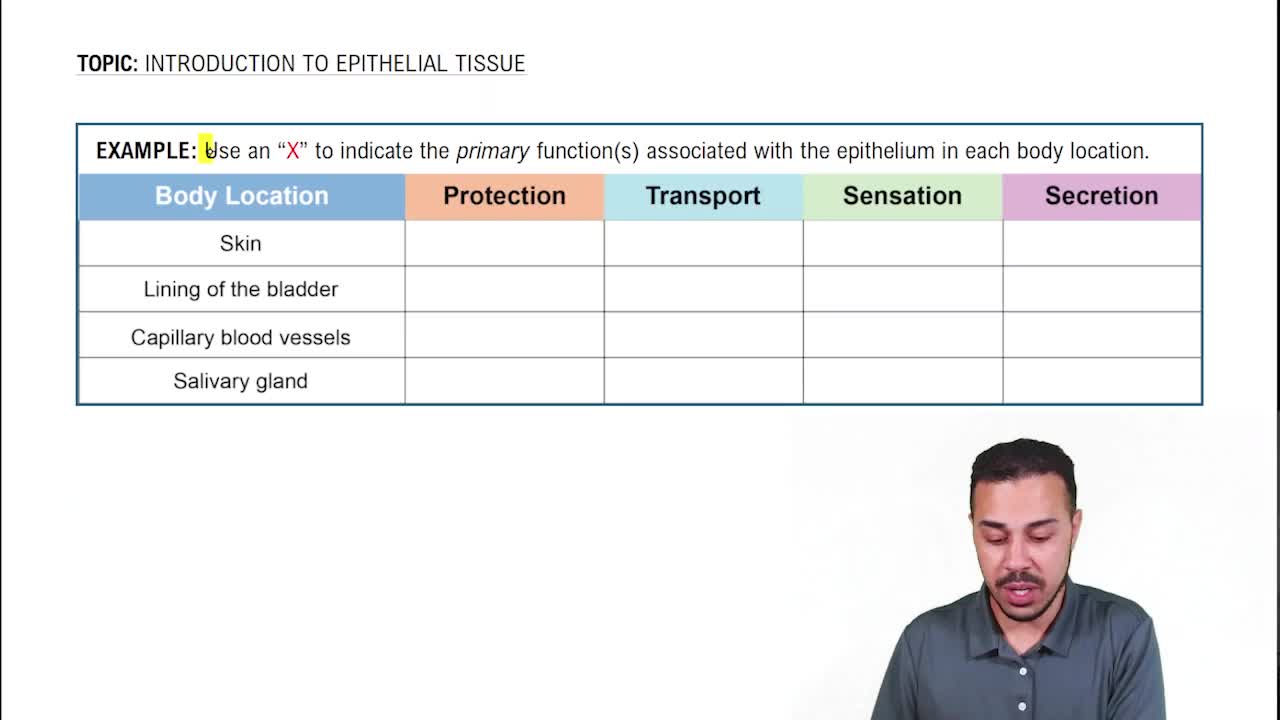
  • Introduction to Epithelial Tissue Example 1
    05:24

Characteristics of Epithelial Tissue

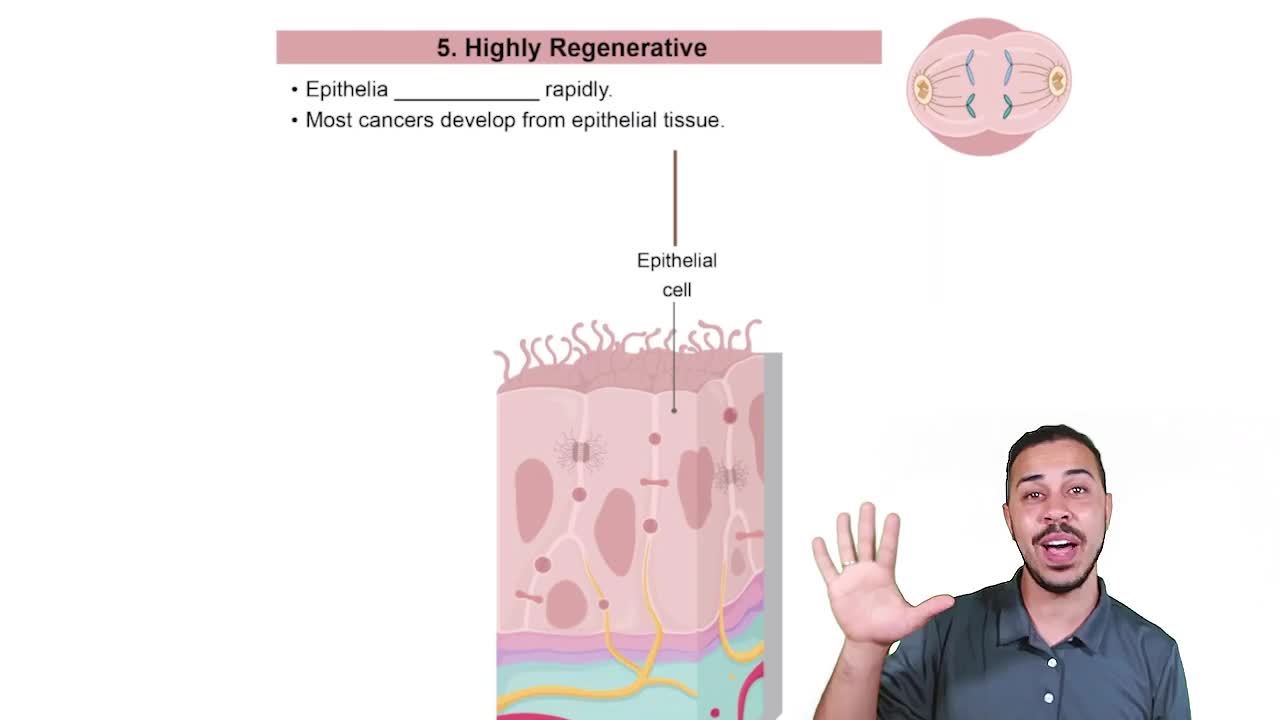
  • Characteristic 5: Highly Regenerative
    02:49
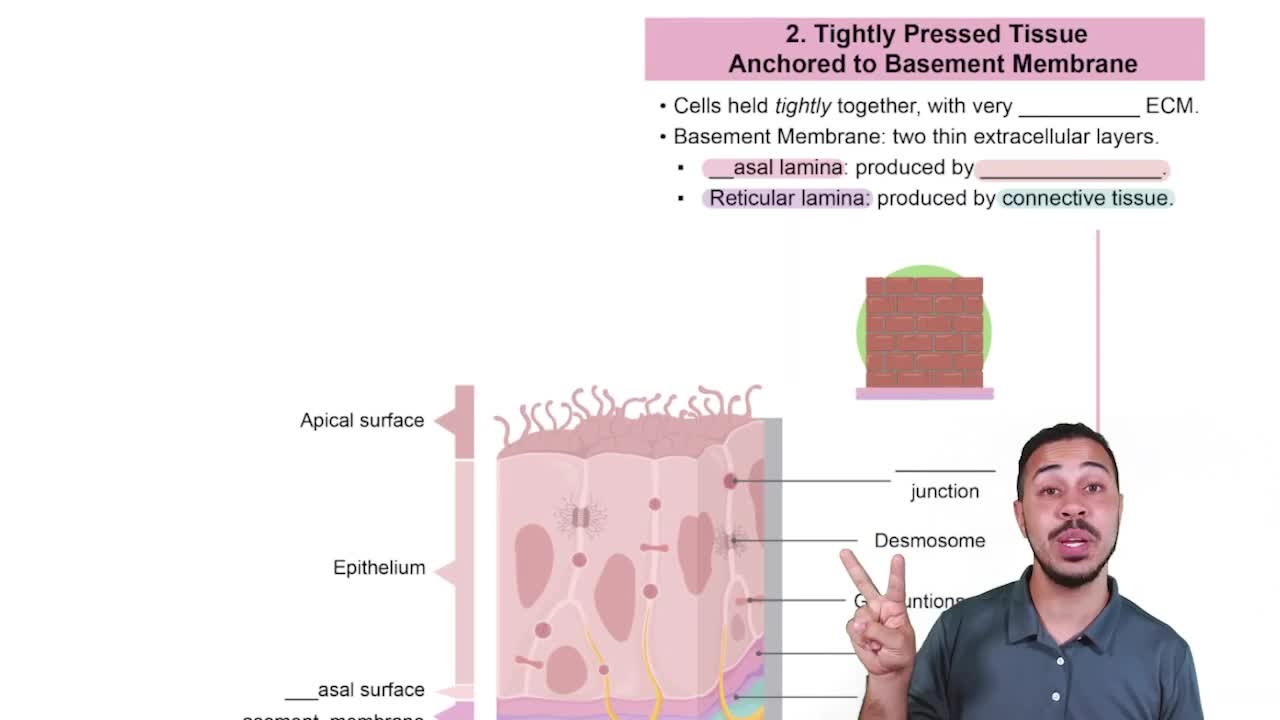
  • Characteristic 2: Tightly Pressed Tissue Anchored to Basement Membrane
    06:01
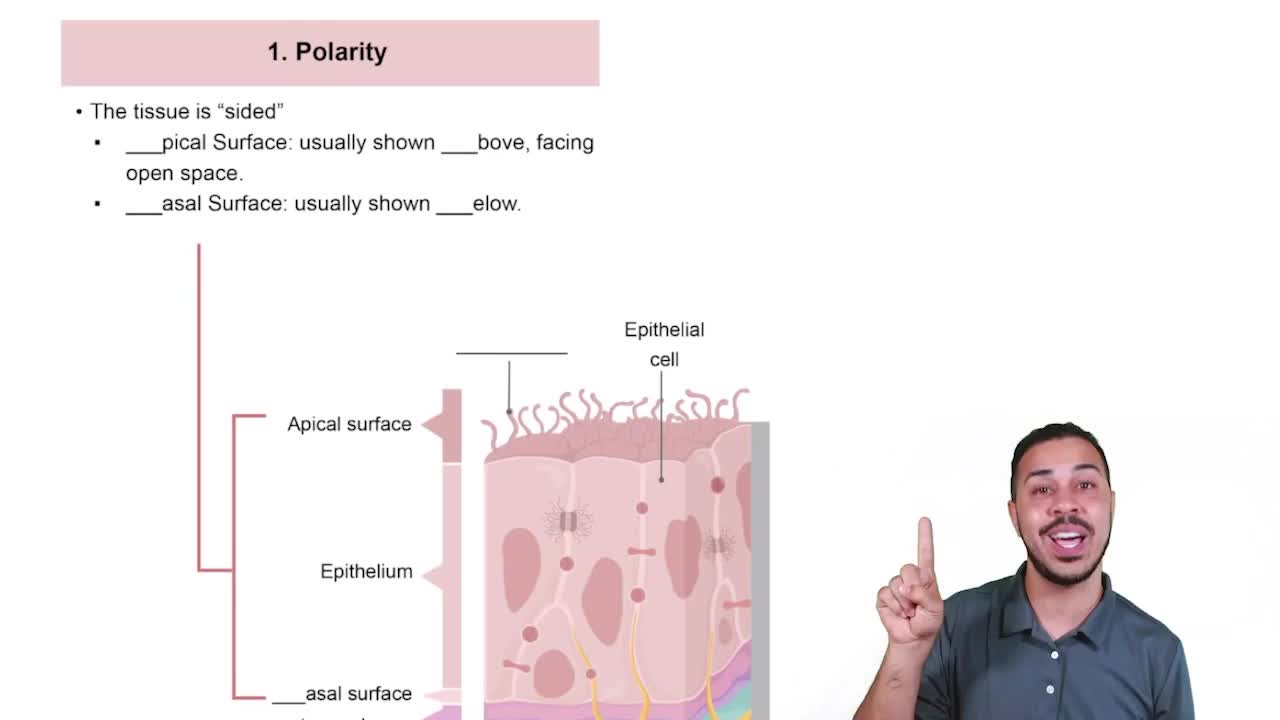
  • Characteristic 1: Polarity
    04:15