 뒤로
뒤로Anatomy & Physiology: Foundational Concepts and Chemical Organization
스터디 가이드 - 스마트 노트
 자료에 맞춘 맞춤형 노트, 핵심 정의, 예시, 맥락을 확장해 제공합니다.
Introduction to Anatomy and Physiology
Definitions and Scope
Anatomy is the study of the structure of body parts and their relationships to one another. It includes both gross (macroscopic) anatomy, which examines structures visible to the naked eye, and microscopic anatomy, which requires magnification to view cells and tissues. Physiology is the study of the function of body parts and how they work to carry out life-sustaining activities.
Example of Anatomy: Studying the structure of the heart or the arrangement of bones in the pelvis.
Example of Physiology: Understanding how the heart pumps blood or how muscles contract.
The relationship between anatomy and physiology is intimate: structure determines function, and function reflects structure.
Levels of Structural Organization
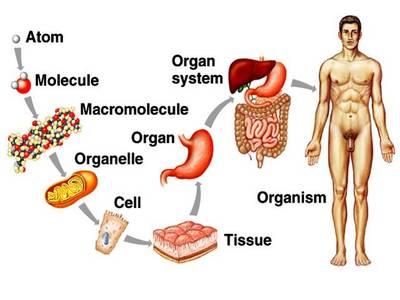
The human body is organized in a hierarchy of structural levels, each building on the previous one:
Atom: The smallest unit of matter (e.g., carbon, oxygen).
Molecule: Two or more atoms bonded together (e.g., water, glucose).
Organelle: Specialized structures within cells (e.g., mitochondria).
Cell: The basic unit of life (e.g., muscle cell, neuron).
Tissue: Groups of similar cells performing a common function (e.g., muscle tissue).
Organ: Structures composed of two or more tissue types (e.g., stomach, heart).
Organ System: Groups of organs working together (e.g., digestive system).
Organism: The living human being.
Organ Systems of the Human Body
Overview of Major Organ Systems
The human body contains 11 major organ systems, each with specific functions essential for maintaining homeostasis:
Integumentary System: Protection, sensory information, temperature regulation.
Skeletal System: Support, protection, movement, blood cell production, mineral storage.
Muscular System: Movement, heat generation, support.
Nervous System: Sensory input, integration, motor output.
Endocrine System: Hormonal regulation of body processes.
Cardiovascular System: Transport of nutrients, gases, wastes; protection.
Lymphatic System: Immunity, fluid balance.
Respiratory System: Gas exchange (O2 in, CO2 out).
Digestive System: Digestion and absorption of nutrients.
Urinary System: Waste removal, blood pH regulation, water balance.
Reproductive System: Production of sex cells and hormones.
Anatomical Position and Directional Terms
Anatomical Position
The anatomical position is a standardized posture used as a reference in describing the location and relation of body parts. The body stands upright, facing forward, arms at the sides with palms facing forward, and feet slightly apart.
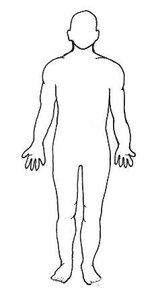
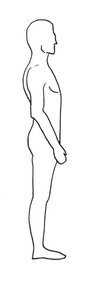
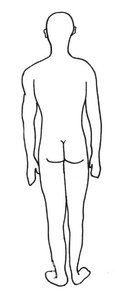
Superior/Inferior: Toward/away from the head.
Anterior (Ventral)/Posterior (Dorsal): Toward the front/back of the body.
Medial/Lateral: Toward/away from the midline.
Proximal/Distal: Closer to/farther from the point of attachment (limbs).
Superficial/Deep: Toward the surface/away from the surface (deeper in the body).
Homeostasis and Feedback Mechanisms
Homeostasis
Homeostasis is the maintenance of a stable internal environment despite changes in the external environment. It is essential for survival and involves the regulation of variables such as temperature, pH, and blood pressure within narrow limits.
Negative Feedback
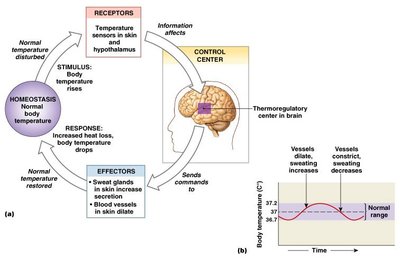
Negative feedback mechanisms counteract changes from a set point, restoring balance. For example, body temperature regulation involves sensors, a control center (brain), and effectors (sweat glands, blood vessels).
Positive Feedback
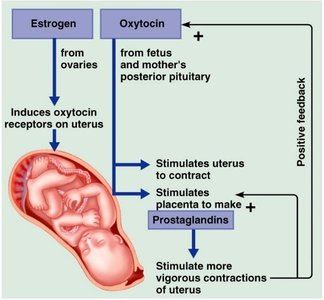
Positive feedback mechanisms amplify a change until a specific outcome is achieved. An example is the release of oxytocin during childbirth, which intensifies uterine contractions until delivery.
The Chemical Level of Organization
Elements and Atoms
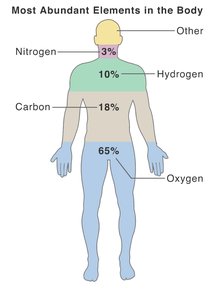
Elements are pure substances composed of only one type of atom. The four most abundant elements in the human body are oxygen, carbon, hydrogen, and nitrogen.
Chemical Bonds
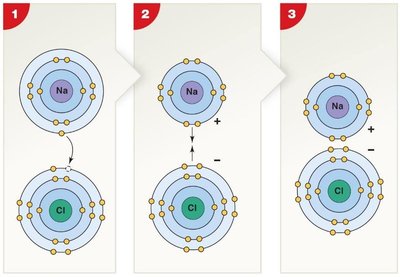
Ionic Bonds: Formed when electrons are transferred from one atom to another, creating charged ions (e.g., NaCl).
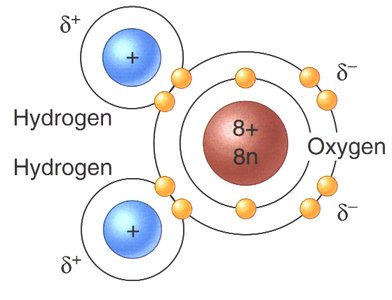
Covalent Bonds: Formed when atoms share electrons. Can be nonpolar (equal sharing) or polar (unequal sharing).

pH and the pH Scale
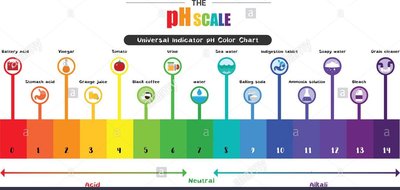
The pH scale measures the concentration of hydrogen ions in a solution. It ranges from 0 (most acidic) to 14 (most basic), with 7 being neutral. Human blood has a normal pH of 7.35–7.45.
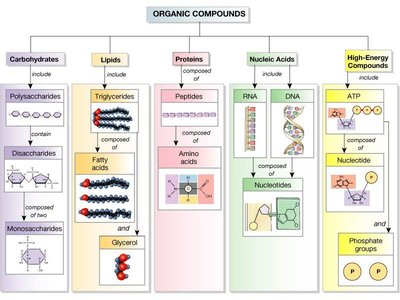
Organic Compounds in the Body
Carbohydrates
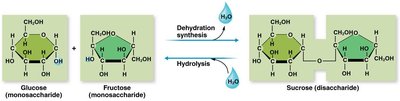
Monosaccharides: Simple sugars (e.g., glucose, fructose).
Disaccharides: Two monosaccharides joined (e.g., sucrose).
Polysaccharides: Long chains of monosaccharides (e.g., glycogen, starch, cellulose).
Lipids
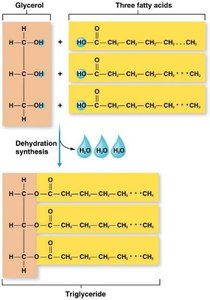
Triglycerides: Composed of glycerol and three fatty acids; used for energy storage and insulation.
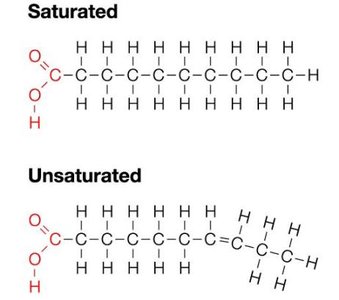
Saturated vs. Unsaturated Fats: Saturated fats have no double bonds (solid at room temperature); unsaturated fats have one or more double bonds (liquid at room temperature).
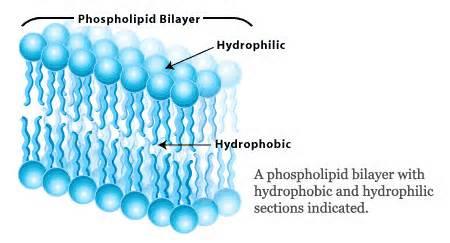
Phospholipids: Major component of cell membranes, with hydrophilic heads and hydrophobic tails.
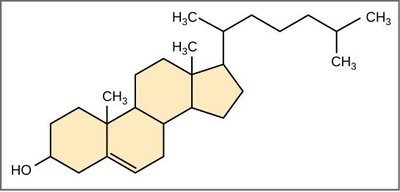
Steroids: Lipids with a four-ring structure (e.g., cholesterol).
Proteins
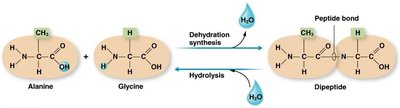
Amino acids: Building blocks of proteins, joined by peptide bonds.
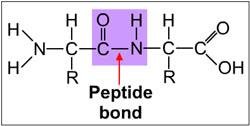
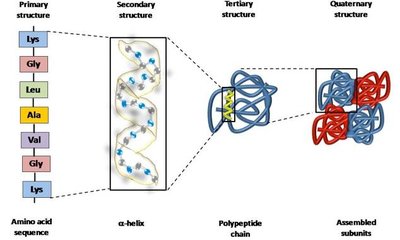
Protein Structure: Primary (sequence), secondary (alpha helix, beta sheet), tertiary (3D folding), quaternary (multiple polypeptides).
Nucleic Acids
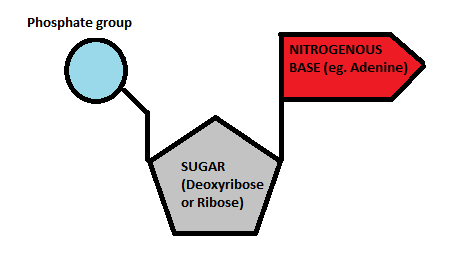
Nucleotides: Building blocks of DNA, RNA, and ATP. Each nucleotide contains a phosphate group, a sugar (deoxyribose or ribose), and a nitrogenous base.
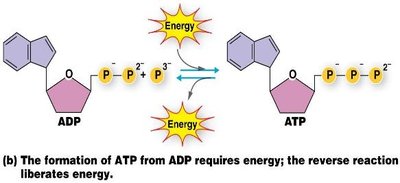
ATP (Adenosine Triphosphate): The primary energy carrier in cells. Energy is released when ATP is converted to ADP.
Comparison of Organic Compounds: Carbohydrates, lipids, proteins, and nucleic acids each have unique structures and functions in the body.
 *Additional info: Some images and explanations have been expanded for clarity and completeness based on standard Anatomy & Physiology curriculum.*
