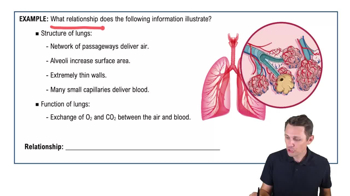
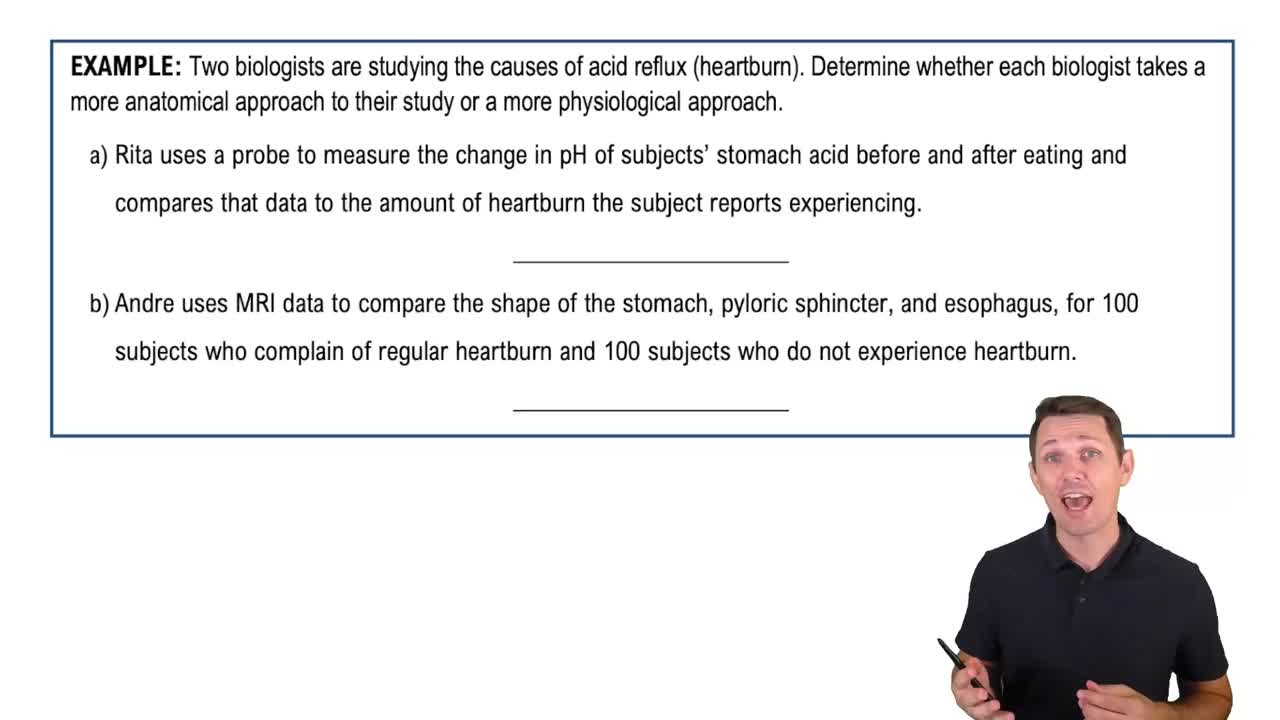
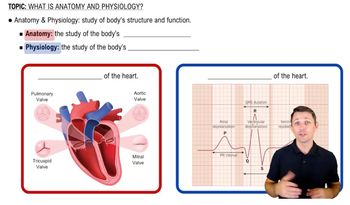
What is Anatomy & Physiology?
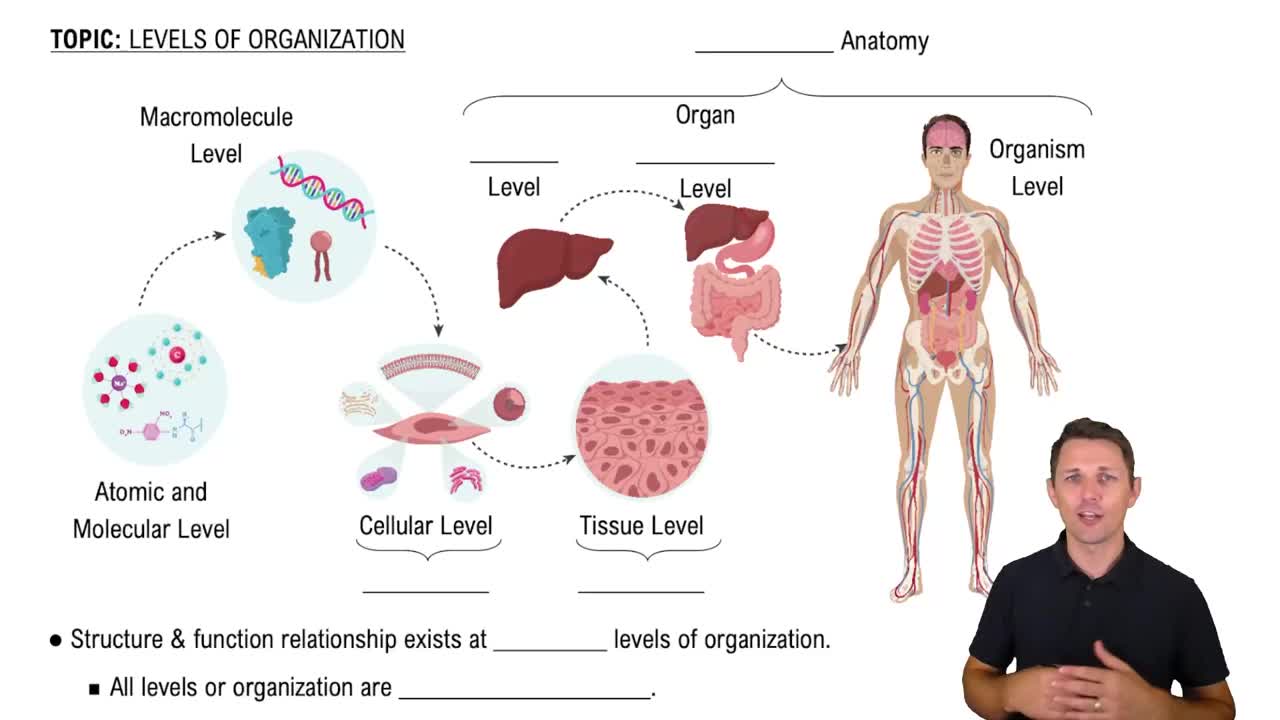
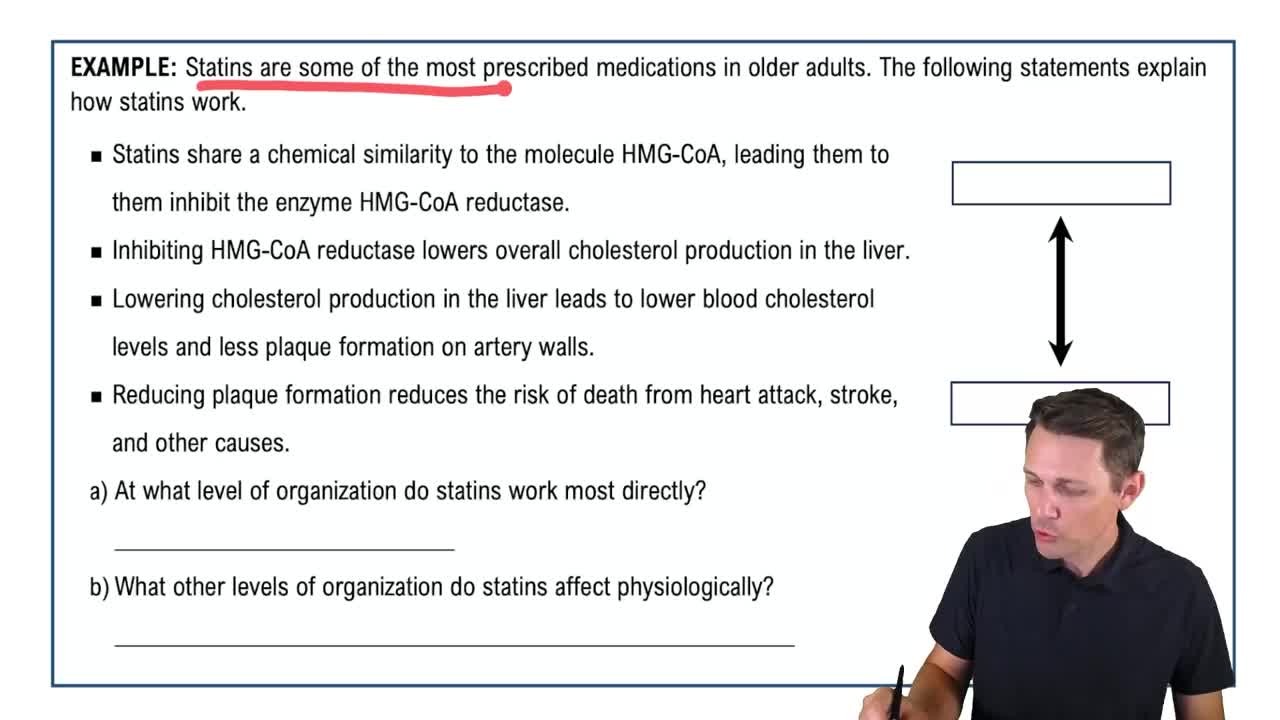
Levels of Organization
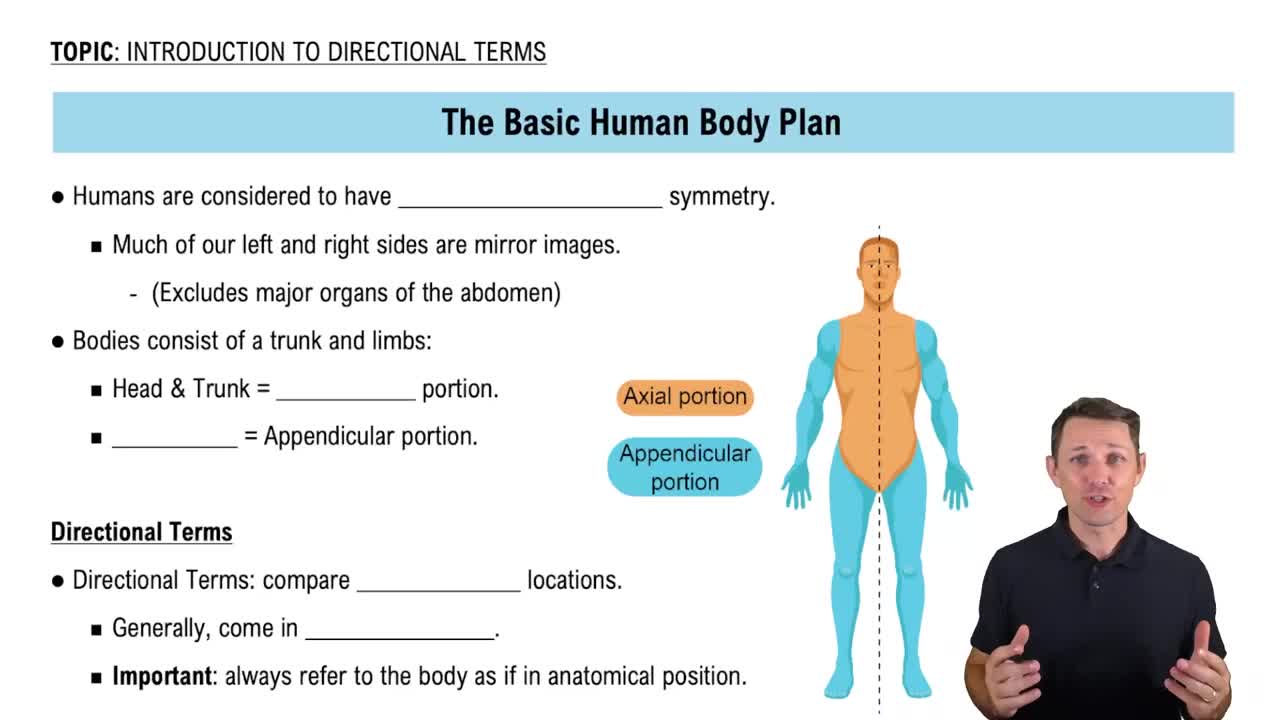
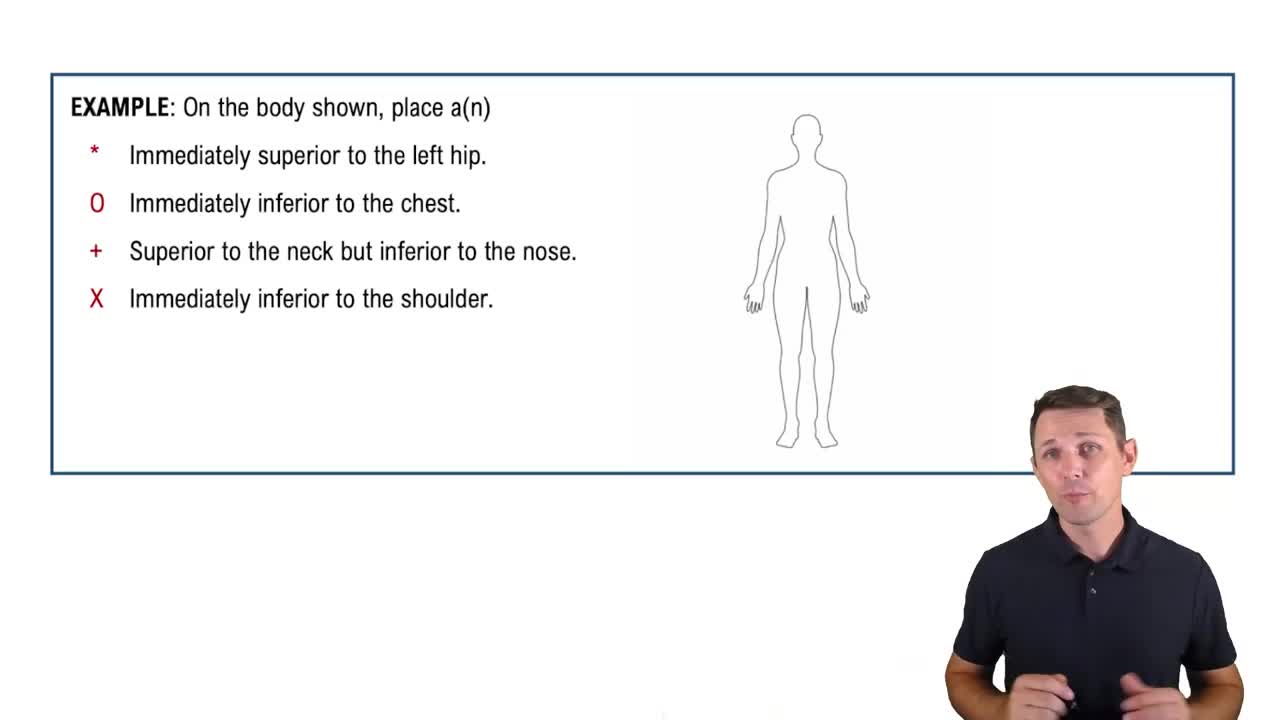
Introduction to Directional Terms
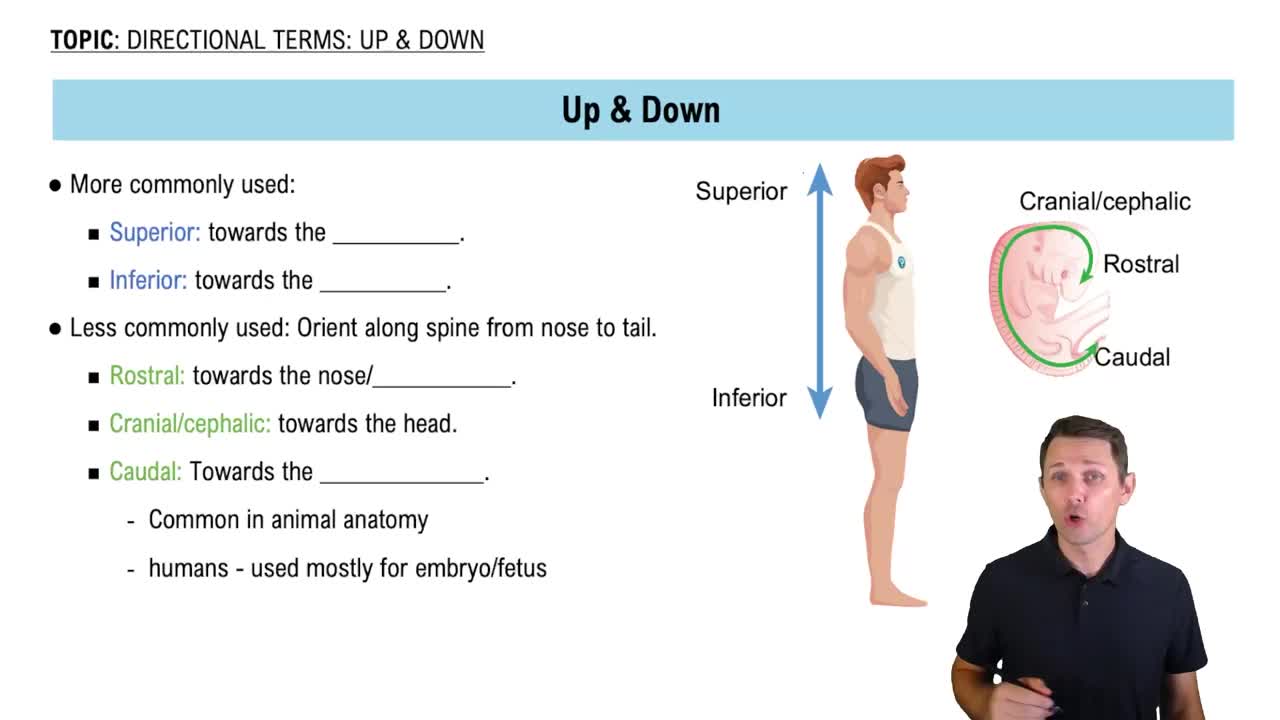
Directional Terms: Up and Down
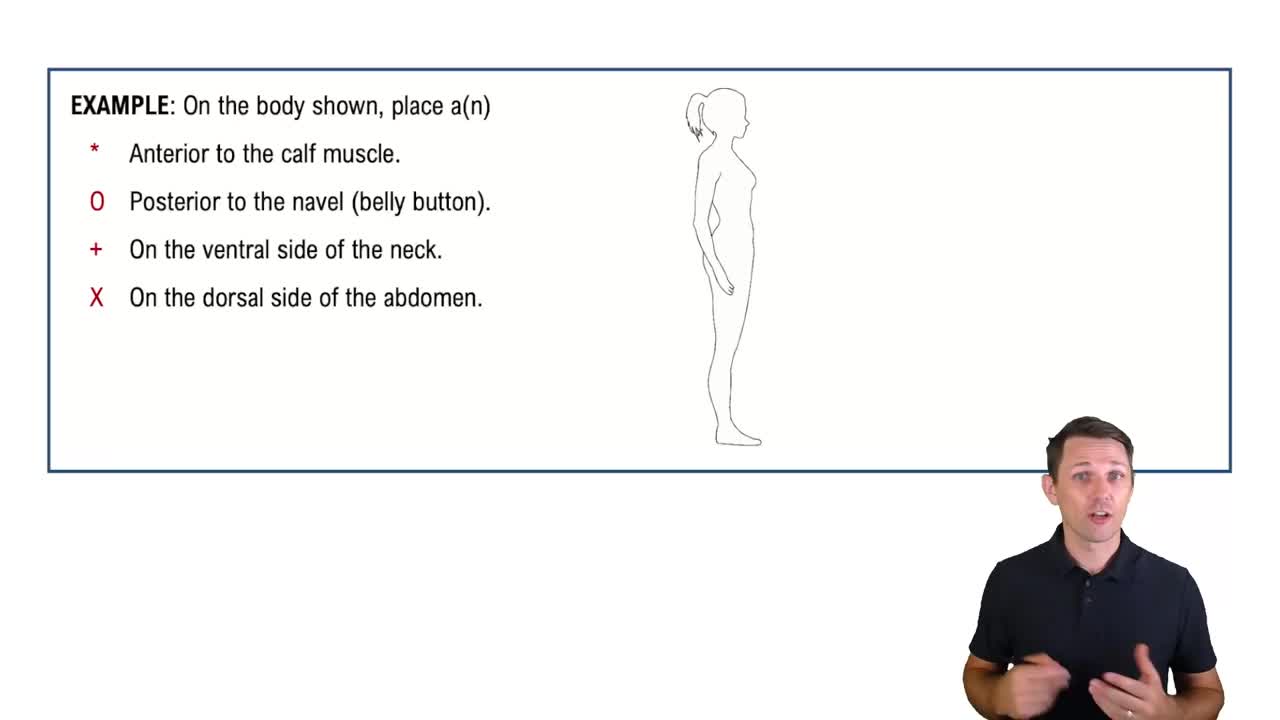
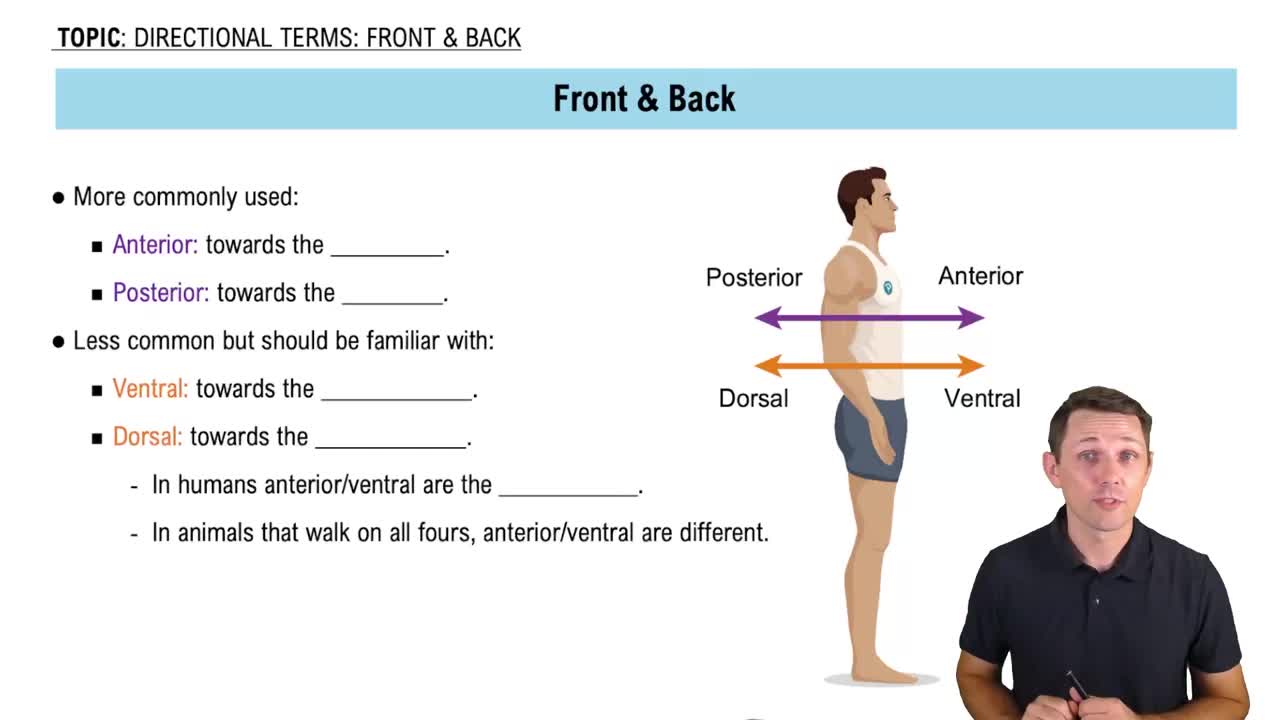
Directional Terms: Front and Back
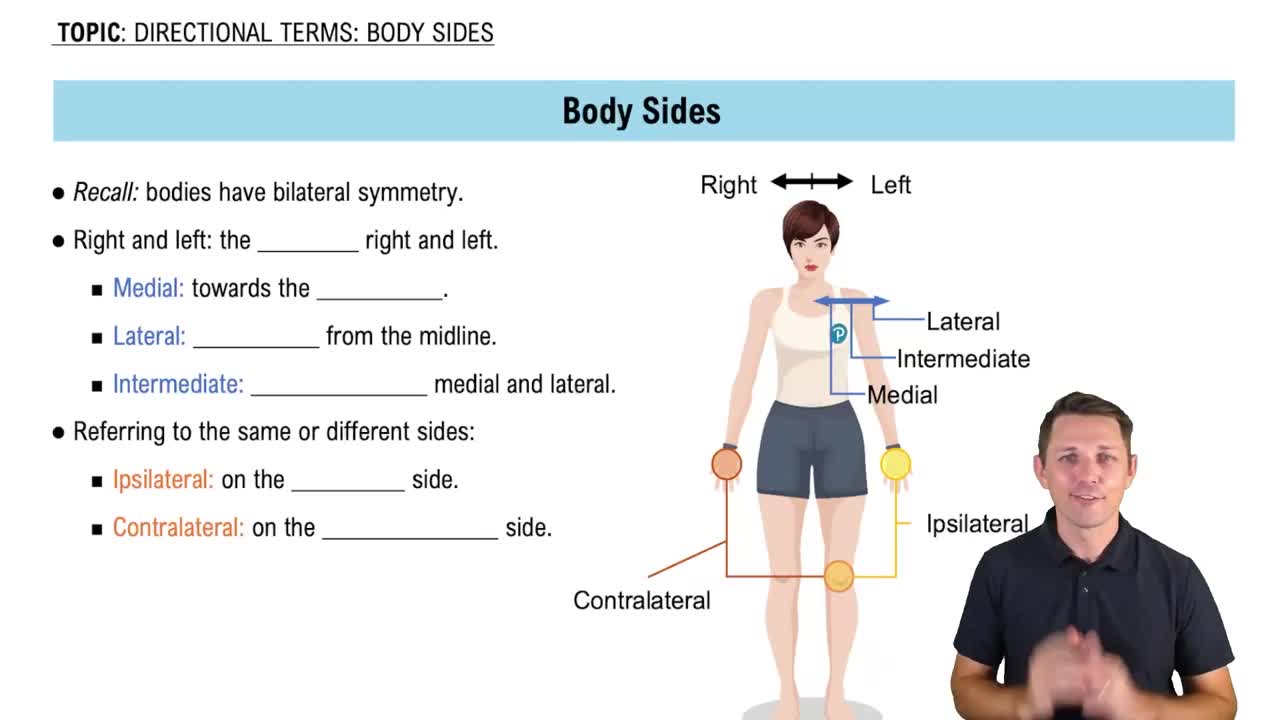
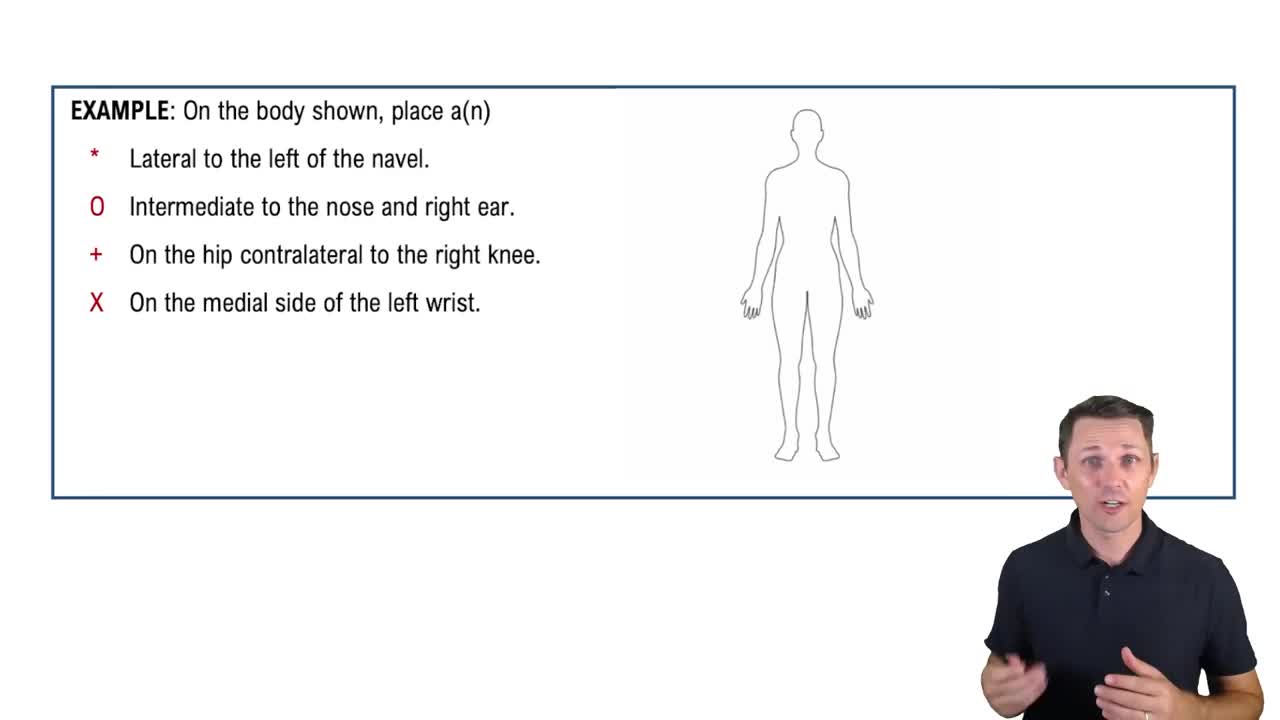
Directional Terms: Body Sides
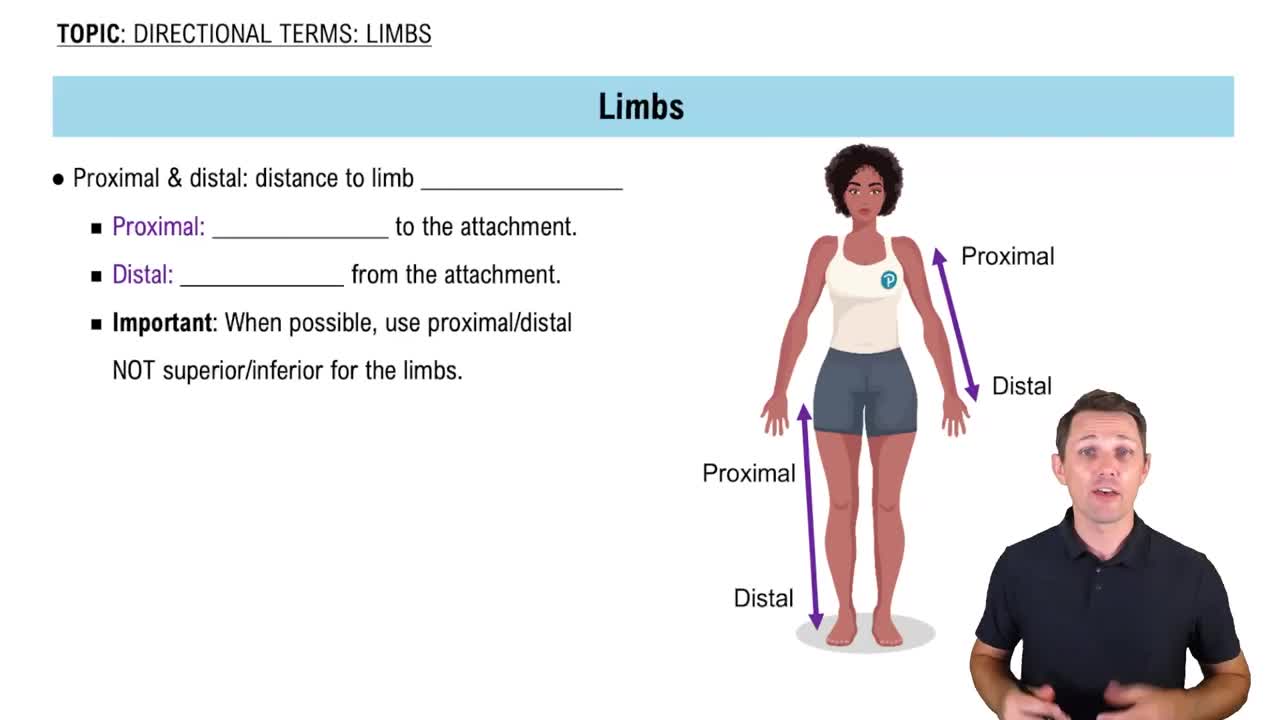
Directional Terms: Limbs
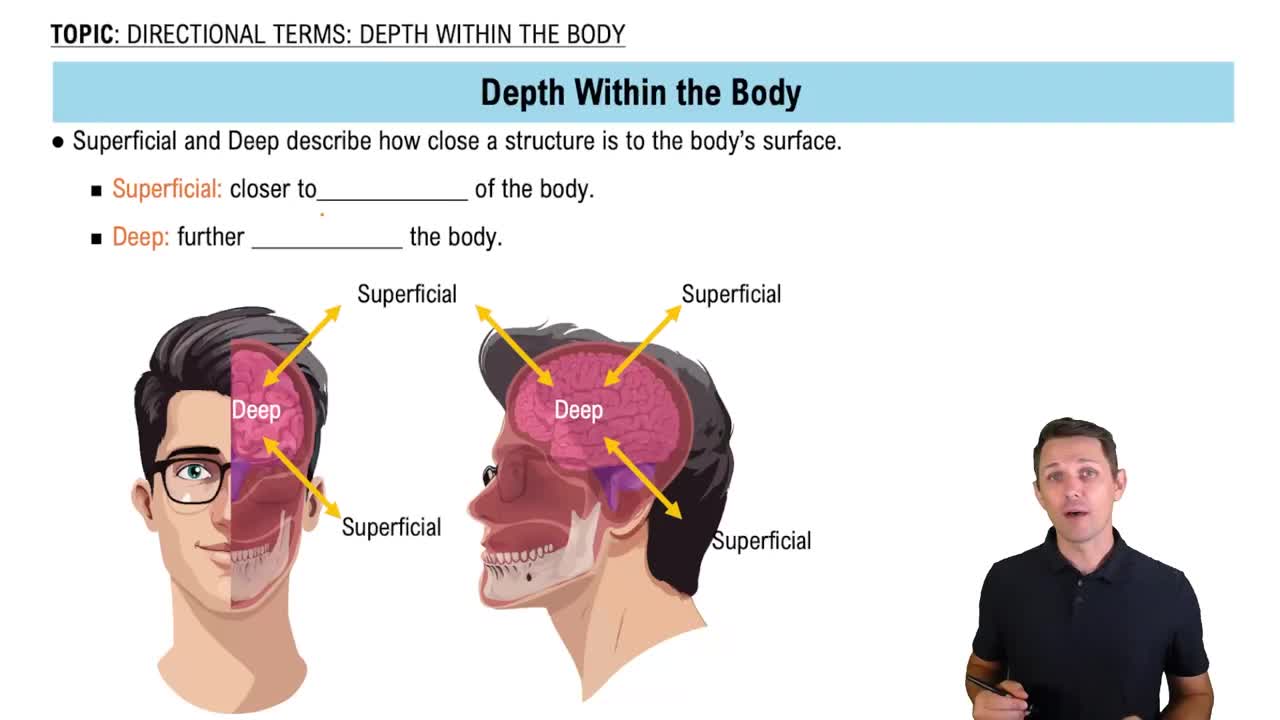
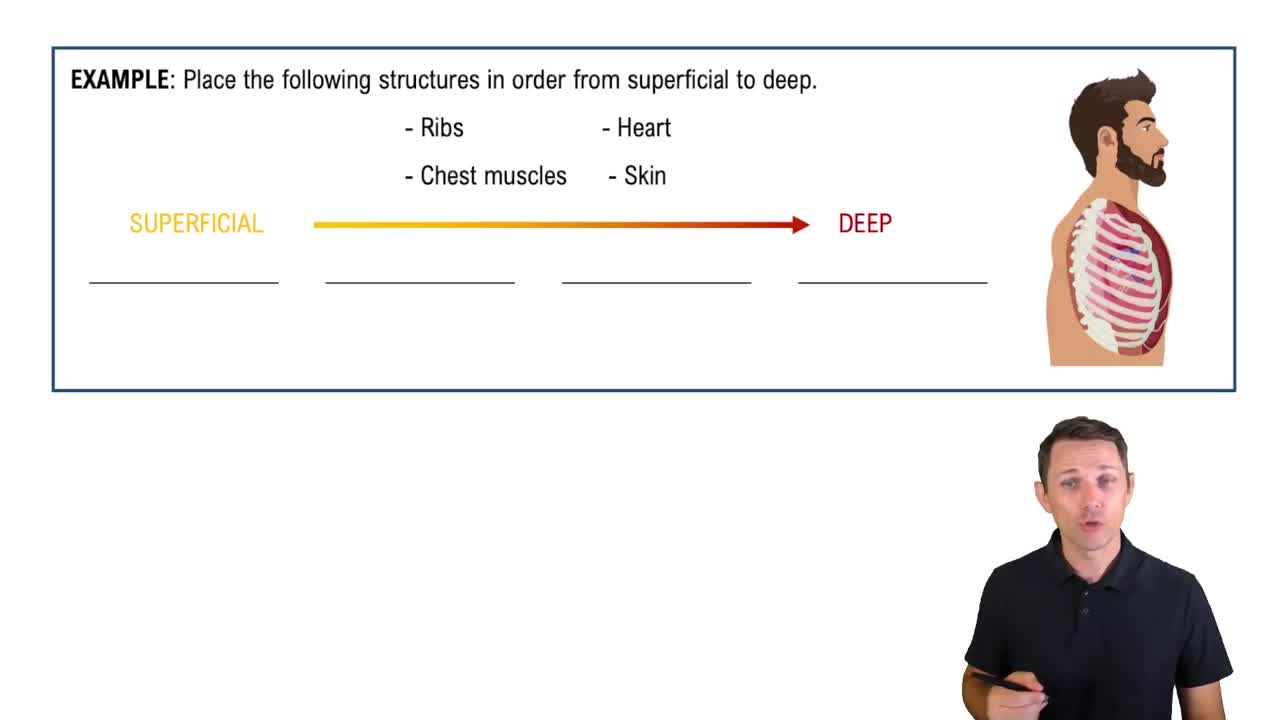
Directional Terms: Depth Within the Body
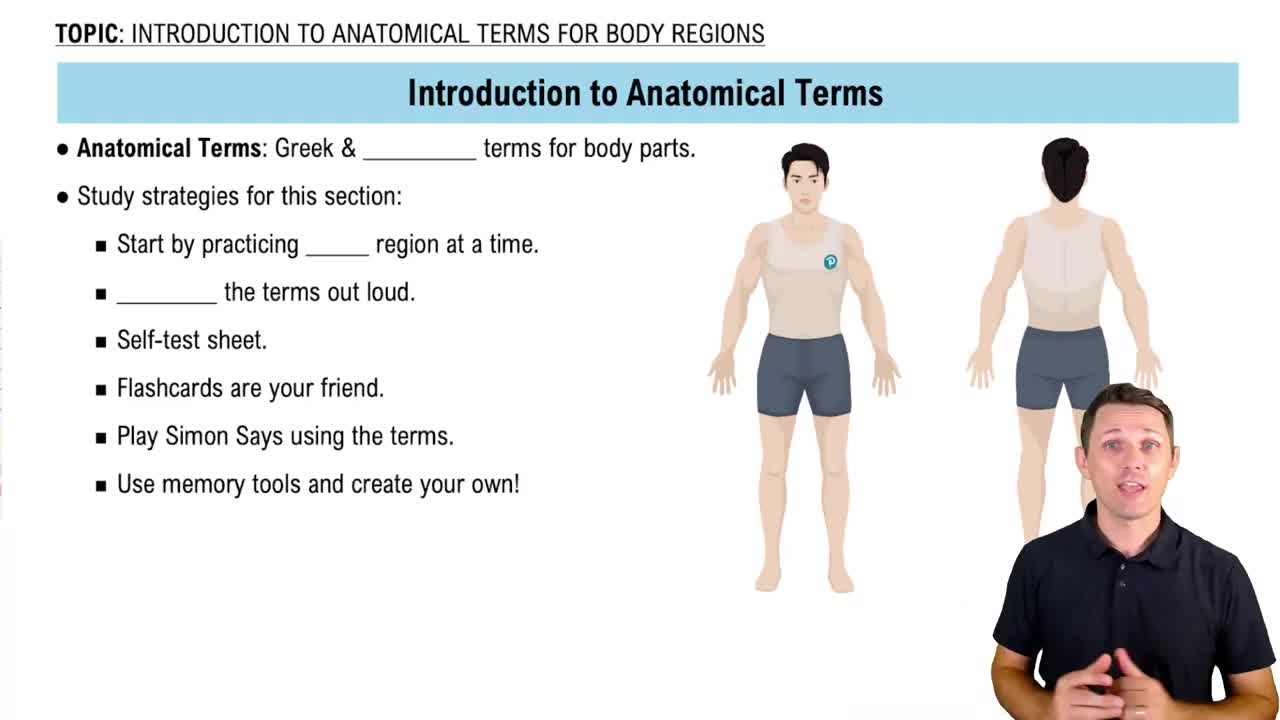
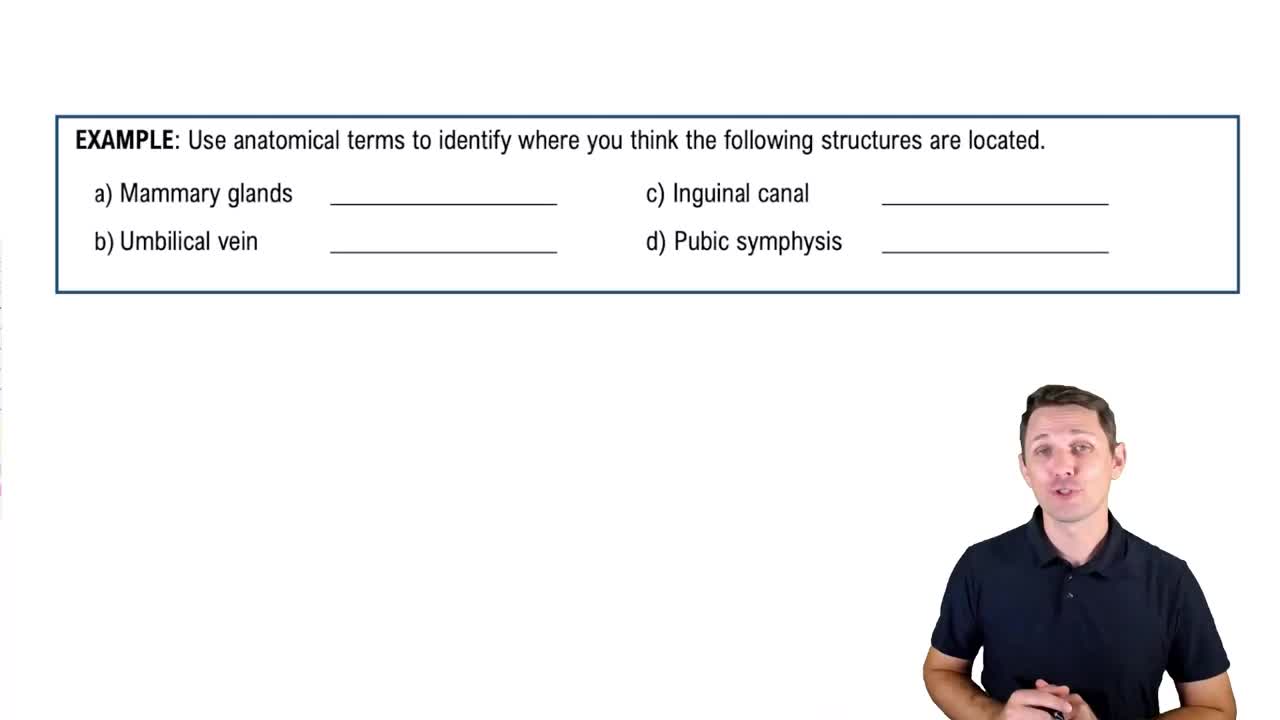
Introduction to Anatomical Terms for Body Regions
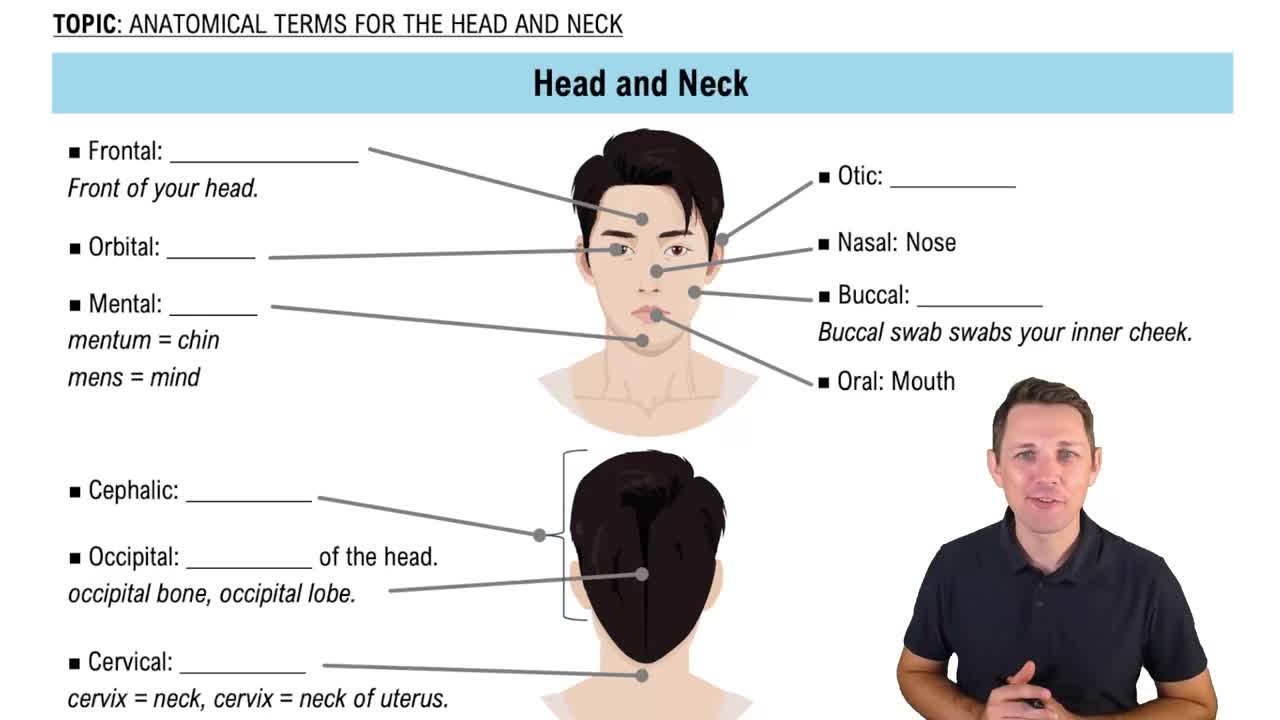
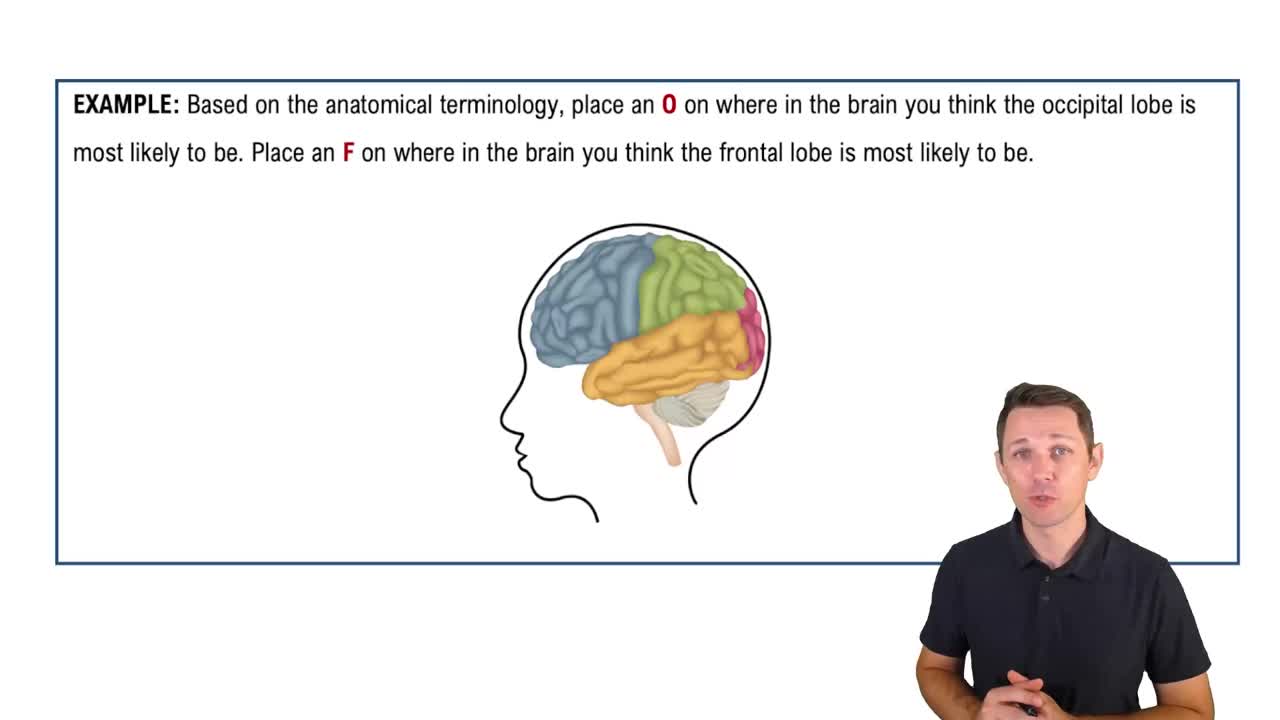
Anatomical Terms for the Head and Neck
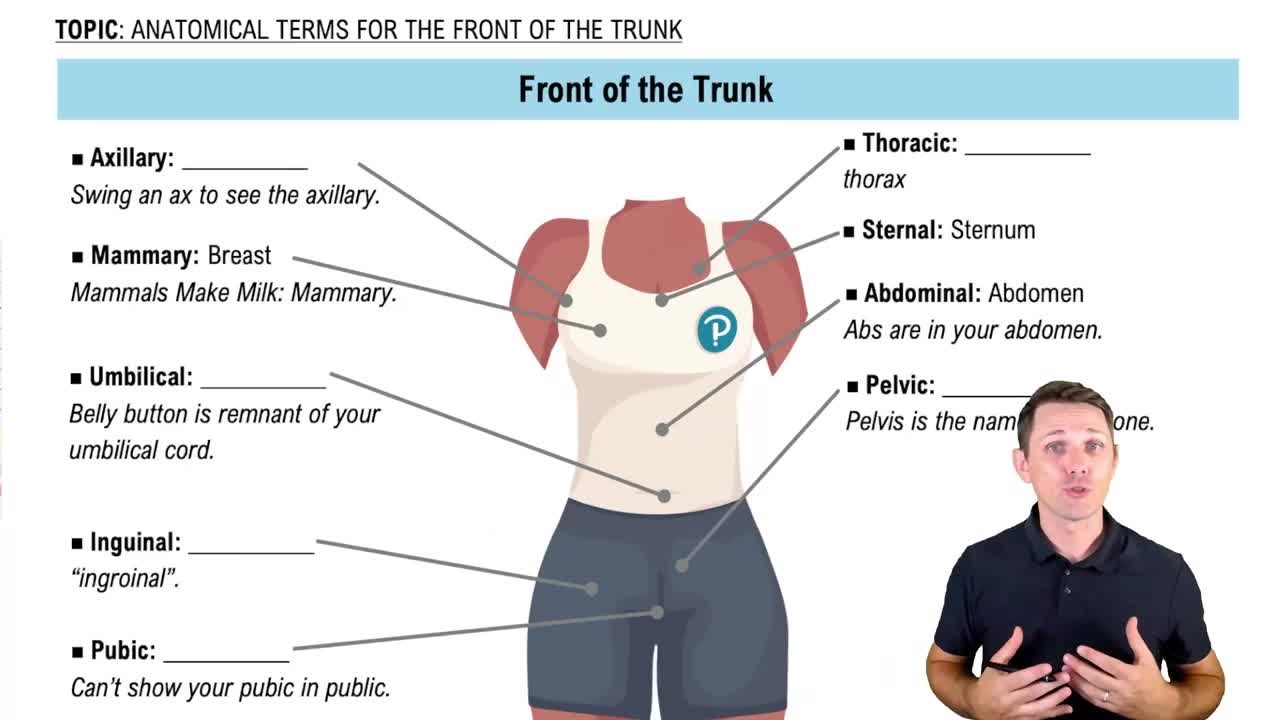
Anatomical Terms for the Front of the Trunk
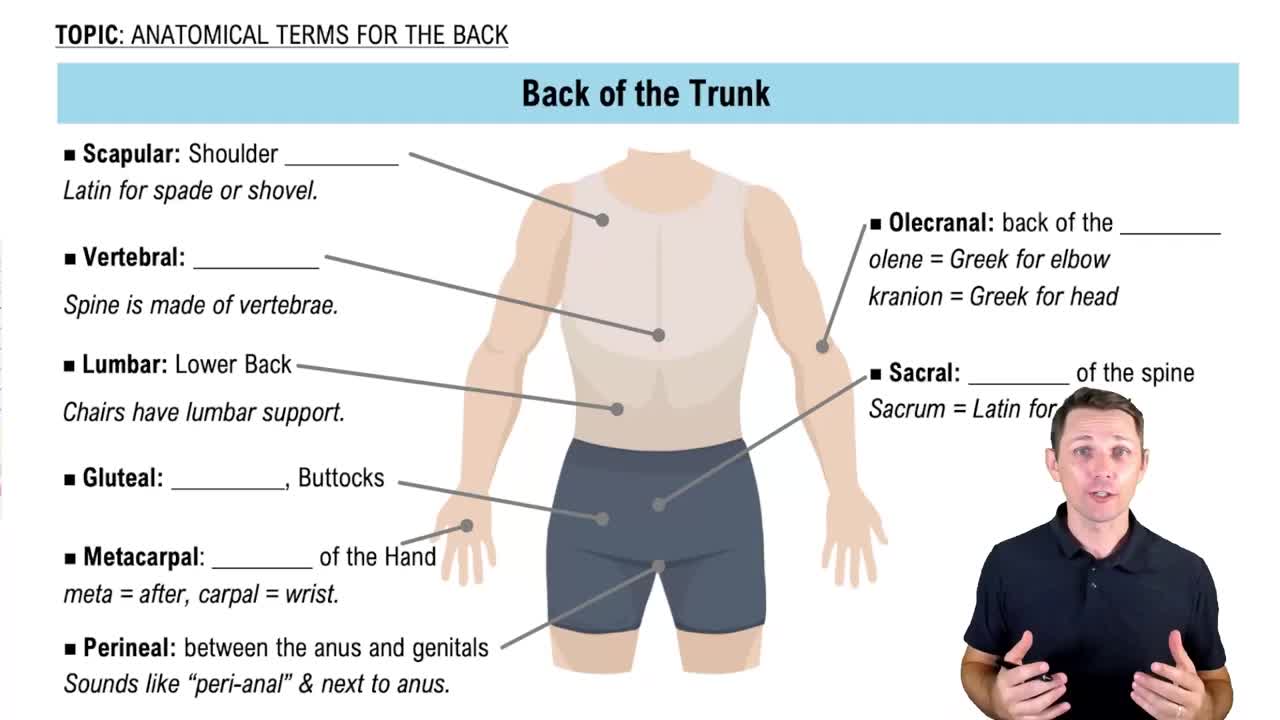
Anatomical Terms for the Back
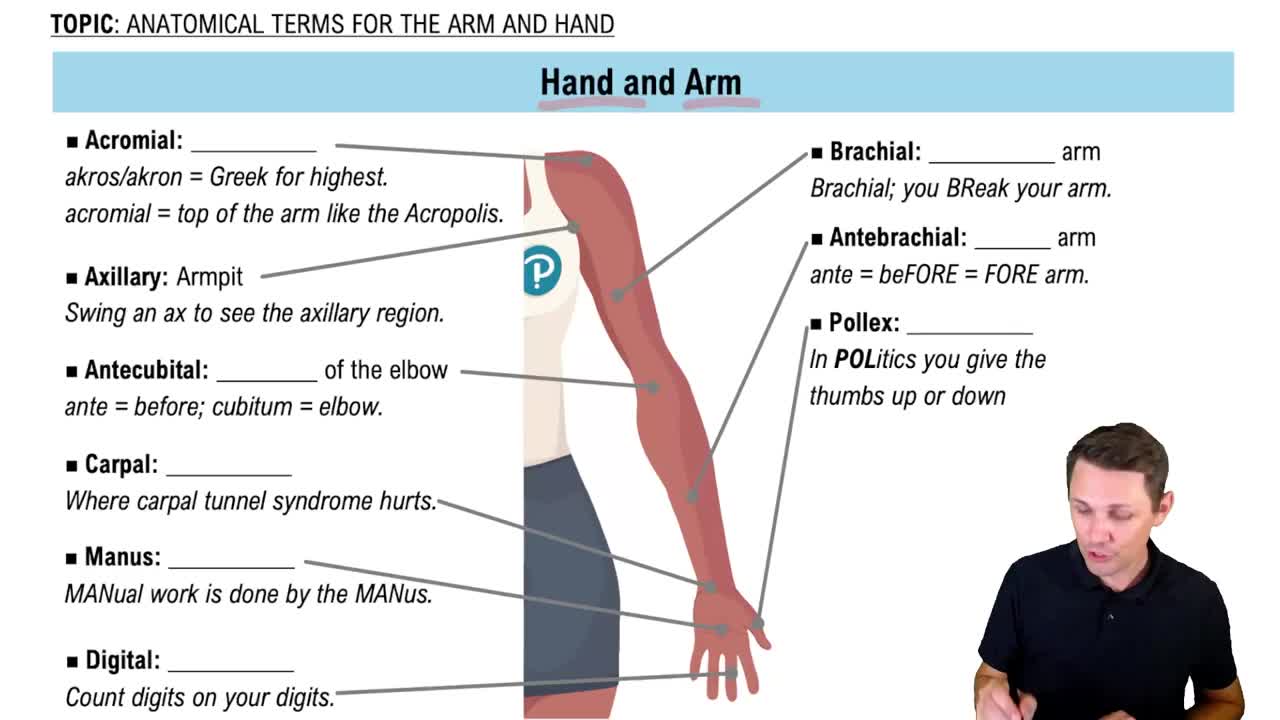
Anatomical Terms for the Arm and Hand
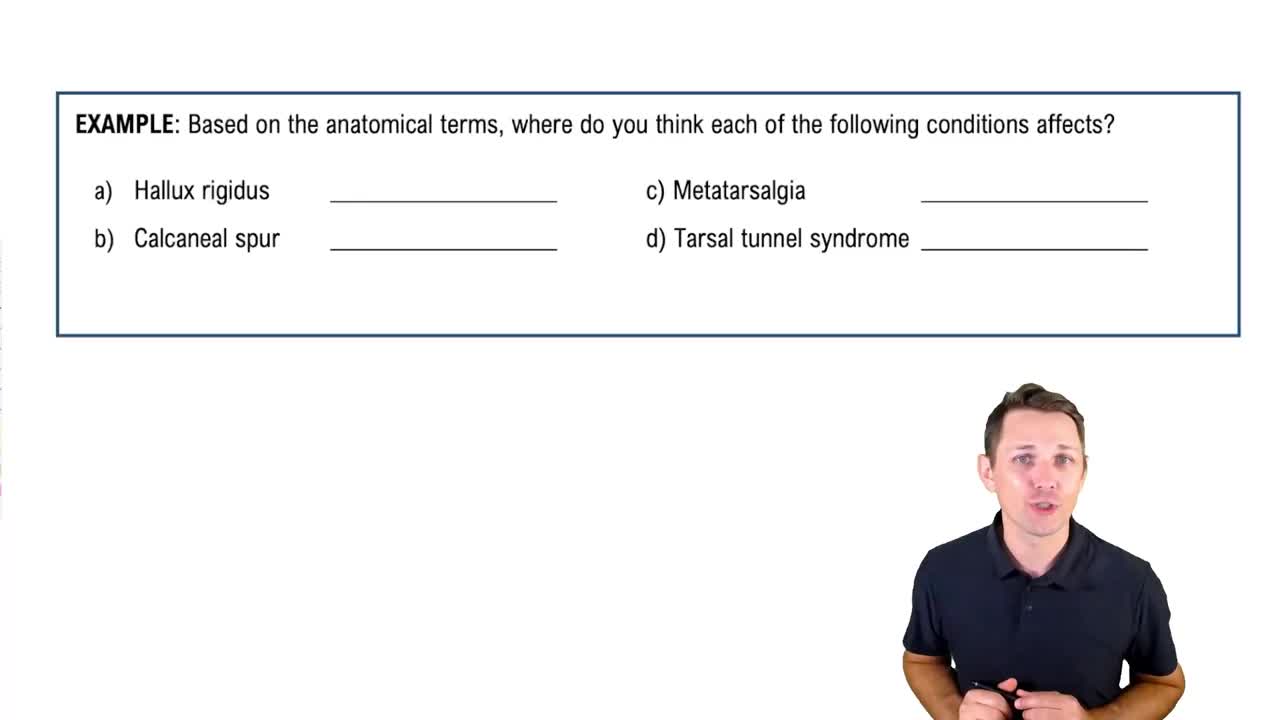
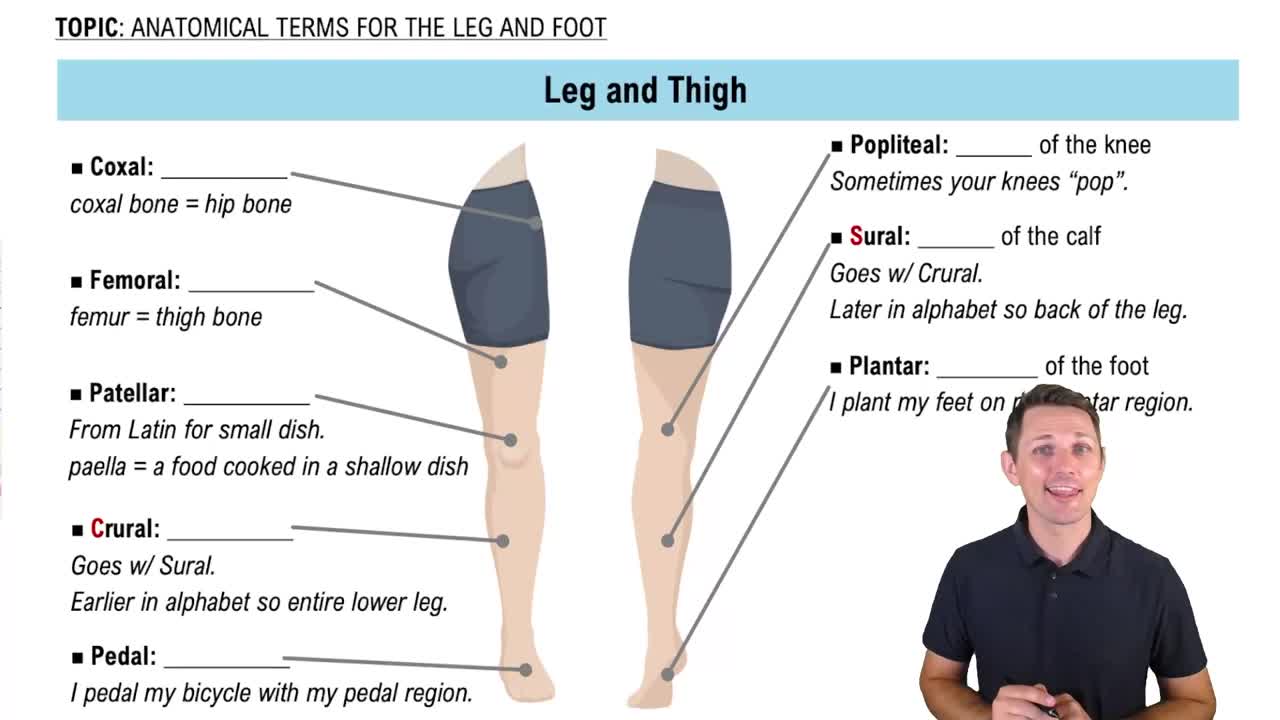
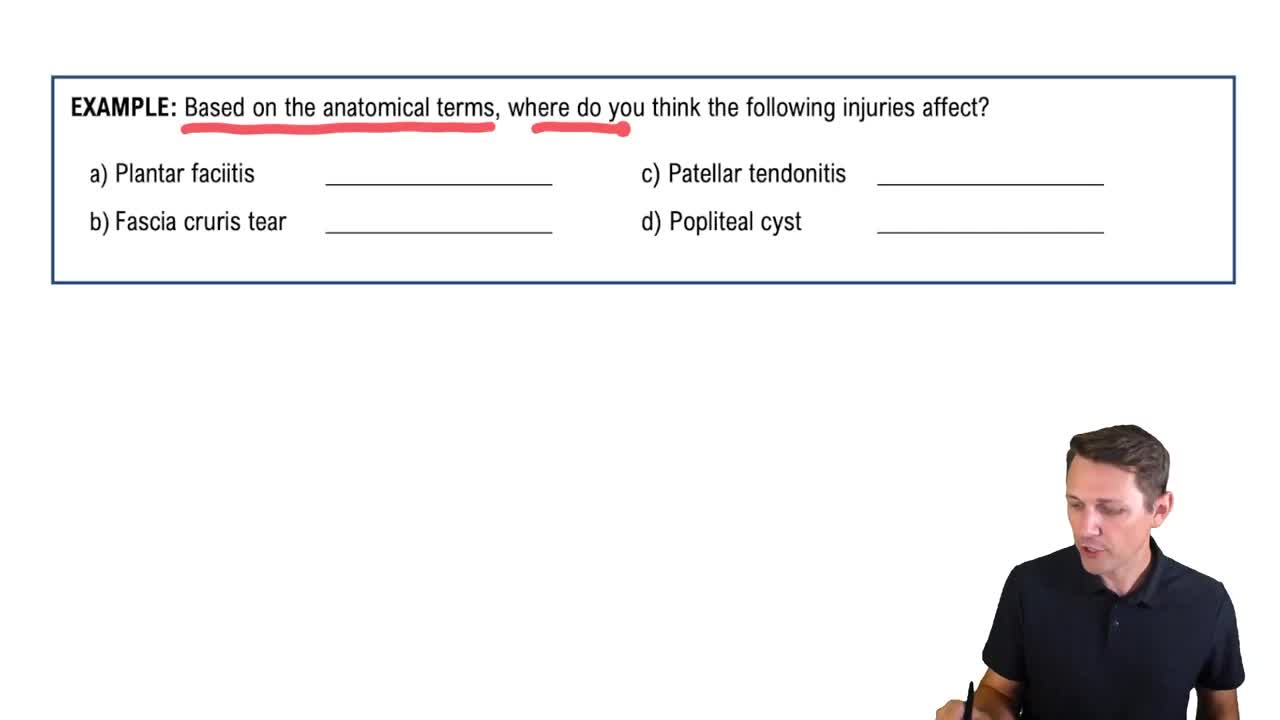
Anatomical Terms for the Leg and Foot
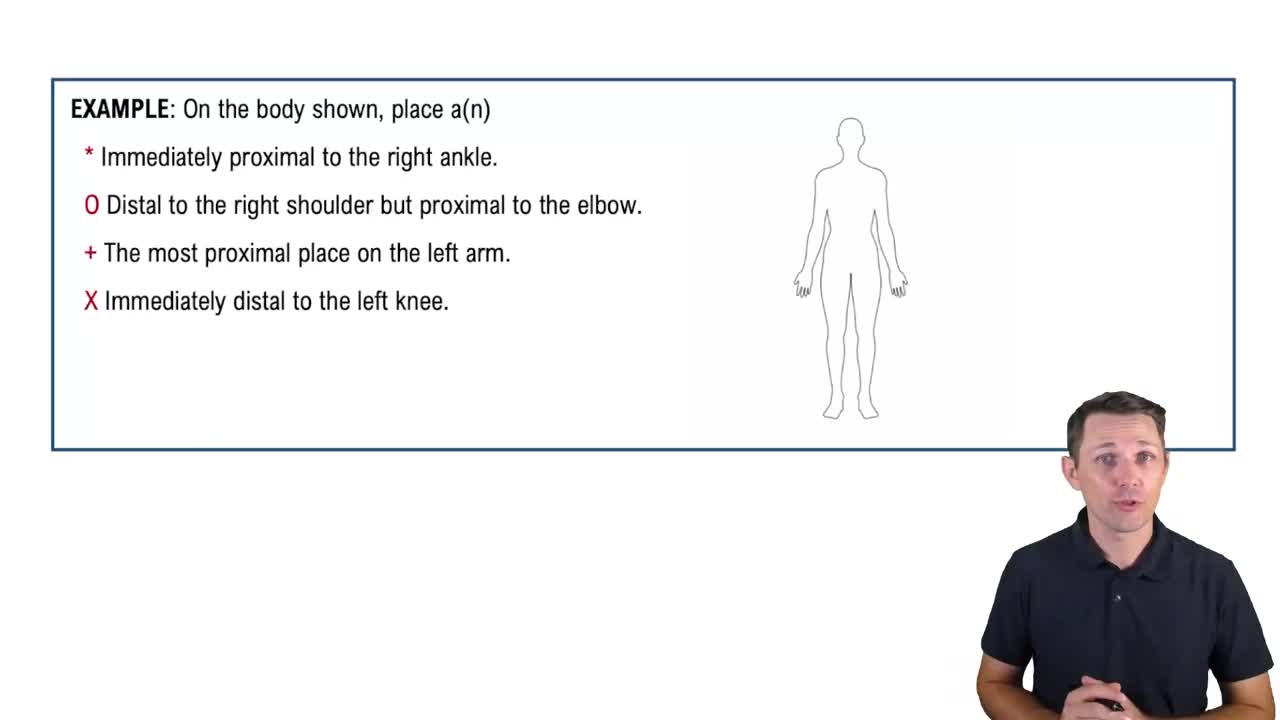
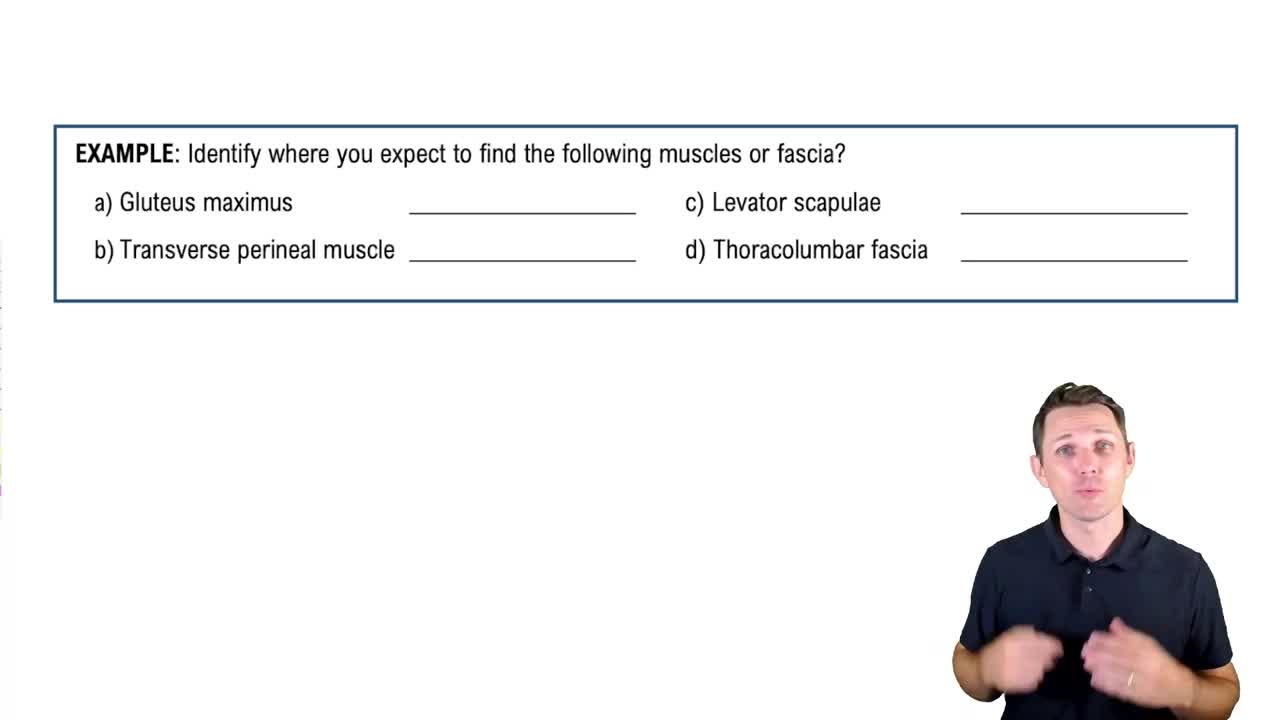
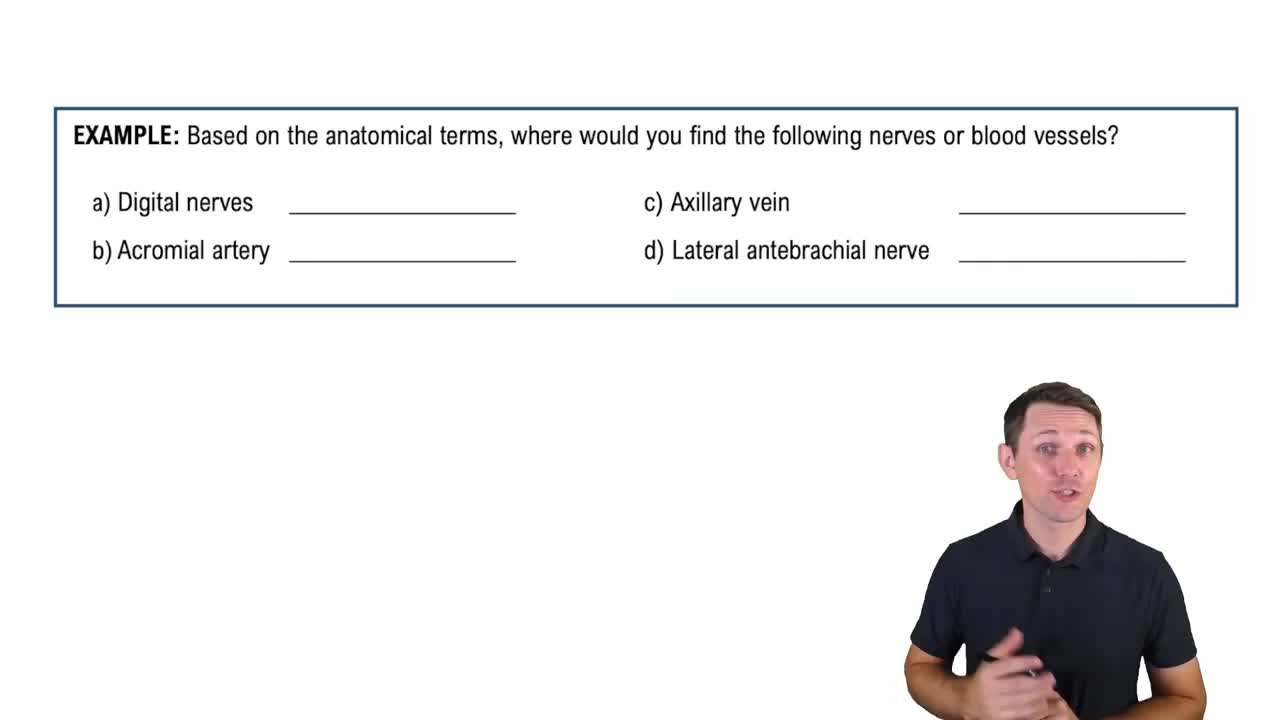
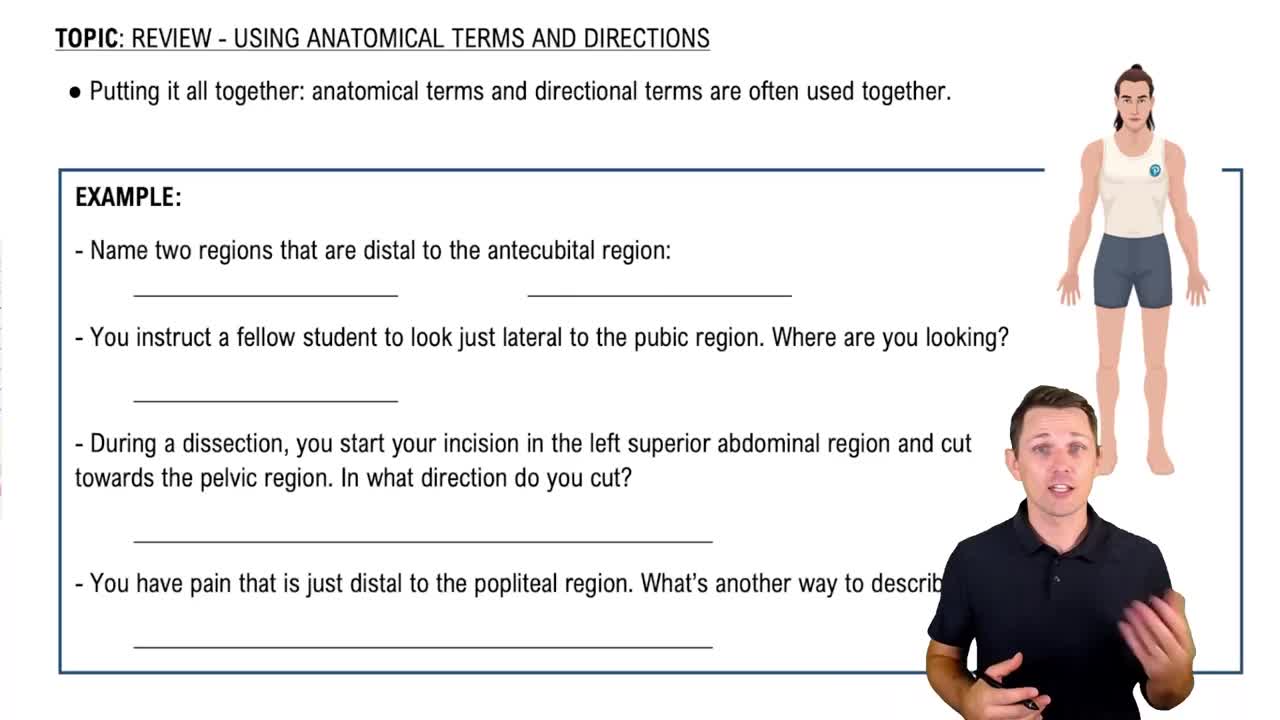
Review- Using Anatomical Terms and Directions
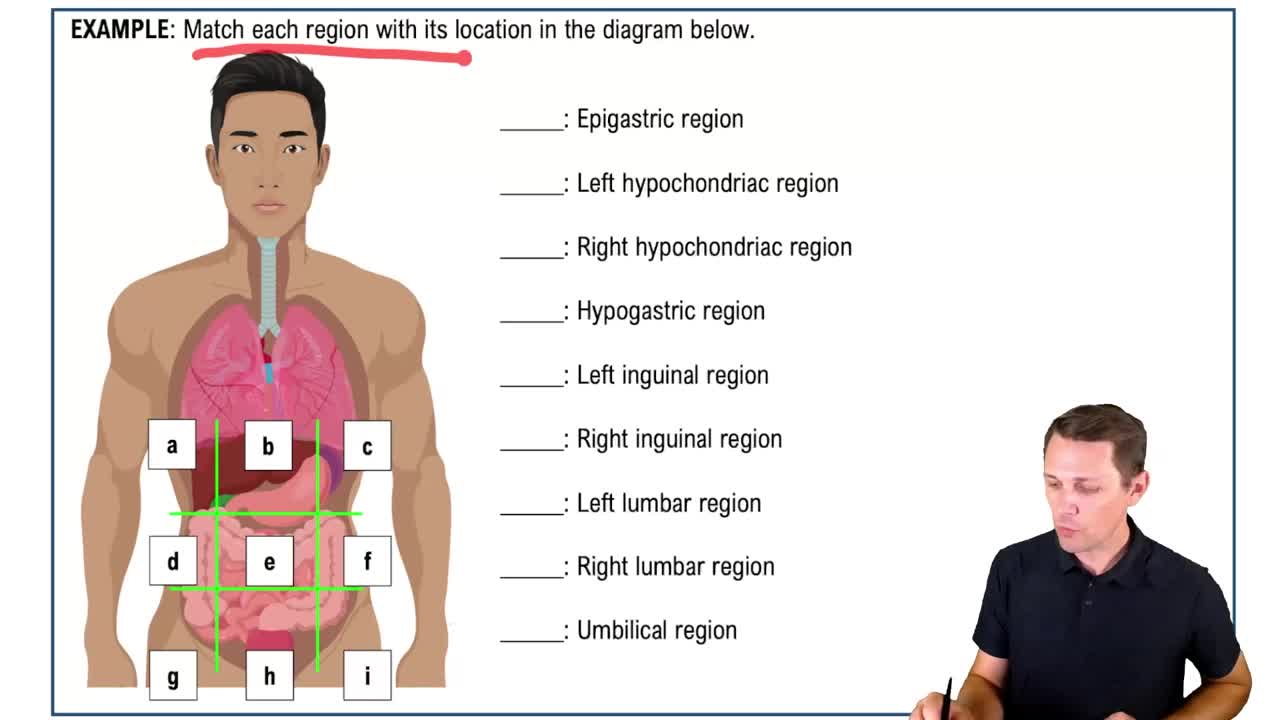
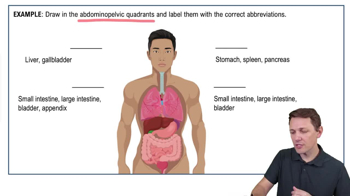
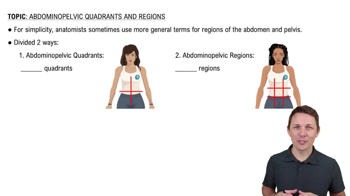
Abdominopelvic Quadrants and Regions
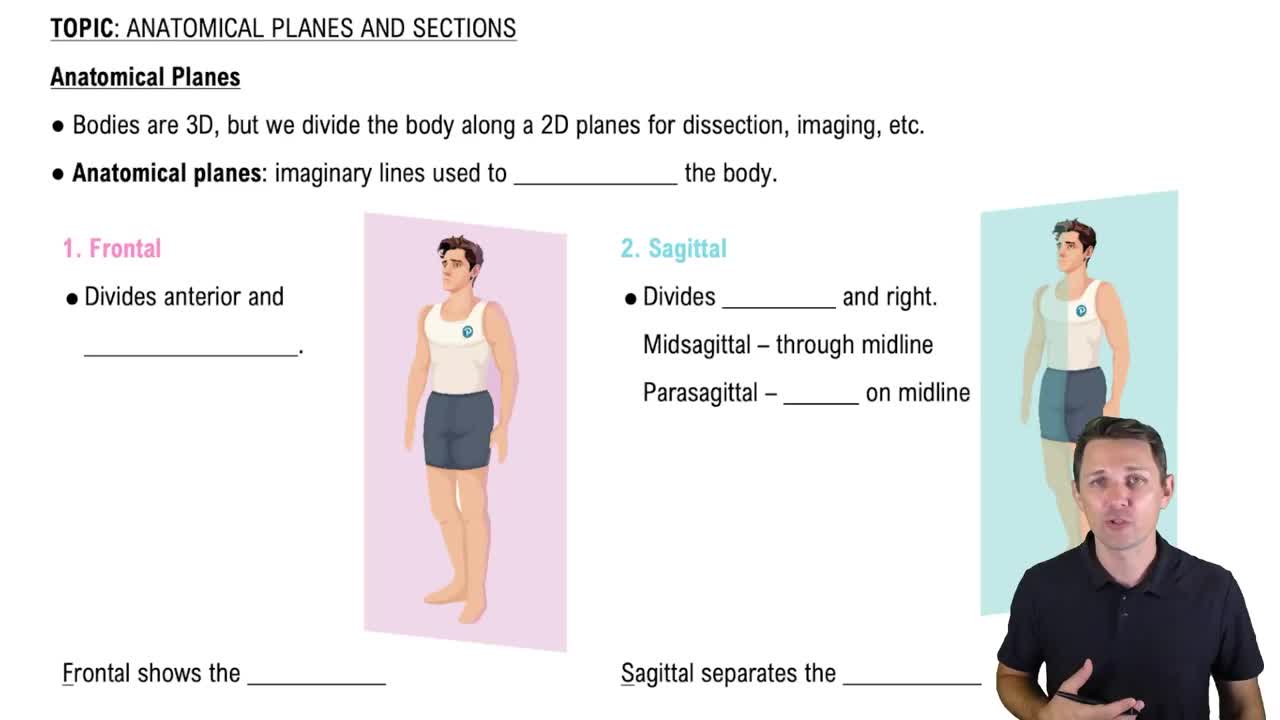
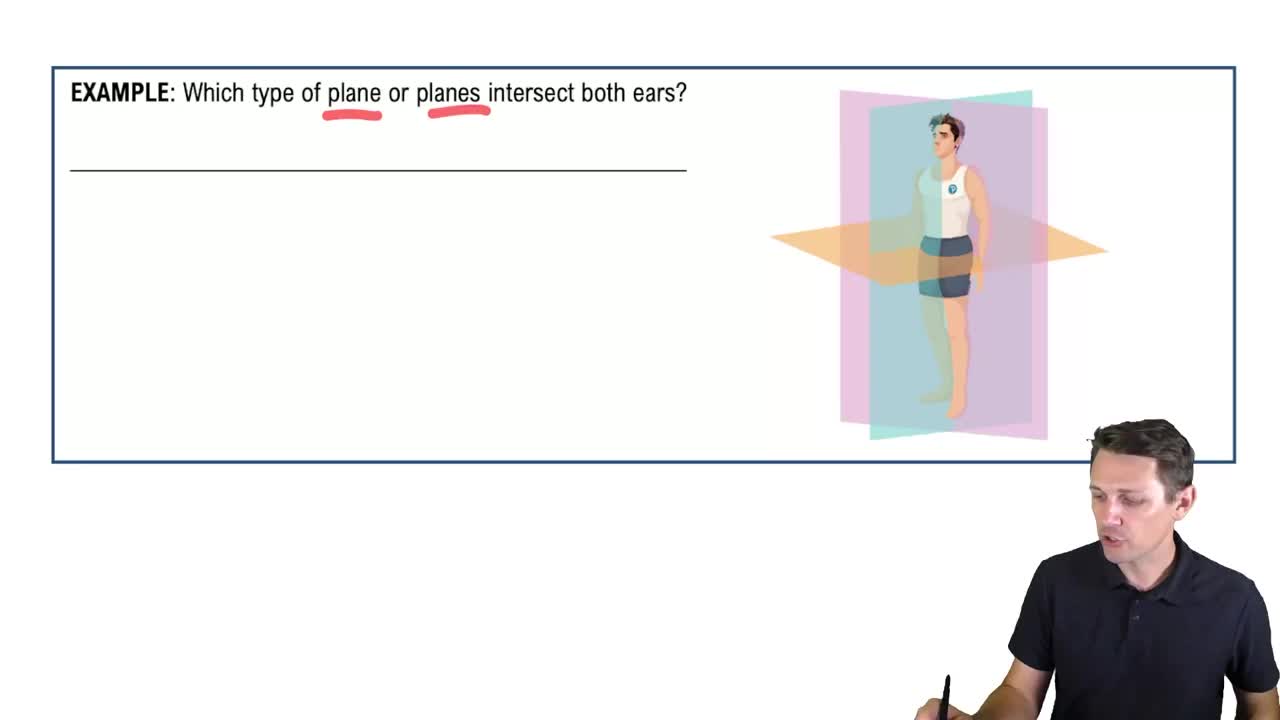
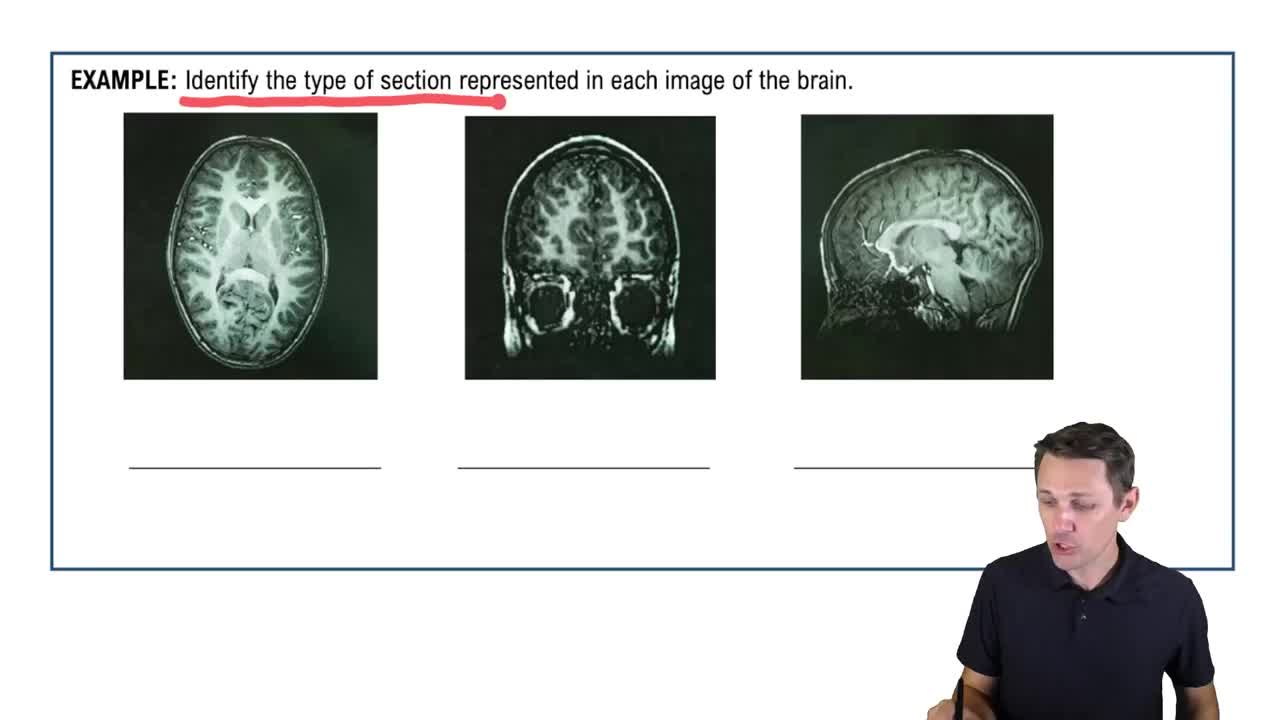
Anatomical Planes & Sections
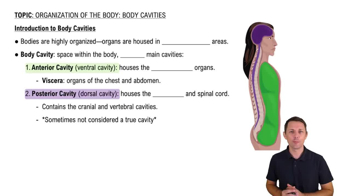
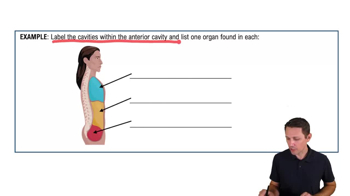
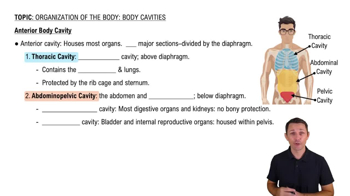
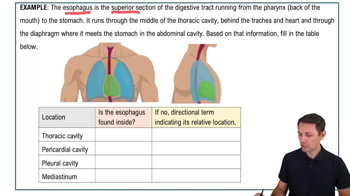
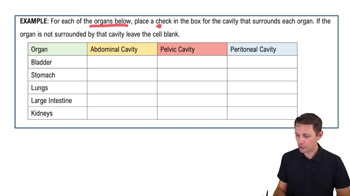
Organization of the Body: Body Cavities
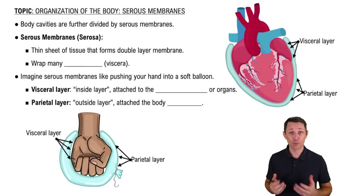
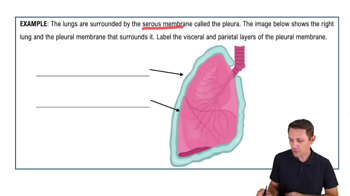
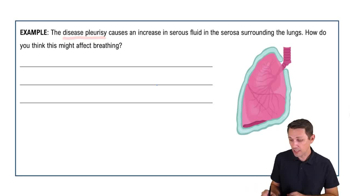
Organization of the Body: Serous Membranes
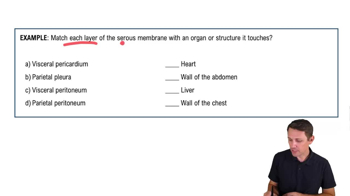
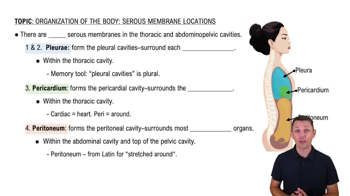
Organization of the Body: Serous Membrane Locations
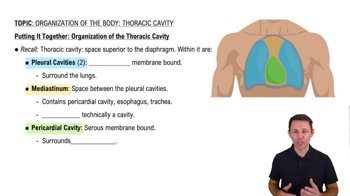
Organization of the Body: Thoracic Cavity
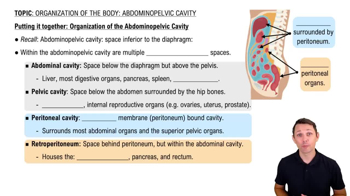
Organization of the Body: Abdominopelvic Cavity
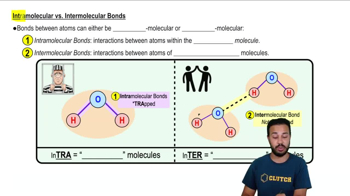
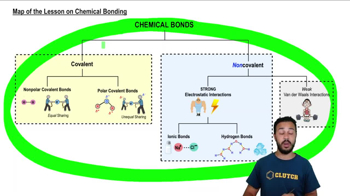
Introduction to Chemical Bonding
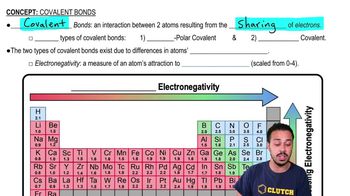
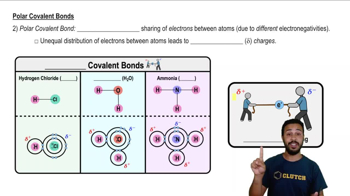
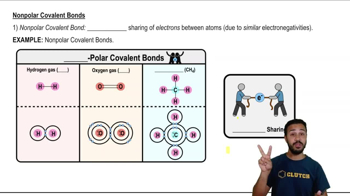
Covalent Bonds
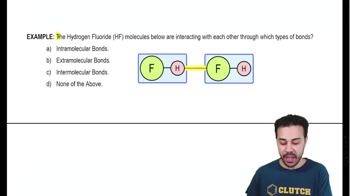
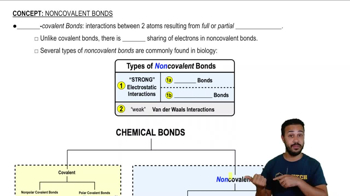
Noncovalent Bonds
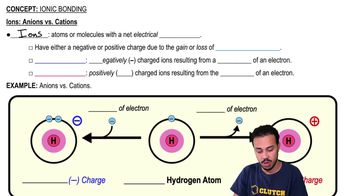
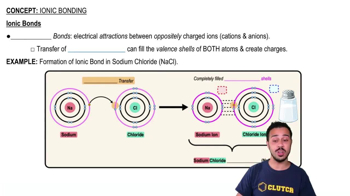
Ionic Bonding
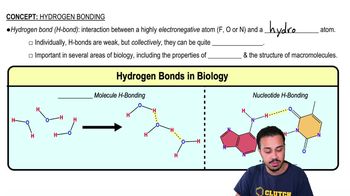
Hydrogen Bonding
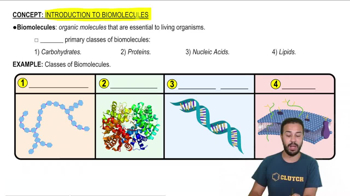
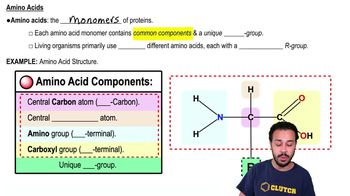
Introduction to Biomolecules
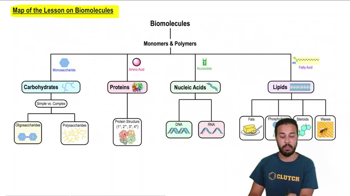
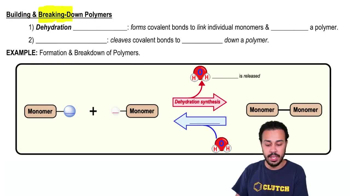
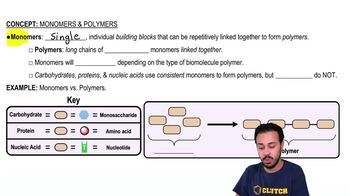
Monomers & Polymers
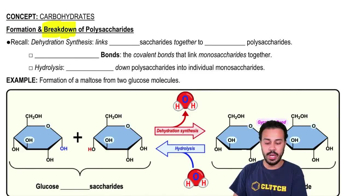
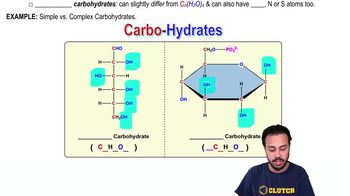
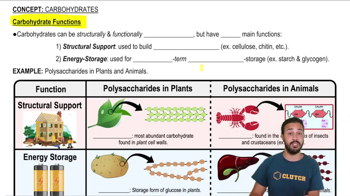
Carbohydrates
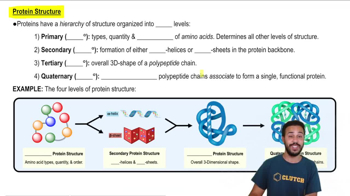
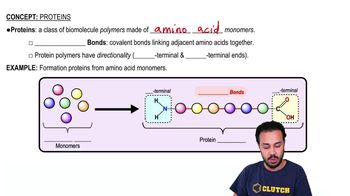
Proteins
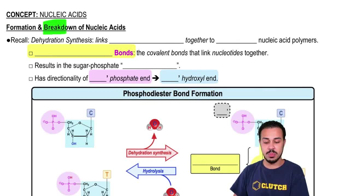
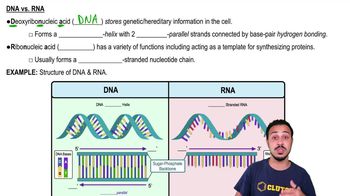
Nucleic Acids
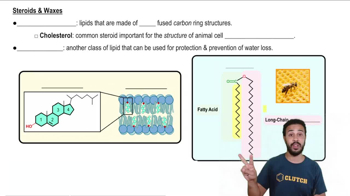
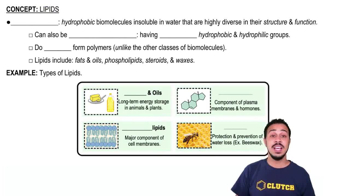
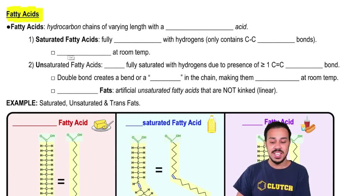
Lipids
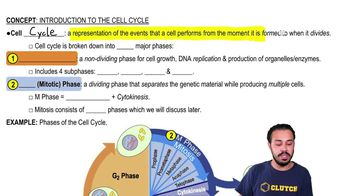
Introduction to the Cell Cycle
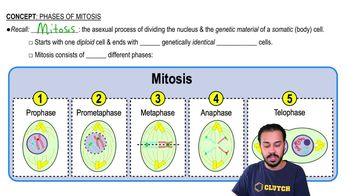
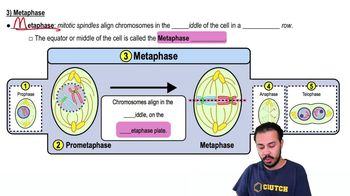
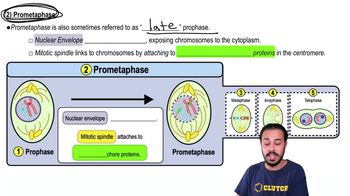
Phases of Mitosis
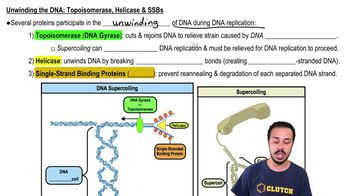
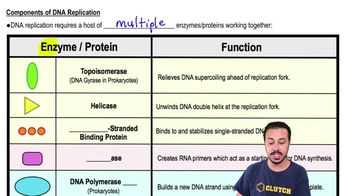
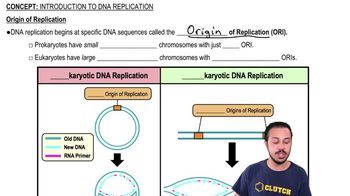
Introduction to DNA Replication
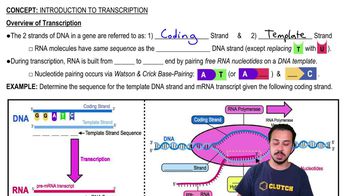
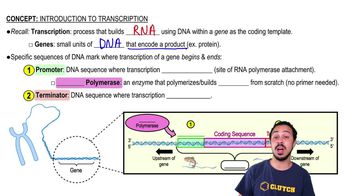
Introduction to Transcription
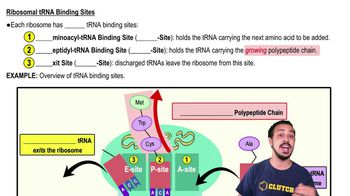
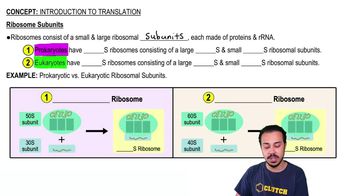
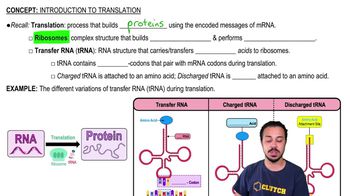
Introduction to Translation
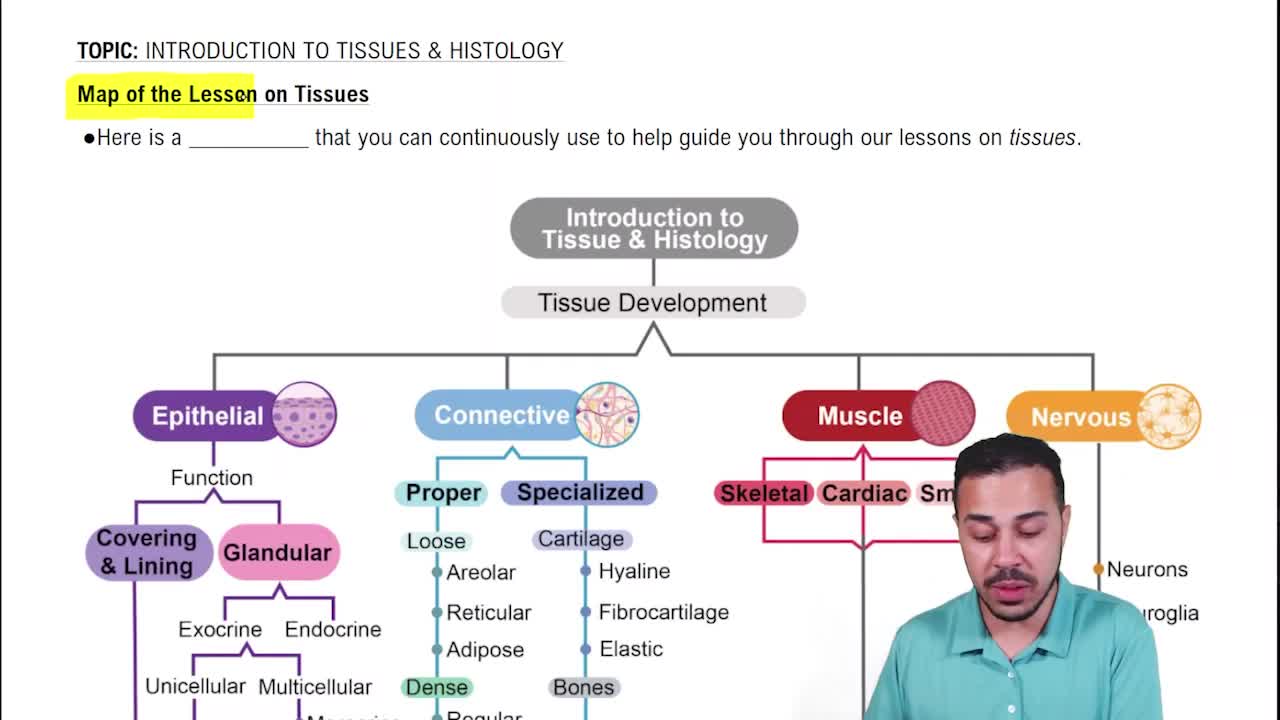
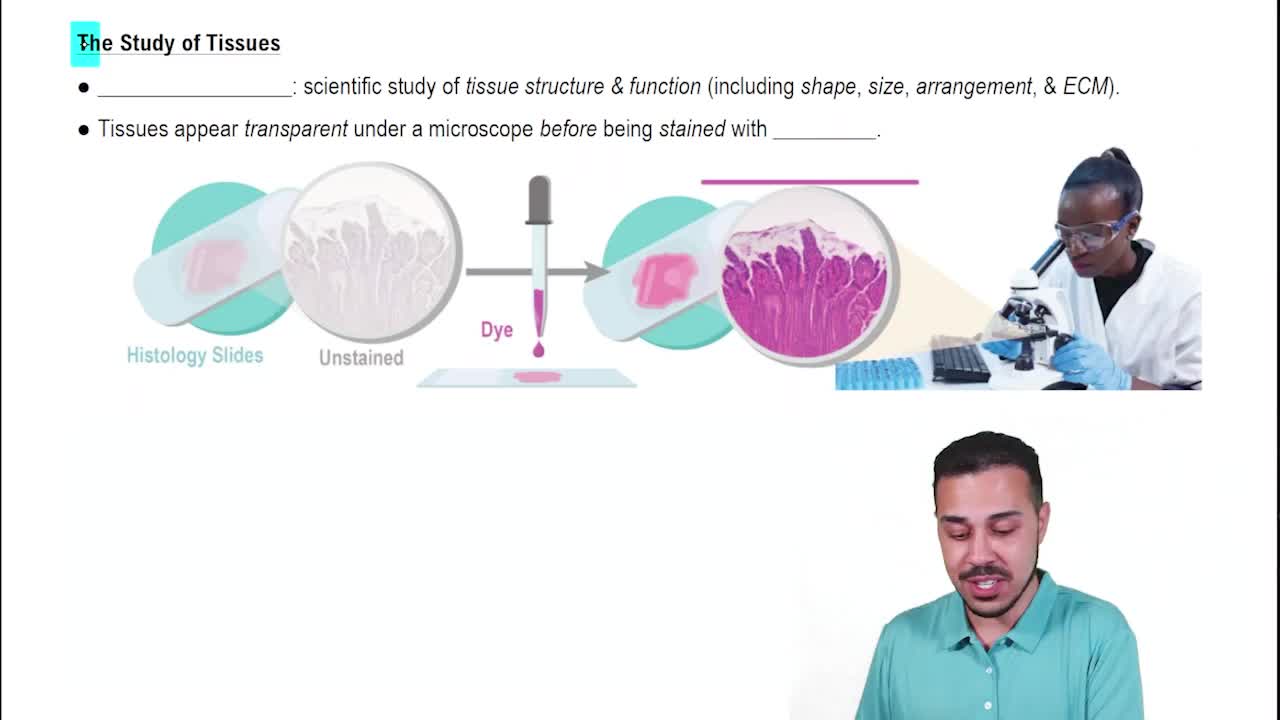
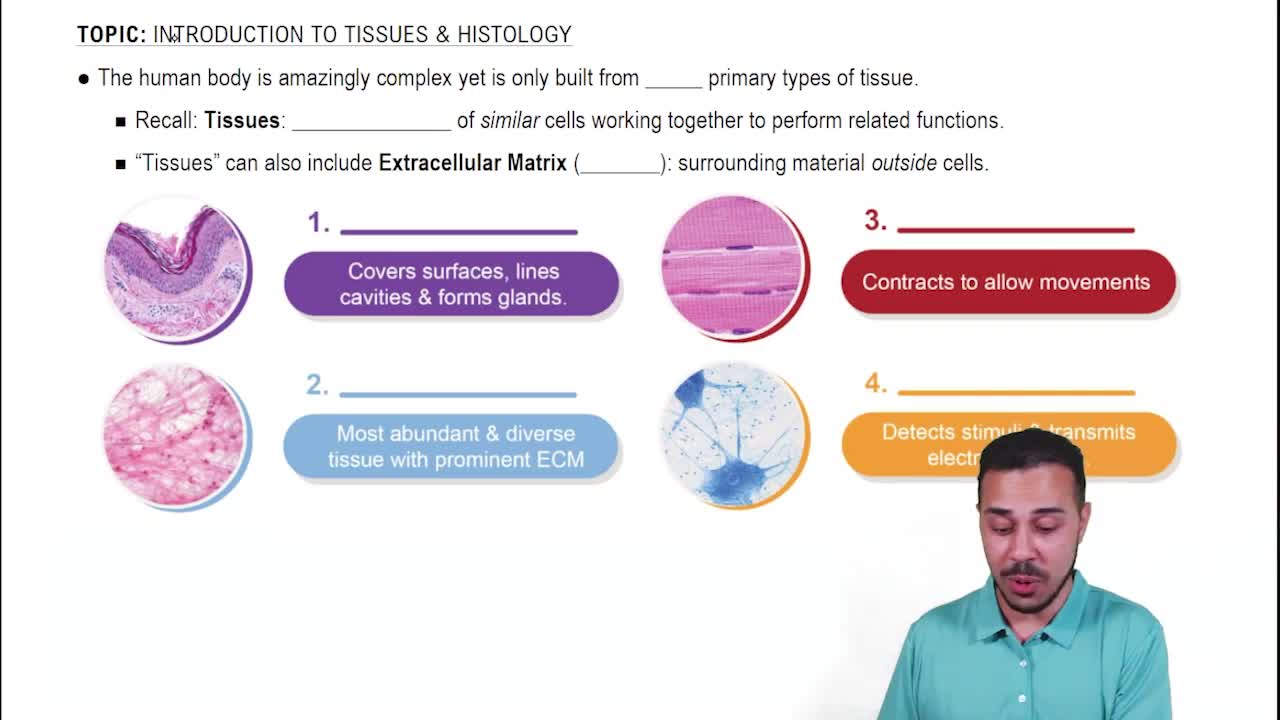
Introduction to Tissues & Histology
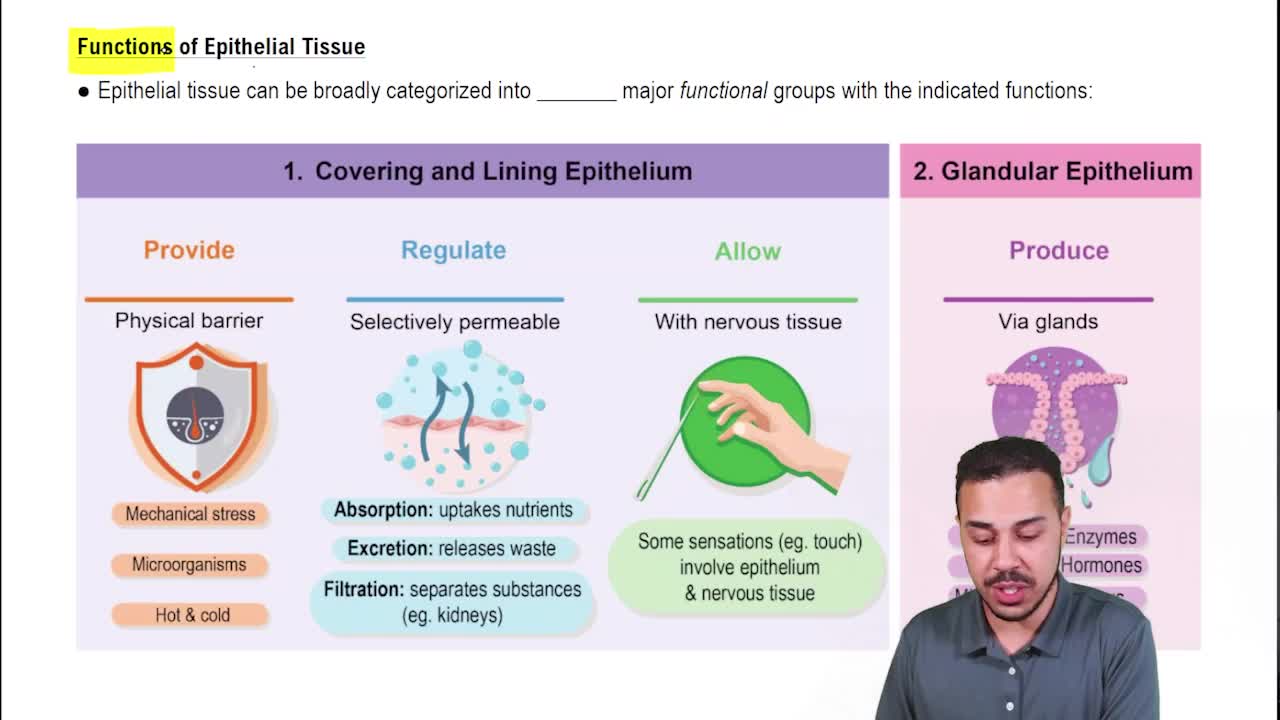
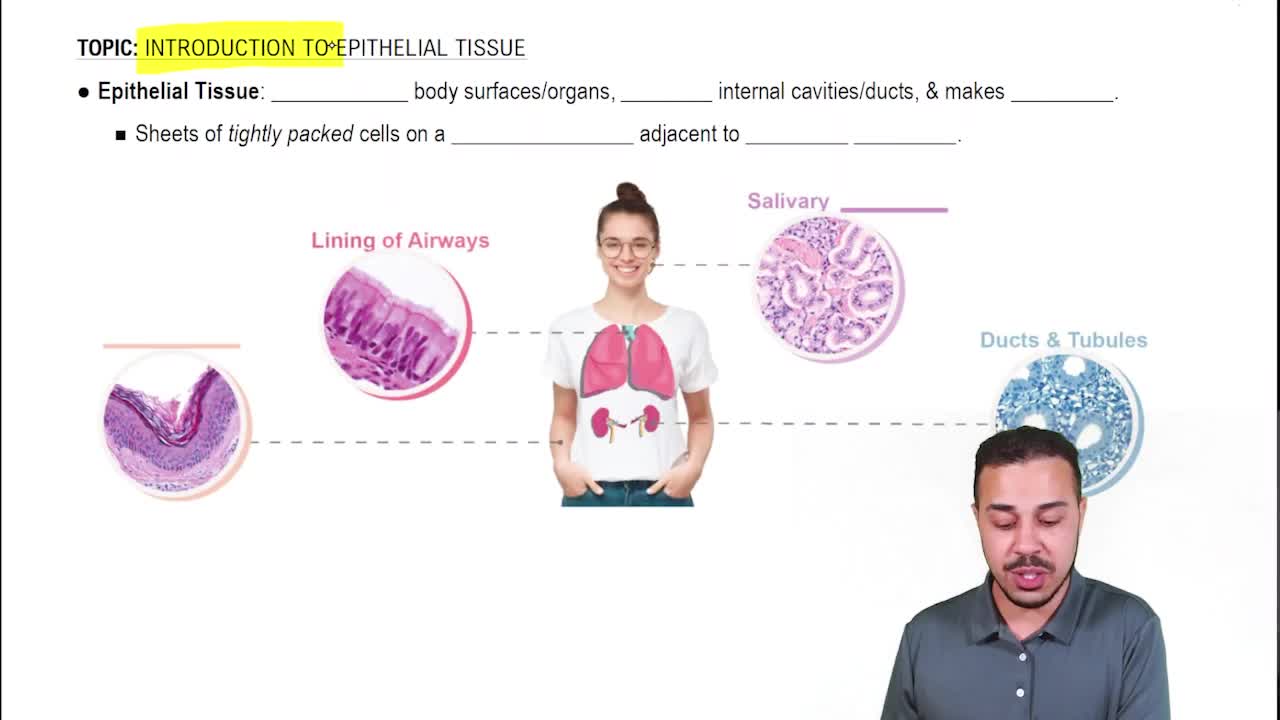
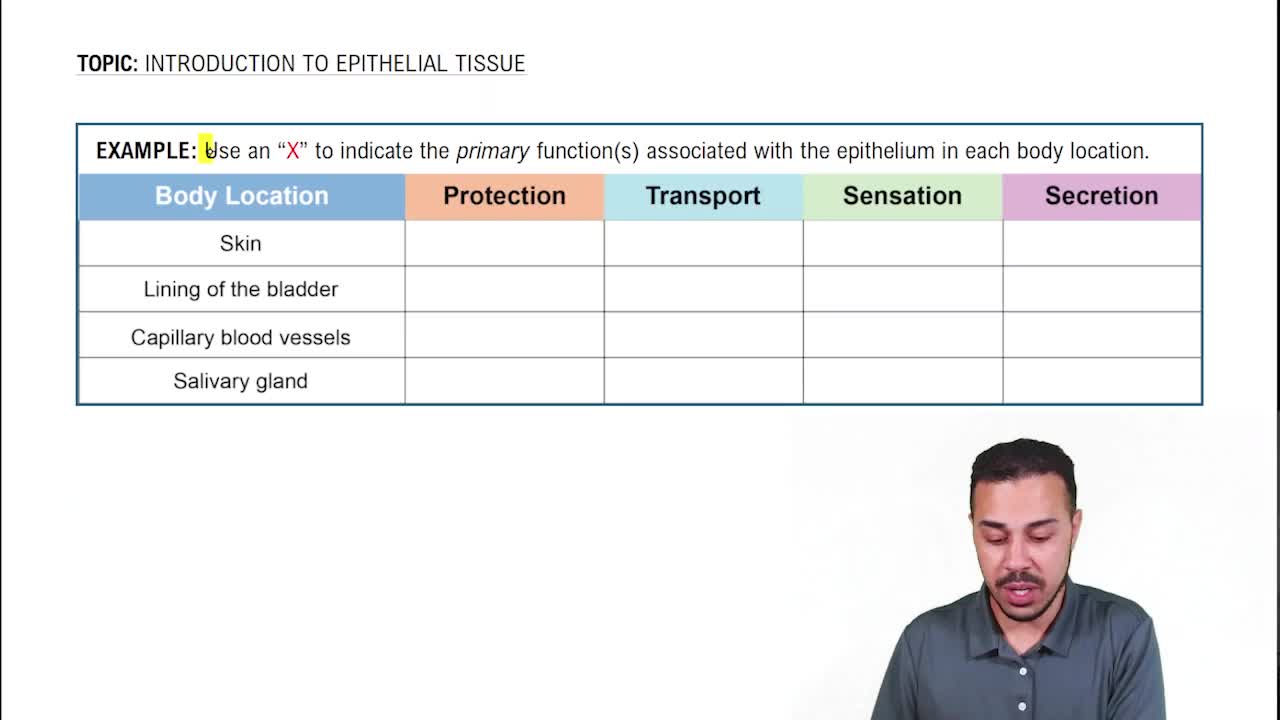
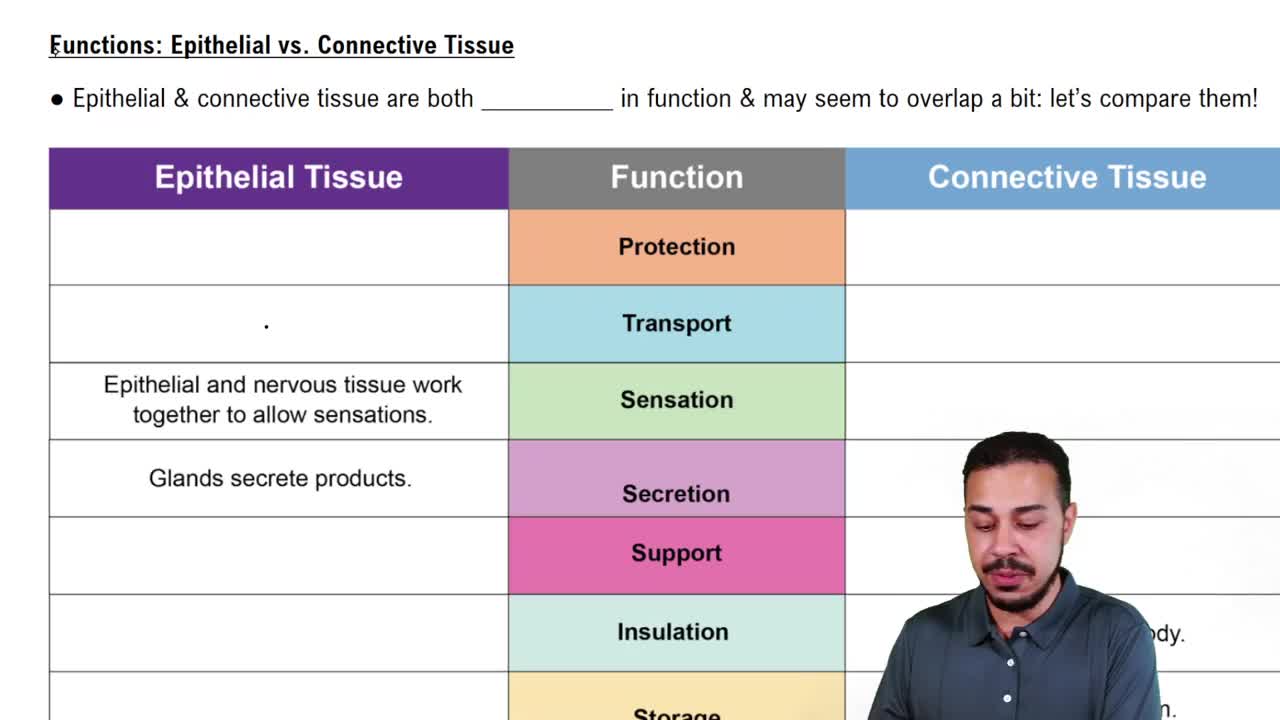
Introduction to Epithelial Tissue
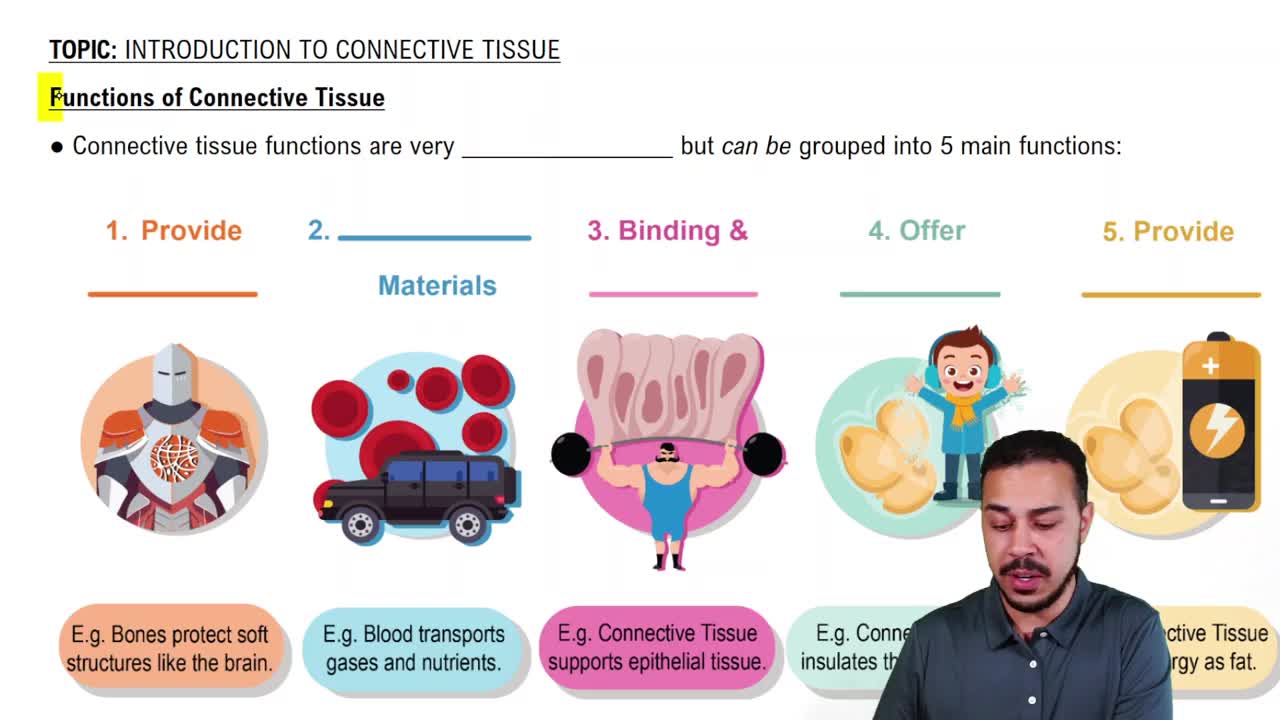
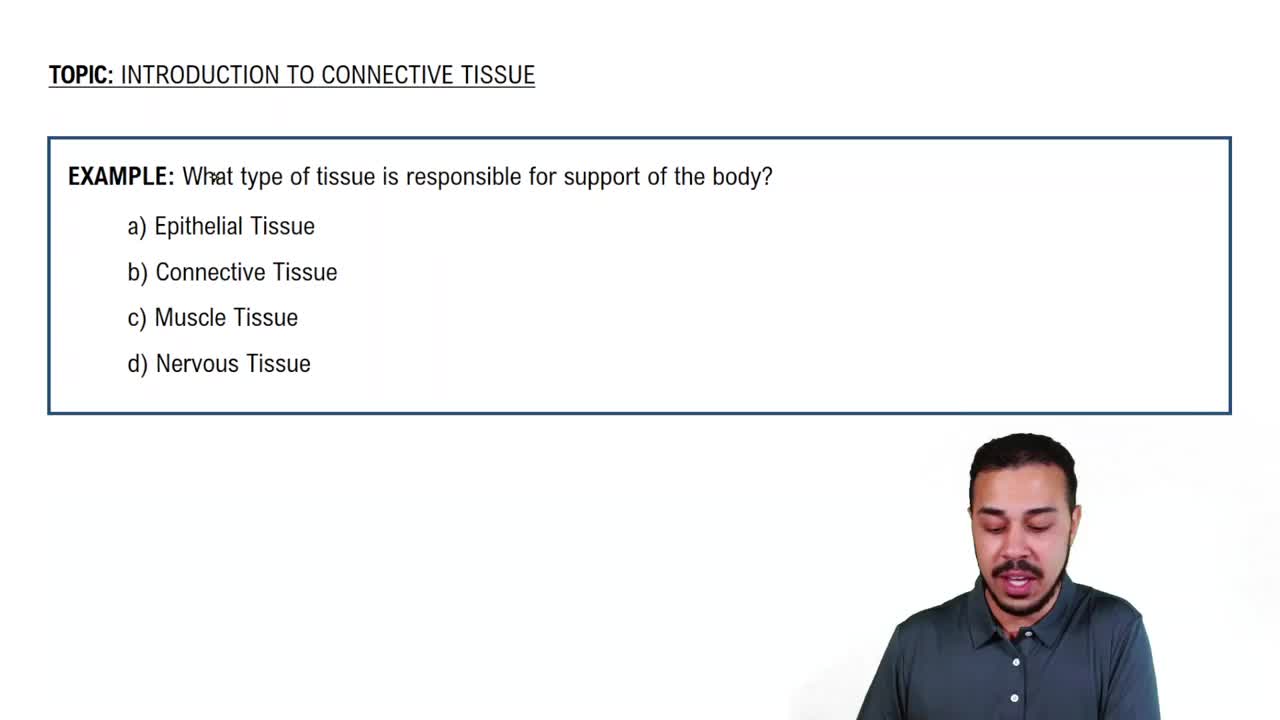
Introduction to Connective Tissue
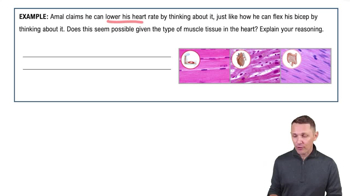
Introduction to Muscle Tissue
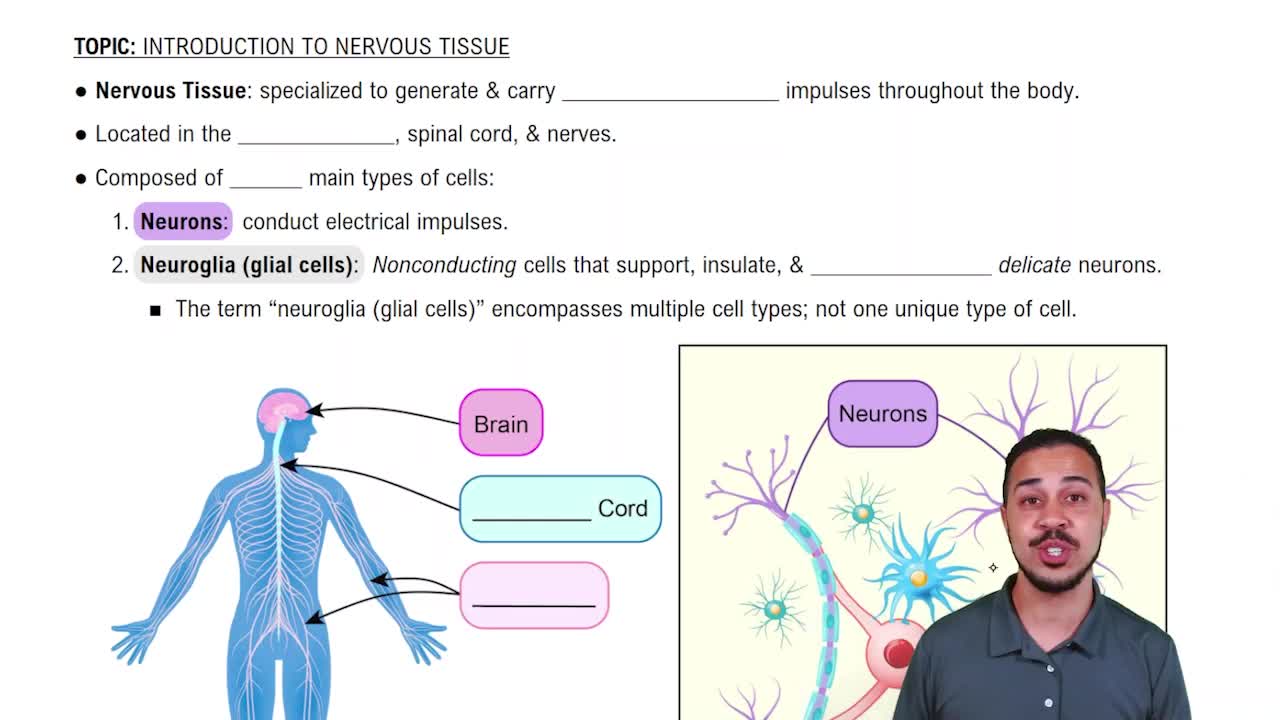
Introduction to Nervous Tissue
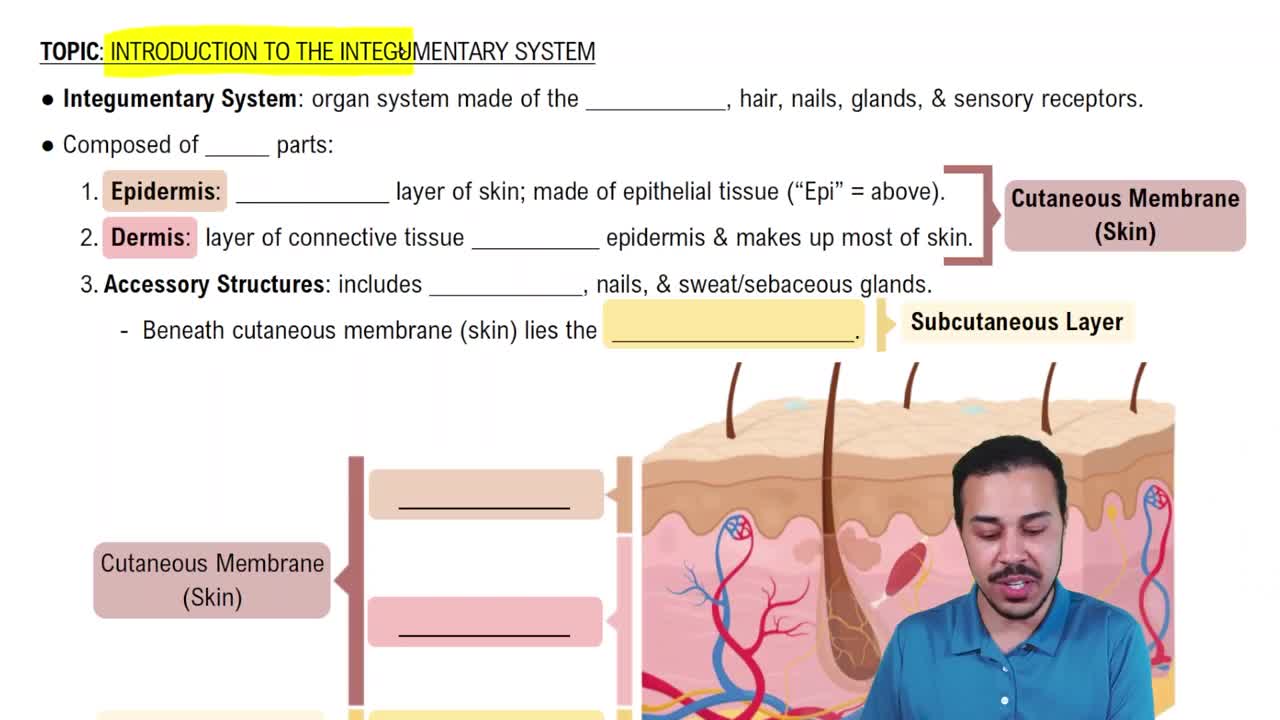
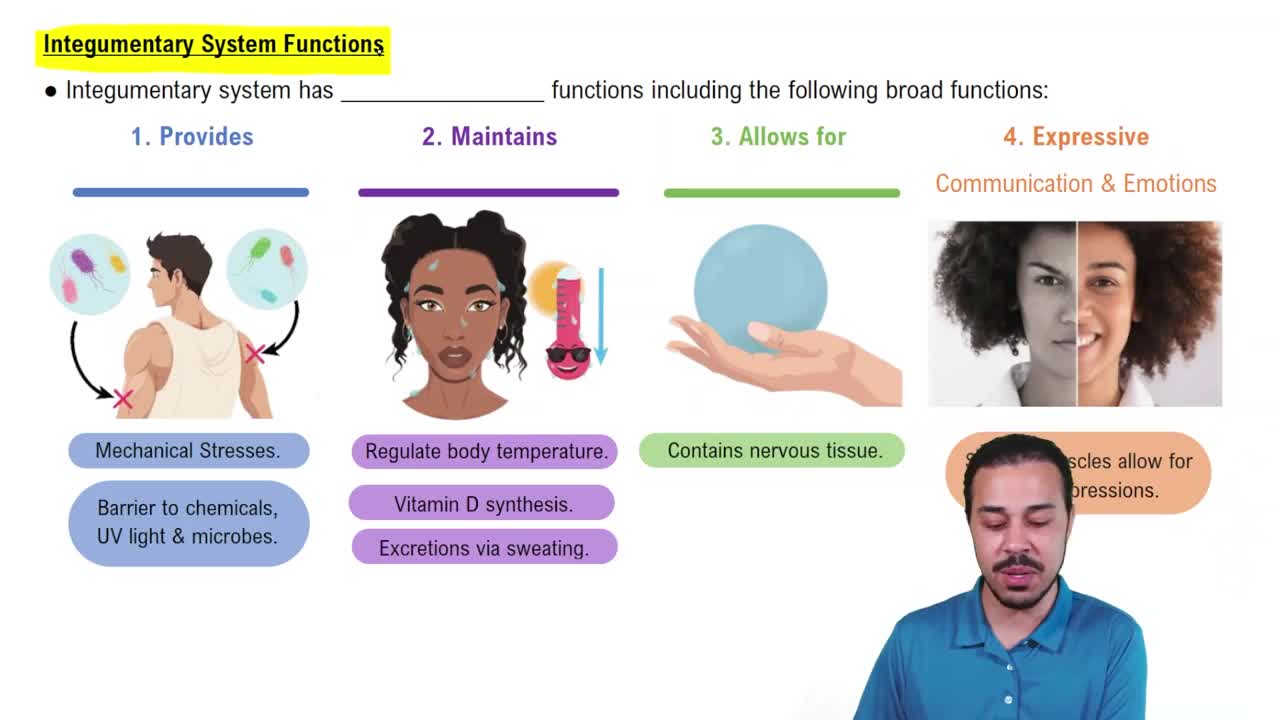
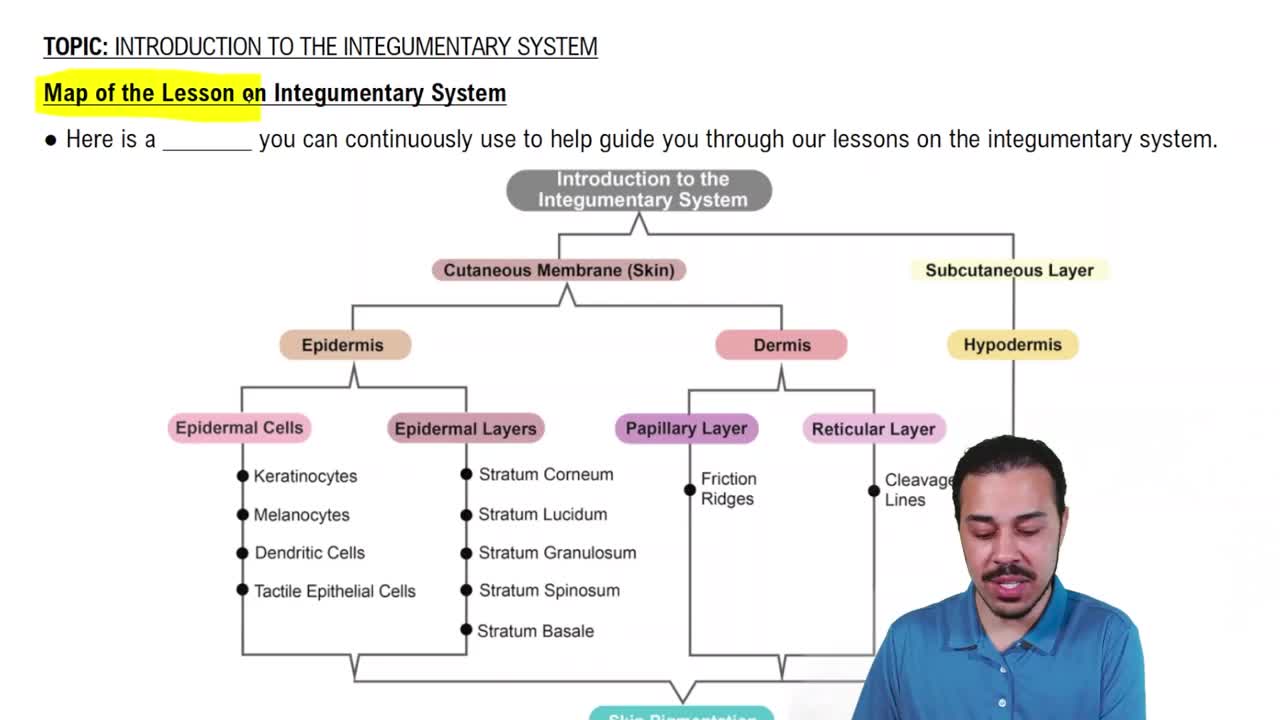
Introduction to the Integumentary System
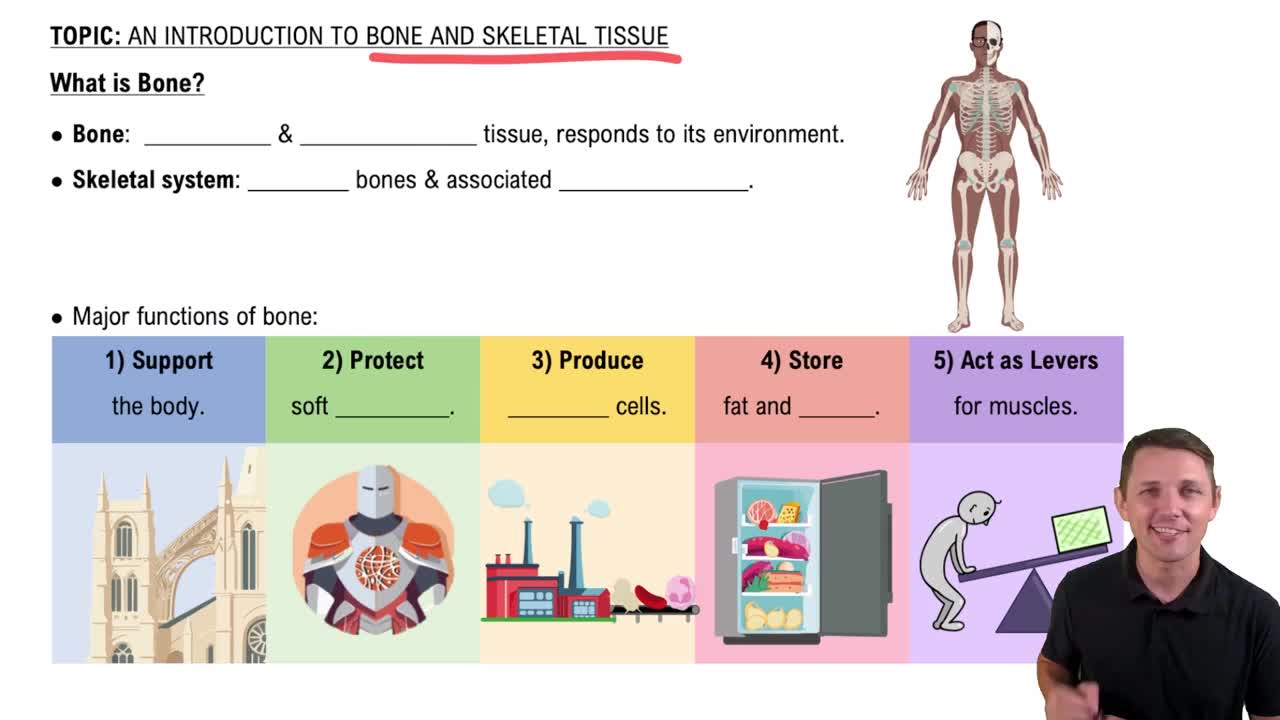
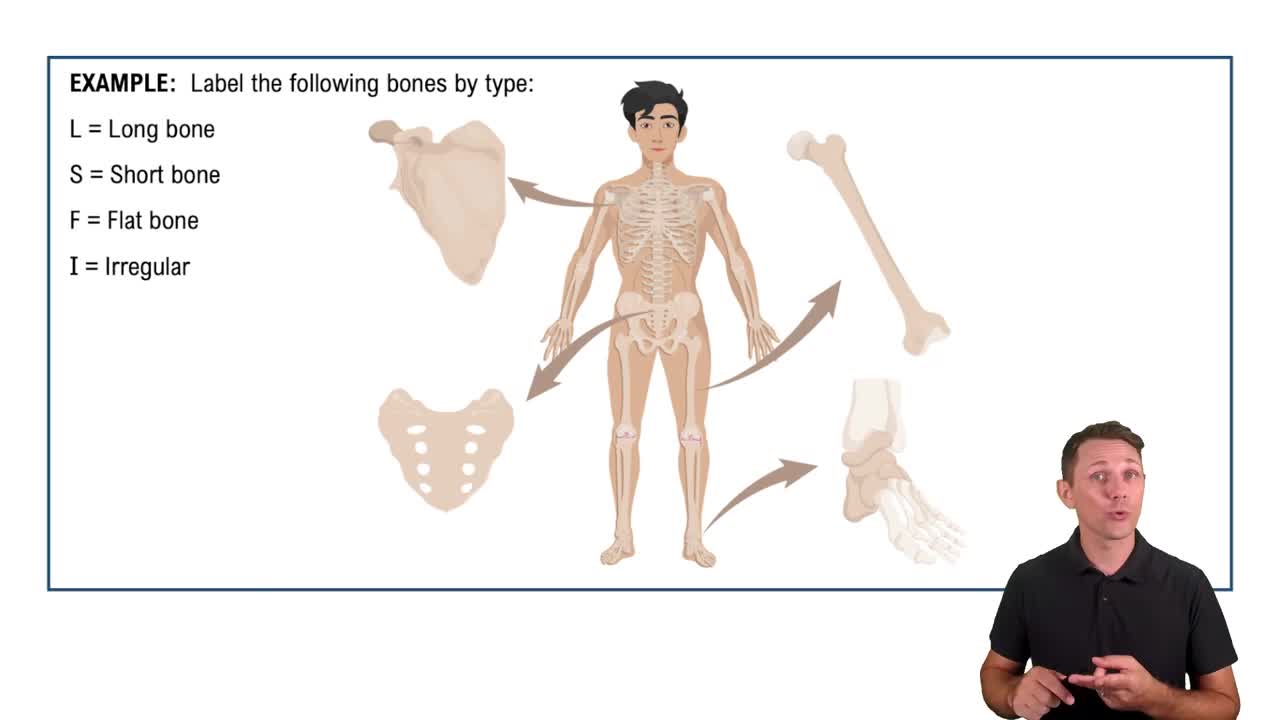
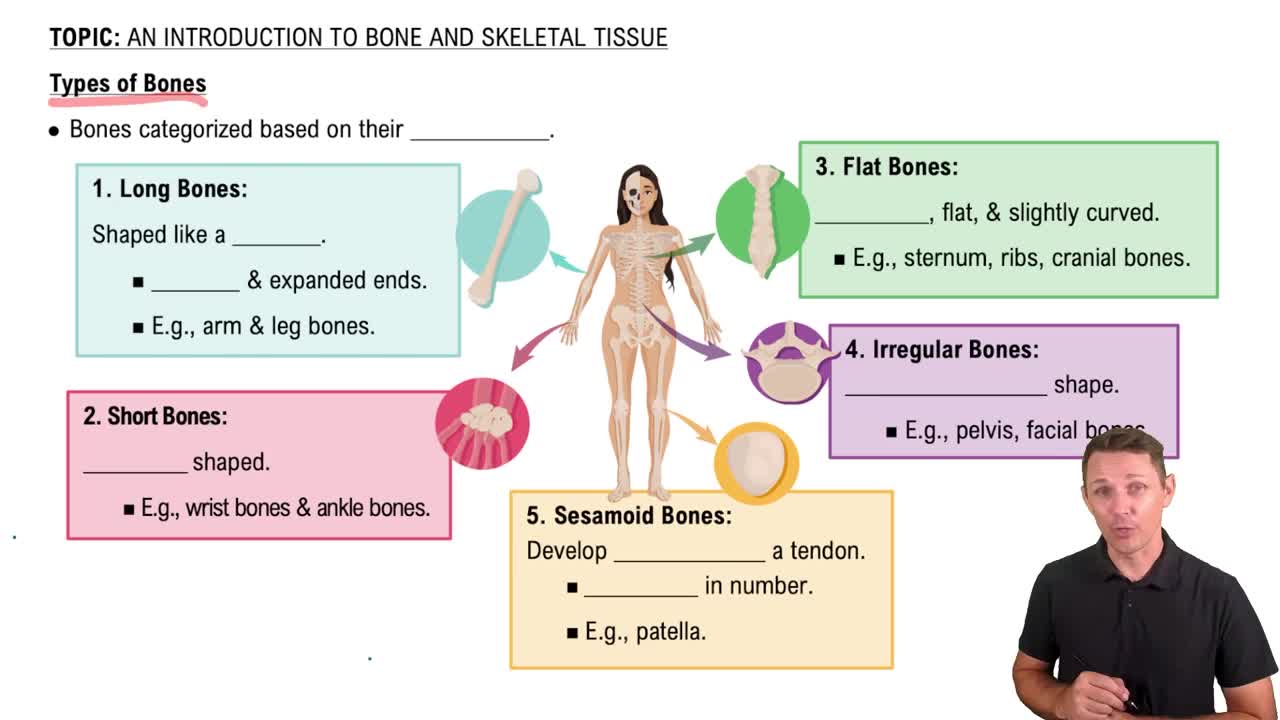
An Introduction to Bone and Skeletal Tissue
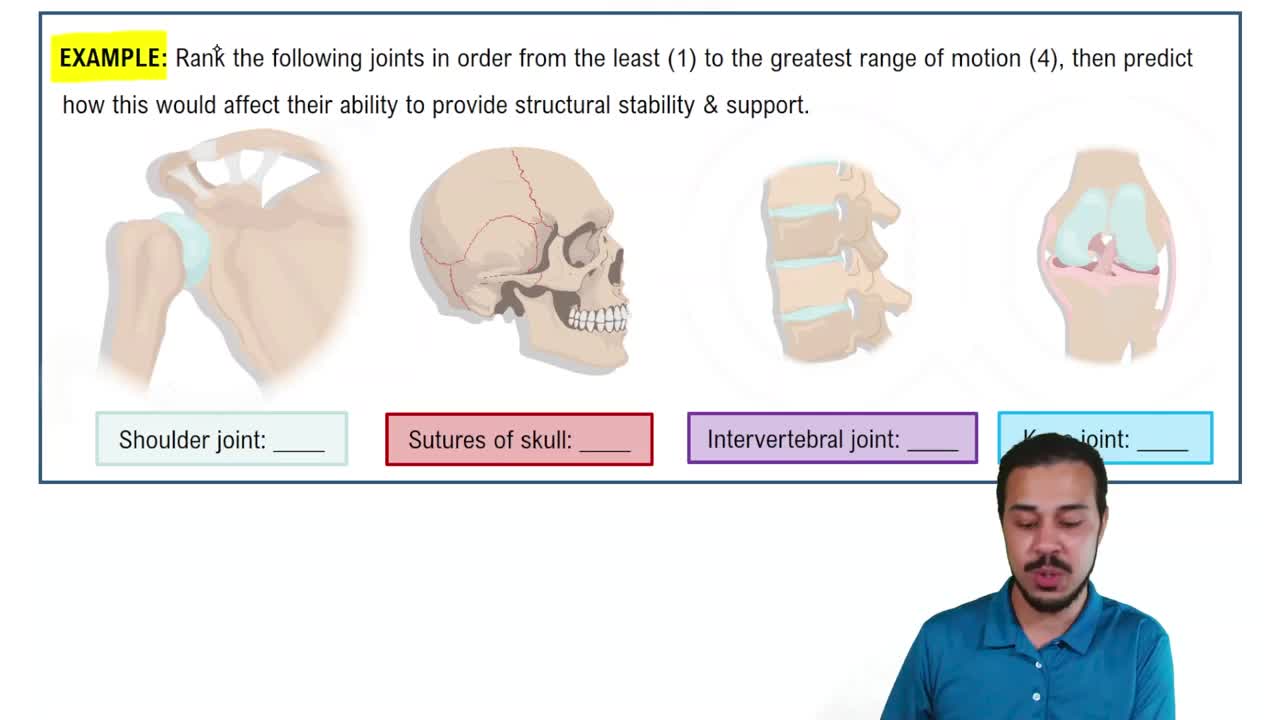
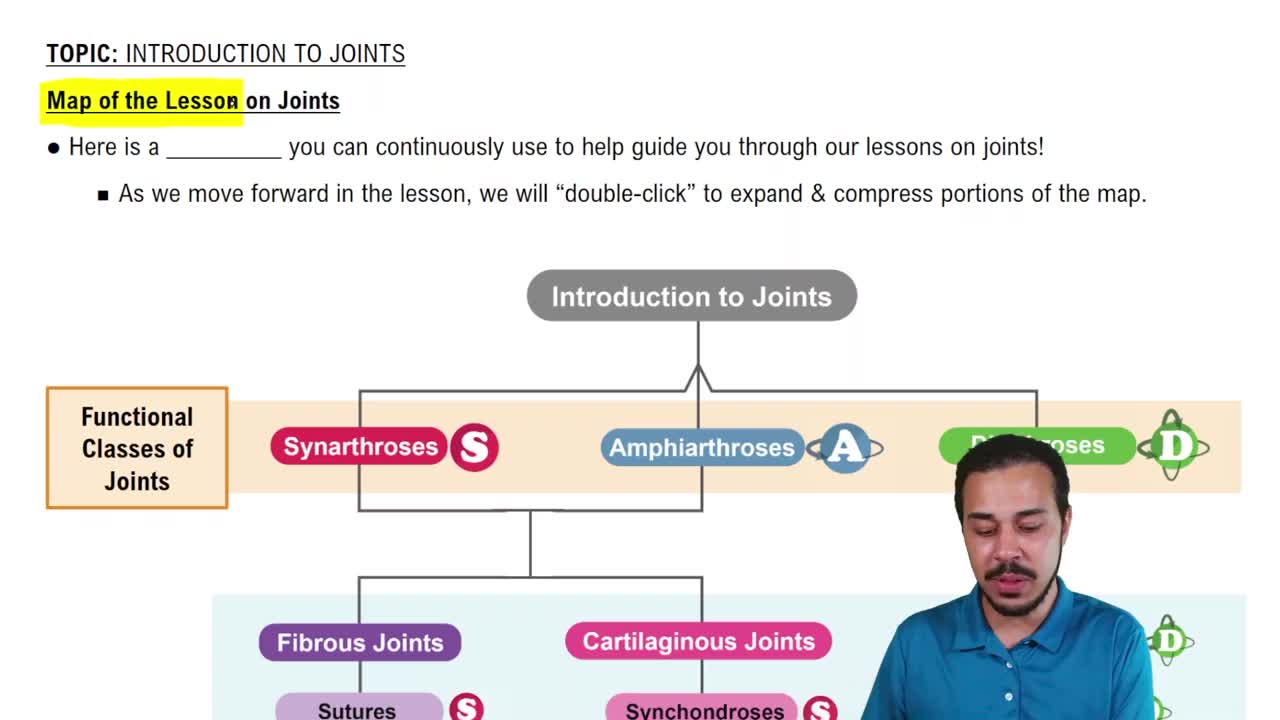
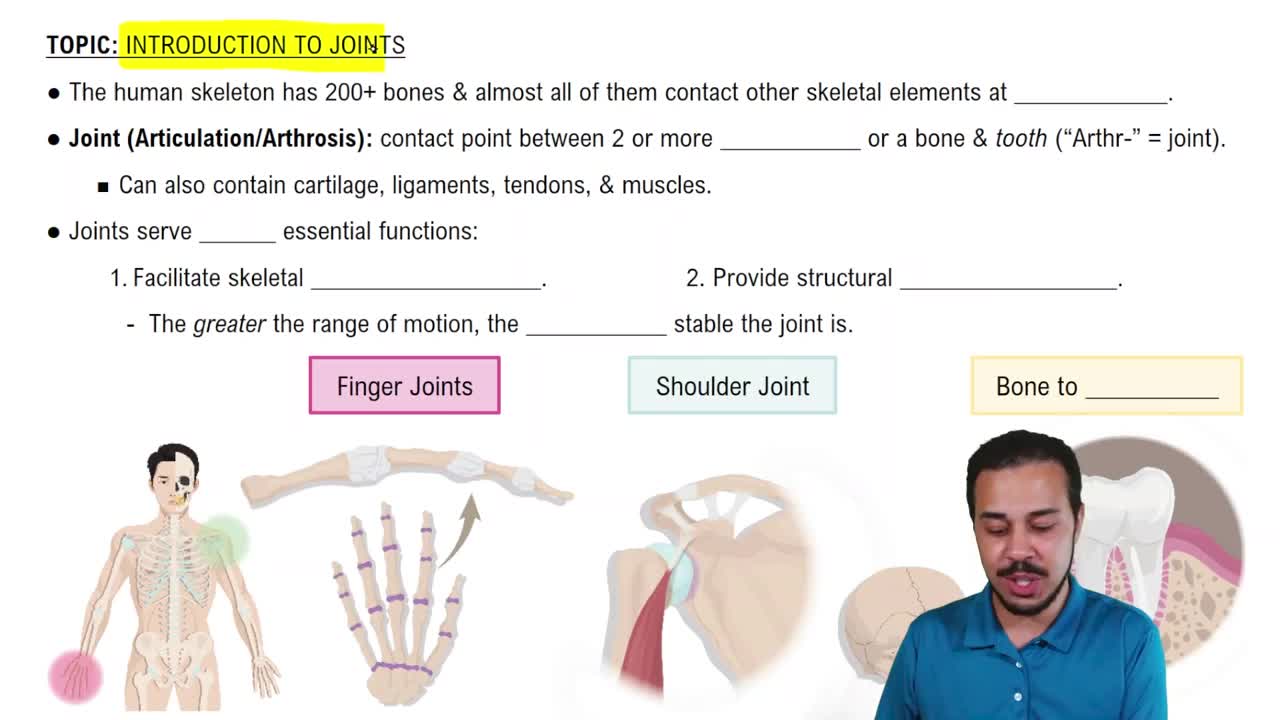
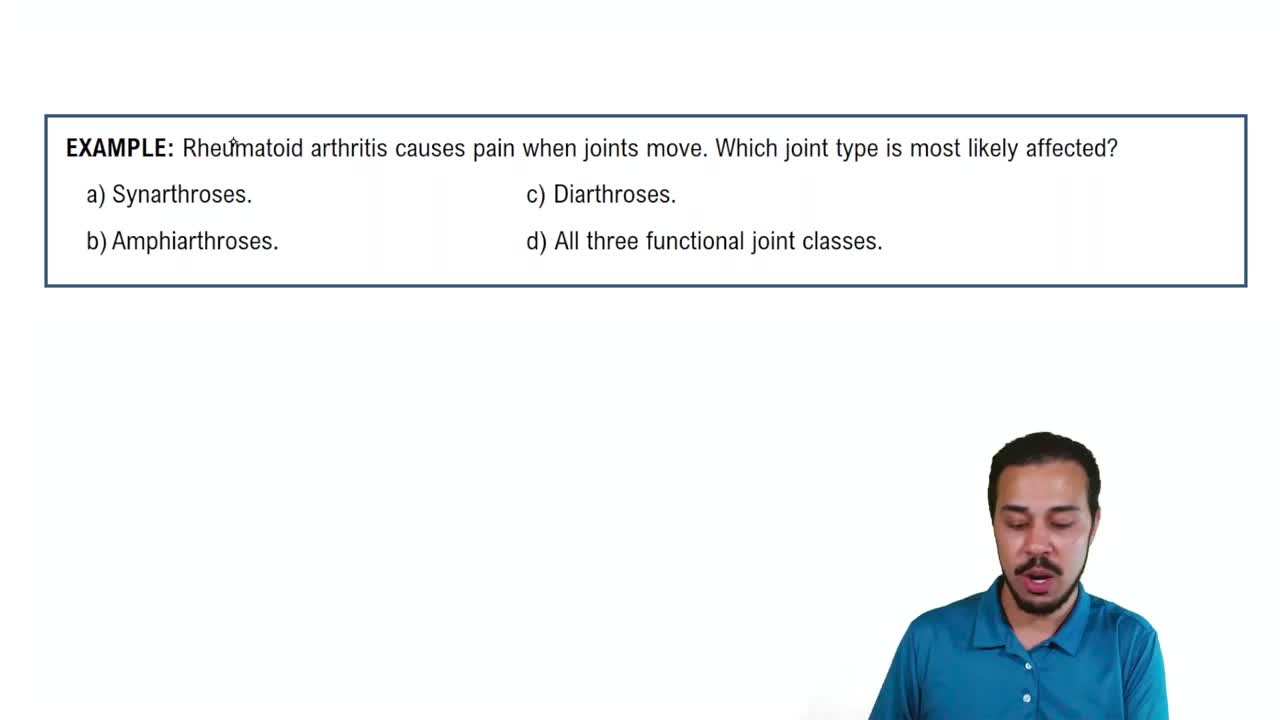
Introduction to Joints
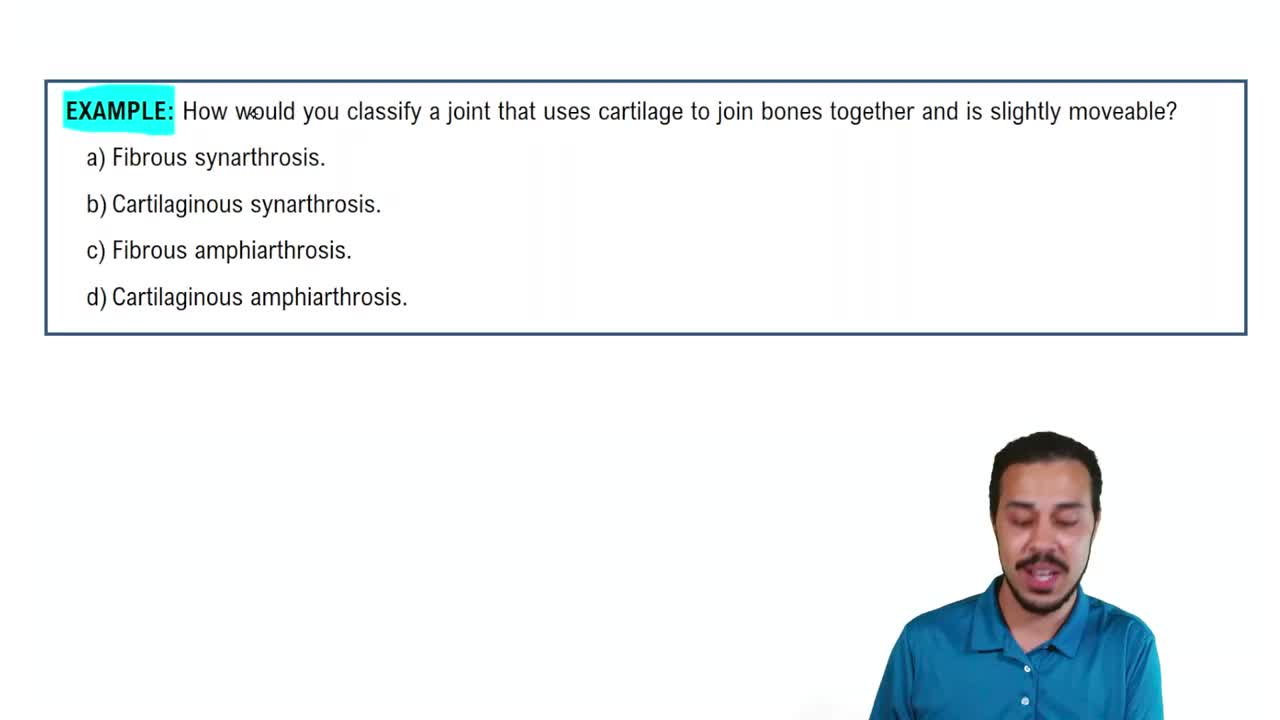
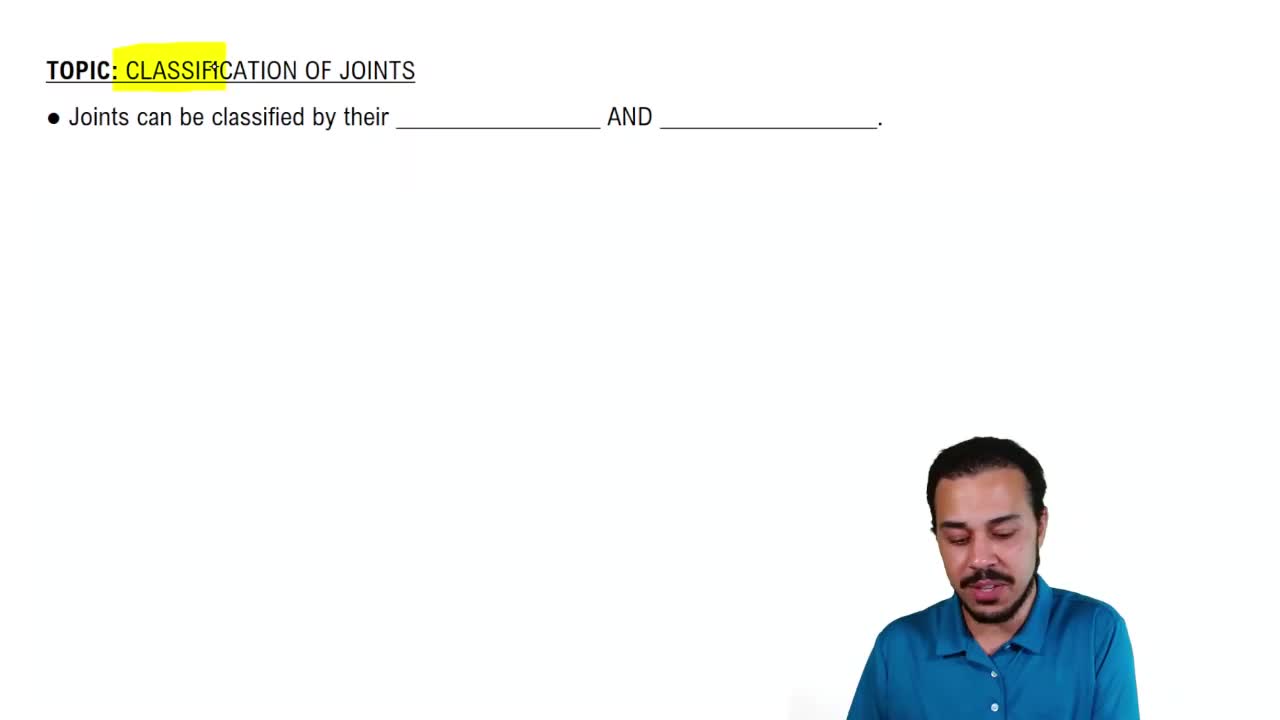
Classification of Joints
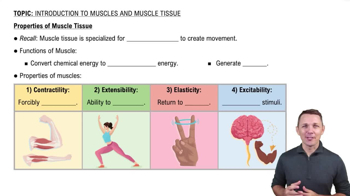
Introduction to Muscles and Muscle Tissue
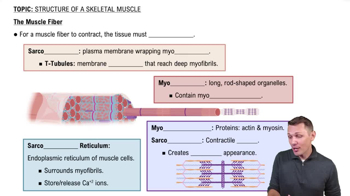
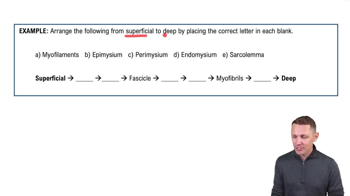
Structure of a Skeletal Muscle
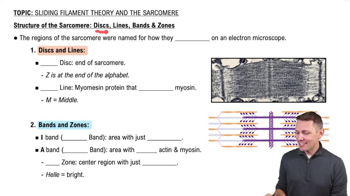
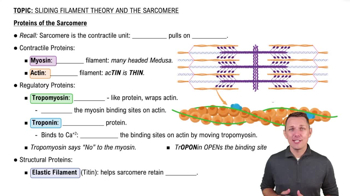
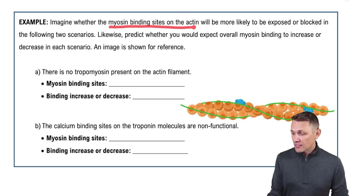
Sliding Filament Theory and the Sarcomere
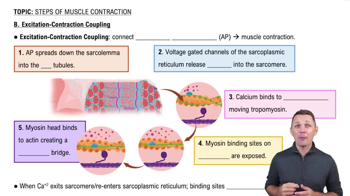
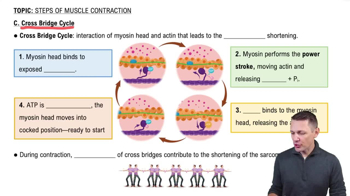
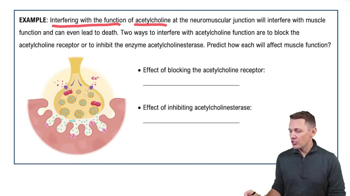
Steps of Muscle Contraction
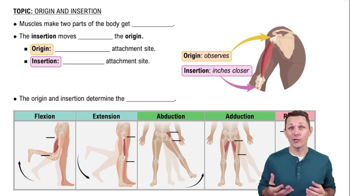
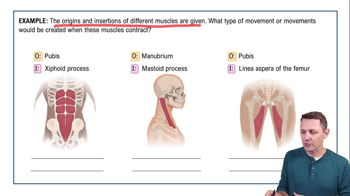
Origin and Insertion
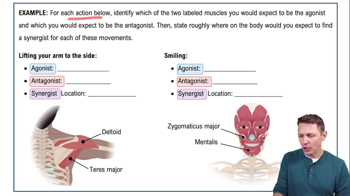
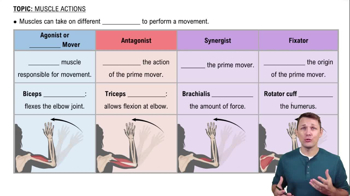
Muscle Actions
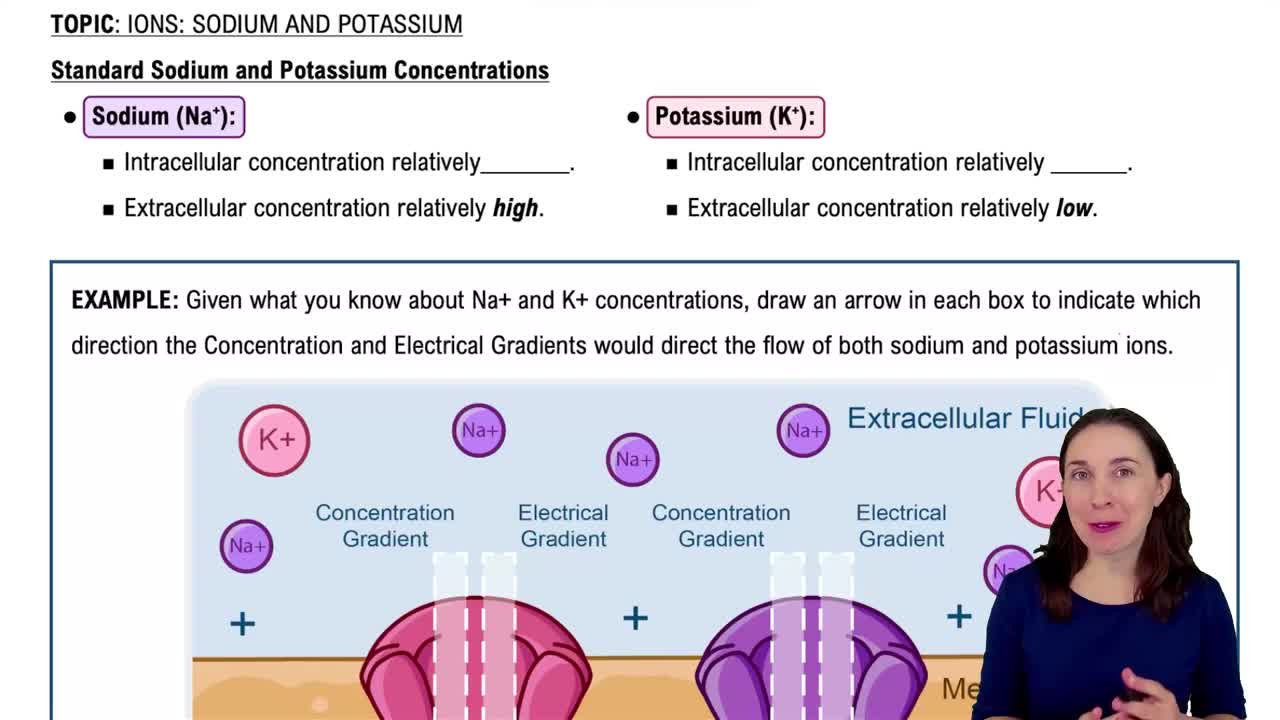
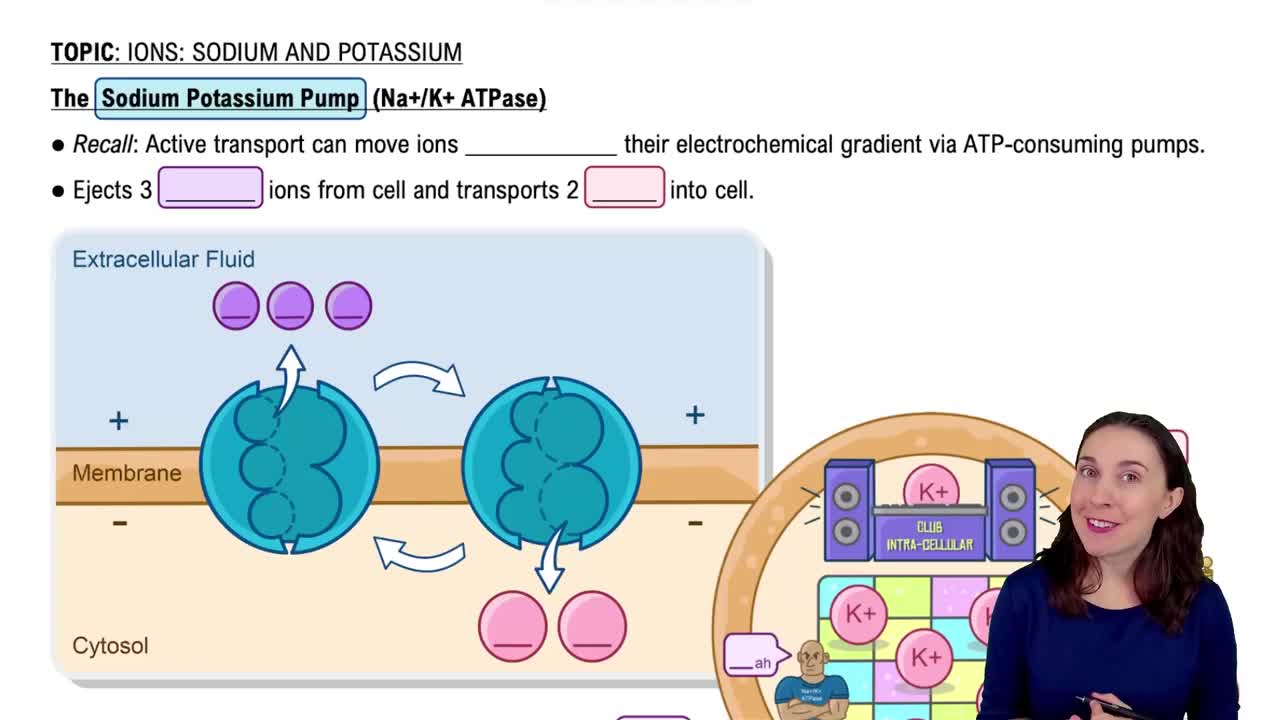
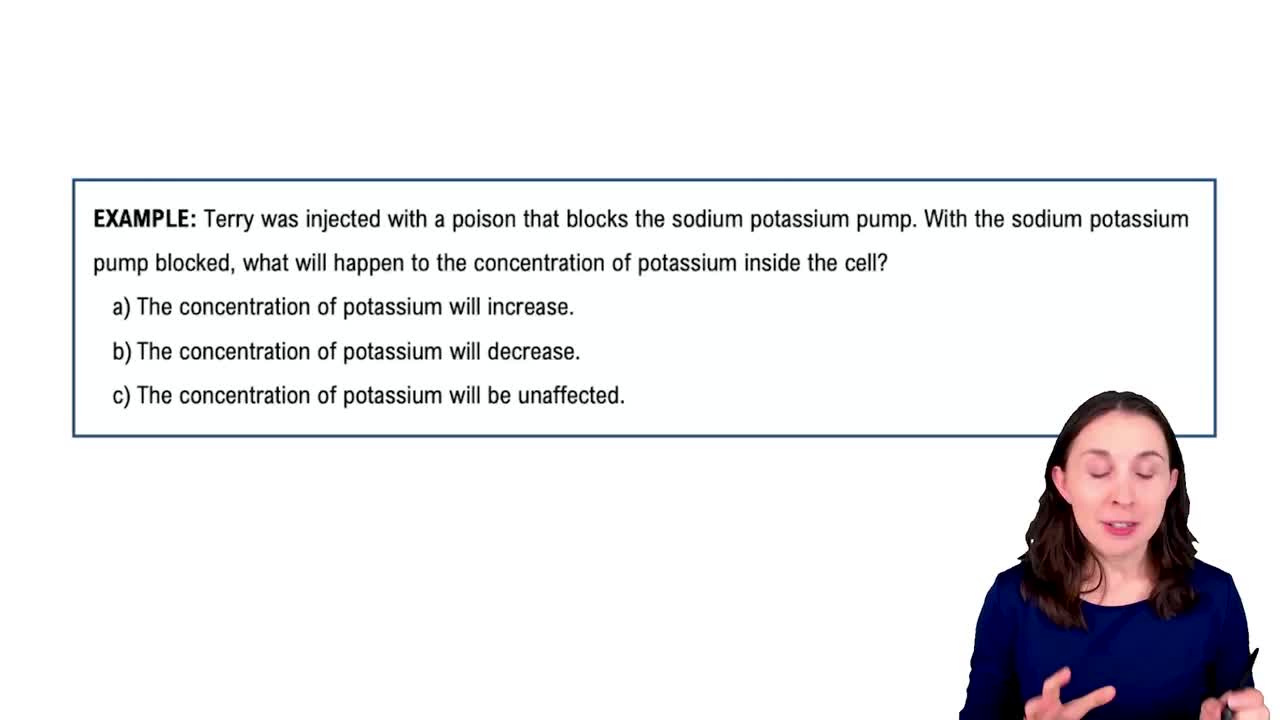
Ions - Sodium and Potassium
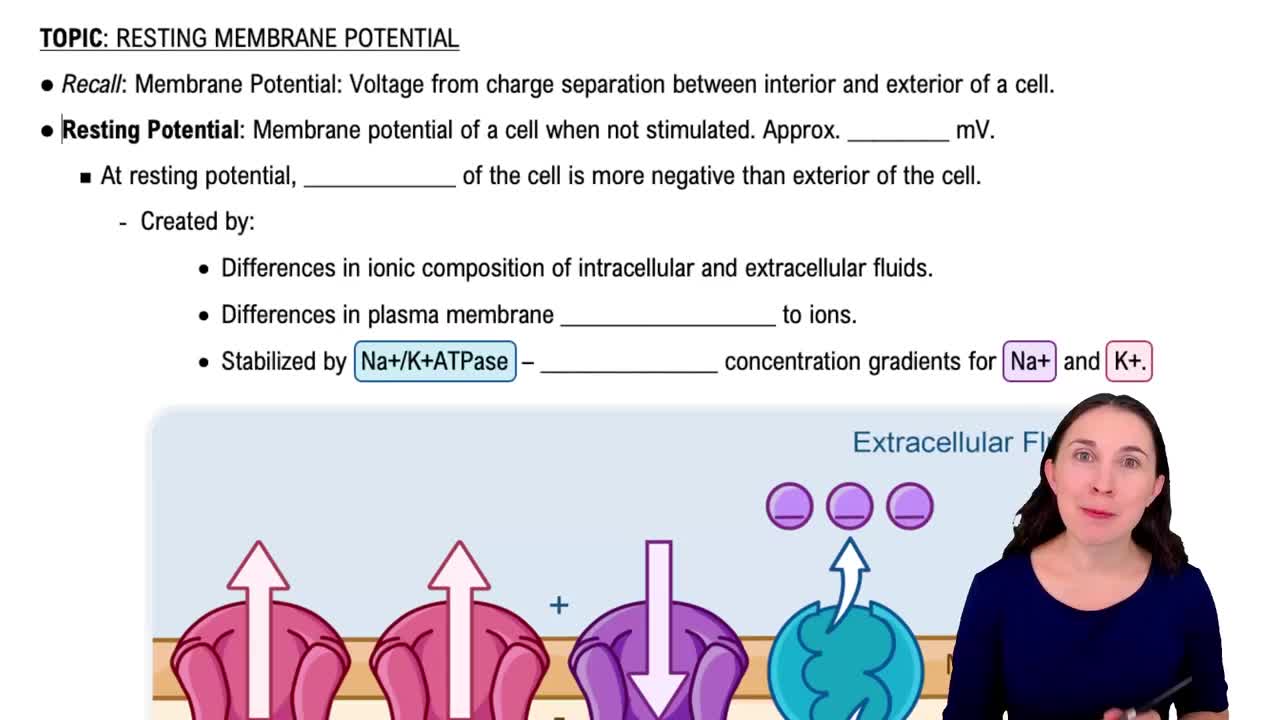
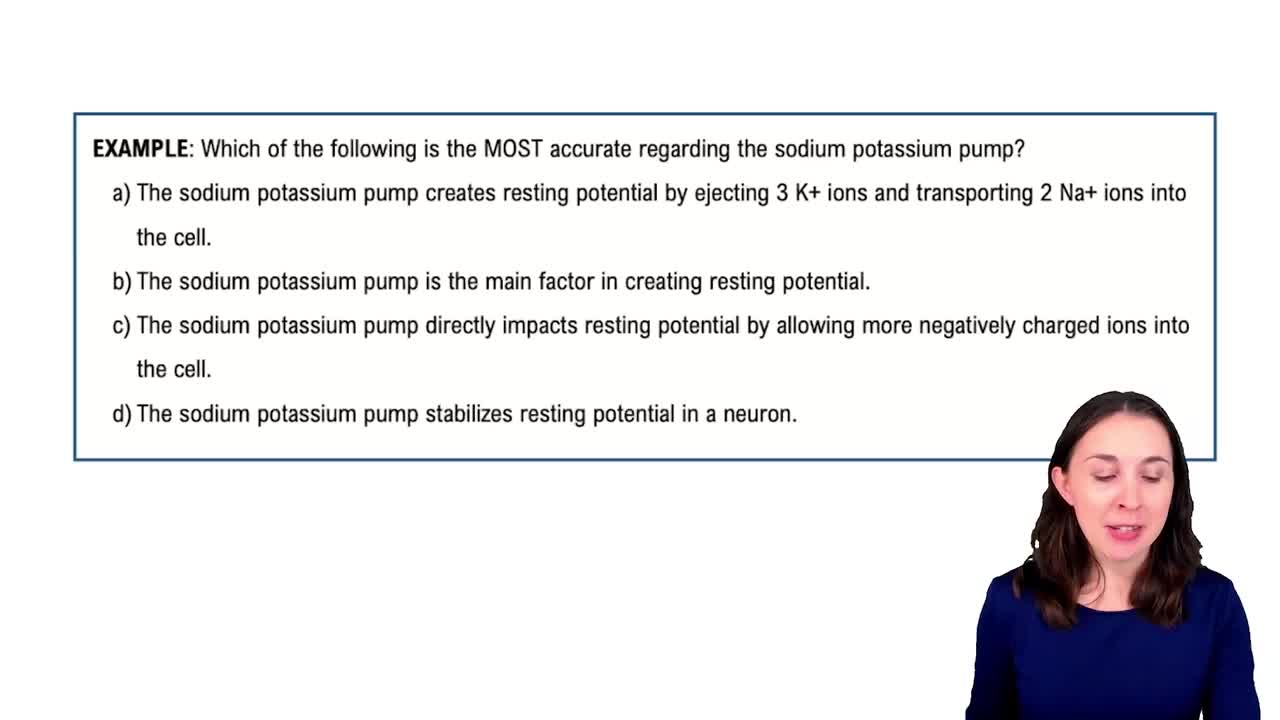
Resting Membrane Potential
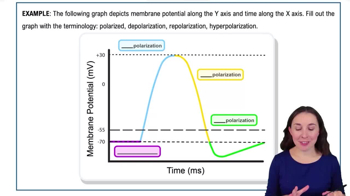
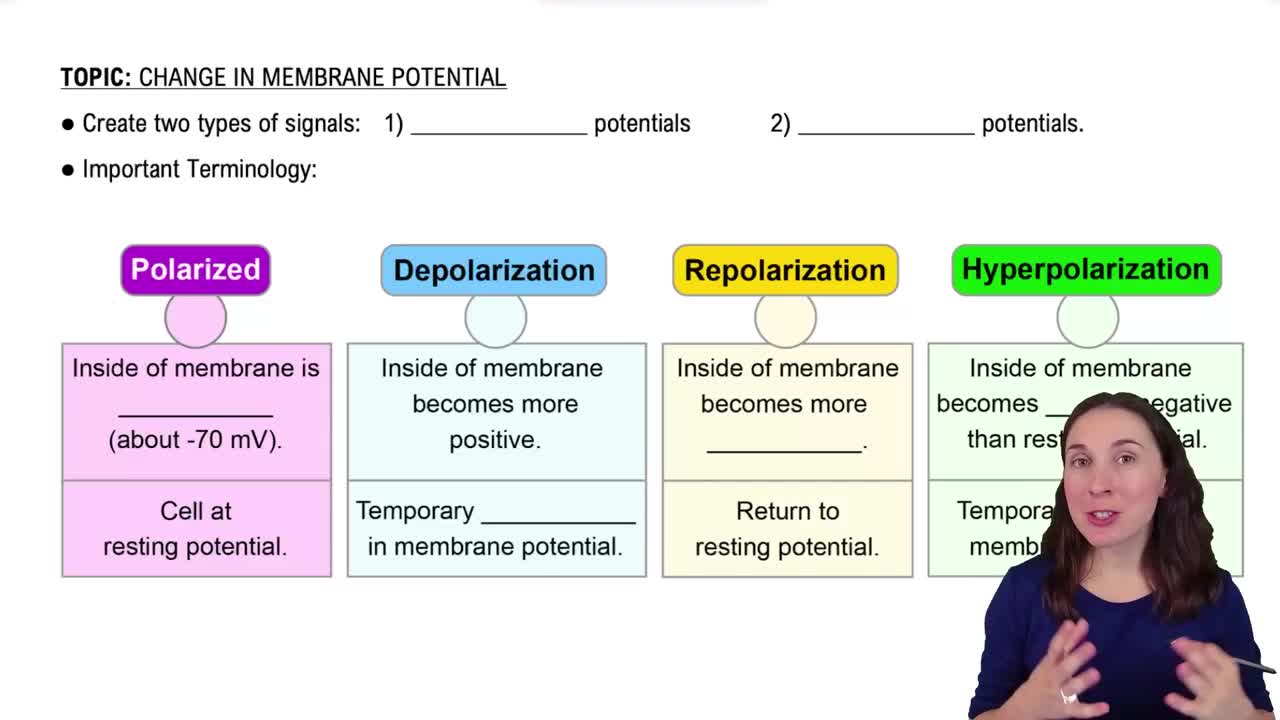
Change in Membrane Potential
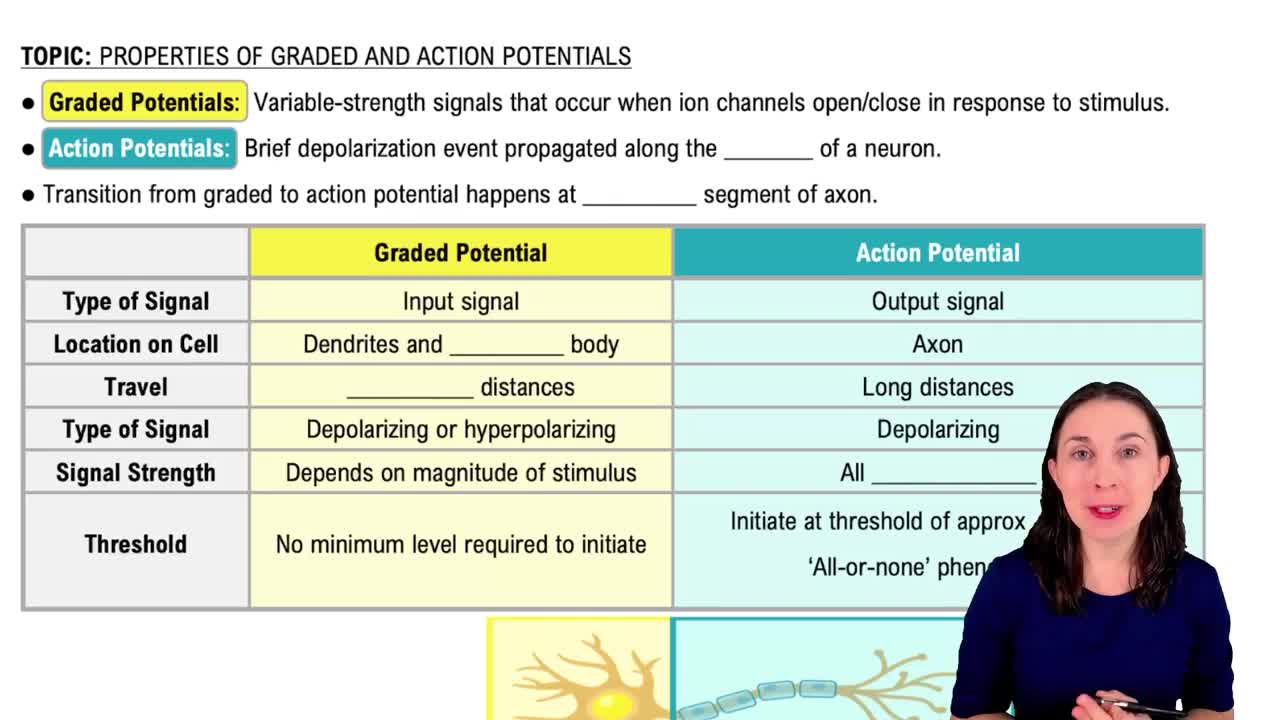
Properties of Graded and Action Potentials
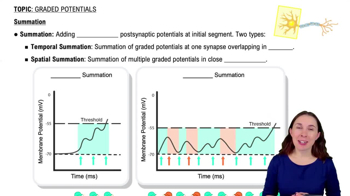
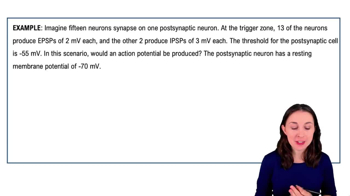
Graded Potentials
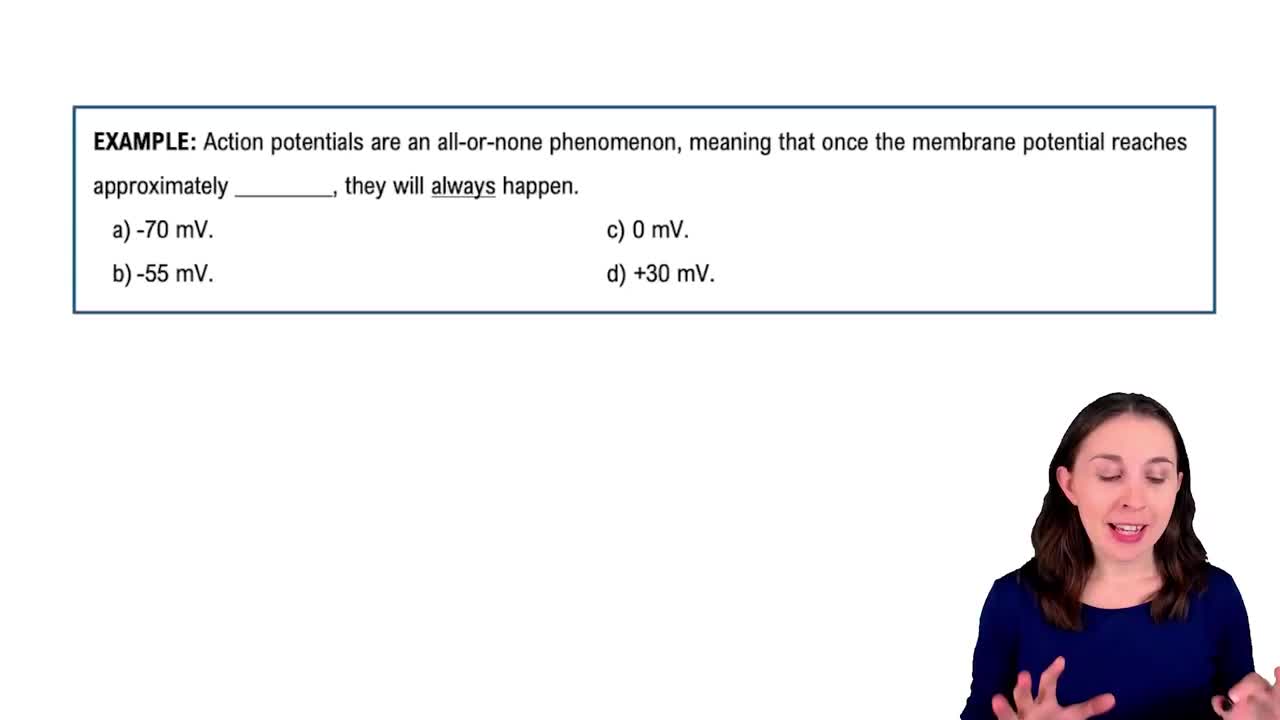
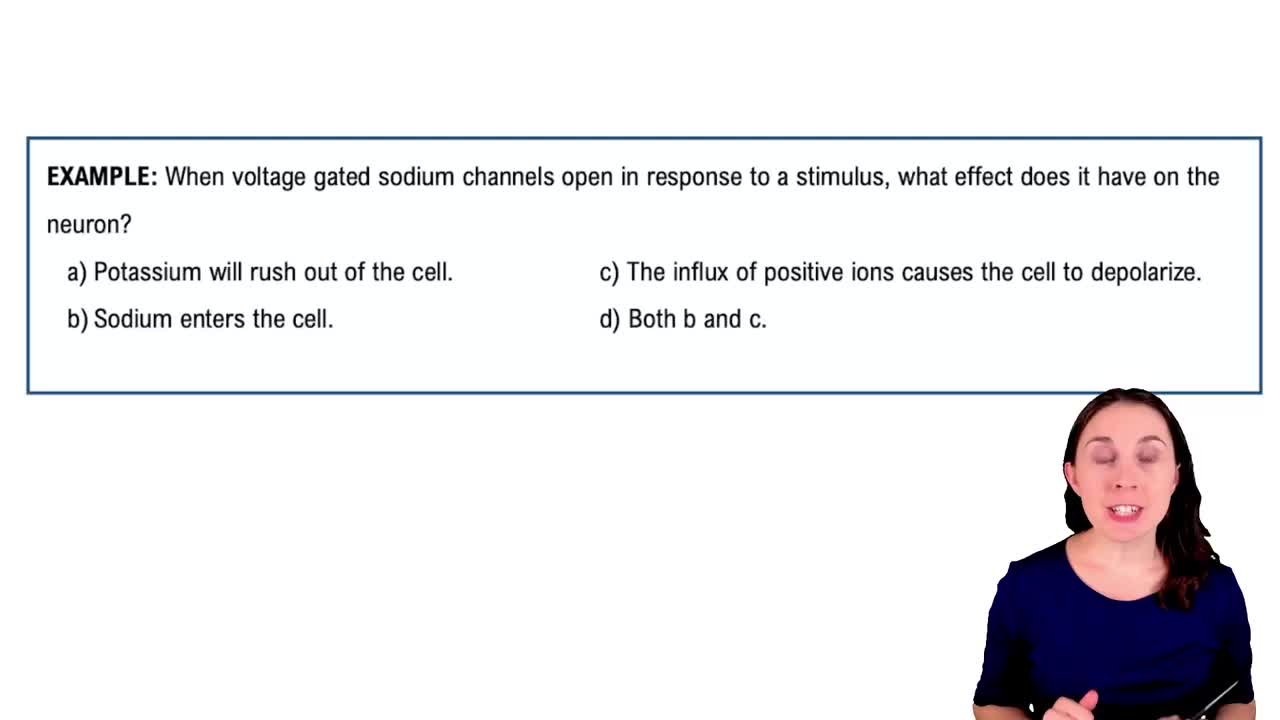
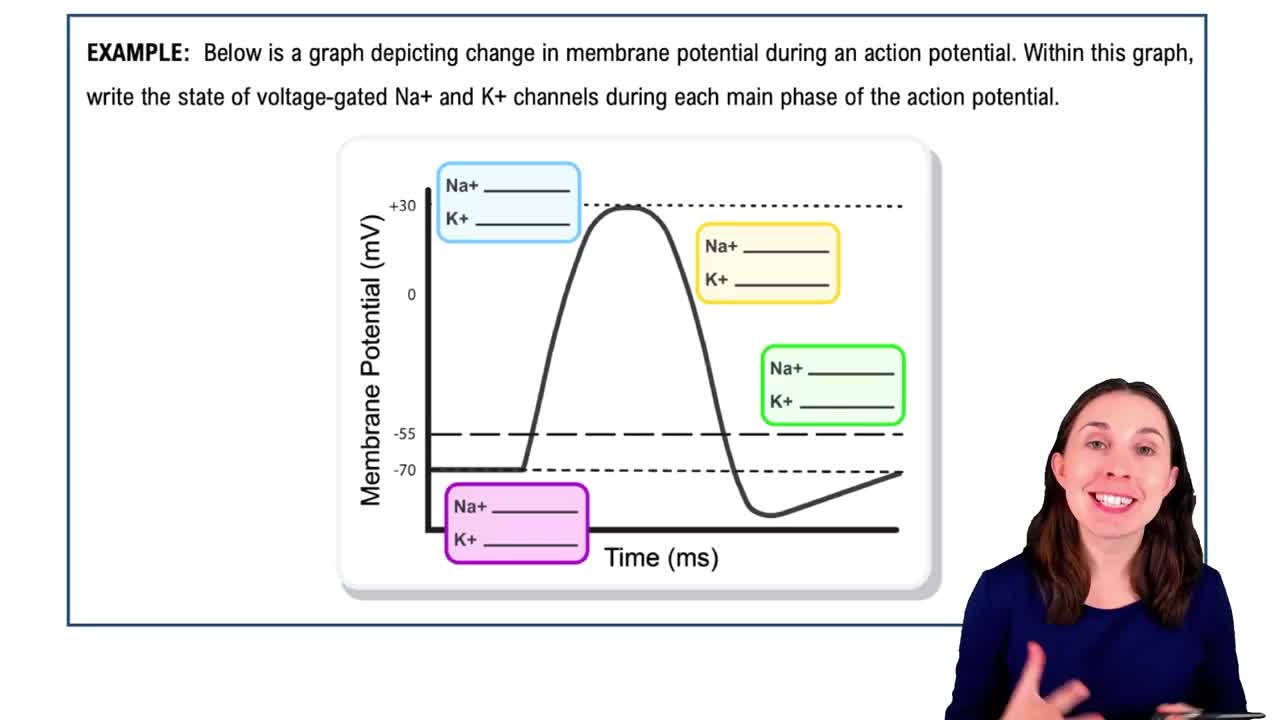
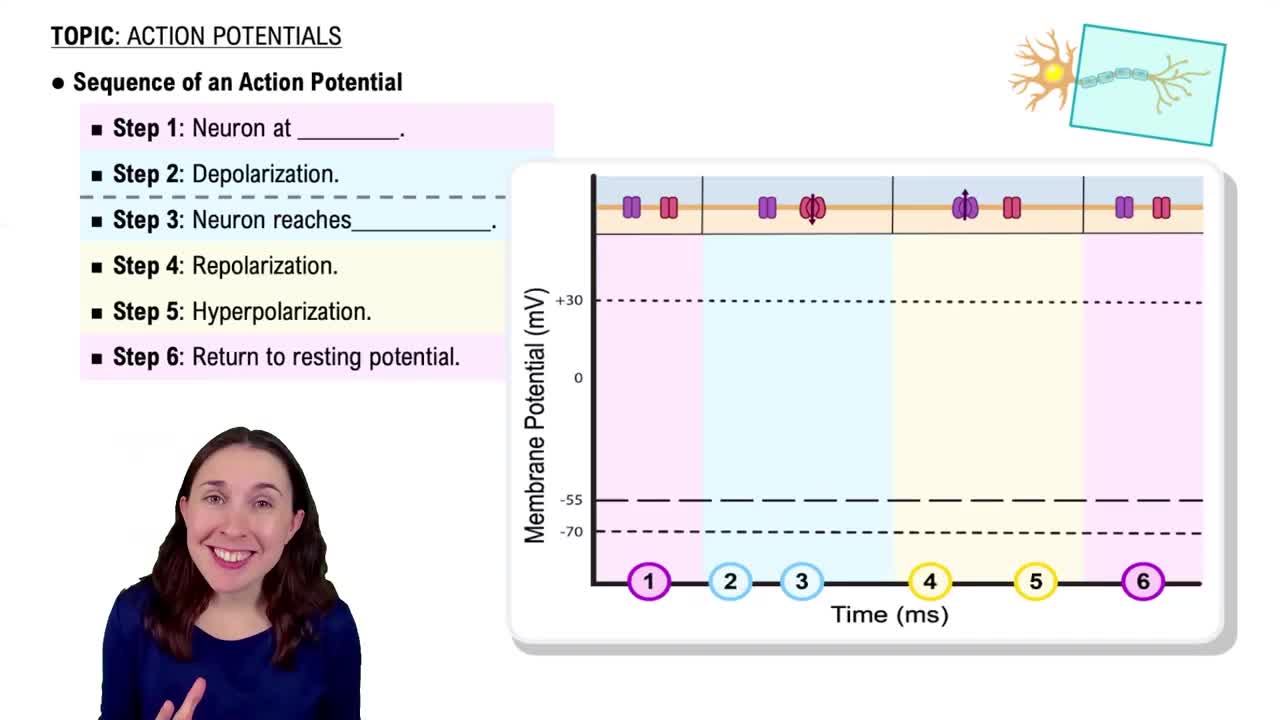
Action Potentials
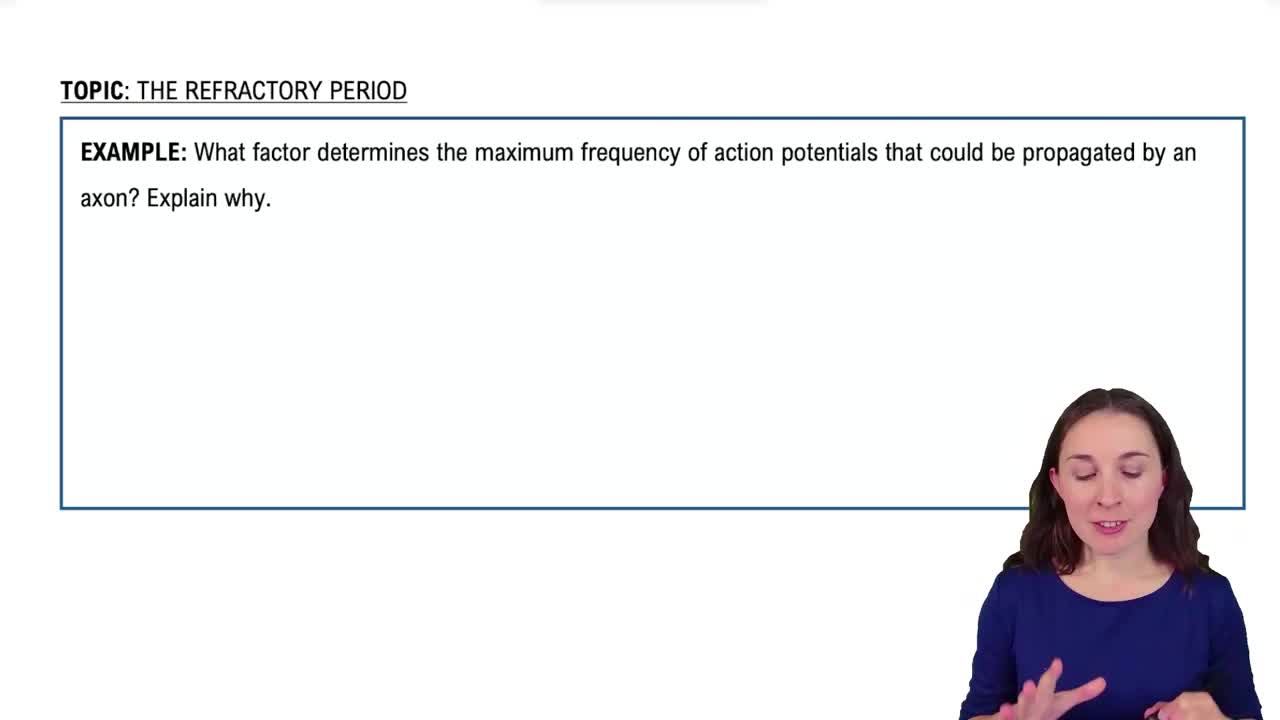
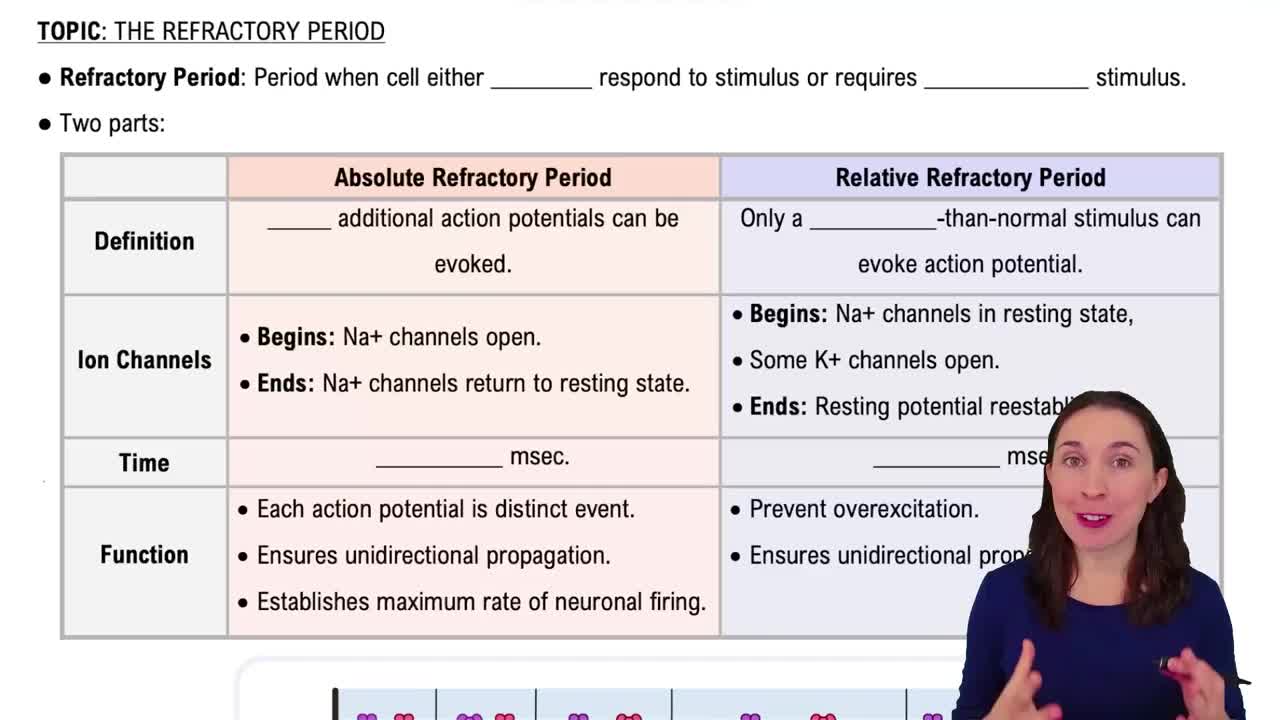
The Refractory Period
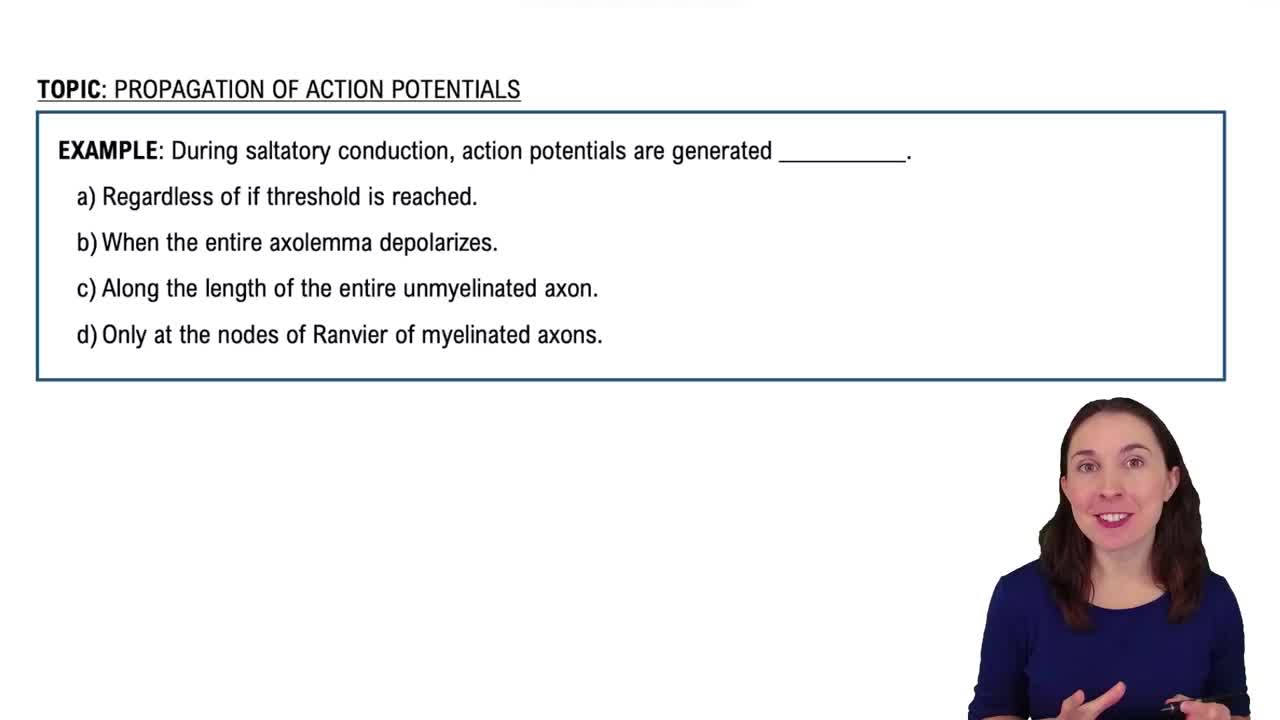
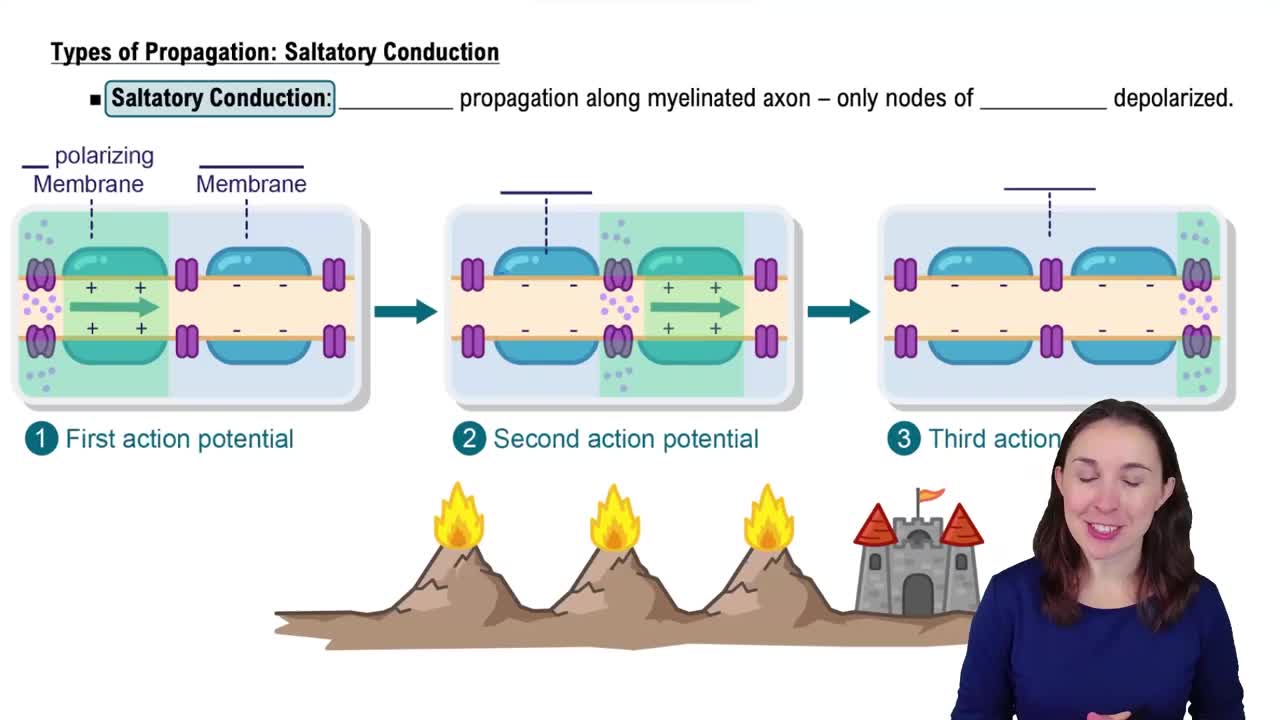
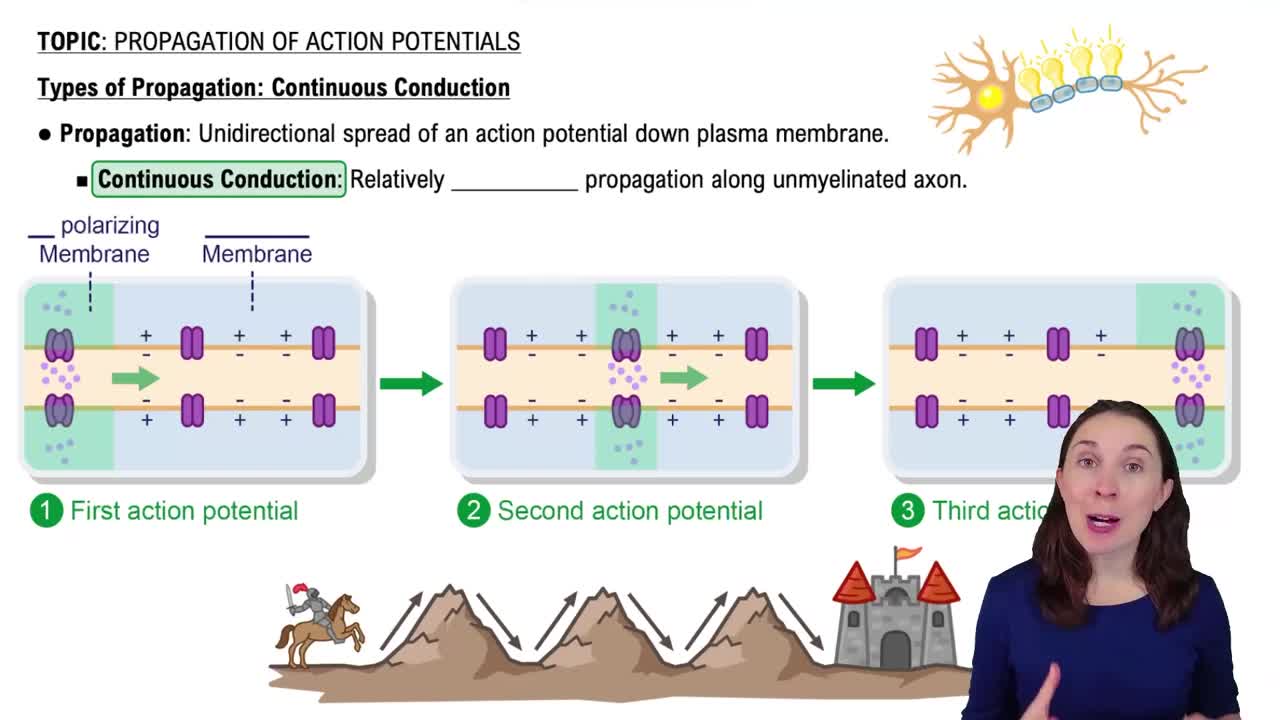
Propagation of Action Potentials
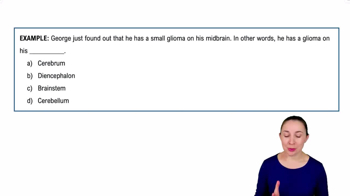
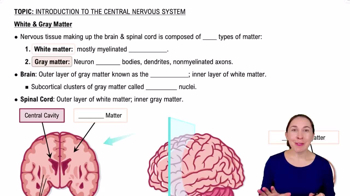
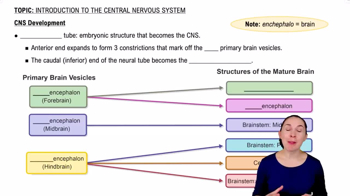
Introduction to the Central Nervous System
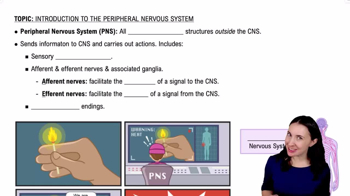
Introduction to the Peripheral Nervous System
 뒤로
 업로드한 자료에 맞춘 엄선된 수업 – 모든 주제를 단계별로 배워보세요.
 3:06