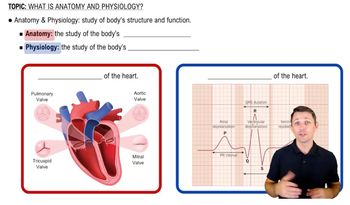
What is Anatomy & Physiology?
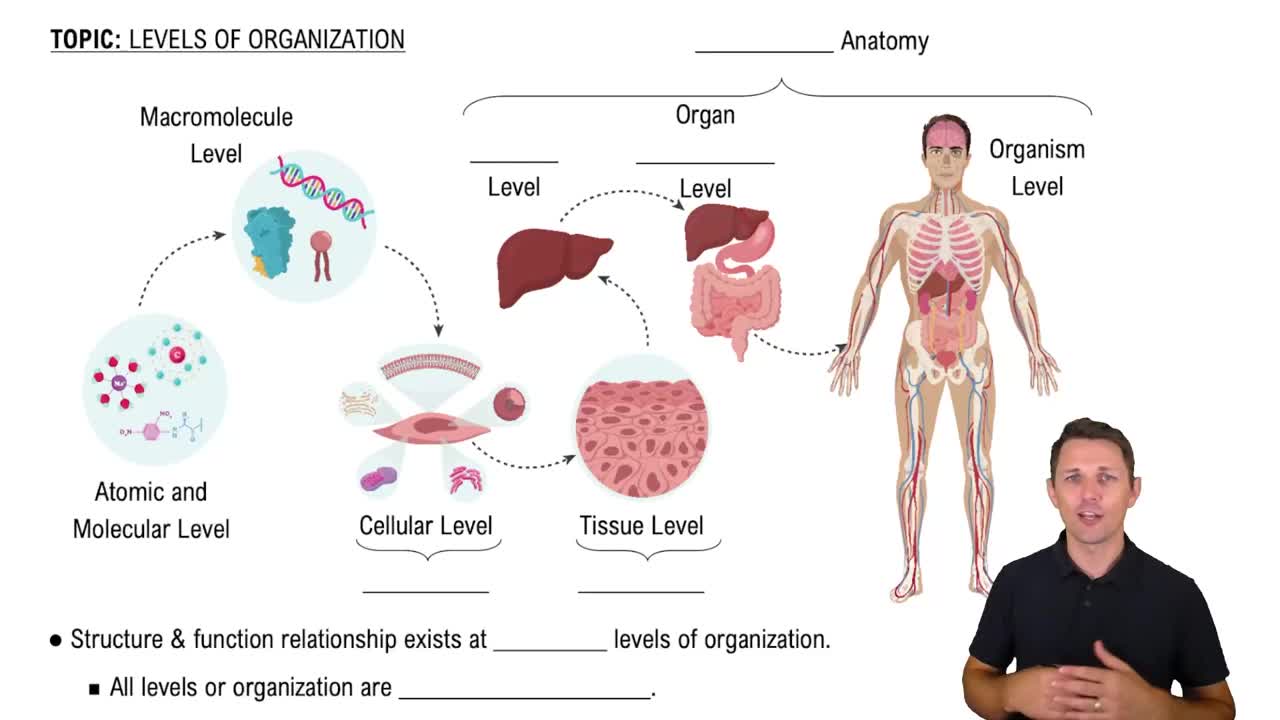
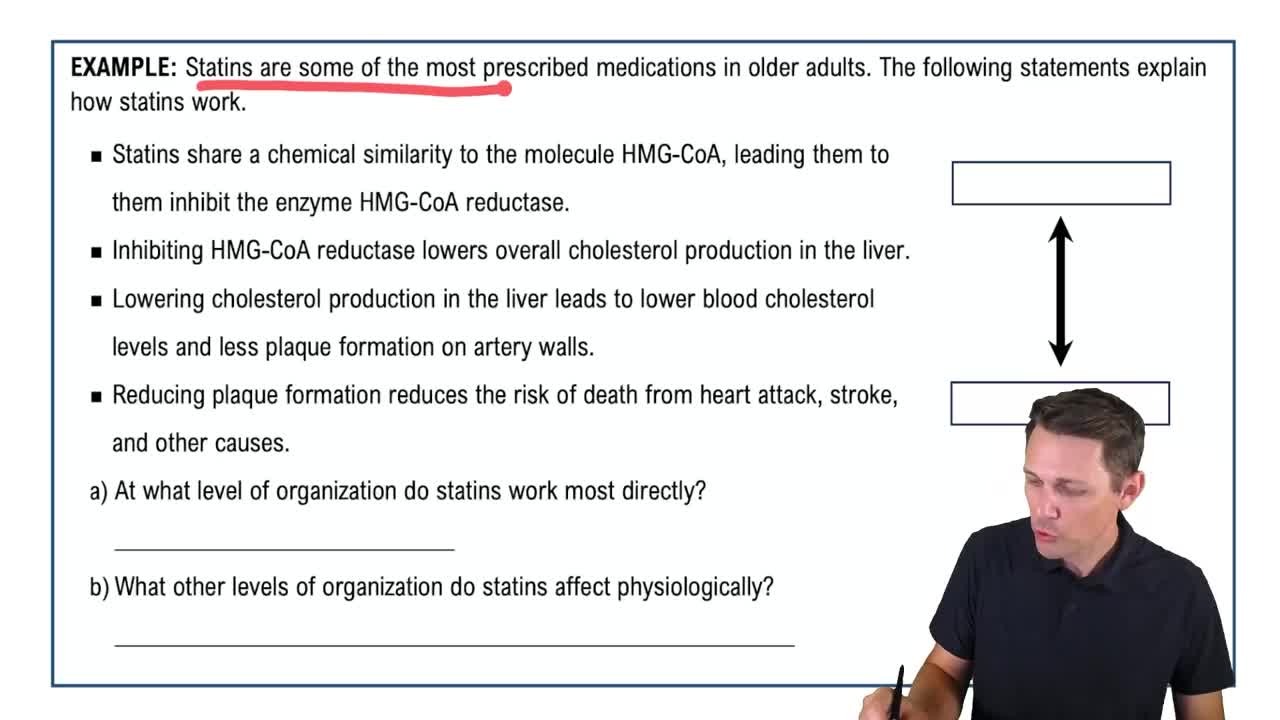
Levels of Organization
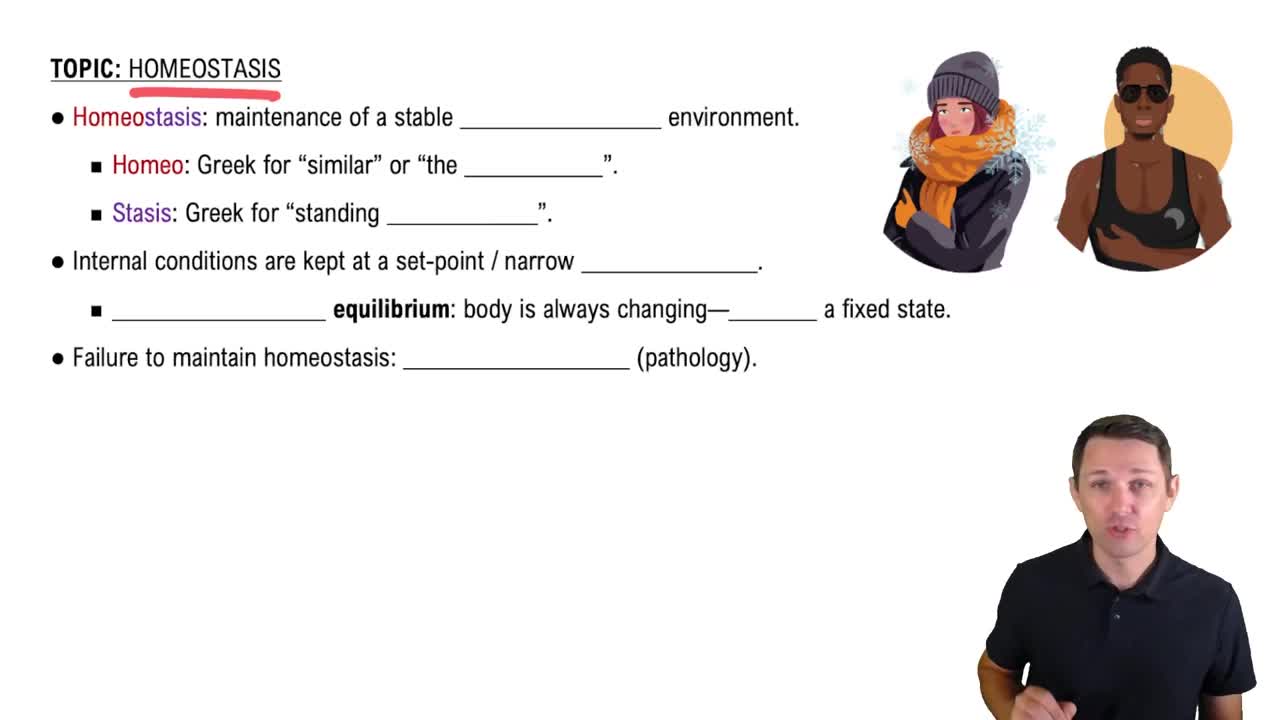
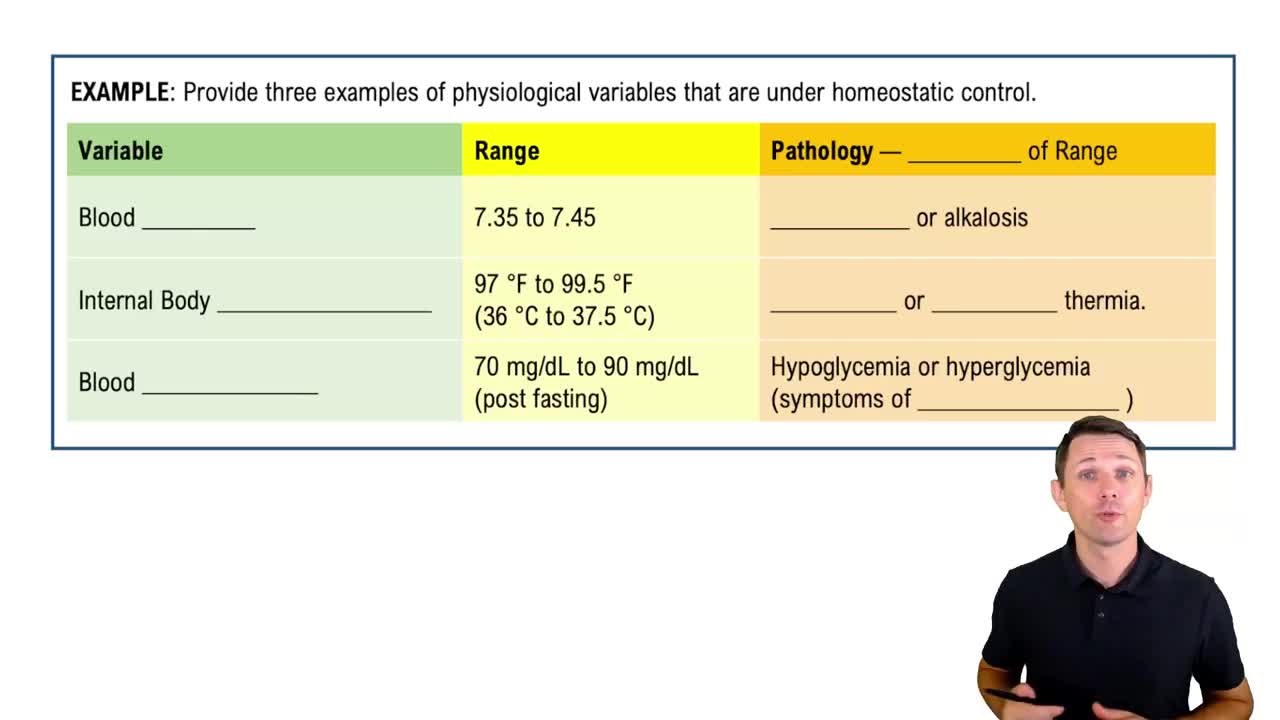
Homeostasis
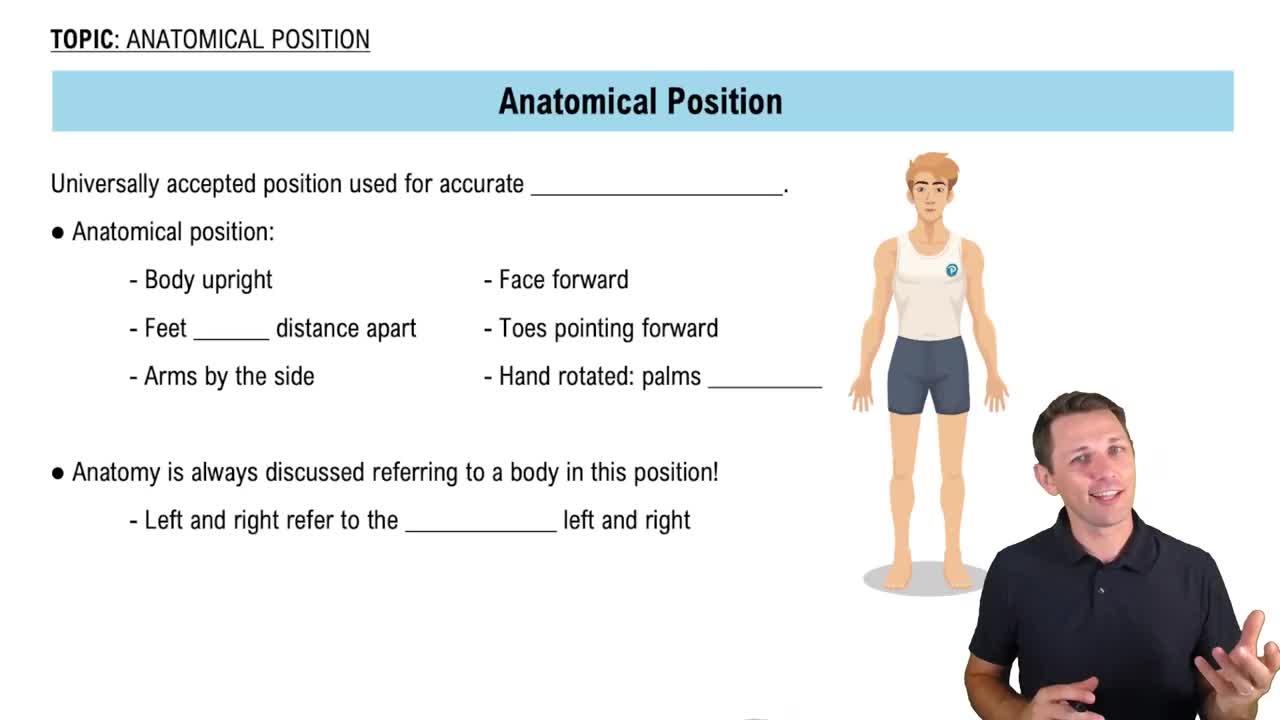
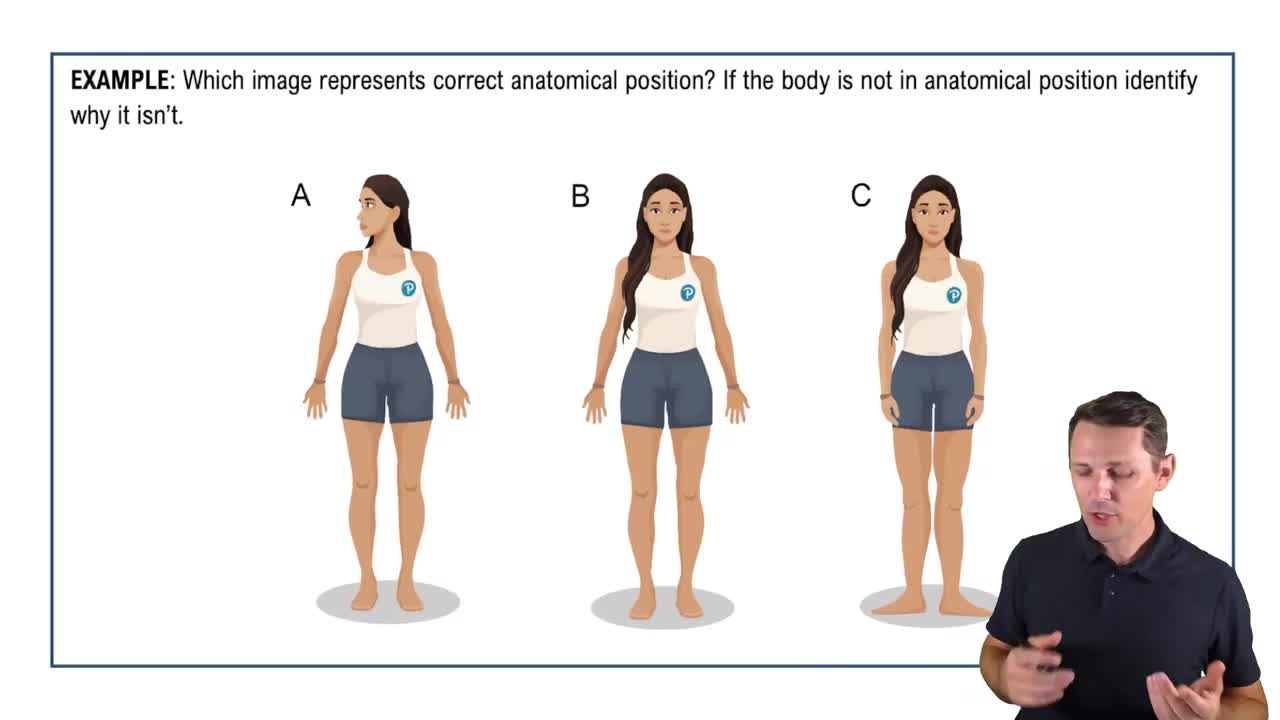
Anatomical Position
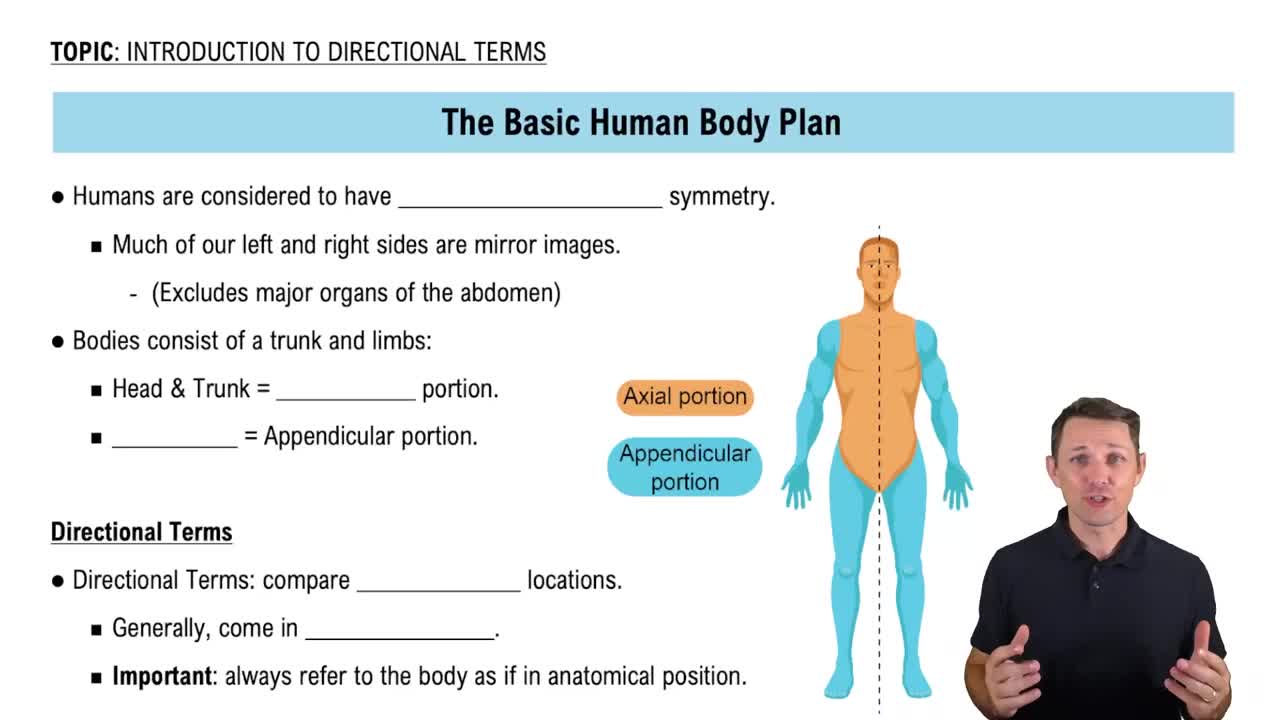
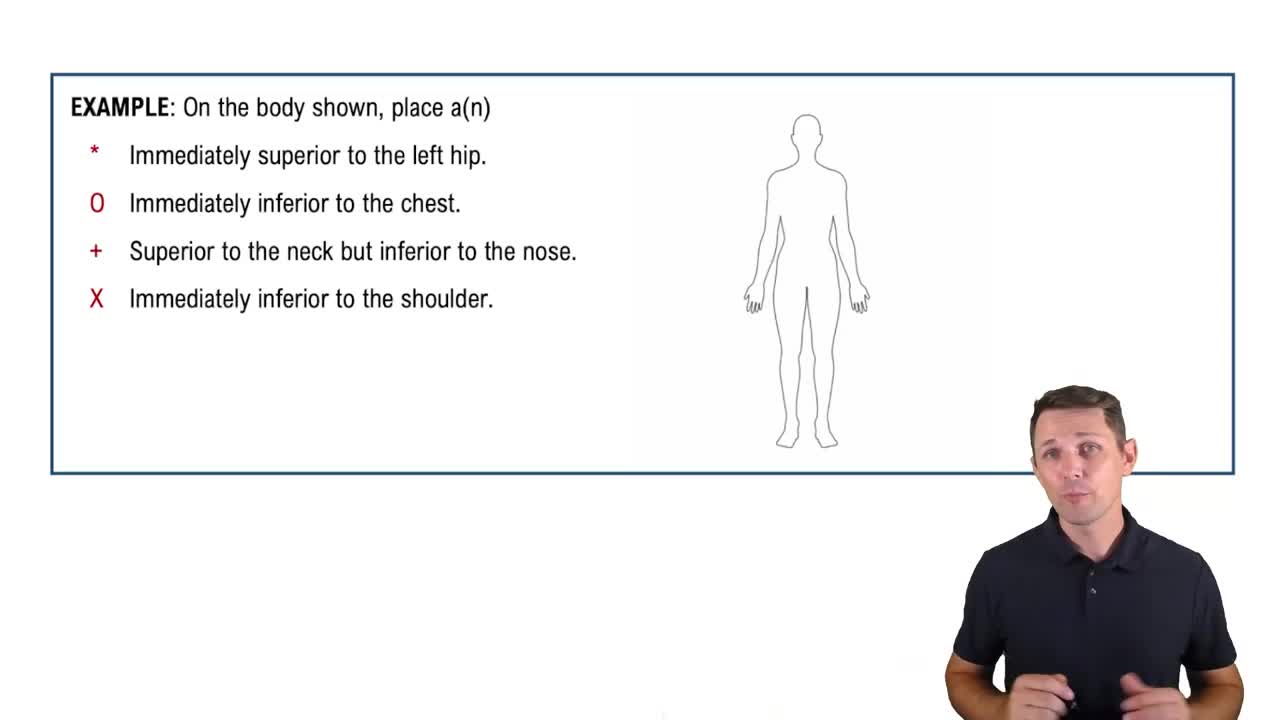
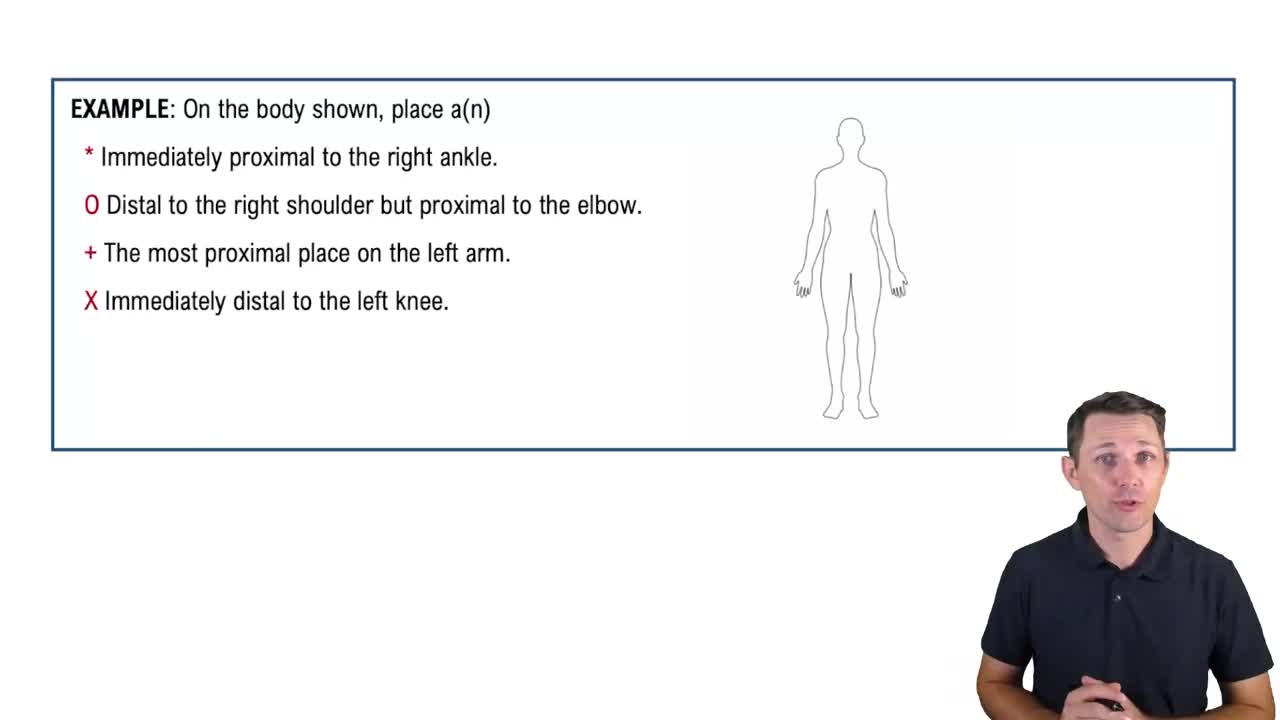
Introduction to Directional Terms
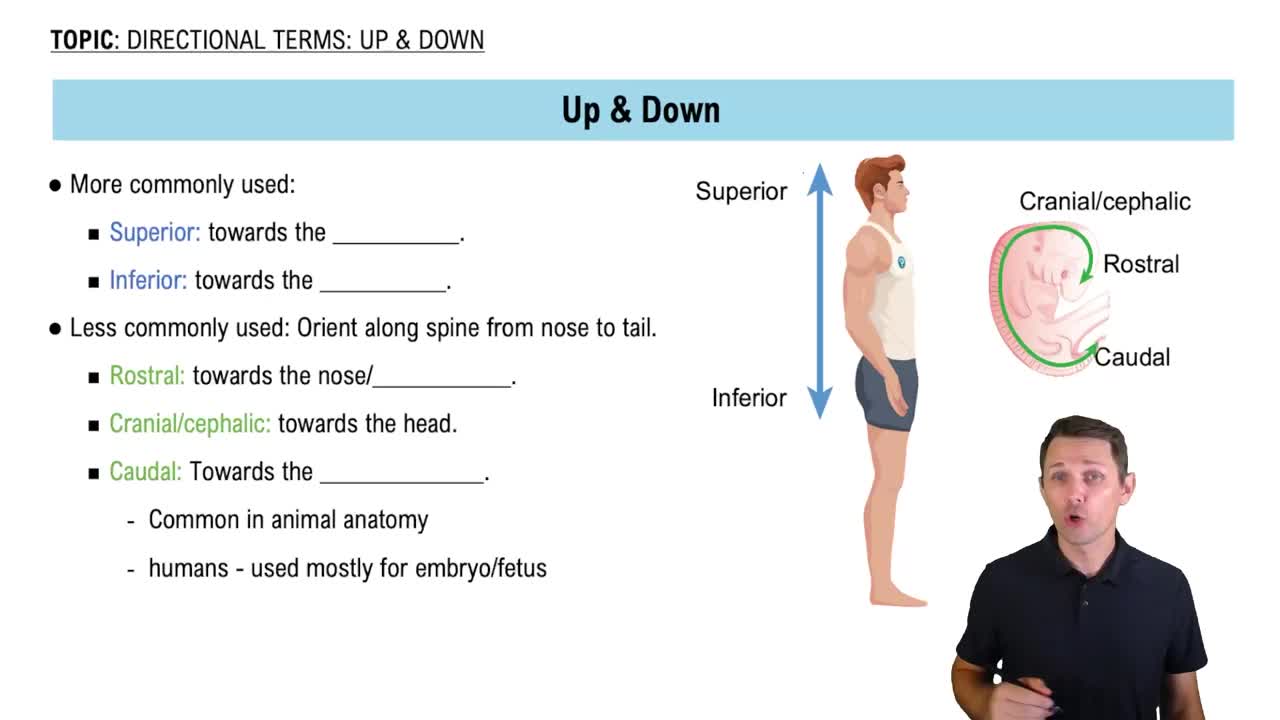
Directional Terms: Up and Down
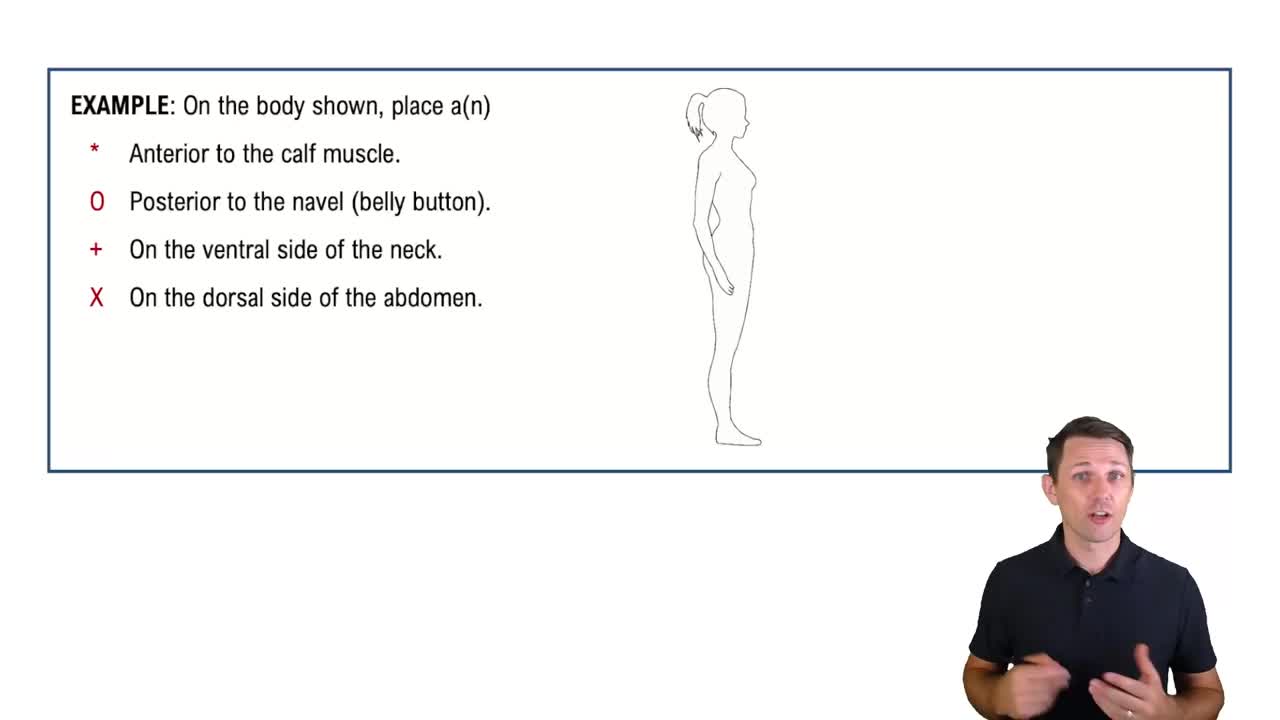
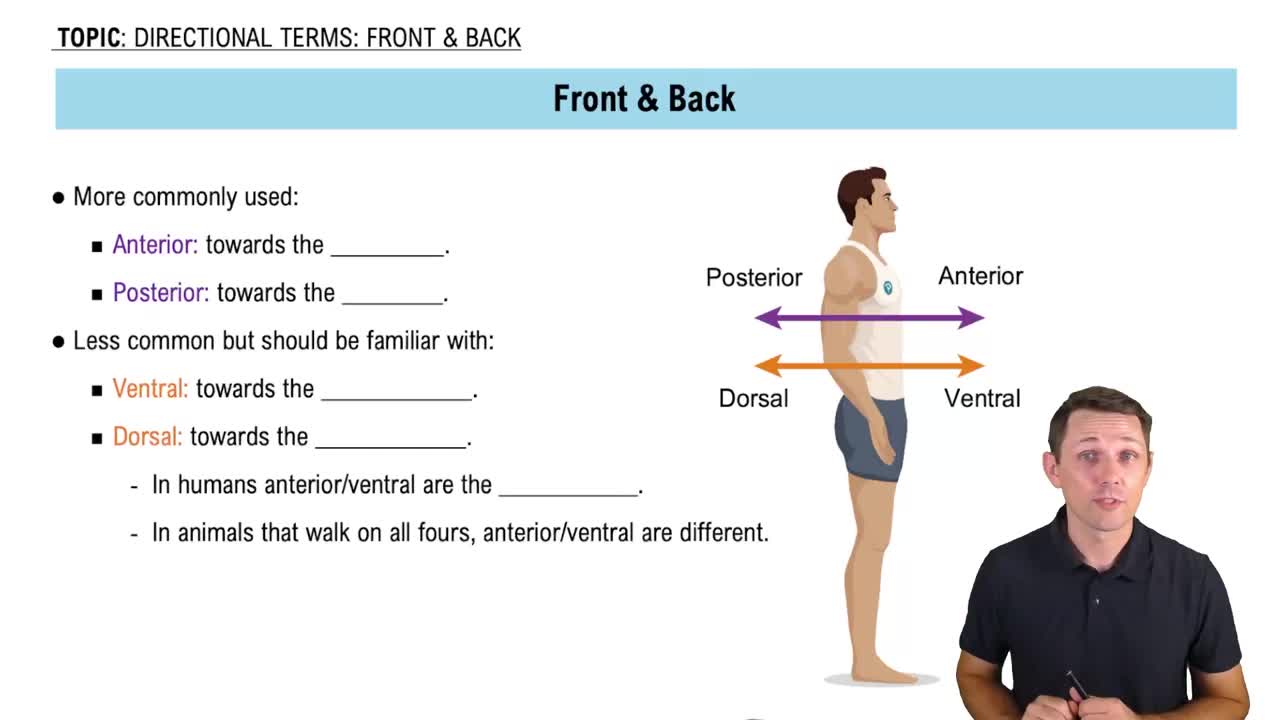
Directional Terms: Front and Back
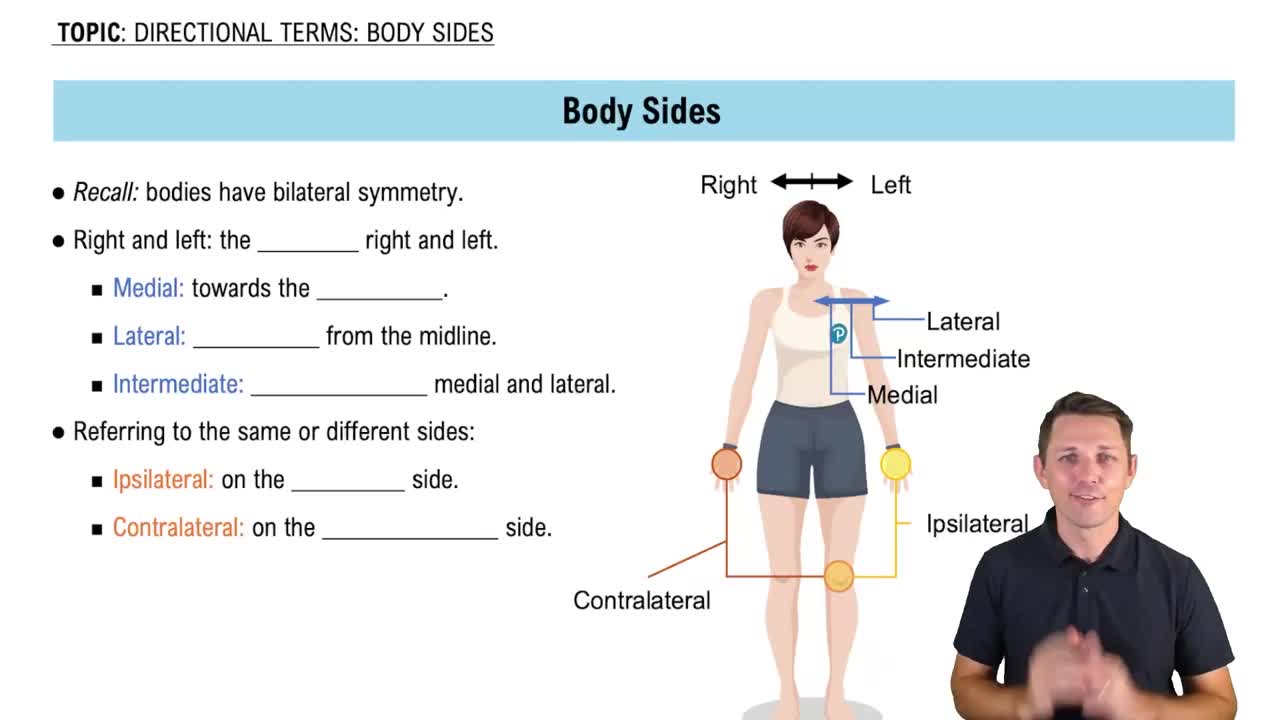
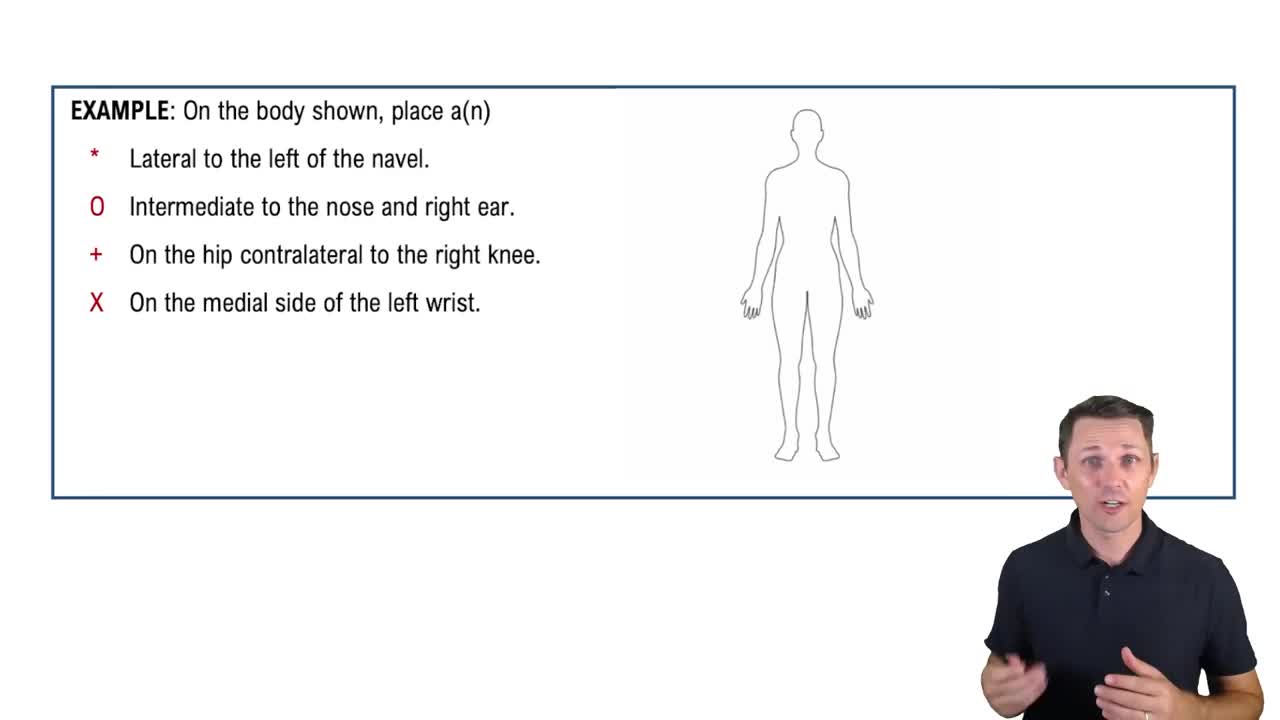
Directional Terms: Body Sides
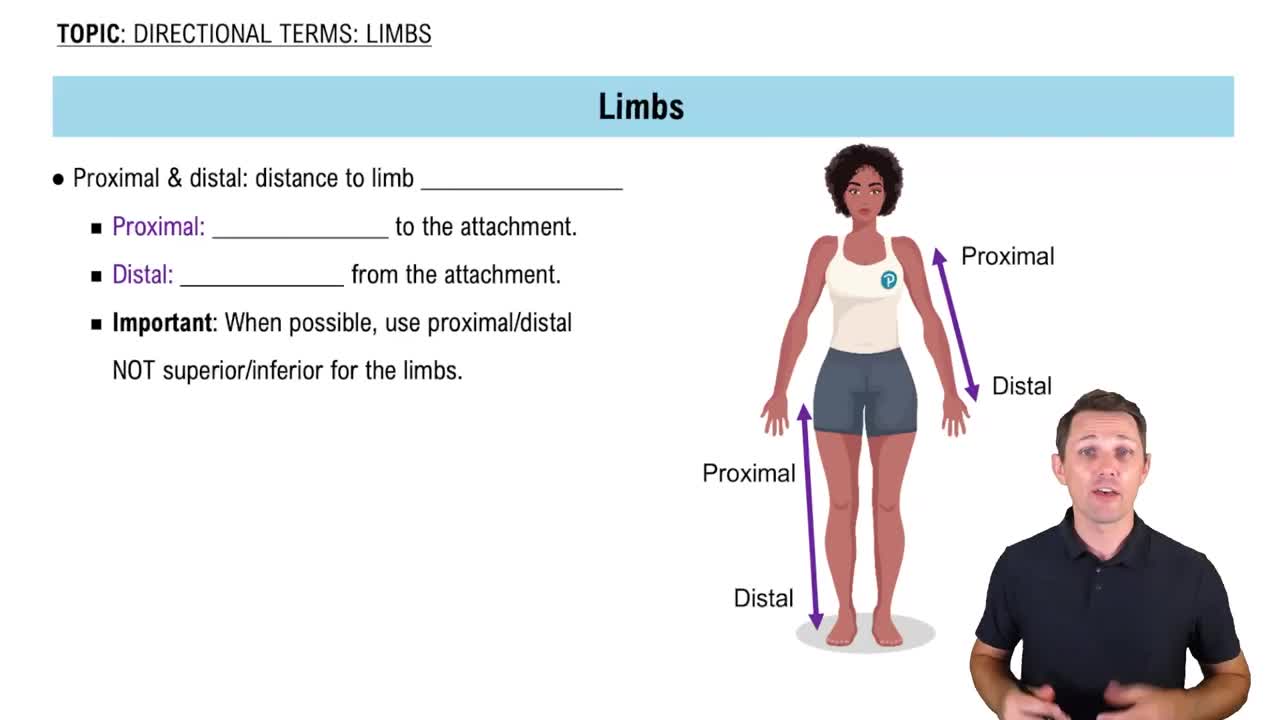
Directional Terms: Limbs
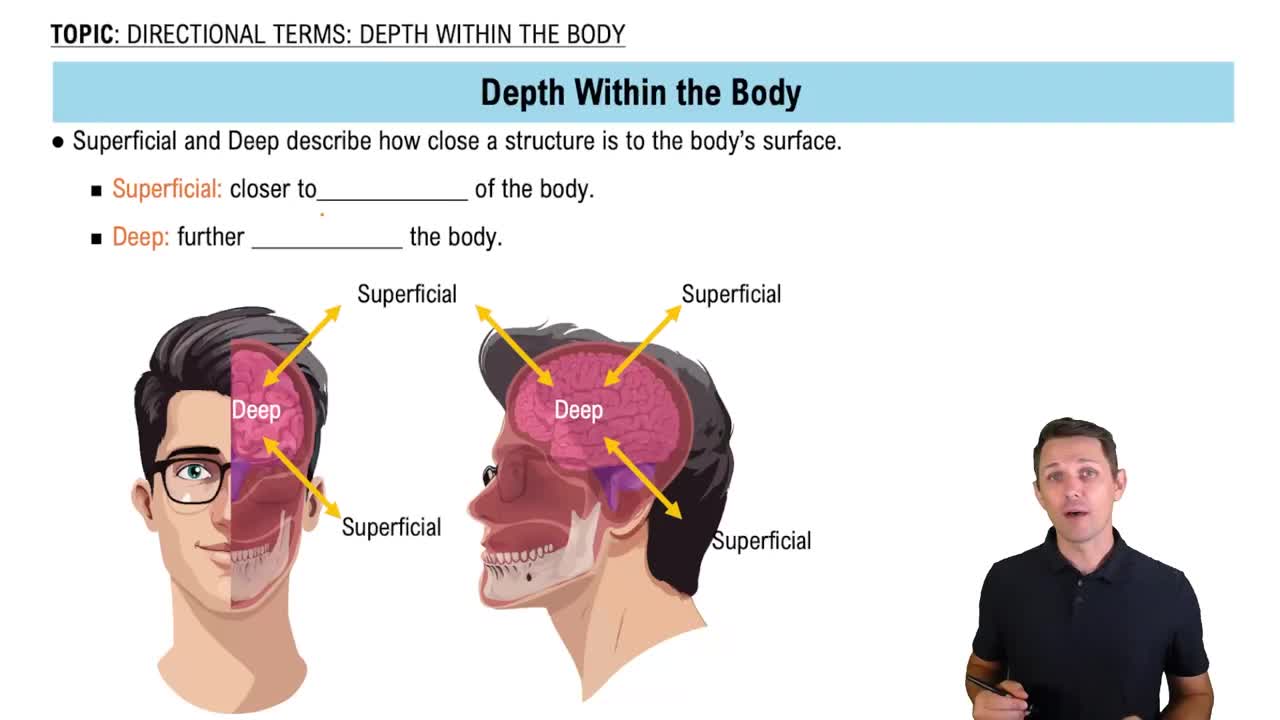
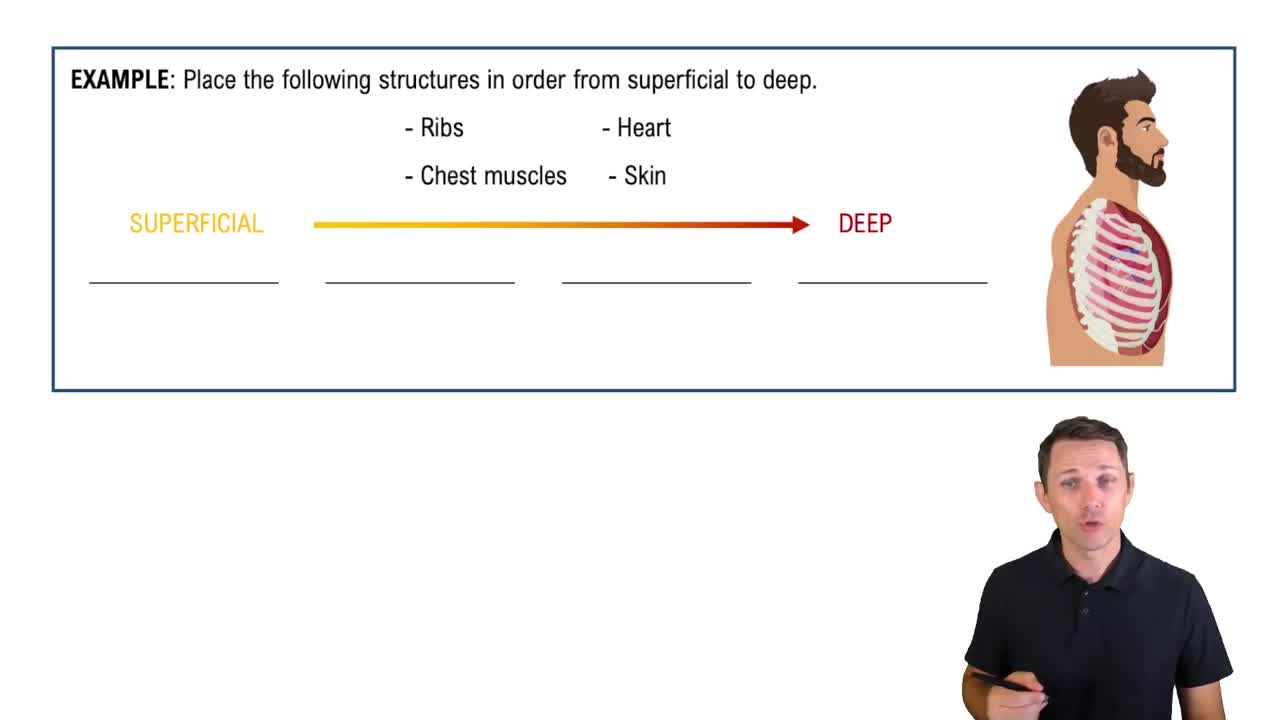
Directional Terms: Depth Within the Body
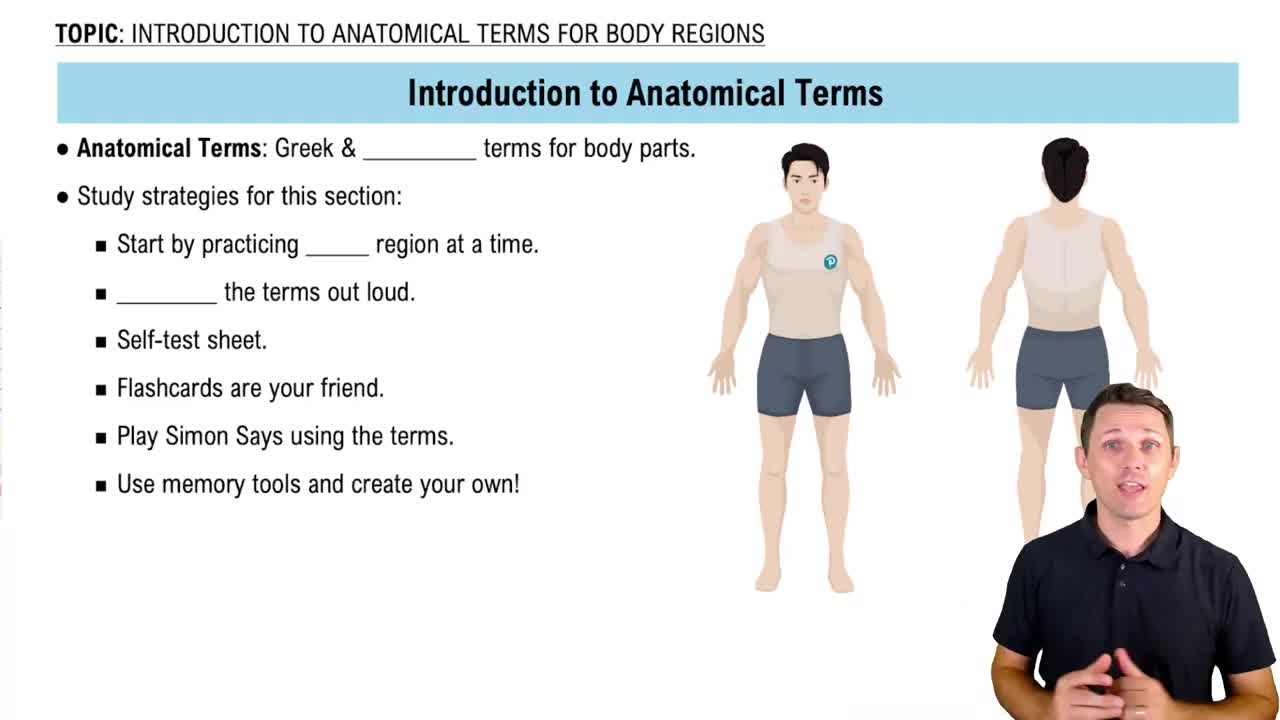
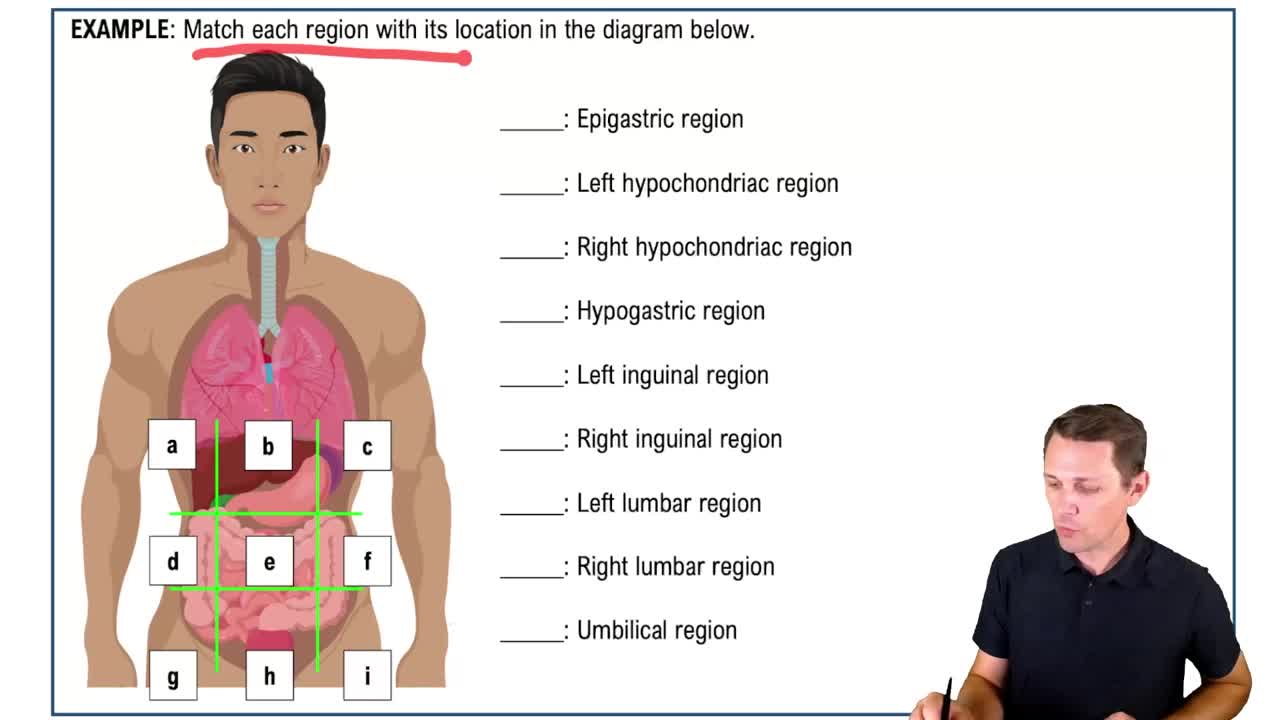
Introduction to Anatomical Terms for Body Regions
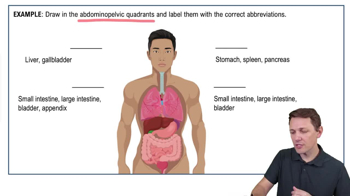
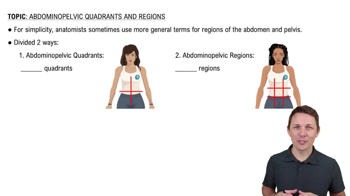
Abdominopelvic Quadrants and Regions
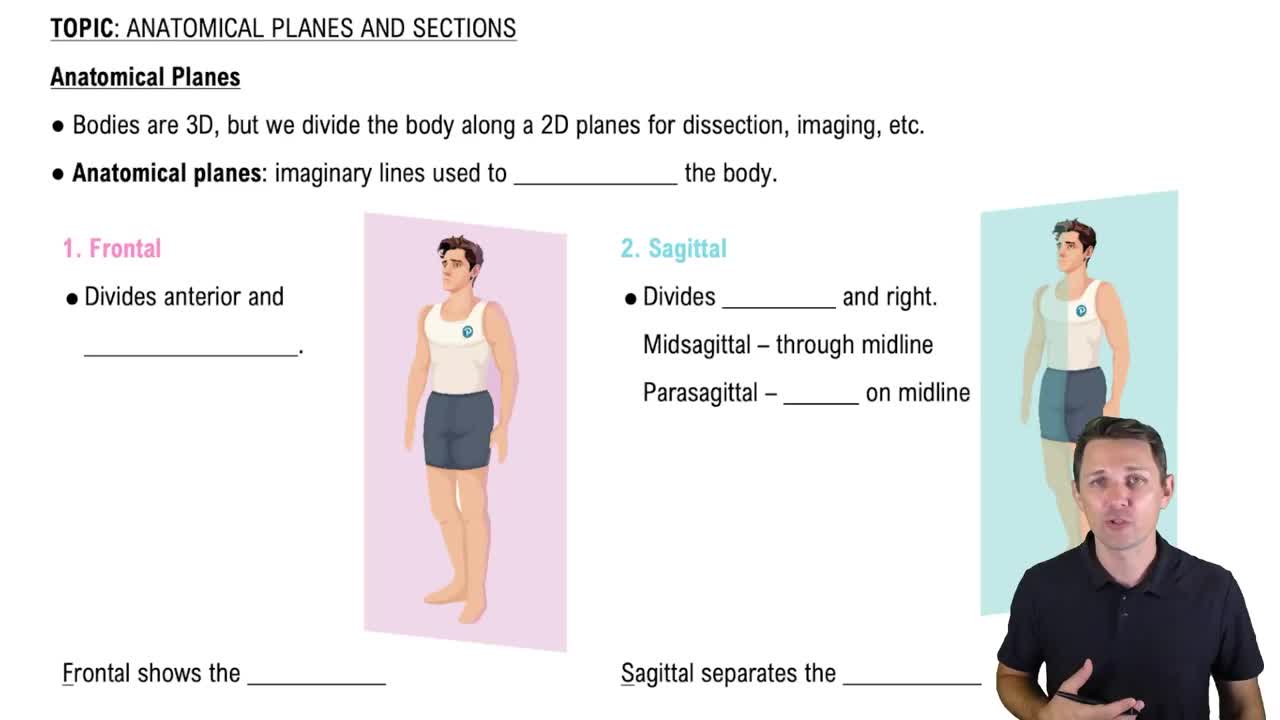
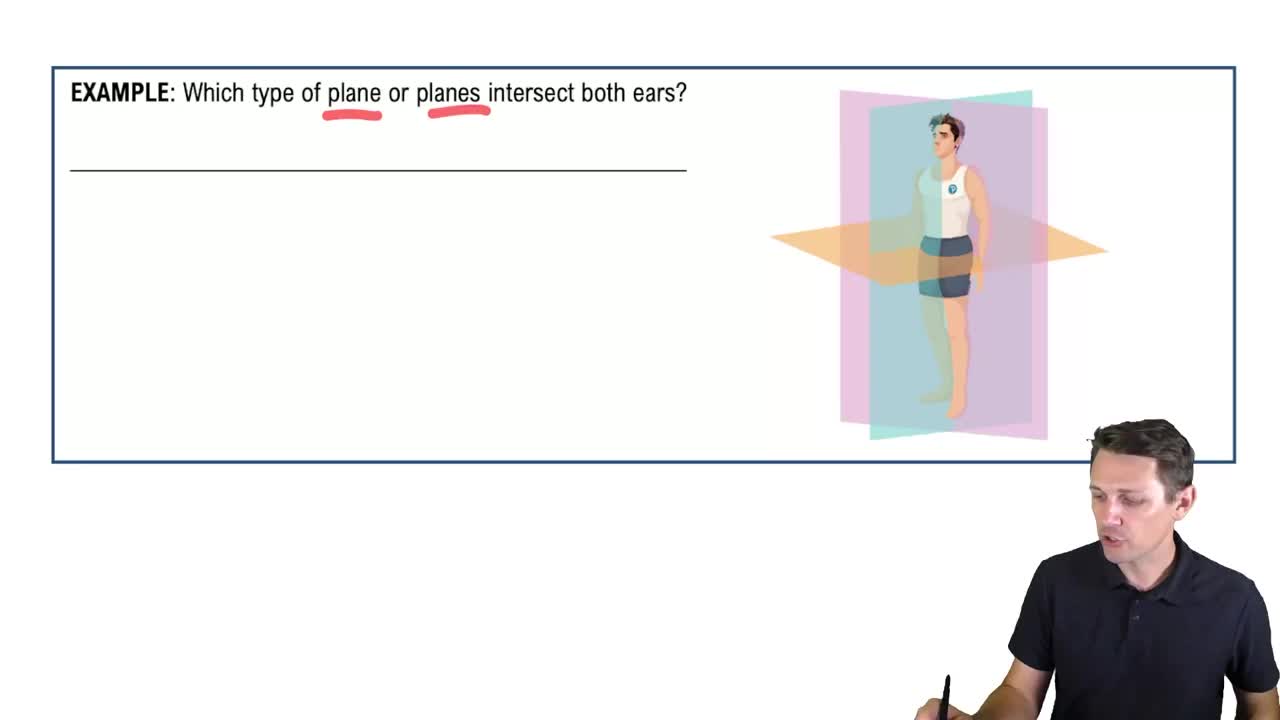
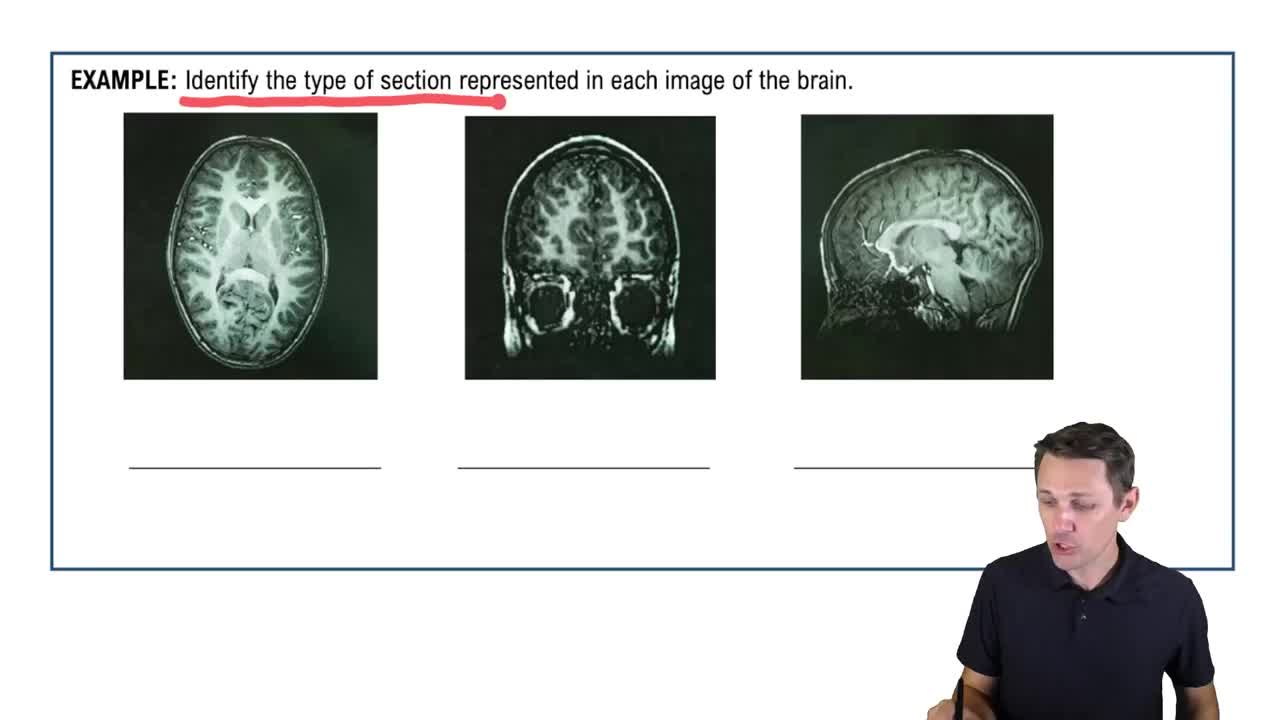
Anatomical Planes & Sections
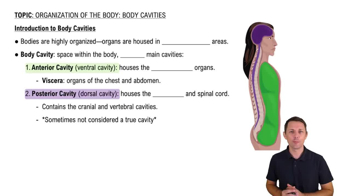
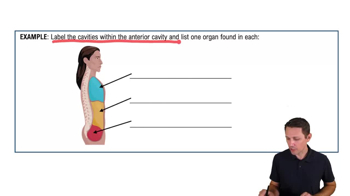
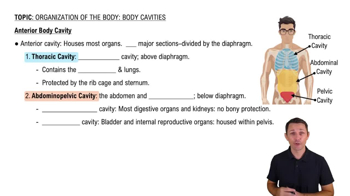
Organization of the Body: Body Cavities
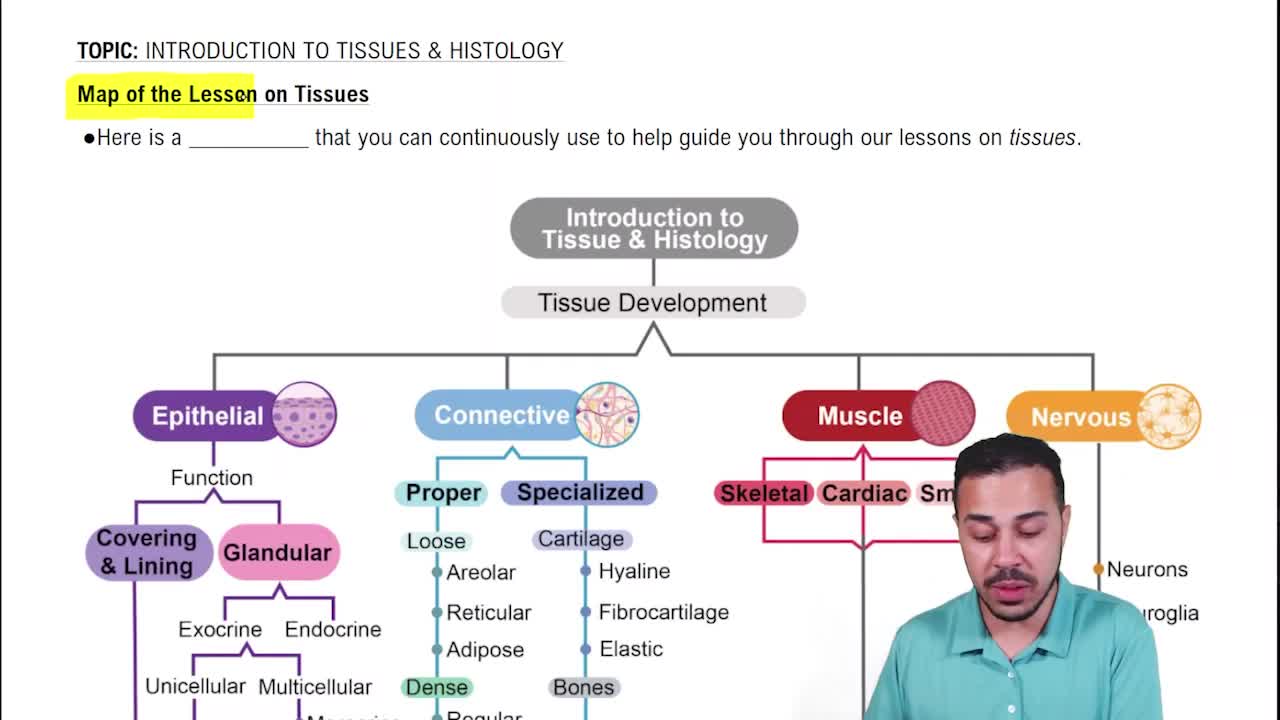
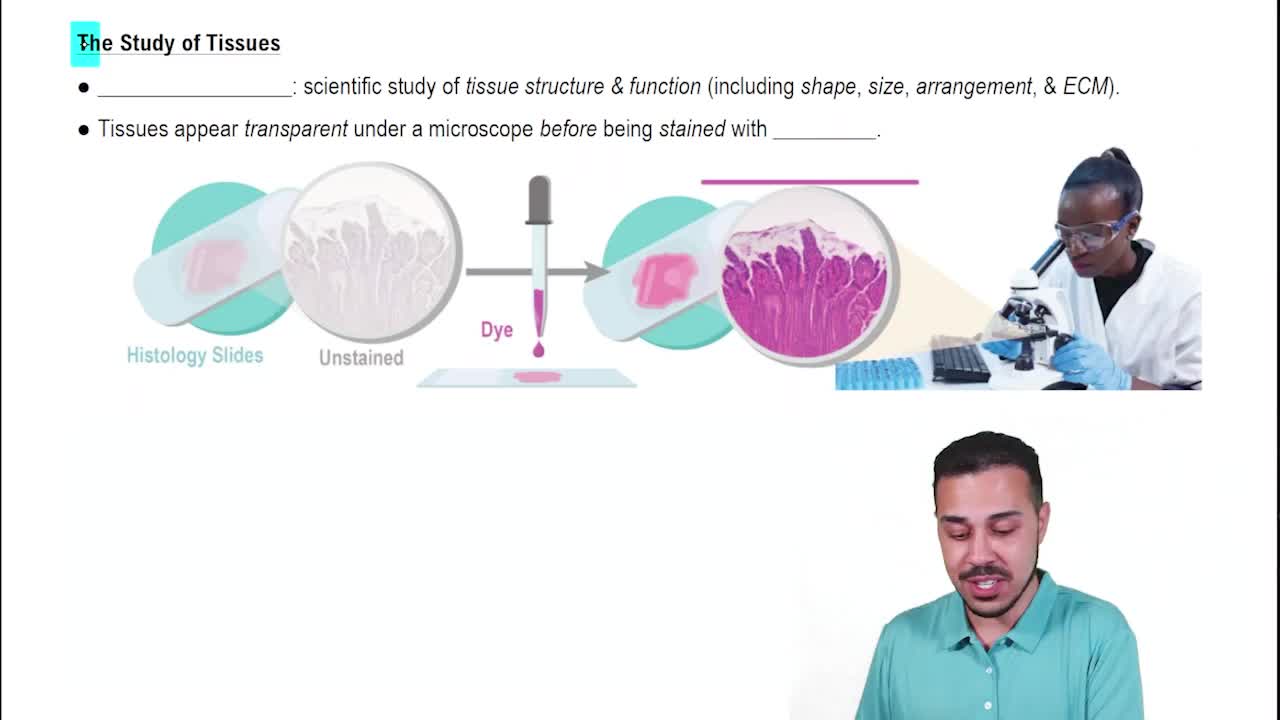
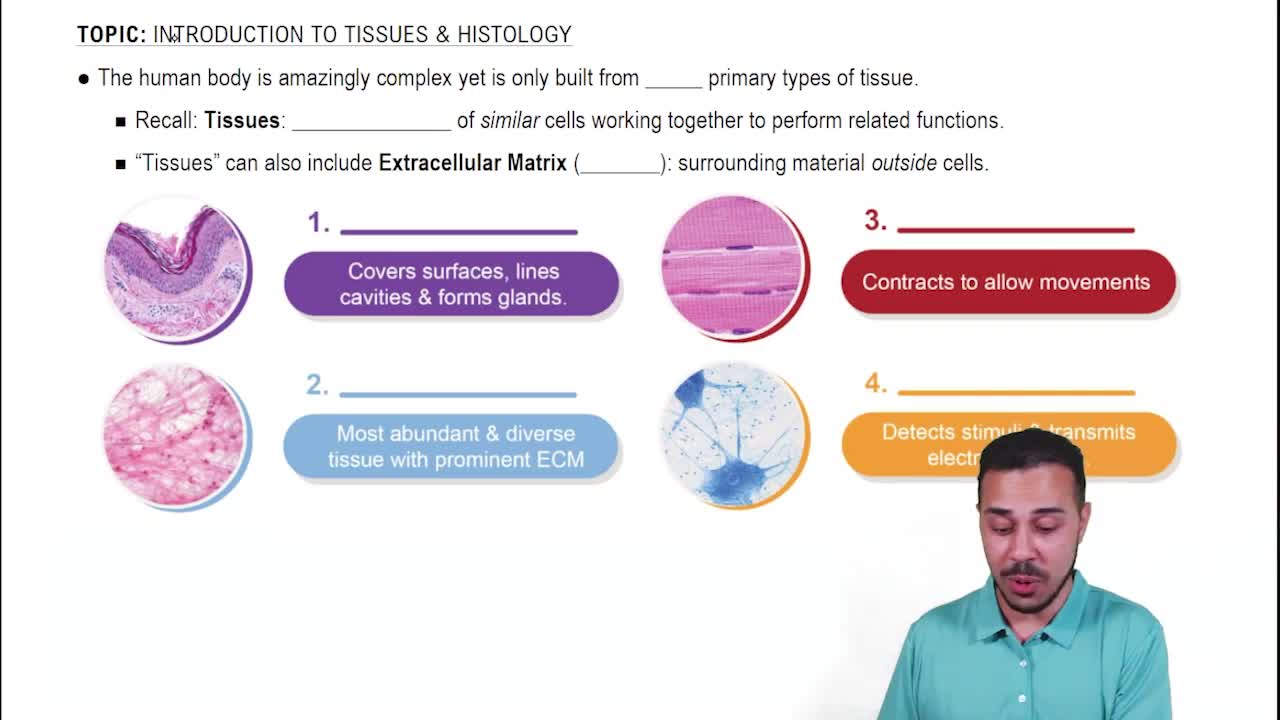
Introduction to Tissues & Histology
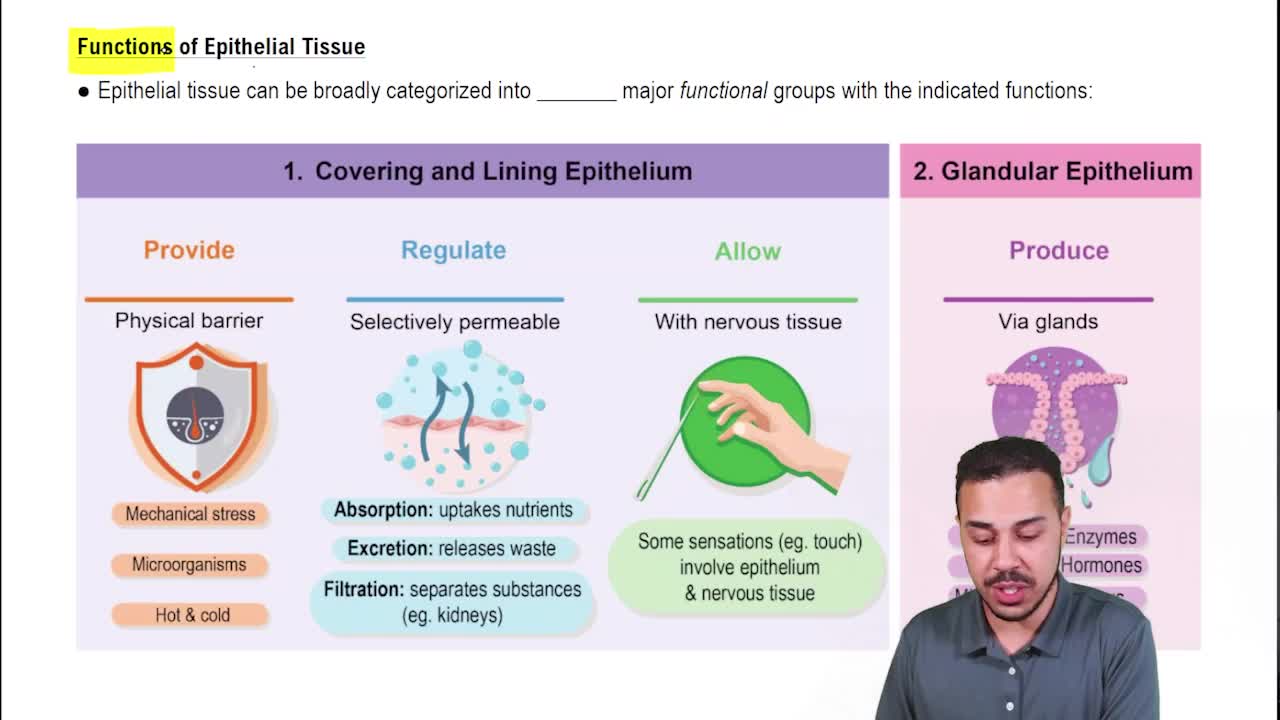
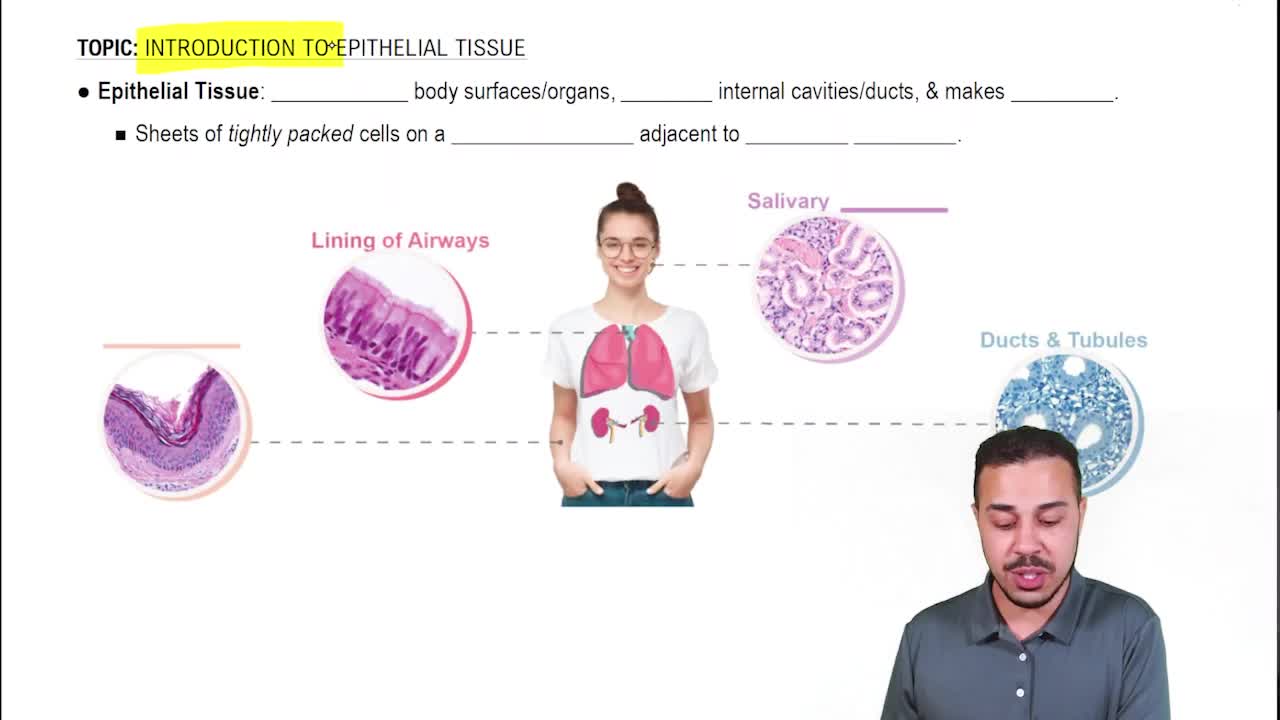
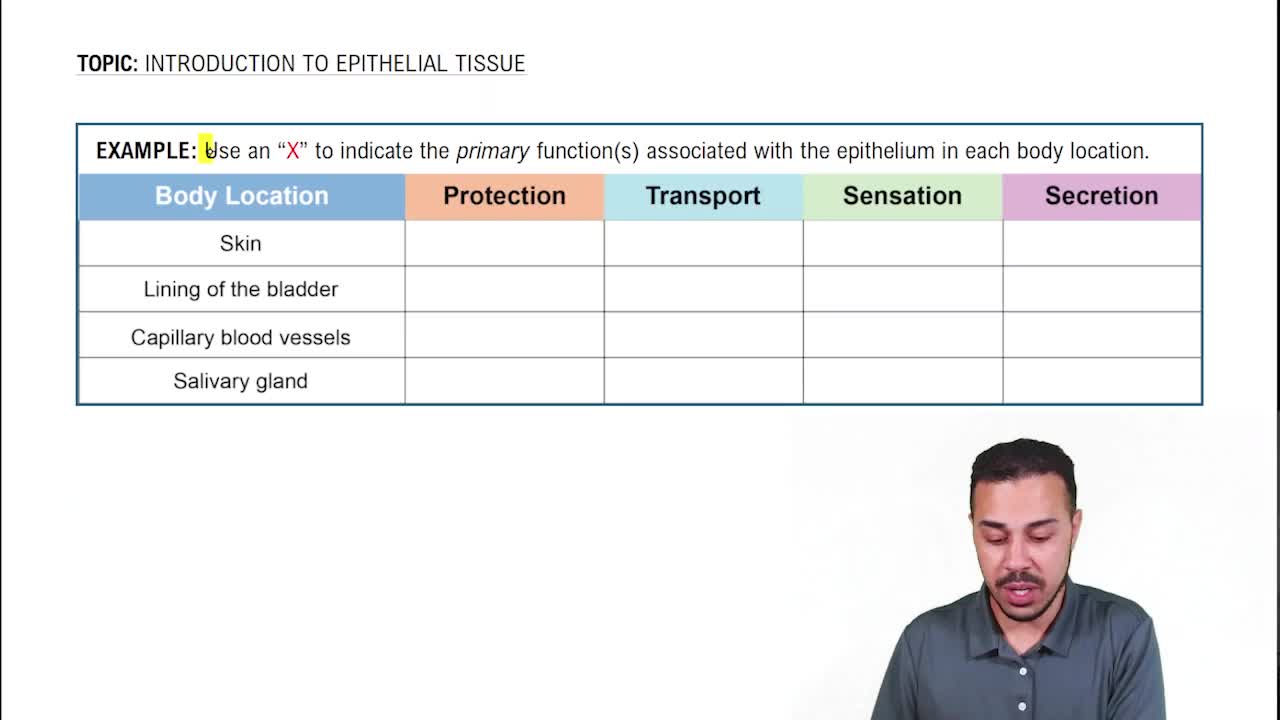
Introduction to Epithelial Tissue
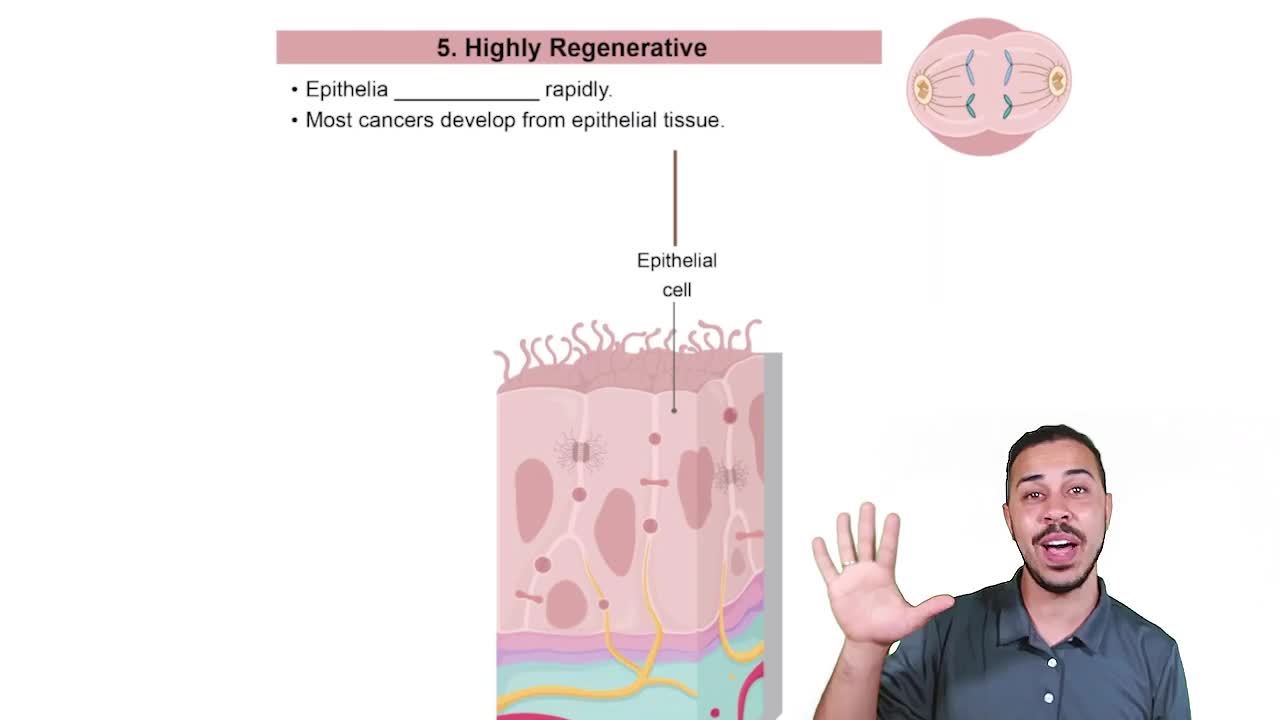
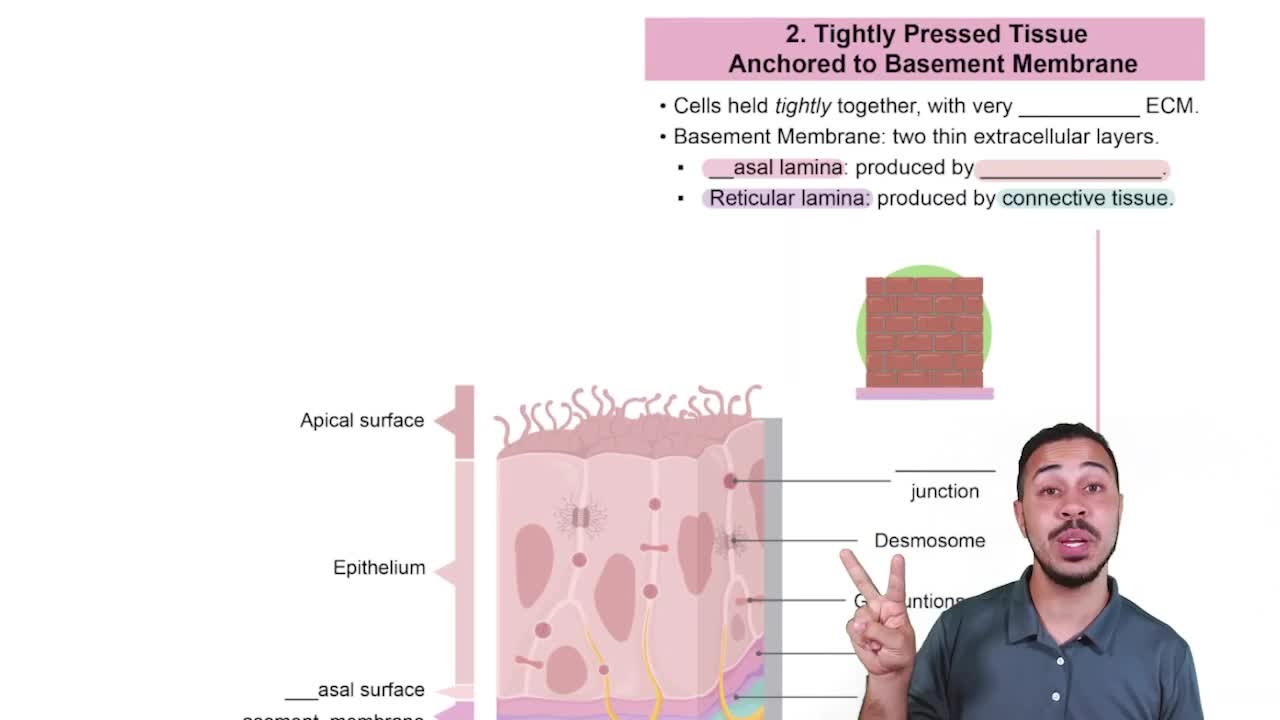
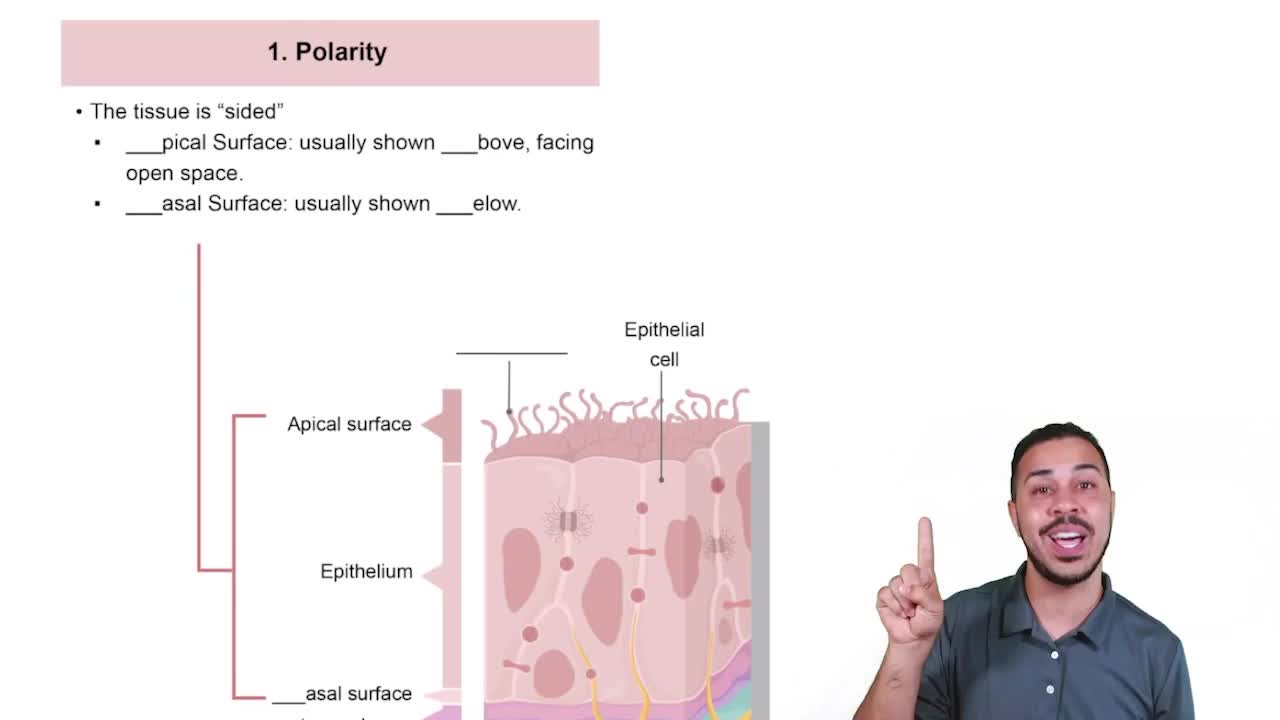
Characteristics of Epithelial Tissue
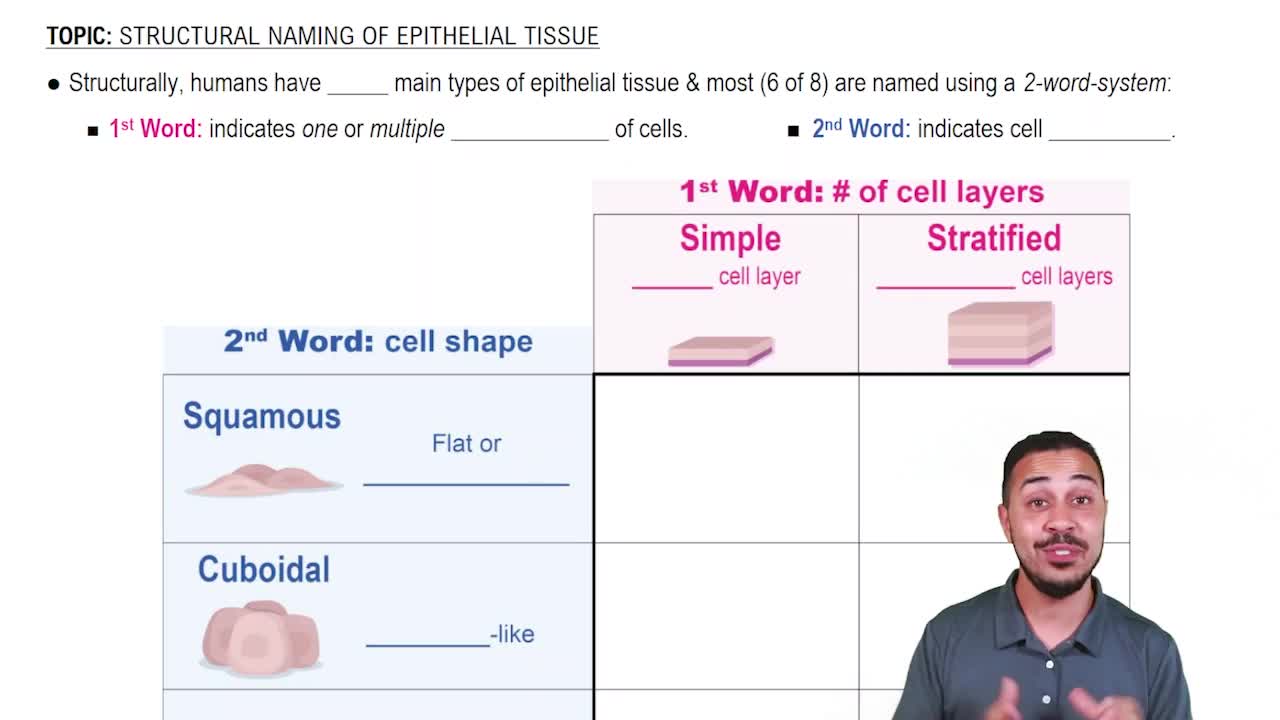
Structural Naming of Epithelial Tissue
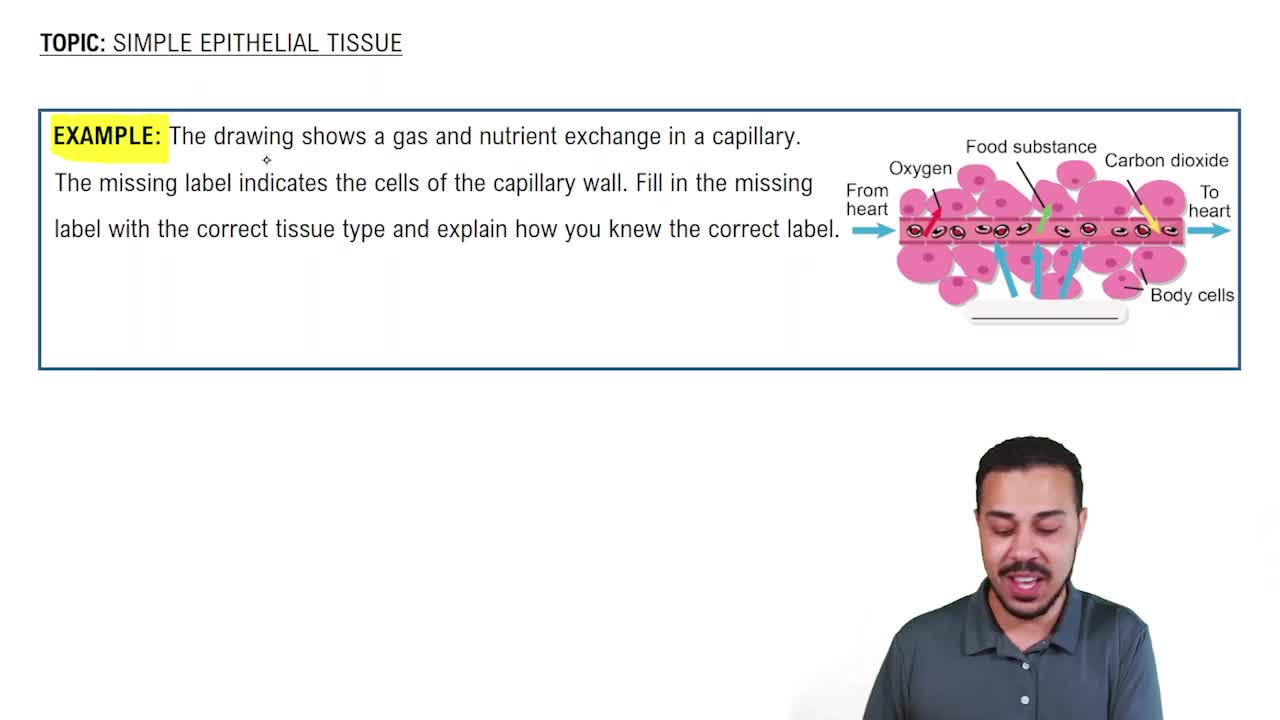
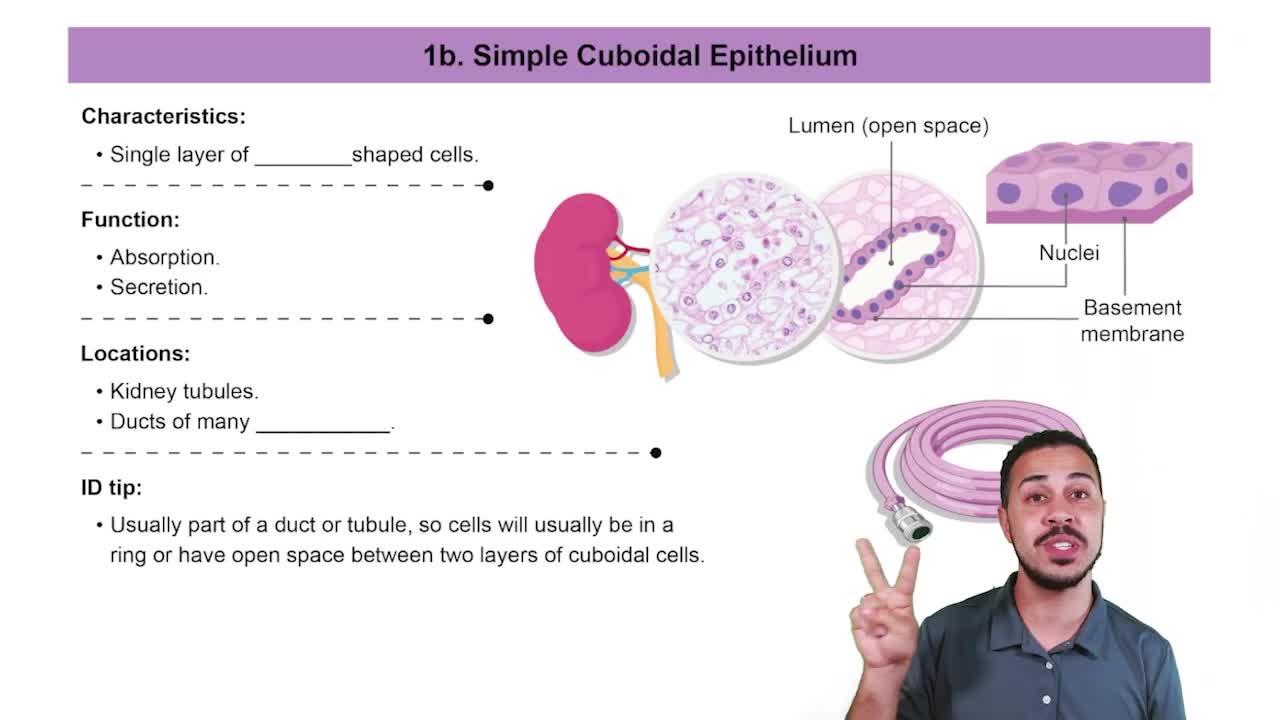
Simple Epithelial Tissues
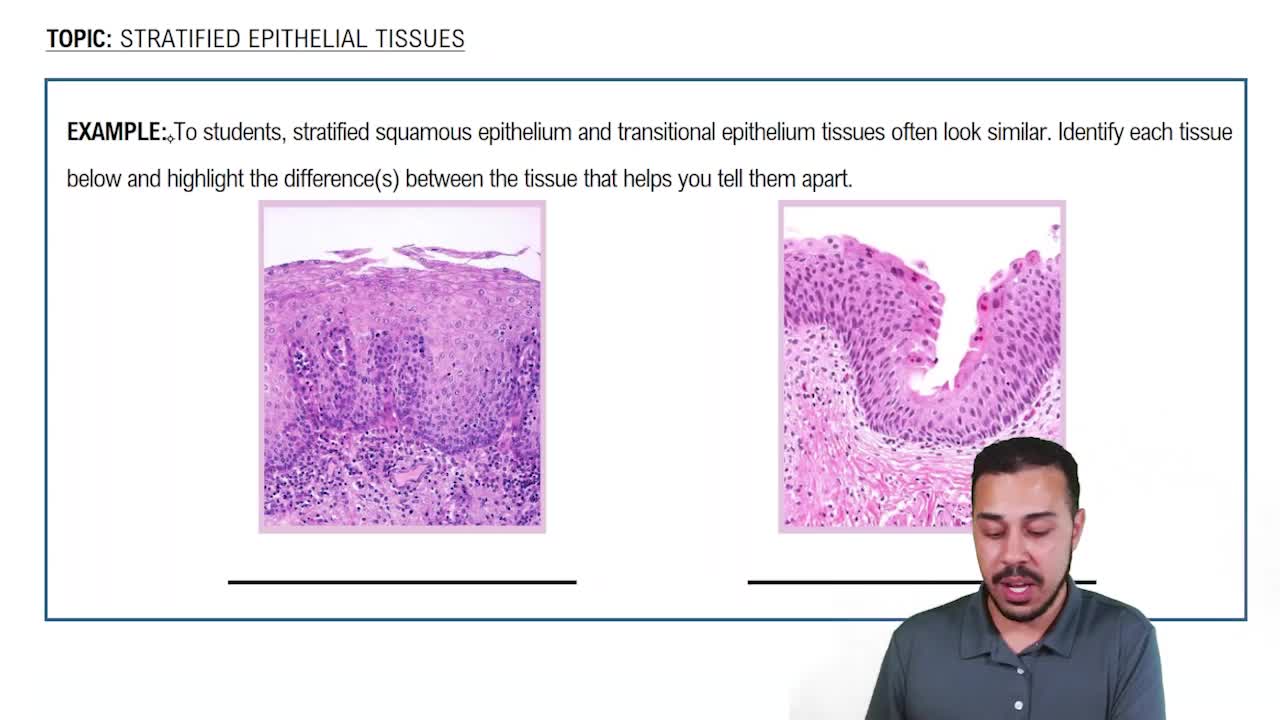
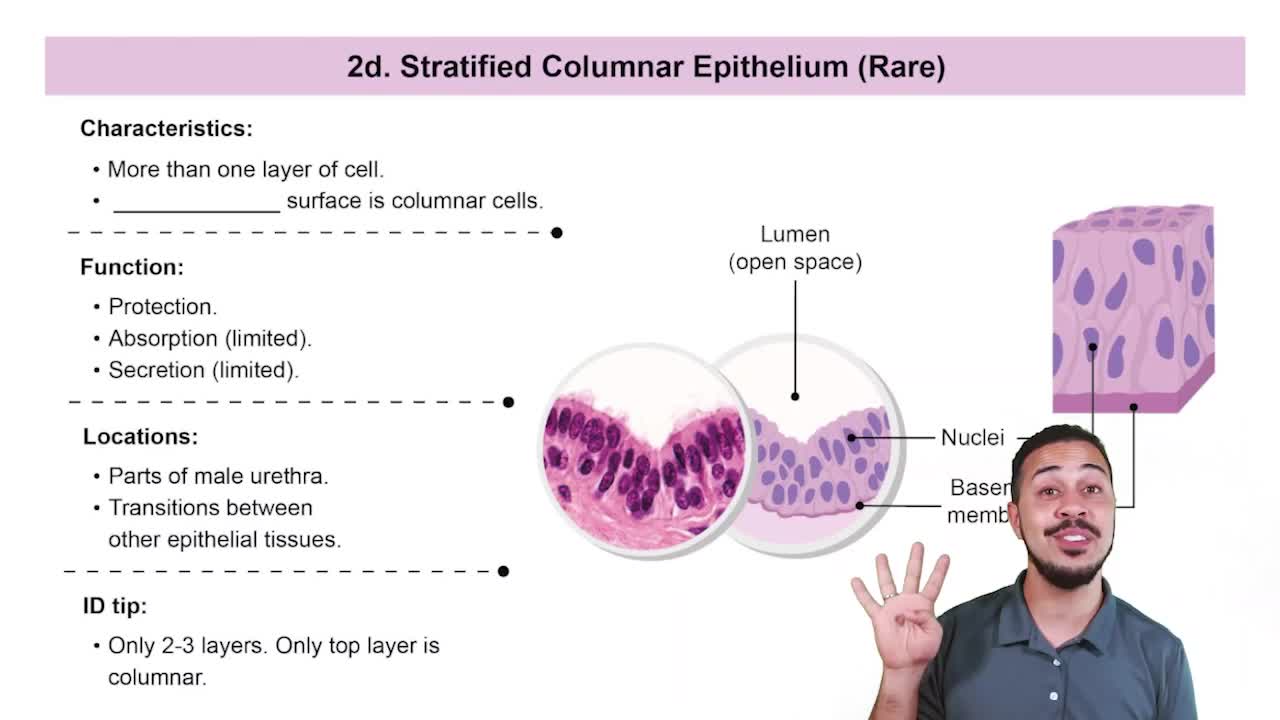
Stratified Epithelial Tissues
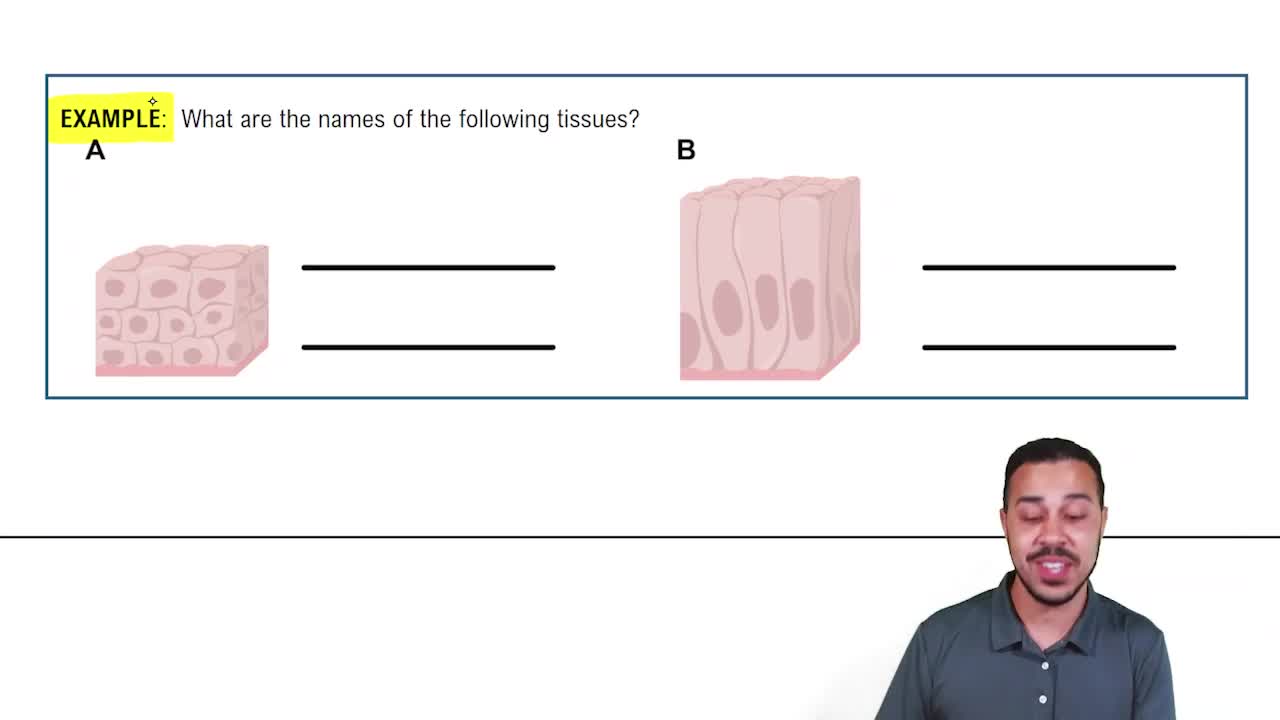
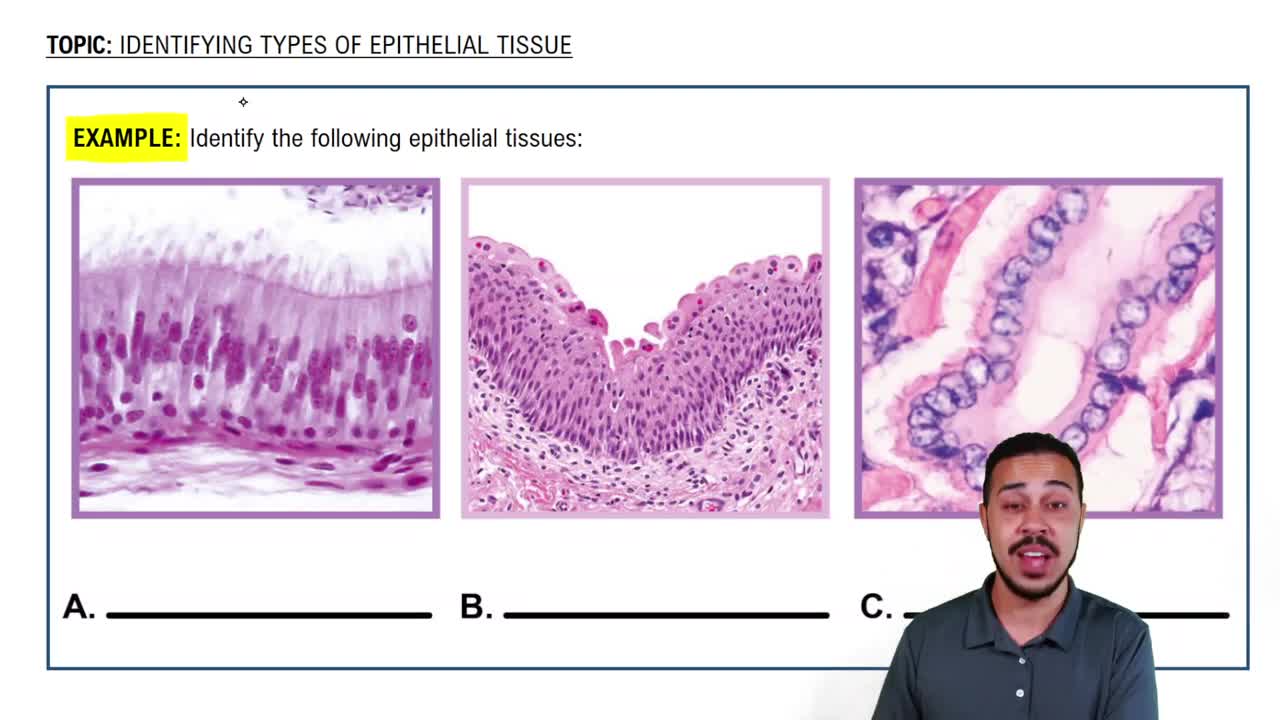
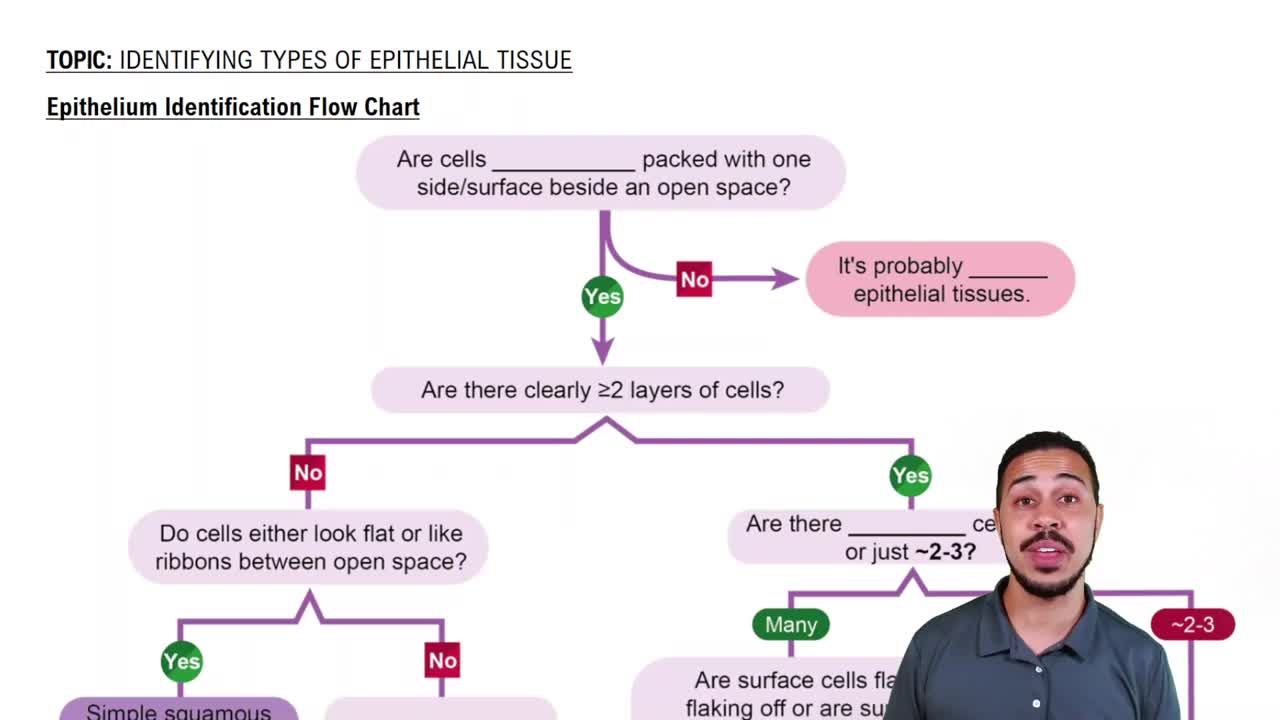
Identifying Types of Epithelial Tissue
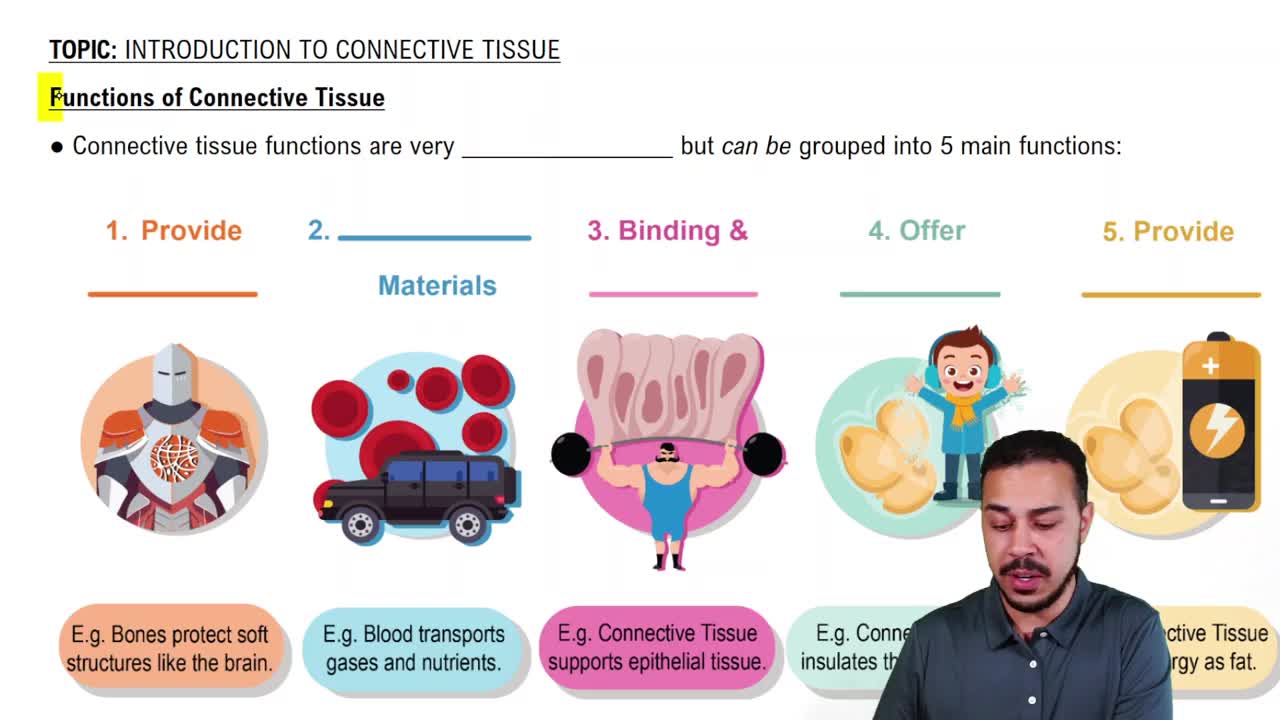
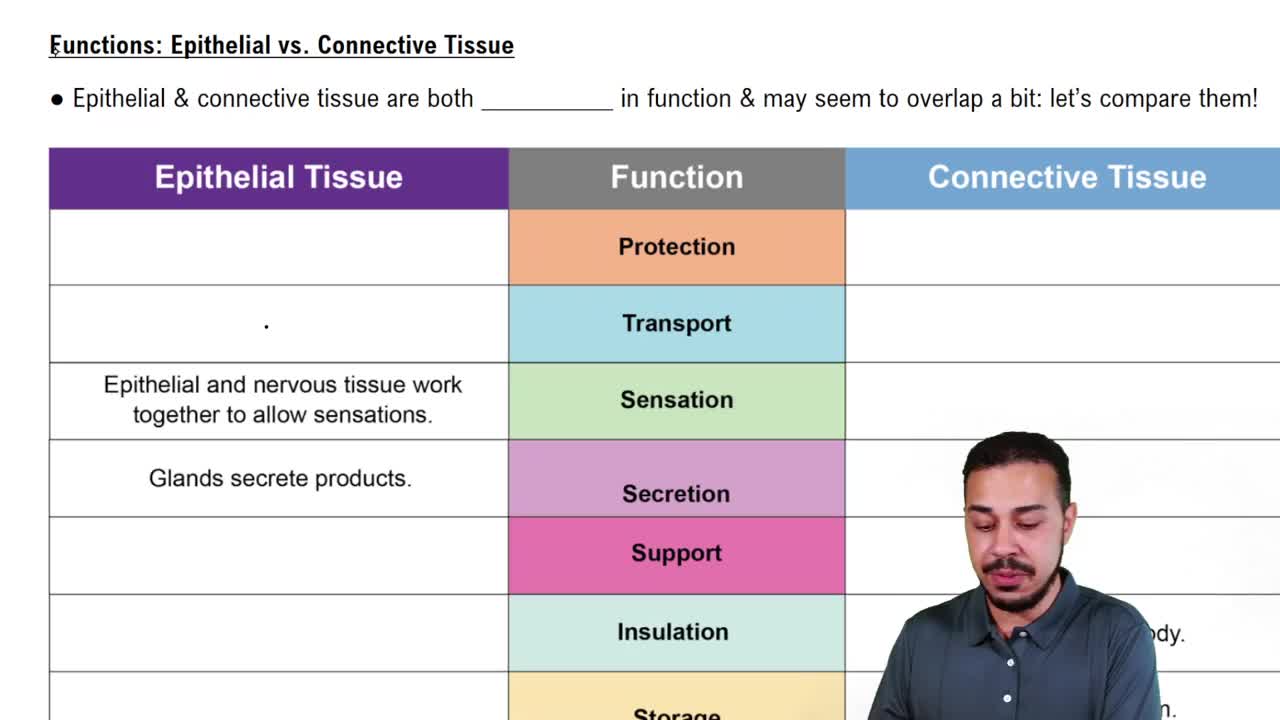
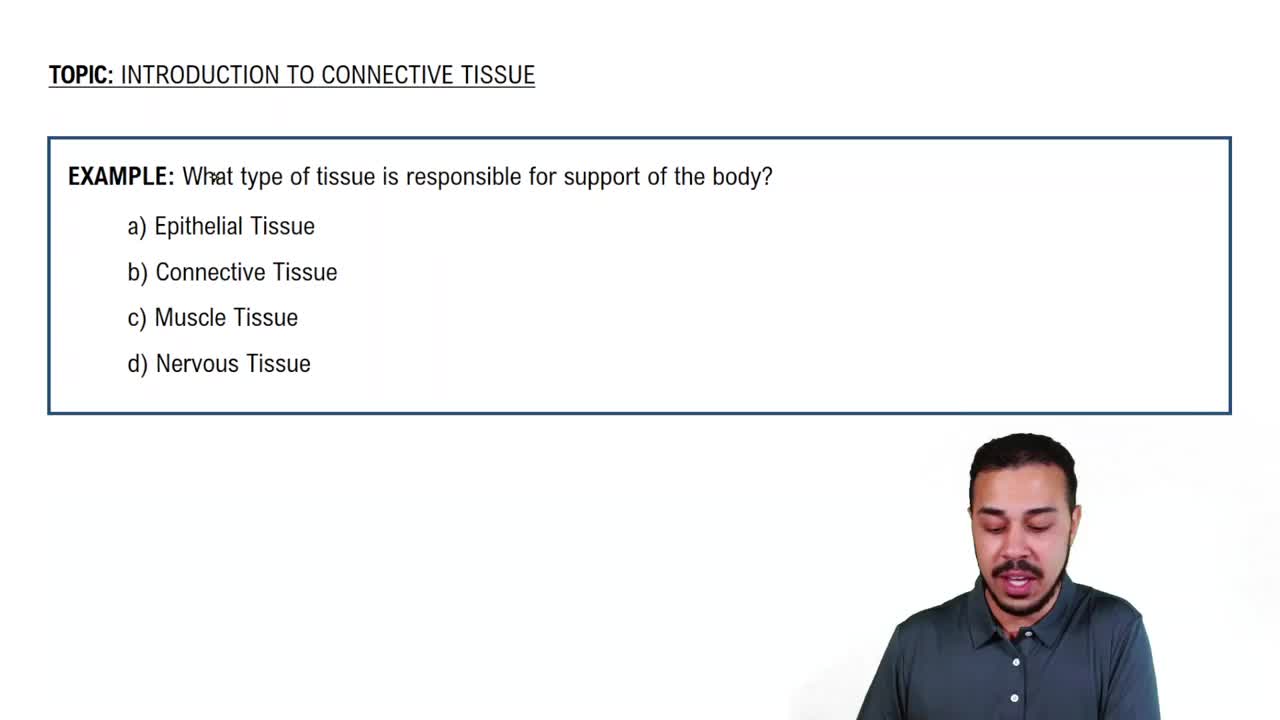
Introduction to Connective Tissue
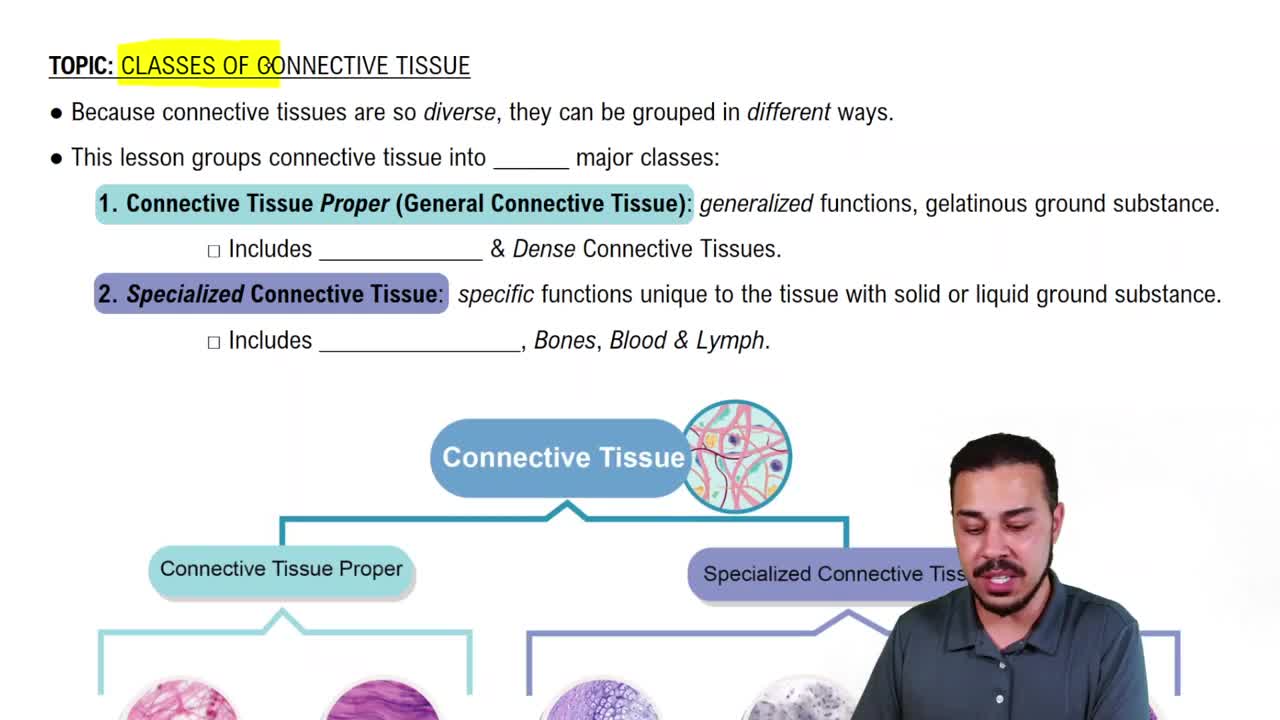
Classes of Connective Tissue
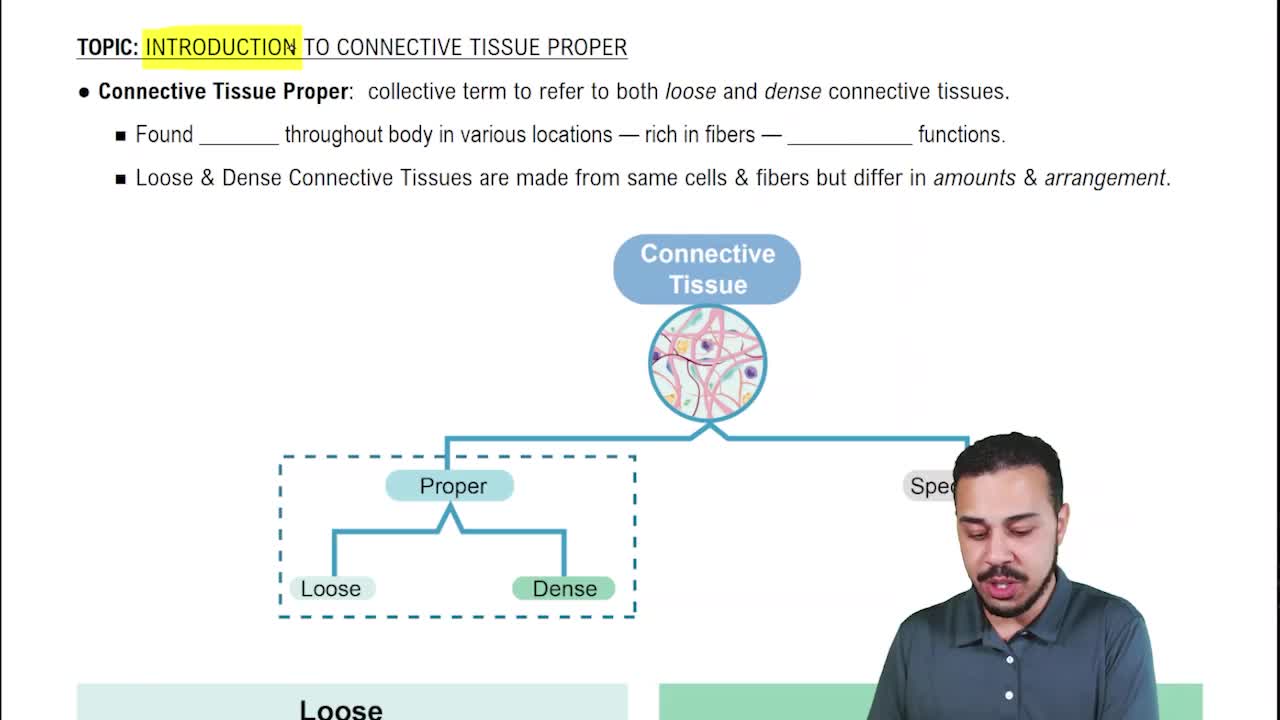
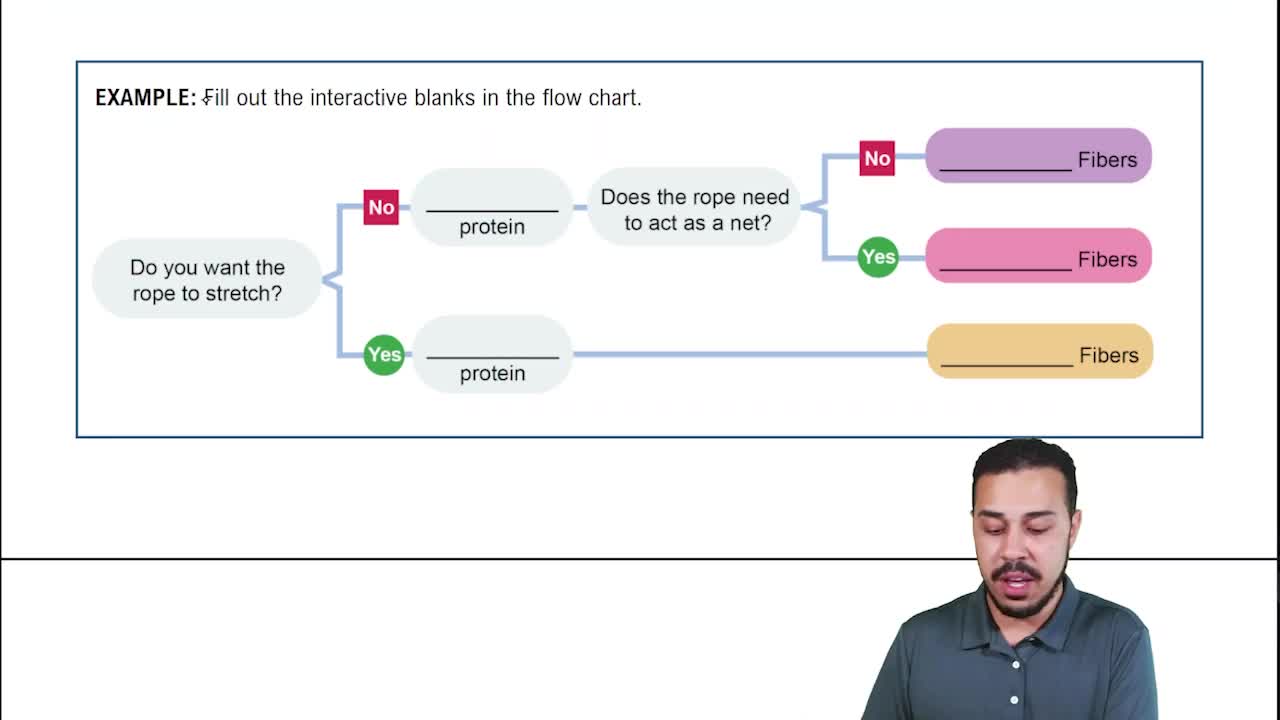
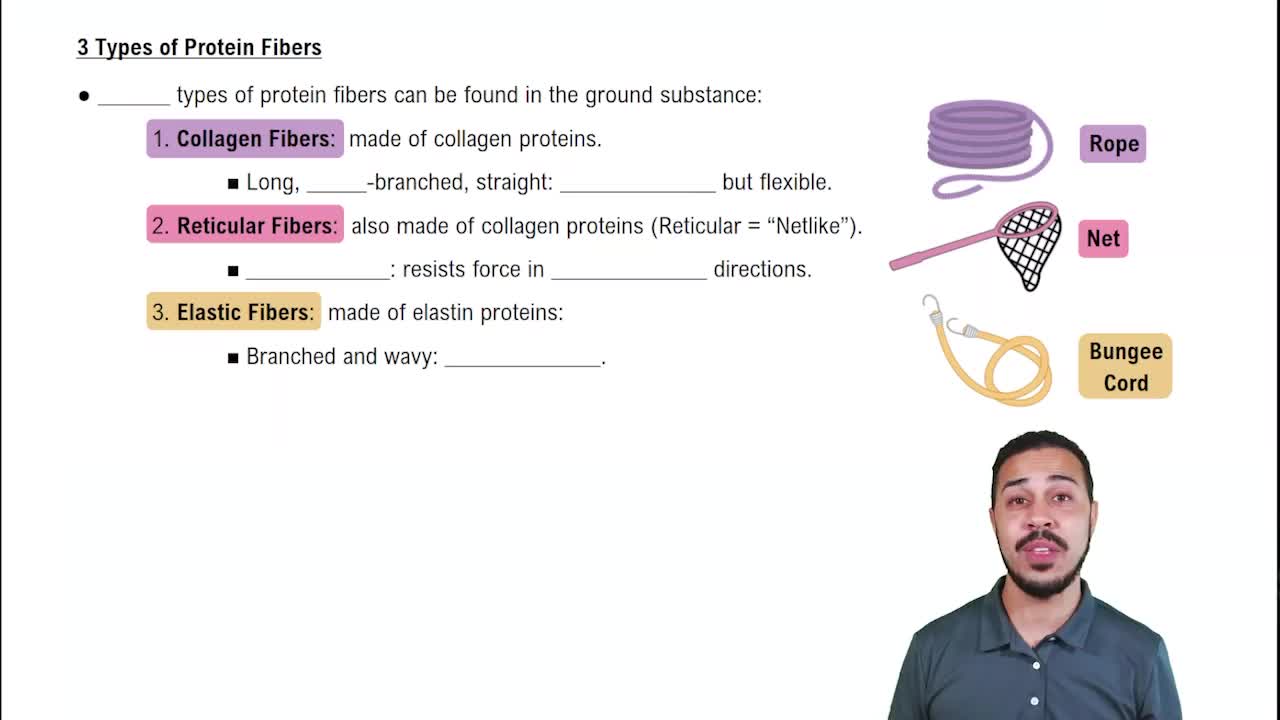
Introduction to Connective Tissue Proper
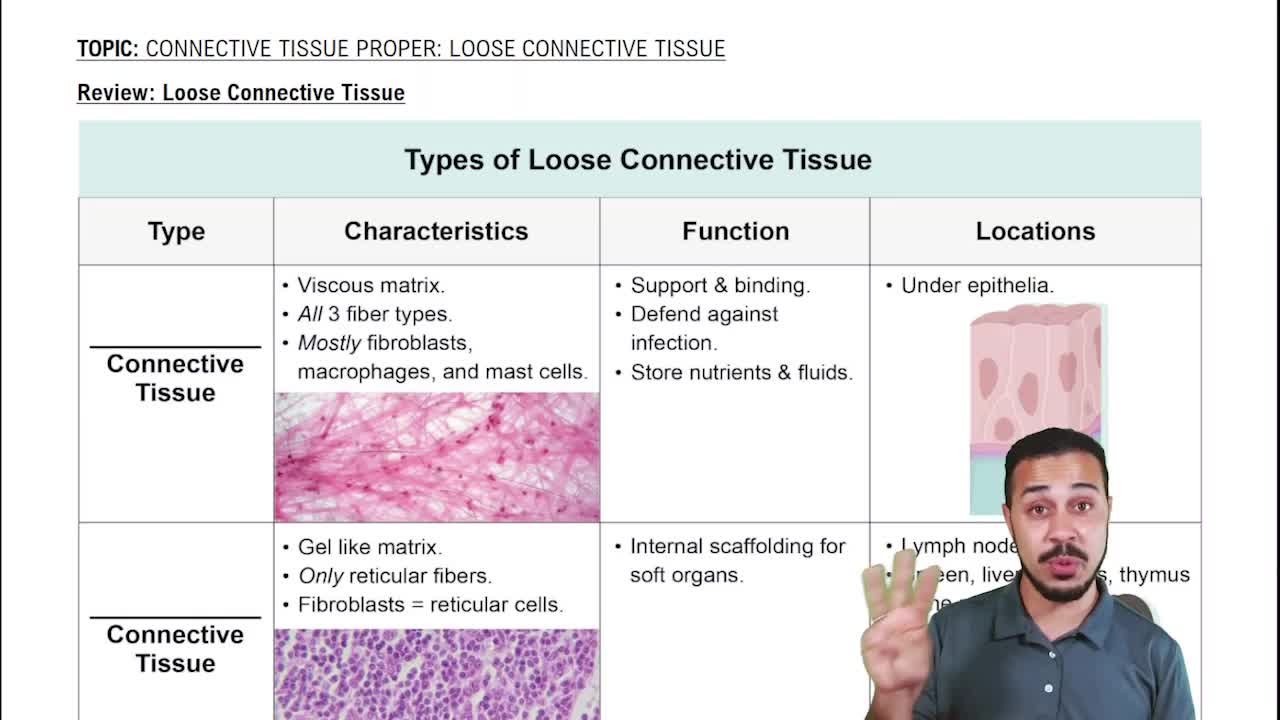
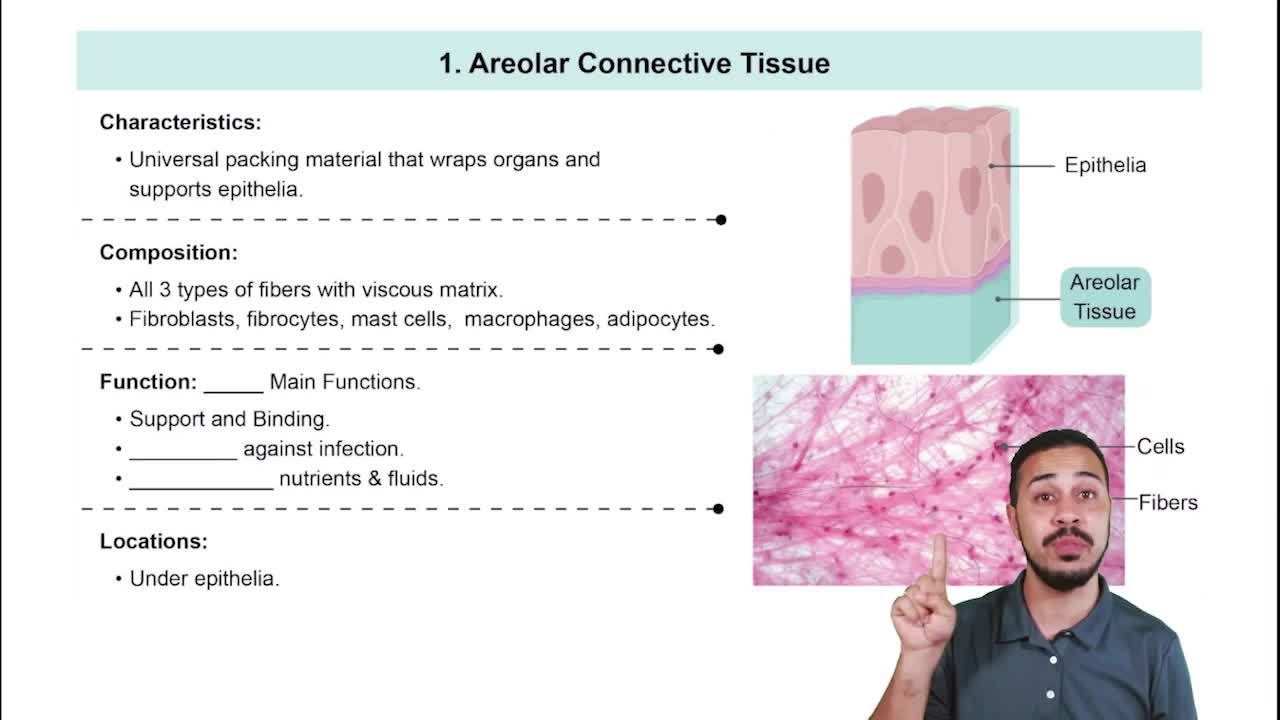
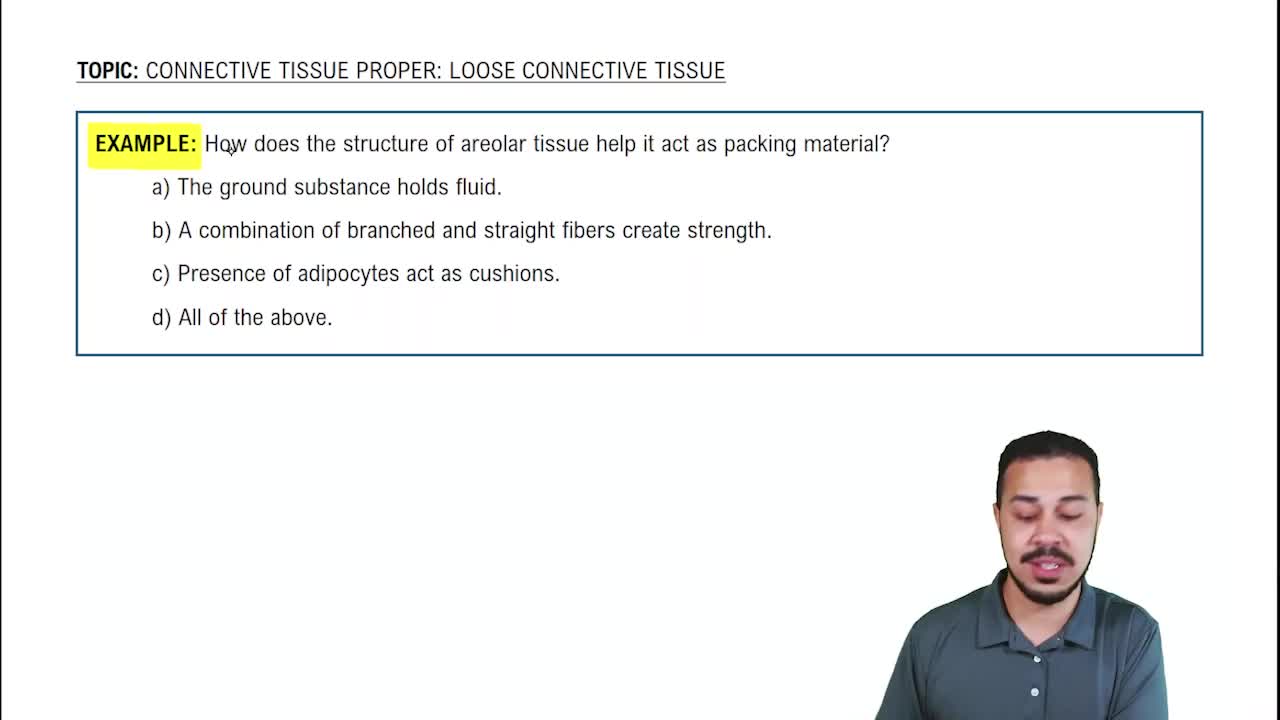
Connective Tissue Proper: Loose Connective Tissue
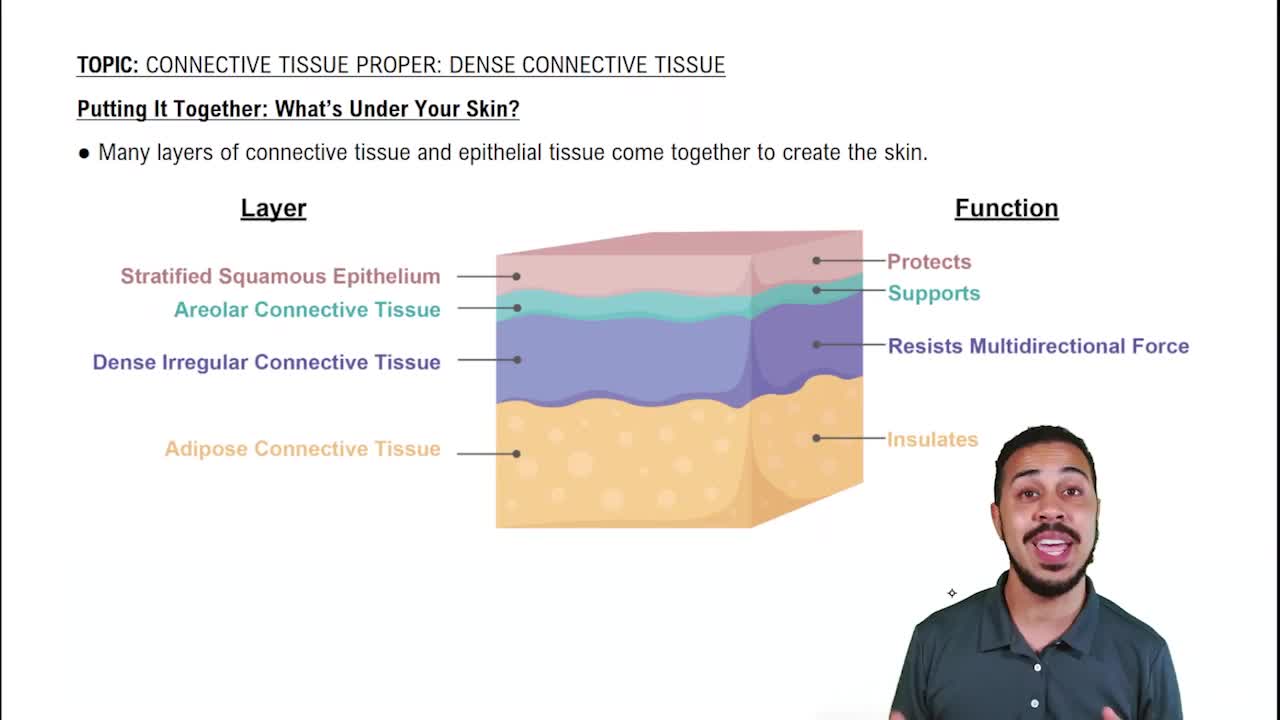
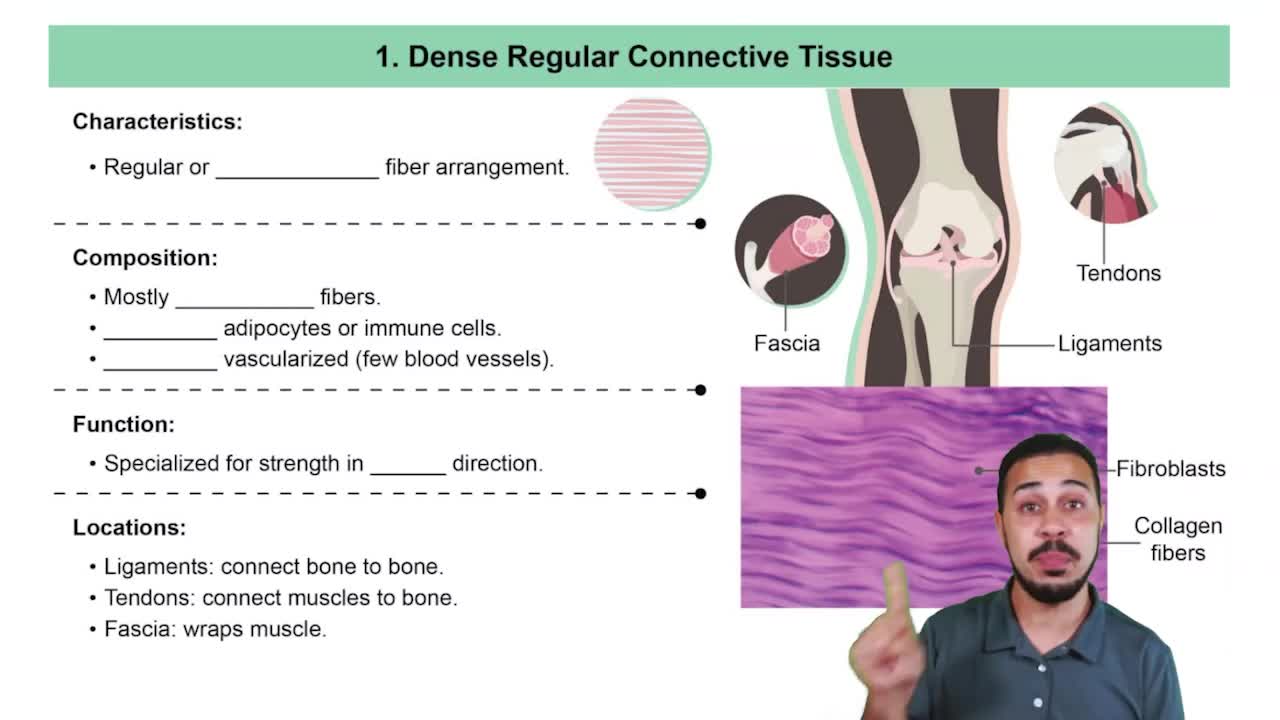
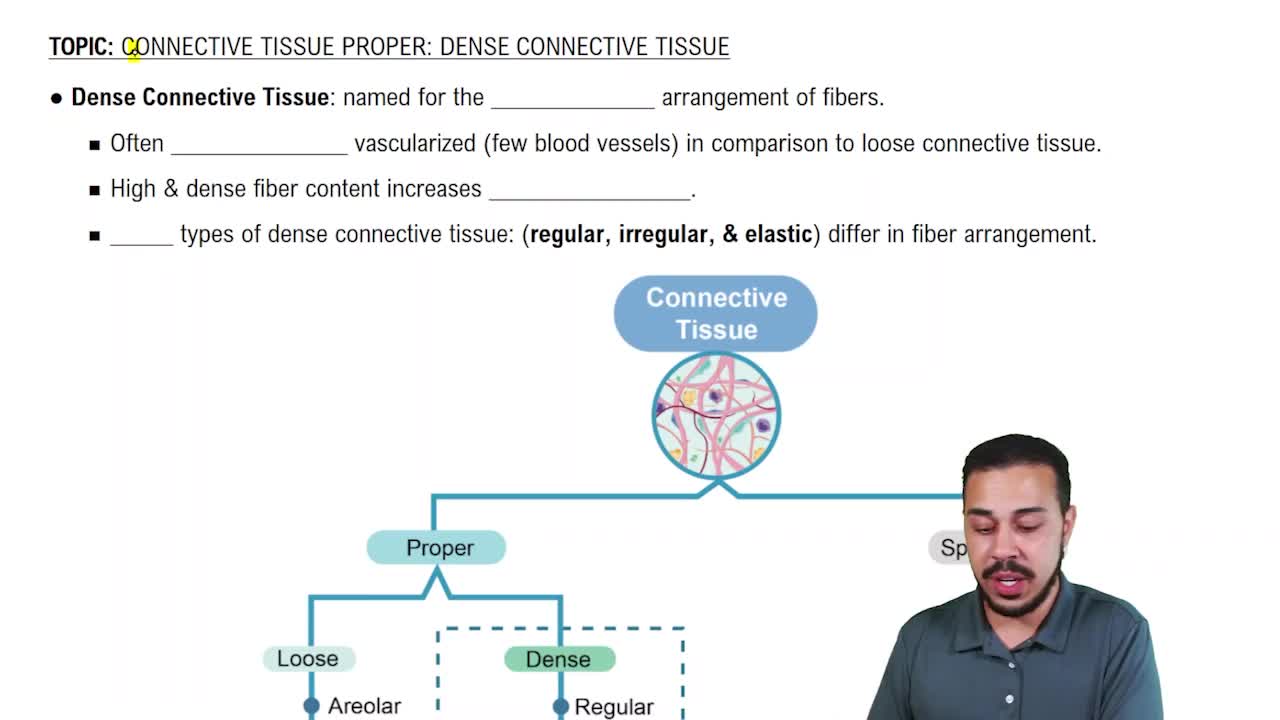
Connective Tissue Proper: Dense Connective Tissue
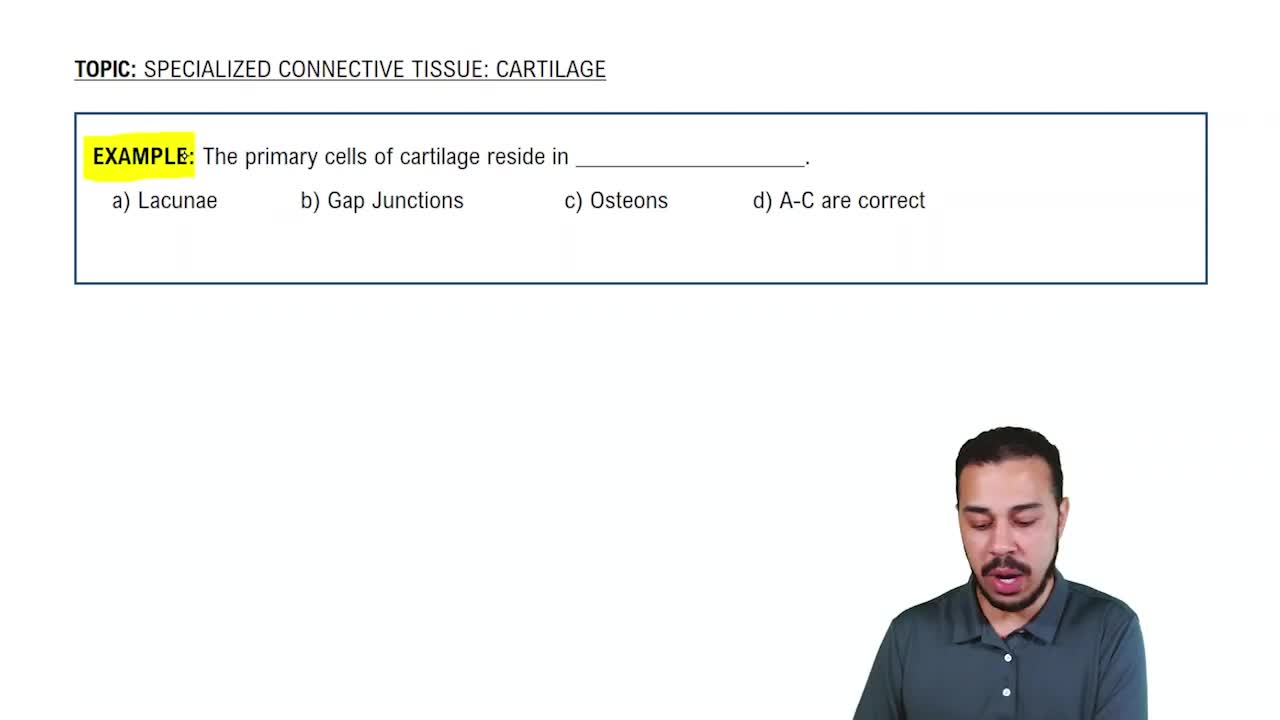
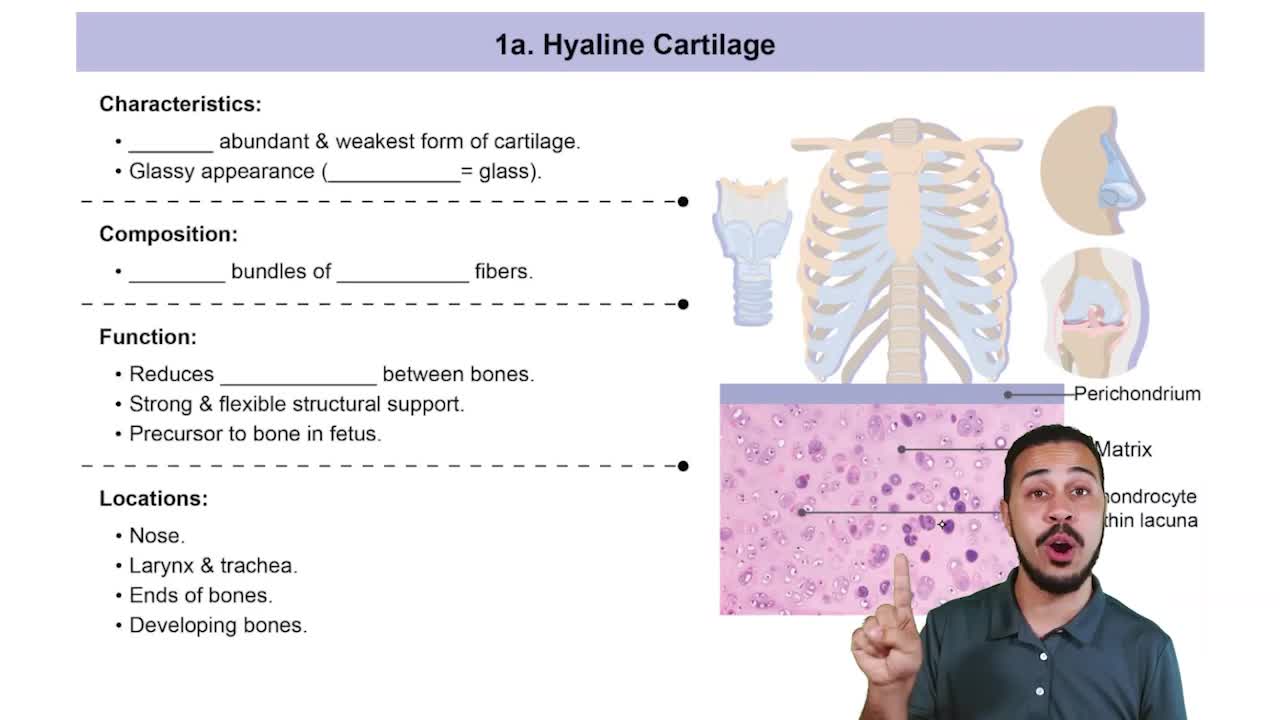
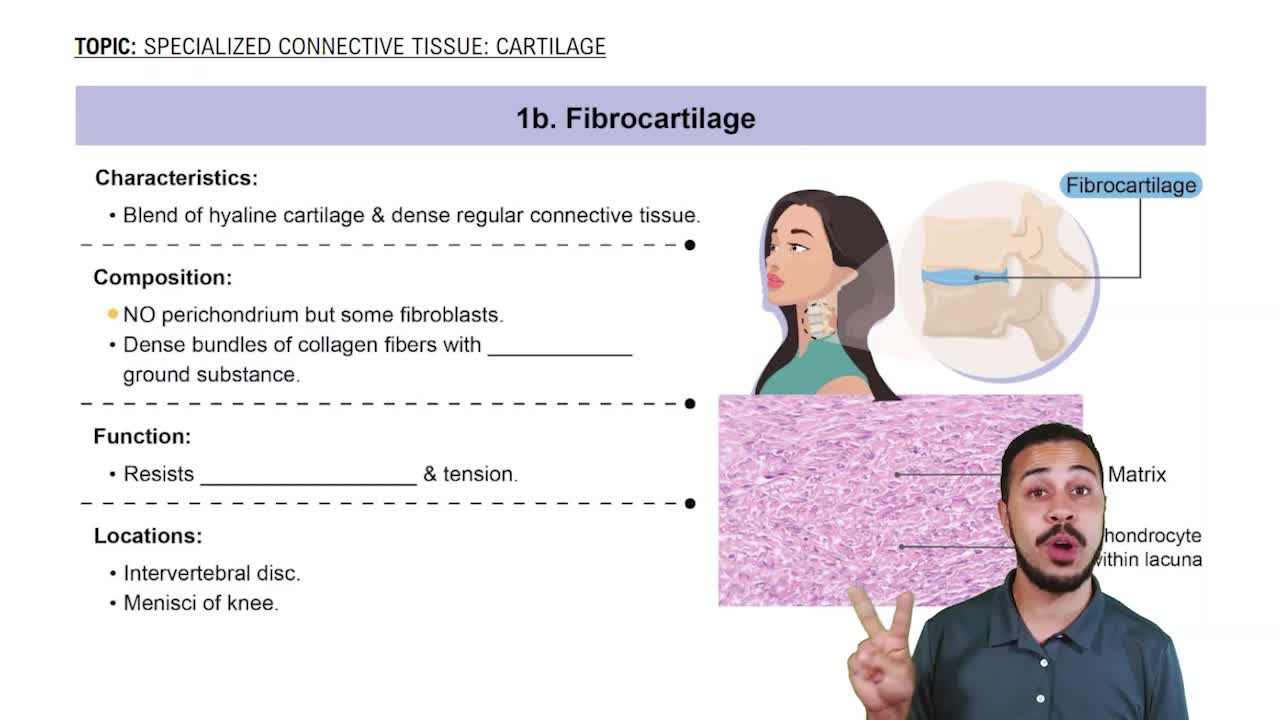
Specialized Connective Tissue: Cartilage
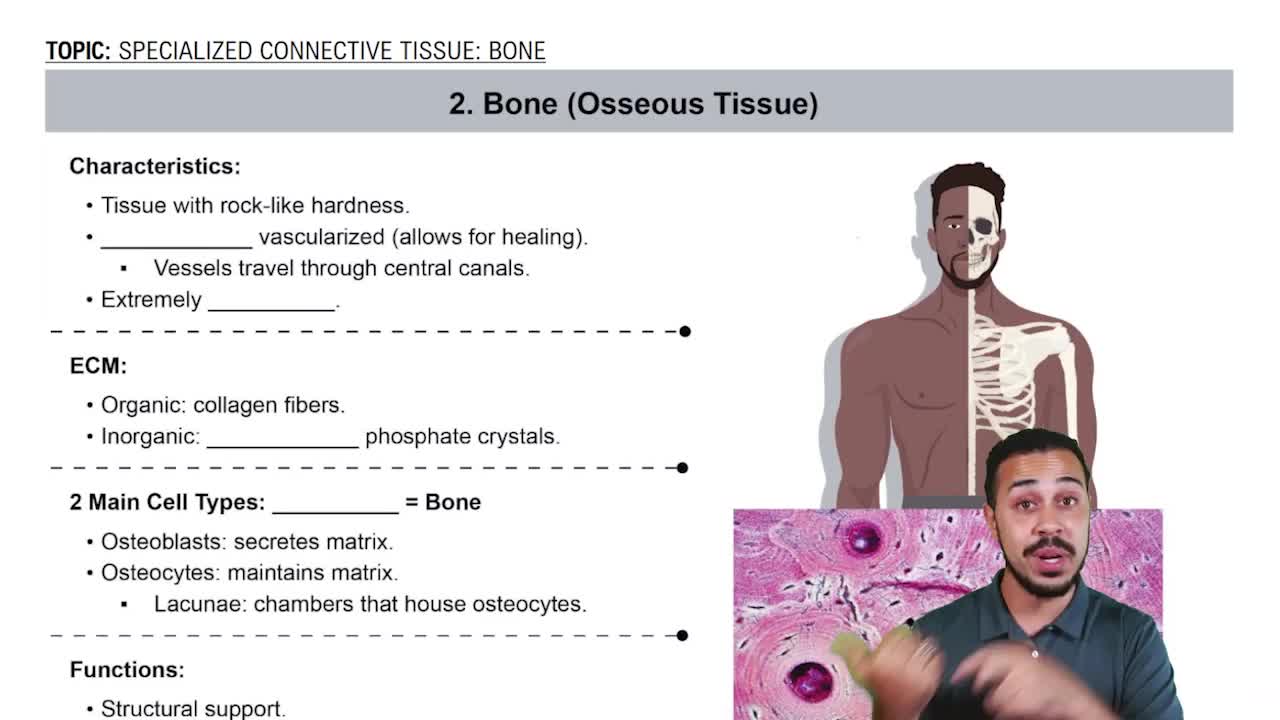
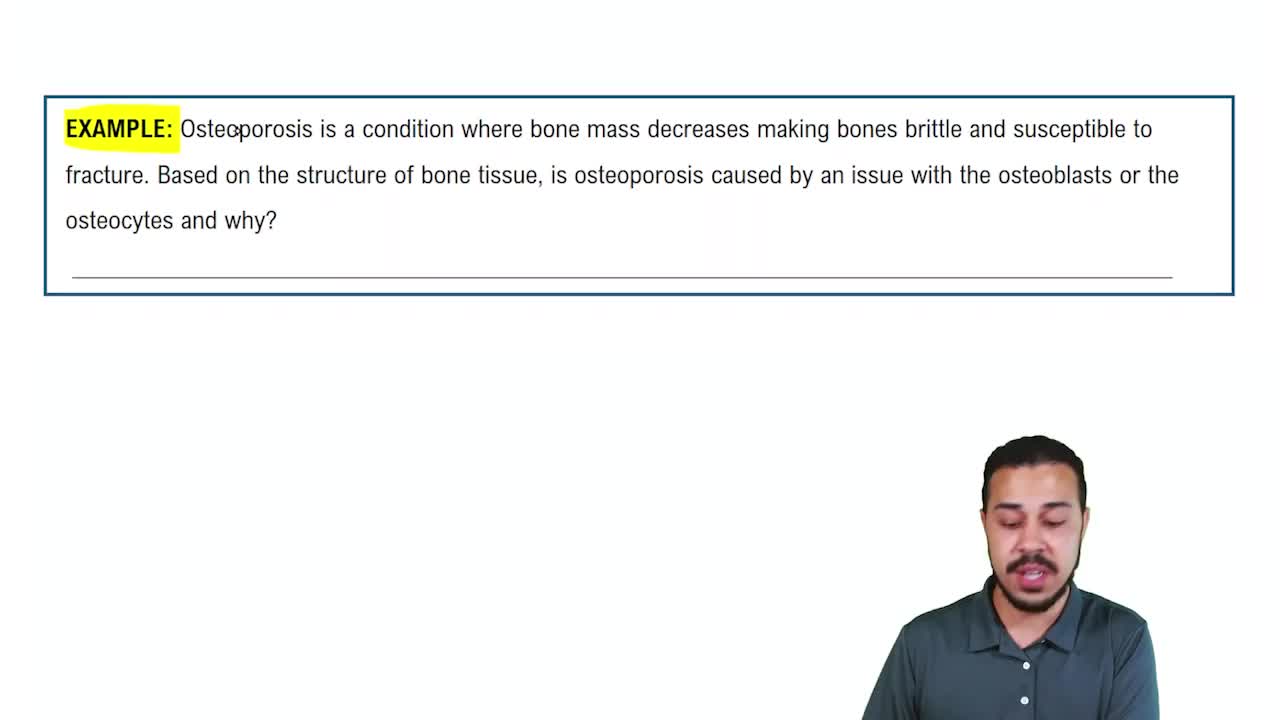
Specialized Connective Tissue: Bone
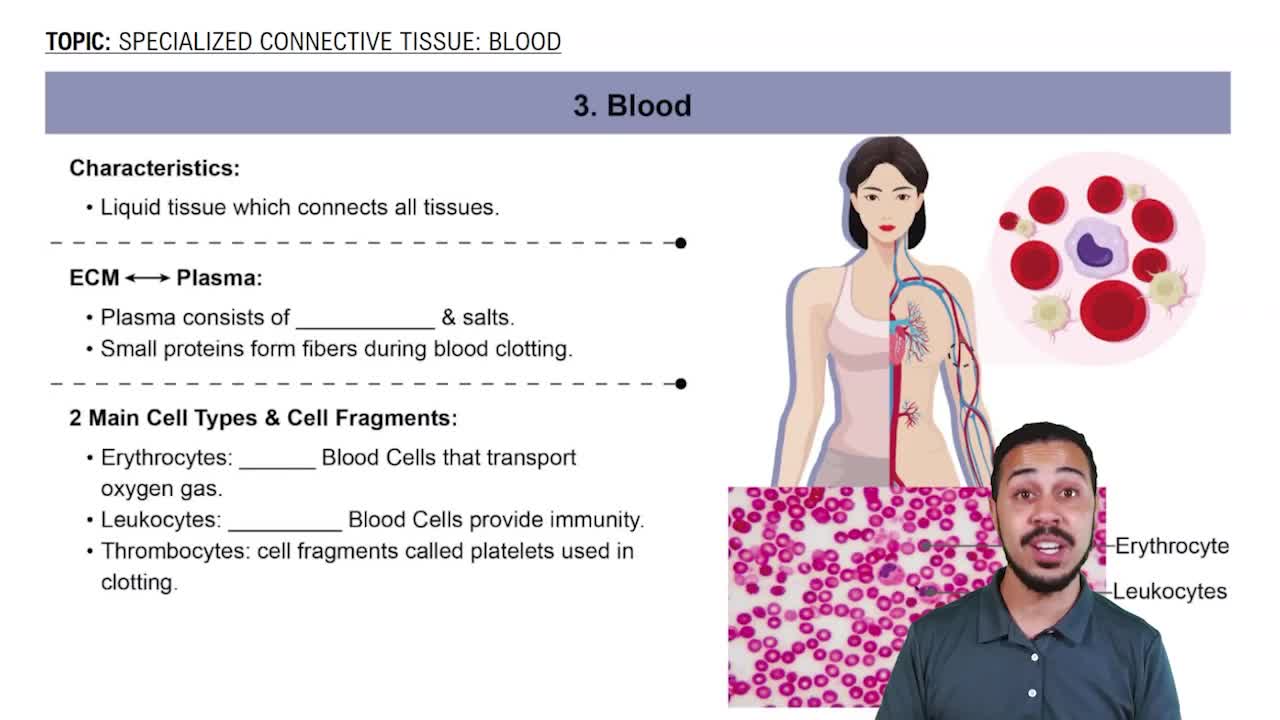
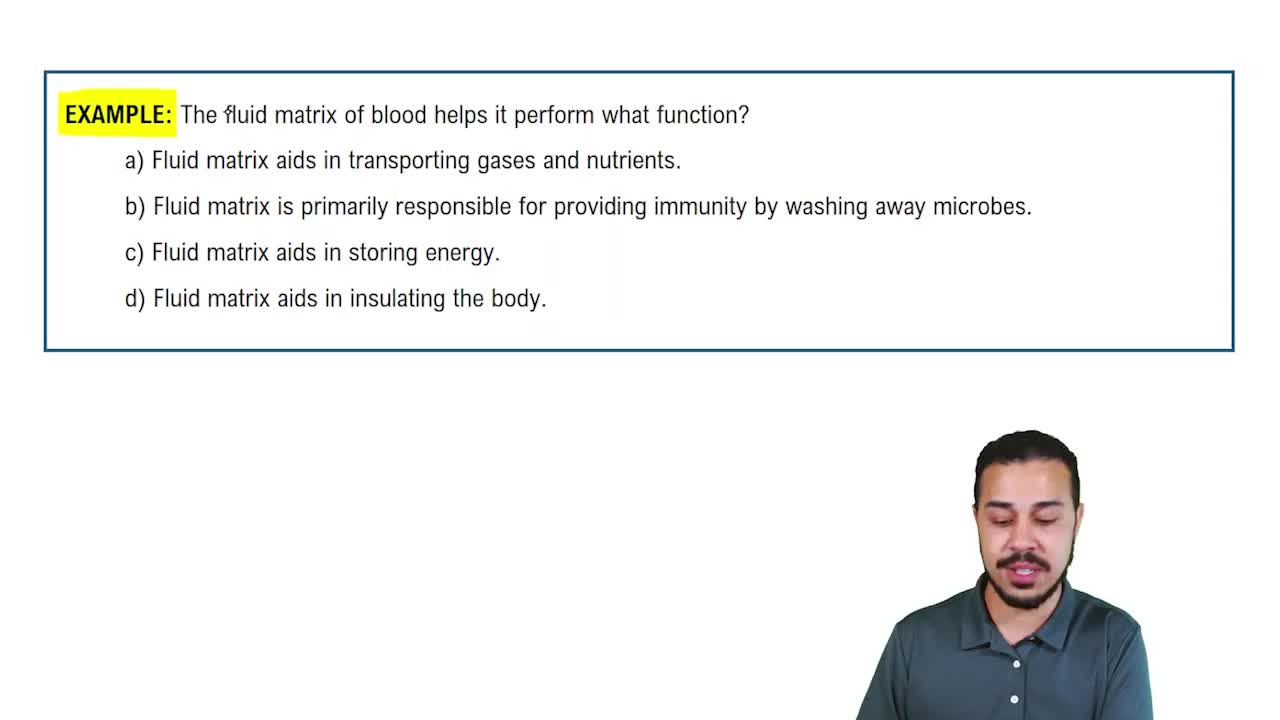
Specialized Connective Tissue: Blood
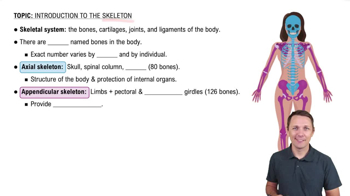
Introduction to the Skeleton
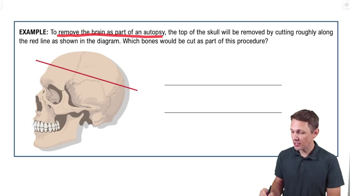
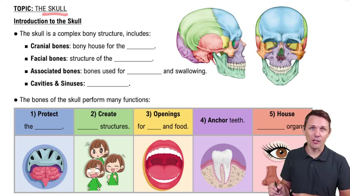
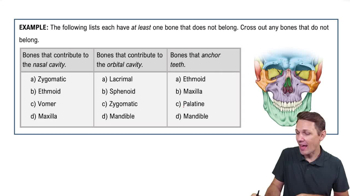
The Skull
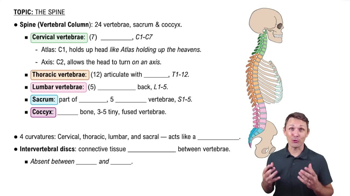
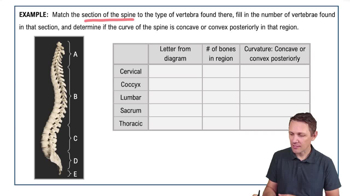
The Spine
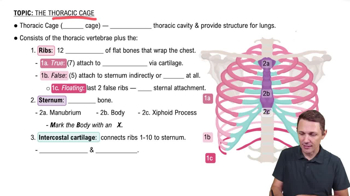
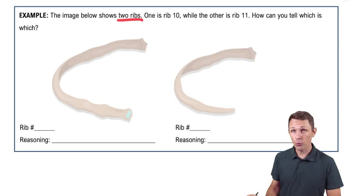
The Thoracic Cage
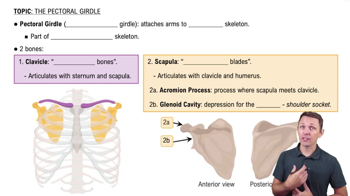
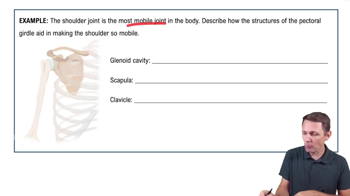
The Pectoral Girdle
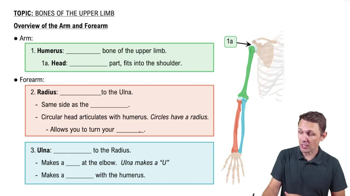
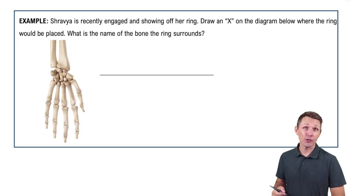
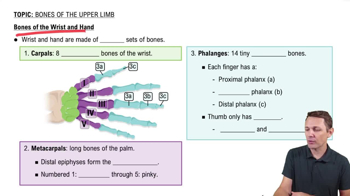
Bones of the Upper Limb
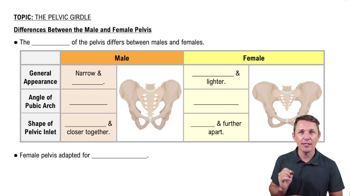
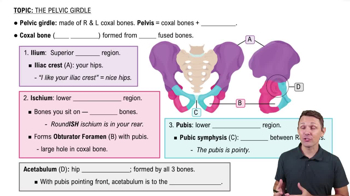
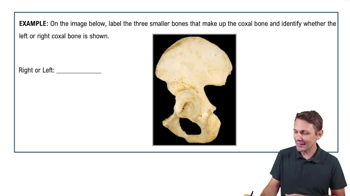
The Pelvic Girdle
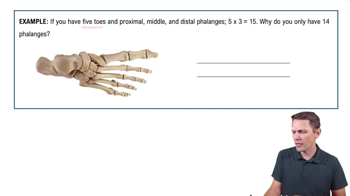
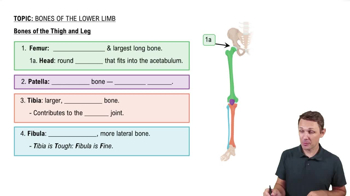
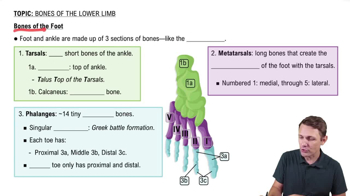
Bones of the Lower Limb
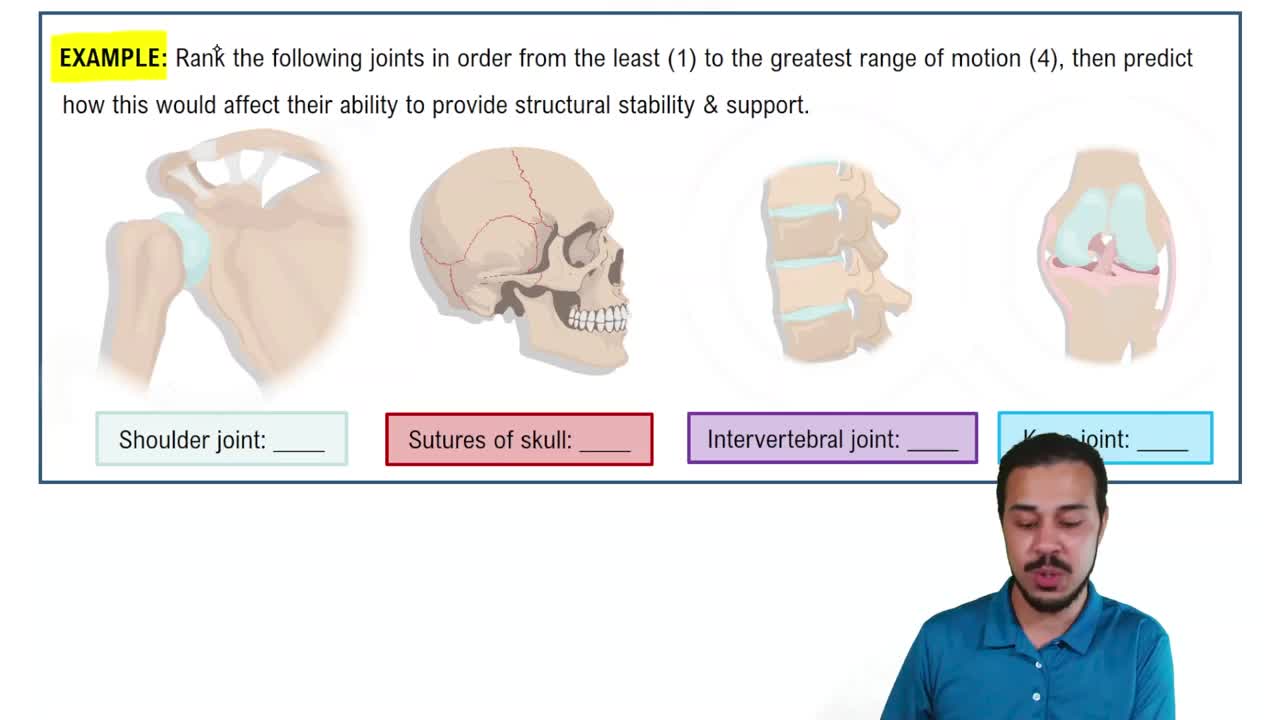
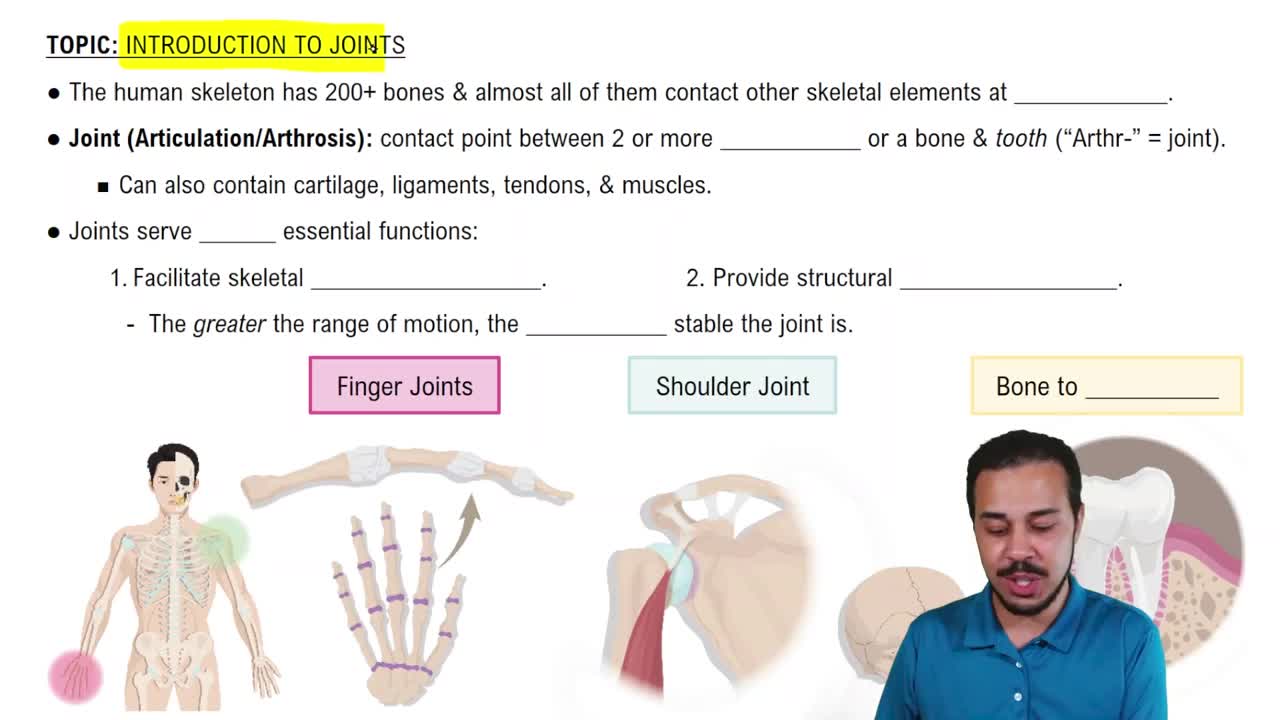
Introduction to Joints
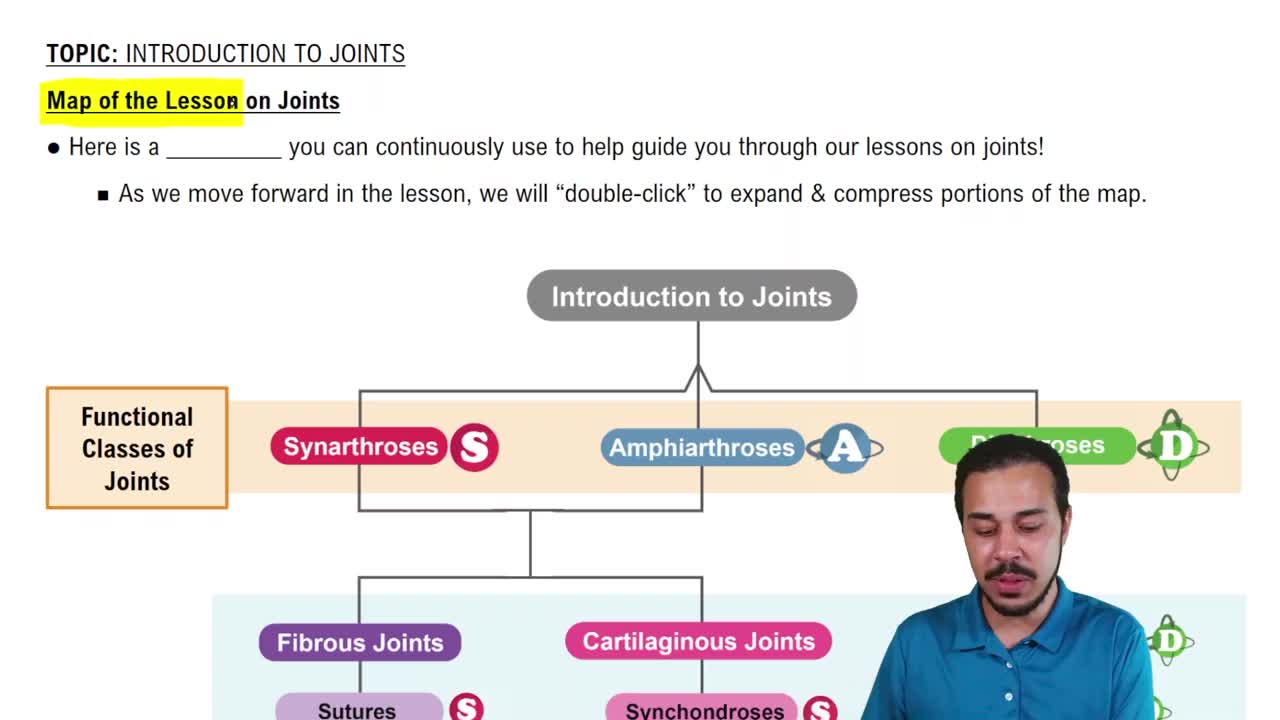
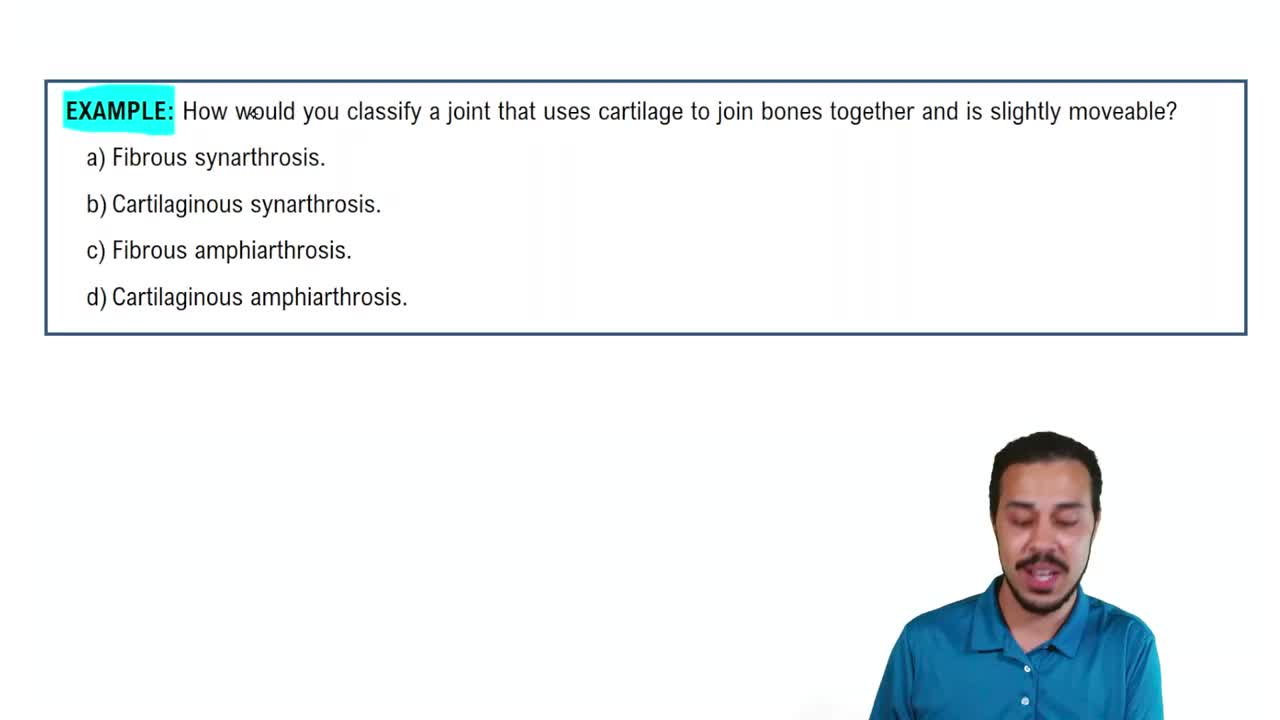
Classification of Joints
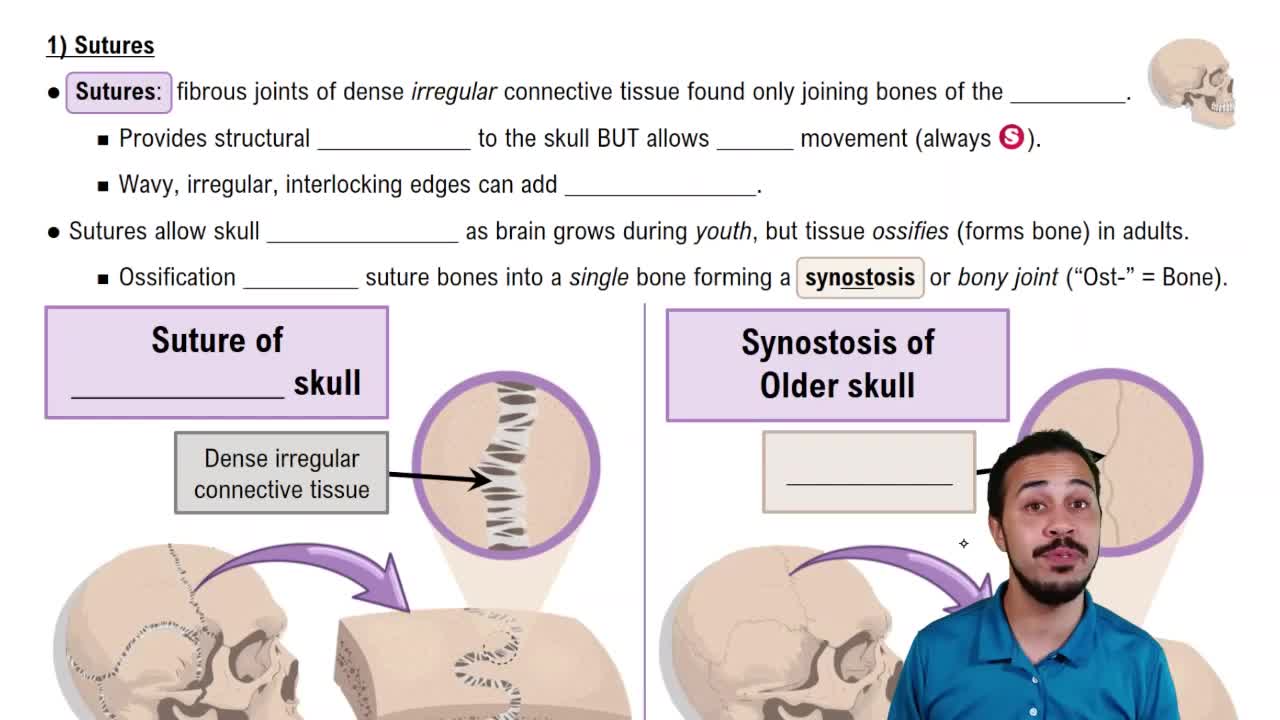
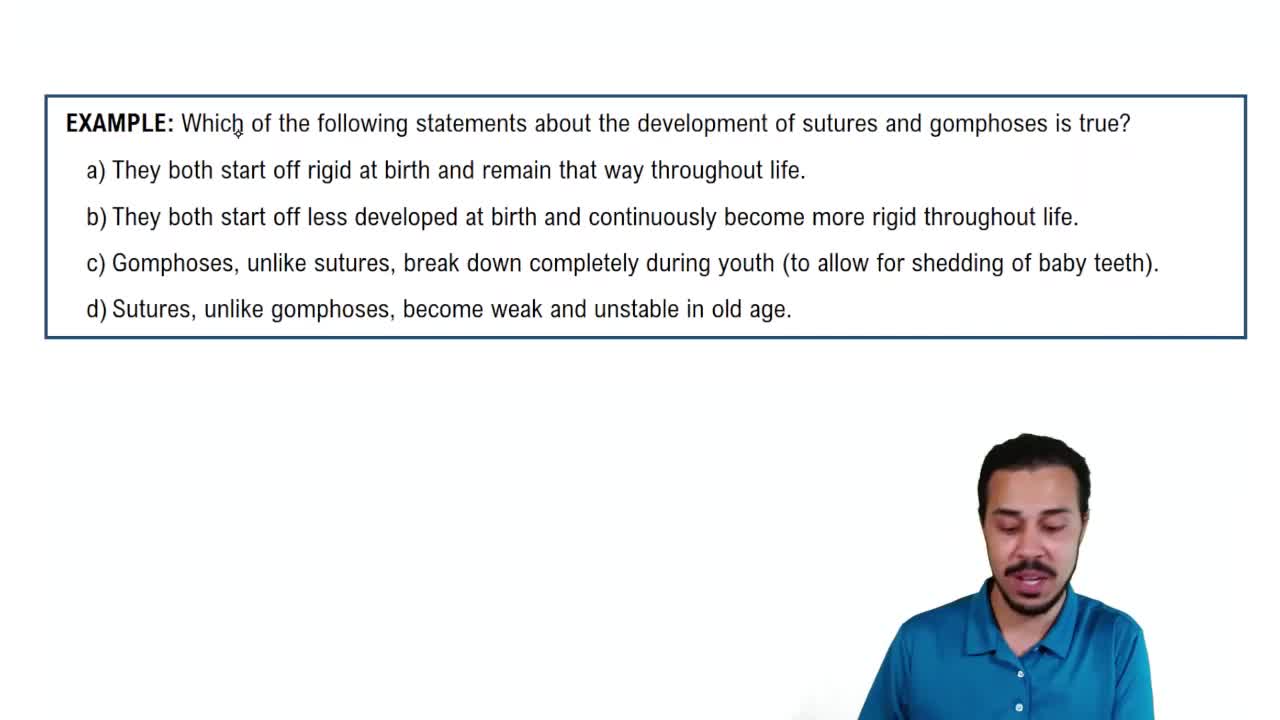
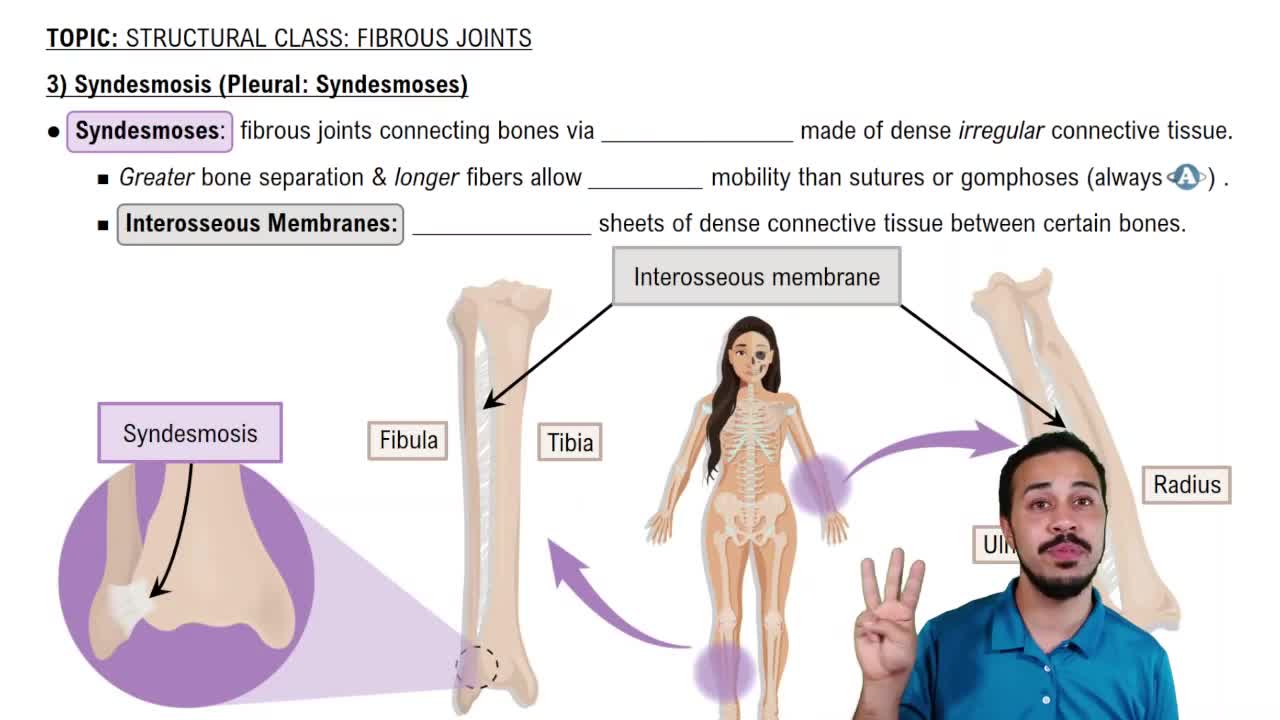
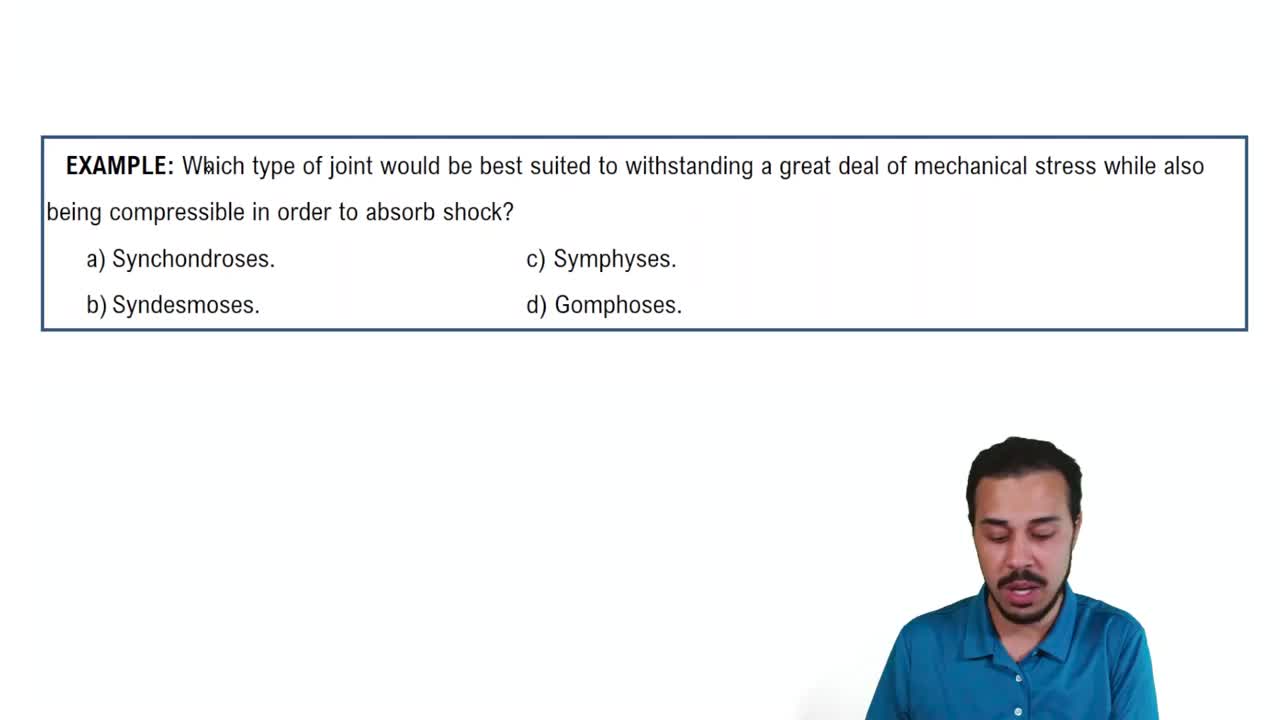
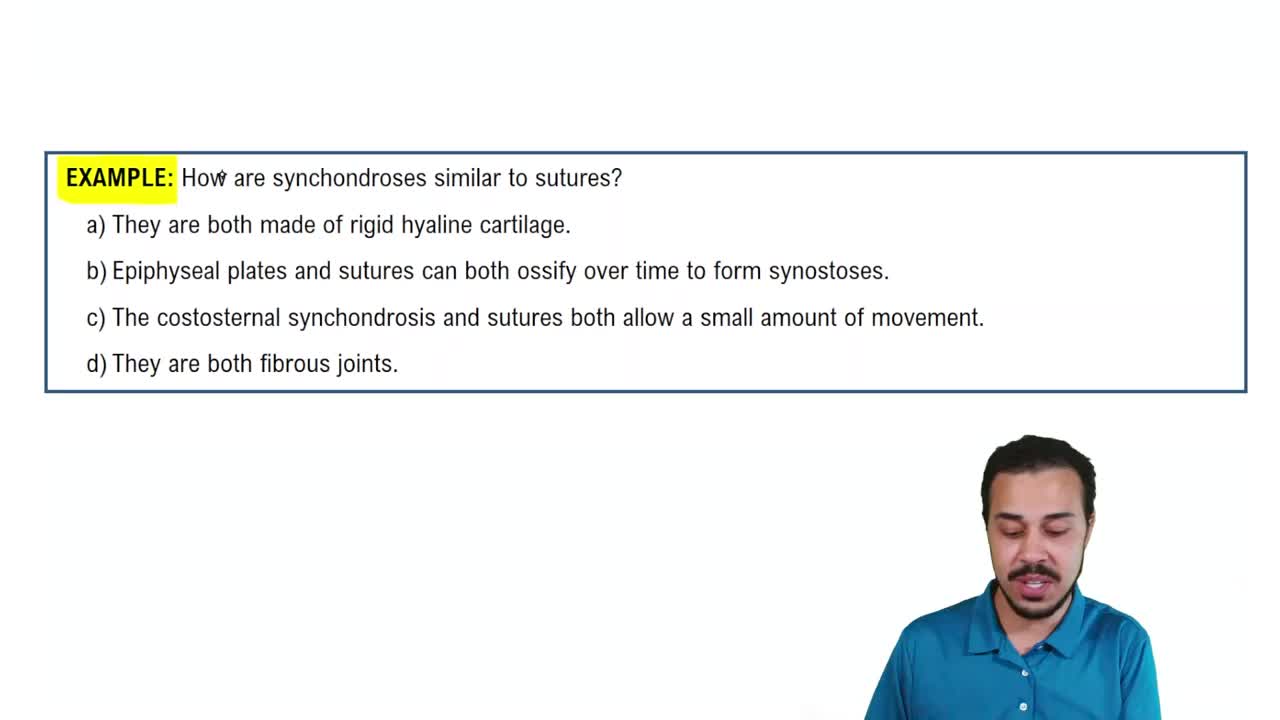
Structural Class: Fibrous Joints
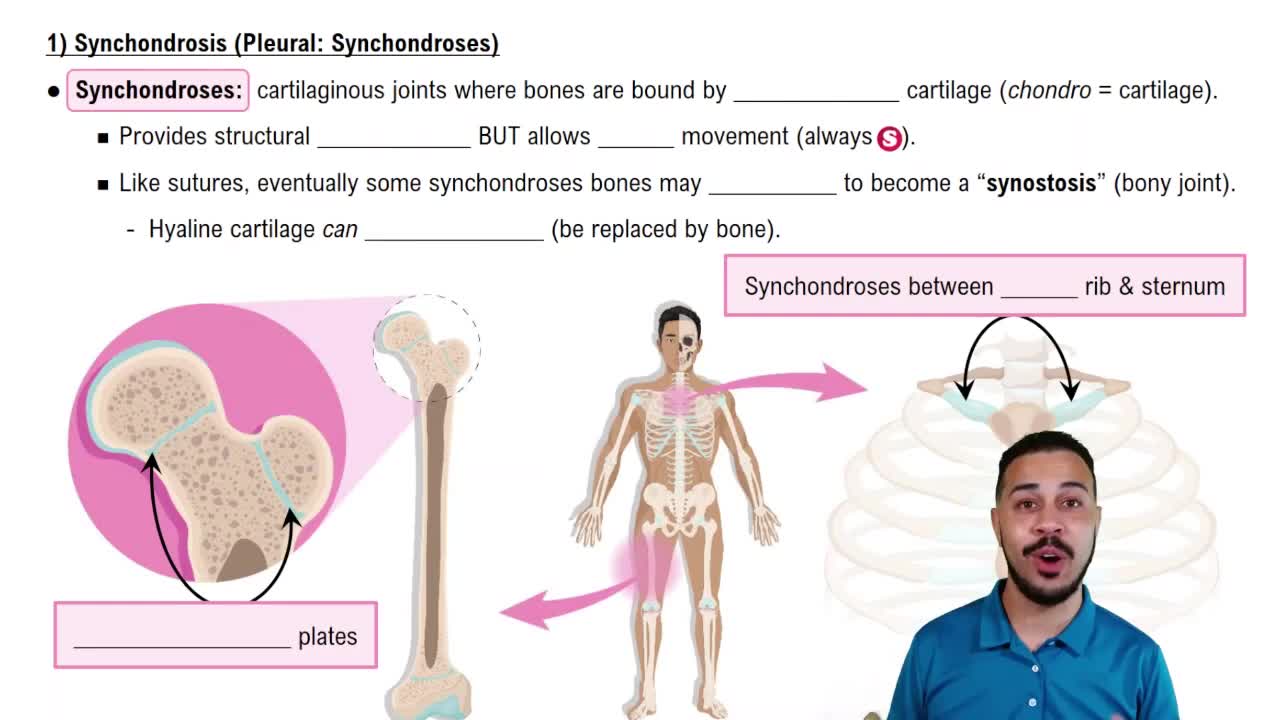
Structural Class: Cartilaginous Joints
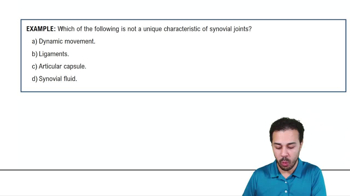
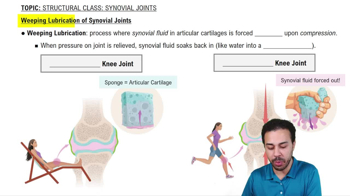
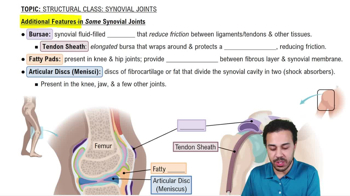
Structural Class: Synovial Joints
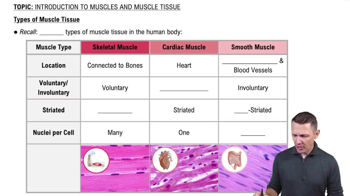
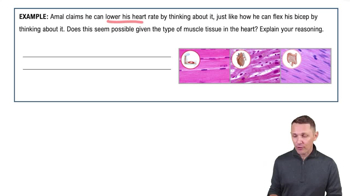
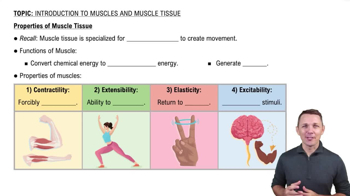
Introduction to Muscles and Muscle Tissue
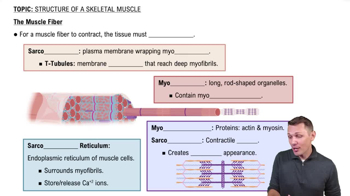
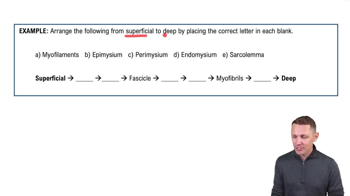
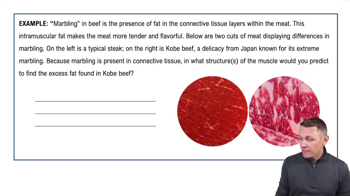
Structure of a Skeletal Muscle
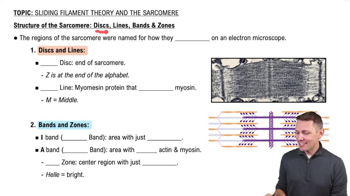
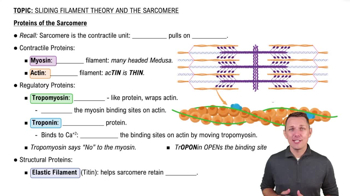
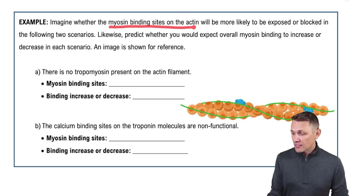
Sliding Filament Theory and the Sarcomere
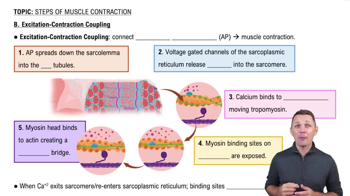
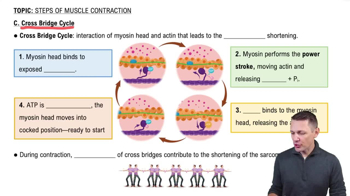
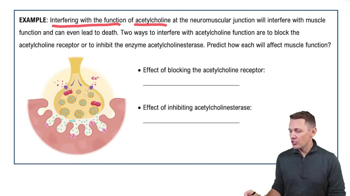
Steps of Muscle Contraction
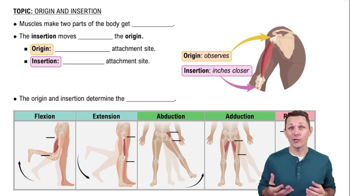
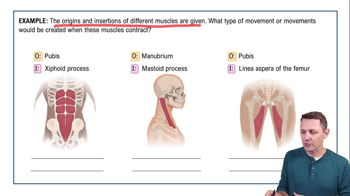
Origin and Insertion
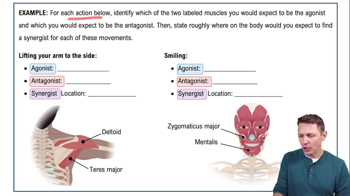
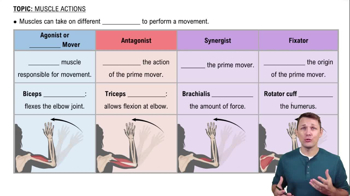
Muscle Actions
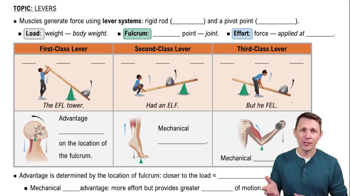
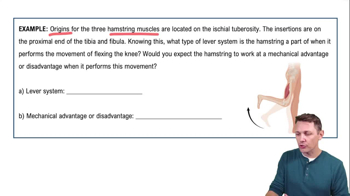
Levers
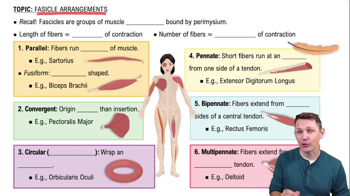
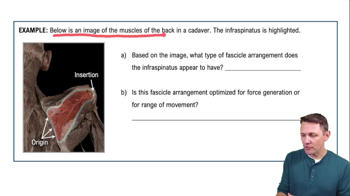
Fascicle Arrangements
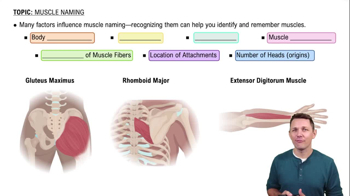
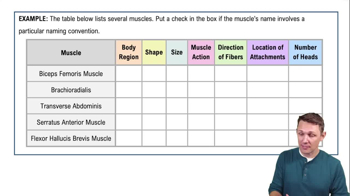
Muscle Naming
 뒤로
 업로드한 자료에 맞춘 엄선된 수업 – 모든 주제를 단계별로 배워보세요.
 3:06