 뒤로
BIO-2630 Human Anatomy & Physiology Syllabus and Course Structure Study Guide
스터디 가이드 - 스마트 노트
 자료에 맞춘 맞춤형 노트, 핵심 정의, 예시, 맥락을 확장해 제공합니다.
Course Overview
Introduction to Human Anatomy and Physiology
This course, BIO-2630, provides a comprehensive analysis of the structural and functional relationships within the human body. It covers biochemical, cellular, tissue, organ, and system levels, emphasizing the identification and physiological activities of the integumentary, skeletal, muscular, and nervous systems. The laboratory component reinforces lecture concepts through hands-on activities.
Course Credits: 4
Campus: Southfield
Lecture: Asynchronous (D2L)
Lab: Wednesdays, 9:00 AM - 11:50 AM
Required Text: Marieb Human Anatomy & Physiology, 12th edition
Online Homework: Mastering A&P (MAP)
Course Learning Outcomes
Core Competencies
Students will develop proficiency in anatomical and physiological terminology, understand the relationship between structure and function, and recognize interrelationships at molecular, cellular, tissue, and organ levels. The course also covers homeostasis, tissue and organ development, and the effects of parasympathetic and sympathetic nervous systems.
Structure-Function Correlation: Analyze how anatomical structures relate to their physiological functions.
Terminology: Use correct anatomical and physiological terms.
Levels of Organization: Recognize molecular, cellular, tissue, and organ interrelationships.
Homeostasis: Define and explain its importance in body systems.
Anatomical Identification: Identify major structures in body systems.
Tissue and Organ Development: Describe developmental processes.
Autonomic Nervous System: Distinguish between parasympathetic and sympathetic effects.
Physiological Processes: Organize sequence of events in physiological activities.
Course Structure and Evaluation
Assessment Components
The course uses a combination of lecture exams, lab practicals, weekly quizzes, online homework, extra credit, and professional points to evaluate student performance. The lowest score in most categories is dropped to support student success.
Lecture Exams: 4 unit exams (lowest dropped)
Lab Practical Exams: 4 practicals (lowest dropped)
Weekly Quizzes: Timed, multiple-choice (lowest dropped)
Core Quizzes: Skeletal and Nervous system (cannot be dropped)
Online Homework: Assigned per chapter (lowest dropped)
Extra Credit: Up to 30 points, optional
Professional Points: Lab performance, attendance, participation
Grading Policy
Final grades are calculated based on total points earned out of 720. The grading scale is as follows:
Letter Grade | Percentage |
|---|---|
A | 93-100% |
A- | 90-92.99% |
B+ | 87-89.99% |
B | 83-86.99% |
B- | 80-82.99% |
C+ | 77-79.99% |
C | 73-76.99% |
C- | 70-72.99% |
D+ | 67-69.99% |
D | 63-66.99% |
D- | 60-62.99% |
F | Below 59.99% |
Course Schedule
Weekly Topics and Activities
The course follows a structured schedule, covering key chapters in Anatomy & Physiology. Each week includes lecture topics, lab activities, quizzes, and homework assignments.
Week | Lecture Topic | Lab Topic | Quiz | Homework Due |
|---|---|---|---|---|
1 | Ch. 1: The Human Body: An Orientation & Ch. 2 | Lab Intro, Human Body Organ, Safety, Directional Terms | Syllabus Activity | Ch. 1 |
2 | Ch. 3: Cells: The Living Units | Human Body Organization, Directional | Quiz 1 | Ch. 2 & Ch. 3 |
3 | Ch. 4: Tissue: The Living Fabric | Human Body Organ, Histology | Quiz 2 | Ch. 4 |
4 | Ch. 5: The Integumentary System | Histology, Integumentary | Quiz 3 | Ch. 5 |
5 | Ch. 6: Bones and Skeletal Tissues / Lecture Exam 1 | Histology, Integumentary / Lab Exam 1 | - | - |
6 | Ch. 6: Bones and Skeletal Tissues | Skeletal System & Organization, Bones of Skull | - | Ch. 6 |
7 | Ch. 7: The Skeleton | Skeletal System: Vertebrae, Bony Thorax, Girdles | Core Quiz 1 | Ch. 7 |
8 | Ch. 8: Joints | Skeletal System: Appendicular | Quiz 4 | Ch. 8 |
9 | Ch. 9: Muscles and Muscle Tissue / Lecture Exam 2 | Skeletal System Review/Lab Exam 2 | - | - |
10 | Ch. 9: Muscles and Muscle Tissue | Muscles | Quiz 5 | Ch. 9 |
11 | Ch. 10: The Muscular System | Muscles | Quiz 6 | Ch. 10 |
12 | Lecture Exam 3 / Ch. 11: Fundamentals of the Nervous System and Nervous Tissue | Lab Exam 3 / Nervous System | - | Ch. 11 |
13 | NO CLASS | NO CLASS | - | - |
14 | Ch. 12: The Central Nervous System / Ch. 13: The Peripheral Nervous System and Reflex Activity | Nervous System | Core Quiz 2 | Ch. 12 & Ch. 13 |
15 | Ch. 14: The Autonomic Nervous System / Ch. 15: The Special Senses | Nervous System / Review | Quiz 7 | Ch. 14 & Ch. 15 |
16 | Lecture Exam 4 | Lab Exam 4 | - | - |
Laboratory Policies and Safety
Lab Preparation and Safety Requirements
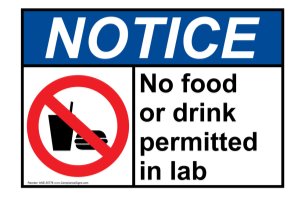
Students must bring the assigned lab manual, complete pre-lab activities, and wear approved chemical goggles for all wet lab activities. Labs involve hands-on study of anatomical models, histology, and dissection. Attendance and punctuality are strictly enforced.
Lab Manual: Required for each session
Pre-lab Activities: Must be completed before lab
Chemical Goggles: Mandatory for wet labs
Attendance: Missing more than 5 labs results in course failure
Academic Integrity and Conduct
Plagiarism, Cheating, and Student Code of Conduct
Academic dishonesty, including plagiarism and cheating, is strictly prohibited and will result in severe consequences. Students are expected to maintain high ethical standards, respect differences, and follow all college rules and regulations.
Consequences: May include grade penalties, suspension, or expulsion
Code of Conduct: Includes punctuality, civility, and appropriate use of technology
Technology and Support
Required Technology and Support Resources
Students must secure and maintain appropriate technology for course platforms (D2L and MAP). Technical support is available through OCC and Pearson. Additional support includes counseling, academic assistance, and accessibility services.
Minimum Skills: Web navigation, D2L tools, word processing, file management
Support: Academic Support Center, D2L Helpdesk, Counseling
Accessibility: ADA accommodations available through ACCESS office
Attendance and Grading Policies
Attendance, Withdrawal, and Grade Marks
Attendance is mandatory, especially for labs. Policies for withdrawal, incomplete grades, and non-attendance are clearly defined. Students must communicate with the instructor and OCC counselors for any grade or attendance issues.
Attendance: Required for labs; late arrivals count toward absences
Withdrawal: Student-initiated or instructor-initiated as per OCC policy
Incomplete: Granted only for emergencies with written agreement
Summary of Key Chapters Covered
Major Topics in Anatomy & Physiology
Ch. 1: The Human Body: An Orientation
Ch. 2: Chemistry Comes Alive
Ch. 3: Cells: The Living Units
Ch. 4: Tissue: The Living Fabric
Ch. 5: The Integumentary System
Ch. 6: Bones and Skeletal Tissue
Ch. 7: The Skeleton
Ch. 8: Joints
Ch. 9: Muscles and Muscle Tissue
Ch. 10: The Muscular System
Ch. 11: Fundamentals of the Nervous System and Nervous Tissue
Ch. 12: The Central Nervous System
Ch. 13: The Peripheral Nervous System and Reflex Activity
Ch. 14: The Autonomic Nervous System
Ch. 15: The Special Senses
Example: In Week 4, students study the integumentary system, learning about skin structure, function, and histology. In Week 7, the skeletal system is explored, including vertebrae and girdles.
Additional info: The syllabus provides a strong foundation for exam preparation, emphasizing both lecture and laboratory mastery. Students are encouraged to use all available resources, including extra credit and academic support, to achieve success.
