 뒤로
BIO-2630 Human Anatomy & Physiology Syllabus Study Guide
스터디 가이드 - 스마트 노트
 자료에 맞춘 맞춤형 노트, 핵심 정의, 예시, 맥락을 확장해 제공합니다.
Course Overview
Introduction to Human Anatomy & Physiology
This syllabus outlines the structure, expectations, and content for BIO-2630: Human Anatomy and Physiology at Oakland Community College. The course analyzes the structural and functional relationships of the human body at multiple levels, including biochemical, cellular, tissue, organ, and system. Emphasis is placed on the identification and physiological activities of the integumentary, skeletal, muscular, and nervous systems, with laboratory components reinforcing lecture concepts.
Course Credits: 4
Lecture: Asynchronous (D2L)
Lab: Wednesdays, 9:00 AM - 11:50 AM, Southfield Campus, B-305
Instructor: Dr. Daniel Adebayo
Course Content & Learning Outcomes
Major Topics Covered
The course schedule aligns with the standard Anatomy & Physiology curriculum, covering the following chapters:
Ch. 1: The Human Body: An Orientation
Ch. 2: Chemistry Comes Alive
Ch. 3: Cells: The Living Units
Ch. 4: Tissue: The Living Fabric
Ch. 5: The Integumentary System
Ch. 6: Bones and Skeletal Tissue
Ch. 7: The Skeleton
Ch. 8: Joints
Ch. 9: Muscles and Muscle Tissue
Ch. 10: The Muscular System
Ch. 11: Fundamentals of the Nervous System and Nervous Tissue
Ch. 12: The Central Nervous System
Ch. 13: The Peripheral Nervous System and Reflex Activity
Ch. 14: The Autonomic Nervous System
Ch. 15: The Special Senses
Learning Outcomes:
Correlate structure and function in body systems
Use anatomical and physiological terminology appropriately
Recognize interrelationships between molecular, cellular, tissue, and organ levels
Define homeostasis
Identify major anatomical structures
Describe tissue and organ development
Distinguish between parasympathetic and sympathetic effects
Organize physiological process sequences
Course Structure & Assessment
Lecture and Laboratory Components
The course consists of asynchronous lectures and in-person laboratory sessions. Labs focus on hands-on study using models, skeletons, histology slides, and dissection. Students are expected to prepare by reading assigned materials and completing pre-lab activities.
Lecture Exams: 4 unit exams (lowest score dropped)
Lab Practical Exams: 4 practicals (lowest score dropped)
Weekly Quizzes: Timed, multiple-choice, covering previous week's material (lowest score dropped except core quizzes)
Online Homework: Assigned via Mastering A&P (MAP), with deadlines enforced
Extra Credit: Up to 30 points available for optional activities
Professional Points: Awarded for lab performance, attendance, and etiquette
Grading Policy
Grades are calculated based on total points earned out of 720. The grading scale is as follows:
Letter Grade | Percentage |
|---|---|
A | 93-100% |
A- | 90-92.99% |
B+ | 87-89.99% |
B | 83-86.99% |
B- | 80-82.99% |
C+ | 77-79.99% |
C | 73-76.99% |
C- | 70-72.99% |
D+ | 67-69.99% |
D | 63-66.99% |
D- | 60-62.99% |
F | Below 59.99% |
Formula for Final Grade Calculation:
Course Policies
Attendance and Participation
Attendance is mandatory for labs, and participation is expected. Missing more than 5 labs results in a failing grade. Students must arrive on time, prepared with required materials (lab manual, goggles, etc.).
Academic Integrity
Plagiarism and cheating are strictly prohibited. Violations may result in a grade of F or zero for the assignment, and all incidents are reported to the academic dean.
Student Code of Conduct
Be punctual and prepared
Demonstrate ethical behavior
Respect differences and maintain civility
Follow all college rules and regulations
Required Materials & Technology
Textbook and Lab Manual
Textbook: Marieb Human Anatomy & Physiology, 12th edition
Lab Manual: BIO 2630 Human Anatomy and Physiology I Lab Manual
Online Homework: Mastering A&P (MAP)
Scantron Forms: 18 green half-sheet forms (882-E)
Device: Computer or tablet with reliable internet access
Technology Requirements
Web navigation and D2L access
Basic word processing and file management
Routine device maintenance (updates, clearing cache, etc.)
Support & Accessibility
Student Support Services
Academic Support Center (ASC): Tutoring, Supplemental Instruction, study skill seminars
ACCESS Office: Support for students with disabilities
Technical Support: D2L Helpdesk available 24/7
Health and Safety: Follow OCC procedures and wear approved goggles in lab
Course Schedule Overview
Weekly Topics and Activities
The course schedule follows a logical progression through the major systems of the human body, with weekly quizzes, homework, and lab activities reinforcing lecture content. Students should review the assigned chapters, complete pre-lab activities, and participate in lab sessions for optimal learning.
Laboratory Safety
Lab Safety Rules
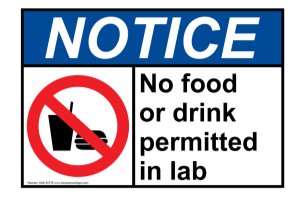
No food or drink is permitted in the laboratory at any time. This includes gum, candy, water bottles, and other consumables. Violations may result in loss of points.
Additional Information
Policies on Missed Work and Grades
Due dates for homework and quizzes are firm; no extensions granted
Lowest exam and quiz scores are dropped (except core quizzes)
Extra credit is available to offset missed assignments
Special grades (N, W, WS, I) are assigned according to OCC policy
FERPA and ADA Compliance
Student privacy is protected under FERPA. Students requiring accommodations should contact the ACCESS office for support.
Netiquette and Technology Use
Students are expected to follow best practices for online communication and maintain appropriate use of technology resources as outlined by OCC regulations.
Summary
This syllabus provides a comprehensive guide to the structure, content, and expectations for BIO-2630: Human Anatomy and Physiology. Students are encouraged to review all policies, prepare for labs and lectures, and utilize available support resources to achieve academic success.
