 뒤로
Blood and Blood Vessels: Structure, Function, and Pathology
스터디 가이드 - 스마트 노트
 자료에 맞춘 맞춤형 노트, 핵심 정의, 예시, 맥락을 확장해 제공합니다.
The Circulatory System
Overview
The circulatory system is a complex network responsible for transporting blood, nutrients, gases, and waste throughout the body. It consists of the heart, blood vessels (arteries, veins, capillaries), and the lymphatic system. - Closed circulatory system: Blood is contained within vessels and circulates in one direction. - Open circulatory system: Blood is not enclosed in vessels; instead, it mixes with interstitial fluid in a cavity called the hemocoel.
Main Components
- Blood: The circulating fluid that transports substances. - Vascular System: The network of blood vessels. - Lymphatic System: Returns excess fluid to the bloodstream and filters pathogens.
Blood
Functions of Blood
Blood serves three primary functions: - Transportation: Oxygen, carbon dioxide, nutrients, hormones, heat, and wastes. - Regulation: pH, body temperature, and water content of cells. - Protection: Clotting to prevent blood loss and defense against disease via white blood cells and proteins (antibodies, interferons, complement proteins).
Composition of Blood
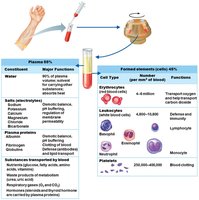
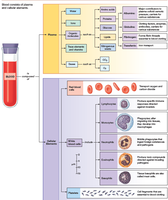
Blood is a fluid connective tissue composed of cellular elements suspended in plasma.
Plasma: Nonliving fluid matrix (55% of blood volume).
Formed elements: Living cells (erythrocytes, leukocytes, platelets; 45% of blood volume).
Physical Characteristics and Volume
- Sticky, opaque fluid, heavier and thicker than water. - Color varies: oxygen-rich blood is scarlet red; oxygen-poor is dull red or purple. - Slightly alkaline pH (7.35–7.45). - Blood temperature is slightly higher than body temperature. - Volume: 5–6 liters in a healthy adult (8% of body weight).
Plasma
Plasma is a straw-colored fluid, 90% water, containing dissolved substances: - Nutrients: Glucose, amino acids, fatty acids. - Electrolytes: Sodium, potassium, calcium, chloride, bicarbonate. - Respiratory gases: Oxygen, carbon dioxide. - Hormones and waste products. - Plasma proteins: Albumin (osmotic pressure, buffer), clotting proteins, antibodies.
Formed Cellular Elements
Erythrocytes (Red Blood Cells, RBCs)
Erythrocytes are specialized cells for oxygen transport. - Anucleate: No nucleus; lack mitochondria. - Shape: Biconcave discs for increased surface area. - Haemoglobin: Iron-bearing protein; each molecule binds 4 oxygen molecules. - Normal count: 5 million RBCs per mm3 of blood. - Lifespan: ~120 days; formed in bone marrow from stem cells. 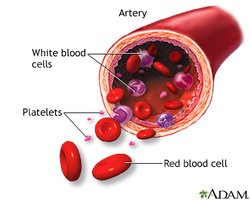
Haemoglobin Structure
Haemoglobin consists of four polypeptide chains (two alpha, two beta) and a heme group containing iron. The heme group binds oxygen and gives blood its red color. 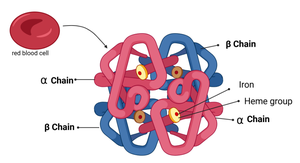
Homeostatic Imbalances of RBCs
- Anaemia: Decreased oxygen-carrying ability due to low RBC count or abnormal haemoglobin. - Sickle cell anaemia: Abnormal haemoglobin shape reduces oxygen binding. 
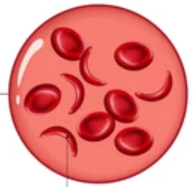 - Iron-deficiency anaemia: Low iron or haemoglobin, decreased oxygen capacity. - Polycythemia: Excessive RBCs, increases blood viscosity; may result from bone marrow cancer or high altitude.
Leukocytes (White Blood Cells, WBCs)
Leukocytes are crucial for defense against disease. - Complete cells: Have nucleus and organelles. - Diapedesis: Move in and out of blood vessels. - Positive chemotaxis: Respond to chemicals from damaged tissues. - Normal count: 4,800–10,800 WBCs per mm3 of blood.
Neutrophils
Lymphocytes
Monocytes
Eosinophils
Basophils
Mnemonic: Never Let Monkeys Eat Bananas (order of abundance).
Homeostatic Imbalances of WBCs
- Leukocytosis: Elevated WBC count, normal in infection, pathological in leukemia. - Leukopenia: Low WBC count, often drug-induced. - Leukemia: Cancerous bone marrow produces immature WBCs.
Platelets
Platelets are cell fragments from megakaryocytes, essential for blood clotting. - Normal count: 300,000 platelets per mm3 of blood.
Hematopoiesis (Blood Cell Formation)
Process and Regulation
Hematopoiesis occurs in red bone marrow. All blood cells derive from a common stem cell (hemocytoblast). - Lymphoid stem cell: Produces lymphocytes. - Myeloid stem cell: Produces all other formed elements.
Red Blood Cell Formation
- RBCs cannot divide or synthesize proteins. - Lifespan: 100–120 days; eliminated by phagocytes in spleen or liver. - Reticulocytes: Young RBCs entering circulation. - Erythropoietin: Hormone from kidneys regulates RBC production in response to low oxygen. - Negative feedback: Maintains homeostasis of blood oxygen levels.
Blood Vessels
Types and Structure
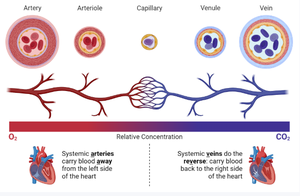
Blood vessels form a closed delivery system beginning and ending at the heart.
Arteries: Carry blood away from the heart; main artery is the aorta.
Capillaries: Sites of exchange between blood and tissues; narrow diameter, leaky epithelium.
Veins: Carry blood toward the heart; contain valves to prevent backflow.
Major Arteries and Veins
The aorta branches into major arteries (carotid, brachial, thoracic, iliac) supplying various organs and limbs. 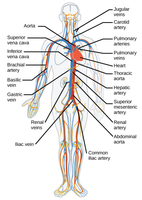
Capillary Beds
Capillary beds consist of numerous capillaries branching among cells and tissues, facilitating exchange of nutrients, gases, and wastes. 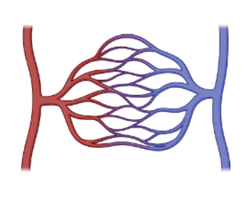
Structure of Blood Vessels
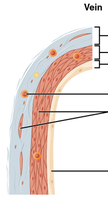
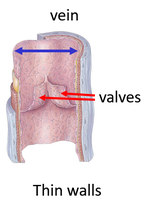
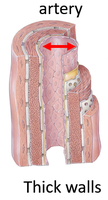
- Arteries and arterioles: Thick walls to withstand high pressure. - Veins and venules: Thinner walls, wider diameters, lower pressure, valves to prevent backflow. - Lumen: Hollow passageway for blood flow. 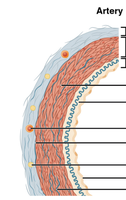
Comparison of Blood Vessels
Type | Direction | Wall Thickness | Pressure | Valves |
|---|---|---|---|---|
Arteries | Away from heart | Thick | High | No |
Veins | Toward heart | Thin | Low | Yes |
Capillaries | Connect arteries to veins | Very thin | Low | No |
Medical Professions Related to Blood
Phlebotomists
Health professionals trained to draw blood for analysis, transfusion, donation, or research.
Medical Laboratory Technologists
Perform complex laboratory tests on blood, tissues, and bodily fluids, providing diagnostic data for physicians.
Example:
Blood tests for communicable diseases, monitoring treatments, and diagnosing disorders. Additional info: The notes above expand on brief lecture points with academic context, definitions, and relevant examples for self-contained study.
