 뒤로
뒤로Body Organization and Anatomical Terminology: Foundations of Anatomy & Physiology
스터디 가이드 - 스마트 노트
 자료에 맞춘 맞춤형 노트, 핵심 정의, 예시, 맥락을 확장해 제공합니다.
Body Organization and Terminology
Introduction to Body Organization
The human body is organized into a hierarchy of structural levels, from the simplest chemical level to the complex organismal level. Understanding this organization is essential for studying anatomy and physiology, as it provides a framework for describing the location and function of body parts.
Organ Systems of the Human Body
Overview of Organ Systems
The body is composed of multiple organ systems, each with specific structures and functions that contribute to overall homeostasis. Below is a summary of the major organ systems, their principal organs, and primary functions.
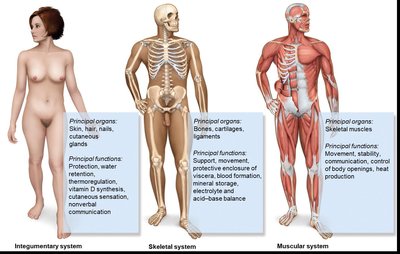
Integumentary System: Skin, hair, nails, cutaneous glands. Functions: Protection, water retention, thermoregulation, vitamin D synthesis, cutaneous sensation, nonverbal communication.
Skeletal System: Bones, cartilages, ligaments. Functions: Support, movement, protection, blood formation, mineral storage, electrolyte and acid-base balance.
Muscular System: Skeletal muscles. Functions: Movement, stability, communication, control of body openings, heat production.
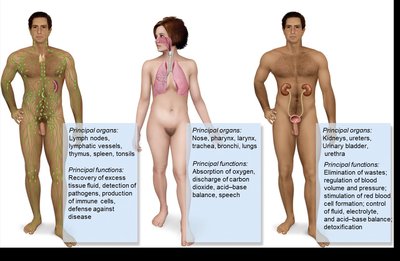
Lymphatic System: Lymph nodes, lymphatic vessels, thymus, spleen, tonsils. Functions: Recovery of excess tissue fluid, immune response, detection of pathogens, production of immune cells.
Respiratory System: Nose, pharynx, larynx, trachea, bronchi, lungs. Functions: Absorption of oxygen, discharge of carbon dioxide, acid-base balance, speech.
Urinary System: Kidneys, ureters, urinary bladder, urethra. Functions: Elimination of wastes, regulation of blood volume and pressure, stimulation of red blood cell formation, control of fluid, electrolyte, and acid-base balance, detoxification.
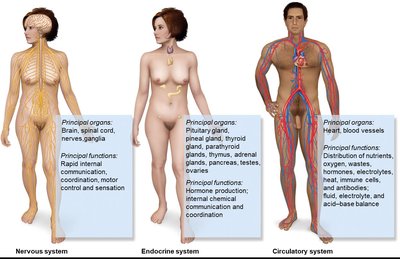
Nervous System: Brain, spinal cord, nerves, ganglia. Functions: Rapid internal communication, coordination, motor control, and sensation.
Endocrine System: Pituitary gland, pineal gland, thyroid gland, parathyroid glands, thymus, adrenal glands, pancreas, testes, ovaries. Functions: Hormone production, internal chemical communication, and coordination.
Circulatory System: Heart, blood vessels. Functions: Distribution of nutrients, oxygen, wastes, hormones, electrolytes, heat, immune cells, and antibodies; fluid, electrolyte, and acid-base balance.
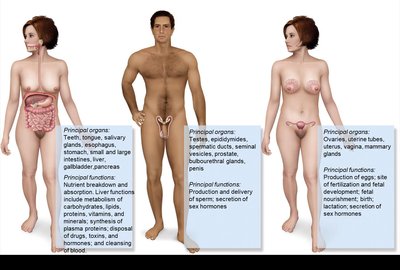
Digestive System: Teeth, tongue, salivary glands, esophagus, stomach, small and large intestines, liver, gallbladder, pancreas. Functions: Nutrient breakdown and absorption, metabolism of carbohydrates, lipids, proteins, vitamins, and minerals; synthesis of plasma proteins; disposal of drugs, toxins, and wastes; cleansing of blood.
Male Reproductive System: Testes, epididymides, spermatic ducts, seminal vesicles, prostate, bulbourethral glands, penis. Functions: Production and delivery of sperm, secretion of sex hormones.
Female Reproductive System: Ovaries, uterine tubes, uterus, vagina, mammary glands. Functions: Production of eggs, site of fertilization and fetal development, fetal nourishment, birth, lactation, secretion of sex hormones.
Major Organs and Their Locations
Understanding the anatomical location of major organs is crucial for identifying their relationships and functions within the body.
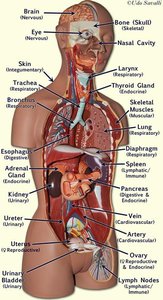
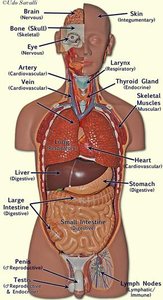
Abdominopelvic Quadrants and Regions
Quadrants
The abdominopelvic cavity is divided into four quadrants for clinical and anatomical reference:
Right Upper Quadrant (RUQ)
Left Upper Quadrant (LUQ)
Right Lower Quadrant (RLQ)
Left Lower Quadrant (LLQ)
Regions
For more precise localization, the cavity is also divided into nine regions:
Right hypochondriac
Epigastric
Left hypochondriac
Right lumbar
Umbilical
Left lumbar
Right inguinal
Hypogastric (pubic)
Left inguinal
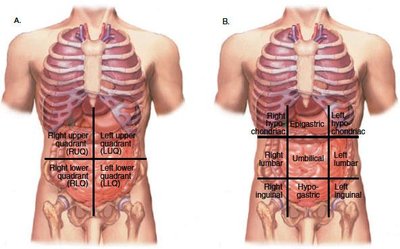
Body Cavities and Serous Membranes
Major Body Cavities
The body contains several major cavities that house and protect internal organs. These include the dorsal (cranial and vertebral) and ventral (thoracic and abdominopelvic) cavities.
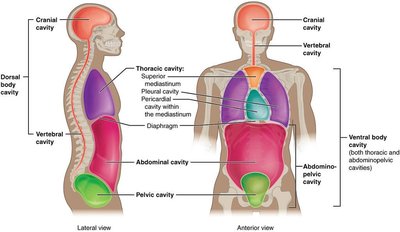
Serous Membranes
Serous membranes line the body cavities and cover the organs within them, providing lubrication and reducing friction. Key serous membranes include the pleura (lungs), pericardium (heart), and peritoneum (abdominopelvic organs).
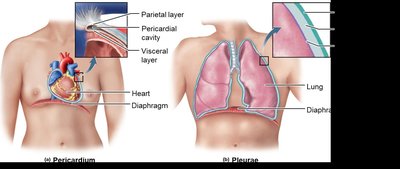
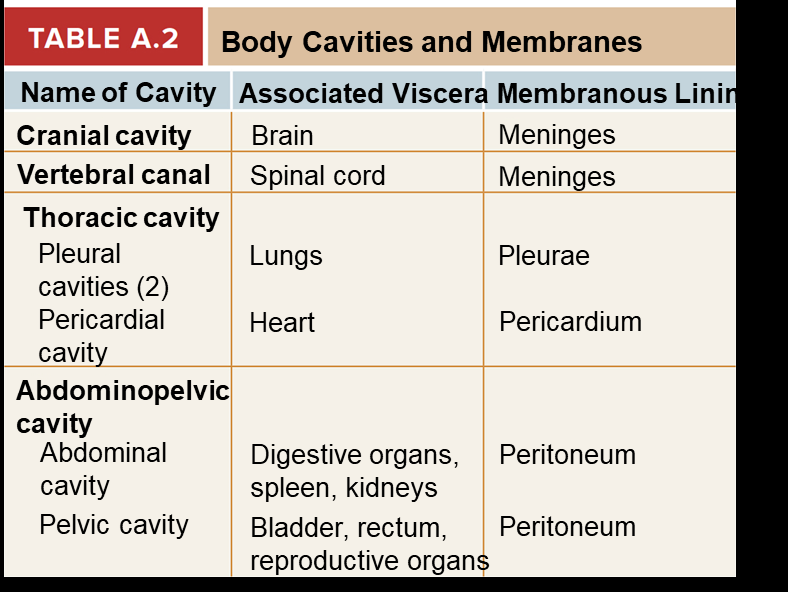
Table: Body Cavities and Membranes
The following table summarizes the main body cavities, their associated viscera, and the membranous linings:
Name of Cavity | Associated Viscera | Membranous Lining |
|---|---|---|
Cranial cavity | Brain | Meninges |
Vertebral canal | Spinal cord | Meninges |
Thoracic cavity Pleural cavities (2) Pericardial cavity | Lungs Heart | Pleurae Pericardium |
Abdominopelvic cavity Abdominal cavity Pelvic cavity | Digestive organs, spleen, kidneys Bladder, rectum, reproductive organs | Peritoneum Peritoneum |
Body Planes and Sections
Major Anatomical Planes
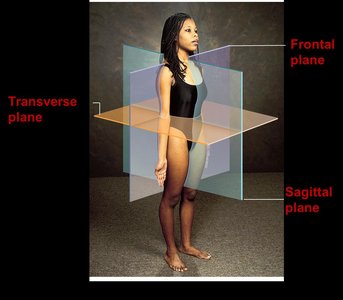
Body planes are imaginary lines used to divide the body into sections for anatomical study and medical imaging. The three primary planes are:
Frontal (coronal) plane: Divides the body into anterior (front) and posterior (back) portions.
Sagittal plane: Divides the body into right and left portions. The midsagittal (median) plane divides the body into equal right and left halves.
Transverse (horizontal) plane: Divides the body into superior (upper) and inferior (lower) portions.
Examples of Body Sections
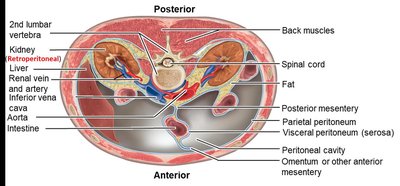
Sections are actual cuts or slices along a plane, used in imaging and anatomical studies. For example, a transverse section through the abdomen reveals the arrangement of internal organs at that level.

Anatomical Terminology
Directional Terms
Standardized anatomical terminology is used to describe the locations and relationships of body parts. Key directional terms include:
Anterior (ventral): Toward the front of the body
Posterior (dorsal): Toward the back of the body
Superior: Toward the head or upper part of a structure
Inferior: Away from the head or toward the lower part of a structure
Medial: Toward the midline of the body
Lateral: Away from the midline of the body
Proximal: Closer to the point of attachment or origin
Distal: Farther from the point of attachment or origin
Superficial: Toward or at the body surface
Deep: Away from the body surface; more internal
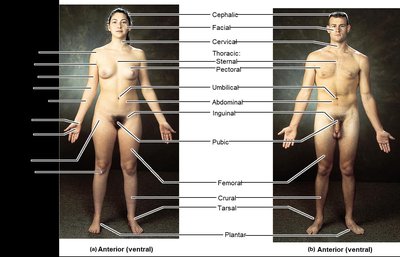
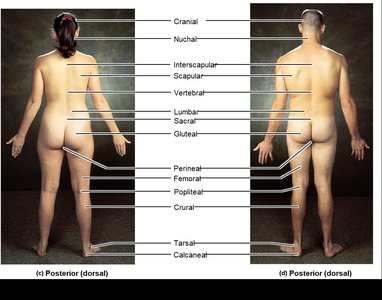
Regional Terms
Regional terms specify particular areas within the major body divisions (axial and appendicular regions). For example, the brachial region refers to the arm, while the femoral region refers to the thigh.
Summary Table: Body Cavities and Membranes
See above for the table summarizing the main body cavities, their associated viscera, and membranous linings.
Additional Info
Understanding anatomical terminology and body organization is foundational for all further study in anatomy and physiology.
Clinical applications include using quadrants and regions for diagnosis, and planes for interpreting medical imaging.
