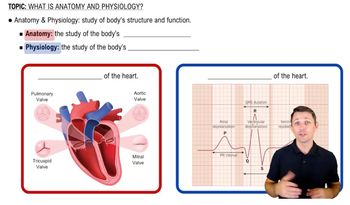
What is Anatomy & Physiology?
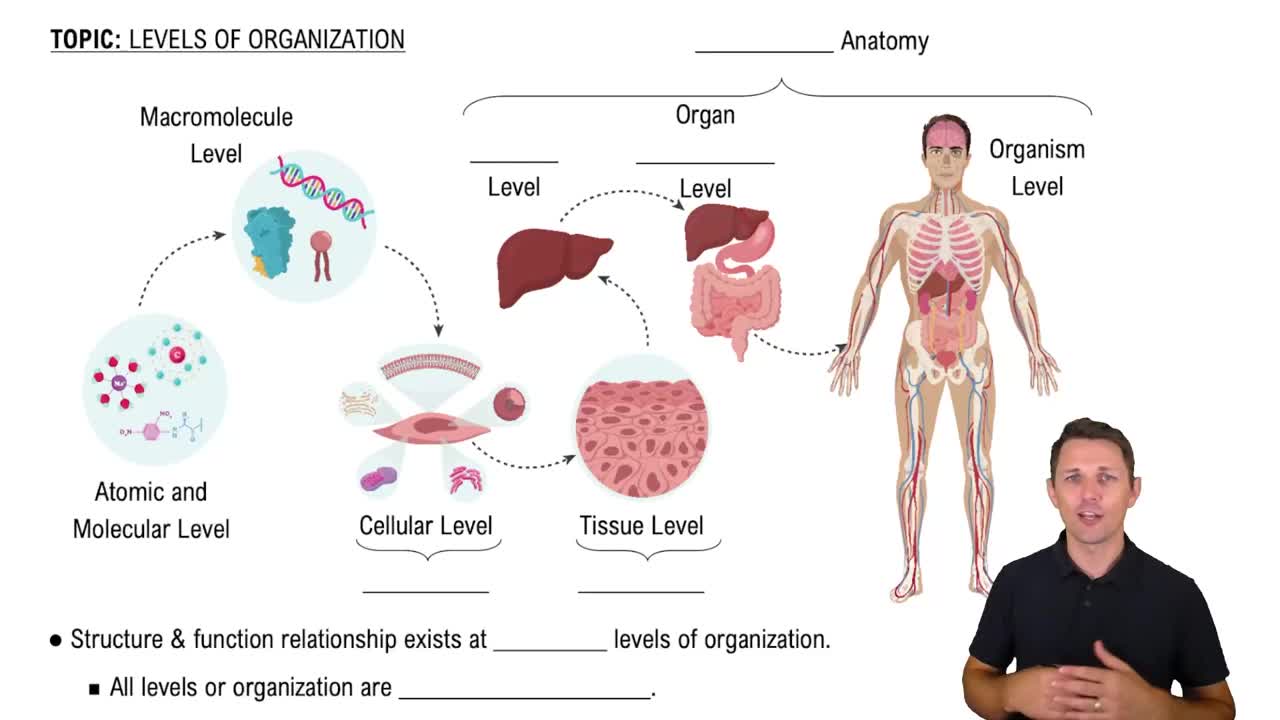
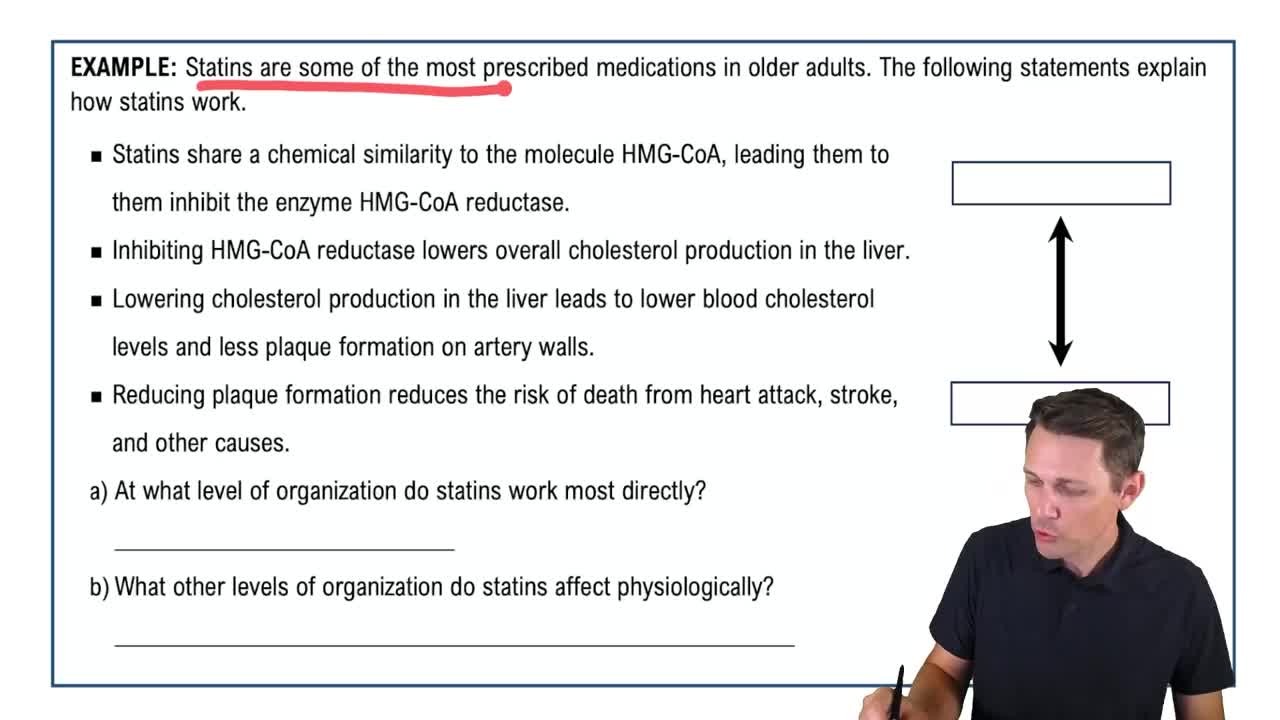
Levels of Organization
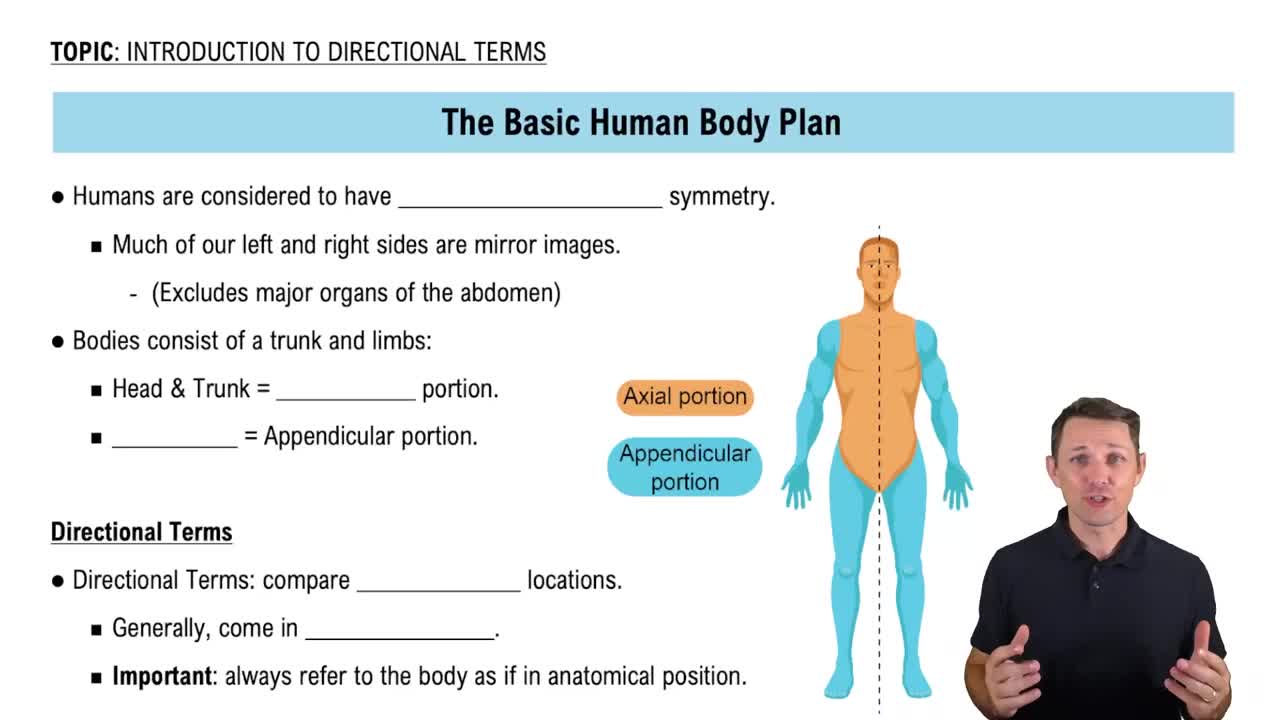
Introduction to Directional Terms
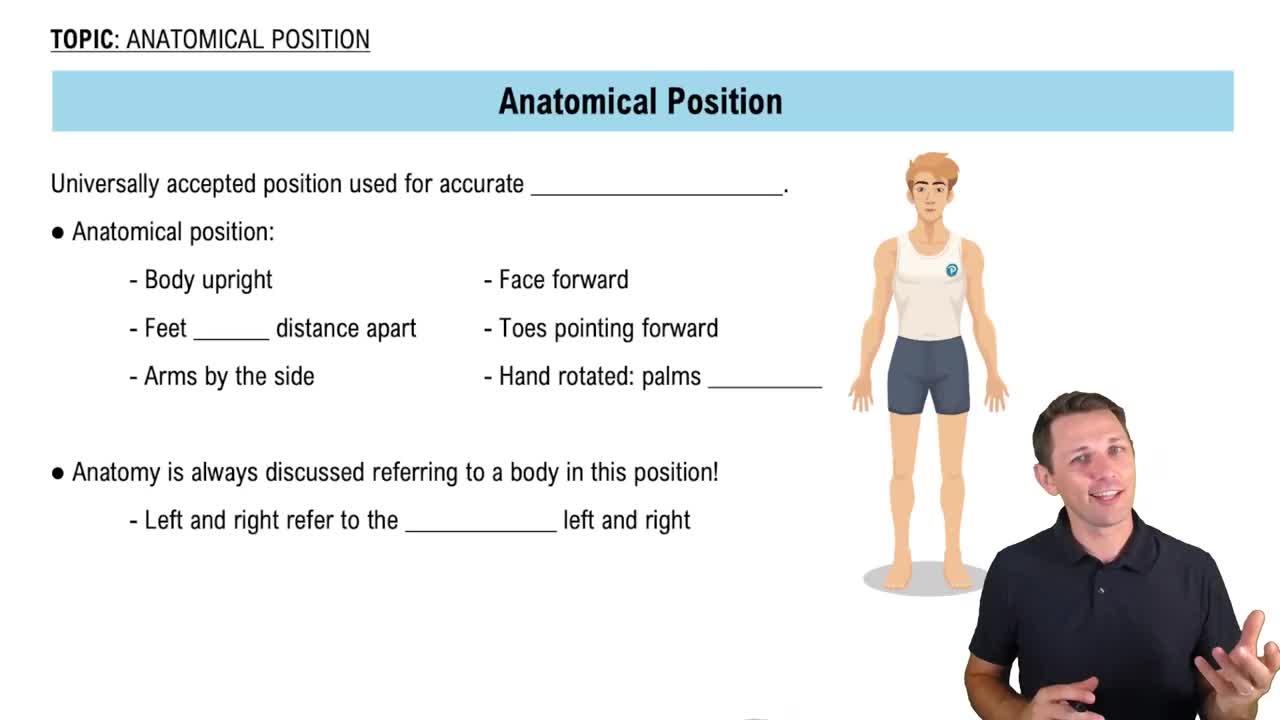
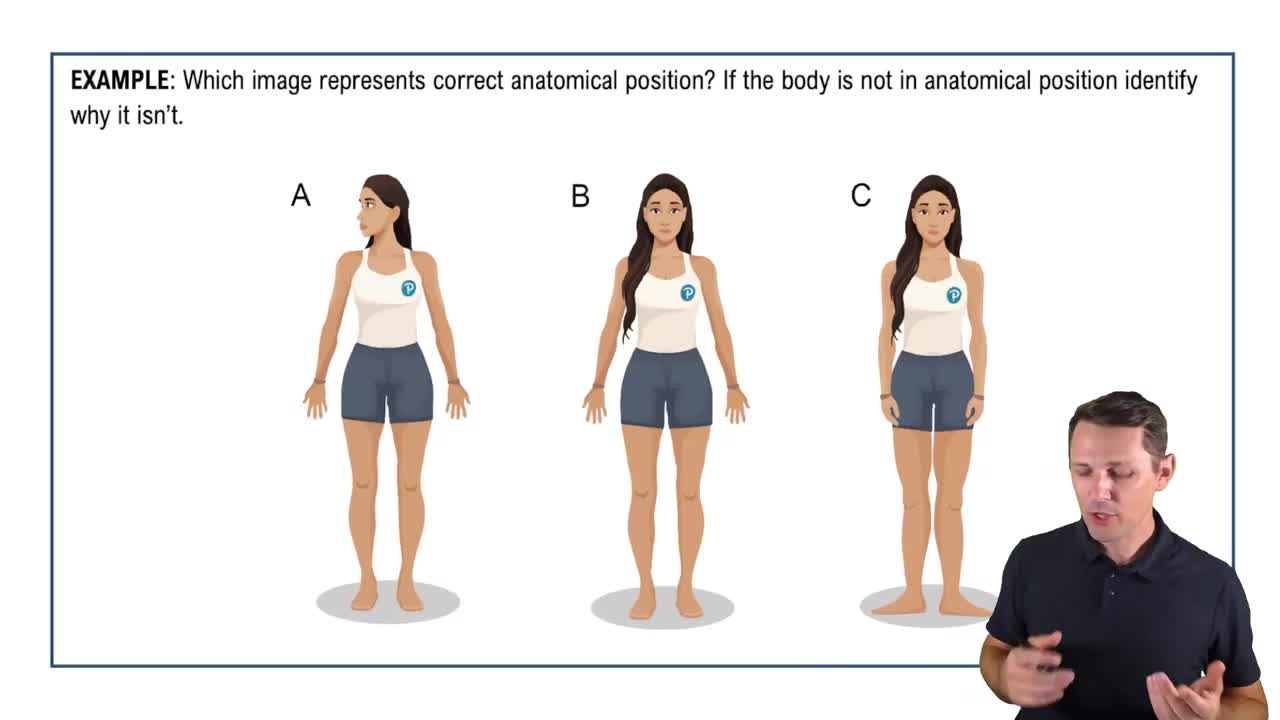
Anatomical Position
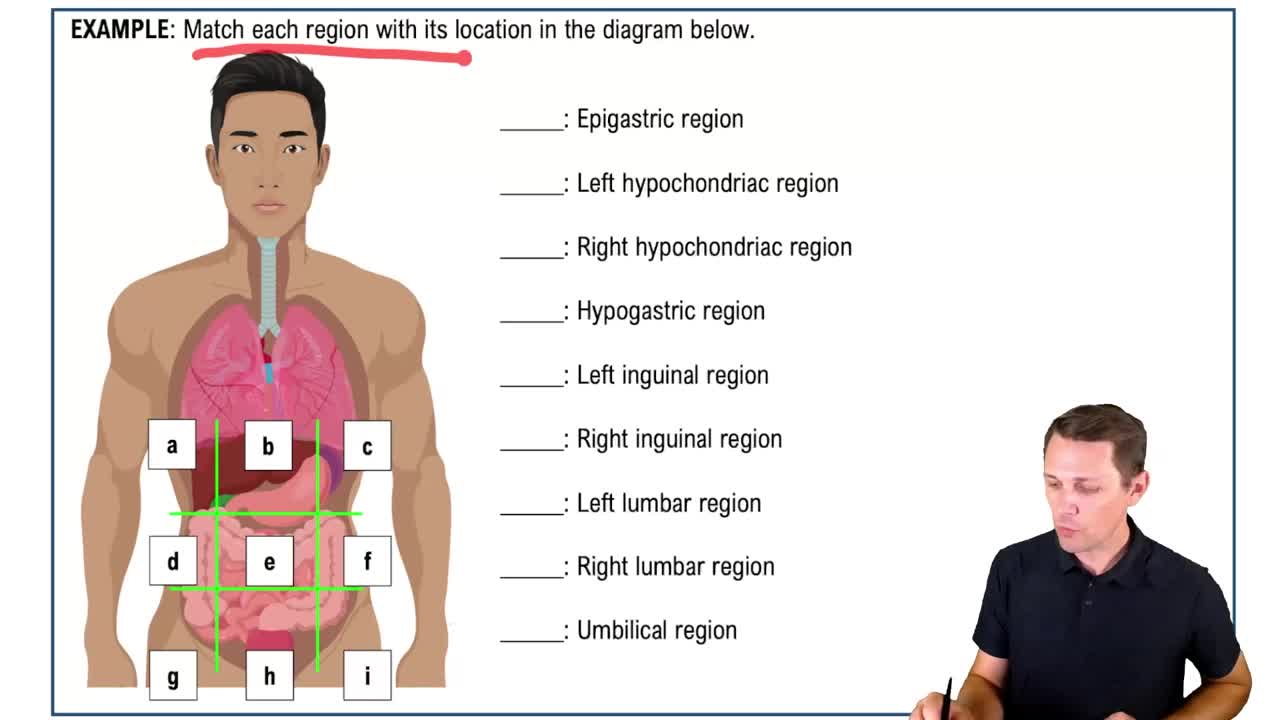
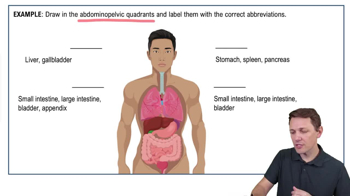
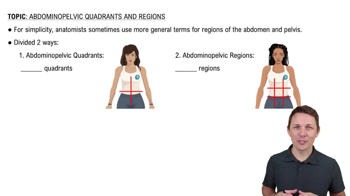
Abdominopelvic Quadrants and Regions
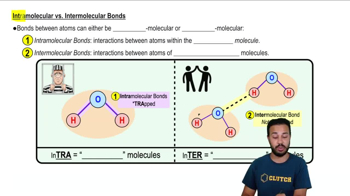
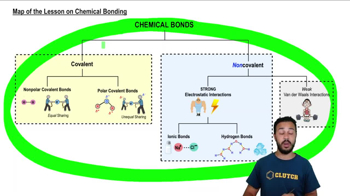
Introduction to Chemical Bonding
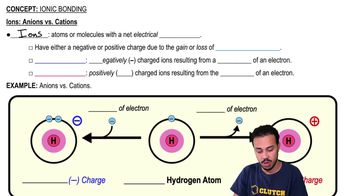
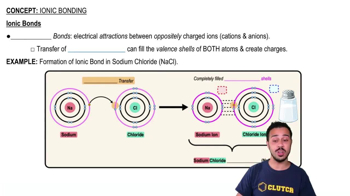
Ionic Bonding
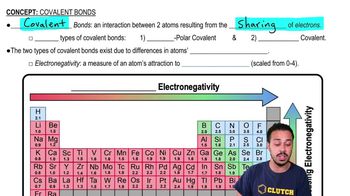
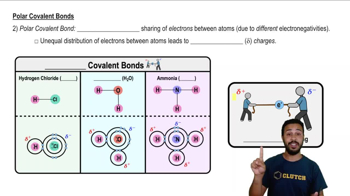
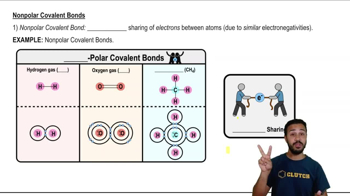
Covalent Bonds
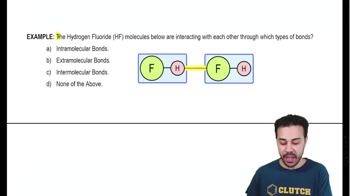
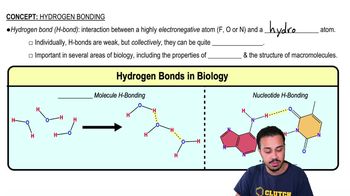
Hydrogen Bonding
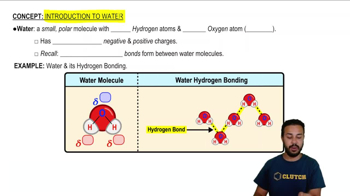
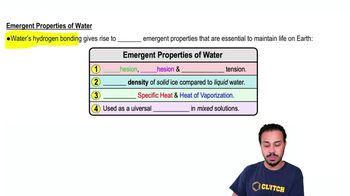
Introduction to Water
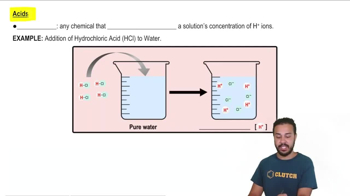
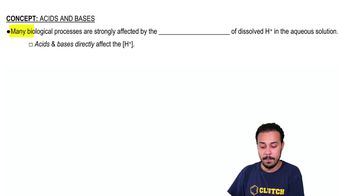
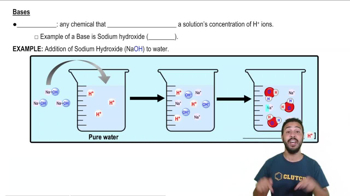
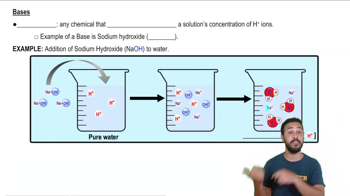
Acids and Bases
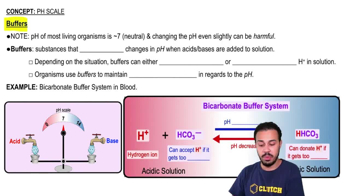
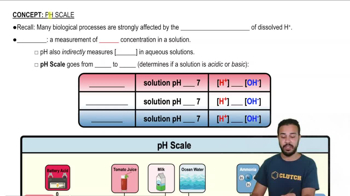
pH Scale
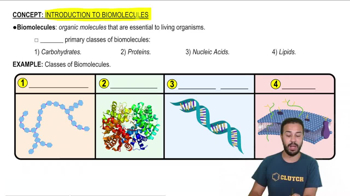
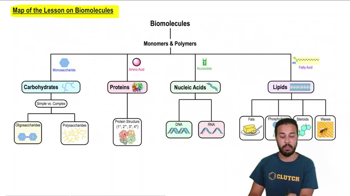
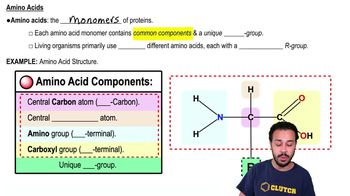
Introduction to Biomolecules
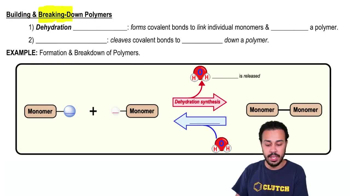
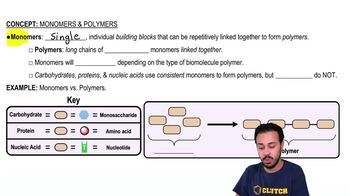
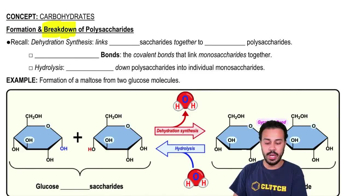
Monomers & Polymers
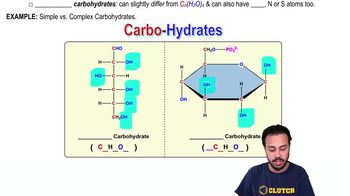
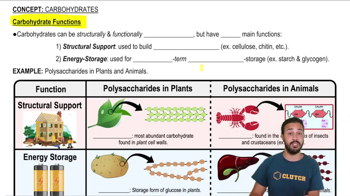
Carbohydrates
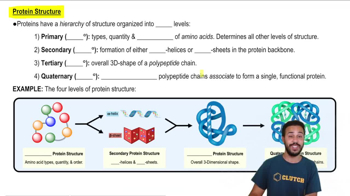
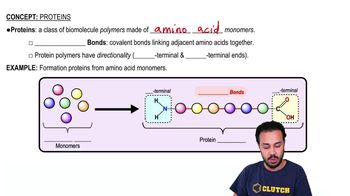
Proteins
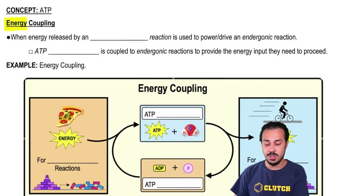
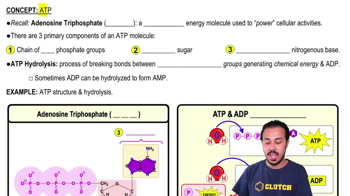
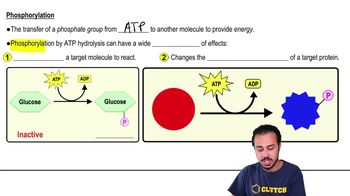
ATP
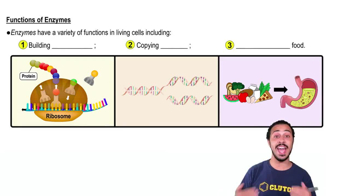
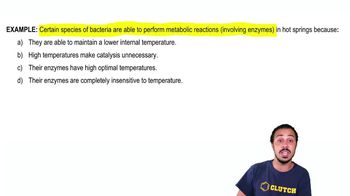
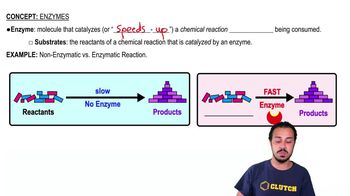
Enzymes
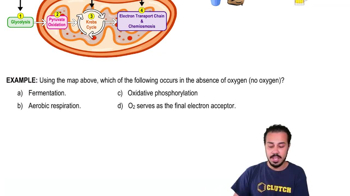
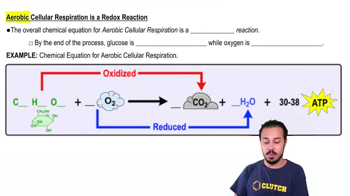
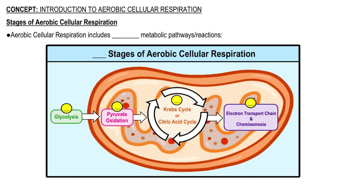
Introduction to Aerobic Cellular Respiration
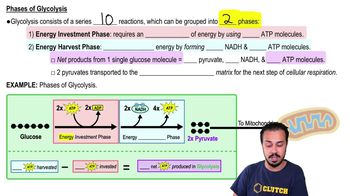
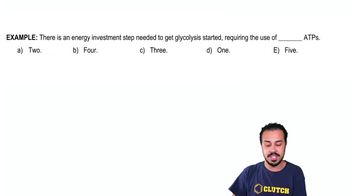
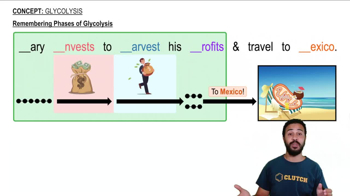
Glycolysis
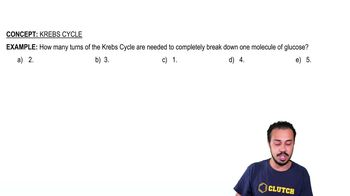
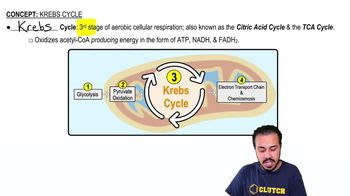
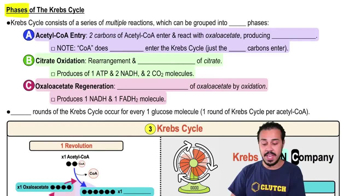
Krebs Cycle
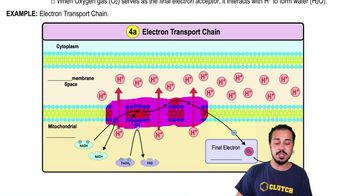
Electron Transport Chain
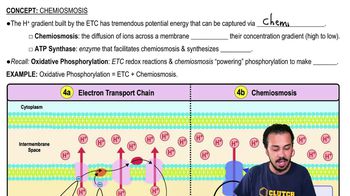
Chemiosmosis
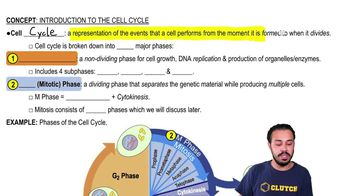
Introduction to the Cell Cycle
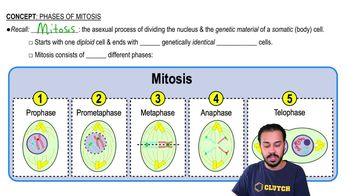
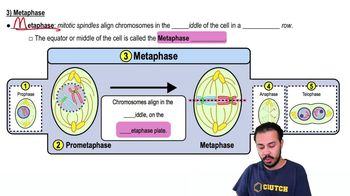
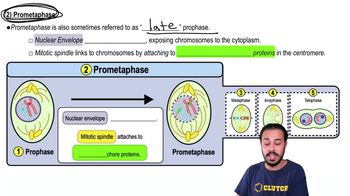
Phases of Mitosis
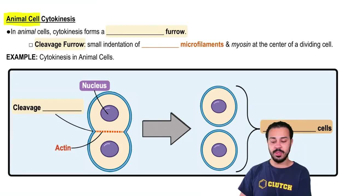
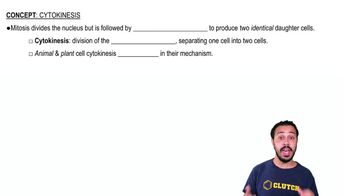
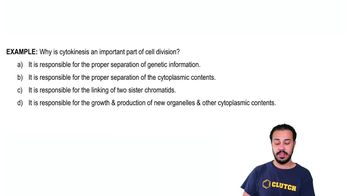
Cytokinesis
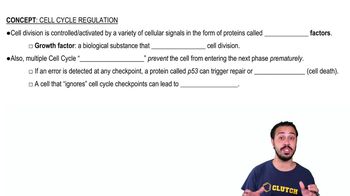
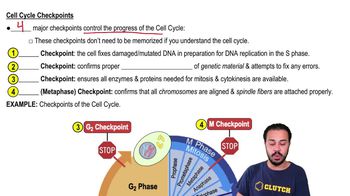
Cell Cycle Regulation
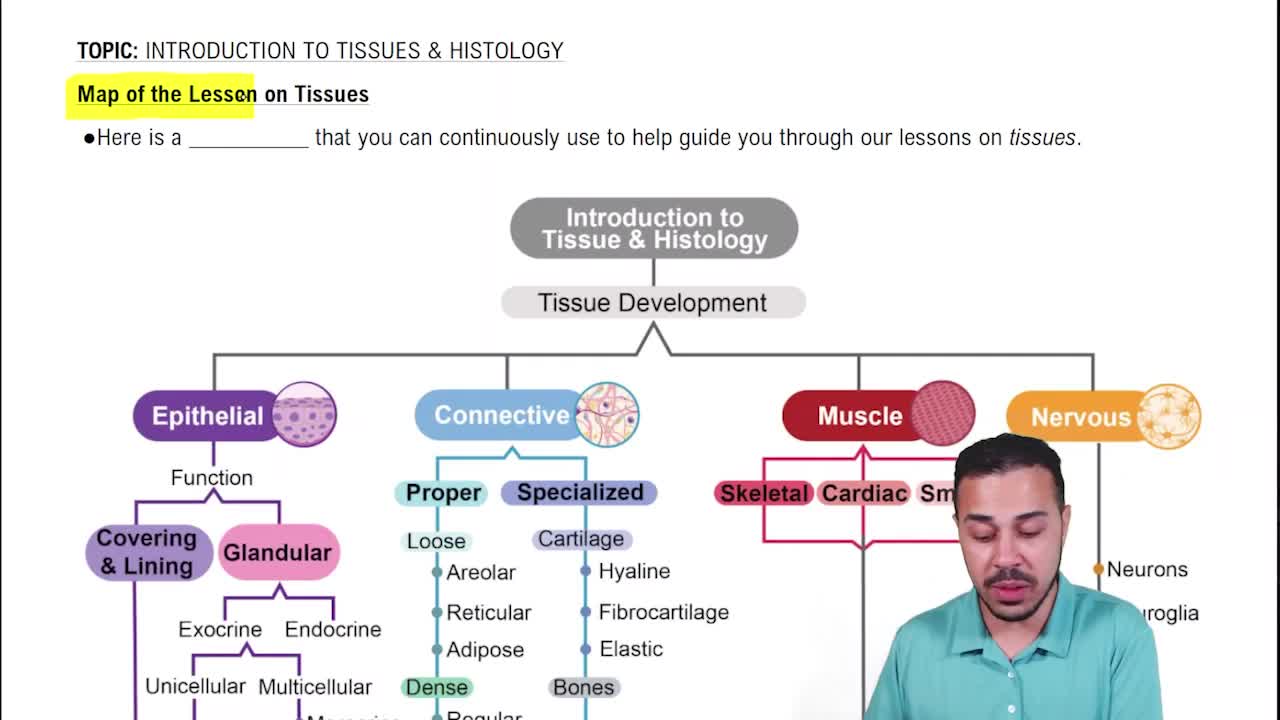
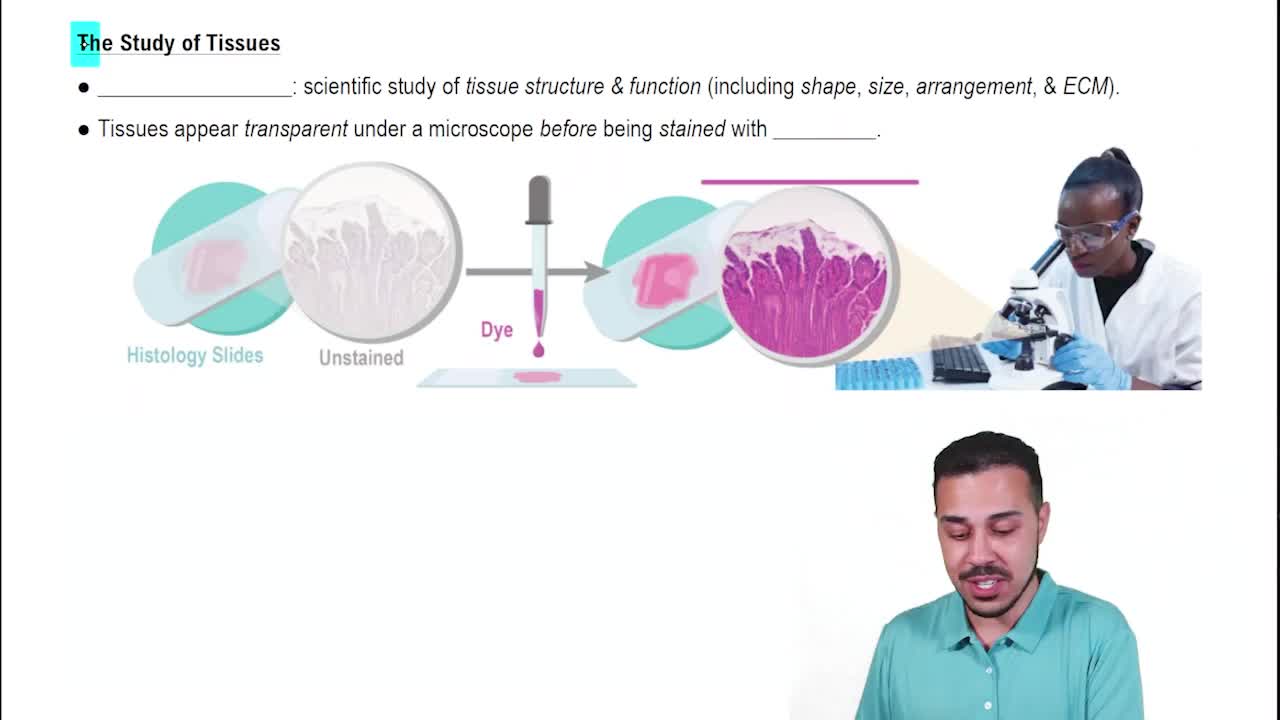
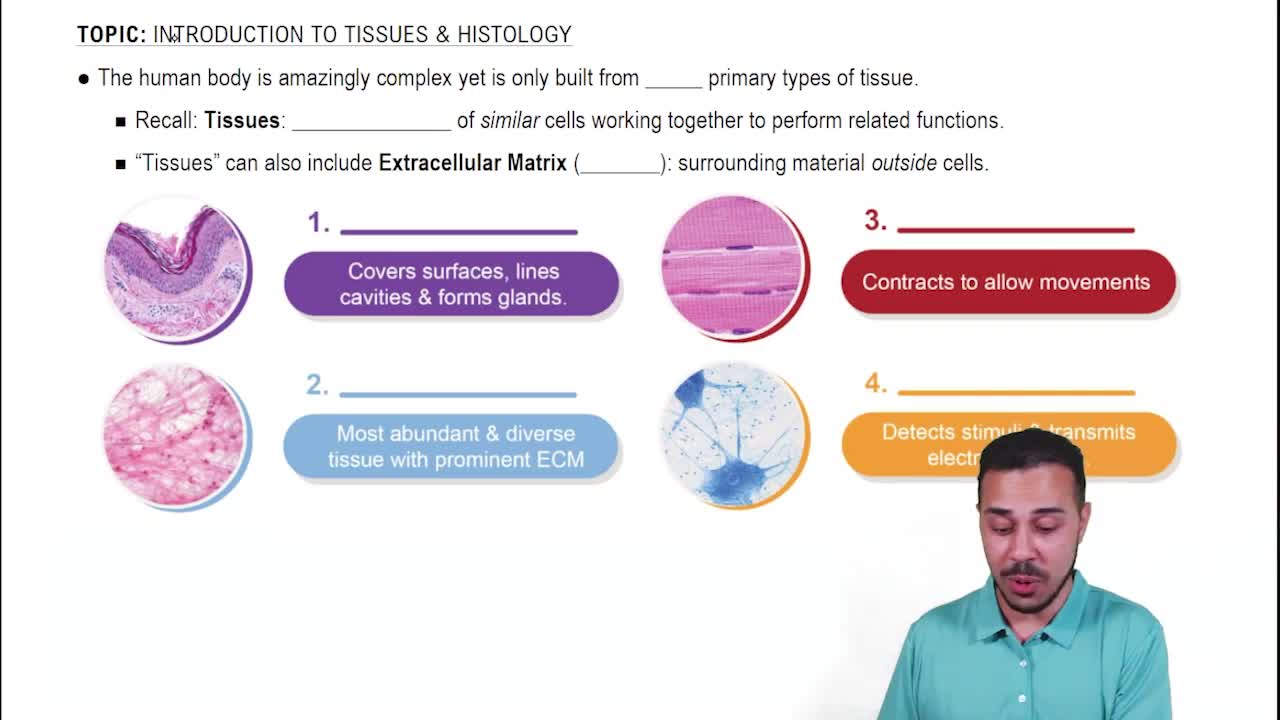
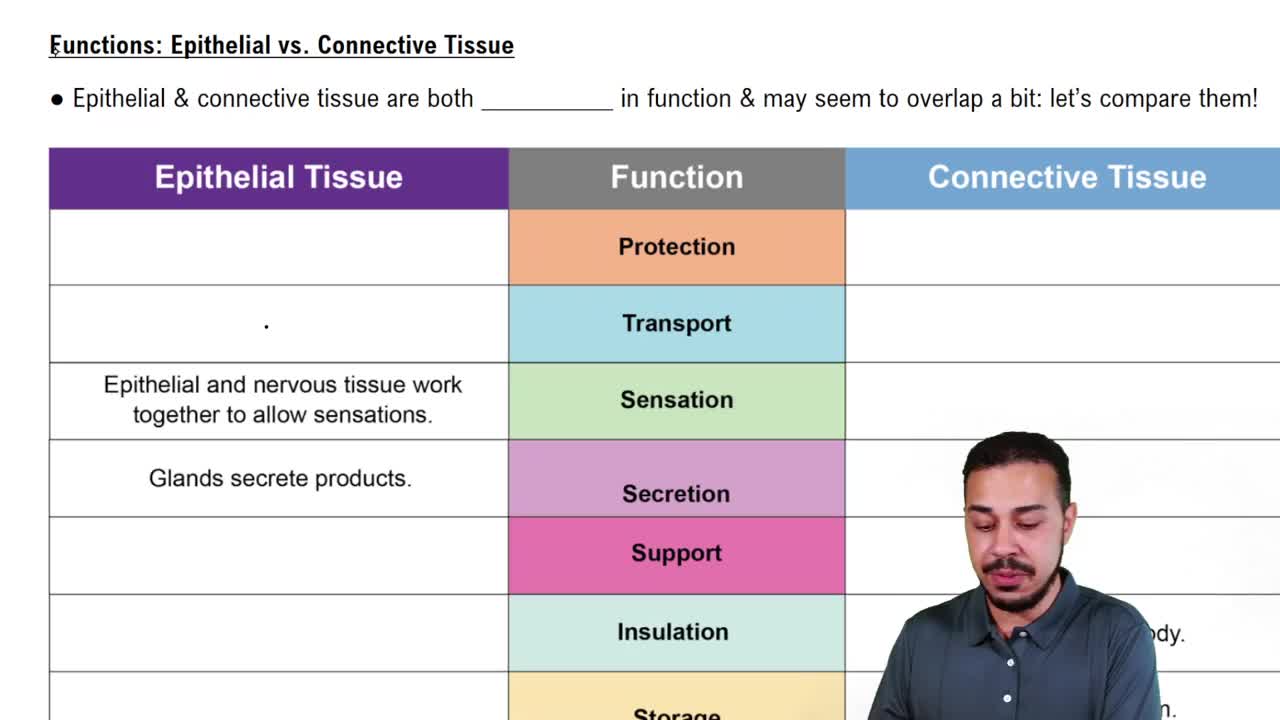
Introduction to Tissues & Histology
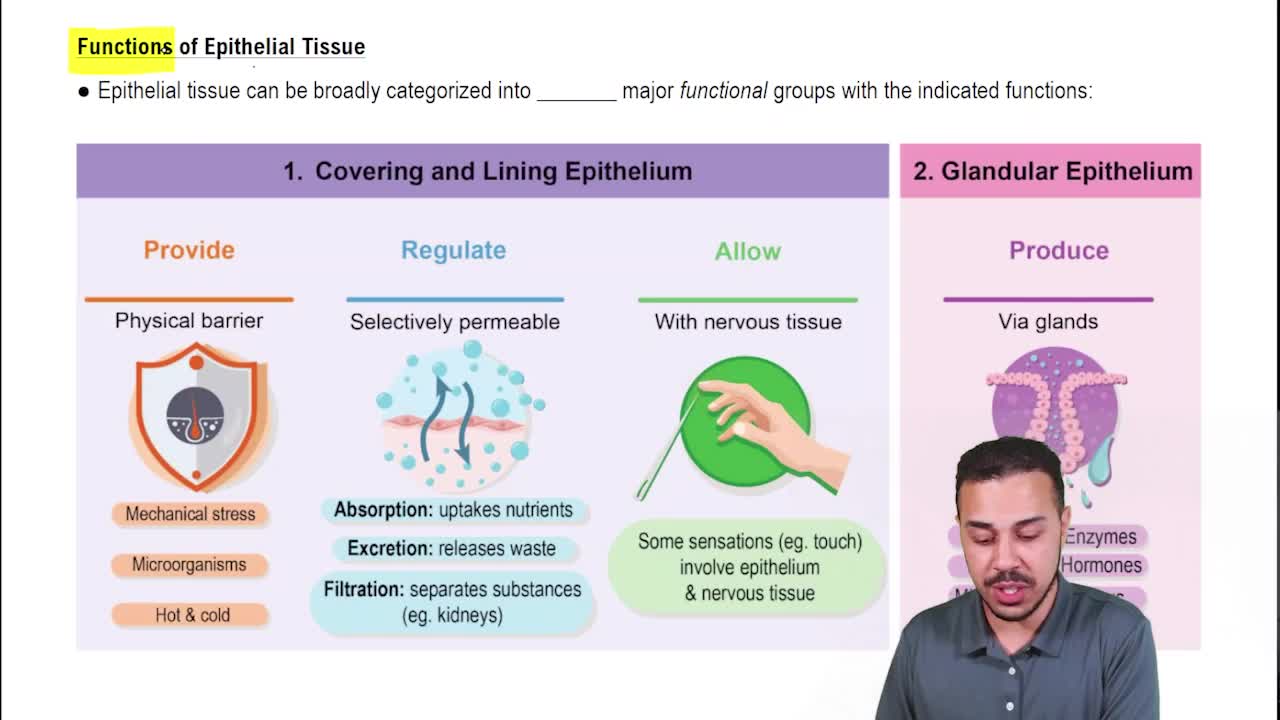
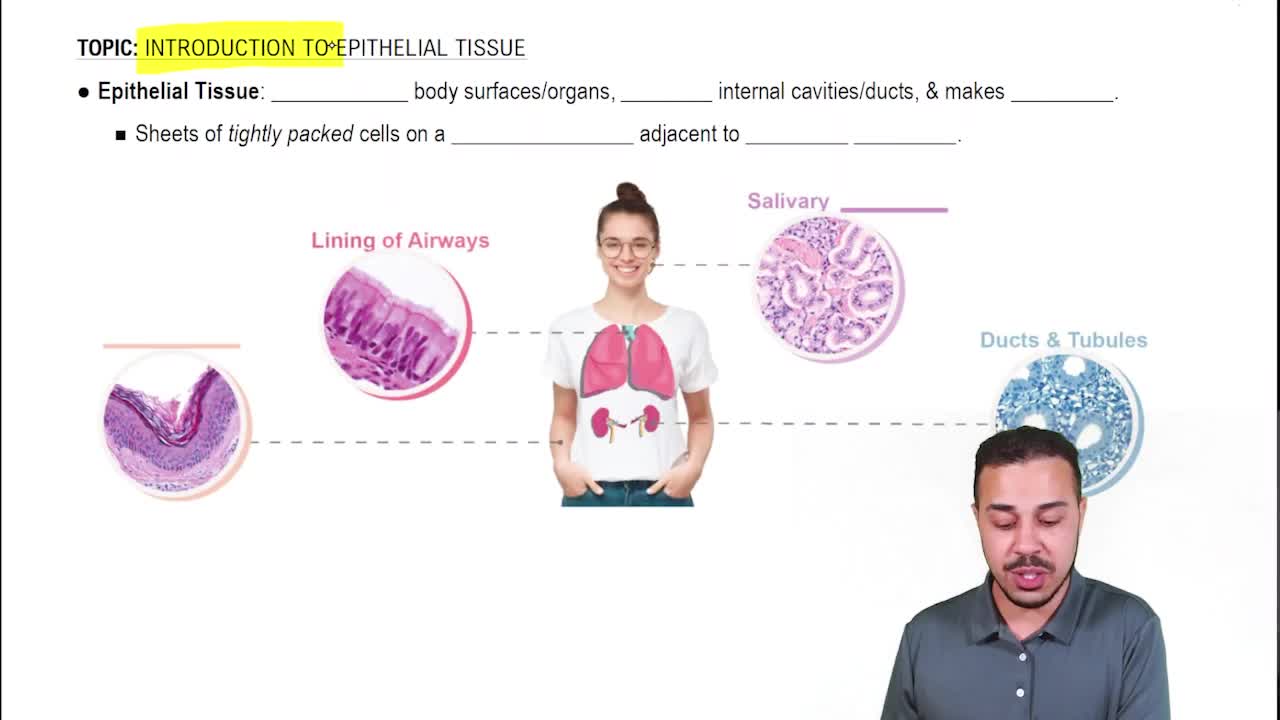
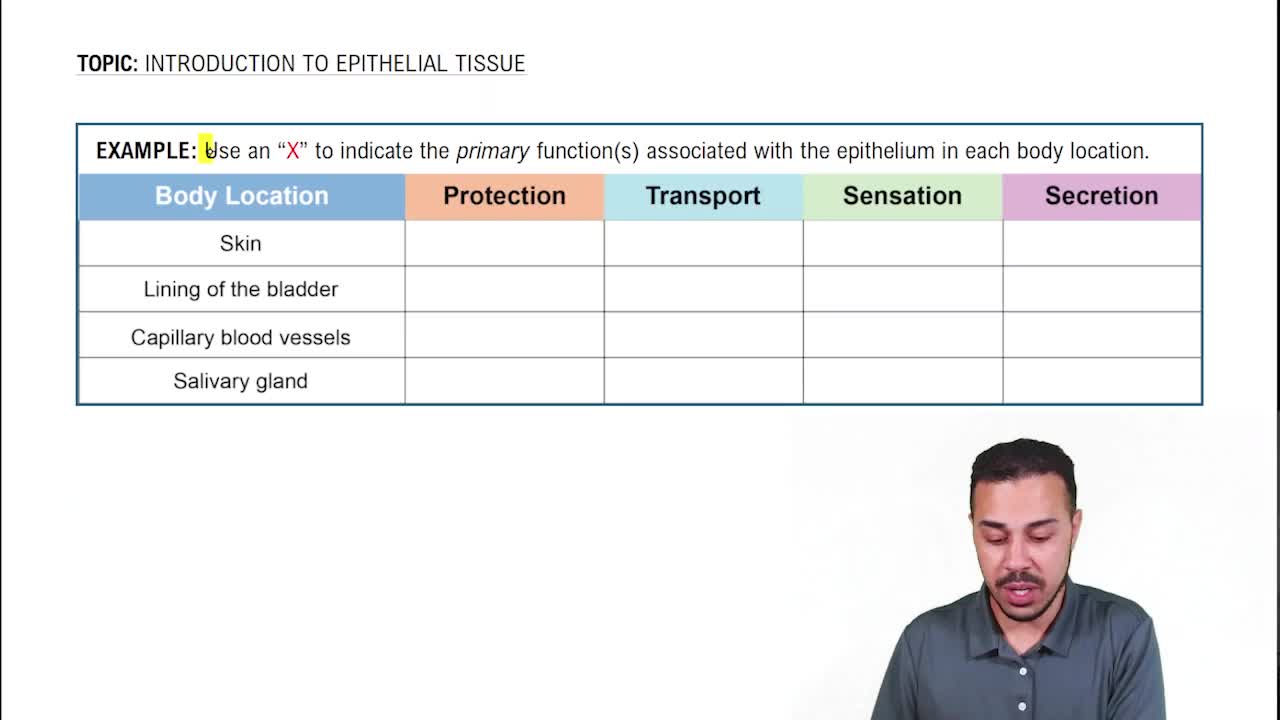
Introduction to Epithelial Tissue
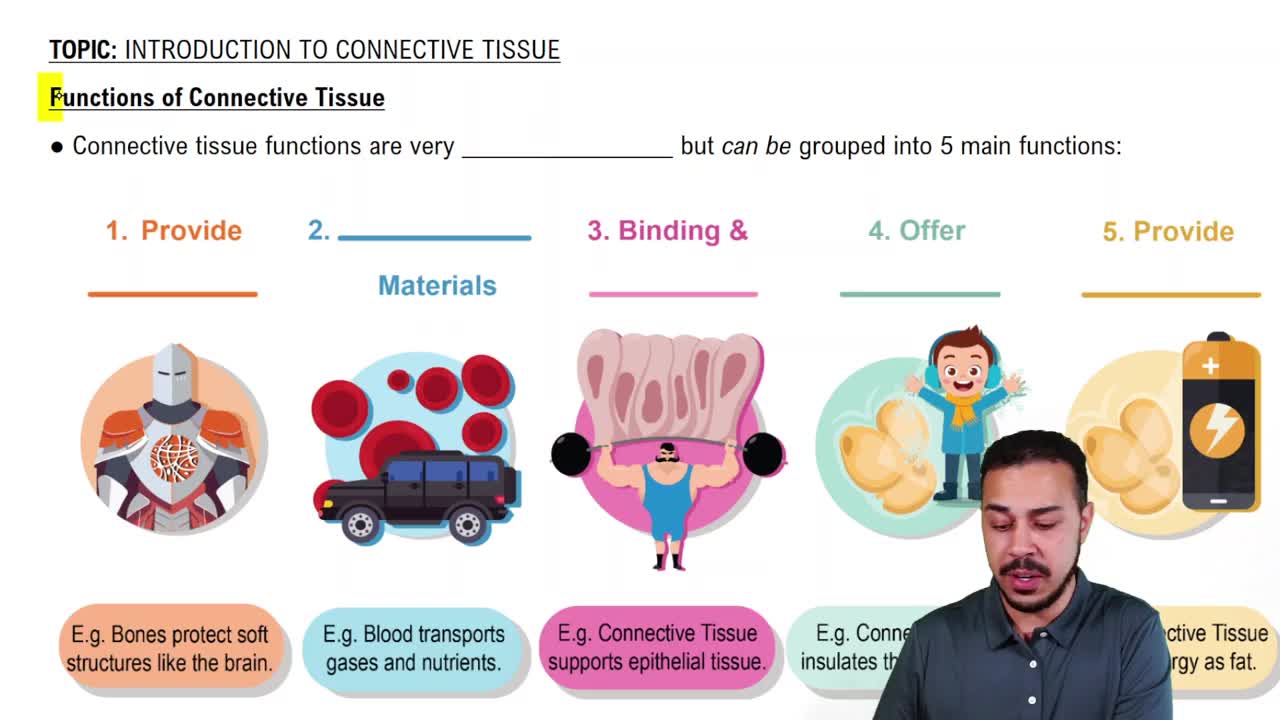
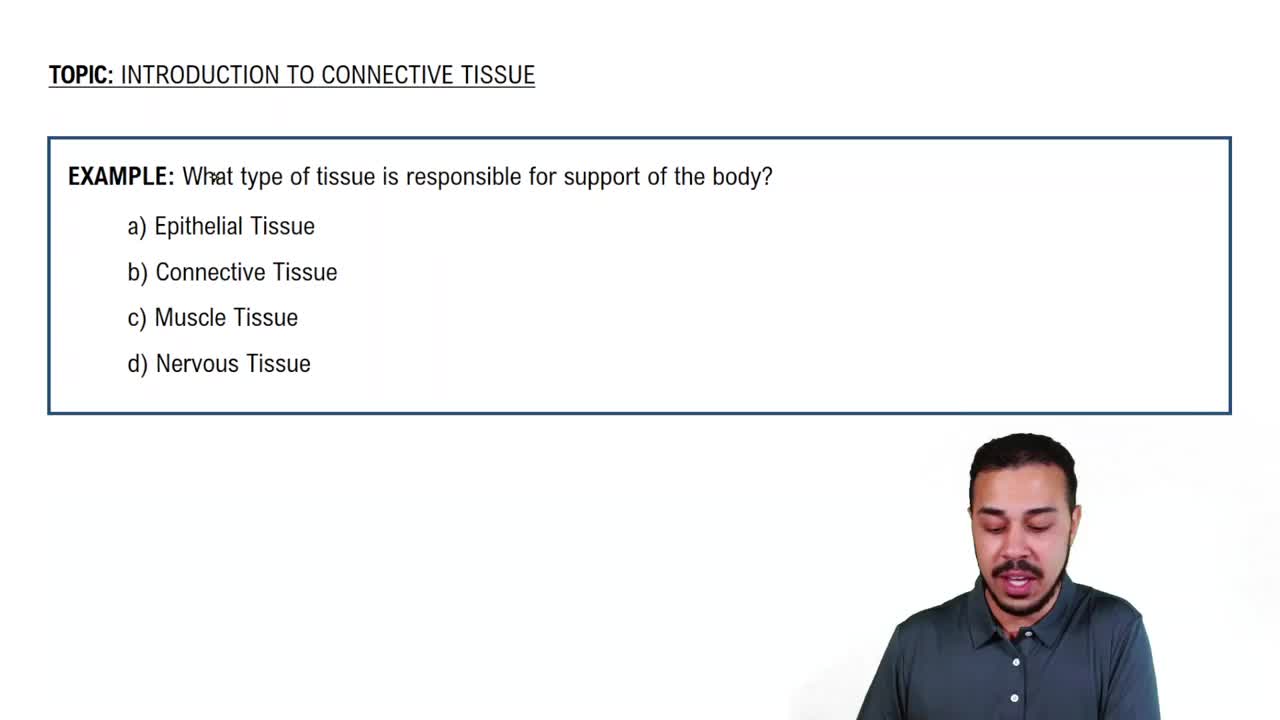
Introduction to Connective Tissue
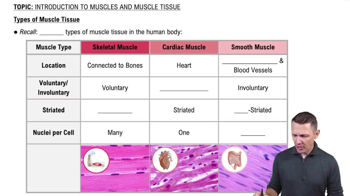
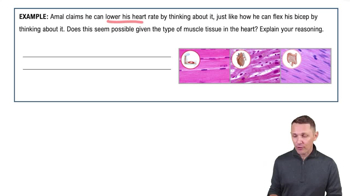
Introduction to Muscle Tissue
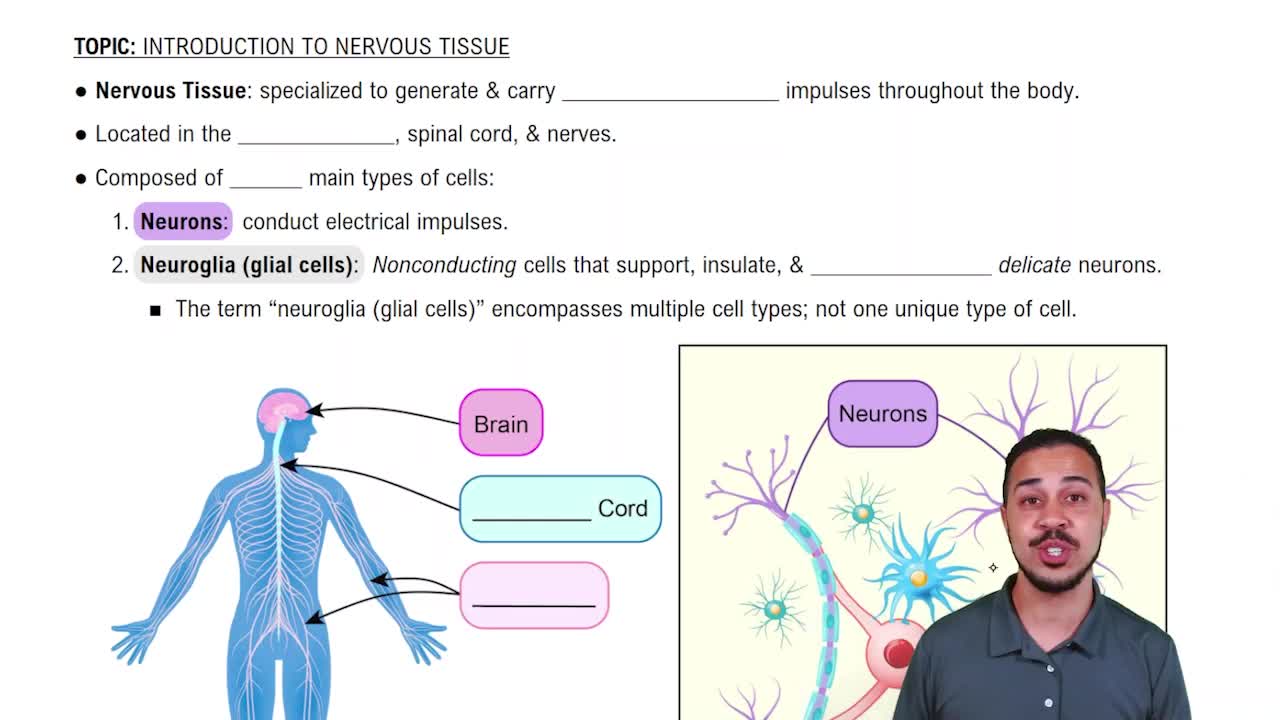
Introduction to Nervous Tissue
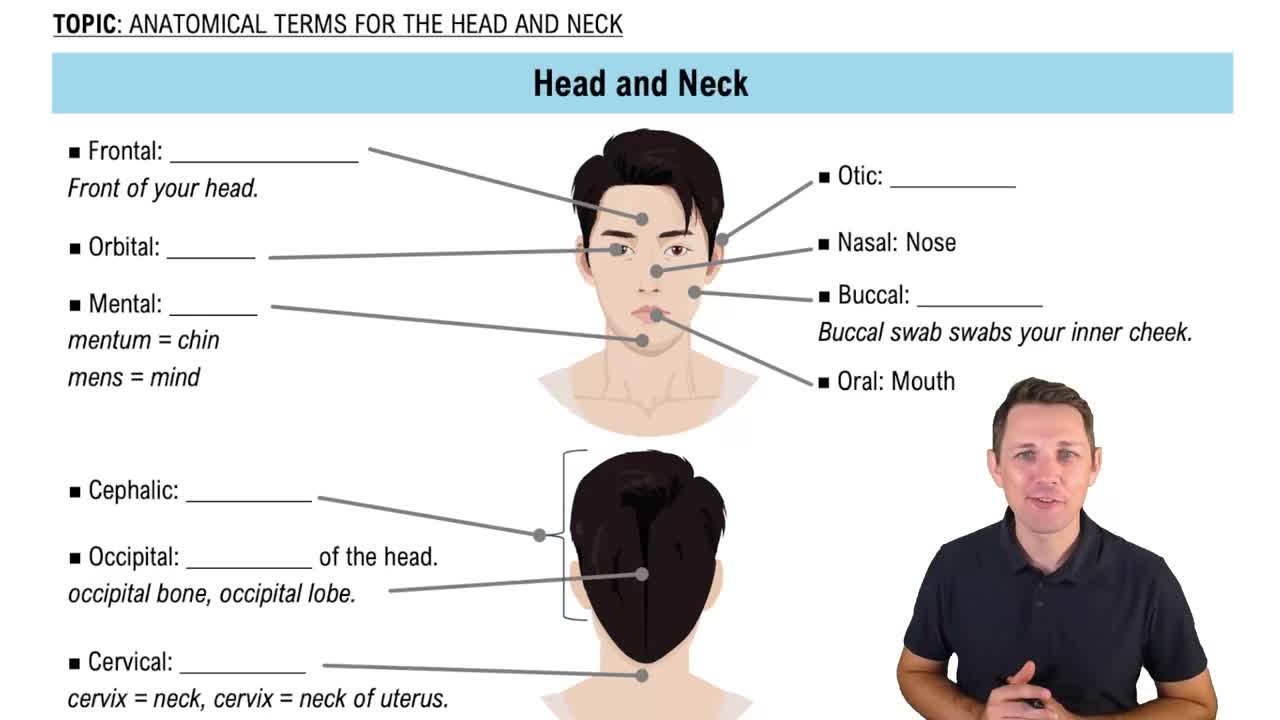
Anatomical Terms for the Head and Neck
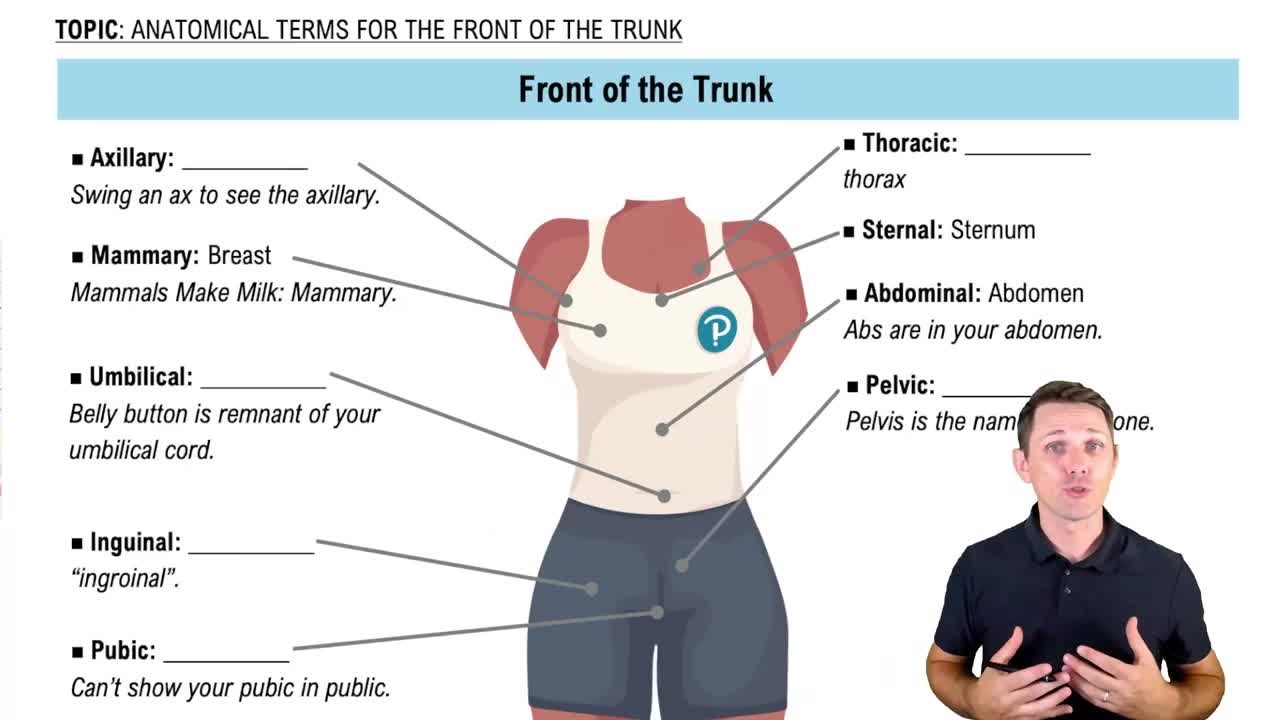
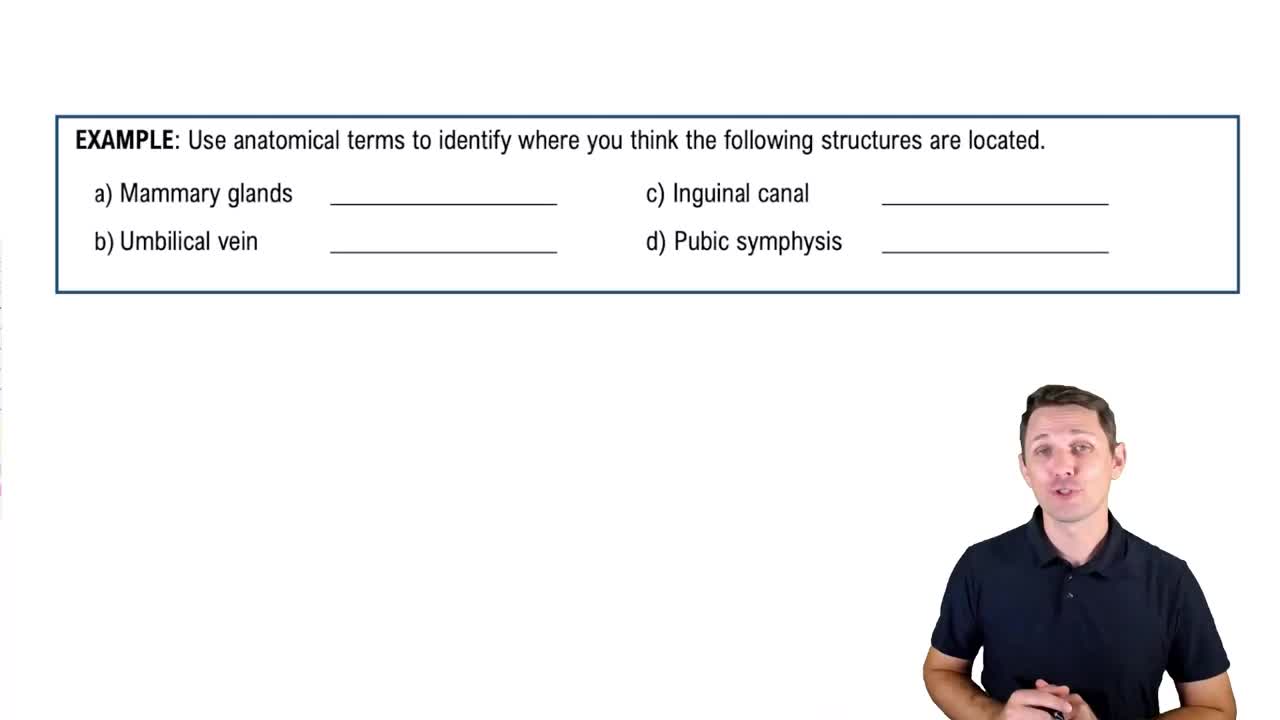
Anatomical Terms for the Front of the Trunk
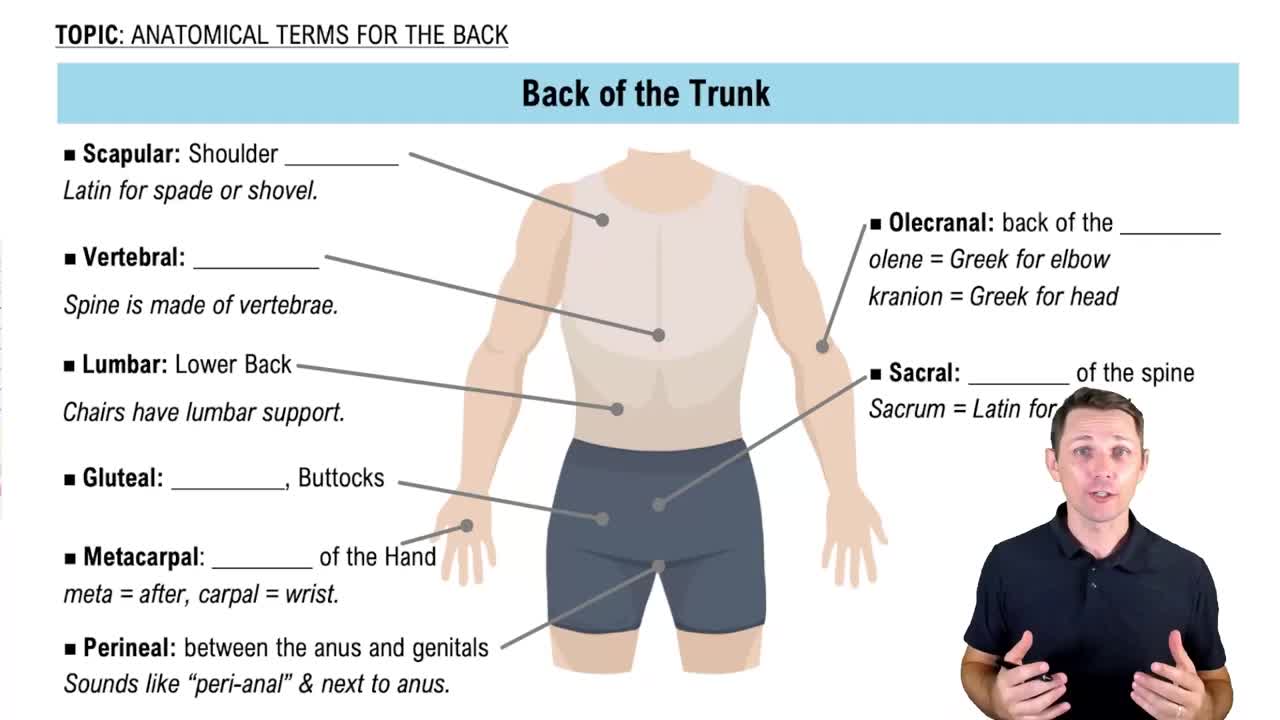
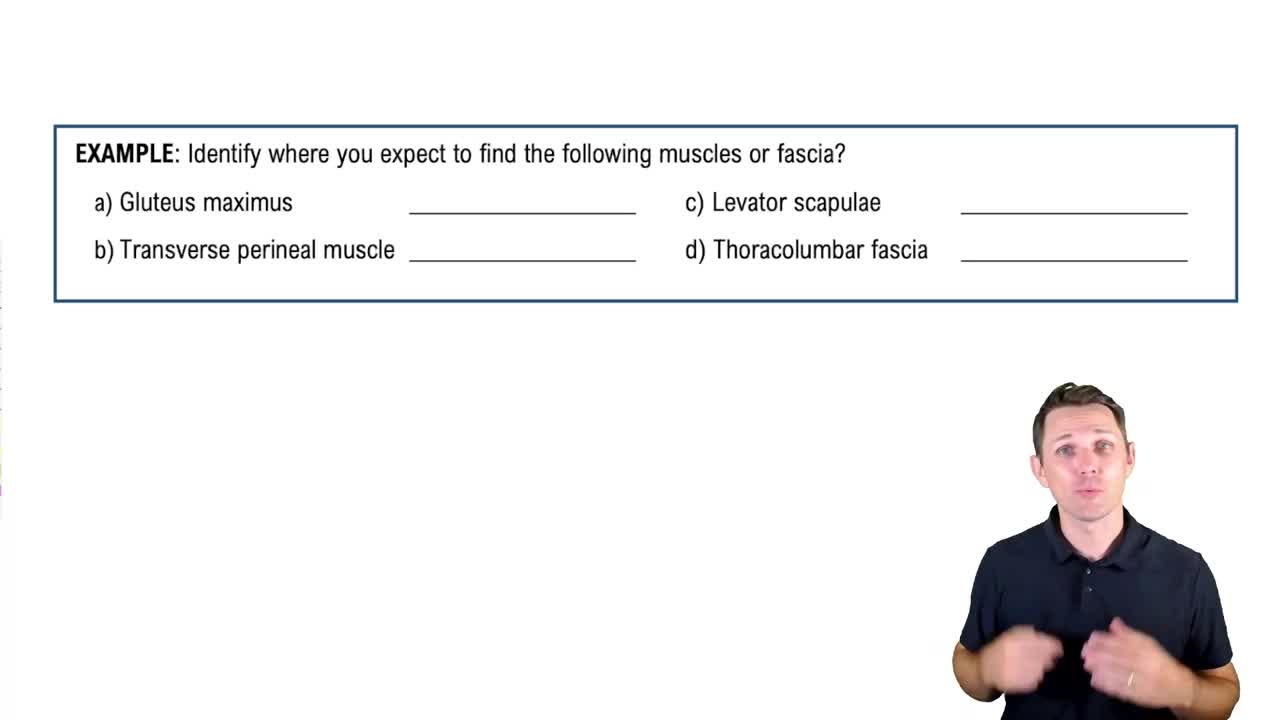
Anatomical Terms for the Back
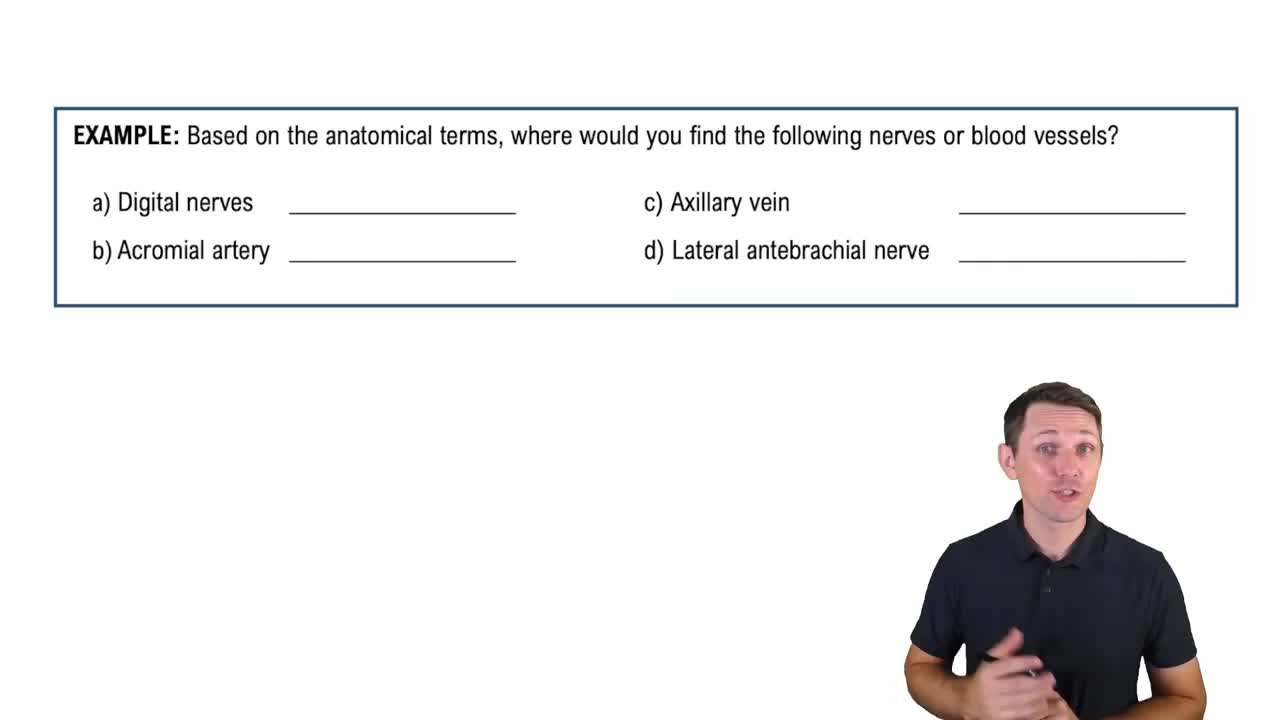
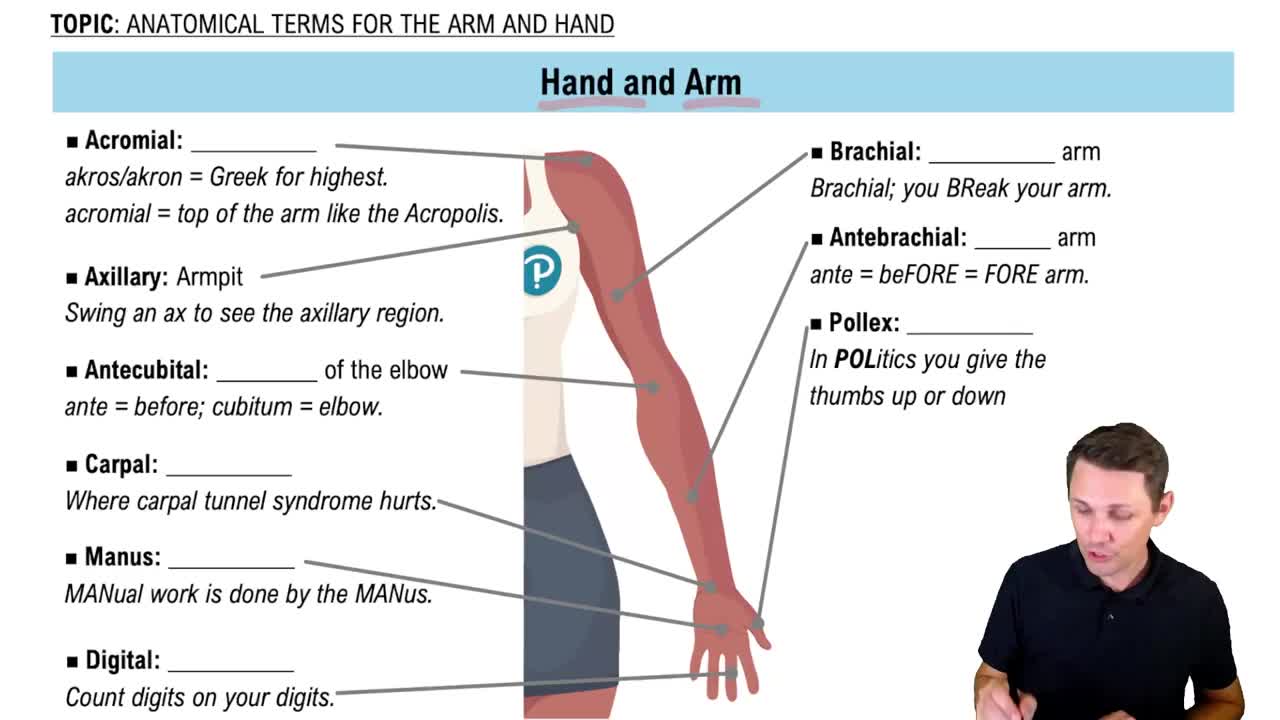
Anatomical Terms for the Arm and Hand
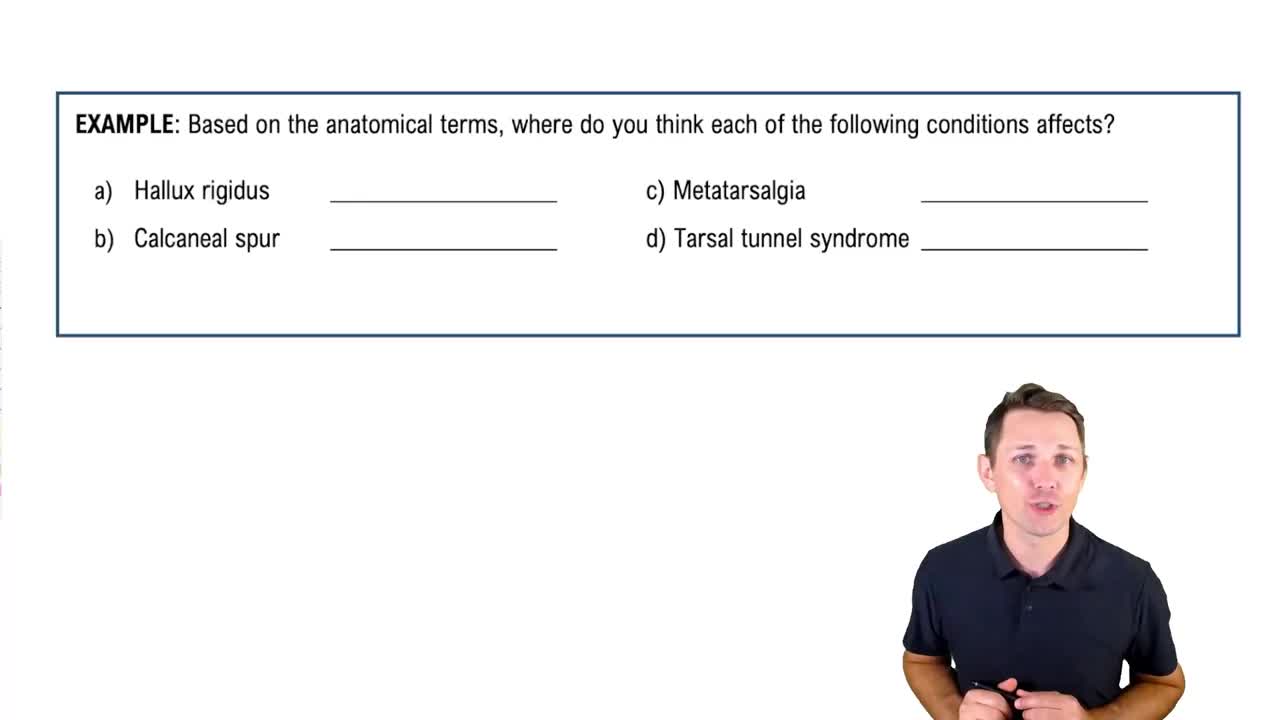
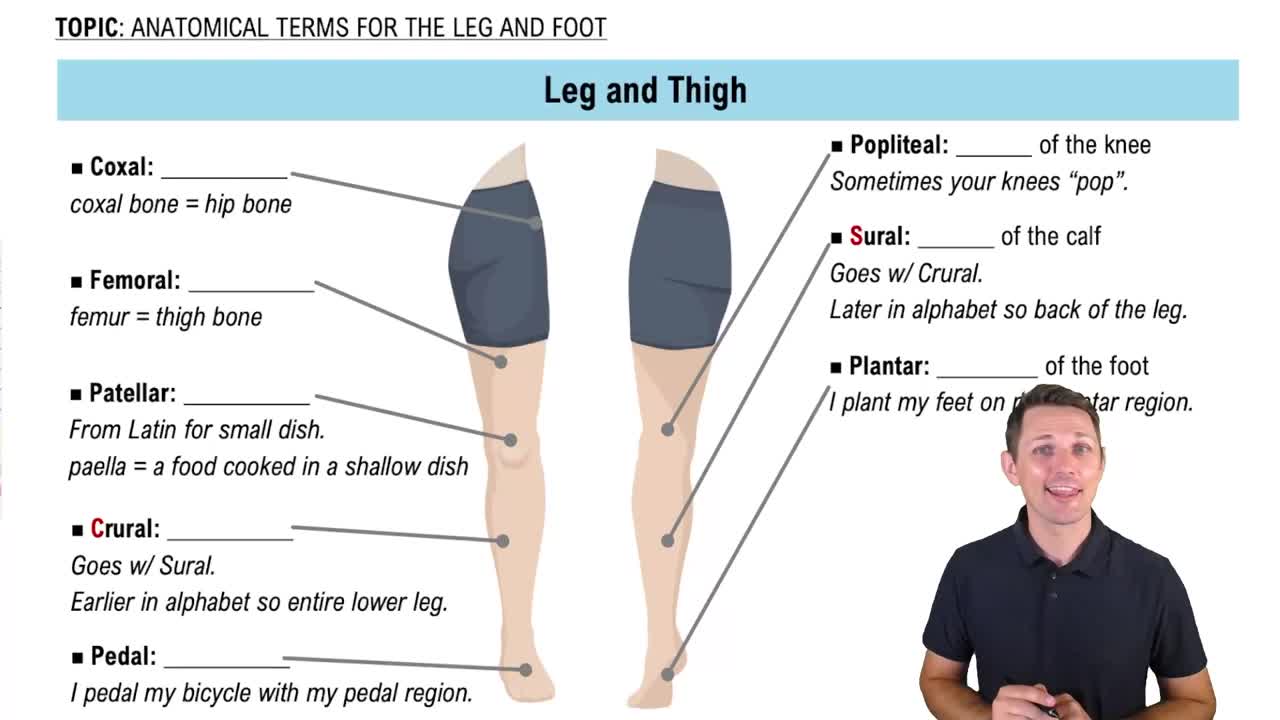
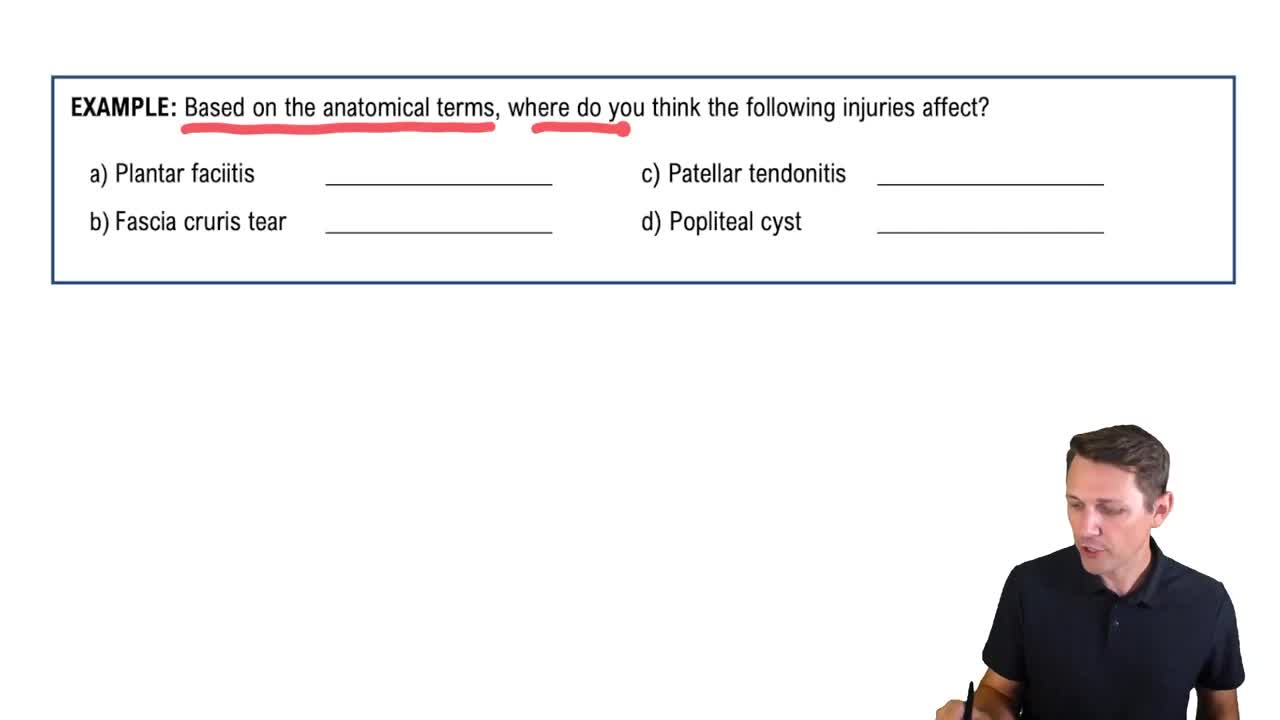
Anatomical Terms for the Leg and Foot
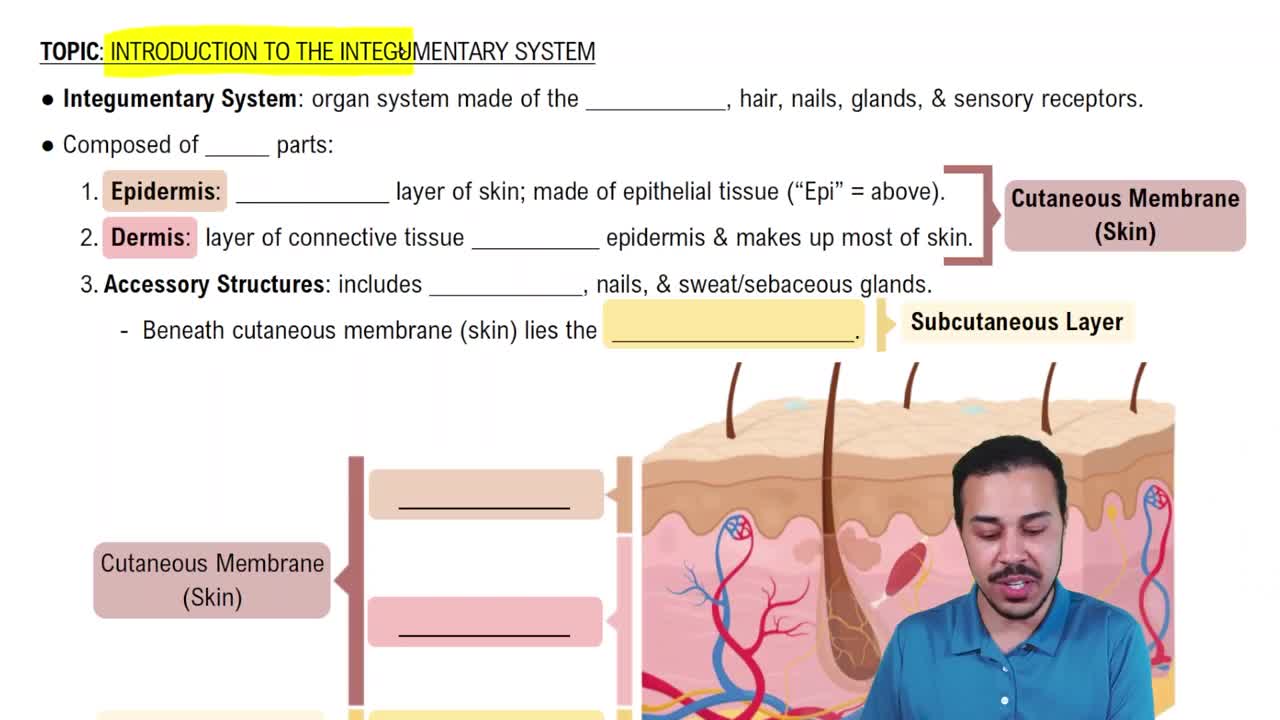
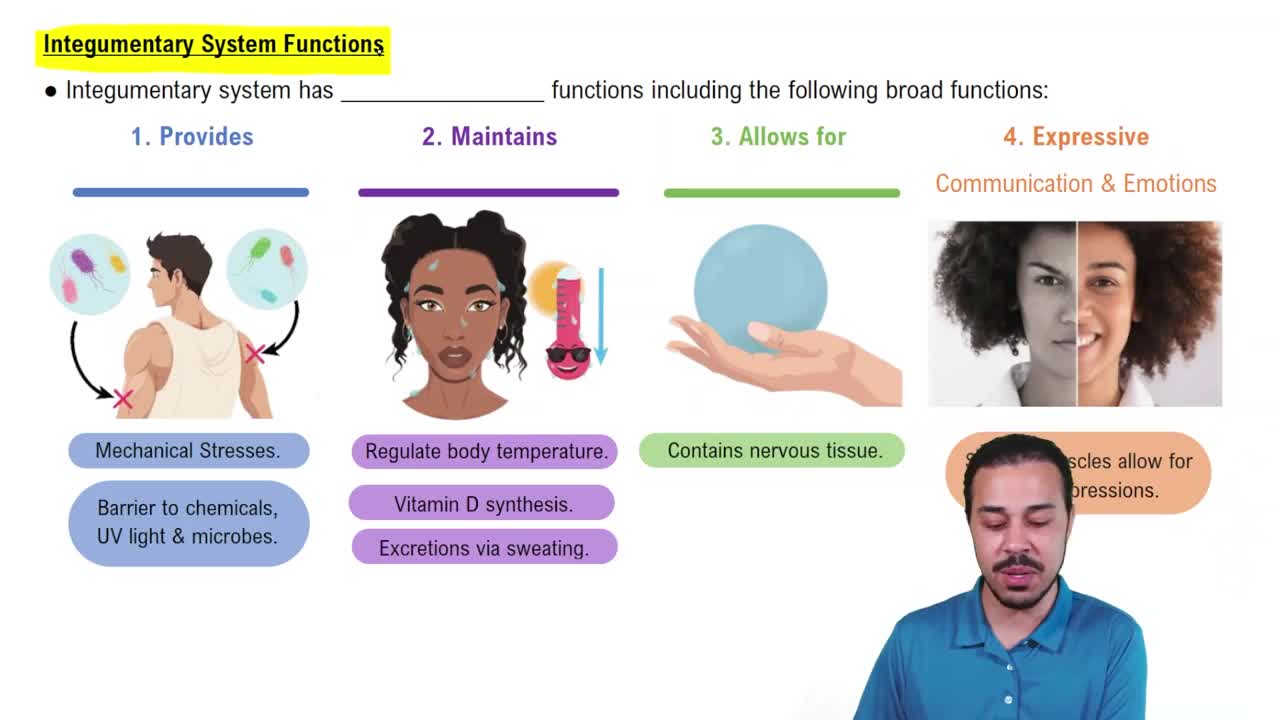
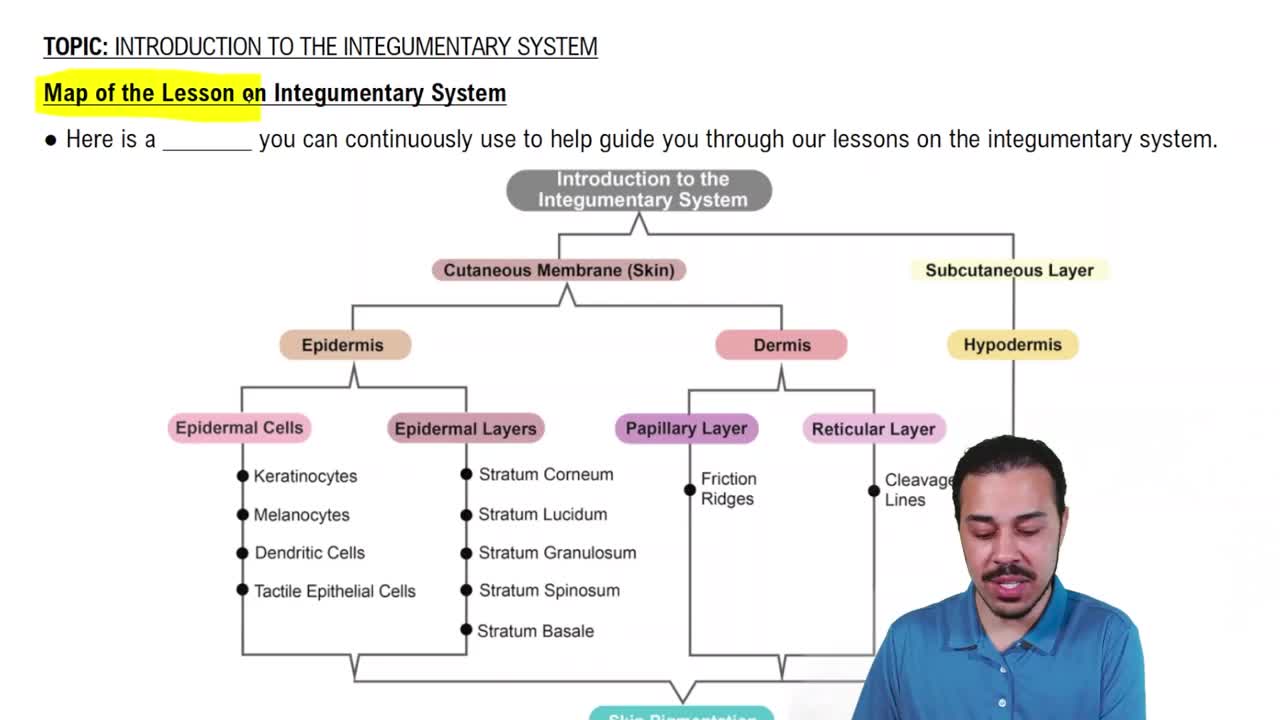
Introduction to the Integumentary System
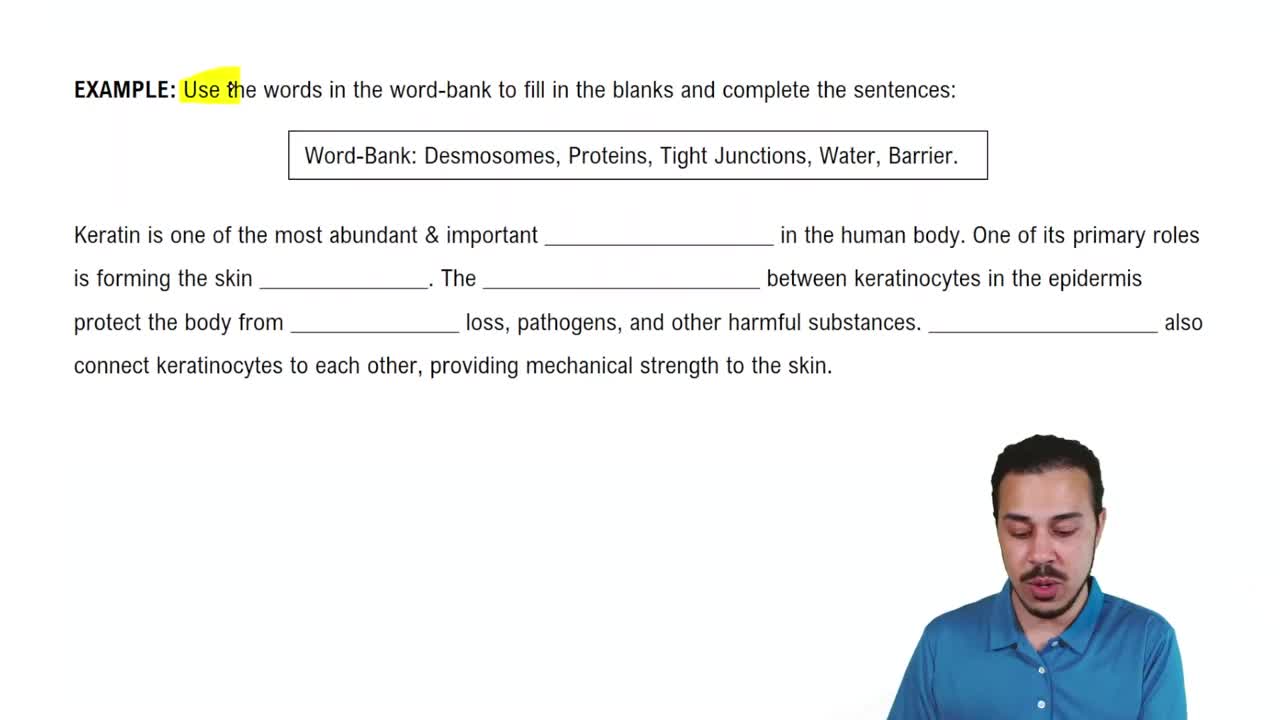
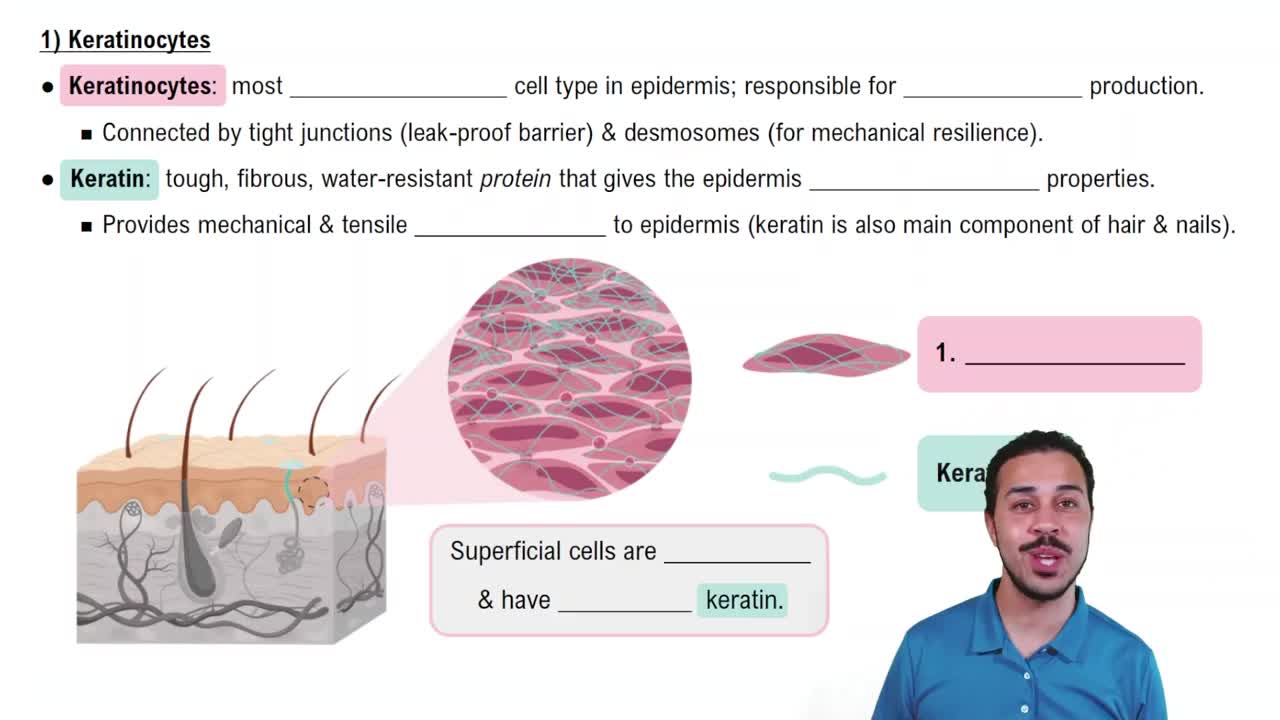
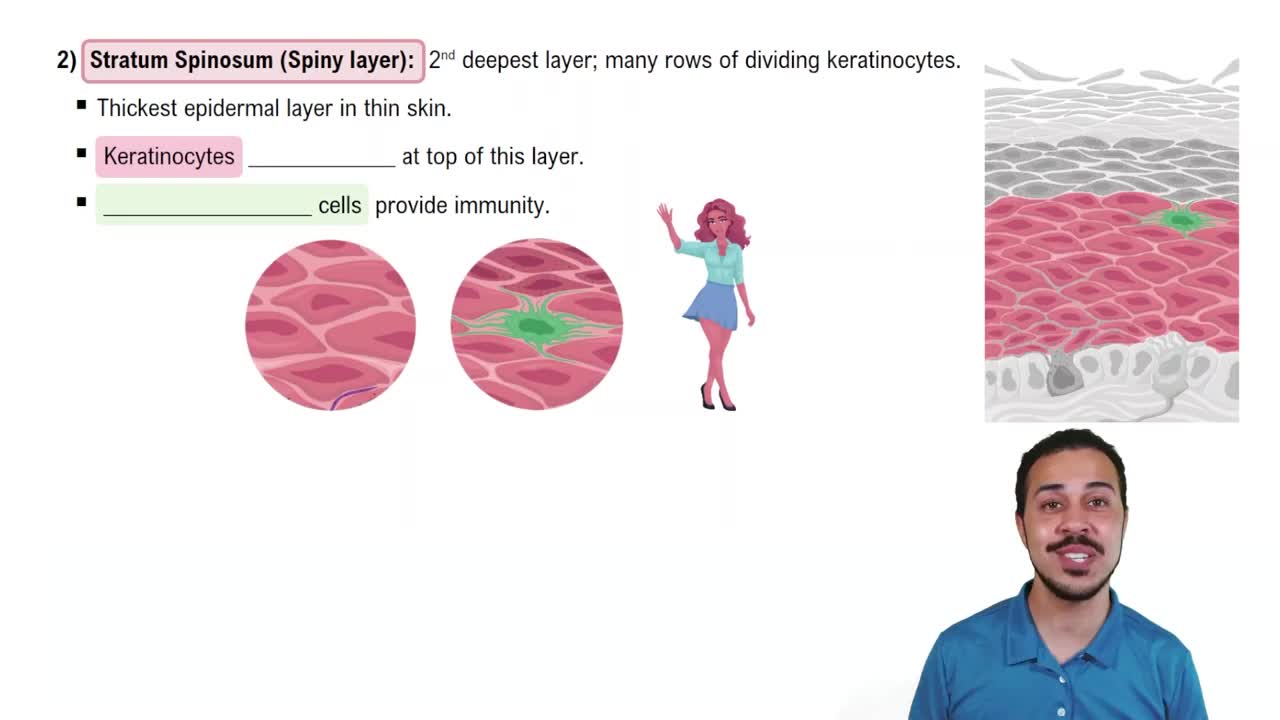
The Epidermis: Cells
The Epidermis: Layers
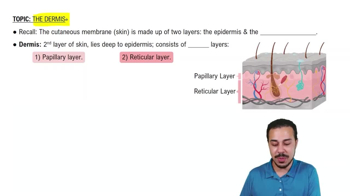
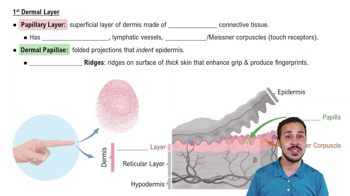
The Dermis
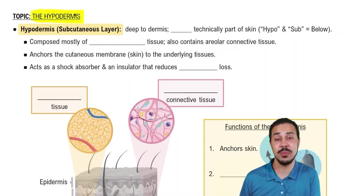
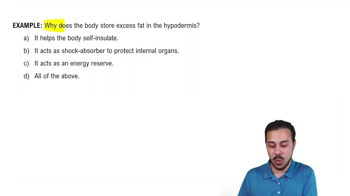
The Hypodermis
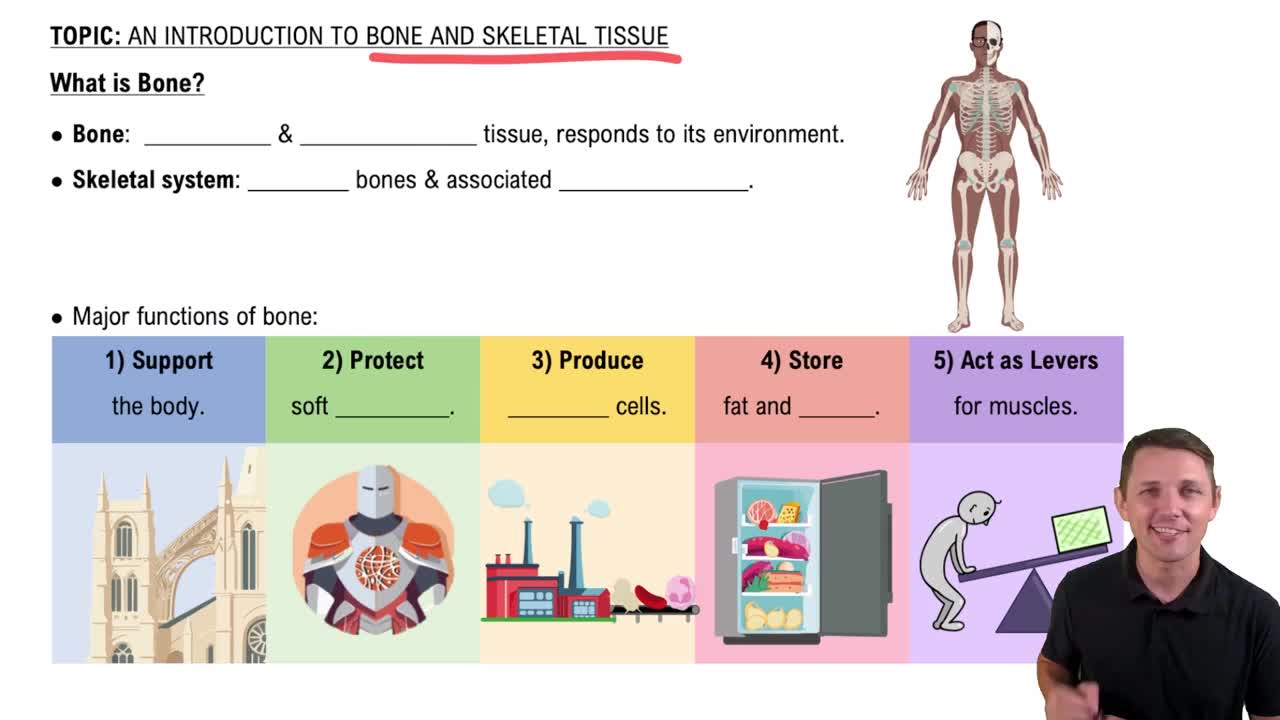
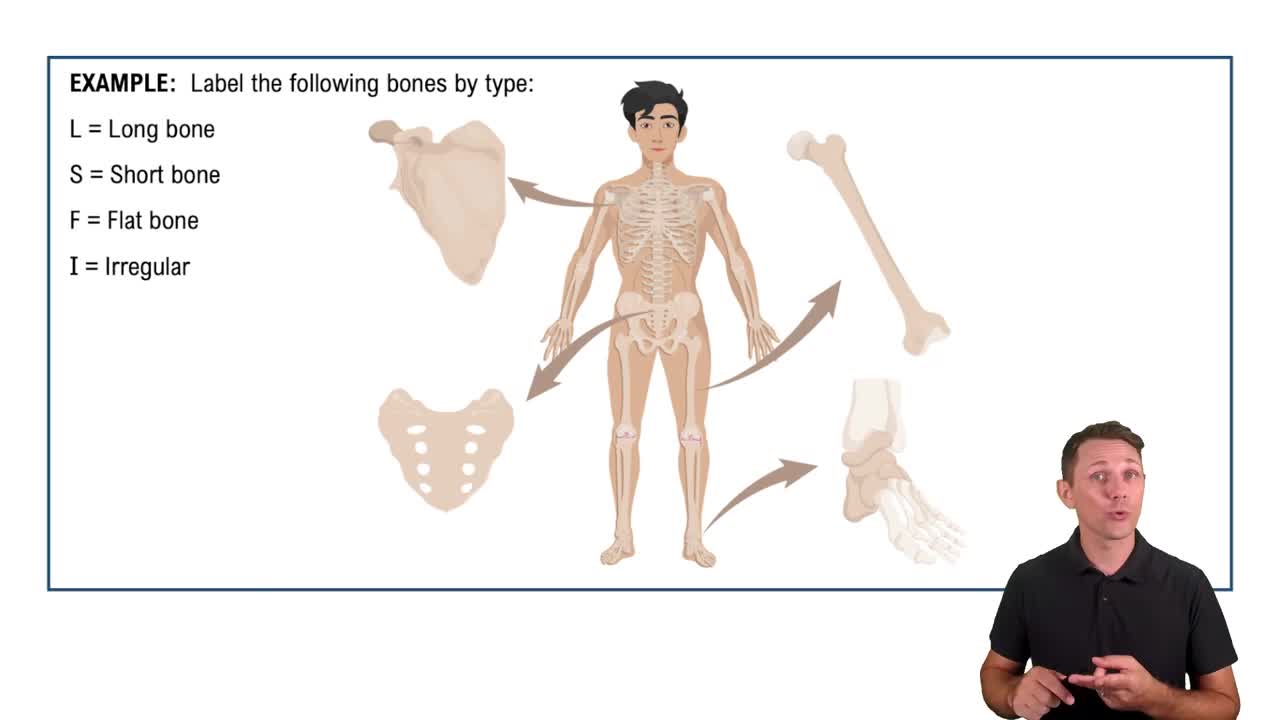
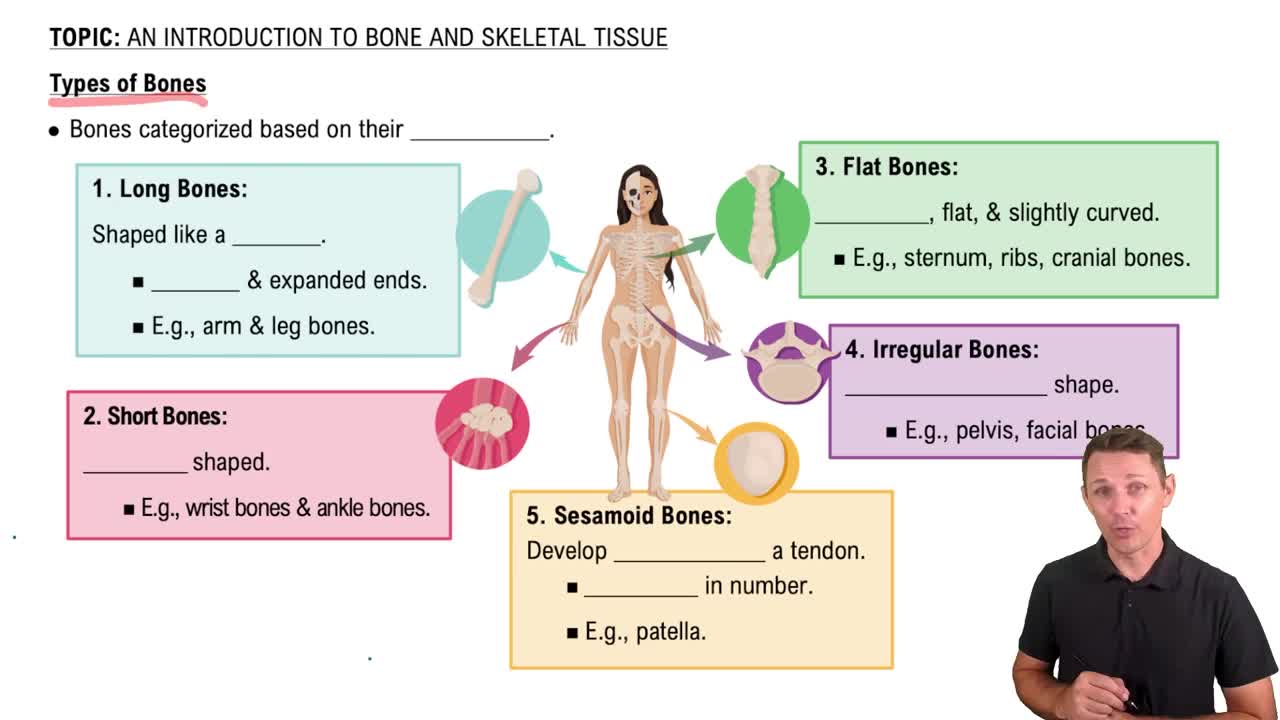
An Introduction to Bone and Skeletal Tissue
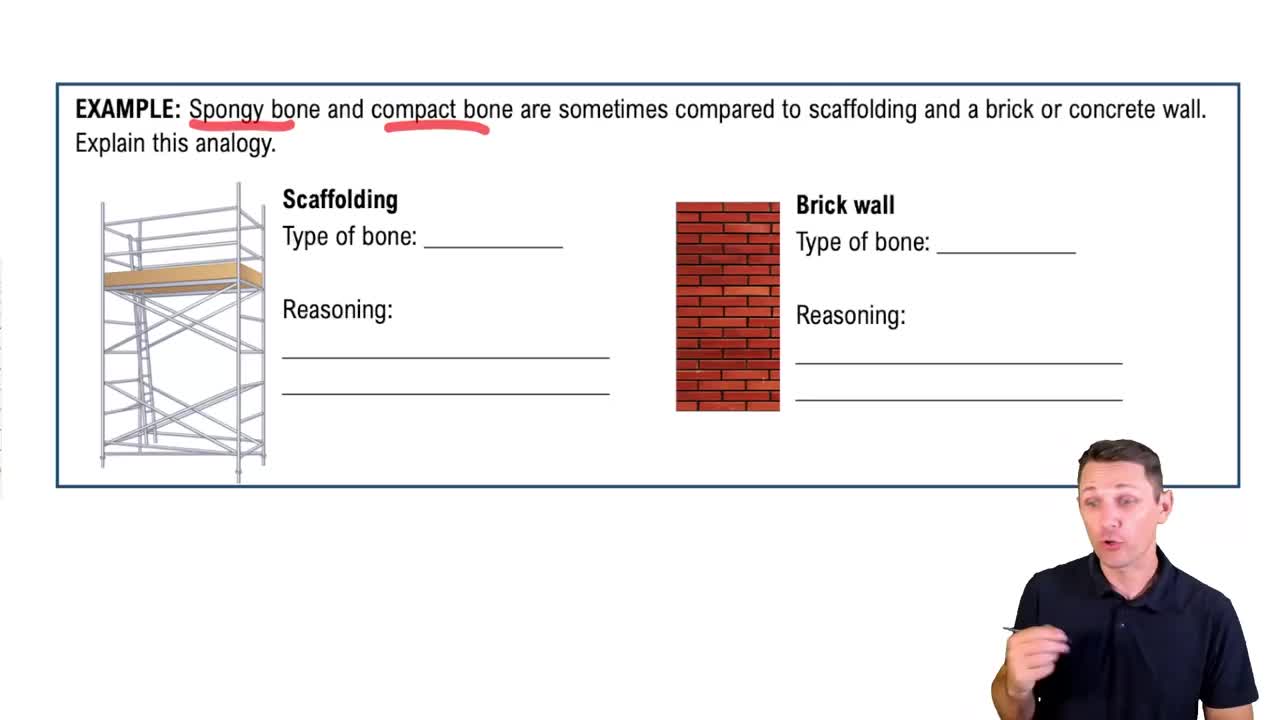
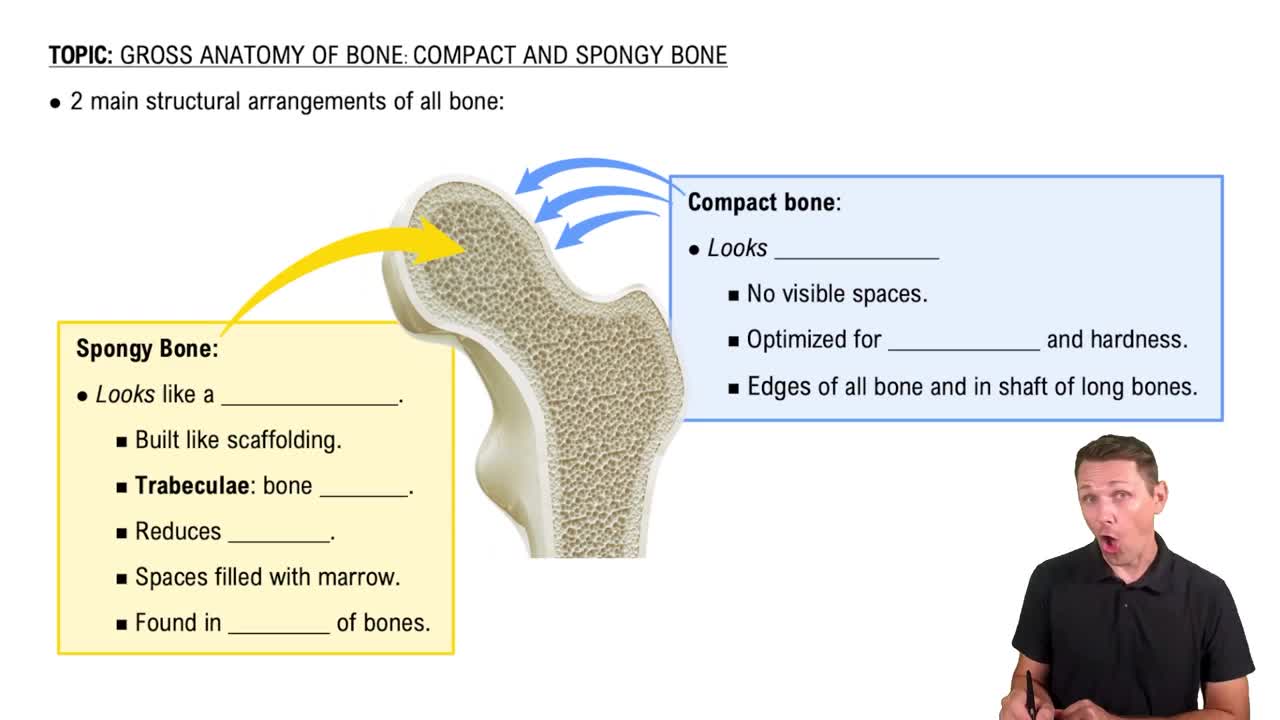
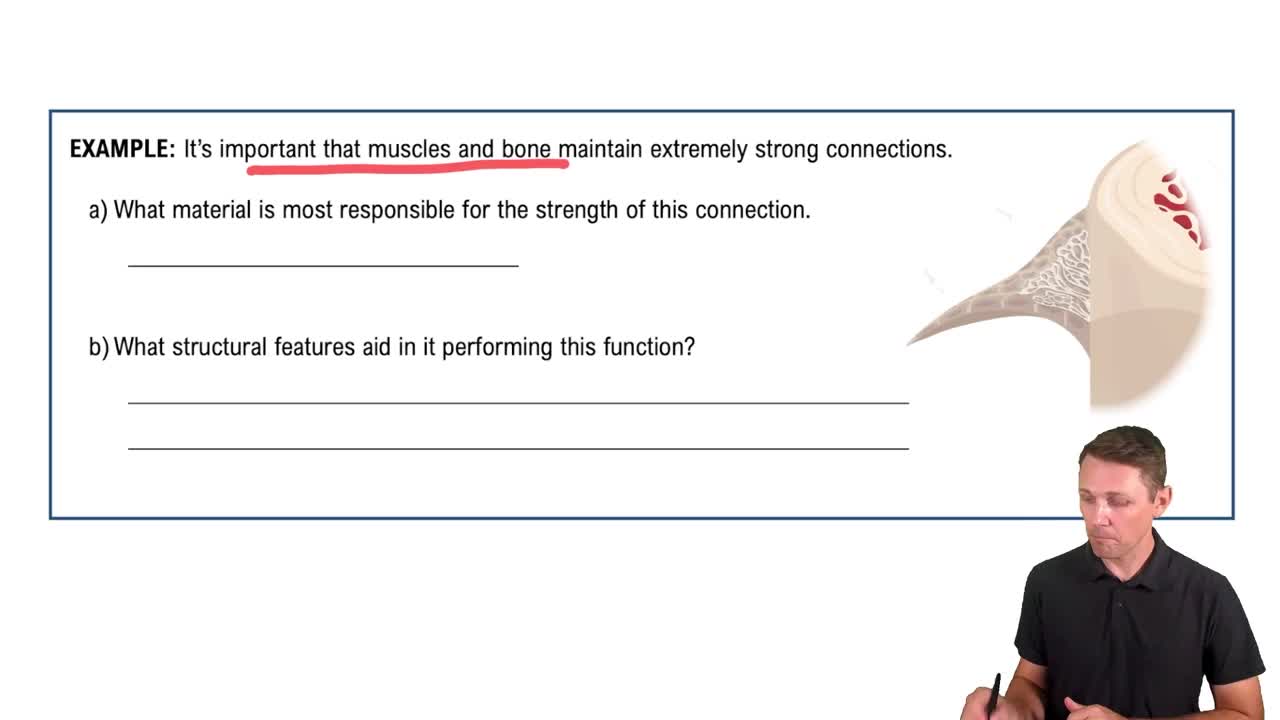
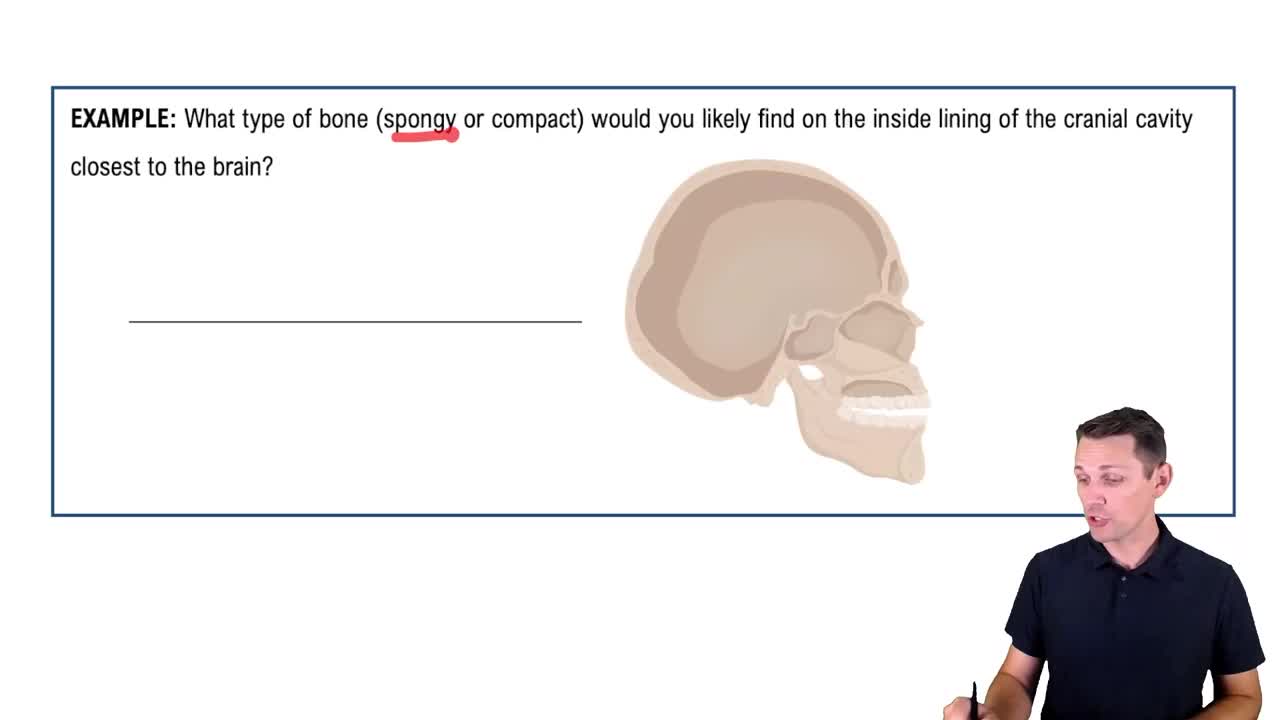
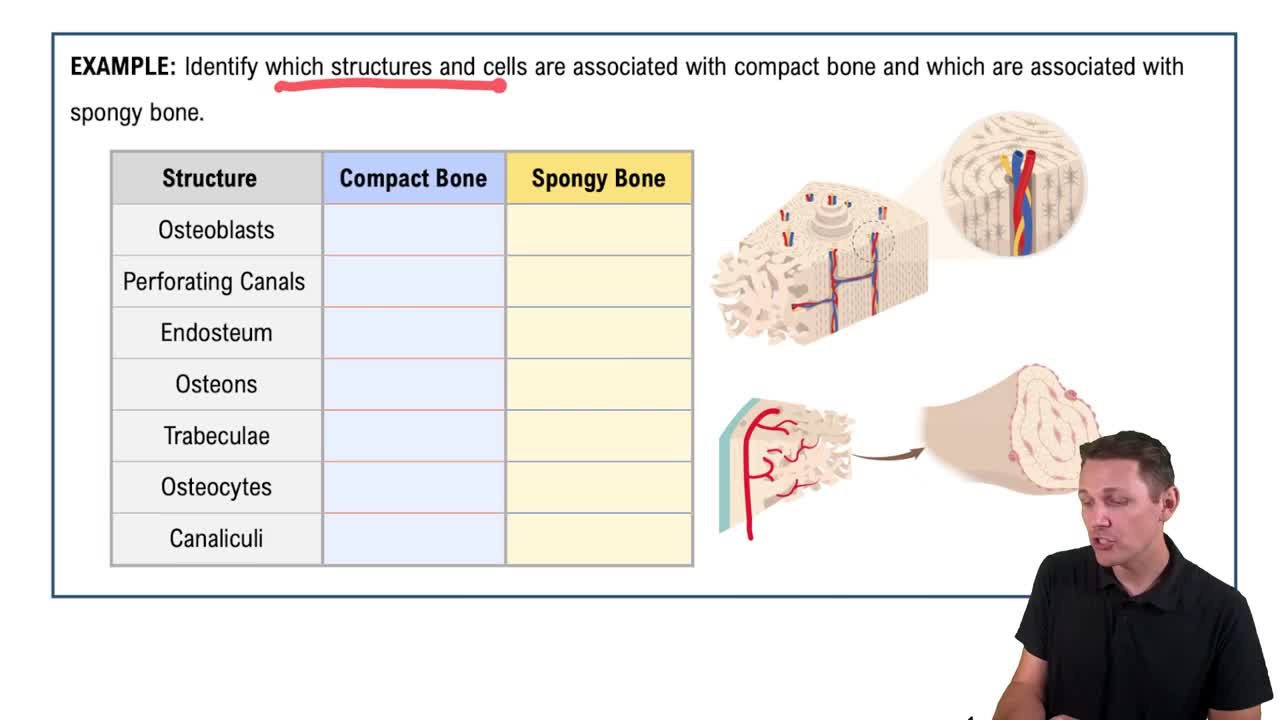
Gross Anatomy of Bone: Compact and Spongy Bone
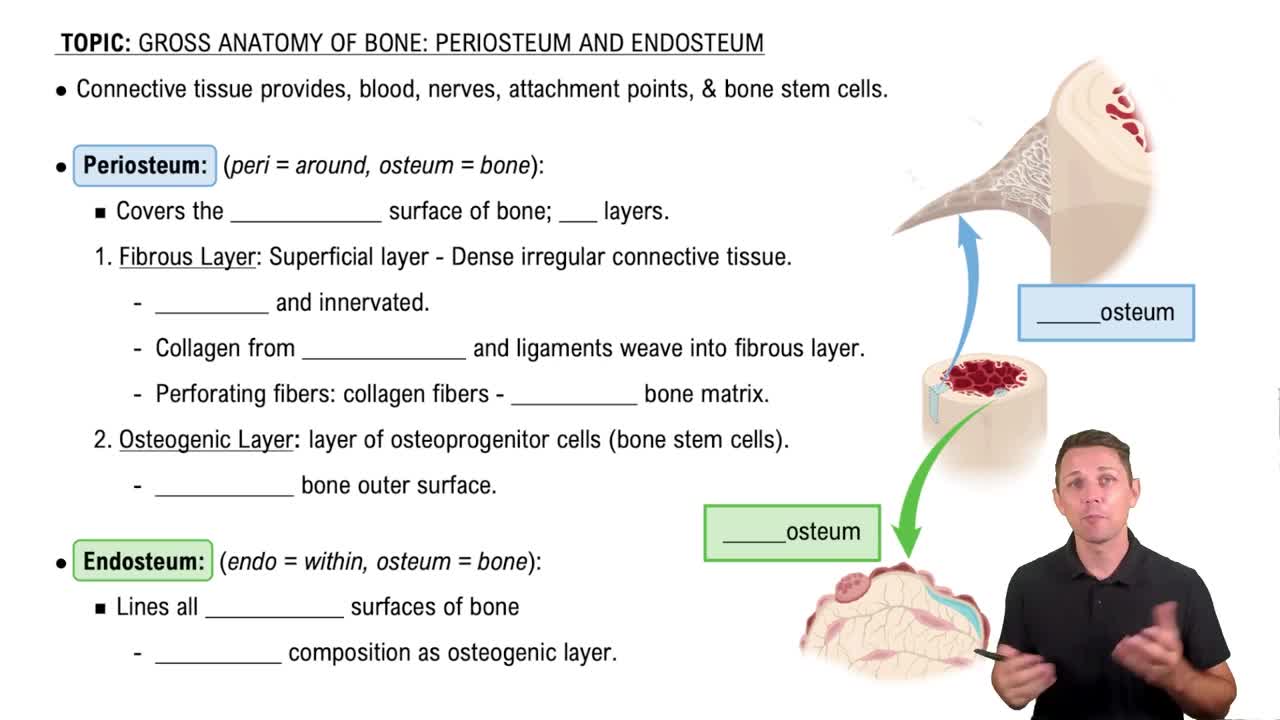
Gross Anatomy of Bone: Periosteum and Endosteum
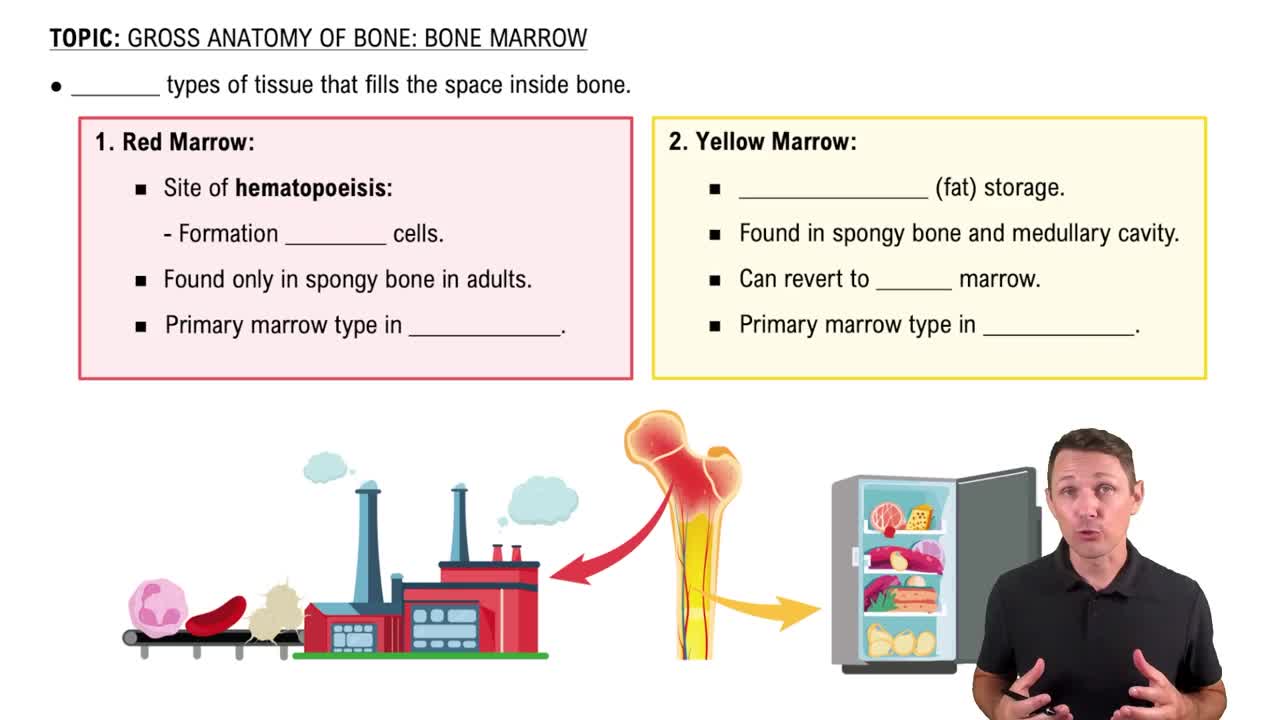
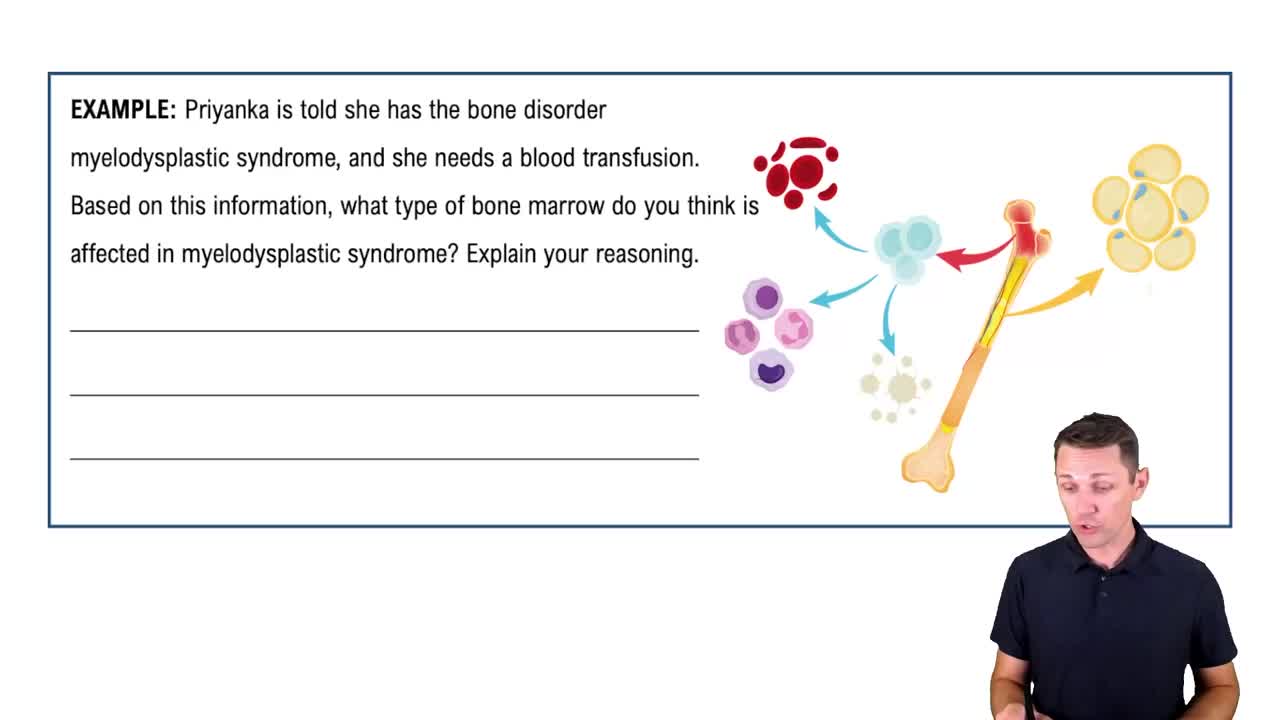
Gross Anatomy of Bone: Bone Marrow
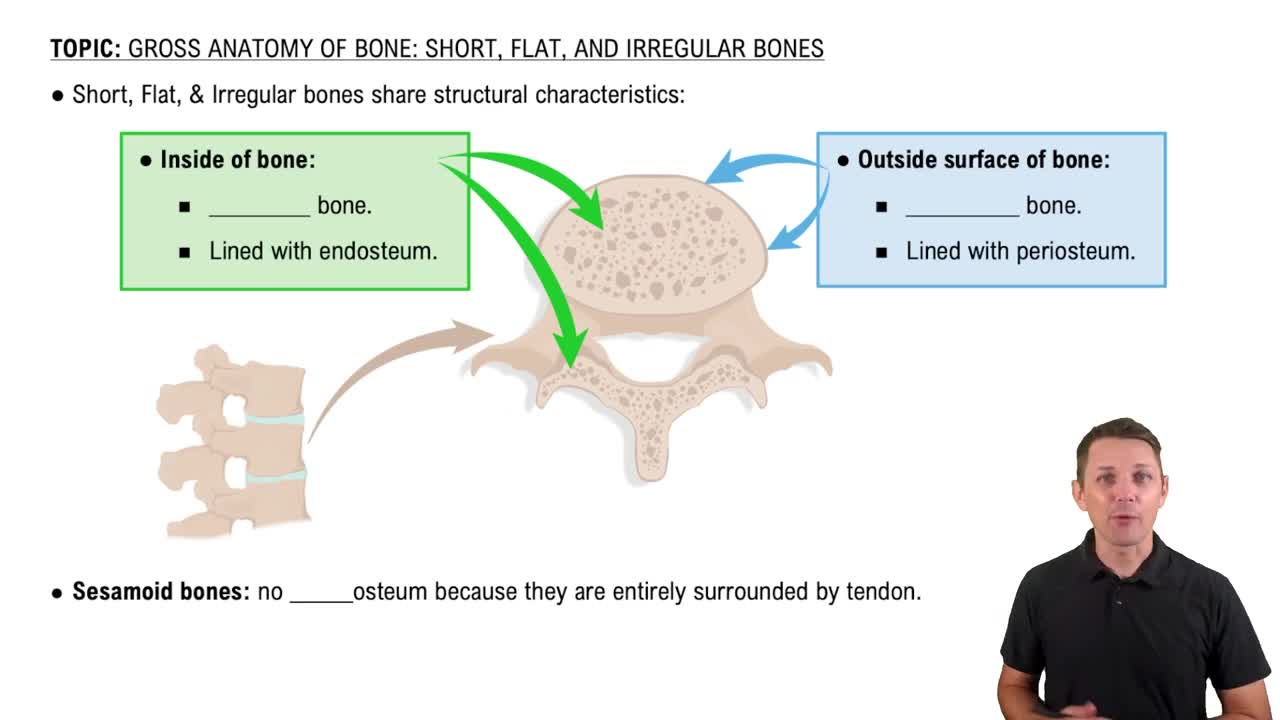
Gross Anatomy of Bone: Short, Flat, and Irregular Bones
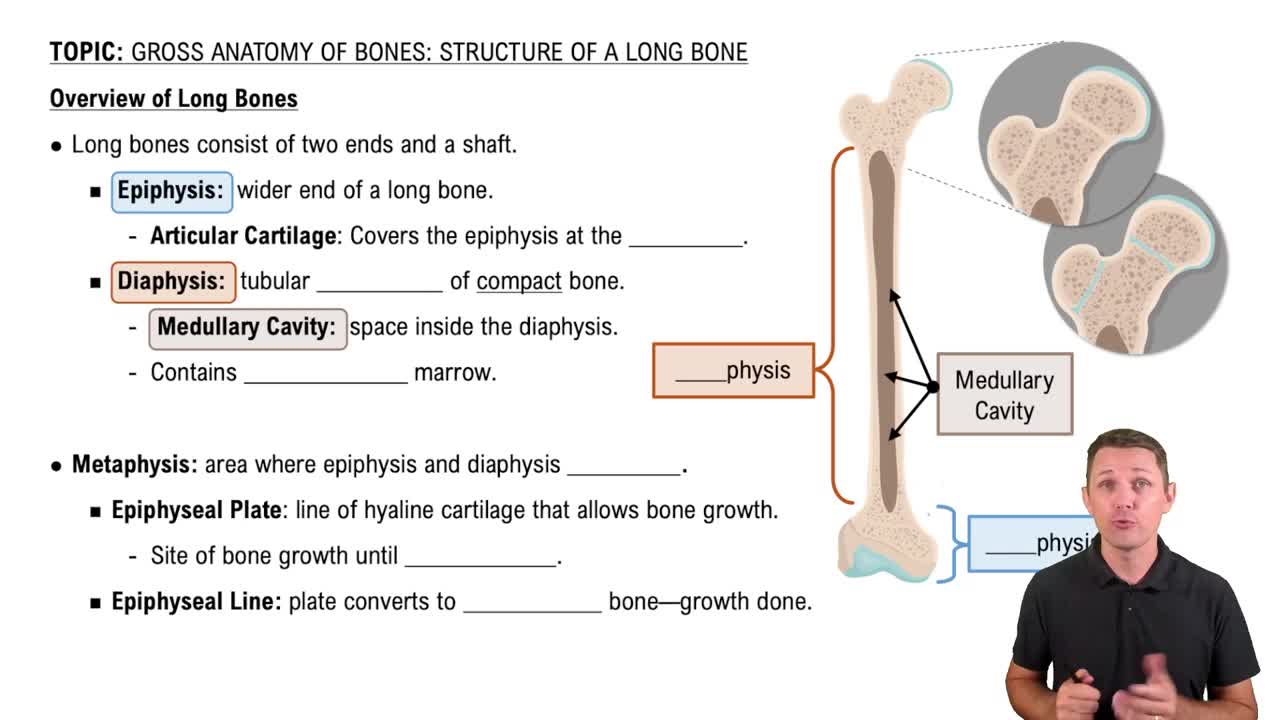
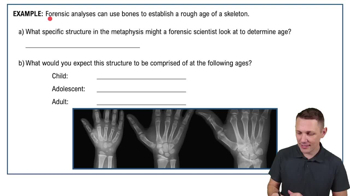
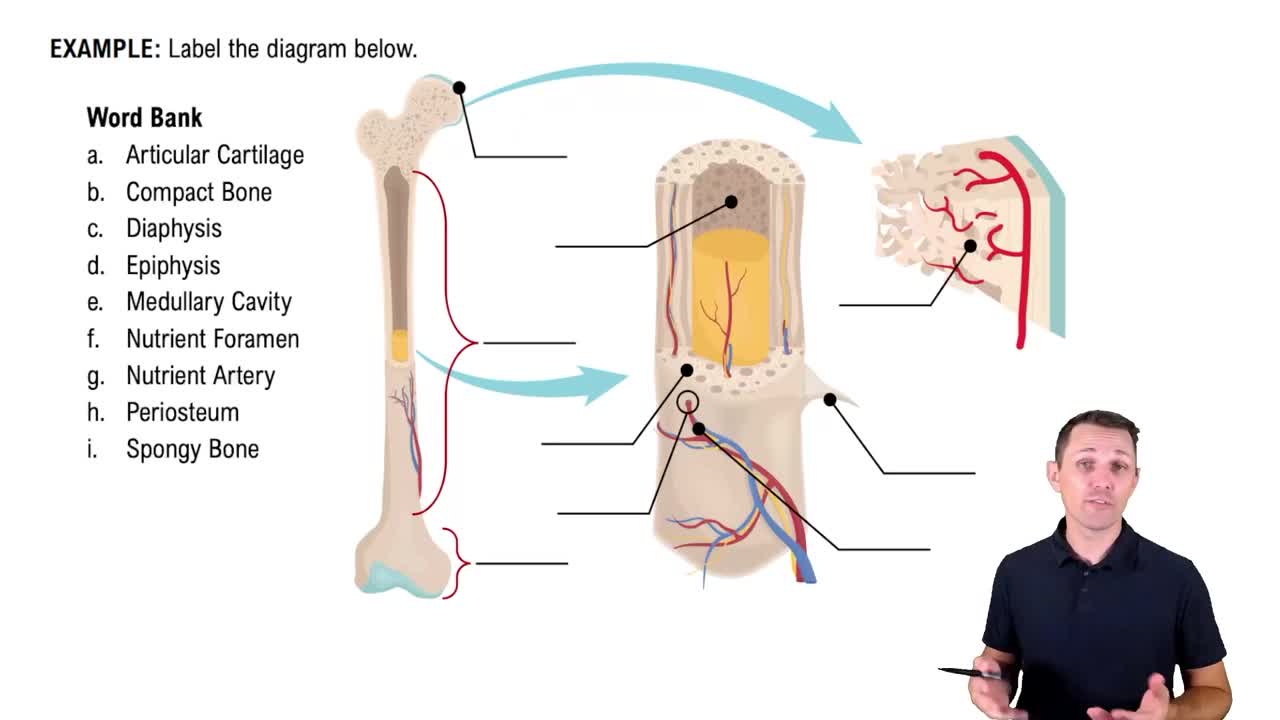
Gross Anatomy of Bones - Structure of a Long Bone
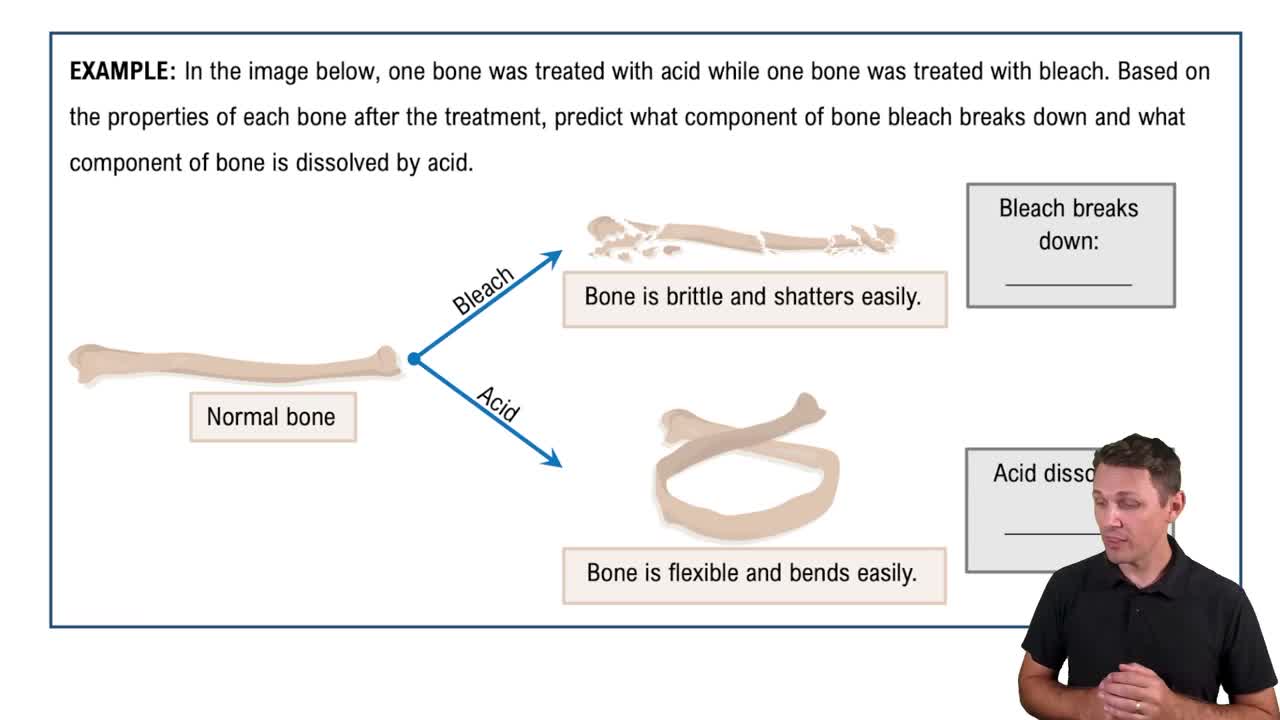
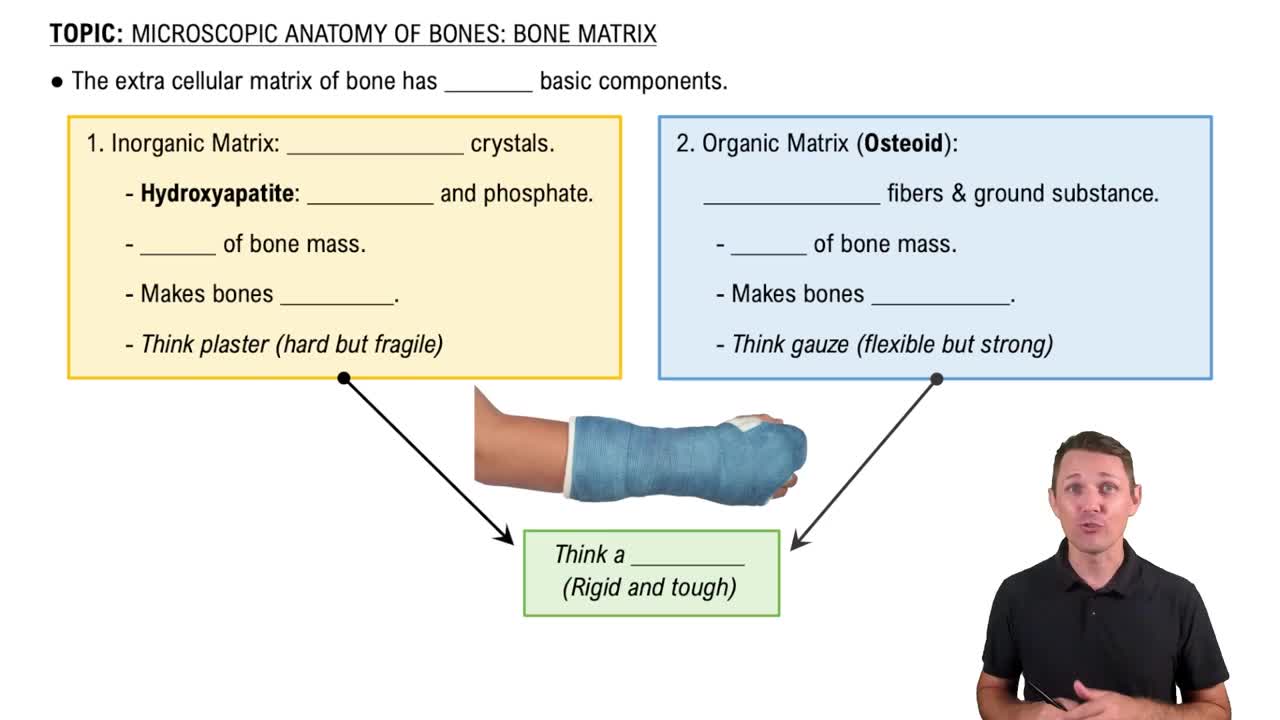
Microscopic Anatomy of Bones - Bone Matrix
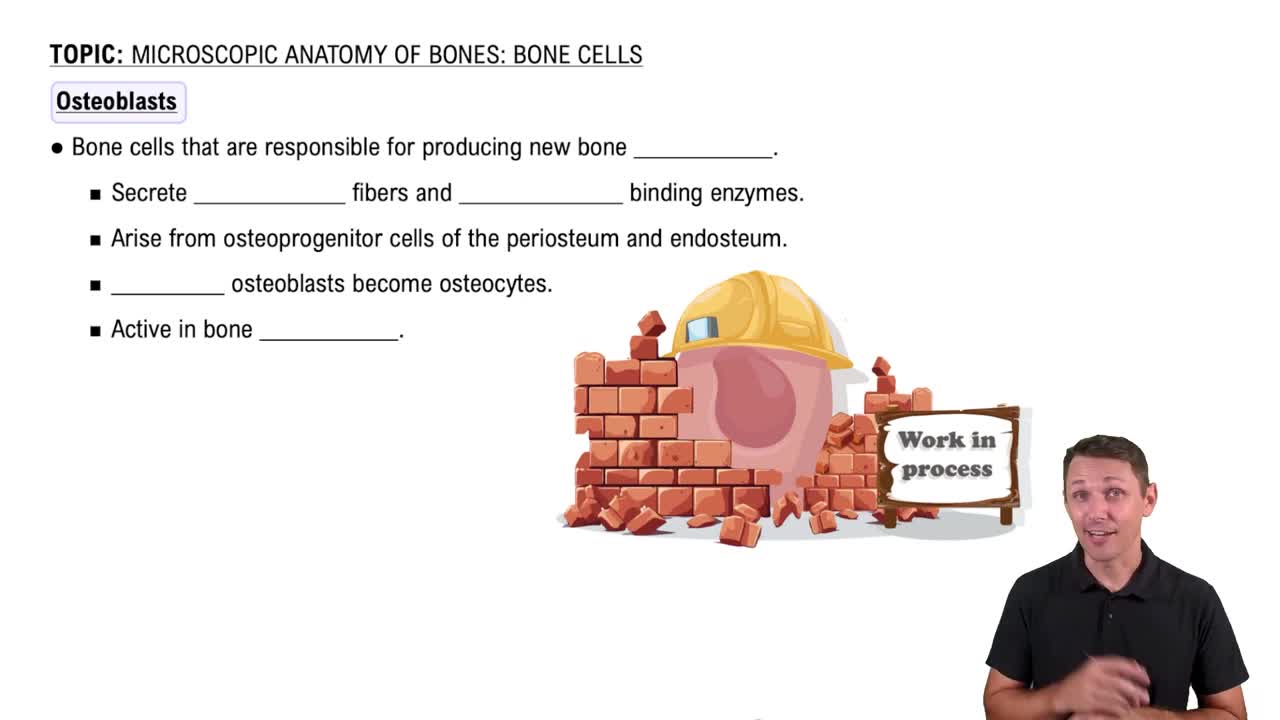
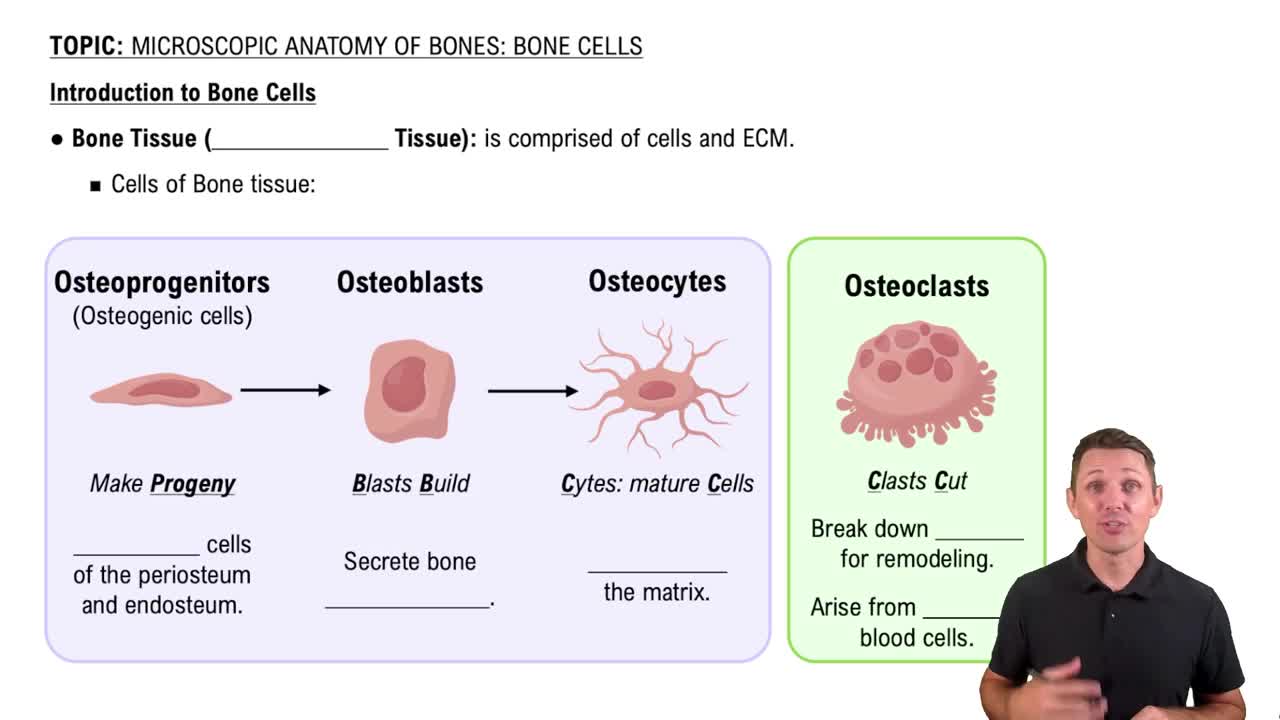
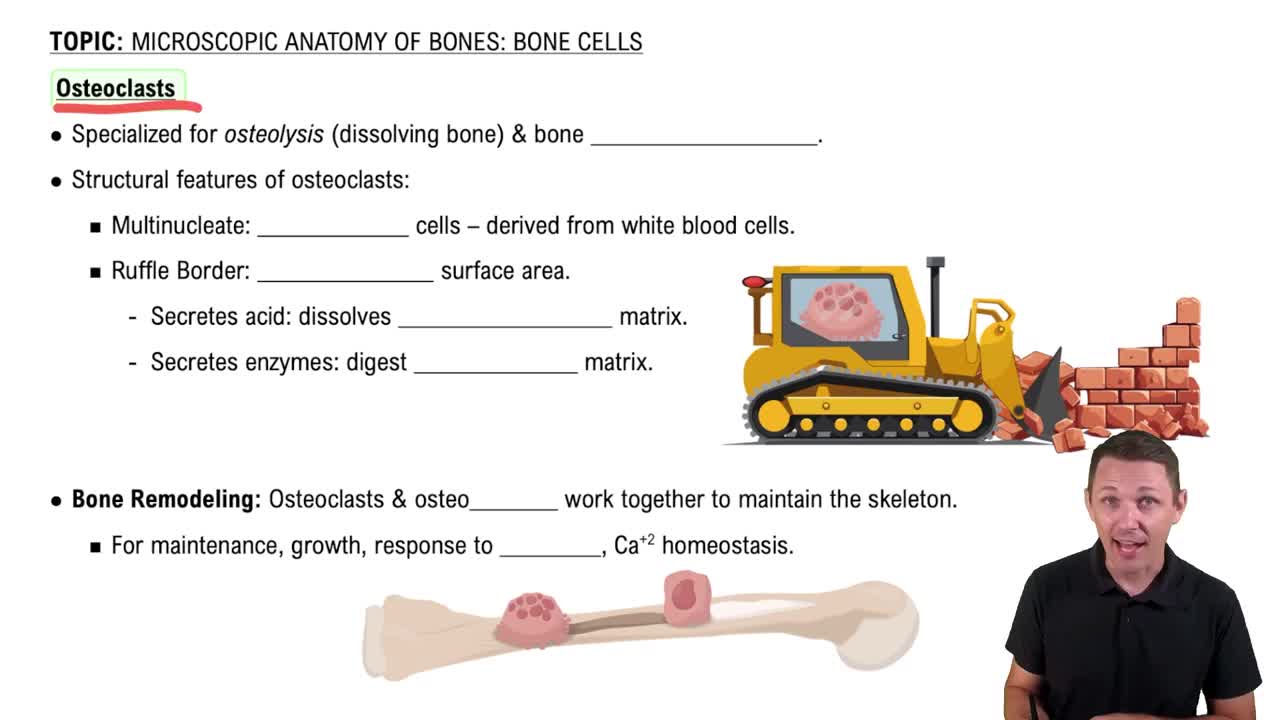
Microscopic Anatomy of Bones - Bone Cells
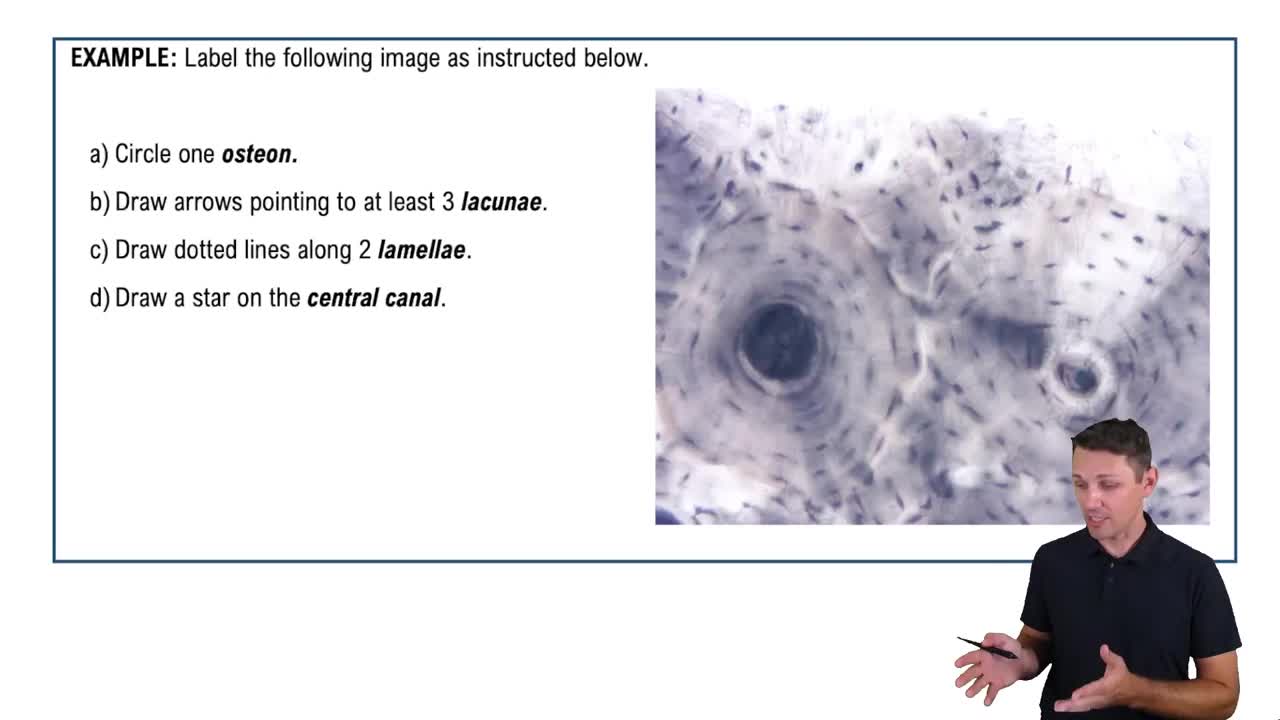
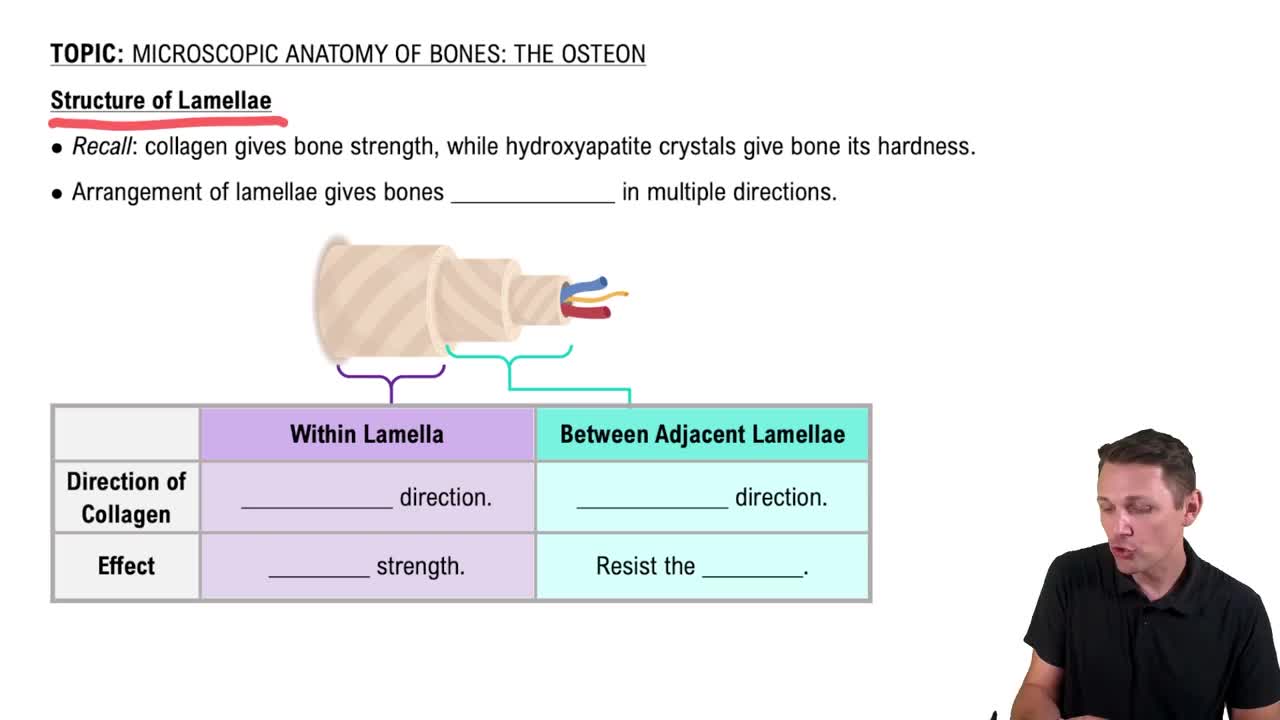
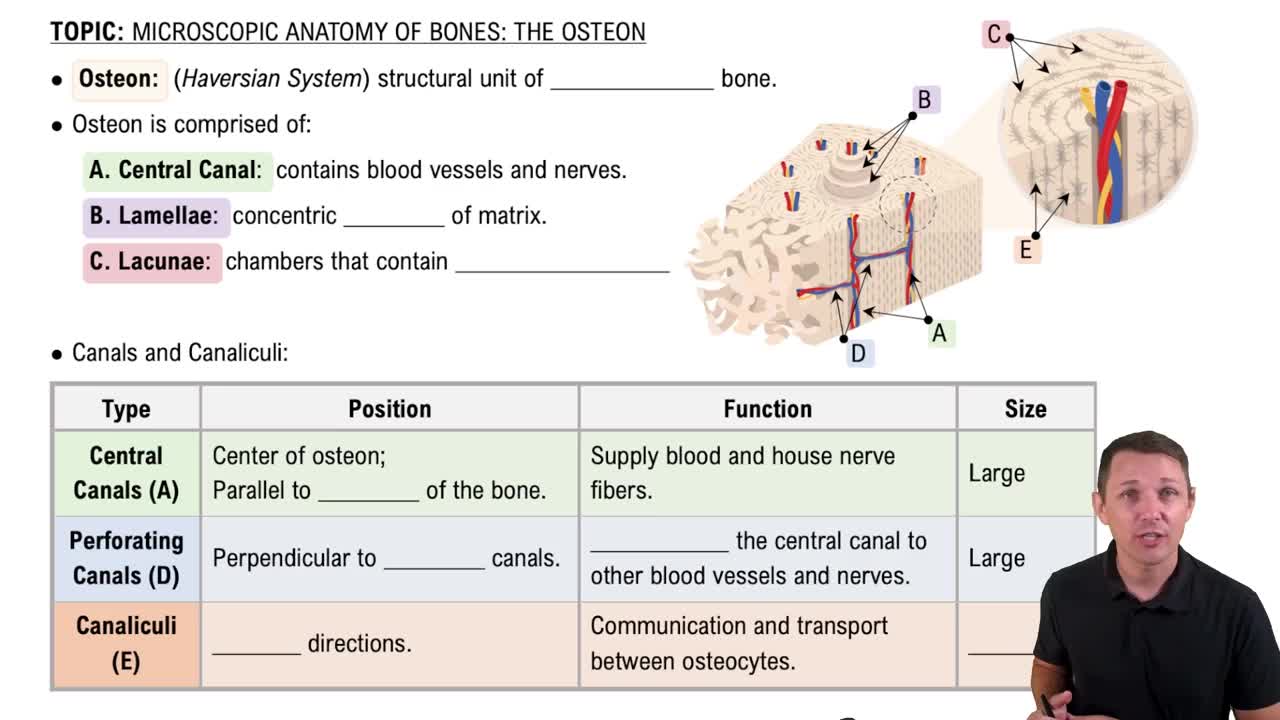
Microscopic Anatomy of Bones - The Osteon
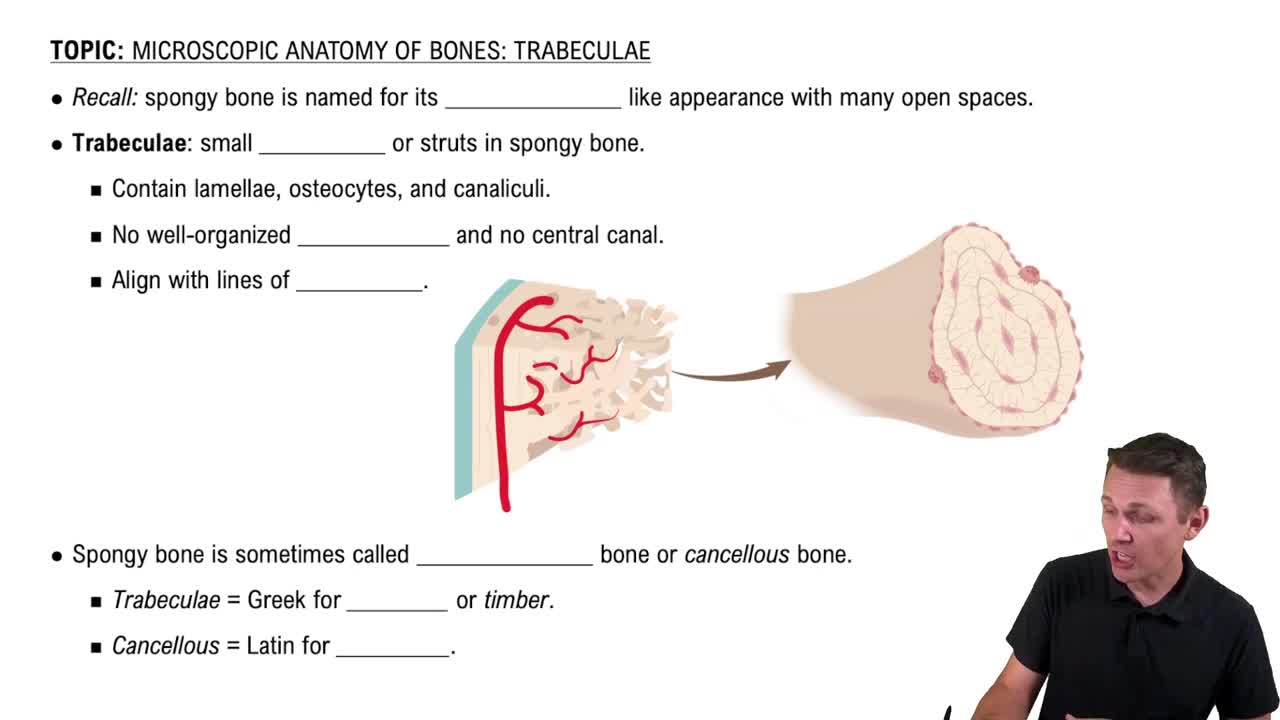
Microscopic Anatomy of Bones - Trabeculae
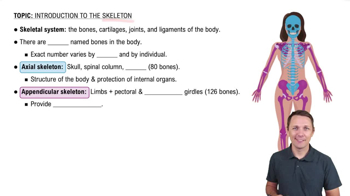
Introduction to the Skeleton
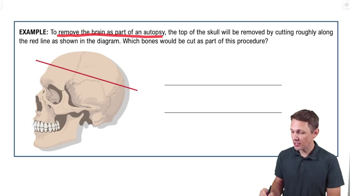
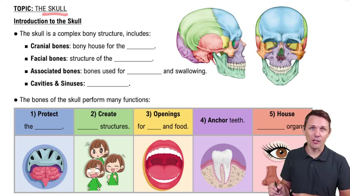
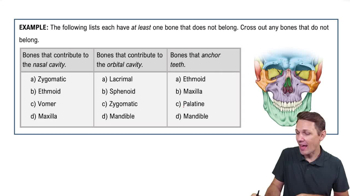
The Skull
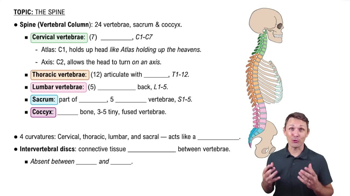
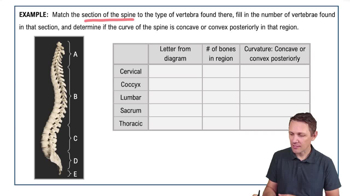
The Spine
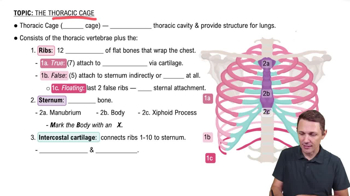
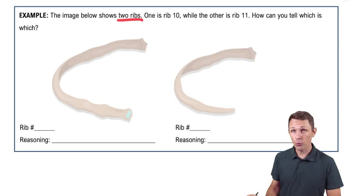
The Thoracic Cage
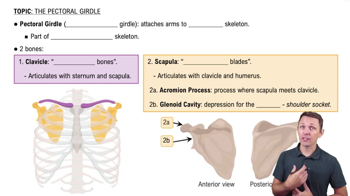
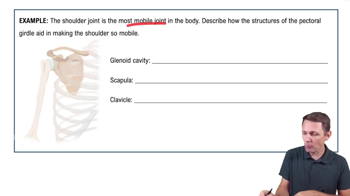
The Pectoral Girdle
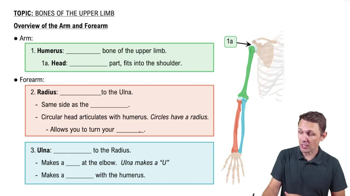
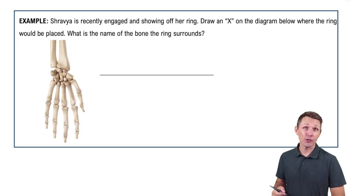
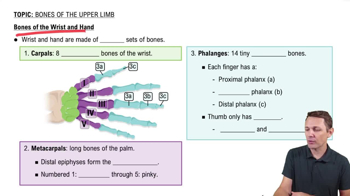
Bones of the Upper Limb
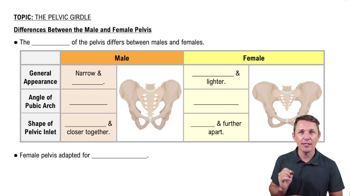
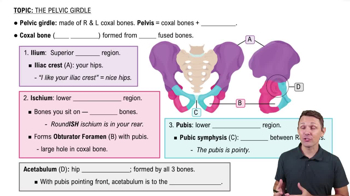
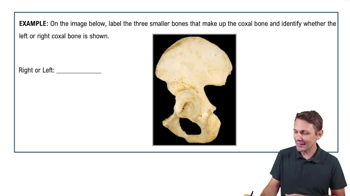
The Pelvic Girdle
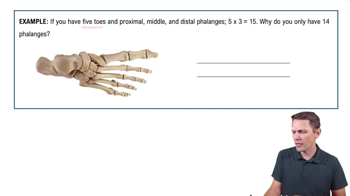
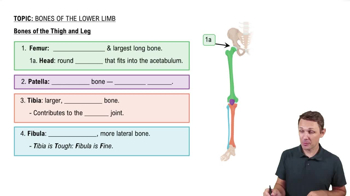
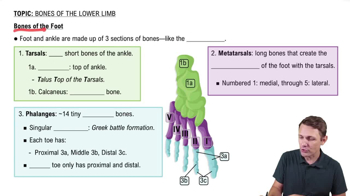
Bones of the Lower Limb
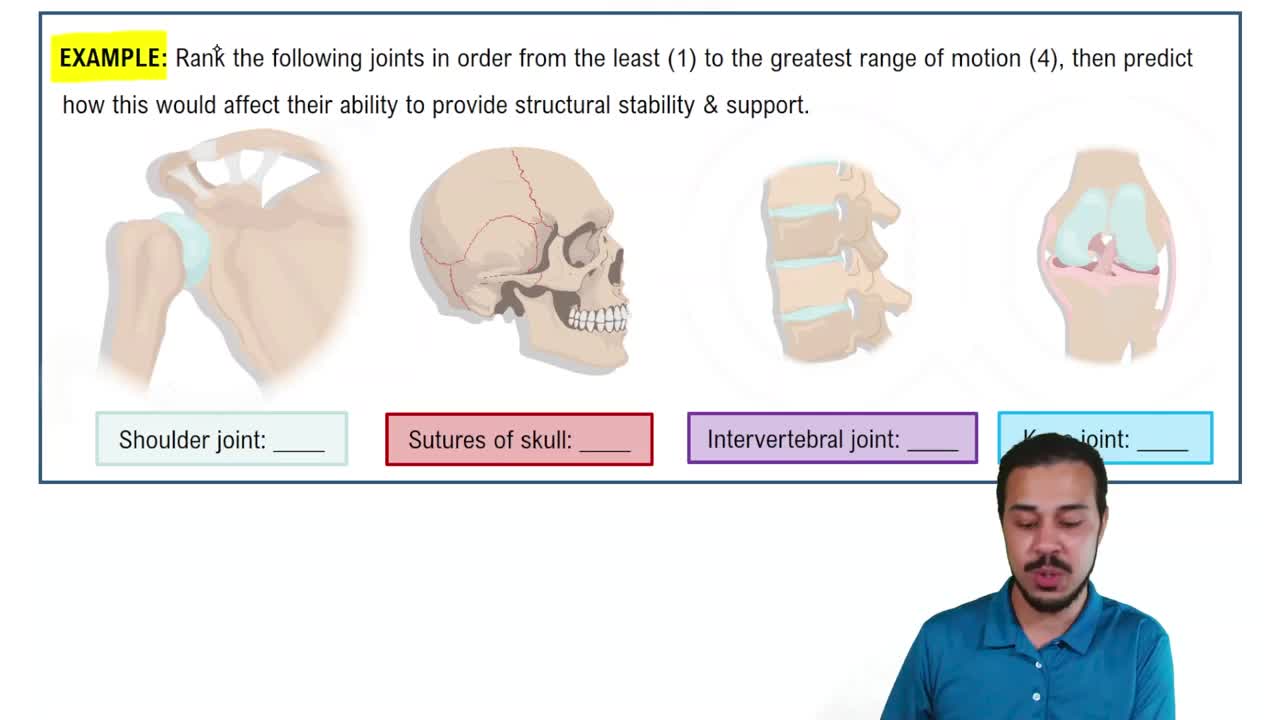
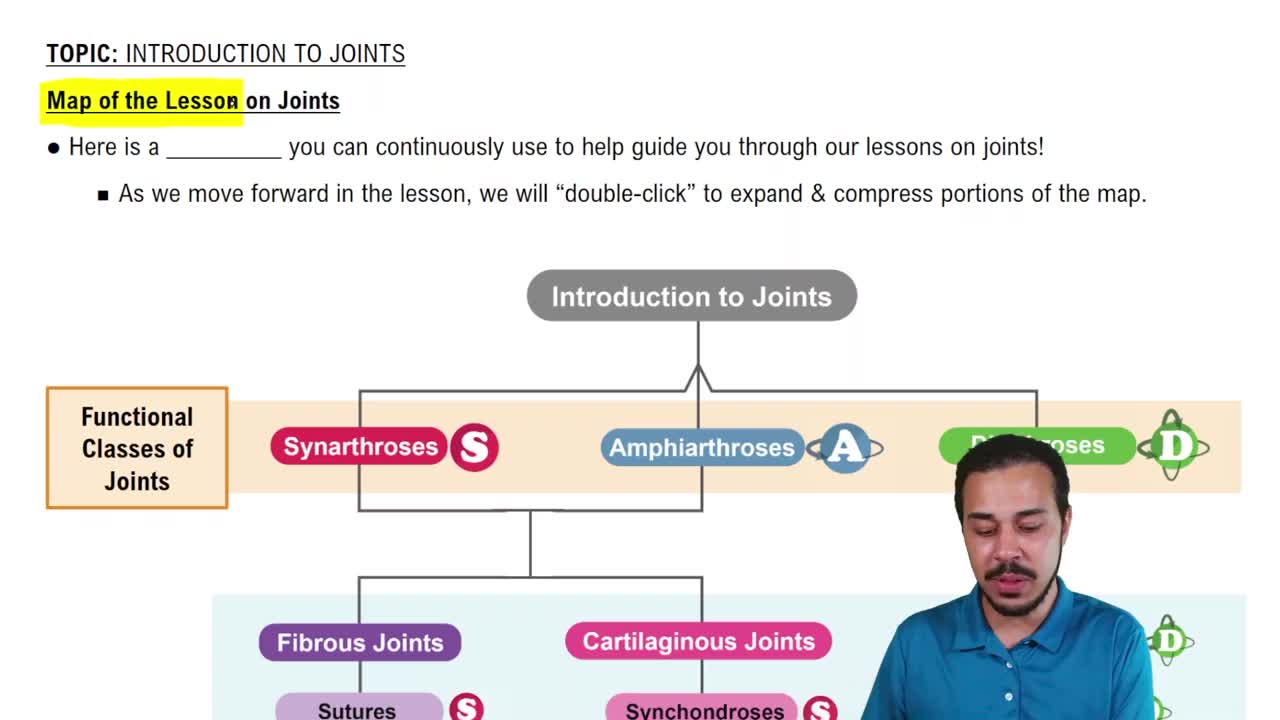
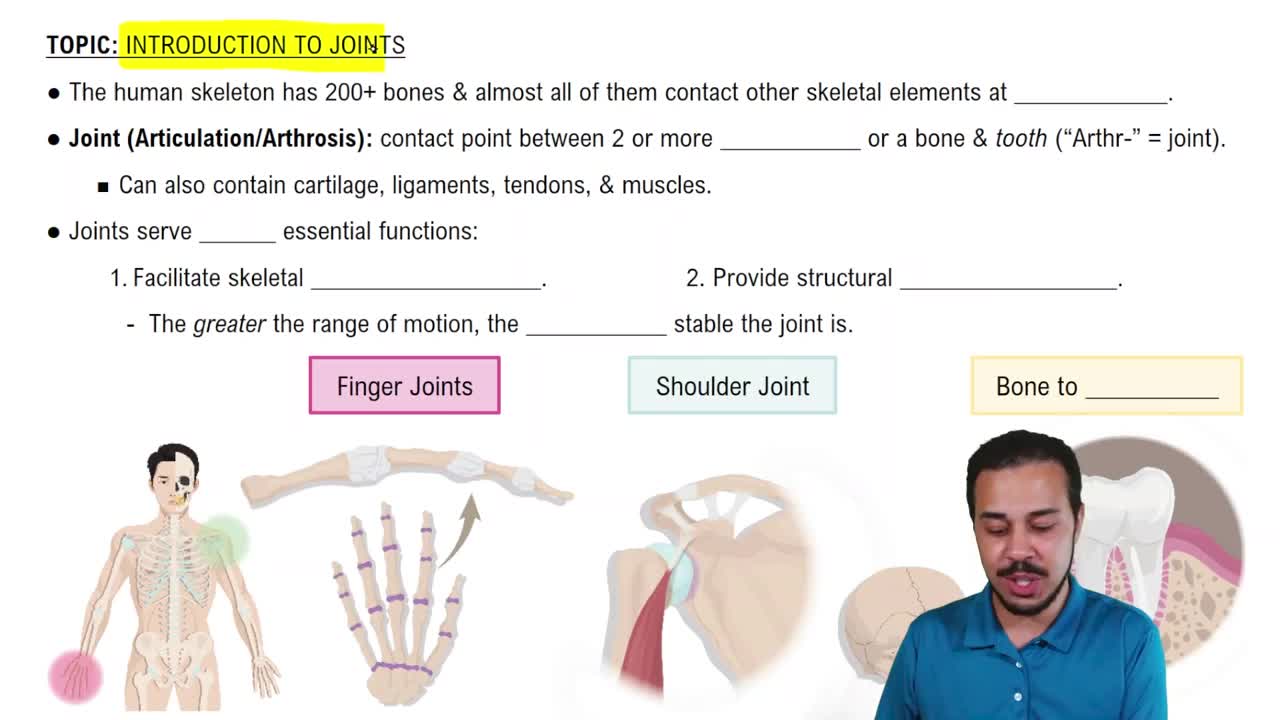
Introduction to Joints
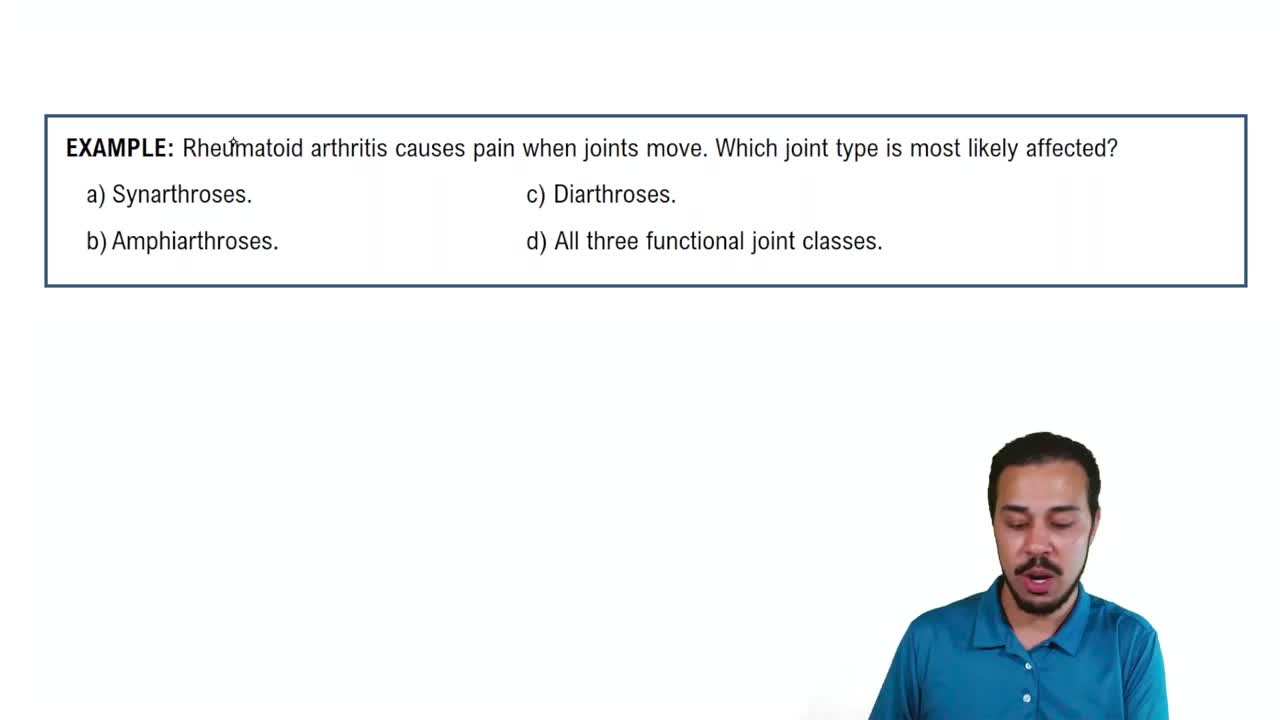
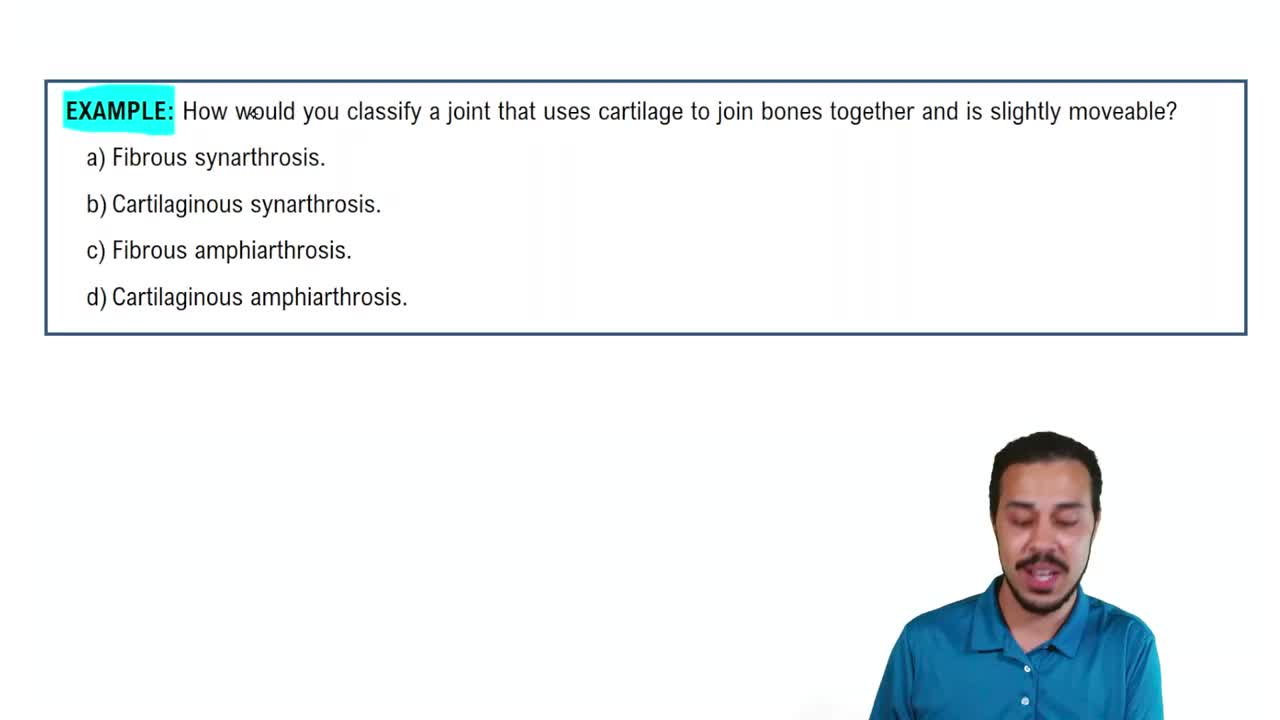
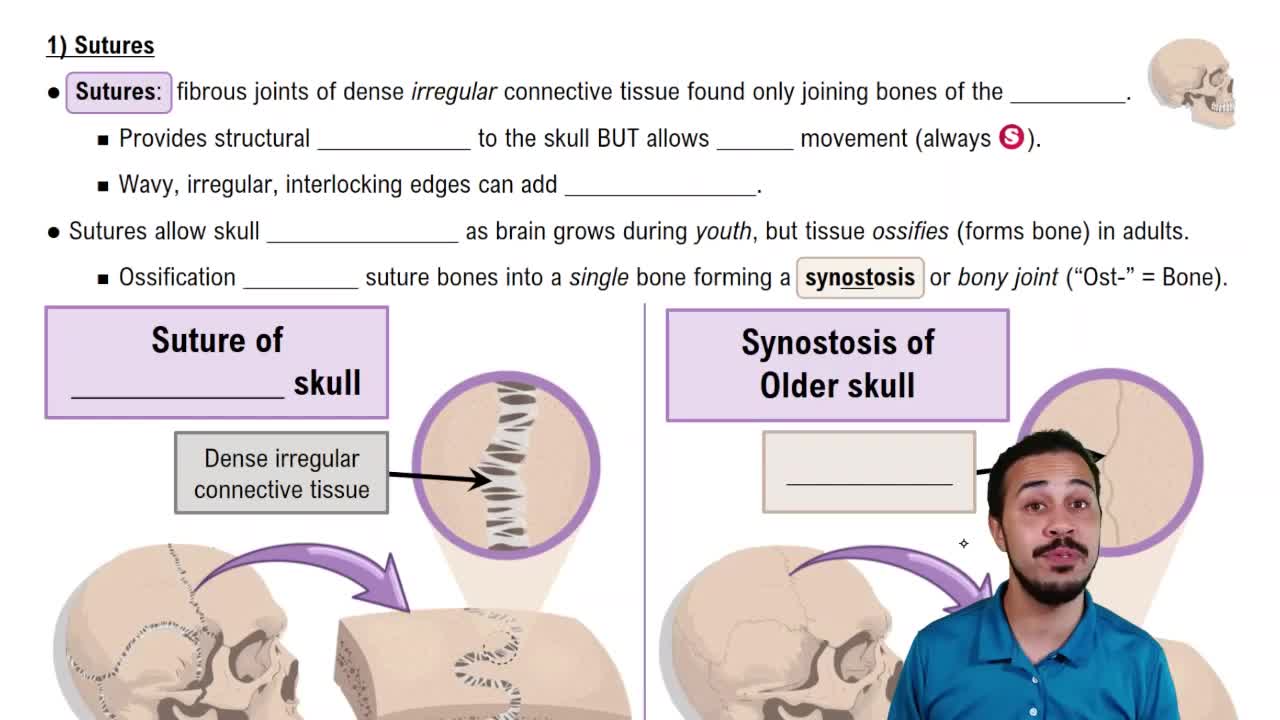
Classification of Joints
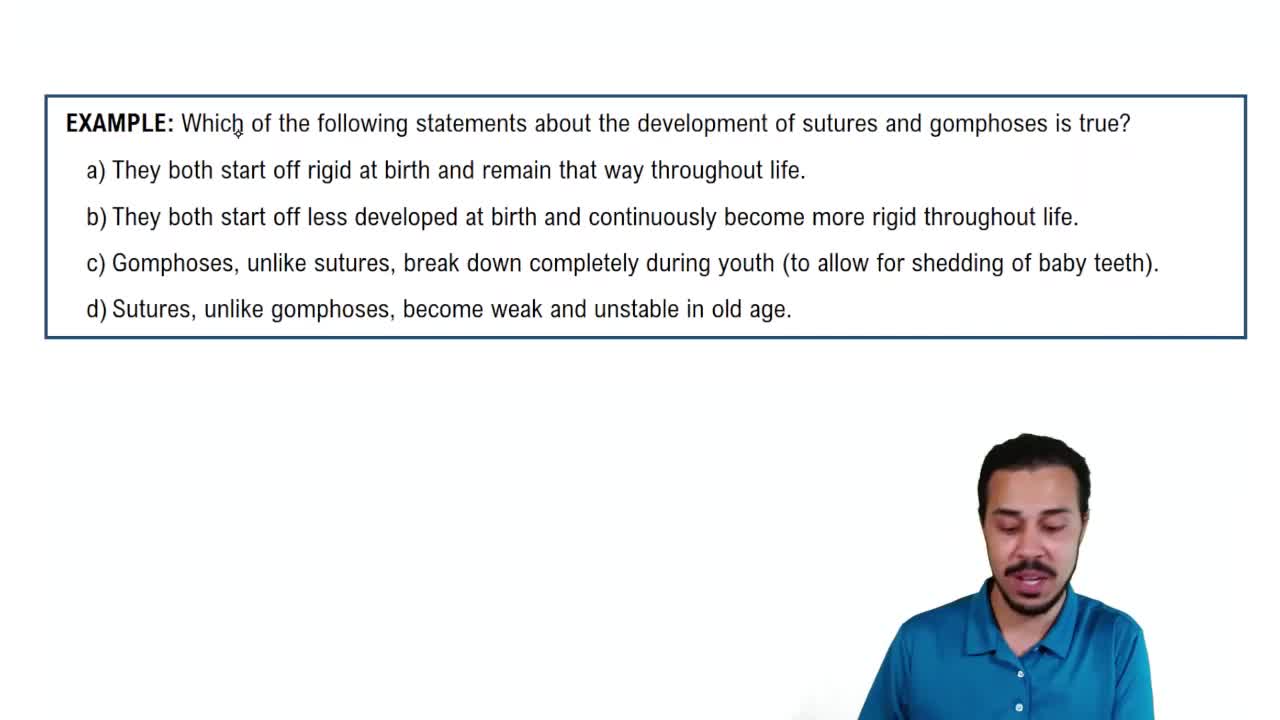
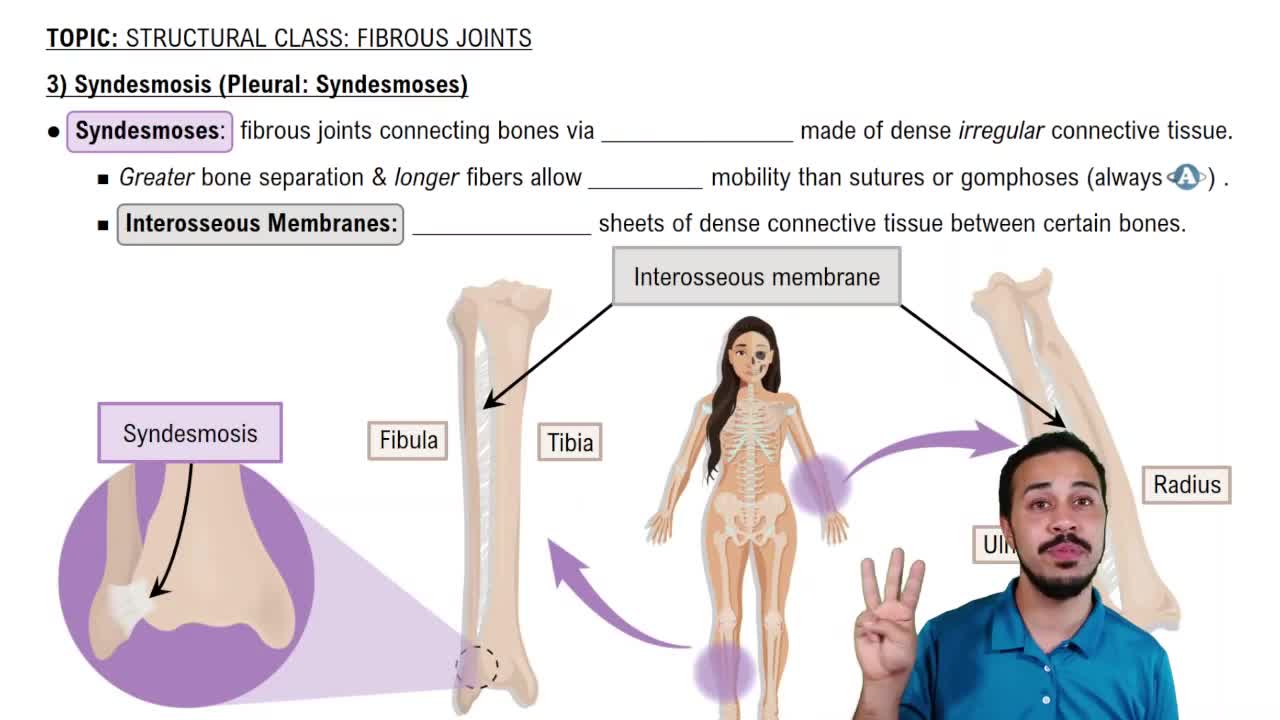
Structural Class: Fibrous Joints
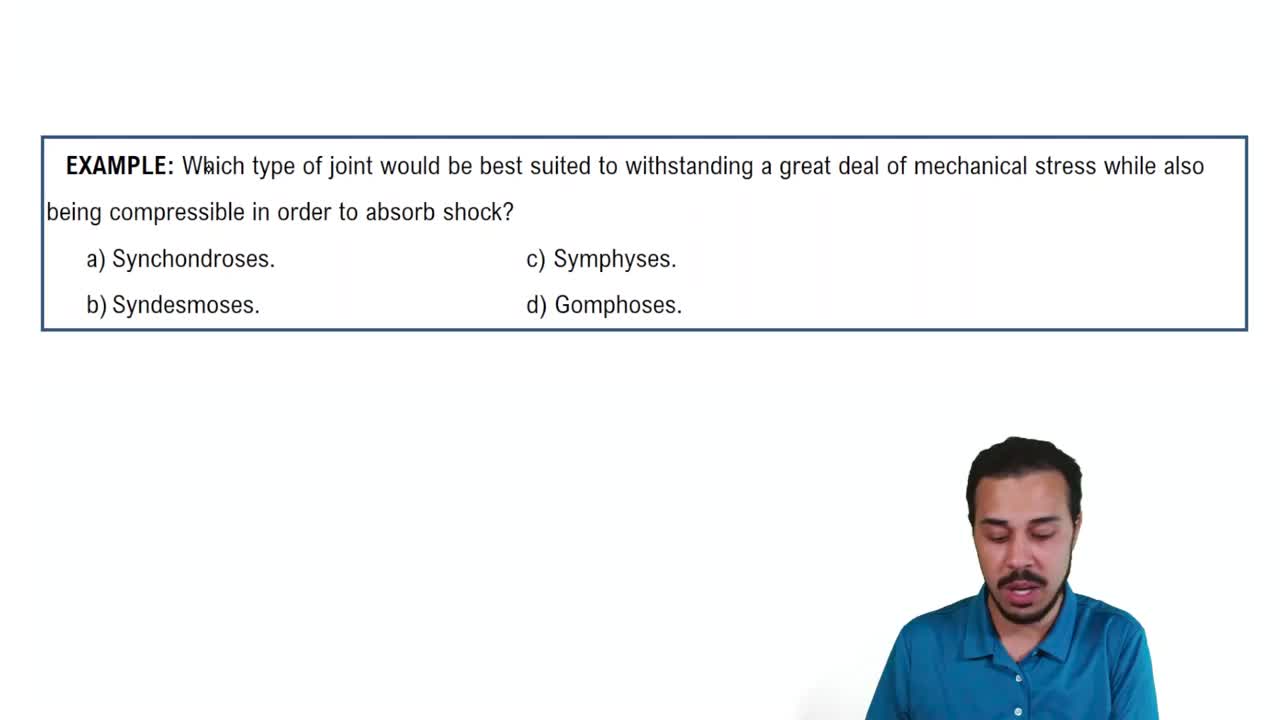
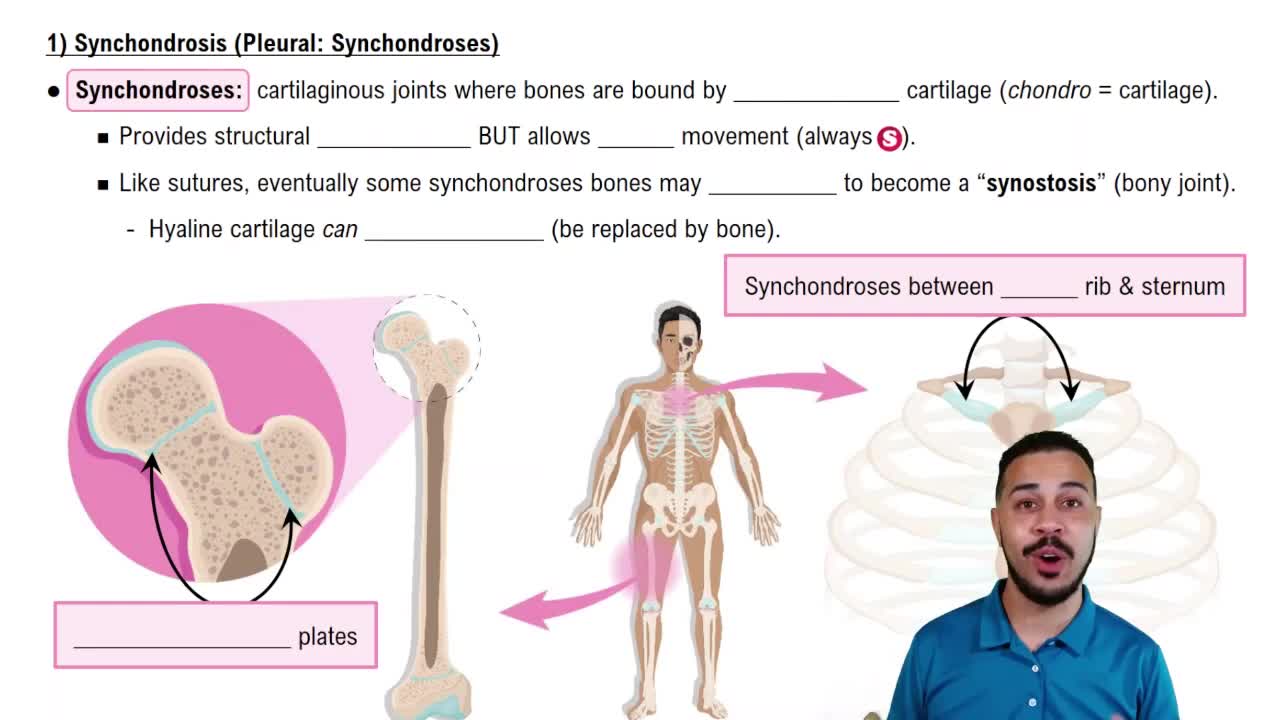
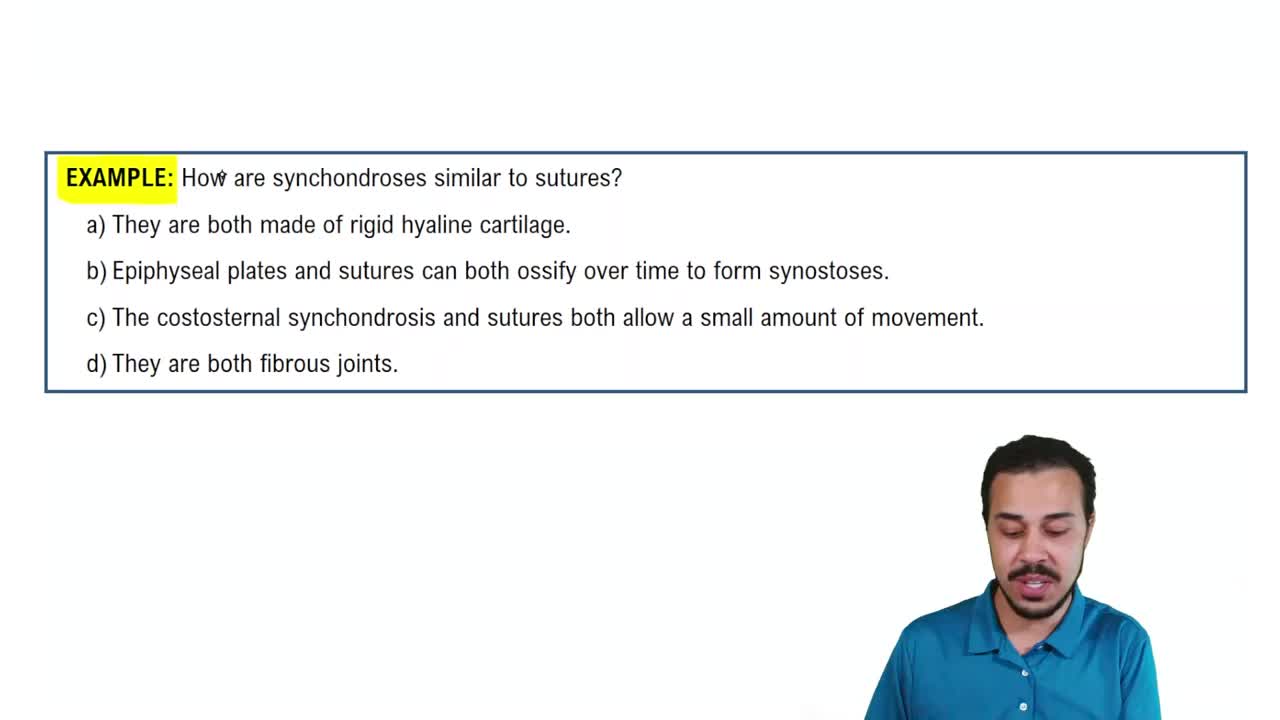
Structural Class: Cartilaginous Joints
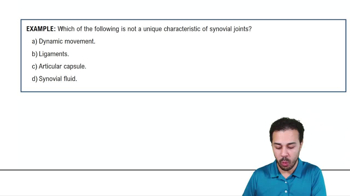
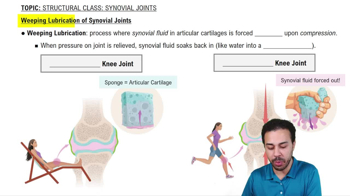
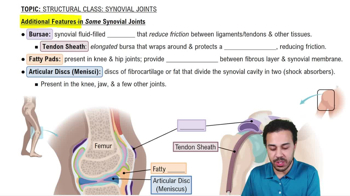
Structural Class: Synovial Joints
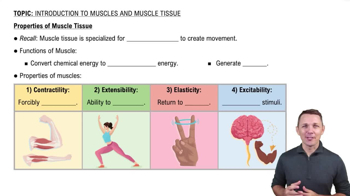
Introduction to Muscles and Muscle Tissue
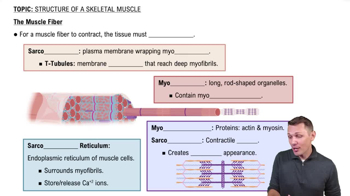
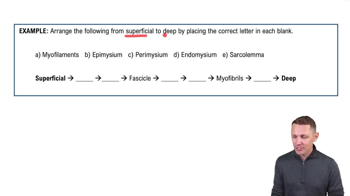
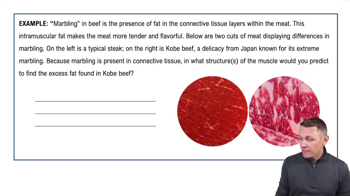
Structure of a Skeletal Muscle
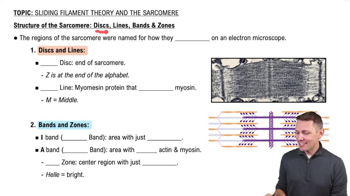
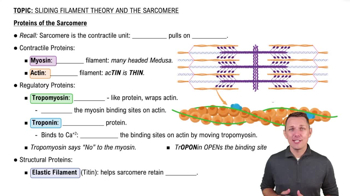
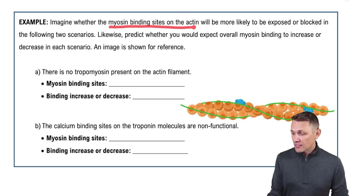
Sliding Filament Theory and the Sarcomere
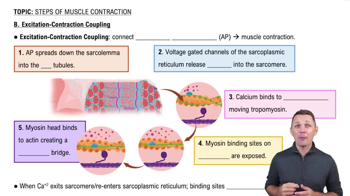
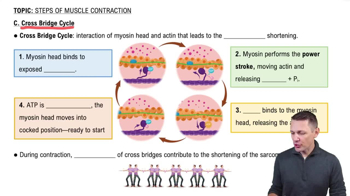
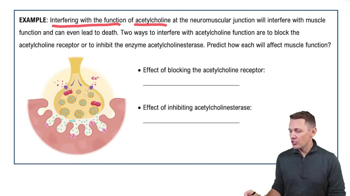
Steps of Muscle Contraction
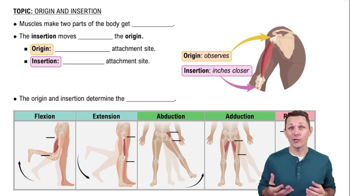
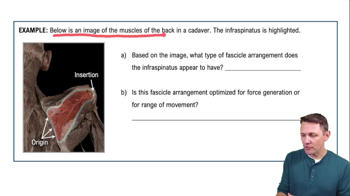
Origin and Insertion
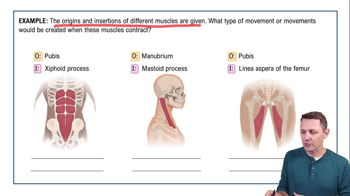
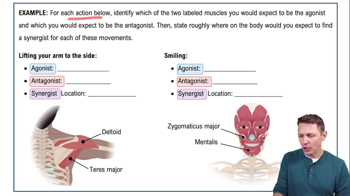
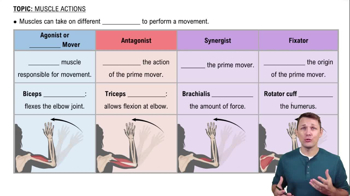
Muscle Actions
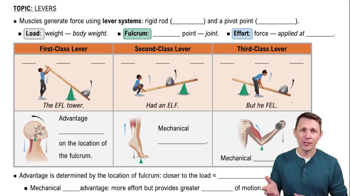
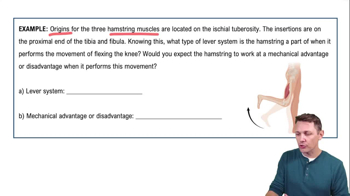
Levers
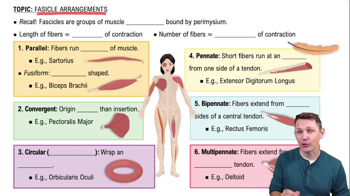
Fascicle Arrangements
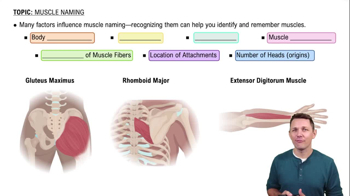
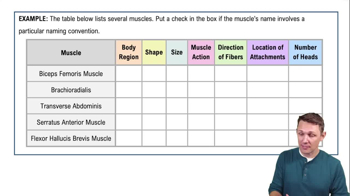
Muscle Naming
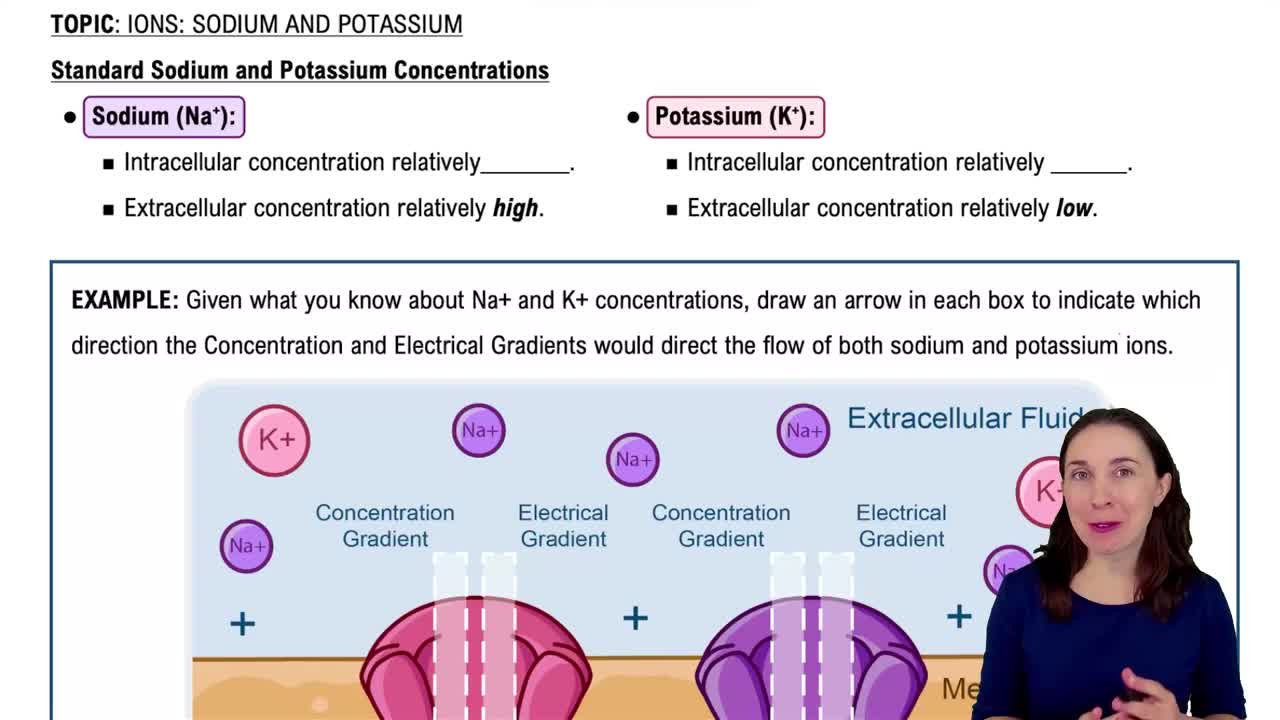
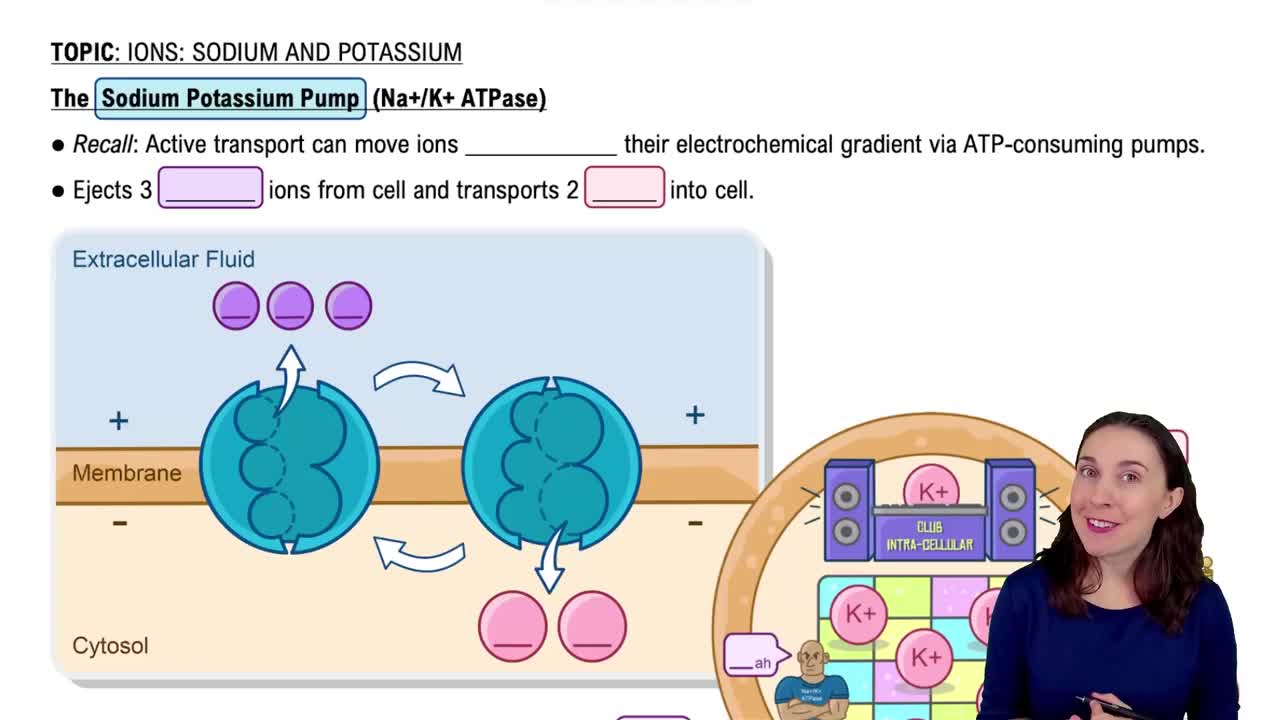
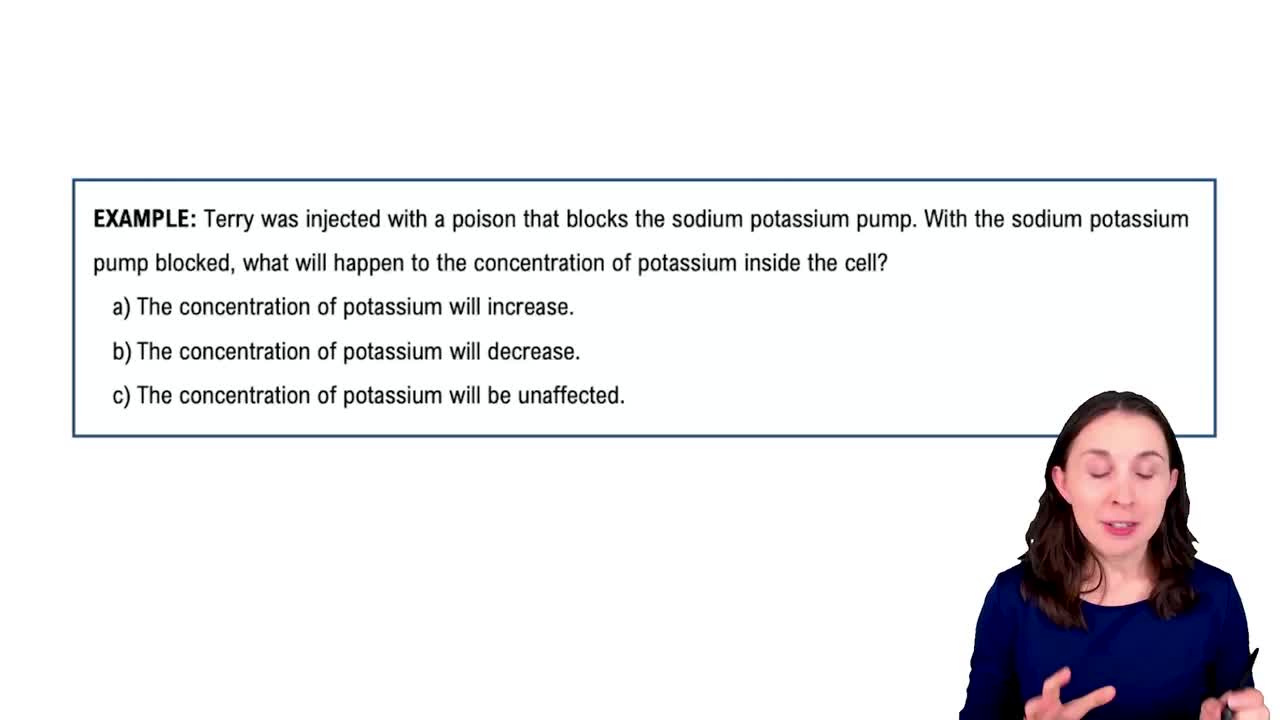
Ions - Sodium and Potassium
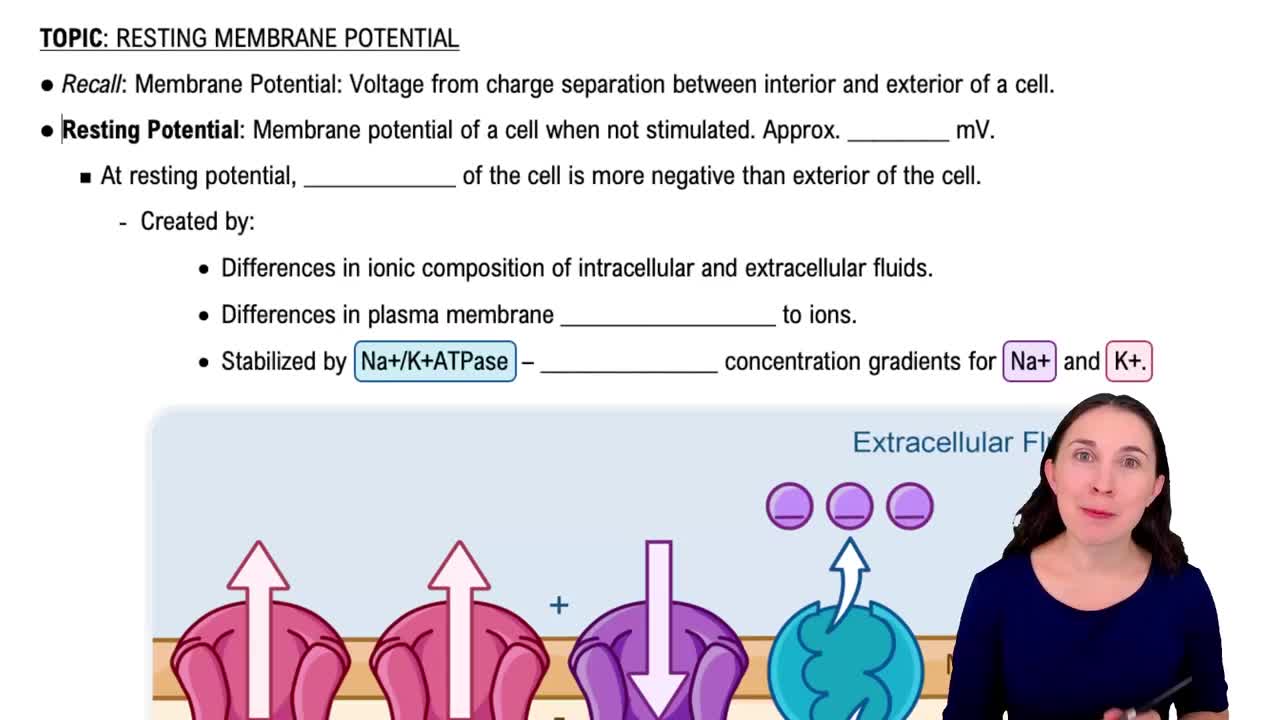
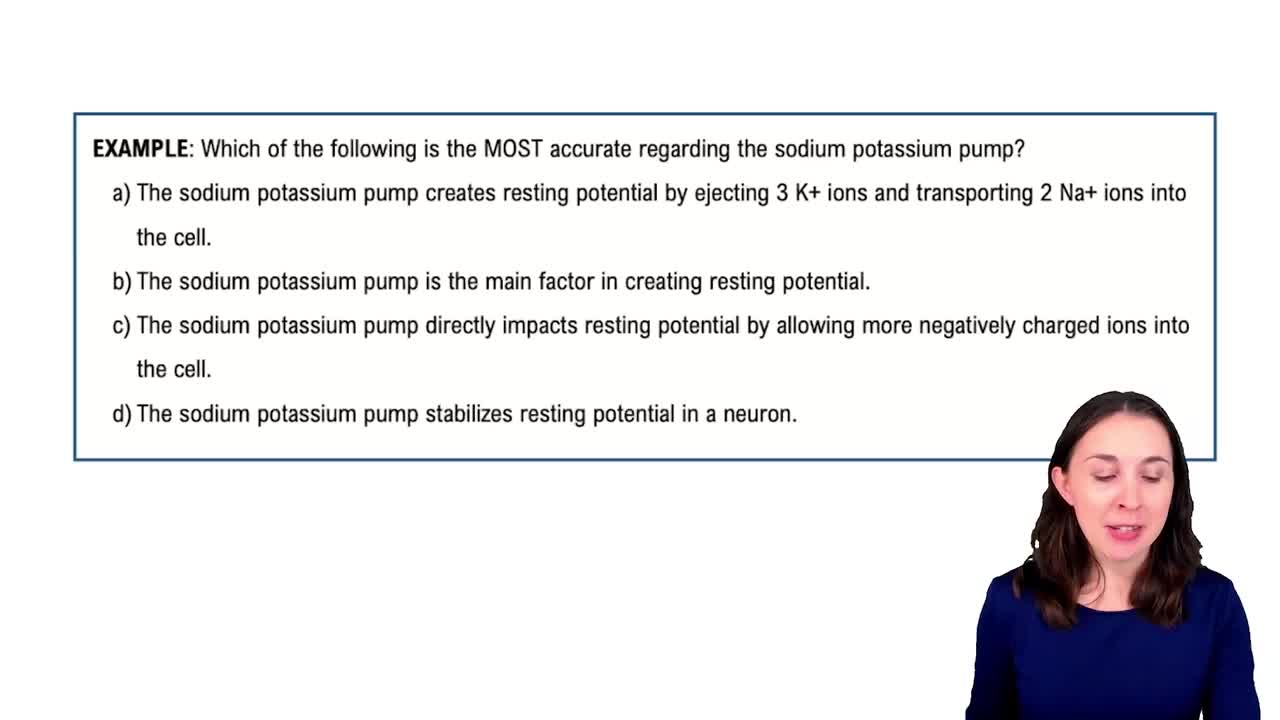
Resting Membrane Potential
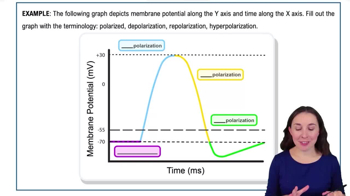
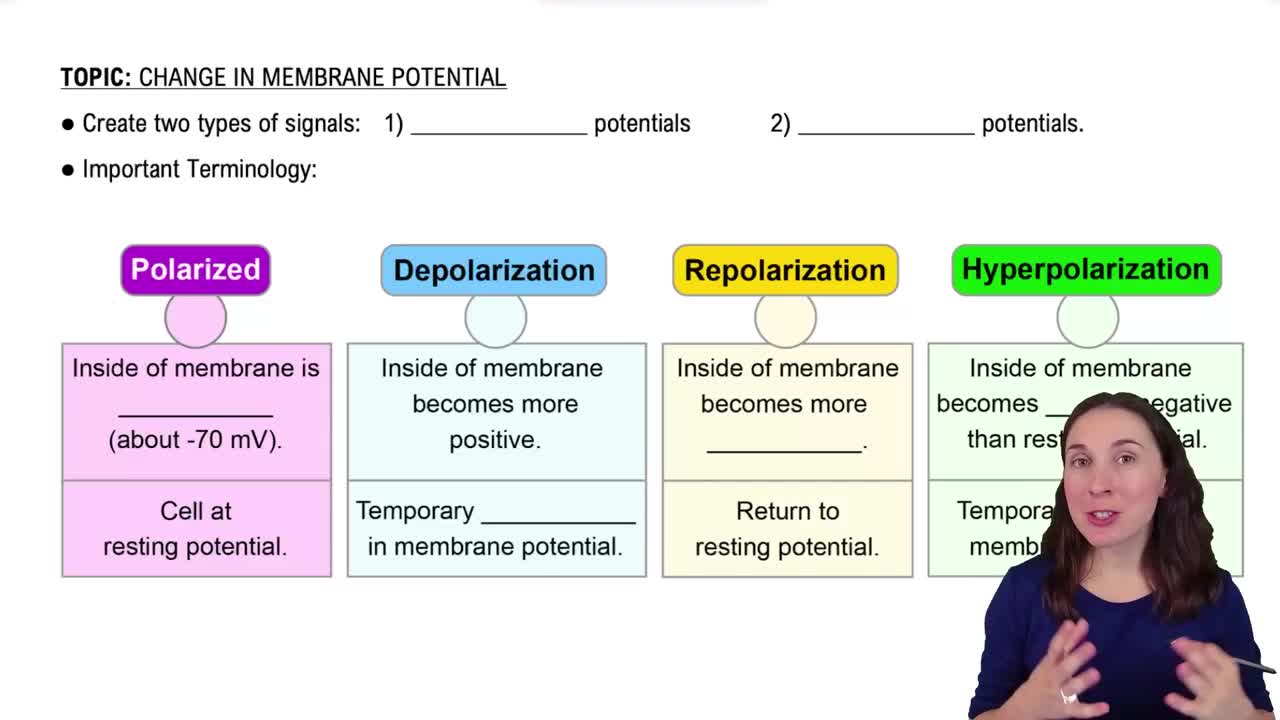
Change in Membrane Potential
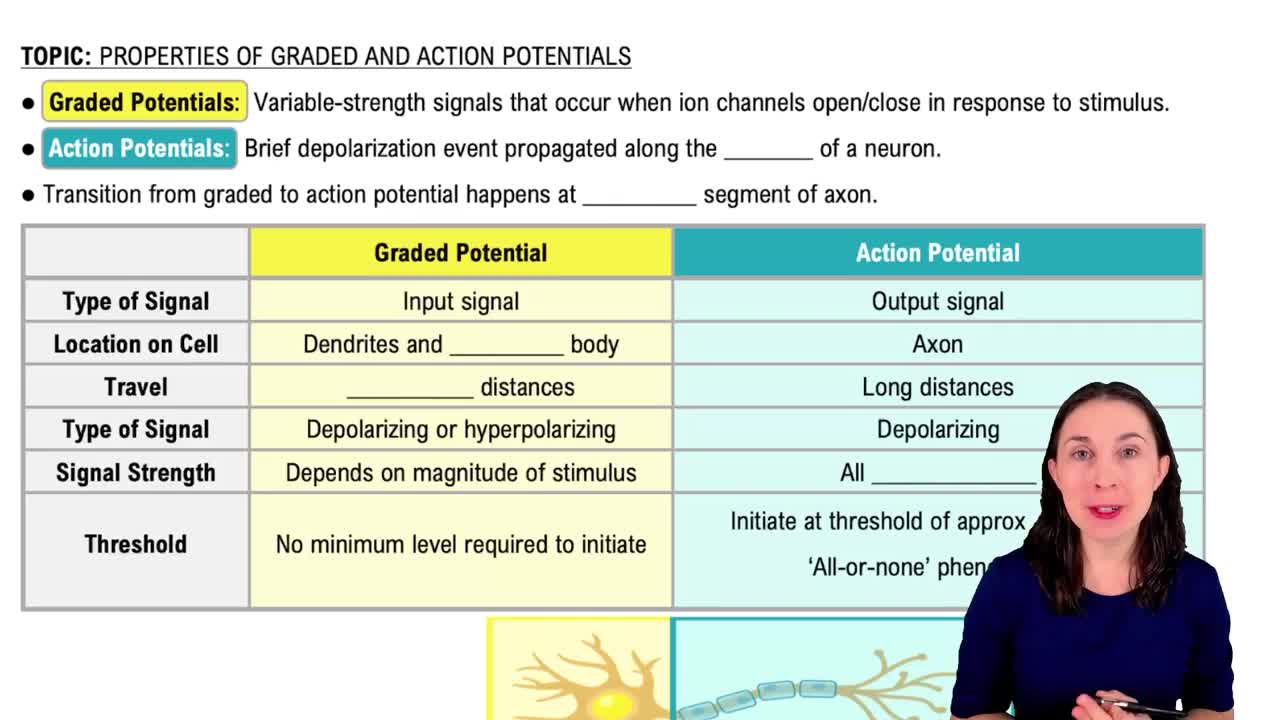
Properties of Graded and Action Potentials
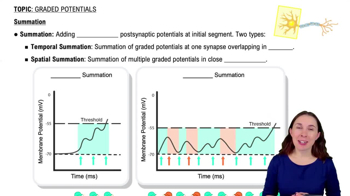
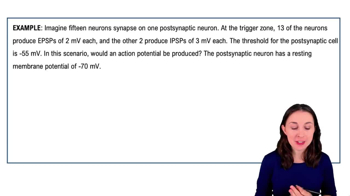
Graded Potentials
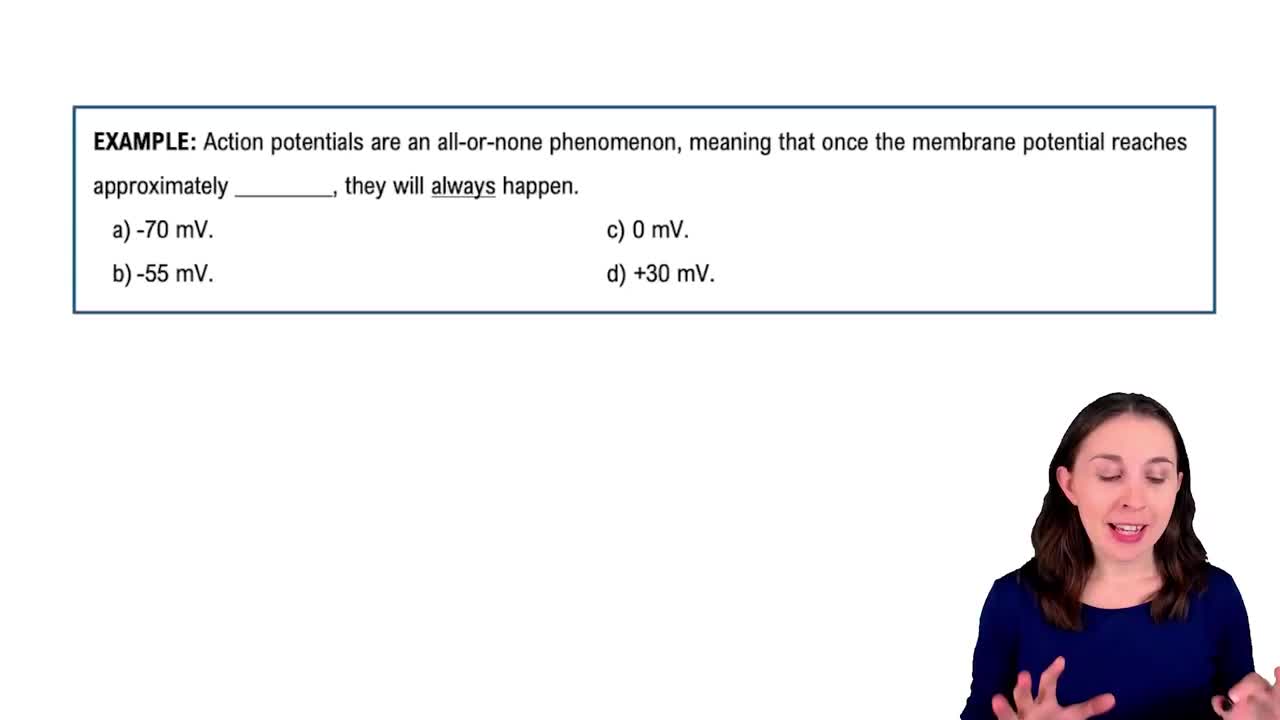
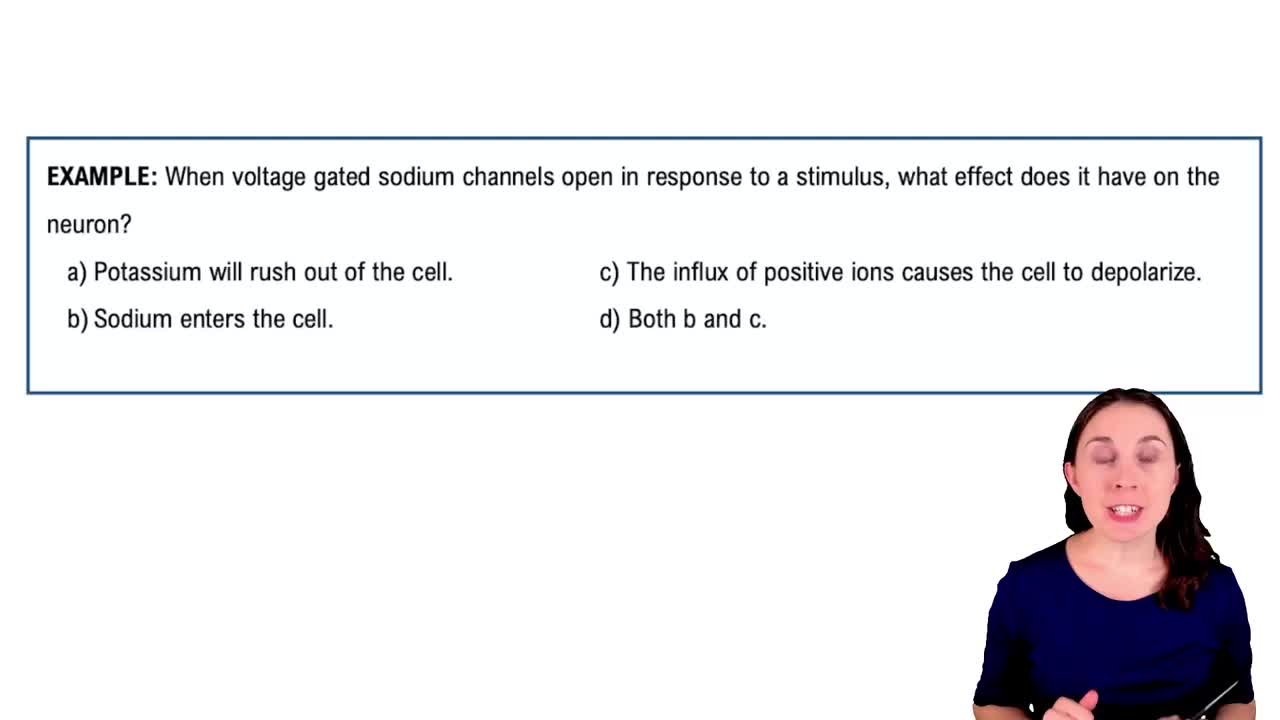
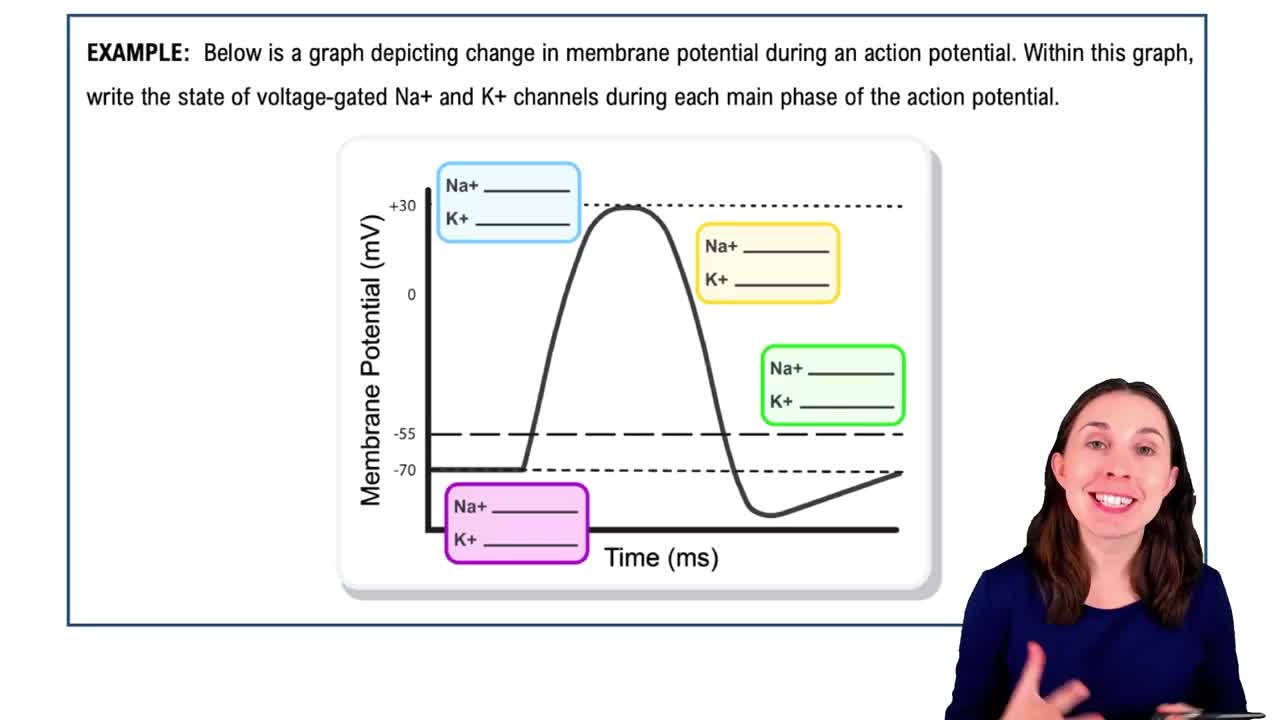
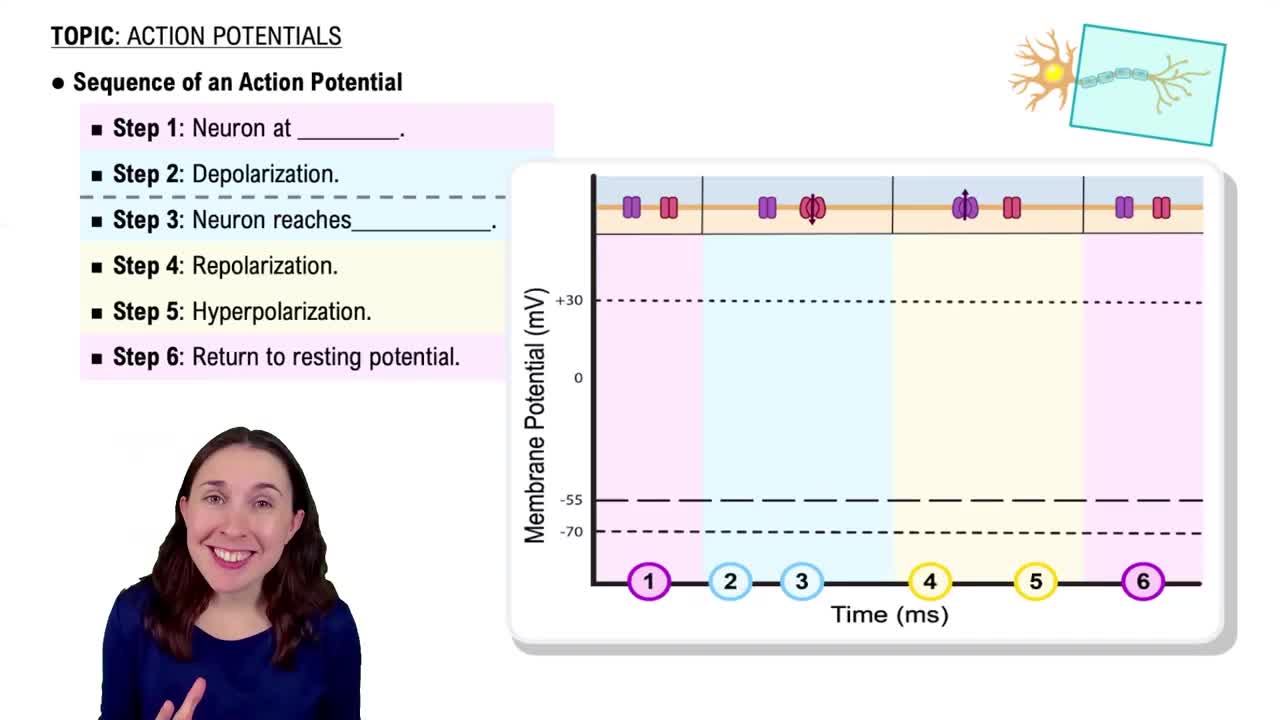
Action Potentials
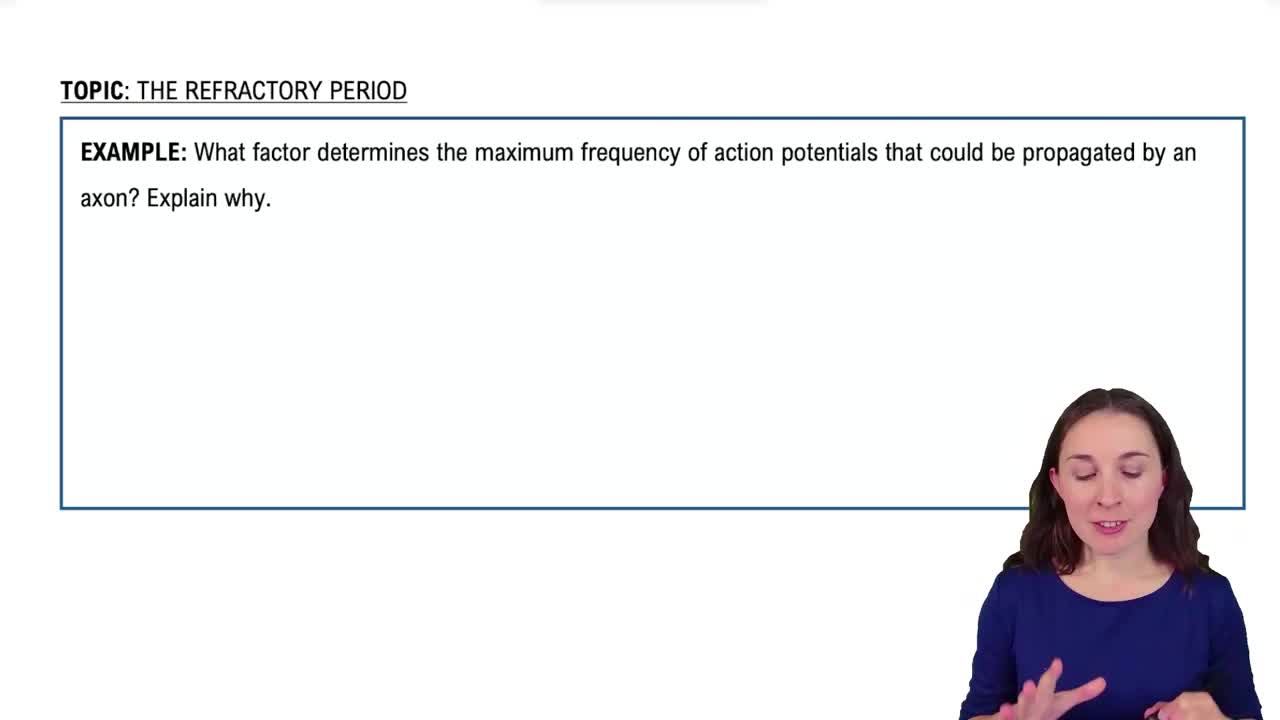
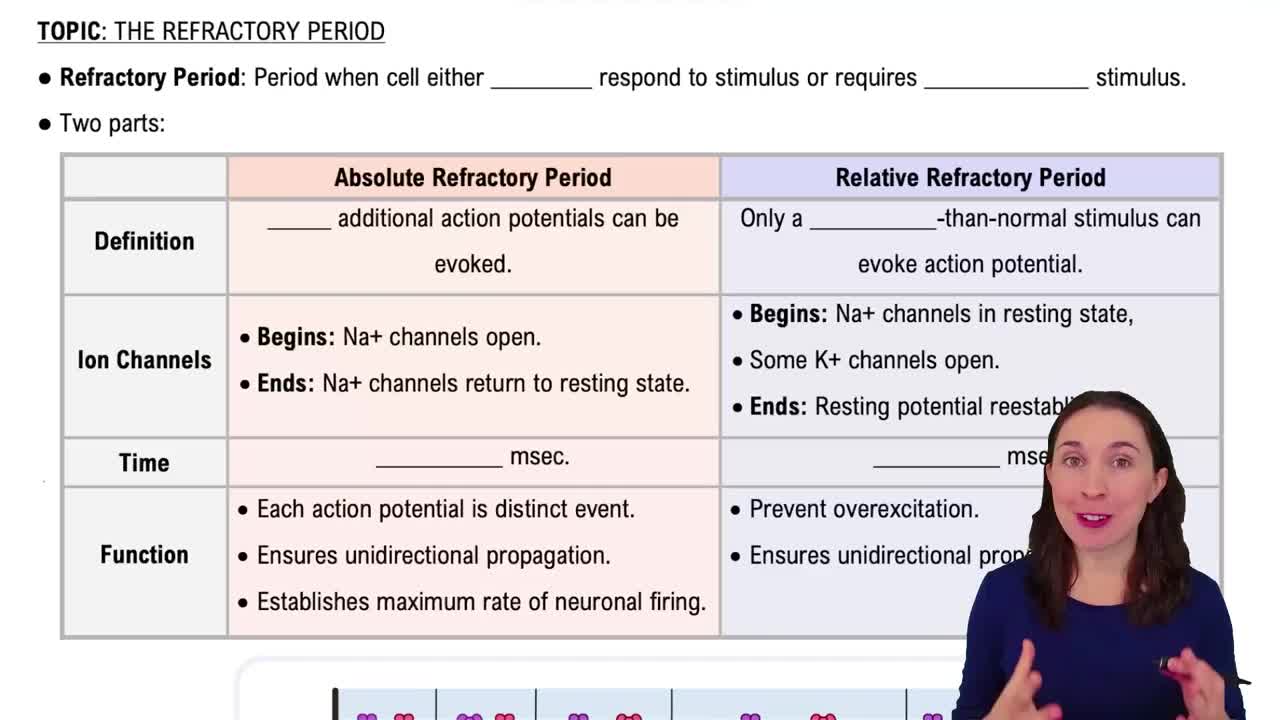
The Refractory Period
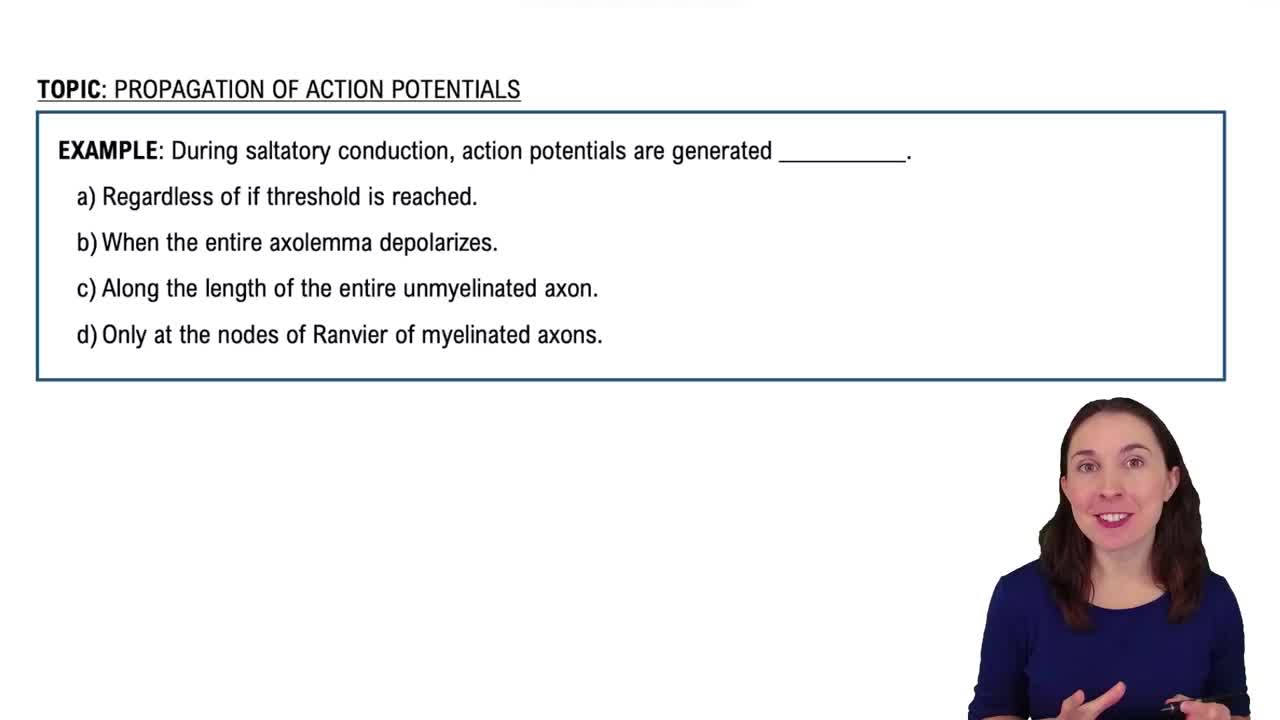
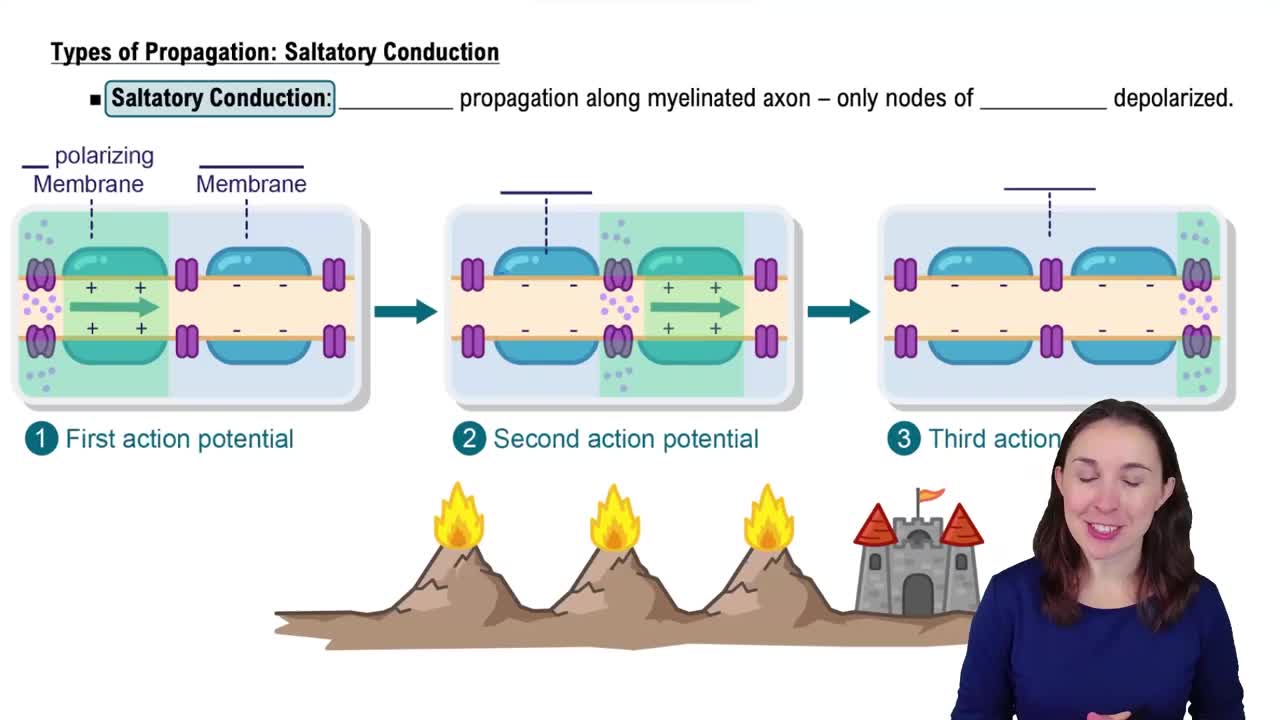
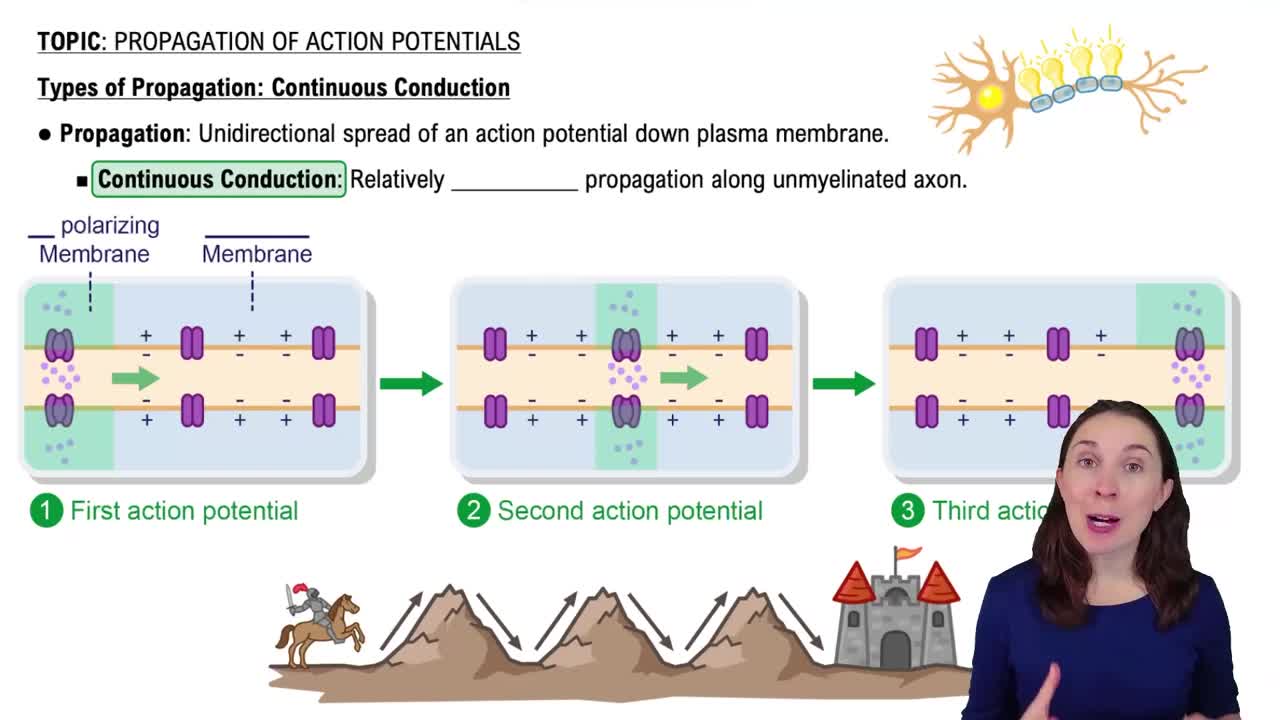
Propagation of Action Potentials
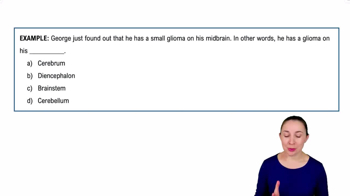
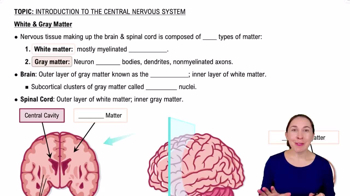
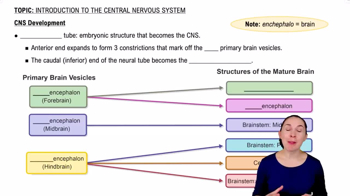
Introduction to the Central Nervous System
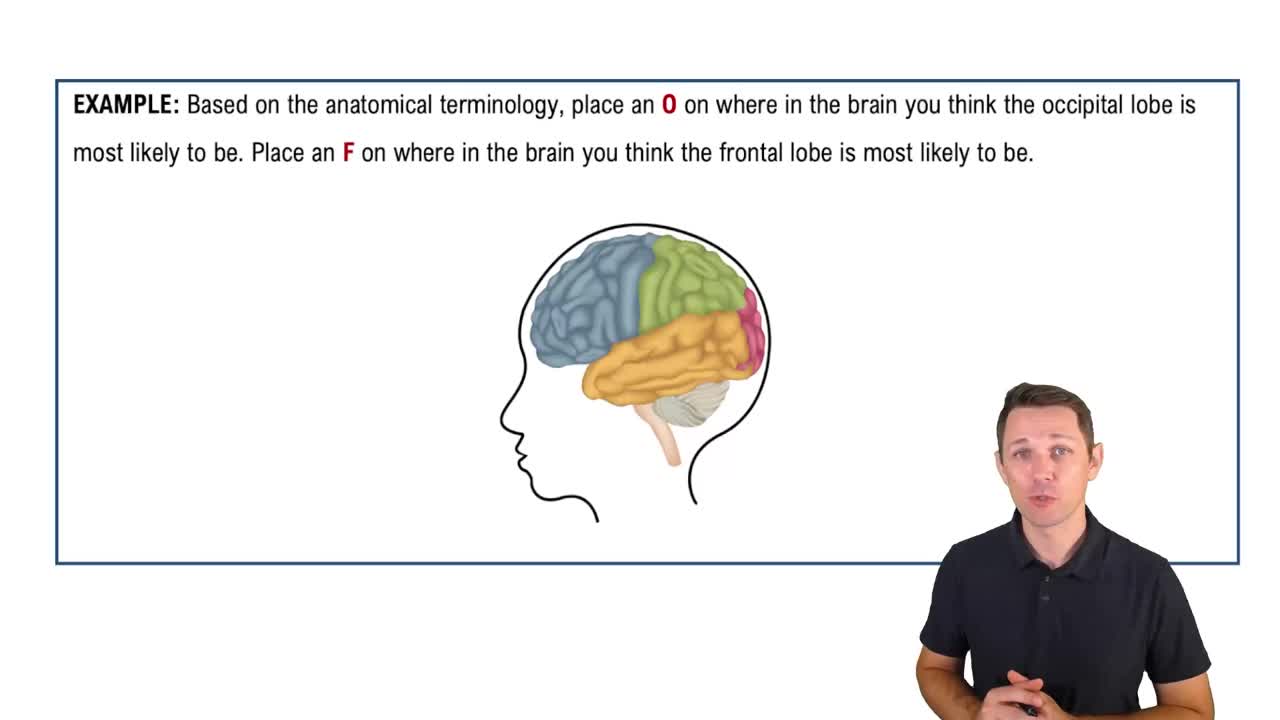
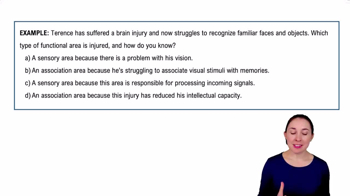
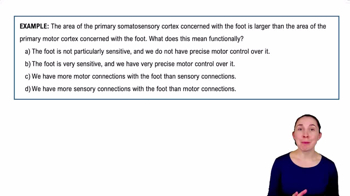
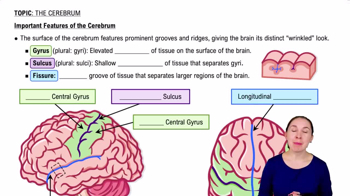
The Cerebrum
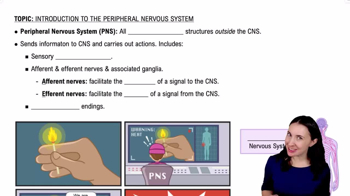
Introduction to the Peripheral Nervous System
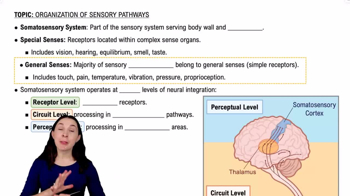
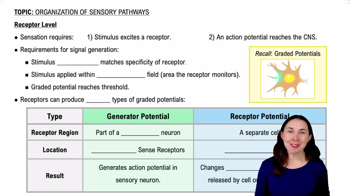
Organization of Sensory Pathways
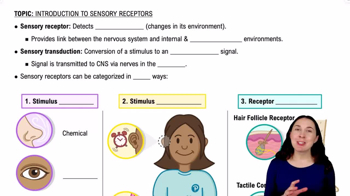
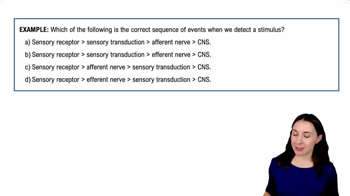
Introduction to Sensory Receptors
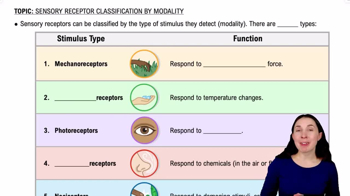
Sensory Receptor Classification by Modality
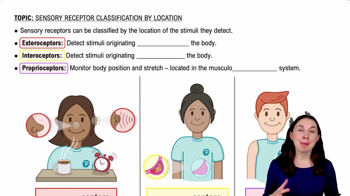
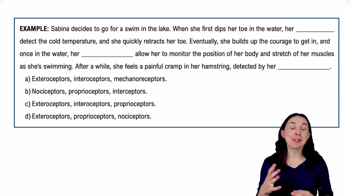
Sensory Receptor Classification by Location
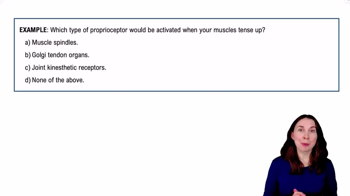
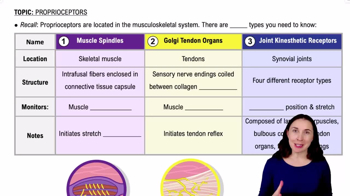
Proprioceptors
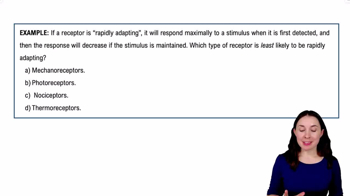
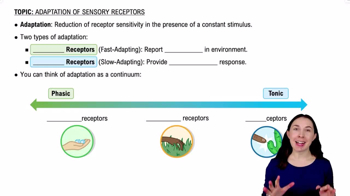
Adaptation of Sensory Receptors
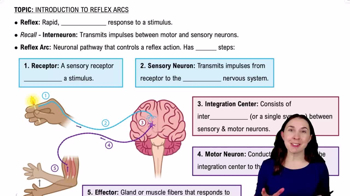
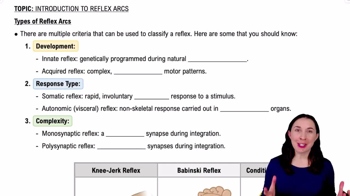
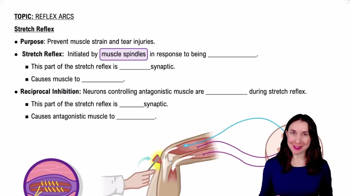
Introduction to Reflex Arcs
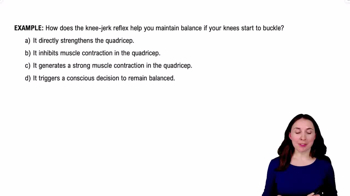
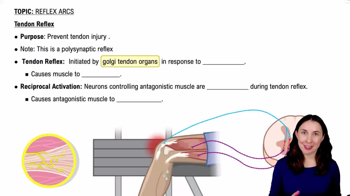
Reflex Arcs
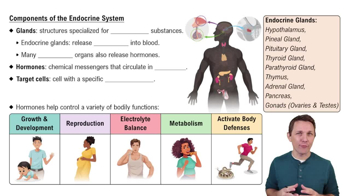
Introduction to the Endocrine System
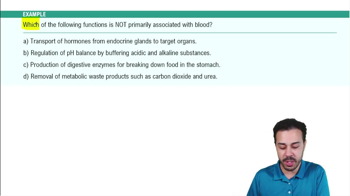
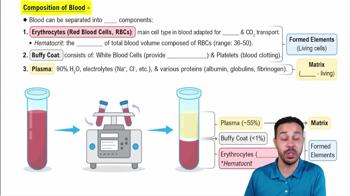
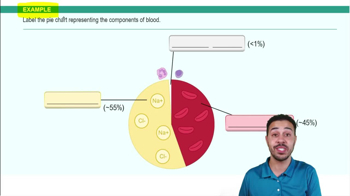
Introduction To Blood
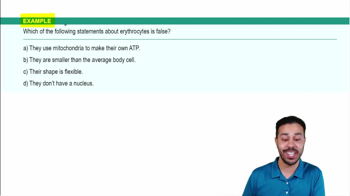
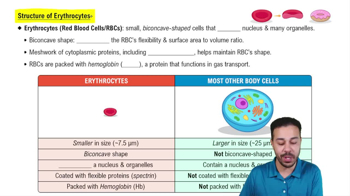
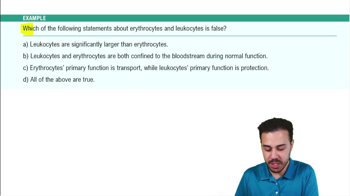
Erythrocytes
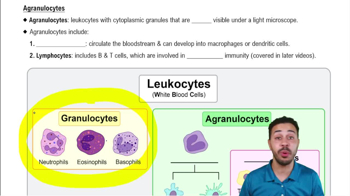
Leukocytes
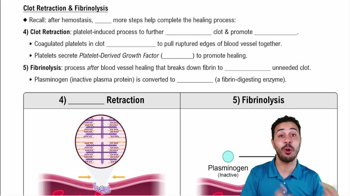
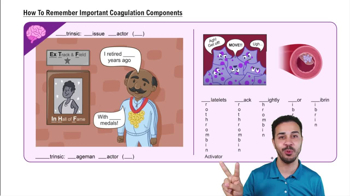
Platelets: Hemostasis
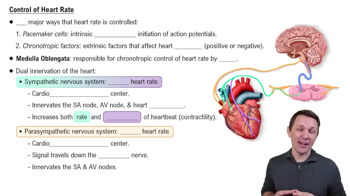
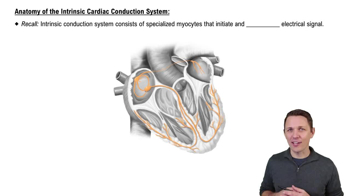
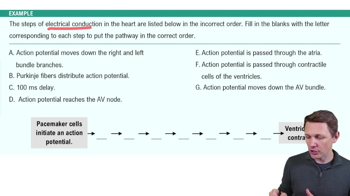
Electrical Conduction System of the Heart
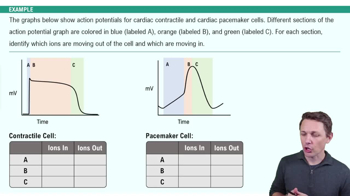
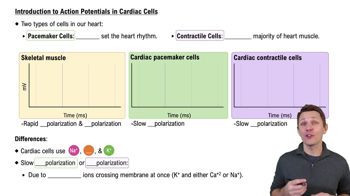
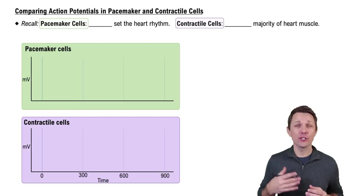
Cardiac Action Potentials
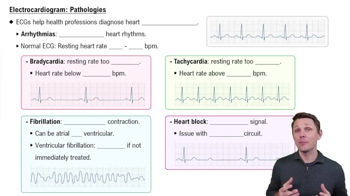
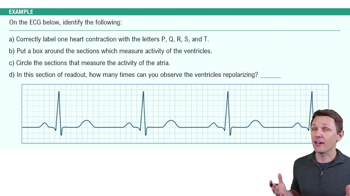
Electrocardiogram (ECG)
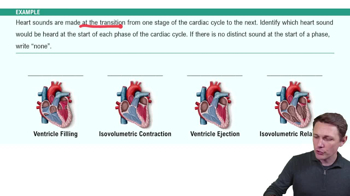
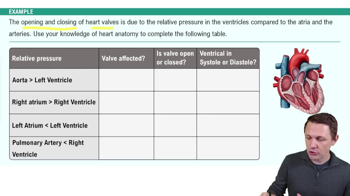
Cardiac Cycle
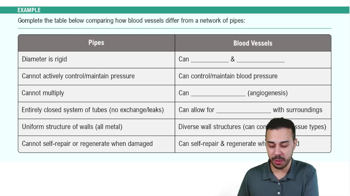
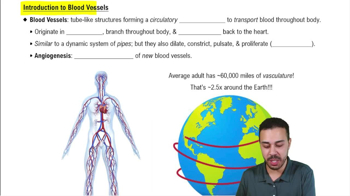
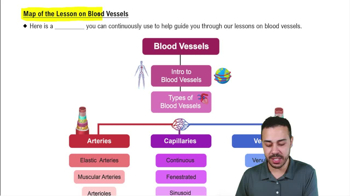
Introduction to Blood Vessels
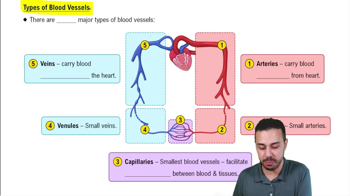
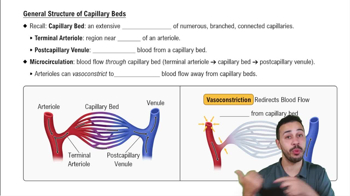
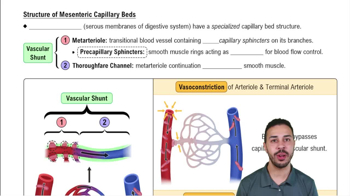
Types of Blood Vessels
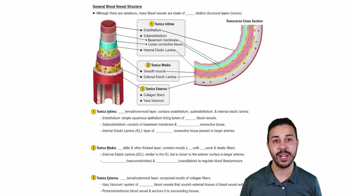
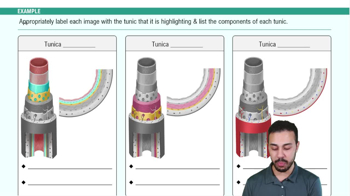
General Blood Vessel Structure
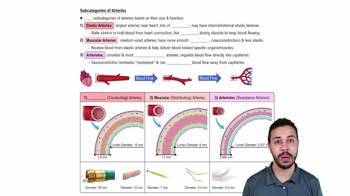
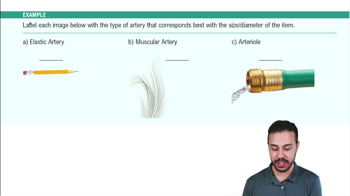
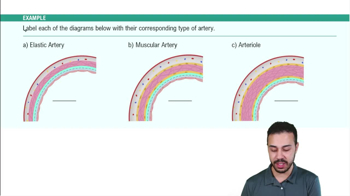
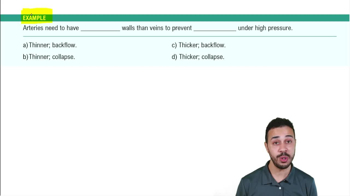
Arteries
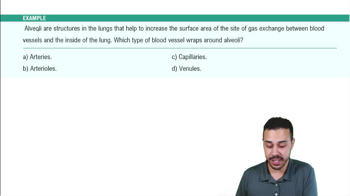
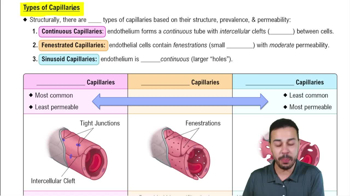
Capillaries
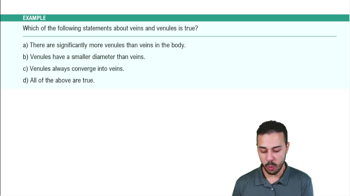
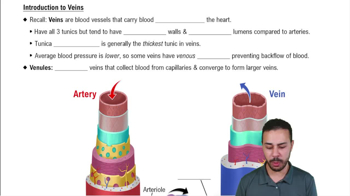
Veins
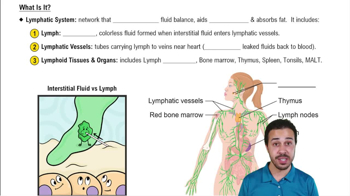
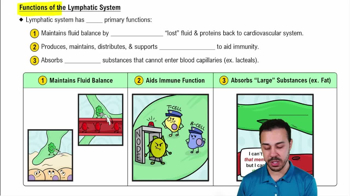
Introduction to the Lymphatic System
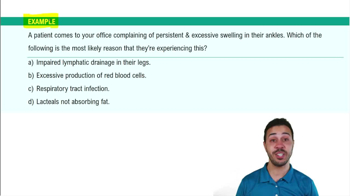
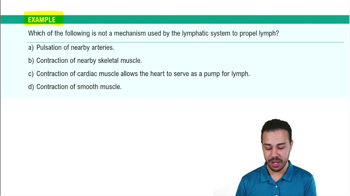
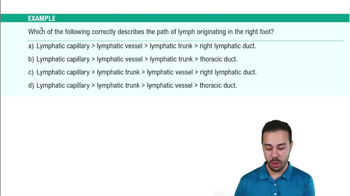
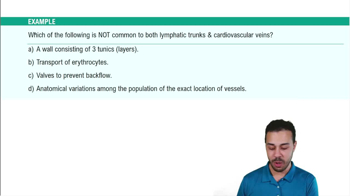
Lymphatic Vasculature
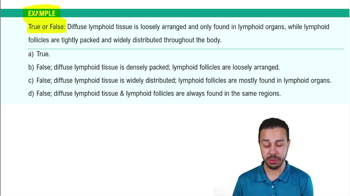
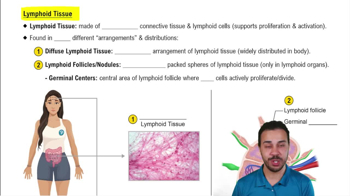
Lymphoid Cells & Tissues
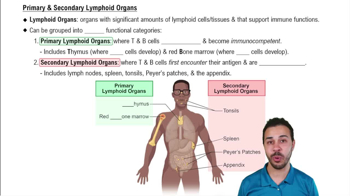
Overview of Lymphoid Organs
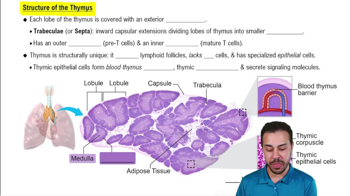
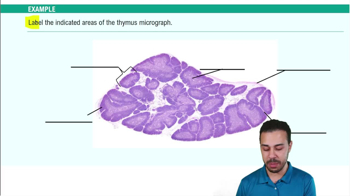
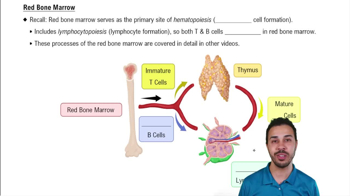
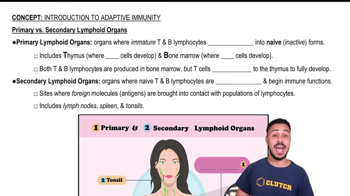
Primary Lymphoid Organs
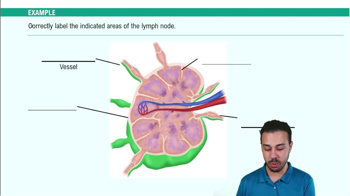
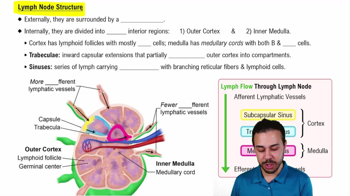
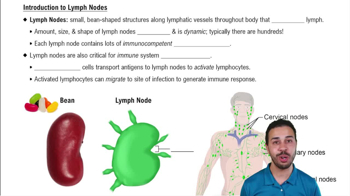
Secondary Lymphoid Organs: Lymph Nodes
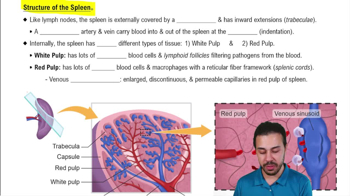
Secondary Lymphoid Organs: The Spleen
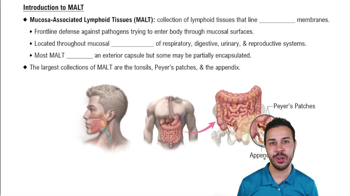
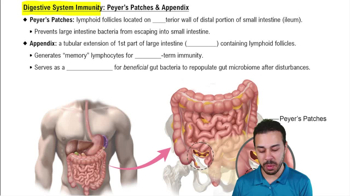
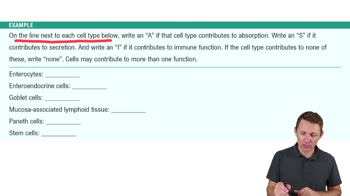
Secondary Lymphoid Organs: MALT
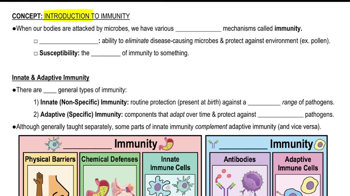
Introduction to the Immune System
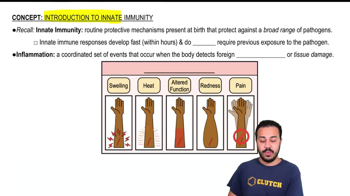
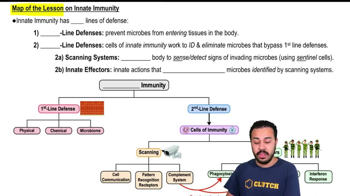
Introduction to Innate Immunity
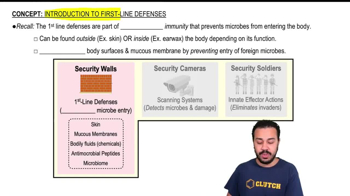
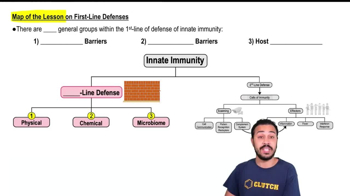
Introduction to First-Line Defenses
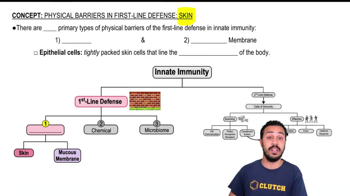
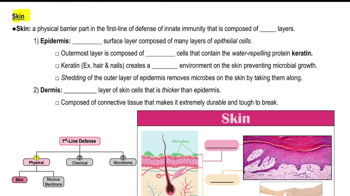
Physical Barriers in First-Line Defenses: Skin
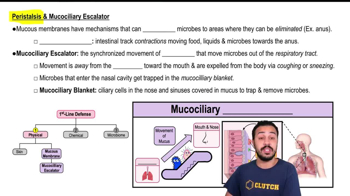
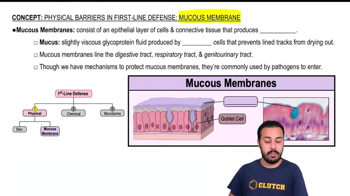
Physical Barriers in First-Line Defenses: Mucous Membrane
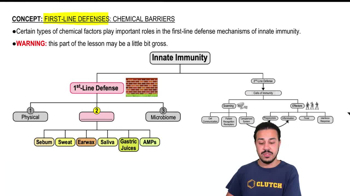
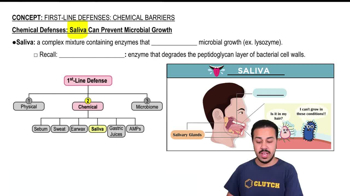
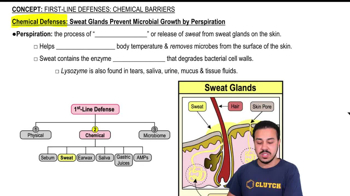
First-Line Defenses: Chemical Barriers
First-Line Defenses: Normal Microbiota
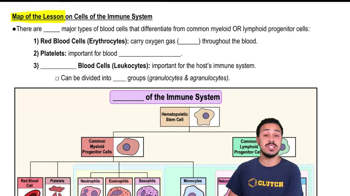
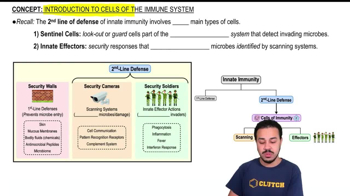
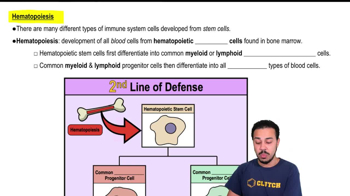
Introduction to Cells of the Immune System
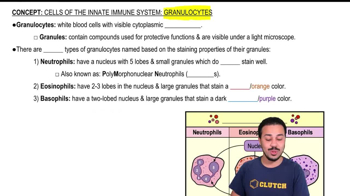
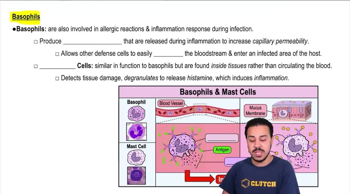
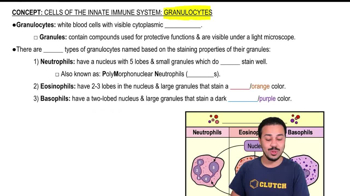
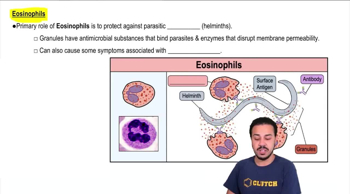
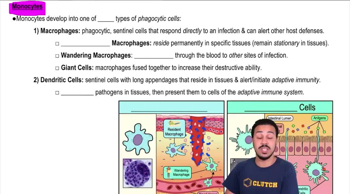
Cells of the Immune System: Granulocytes
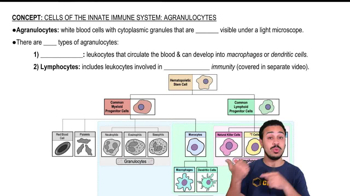
Cells of the Immune System: Agranulocytes
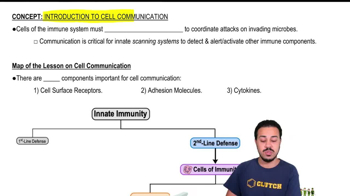
Introduction to Cell Communication
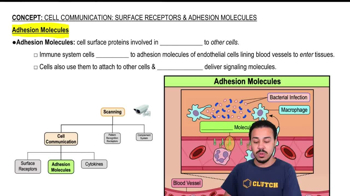
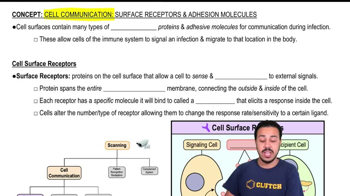
Cell Communication: Surface Receptors & Adhesion Molecules
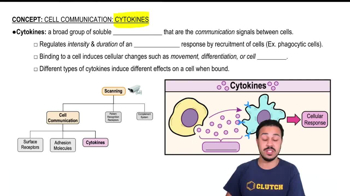
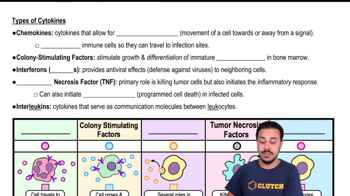
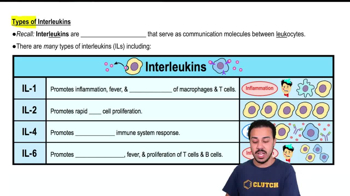
Cell Communication: Cytokines
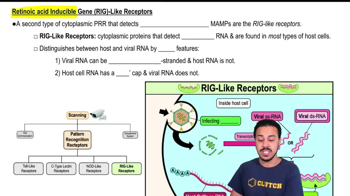
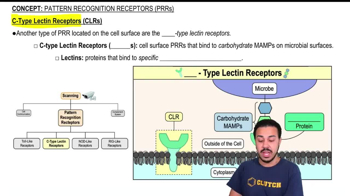
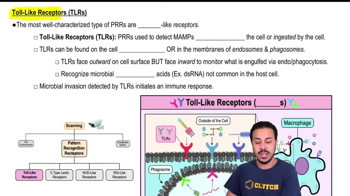
Pattern Recognition Receptors (PRRs)
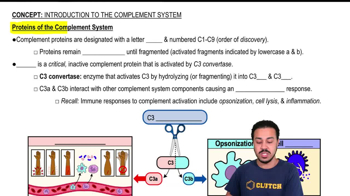
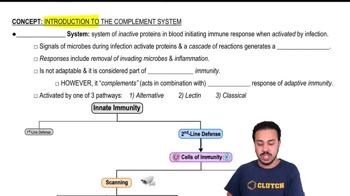
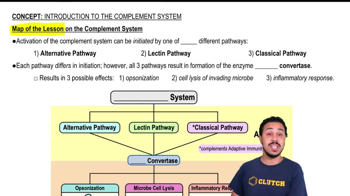
Introduction to the Complement System
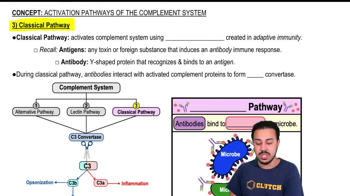
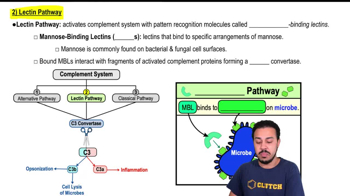
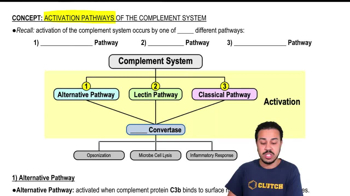
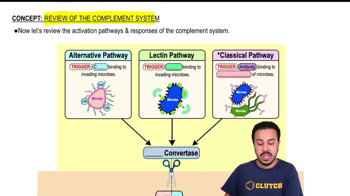
Activation Pathways of the Complement System
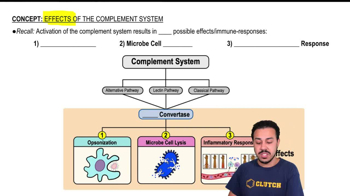
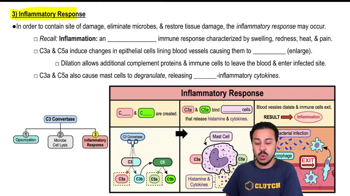
Effects of the Complement System
Review of the Complement System
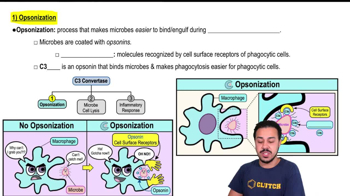
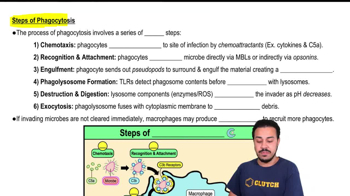
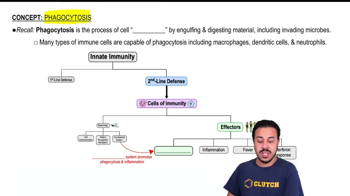
Phagocytosis
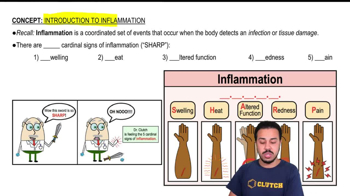
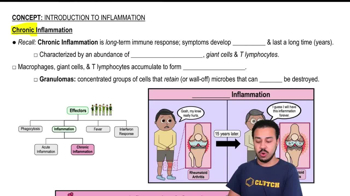
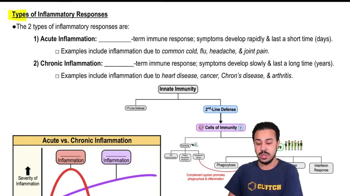
Introduction to Inflammation
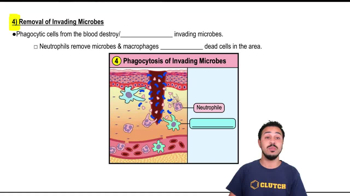
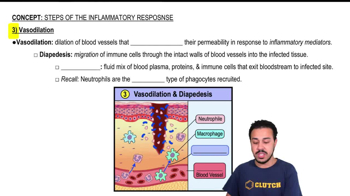
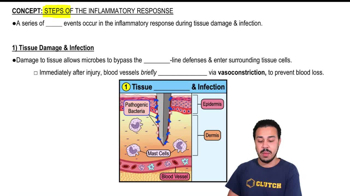
Steps of the Inflammatory Response
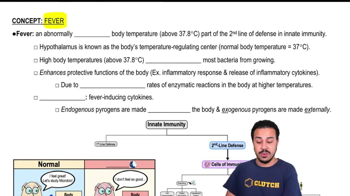
Fever
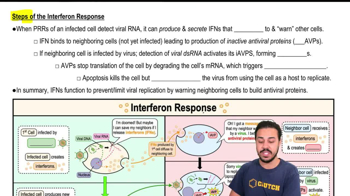
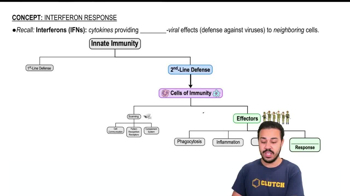
Interferon Response
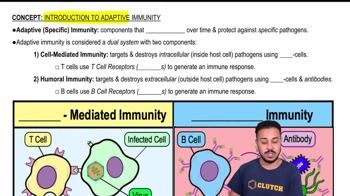
Introduction to Adaptive Immunity
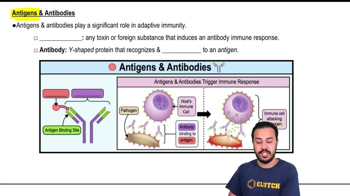
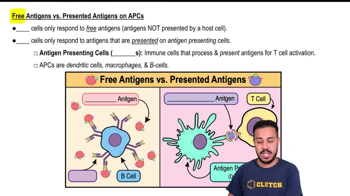
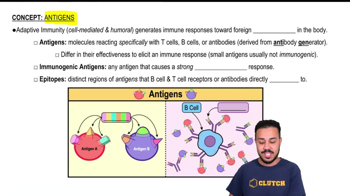
Antigens
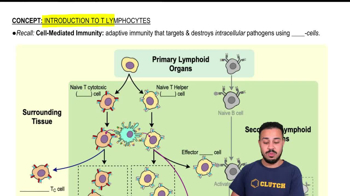
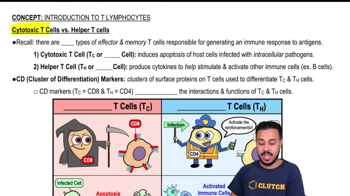
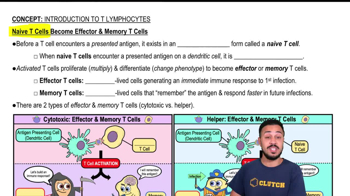
Introduction to T Lymphocytes
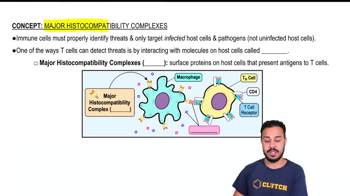
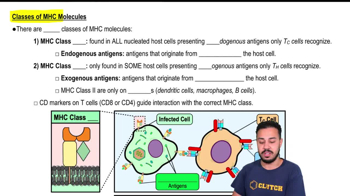
Major Histocompatibility Complex Molecules
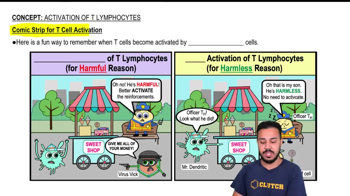
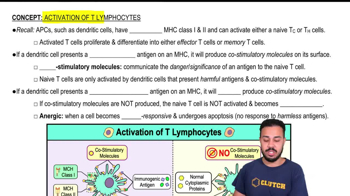
Activation of T Lymphocytes
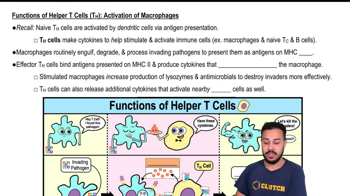
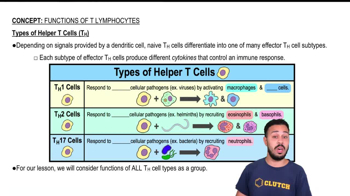
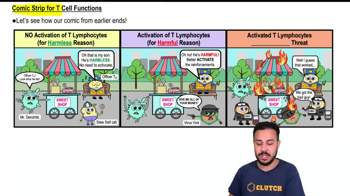
Functions of T Lymphocytes
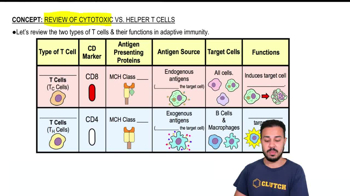
Review of Cytotoxic vs Helper T Cells
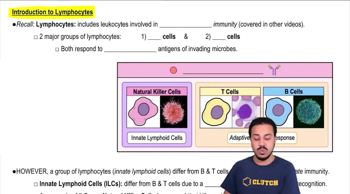
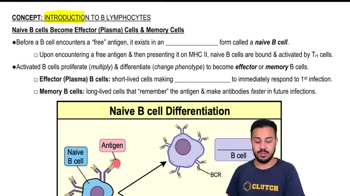
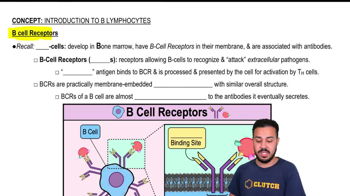
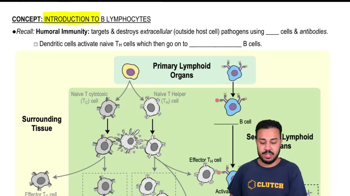
Introduction to B Lymphocytes
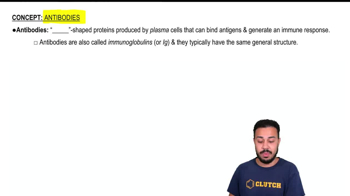
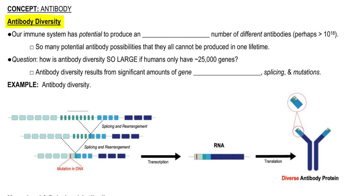
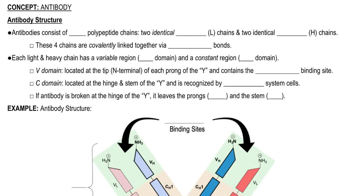
Antibodies
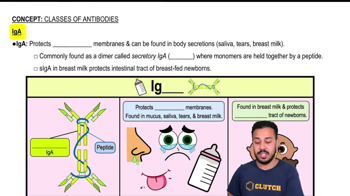
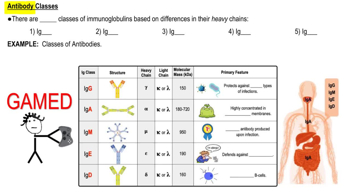
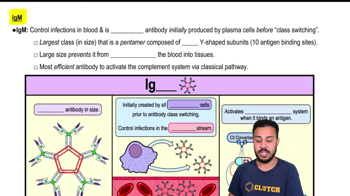
Classes of Antibodies
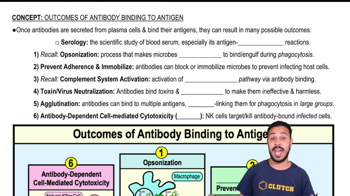
Outcomes of Antibody Binding to Antigen
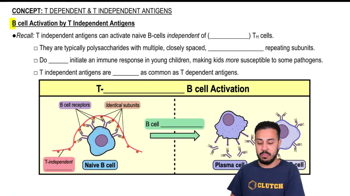
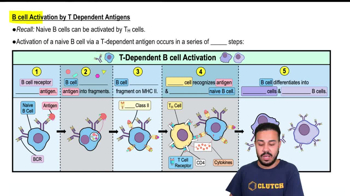
T Dependent & T Independent Antigens
Clonal Selection
Antibody Class Switching
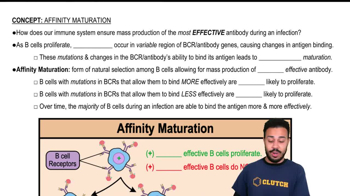
Affinity Maturation
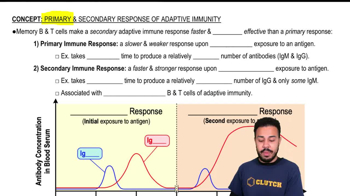
Primary and Secondary Response of Adaptive Immunity
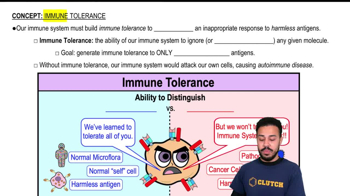
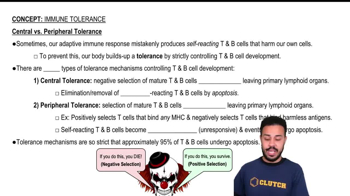
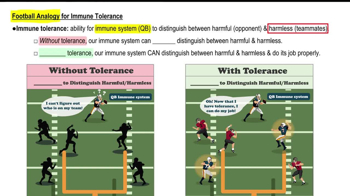
Immune Tolerance
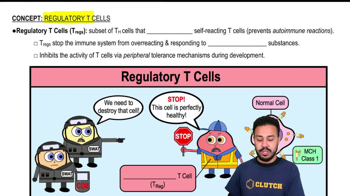
Regulatory T Cells
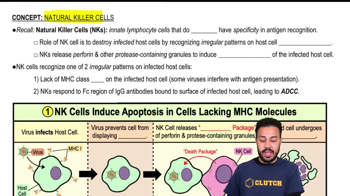
Natural Killer Cells
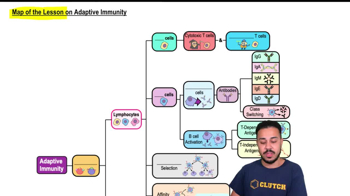
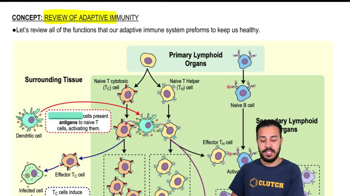
Review of Adaptive Immunity
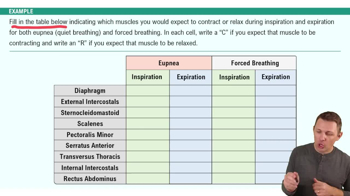
Introduction to Lung Physiology
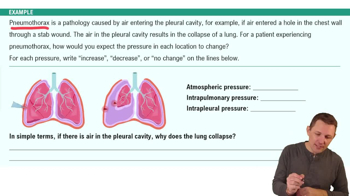
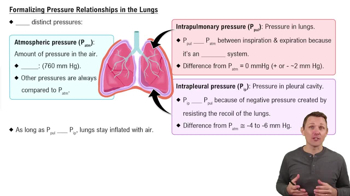
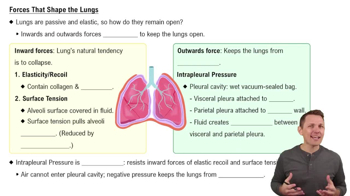
Pressure in the Lungs and Pleural Cavity
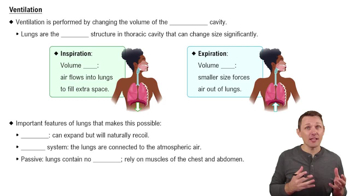
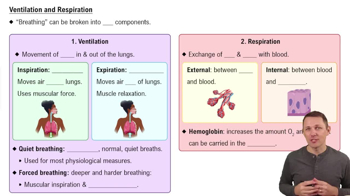
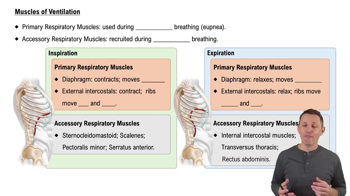
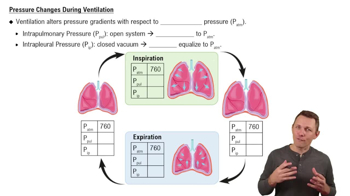
Ventilation
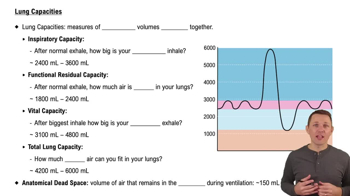
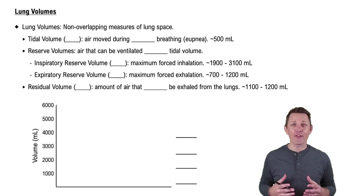
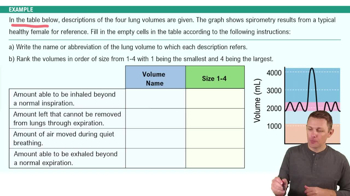
Lung Volumes and Capacities
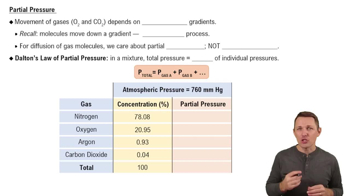
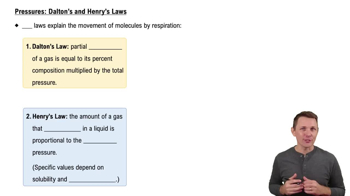
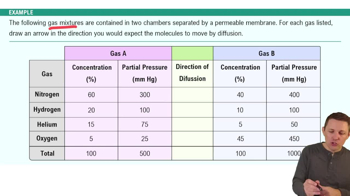
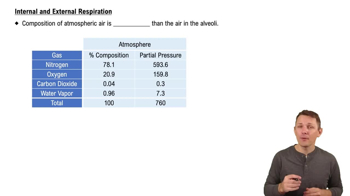
Law of Partial Pressure
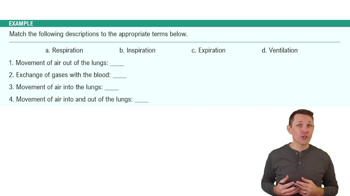
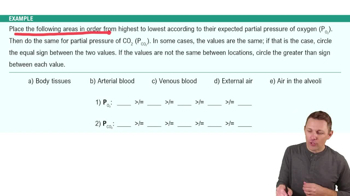
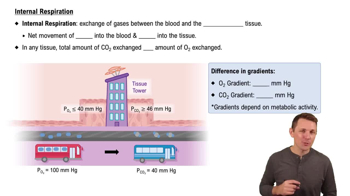
Respiration
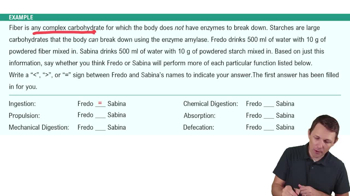
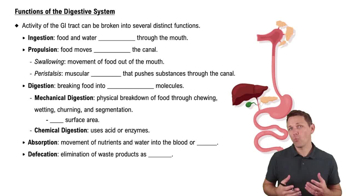
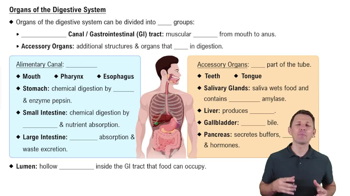
Introduction to the Digestive System
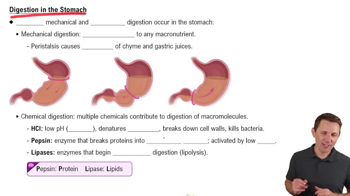
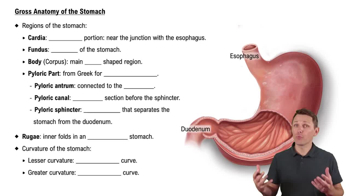
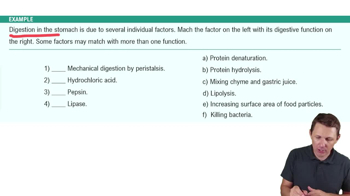
The Stomach
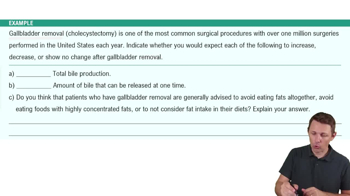
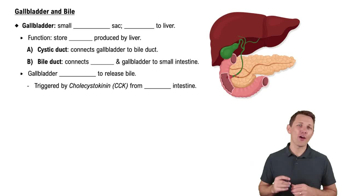
The Gallbladder
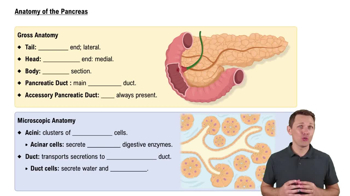
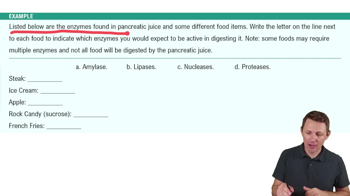
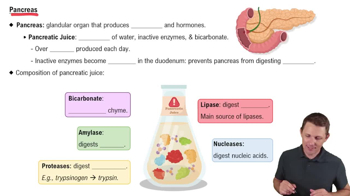
Pancreas
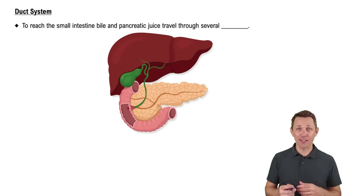
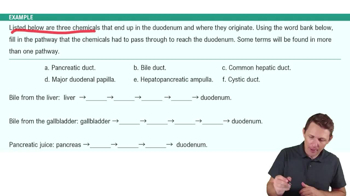
Duct System of the Liver, Gallbladder, and Pancreas
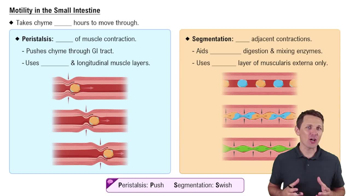
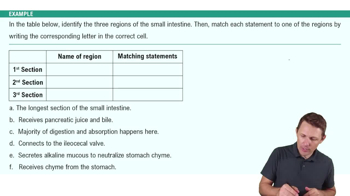
Small Intestine
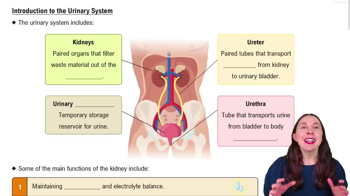
Introduction to the Urinary System
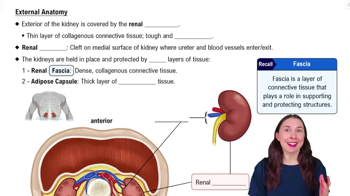
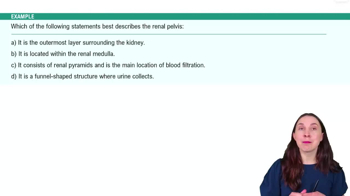
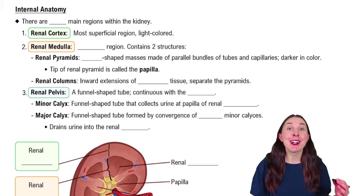
The Kidneys
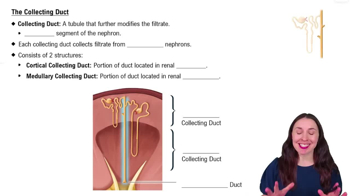
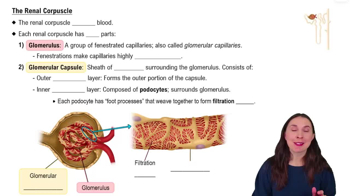
The Nephron
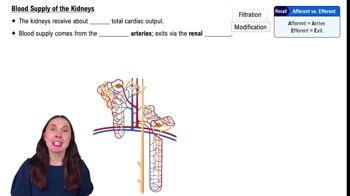
Blood Supply of the Kidneys
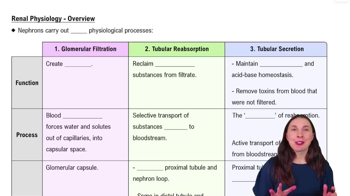
Renal Physiology: Overview
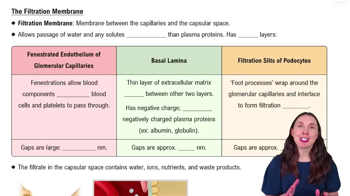
Renal Physiology Step 1: Glomerular Filtration
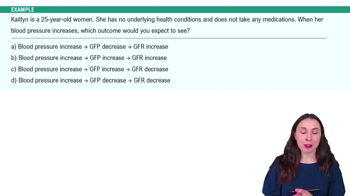
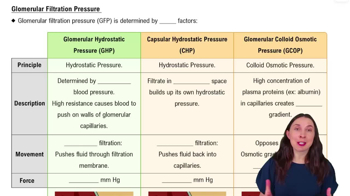
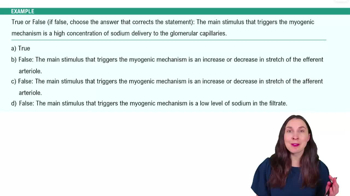
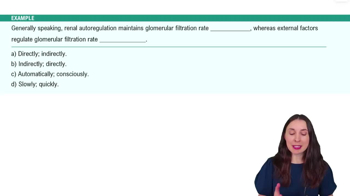
Renal Physiology: Regulation of Glomerular Filtration
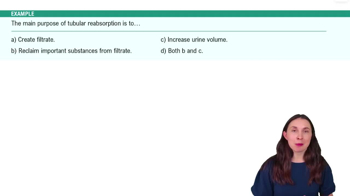
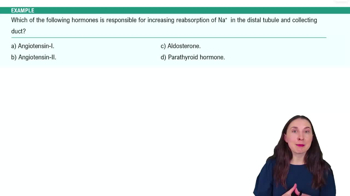
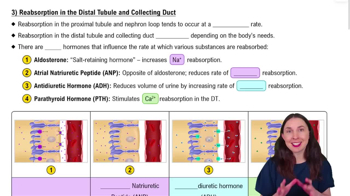
Renal Physiology Step 2: Tubular Reabsorption
Fluid Balance
Electrolyte Balance
Acid-Base Balance
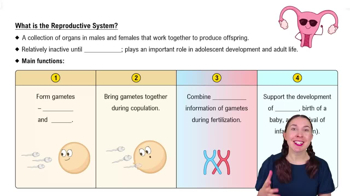
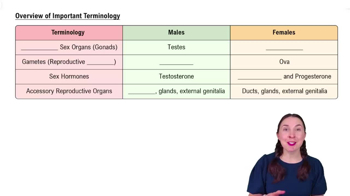
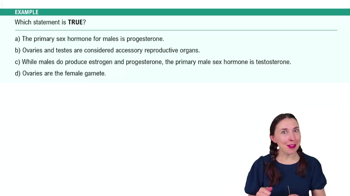
Introduction to the Reproductive System
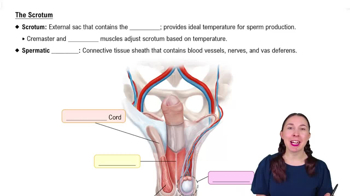
Anatomy of the Male Reproductive System
Anatomy of the Female Reproductive System
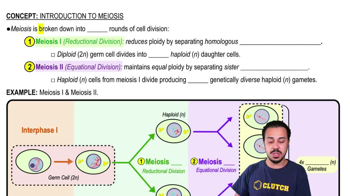
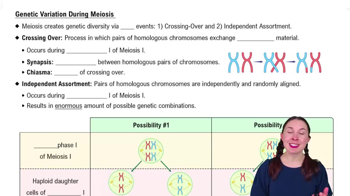
Meiosis
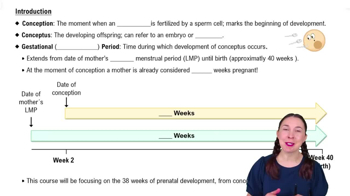
Introduction to Human Development
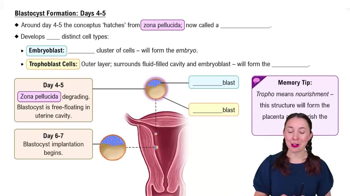
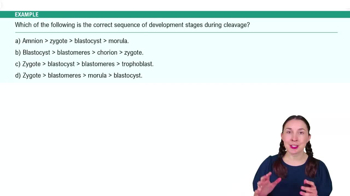
Early Embryonic Development
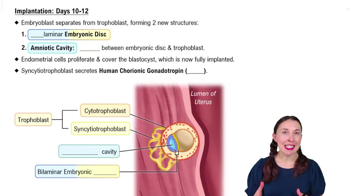
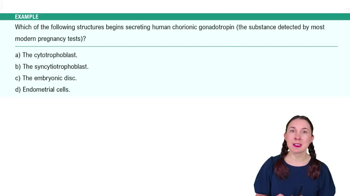
Implantation
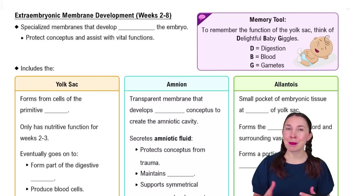
Extraembryonic Membrane Development
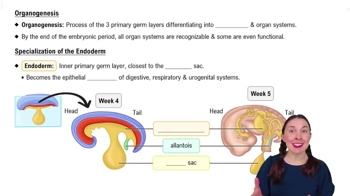
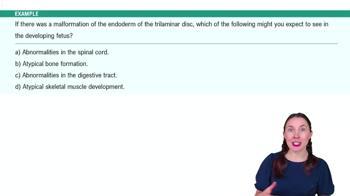
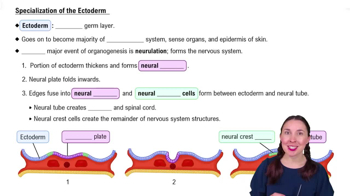
Embryonic Development (Weeks 3-8)
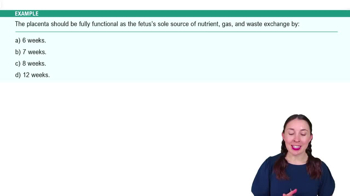
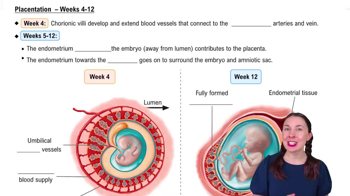
Placentation
Overview of Human Genetics
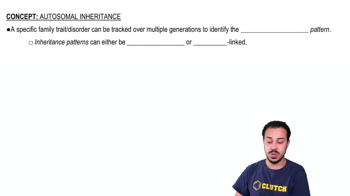
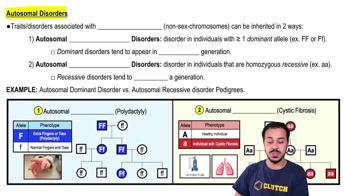
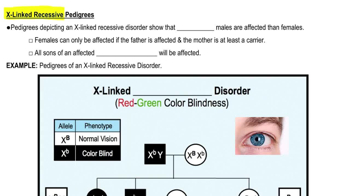
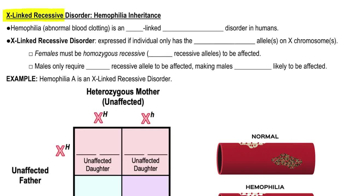
Patterns of Inheritance
Factors Affecting Gene Expression
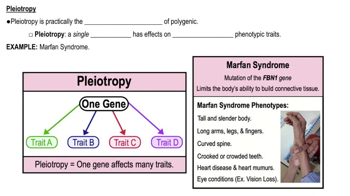
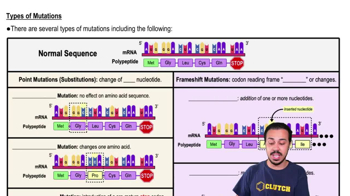
Genetic Disorders
Gene Therapy
 뒤로
 업로드한 자료에 맞춘 엄선된 수업 – 모든 주제를 단계별로 배워보세요.
 3:06