 뒤로
Helminths: Structure, Life Cycles, and Human Disease
스터디 가이드 - 스마트 노트
 자료에 맞춘 맞춤형 노트, 핵심 정의, 예시, 맥락을 확장해 제공합니다.
Helminths: Eukaryotic Microorganisms
Overview of Helminths
Helminths are multicellular parasitic worms that infect humans and animals, causing significant disease and morbidity worldwide. They are classified into two main groups: flatworms and roundworms.
Flatworms include flukes and tapeworms.
Roundworms are also known as nematodes.
Key Point: Helminths often have complex life cycles involving multiple hosts and can cause a range of clinical symptoms depending on the species and site of infection.
Flatworms (Platyhelminthes)
Flukes (Trematodes)
Flukes are leaf-shaped parasitic worms that infect various organs in humans, such as the lungs, liver, and blood vessels. They possess suckers for attachment and have complex life cycles involving vertebrate and invertebrate hosts.
Common human flukes: Lung fluke, liver fluke, blood flukes.
Life cycle: Typically involves a definitive host (human) and an intermediate host (snail).
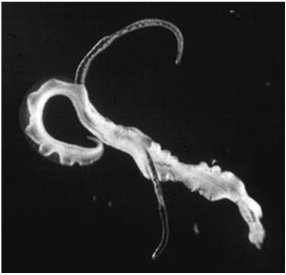
Example: Blood fluke (Schistosoma species) causes schistosomiasis, a major parasitic disease.
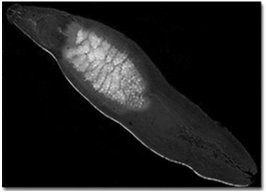
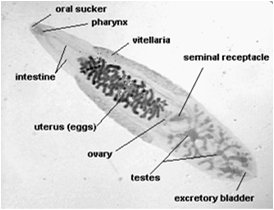
Schistosomiasis (Blood Fluke Disease)
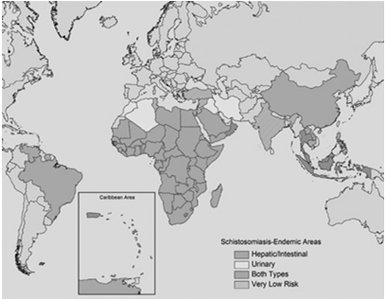
Schistosomiasis is caused by Schistosoma species and is considered the second most socioeconomically impactful parasitic disease after malaria.
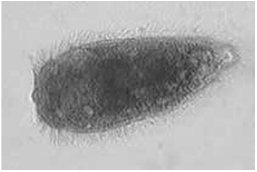
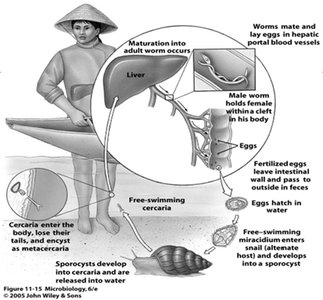
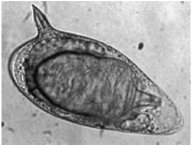
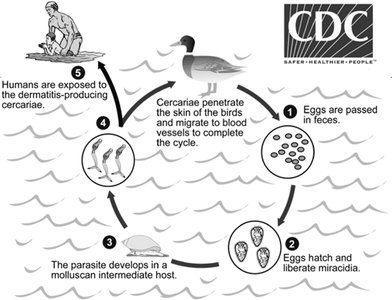
Life cycle: Adults live in blood vessels of the human liver, mate, and lay eggs. Eggs pass into the intestine and are excreted in feces, entering water.
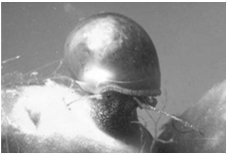
Intermediate host: Snail, where larval stages develop.
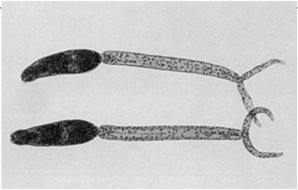
Transmission: Free-swimming cercariae penetrate human skin during contact with contaminated water.
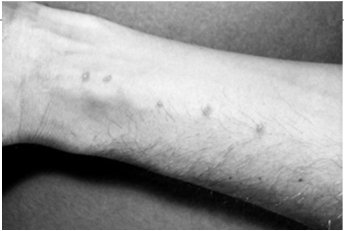
Symptoms: Many cases are subclinical, but chronic infection can cause anemia, malnutrition, fever, skin itch, and tissue damage due to immune response to eggs.
Stage | Host | Description |
|---|---|---|
Adult | Human | Lives in blood vessels, mates, lays eggs |
Egg | Human/Environment | Excreted in feces/urine |
Miracidium | Water/Snail | Larva hatches, infects snail |
Sporocyst | Snail | Develops in snail |
Cercaria | Water/Human | Free-swimming, infects human |
Swimmer's Itch
Swimmer's itch is an allergic reaction caused by cercariae of non-human schistosomes, typically from waterfowl parasites. Humans are dead-end hosts, and the reaction is limited to skin itching for about a week. 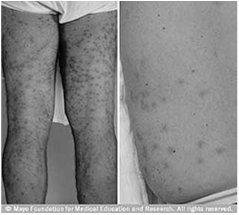
Tapeworms (Cestodes)
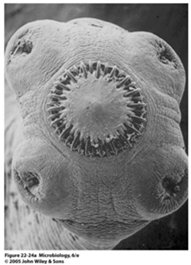
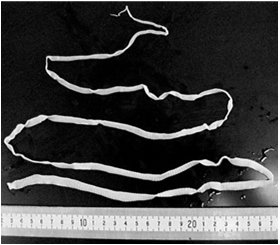
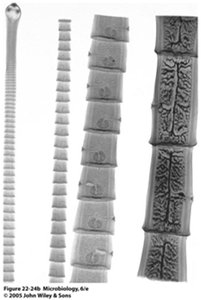
Tapeworms are long, ribbon-like parasitic worms that inhabit the intestines of animals and humans. They absorb nutrients directly through their body wall.
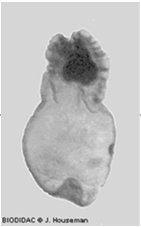
Scolex: The head end, equipped with suckers and hooks for attachment.
Proglottids: Body segments, each containing reproductive organs; mature proglottids are full of eggs and are shed in feces.
Beef Tapeworm (Taenia saginata)
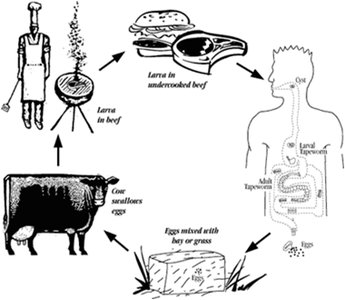
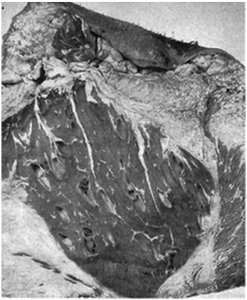
The beef tapeworm infects humans who consume undercooked beef containing larval cysts (cysticercus).
Reservoir: Definitive host is human; intermediate host is cattle.
Transmission: Eating undercooked beef ('measly beef').
Pathogenesis: Larva attaches to small intestine and matures; adult can reach up to 10-20 meters and live for 25 years.
Symptoms: Often asymptomatic, but can cause malnutrition and motile proglottids may migrate from the body.
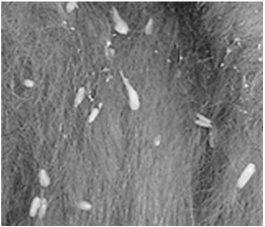
Diagnosis: Proglottids in feces; sometimes seen as 'rice grains' on animal fur.
Stage | Host | Description |
|---|---|---|
Egg | Environment/Cow | Passed in feces, ingested by cattle |
Cysticercus | Cow | Larval stage in beef muscle |
Adult | Human | Attaches to intestine, matures |
Other Tapeworms
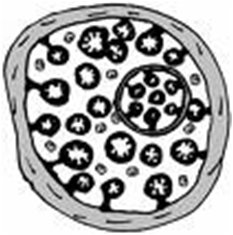
Pork and dog tapeworms can cause more severe disease if eggs are ingested by humans, leading to larval cysts in the brain and organs (hydatid cysts), which may cause seizures. 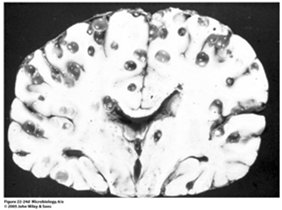
Roundworms (Nematodes)
Overview of Nematodes
Roundworms are cylindrical, unsegmented worms. Human infections can occur via ingestion of eggs or larvae, or through skin penetration.
Egg is infective: Pinworm, Ascaris
Larva is infective: Hookworm, trichinellosis, filariasis
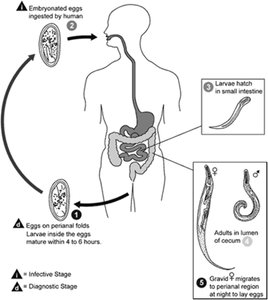
Pinworm (Enterobius vermicularis)
Pinworm is a common intestinal nematode, especially in children. It is transmitted via ingestion of eggs, which mature in the intestine.
Symptoms: Perianal itching, especially at night.
Diagnosis: 'Pinworm paddle' test for eggs.
Treatment: Oral medication, repeated after two weeks.
Ascariasis (Ascaris lumbricoides)
Ascariasis is caused by ingestion of eggs from contaminated soil or food. The larvae migrate through the respiratory tract before returning to the intestine.
Reservoir: Eggs in soil (from human feces).
Symptoms: Malnutrition, lung damage, migrating adults may emerge from body openings.
Diagnosis: Eggs or worms in feces.
Treatment: Oral medication; prevention via sanitation.
Filariasis (Wuchereria bancrofti)
Filariasis is a mosquito-borne nematode infection that causes blockage of lymph vessels, leading to fluid accumulation and immune system effects.
Life cycle: Mosquito vector transmits larvae; adults live in lymphatics and release microfilariae.
Symptoms: Lymphedema, elephantiasis.
Diagnosis: Blood smear for microfilariae.
Treatment: Medication, pressure bandages, skin care, surgery for hydrocele.
Prevention: Mosquito control.
Neglected Tropical Diseases and Helminth Control
Strategies for Control
Neglected tropical diseases affect over a billion people. Strategies include mass drug administration, vector control, safe water, and hygiene.
Challenges: Stigma, cultural barriers, focus on drugs, insecurity in affected regions.
Guinea Worm Disease (Dracunculiasis)
Guinea worm is transmitted via contaminated water containing infected water fleas (Cyclops). There is no vaccine or medication; prevention relies on clean water and filtration.
Eradication efforts: The Carter Center has led a global campaign, resulting in a 99.99% decline in cases.
Current status: Only a few human cases remain, with ongoing animal infections.
Helminthic Therapy
Immunological Implications
Helminthic therapy is an experimental approach to treat immune disorders, based on the 'Hygiene Hypothesis' (Old Friends Hypothesis). The absence of parasites in modern society may contribute to hypersensitivity and autoimmune diseases.
Potential applications: Allergies, asthma, Crohn's disease, celiac disease, multiple sclerosis, arthritis.
Current status: Still experimental; risks and benefits must be weighed.
Additional info: Helminths are covered in Anatomy & Physiology under chapters related to the immune system, digestive system, and infectious diseases. Their life cycles, pathogenesis, and control strategies are essential for understanding human health and disease.
