 뒤로
Host-Microbe Relationships and Pathogenesis: Anatomy & Physiology Study Guide
스터디 가이드 - 스마트 노트
 자료에 맞춘 맞춤형 노트, 핵심 정의, 예시, 맥락을 확장해 제공합니다.
Host-Microbe Relationships
Normal Microflora
Normal microflora are microorganisms that reside in and on the human body without causing disease under normal circumstances. They play a crucial role in maintaining health by competing with potential pathogens, a process known as microbial antagonism.
Definition: Microorganisms that live symbiotically with the host.
Benefits: Prevent colonization by pathogens, aid in digestion, and stimulate the immune system.
Examples: Escherichia coli in the gut, skin flora, vaginal flora.
Portals of Entry and Exit
Portals of Entry
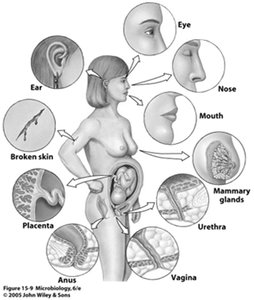
Pathogens enter the human body through specific anatomical sites known as portals of entry. These sites are often associated with mucous membranes or breaks in the skin.
Common Portals: Eye, ear, nose, mouth, broken skin, placenta, mammary glands, urethra, vagina, anus.
Significance: The specificity of pathogens to certain portals affects disease transmission and infection risk.
Portals of Exit
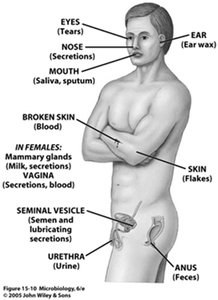
Pathogens leave the host through portals of exit, which are typically associated with body secretions and excretions.
Common Portals: Eyes (tears), nose (secretions), mouth (saliva, sputum), broken skin (blood), mammary glands (milk), vagina (secretions, blood), urethra (urine), anus (feces), skin (flakes), seminal vesicle (semen).
Infectious Dose
Definition and Importance
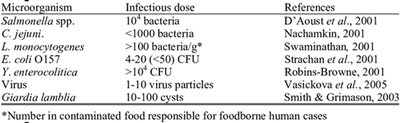
The infectious dose is the minimum number of microorganisms required to cause infection in a host. This varies by pathogen and route of transmission.
Foodborne Transmission: Infectious dose is critical in food safety and epidemiology.
Examples: Some pathogens require only a few cells to cause disease, while others need thousands.
Microorganism | Infectious Dose | References |
|---|---|---|
Salmonella spp. | 106 bacteria | D'Aoust et al., 2001 |
C. jejuni | <1000 bacteria | Nachamkin, 2001 |
L. monocytogenes | >100 bacteria | Swaminathan, 2001 |
E. coli O157 | 4-20 (<50) CFU | Strachan et al., 2001 |
Y. enterocolitica | >104 CFU | Robins-Browne, 2001 |
Virus | 1-10 virus particles | Vasicokova et al., 2005 |
Giardia lamblia | 10-100 cysts | Smith & Grimason, 2003 |
Urinary Tract Infections (UTIs)
Etiology and Pathogenesis
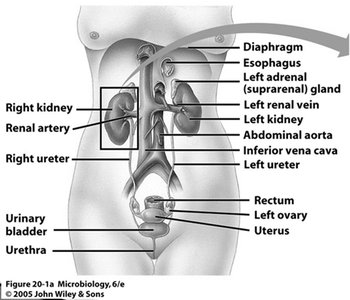
UTIs are commonly caused by enteric bacteria, especially Escherichia coli. The urinary tract is normally sterile, but infection can occur due to poor hygiene, anatomical factors, or medical interventions.
Reservoir: Self (endogenous flora).
Transmission: Poor hygiene, incomplete bladder emptying, anatomical differences (shorter urethra in females), enlarged prostate in older men, urinary catheters.
Pathogenicity: Urine is a good growth medium; infection can spread from urethra to bladder (cystitis) and kidney (pyelonephritis).
Symptoms and Diagnosis
Symptoms: Pain/burning during urination, frequent urination, kidney pain, confusion (especially in elderly).
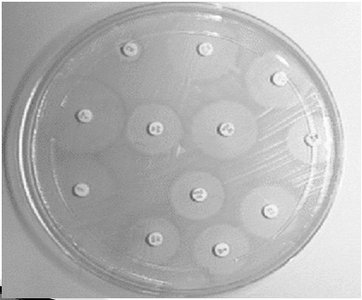
Diagnosis: Urine culture, microscopic examination, antibiotic susceptibility testing. Samples must be tested immediately or refrigerated.
Treatment and Prevention
Treatment: Antibiotics, started immediately and adjusted based on susceptibility results.
How Microbes Cause Disease
Virulence Factors
Virulence factors are characteristics of microorganisms that enable them to cause infection and disease. These include mechanisms for attachment, invasiveness, tissue damage, and toxin production.
Attachment: Via pili or capsule, allowing bacteria to adhere to host tissues.

Invasiveness: Enzymes such as hyaluronidase break down tissues, allowing pathogens to invade deeper.

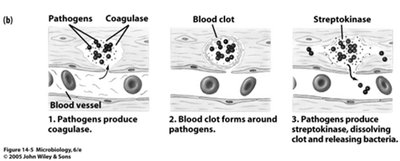
Tissue Damage: Enzymes like coagulase (clots blood), streptokinase (dissolves clots), leukocidins (destroy WBCs), and hemolysins (lyse RBCs).

Hemolysins and Blood Agar
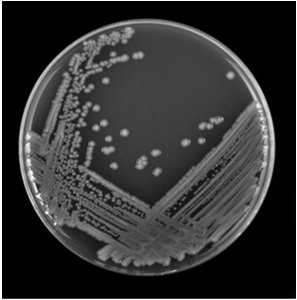
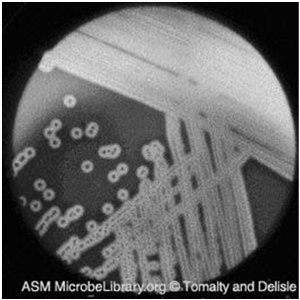
Hemolysins are enzymes that lyse red blood cells. Blood agar is used to differentiate bacterial species based on their hemolytic activity.
Alpha-hemolysis (α): Partial lysis, greenish zone.
Beta-hemolysis (β): Complete lysis, clear zone.
Gamma-hemolysis (γ): No lysis, no zone.

Streptococcal Pharyngitis (Strep Throat)
Etiology and Pathogenesis
Strep throat is caused by Streptococcus pyogenes, a beta-hemolytic, Gram-positive streptococcus. It is transmitted via inhalation of droplets from infected individuals or carriers.
Symptoms: Sore throat, fever, swollen tonsils, adenoids, lymph nodes.
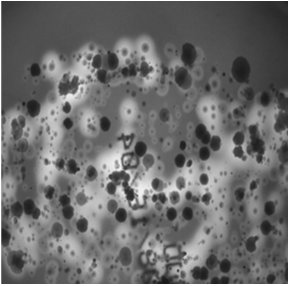
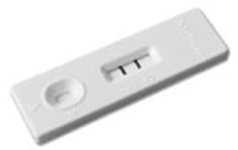
Diagnosis: Throat swab plated on blood agar (β-hemolysis), rapid antigen test.
Complications and Treatment
Complications: Rheumatic fever (autoimmune reaction, cross-reacting antibodies, fever, rash, arthritis, heart valve damage).
Treatment: Antibiotics, prophylactic antibiotics before dental work for those with heart valve damage.
Bacterial Toxins
Types of Toxins
Bacterial toxins are poisonous substances produced by bacteria. They are classified as exotoxins (secreted by living cells) and endotoxins (released when cells die).
Exotoxins: Act on specific tissues (neurotoxins, enterotoxins).
Endotoxins: Released from Gram-negative bacteria upon cell death.
Botulism
Etiology and Pathogenesis
Botulism is caused by Clostridium botulinum, an anaerobic, endospore-forming Gram-positive bacillus. The neurotoxin produced is the most potent known.
Reservoir: Spores in soil, contaminated food.
Transmission: Improperly canned food, ingestion of toxin.
Symptoms: Flaccid paralysis, respiratory failure.
Diagnosis: Culture from food/feces, toxin detection.
Treatment: Antitoxin, maintain respiration; antibiotics are ineffective against toxin.
Prevention: Proper canning, boiling home-canned food for 20 minutes.
Special Cases
Infant Botulism: No honey for babies <1 year old; spores germinate in gut.
Wound Botulism: Spores in wound produce toxin.
Botulinum Toxin (Botox): Used therapeutically in medicine.
Tetanus
Etiology and Pathogenesis
Tetanus is caused by Clostridium tetani, an anaerobic, endospore-forming Gram-positive bacillus. The neurotoxin causes spastic paralysis.
Reservoir: Spores in soil, normal flora of animals and humans.
Transmission: Puncture wounds.
Symptoms: Painful muscle spasms, "lockjaw".
Diagnosis: Based on symptoms; no blood test.
Treatment: Antitoxin, maintain respiration and nutrition.
Prevention: Vaccine (boosters every 10 years).
Neonatal Tetanus
Cause: Infection of umbilical stump with contaminated instruments or substances.
Emerging Infectious Diseases (EID)
West Nile Fever
West Nile fever is caused by the West Nile virus, an emerging disease in the U.S. It is zoonotic, with birds as the primary reservoir and mosquitoes as vectors.
Transmission: Mosquito bites; virus infects birds, mammals, reptiles.
Symptoms: Most cases asymptomatic; fever and joint pain (~25%); encephalitis (~1%), higher risk in infants and elderly.
Diagnosis: Blood test for antibodies.
Treatment: No cure; treat symptoms, mosquito control, vaccine for horses.
Summary Table: Bacterial Virulence Factors
Virulence Factor | Mechanism | Example |
|---|---|---|
Attachment | Pili, capsule | Uropathogenic E. coli |
Invasiveness | Hyaluronidase, enzymes | Streptococcus spp. |
Tissue Damage | Coagulase, streptokinase, hemolysins | Staphylococcus aureus, Streptococcus pyogenes |
Toxins | Exotoxins, endotoxins | Clostridium botulinum, C. tetani |
Additional info: Academic context was added to clarify mechanisms, definitions, and clinical relevance for Anatomy & Physiology students.
