 뒤로
Influenza Vaccines: Production, Effectiveness, and Public Health Impact
스터디 가이드 - 스마트 노트
 자료에 맞춘 맞춤형 노트, 핵심 정의, 예시, 맥락을 확장해 제공합니다.
Influenza Vaccines and Updates
Vaccine Production
Influenza vaccines are produced annually to match circulating virus strains. The process involves growing viruses in chicken eggs or cell cultures, which takes several months. The vaccine is typically multivalent, containing three or four strains to provide broad protection.
Multivalent Vaccine: Contains multiple strains (usually 3 or 4) to cover the most prevalent types of influenza.
Virus Growth: Viruses are grown in chicken eggs or cell culture to produce enough material for vaccines.
Annual Updates: New vaccines are needed each flu season due to viral mutation and antigenic drift.
Production Timeline: Decisions about strains are made in February for the following season.

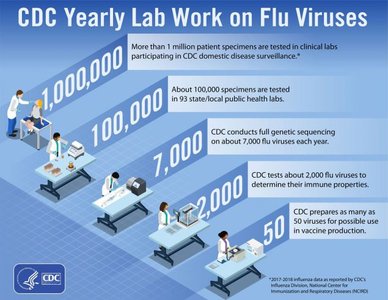
CDC Yearly Lab Work on Flu Viruses
The CDC conducts extensive laboratory work to monitor flu viruses and inform vaccine production. This includes testing specimens, sequencing viral genomes, and preparing candidate viruses for vaccines.
Specimen Testing: Over 1 million patient specimens are tested annually.
Genetic Sequencing: About 7,000 flu viruses are sequenced to track mutations.
Vaccine Candidates: CDC prepares up to 50 viruses for possible use in vaccine production.
Vaccine Strains for 2024–2025
The influenza vaccine for the 2024–2025 season includes specific strains selected based on global surveillance data. Egg-based and cell-based vaccines may contain slightly different strains.
Egg-based: A/Victoria/4897/2022 (H1N1)pdm09-like, A/Croatia/10136RV/2023 (H3N2)-like, B/Austria/8/2022 (H3N2)-like.
Cell-based/Recombinant: A/Wisconsin/67/2022 (H1N1)pdm09-like, A/District of Columbia/27/2023 (H3N2)-like, B/Austria/1359417/2021 (B/Victoria lineage)-like.
Vaccine Effectiveness and Immunity
Influenza vaccines cannot cause illness and require about two weeks for immunity to develop. Effectiveness ranges from 70–90%, but is lower in elderly populations. Vaccinating children helps reduce community spread.
Immunity Development: Takes approximately two weeks post-vaccination.
Effectiveness: 70–90% in general population; lower in elderly.
Community Protection: Vaccinating children reduces transmission and protects vulnerable groups.
Timing: Recommended by October for optimal protection.
Co-administration: COVID-19 and flu vaccines can be given simultaneously.
Vaccine Recommendations
Seasonal flu vaccination is recommended for everyone aged 6 months and older, except those with severe egg allergies or acute illness with fever. Egg-free vaccines are available for those with allergies.
Universal Recommendation: All individuals 6 months and older should receive the flu vaccine.
Exceptions: Severe egg allergy or current febrile illness.
Egg-Free Vaccines: Available for those allergic to eggs.
Antiviral Medications
Antiviral medications are recommended for high-risk groups, including pregnant women, young children, older adults, and those with chronic illnesses or in nursing homes.
High-Risk Groups: Pregnant, young children, elderly, chronic illness, nursing home residents.
Influenza Surveillance and Impact
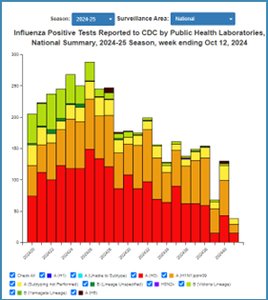
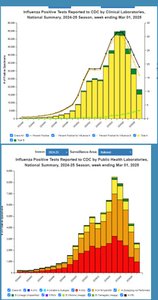
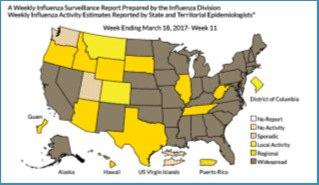
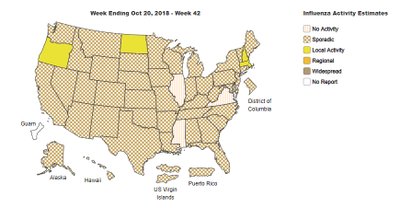
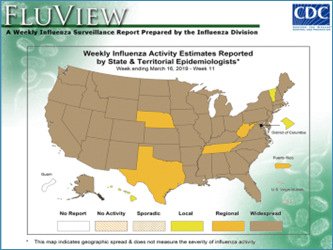
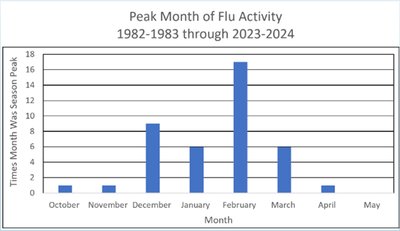
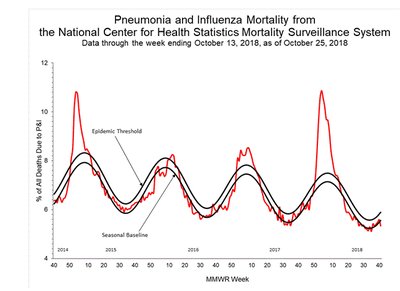
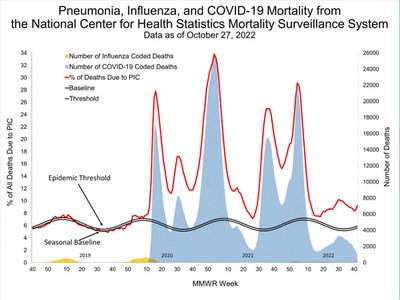
Influenza surveillance tracks the spread and severity of flu across the United States. Even in a typical year, influenza causes significant morbidity and mortality, especially among the very young and very old.
Annual Deaths: Approximately 36,000 deaths and 200,000 hospitalizations in the U.S. per year.
Surveillance Data: CDC monitors positive tests, activity levels, and mortality rates.
CDC Disease Burden Estimates
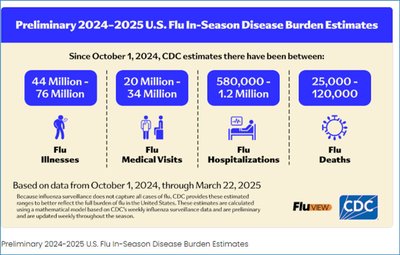
The CDC estimates the annual burden of influenza in the U.S. based on surveillance data:
Category | Estimated Range |
|---|---|
Flu Illnesses | 44 Million – 76 Million |
Flu Medical Visits | 20 Million – 34 Million |
Flu Hospitalizations | 580,000 – 1.2 Million |
Flu Deaths | 25,000 – 120,000 |
Summary Table: Influenza Vaccine Production and Public Health Impact
Aspect | Description |
|---|---|
Production Method | Chicken eggs or cell culture |
Vaccine Type | Multivalent (3-4 strains) |
Effectiveness | 70–90% (lower in elderly) |
Recommendation | Universal (6 mo+), except severe egg allergy or fever |
Annual Impact | 36,000 deaths, 200,000 hospitalizations (U.S.) |
Additional info: Influenza vaccines are a critical tool in public health, reducing the spread and severity of seasonal flu. Surveillance and laboratory work guide annual vaccine updates, and widespread vaccination protects vulnerable populations.
