 뒤로
Influenza Virus: Structure, Pathogenesis, and Epidemiology
스터디 가이드 - 스마트 노트
 자료에 맞춘 맞춤형 노트, 핵심 정의, 예시, 맥락을 확장해 제공합니다.
Influenza Virus: Structure and Classification
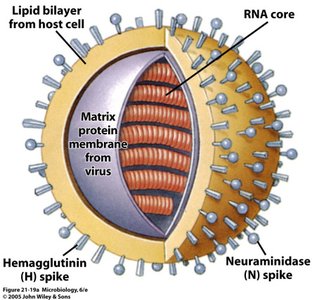
Etiologic Agent and Viral Structure
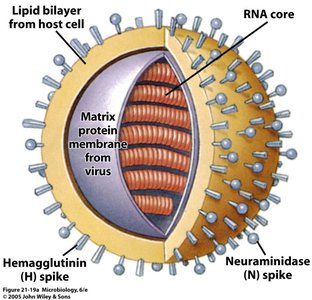
The influenza virus is a significant respiratory pathogen, classified as an enveloped, single-stranded RNA virus. Its structure is essential for understanding its infectivity and immune evasion.
Envelope: Derived from the host cell's lipid bilayer, providing protection and aiding in viral entry.
RNA Core: Contains the viral genetic material, which is single-stranded RNA.
Matrix Protein Membrane: Supports the viral envelope and maintains structural integrity.
Spikes: Two types of glycoprotein spikes are present: Hemagglutinin (H) and Neuraminidase (N). These are critical for viral attachment and release.
Types of Influenza Virus
There are three main types of influenza viruses, each with distinct epidemiological characteristics:
Influenza A: Infects humans, birds, swine, and other vertebrates. Many subtypes exist, named by H and N types (e.g., H1N1, H3N2). Responsible for pandemics.
Influenza B: Infects humans only, causes limited epidemics.
Influenza C: Infects humans, rarely diagnosed as a problem.
Transmission and Reservoirs
Reservoirs and Transmission
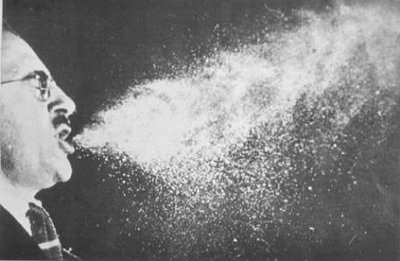
The primary reservoir for influenza is infected humans. Transmission occurs mainly via aerosol droplets, which can survive outside the body for up to 24 hours.
Aerosol Droplets: Generated by coughing, sneezing, or talking, facilitating rapid spread in populations.
Pathogenesis of Influenza
Initial Infection and Spread
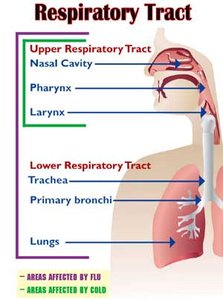
Influenza virus first invades the respiratory epithelial cells, particularly in the upper respiratory tract (URT).
Cellular Damage and Secondary Infections
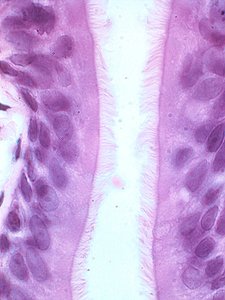
The virus destroys mucous and ciliated cells in the lower respiratory tract (LRT), compromising major host defenses and allowing secondary bacterial infections, such as pneumonia.
Clinical Manifestations
Symptoms and Incubation
Influenza has a 36-48 hour incubation period. Symptoms include fever, chills, headache, malaise, muscle soreness, cough, runny nose, sore throat, and fatigue. In children, gastroenteritis may occur. Fatigue and weakness can persist for weeks, and the virus is shed for about a week.
Comparison with Other Respiratory Diseases
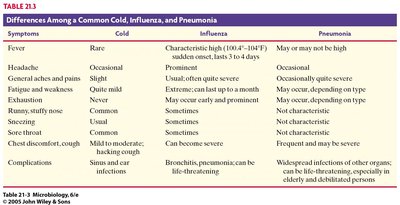
Influenza can be distinguished from the common cold and pneumonia by its characteristic symptoms and severity.
Symptoms | Cold | Influenza | Pneumonia |
|---|---|---|---|
Fever | Rare | High (104°F-105°F), sudden onset | May or may not be high |
Headache | Occasional | Prominent | Occasional |
General aches and pains | Slight | Prominent | Occasionally quite severe |
Fatigue and weakness | Quite mild | Extreme; can last up to a month | May occur, depending on type |
Exhaustion | Never | Early and prominent | May occur, depending on type |
Runny, stuffy nose | Common | Sometimes | Not characteristic |
Sneezing | Usual | Sometimes | Not characteristic |
Chest discomfort, cough | Mild to moderate; hacking cough | Can be severe | Frequent and may be severe |
Complications | Sinus and ear infections | Bronchitis, pneumonia; can be life-threatening | Widespread infections of other organs; can be life-threatening, especially in elderly and debilitated persons |
Diagnosis, Treatment, and Prevention
Diagnosis
Diagnosis is based on clinical symptoms and laboratory tests, such as nasal swab samples (preferred over throat swabs due to higher viral load) and rapid tests.
Treatment
Antiviral Drugs: Effective if administered within 48 hours of symptom onset. Some viruses may develop drug resistance.
Prevention
Vaccines: Available as killed virus (injection) or live attenuated virus (nasal spray). The nasal spray is recommended for ages 2-49, except pregnant individuals. Vaccine effectiveness may vary by season.
Antigenic Variation and Epidemiology
Antigenic Drift and Shift
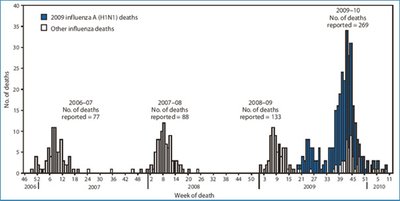
Influenza viruses undergo frequent genetic changes, leading to new strains and periodic epidemics.
Antigenic Drift: Minor mutations in H and N spikes, resulting in different yearly strains.
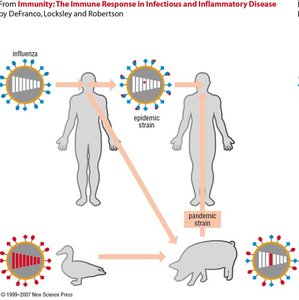
Antigenic Shift: Major gene reassortment, causing dramatic changes and preceding major epidemics.
Mixing Vessels and Pandemic Strains
Swine and birds can serve as "mixing vessels" for gene reassortment, leading to the emergence of pandemic strains.

Historical Pandemics and Mortality
Spanish Flu (1918)
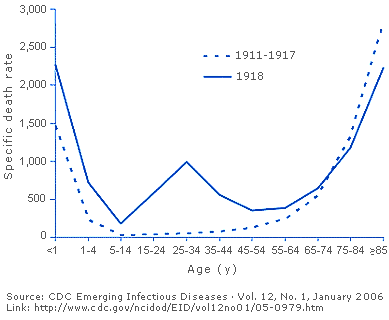
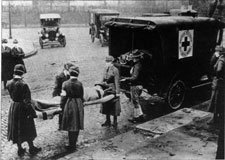
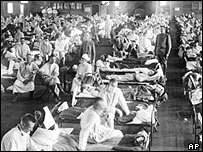
The 1918 "Spanish flu" pandemic had the highest mortality rate among young adults, causing viral pneumonia and killing 20-50 million people worldwide, including over 500,000 Americans. The overall mortality rate was approximately 5%.

Avian Influenza and Zoonotic Transmission
H5N1 and Other Avian Strains
H5N1 primarily infects birds and occasionally humans, but person-to-person transmission is rare. Outbreaks have led to the death of millions of poultry, but human cases remain limited.

Genetic Evolution and Reassortment
Genetic reassortment between avian and human influenza viruses can lead to new strains capable of infecting humans, especially in settings where wild and domestic birds interact.



Summary
Influenza is a complex respiratory virus with significant implications for human health. Its structure, transmission, pathogenesis, and ability to undergo antigenic variation make it a persistent threat, requiring ongoing surveillance, vaccination, and research.
Additional info:
Antigenic drift and shift are key mechanisms for influenza virus evolution, leading to seasonal epidemics and occasional pandemics.
Vaccination remains the most effective preventive measure, though vaccine composition must be updated regularly to match circulating strains.
