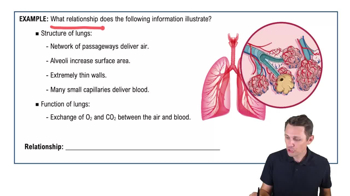
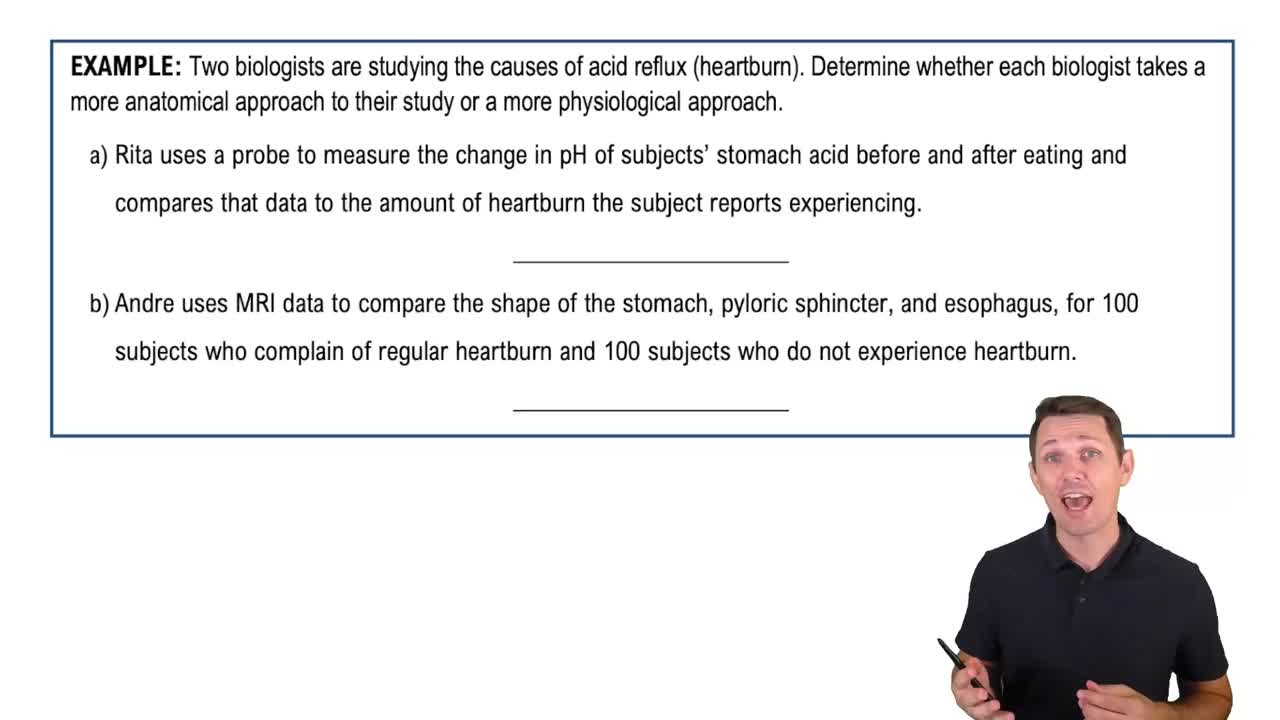
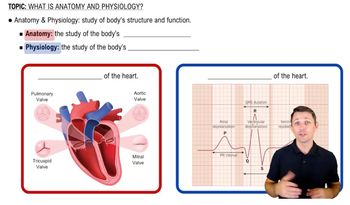
What is Anatomy & Physiology?
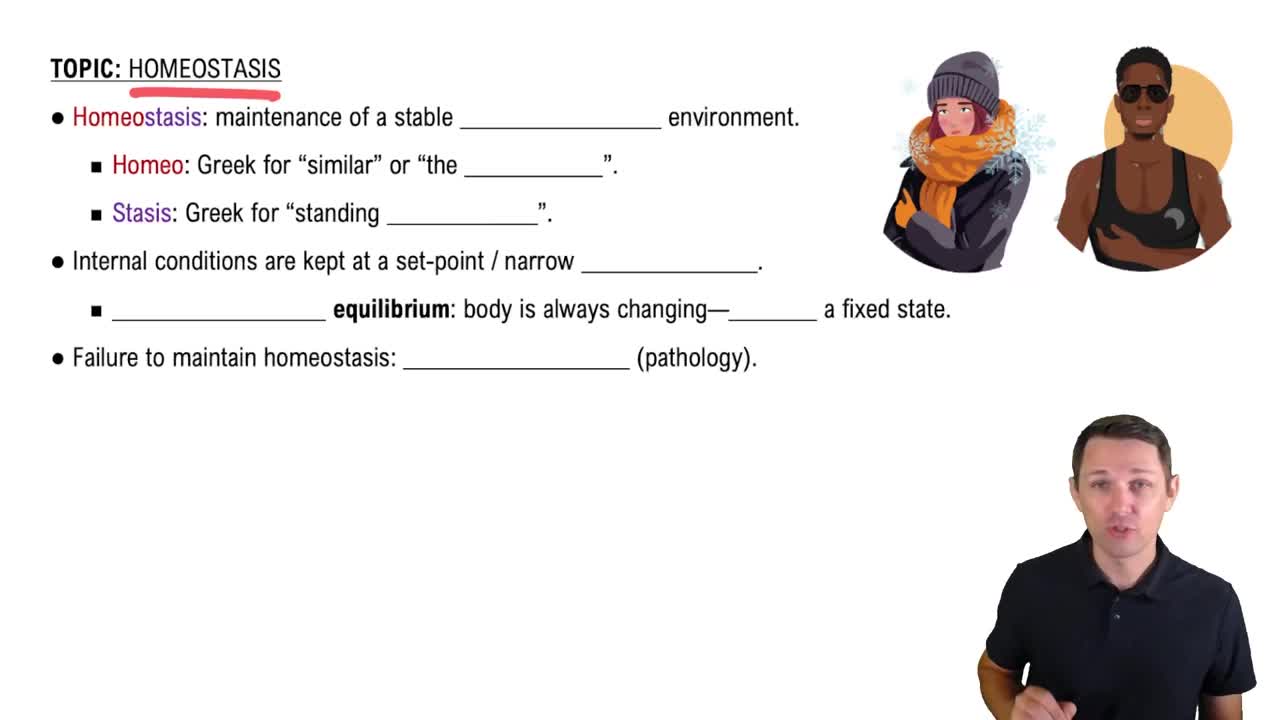
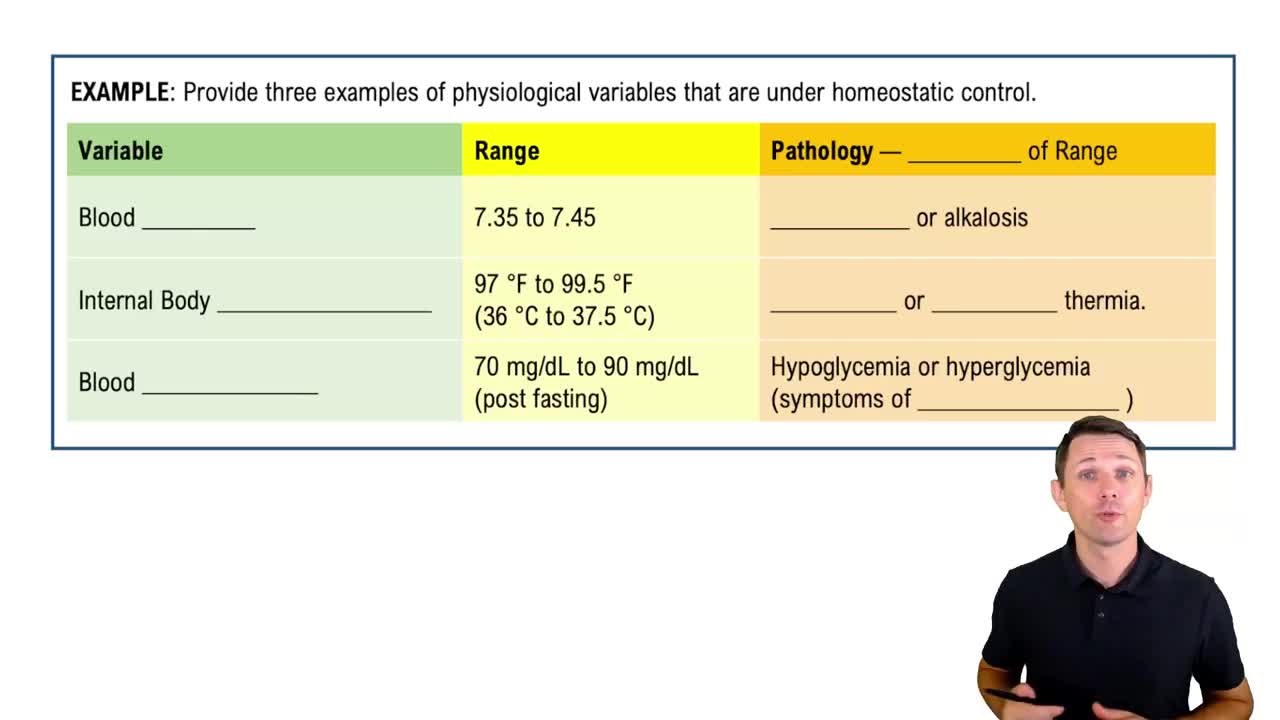
Homeostasis
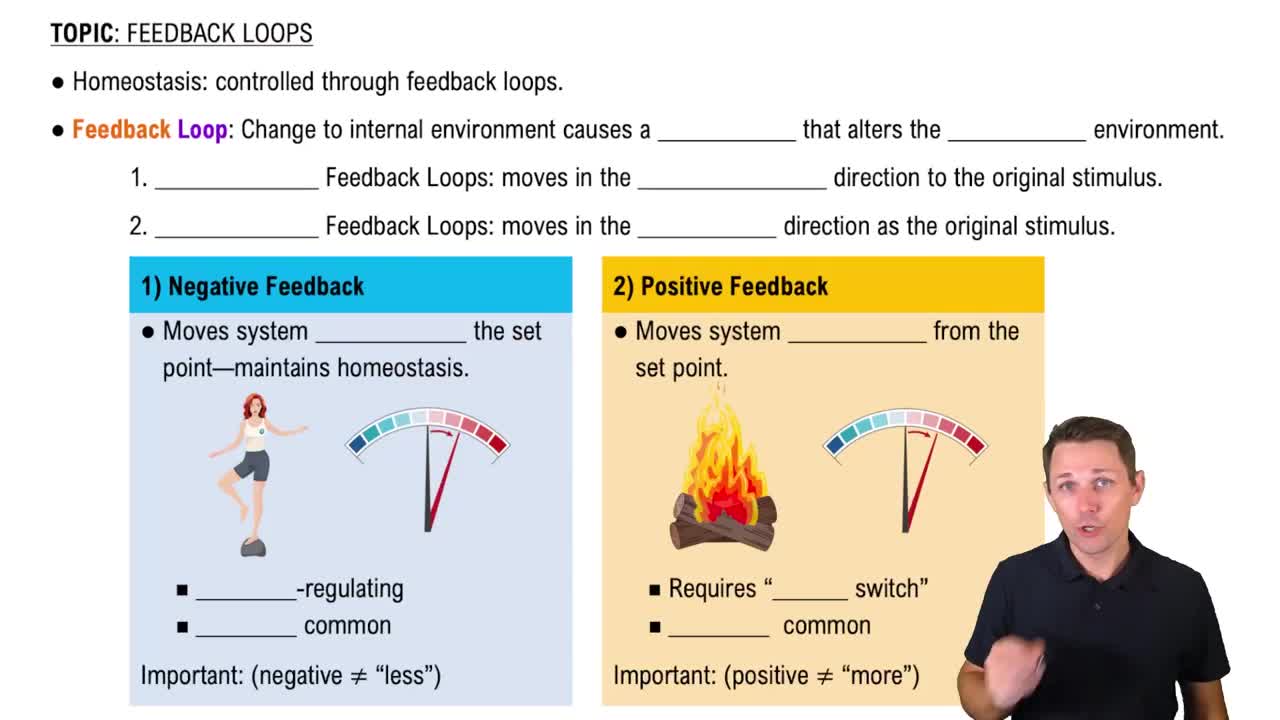
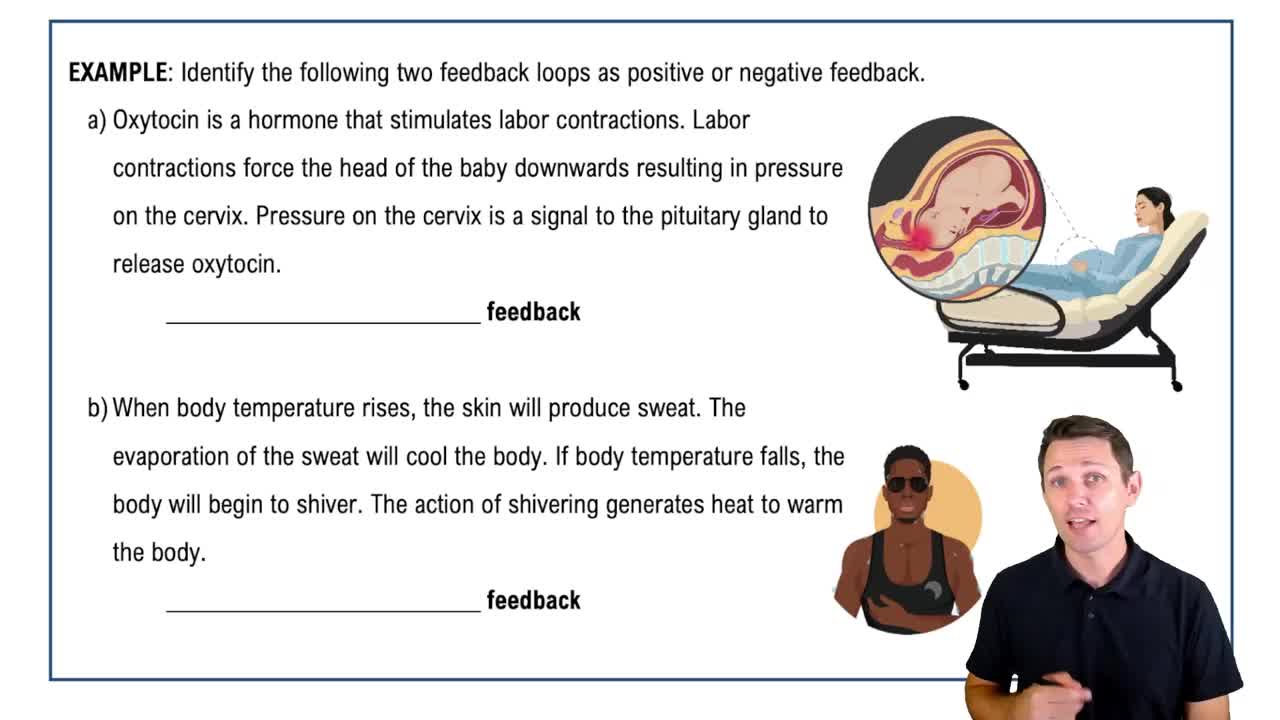
Feedback Loops
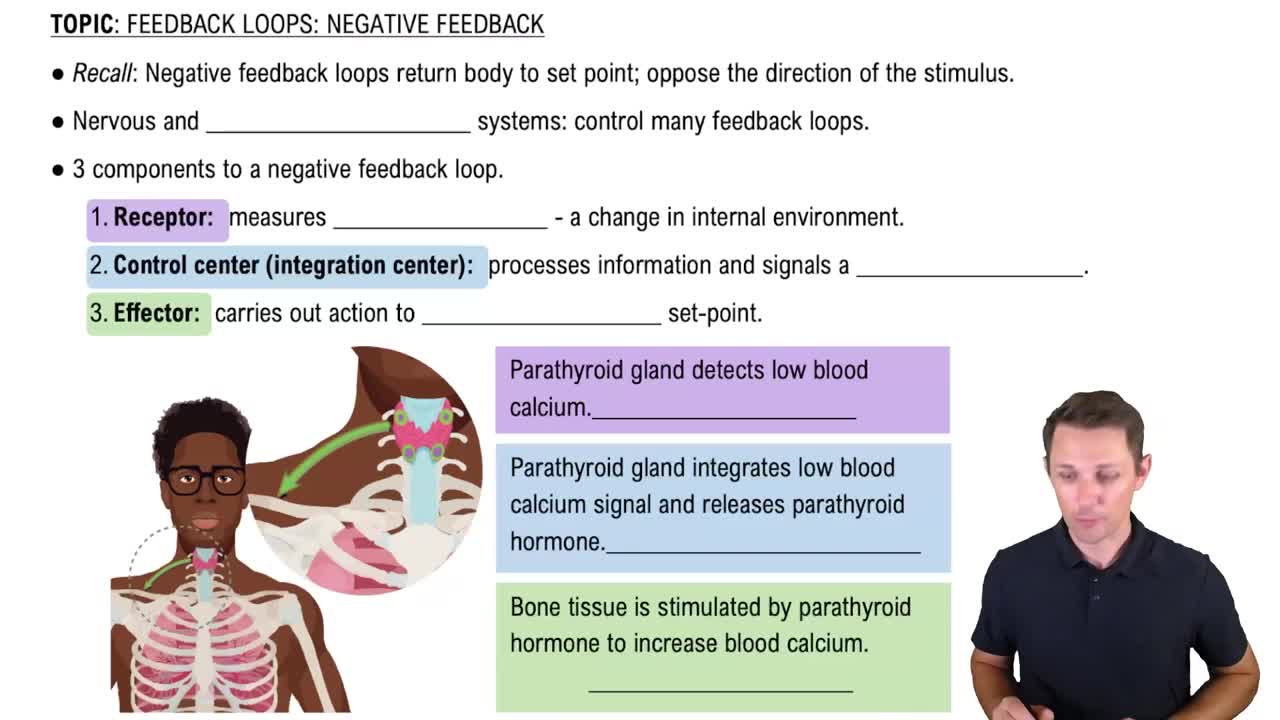
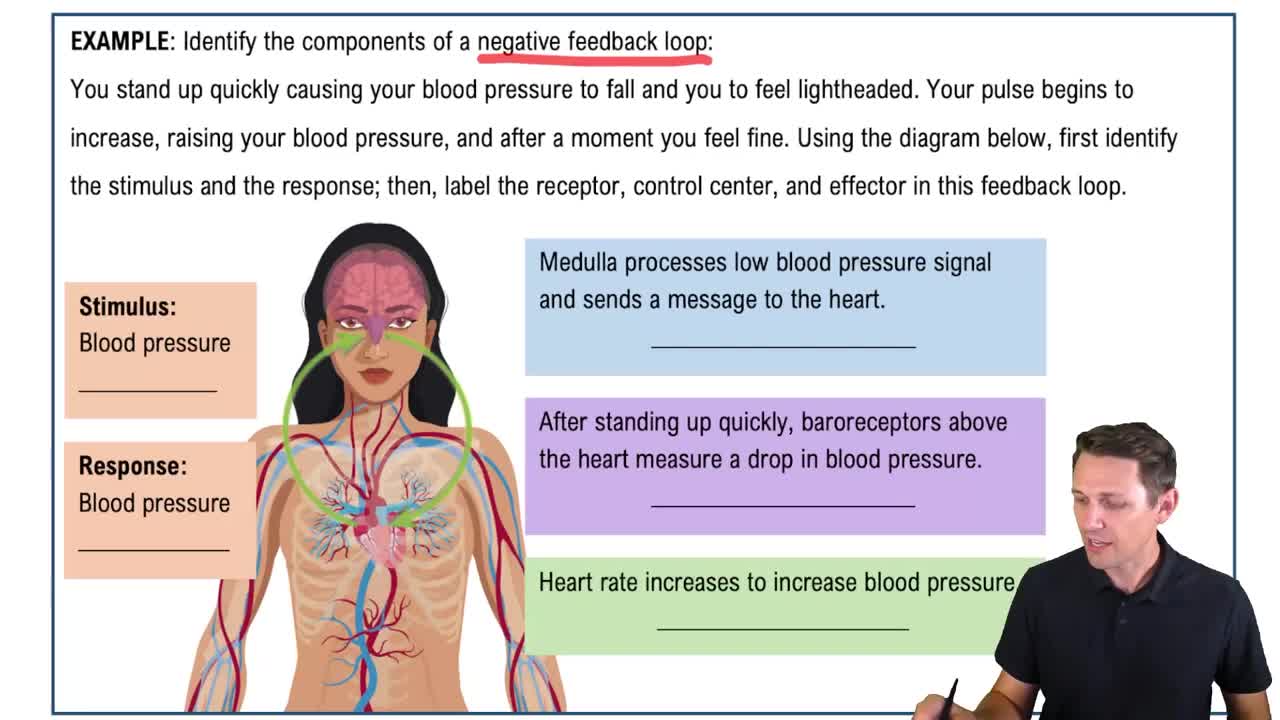
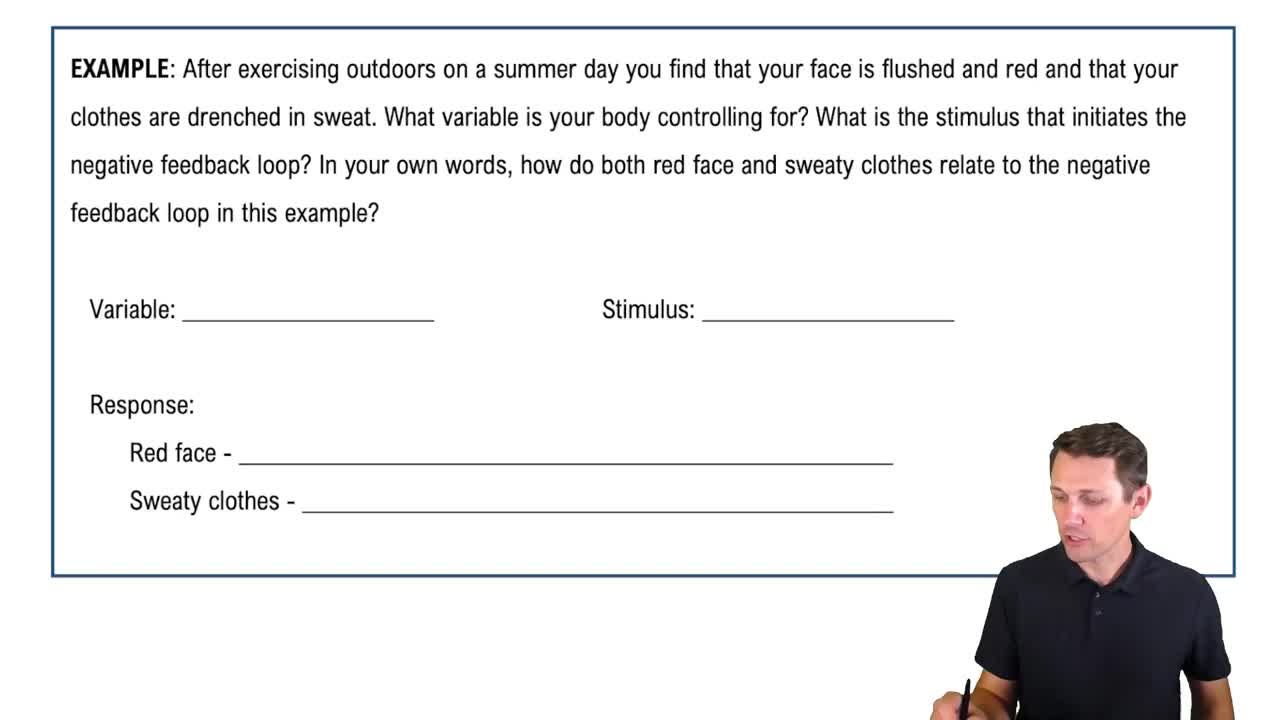
Feedback Loops: Negative Feedback
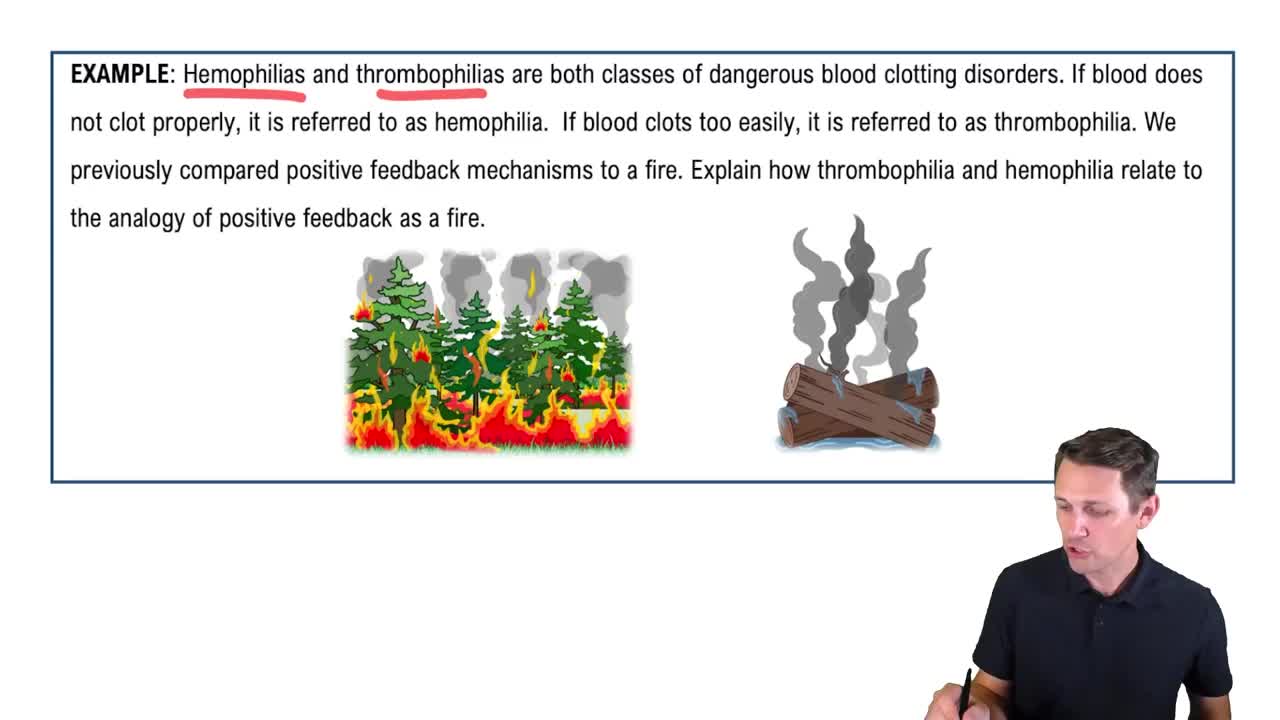
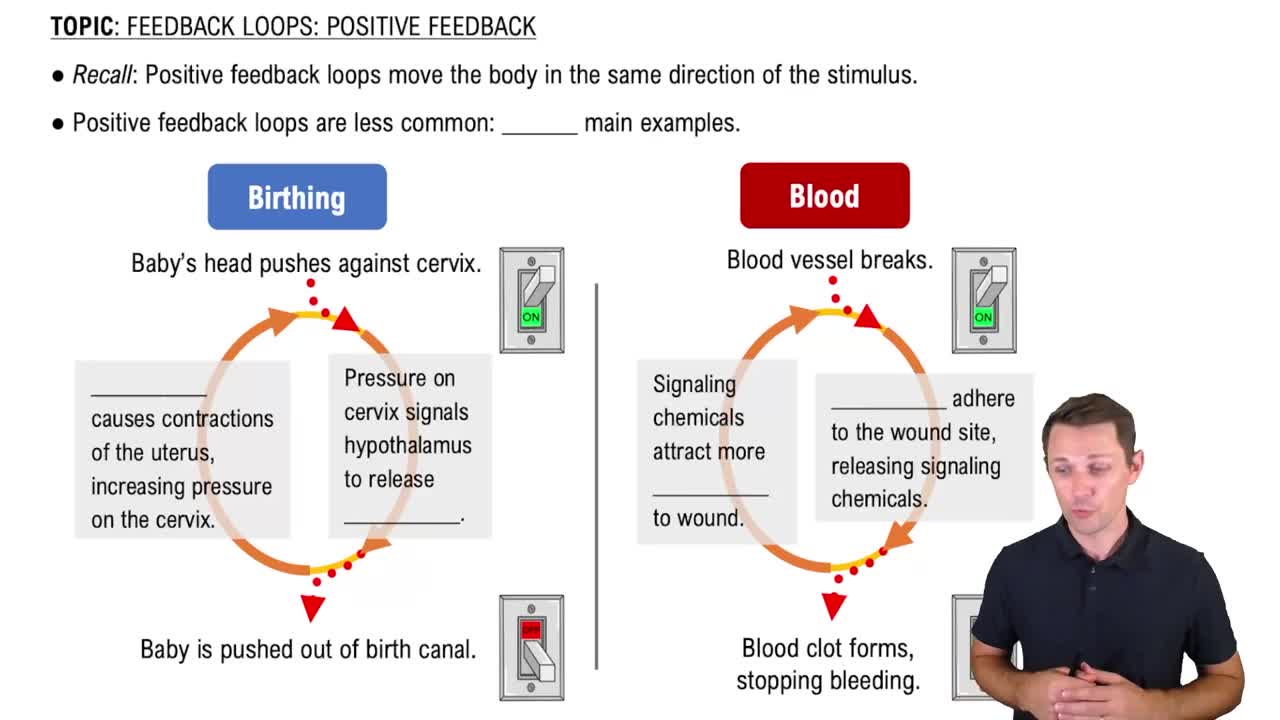
Feedback Loops: Positive Feedback
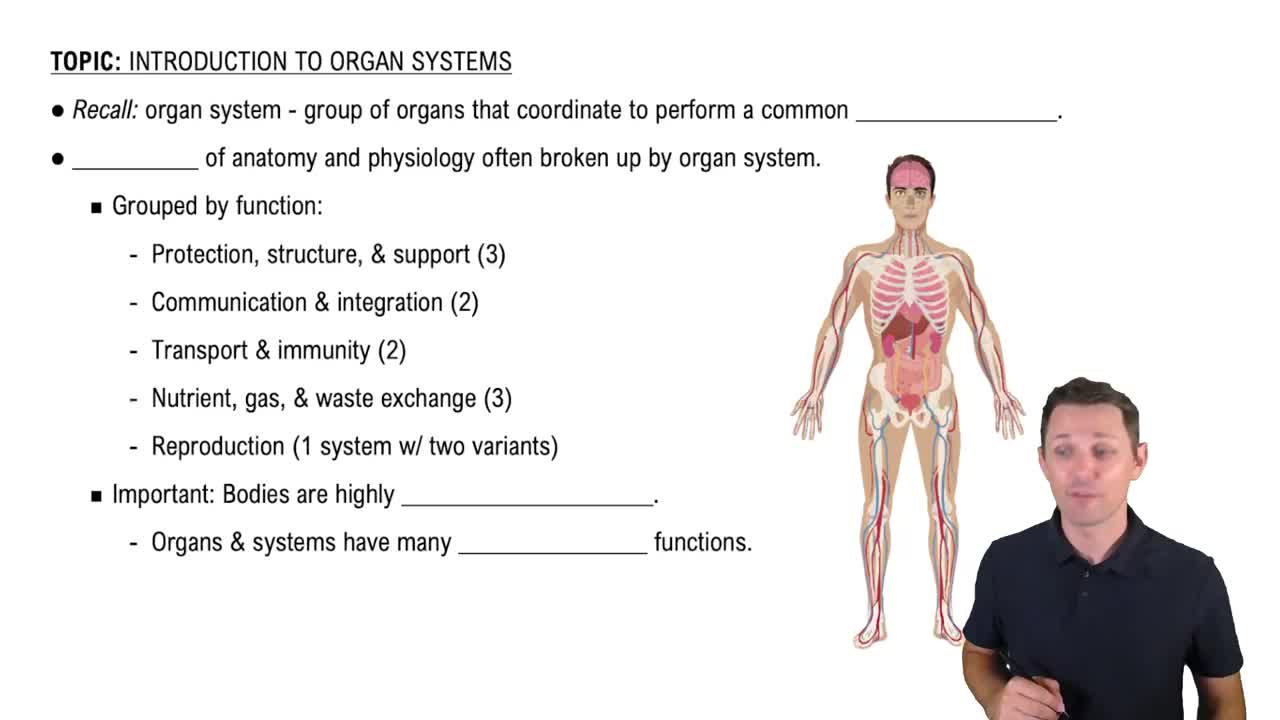
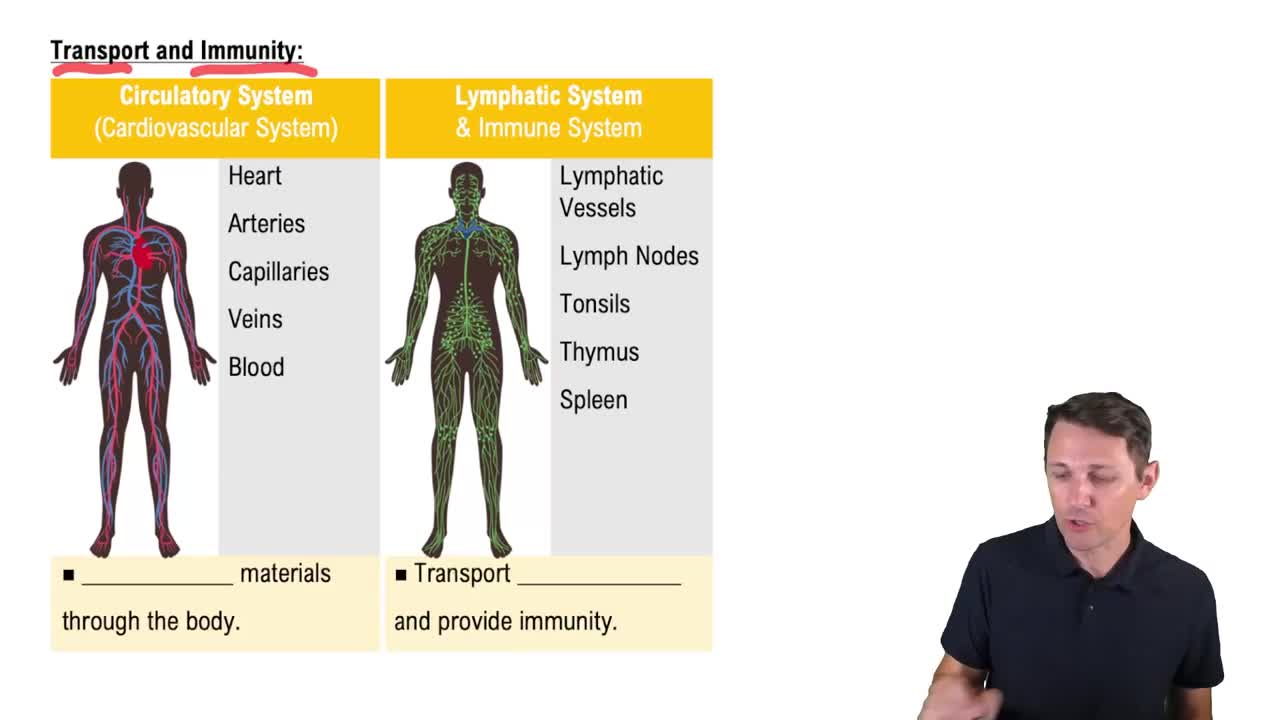
Introduction to Organ Systems
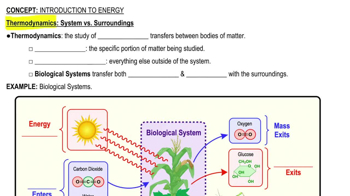
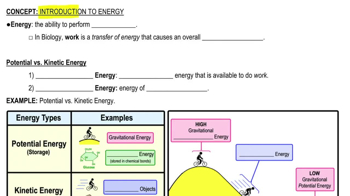
Introduction to Energy
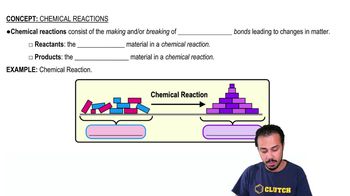
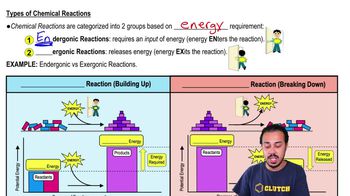
Chemical Reactions
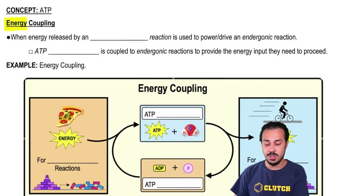
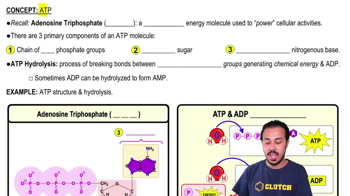
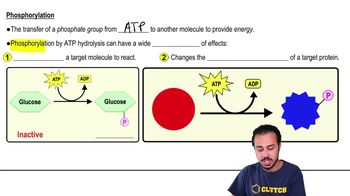
ATP
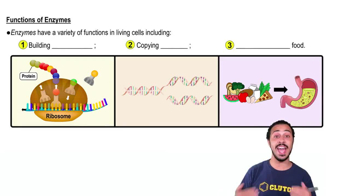
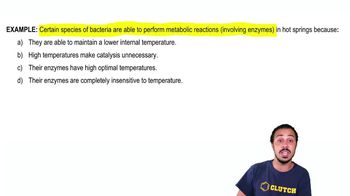
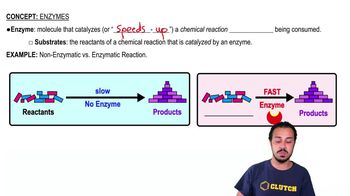
Enzymes
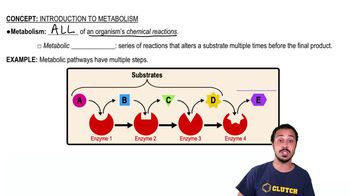
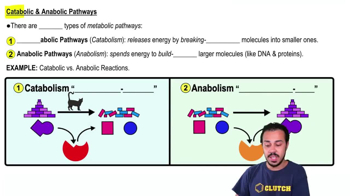
Introduction to Metabolism
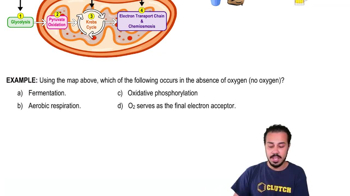
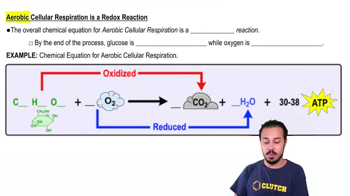
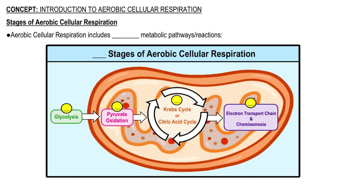
Introduction to Aerobic Cellular Respiration
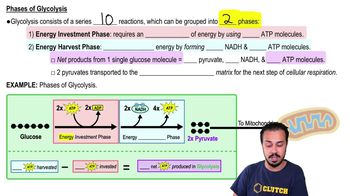
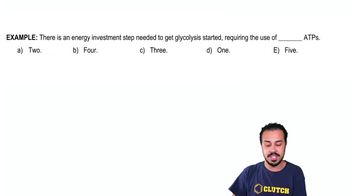
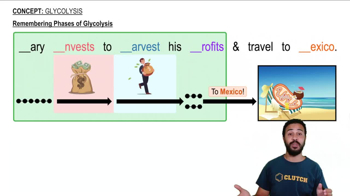
Glycolysis
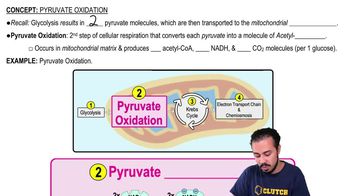
Pyruvate Oxidation
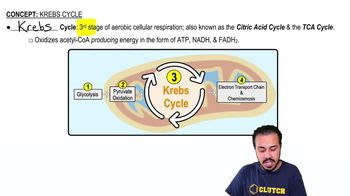
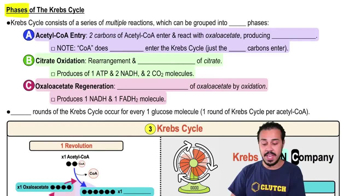
Krebs Cycle
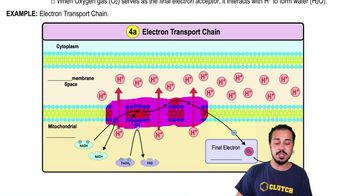
Electron Transport Chain
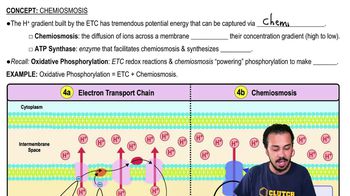
Chemiosmosis
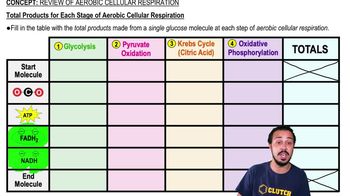
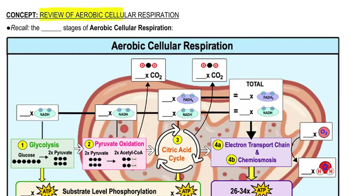
Review of Aerobic Cellular Respiration
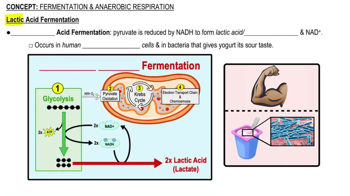
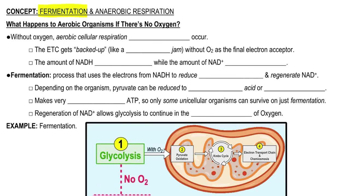
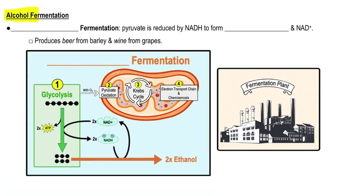
Fermentation & Anaerobic Respiration
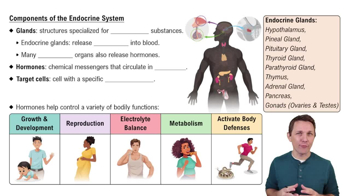
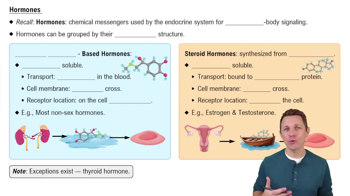
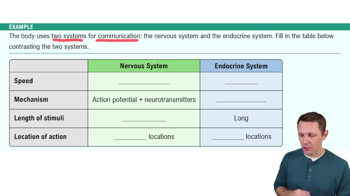
Introduction to the Endocrine System
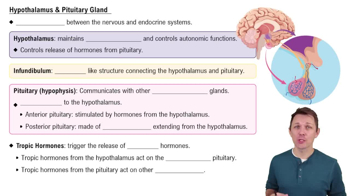
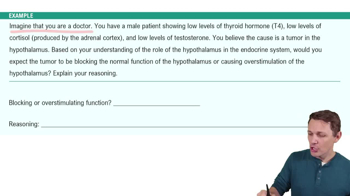
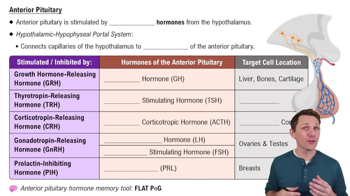
The Hypothalamus and Pituitary Gland
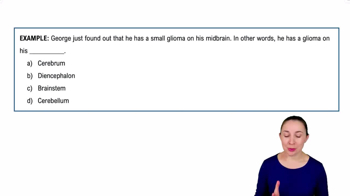
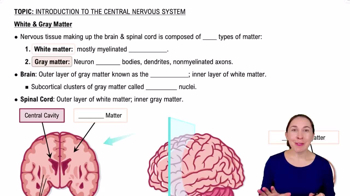
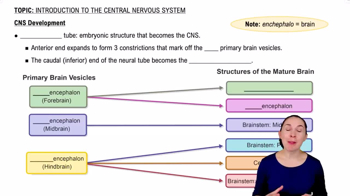
Introduction to the Central Nervous System
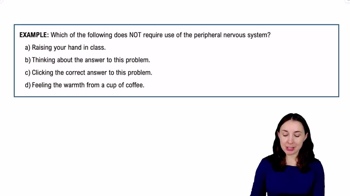
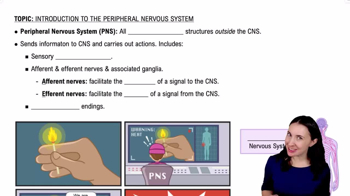
Introduction to the Peripheral Nervous System
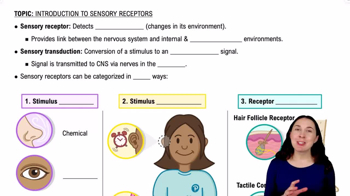
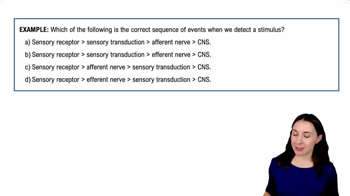
Introduction to Sensory Receptors
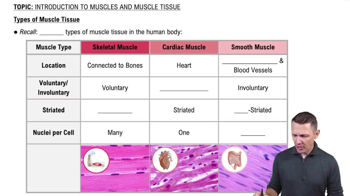
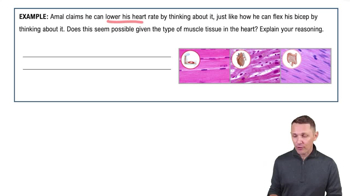
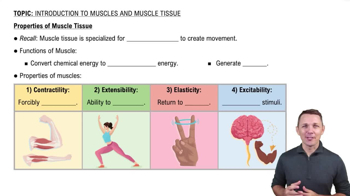
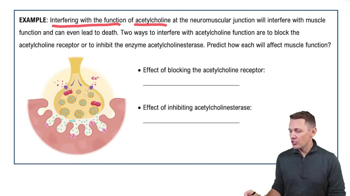
Introduction to Muscles and Muscle Tissue
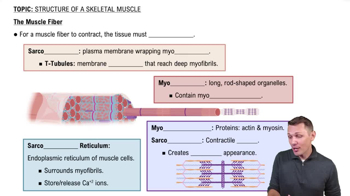
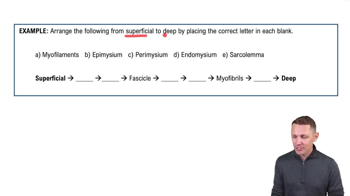
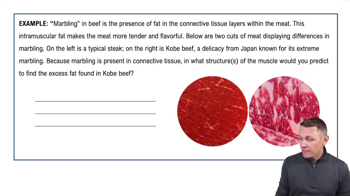
Structure of a Skeletal Muscle
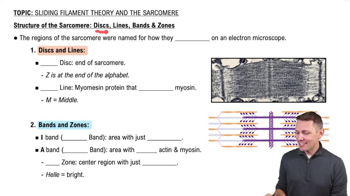
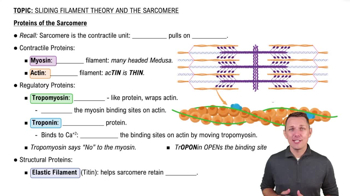
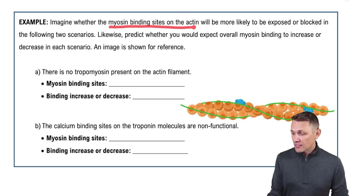
Sliding Filament Theory and the Sarcomere
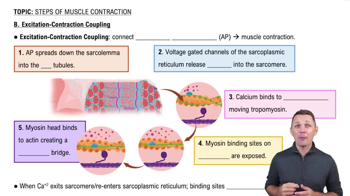
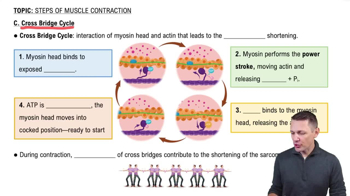
Steps of Muscle Contraction
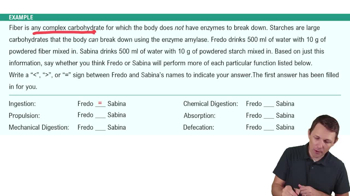
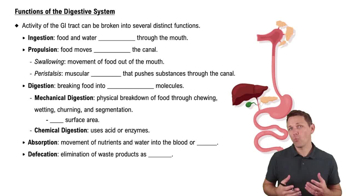
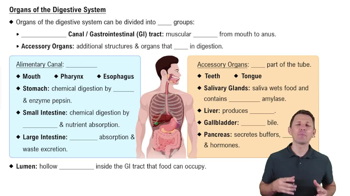
Introduction to the Digestive System
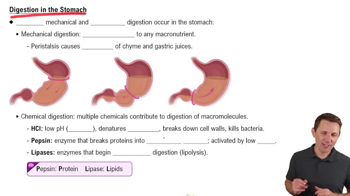
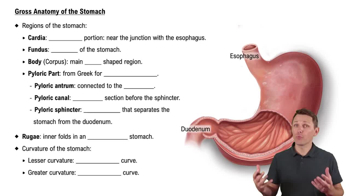
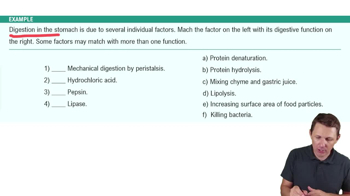
The Stomach
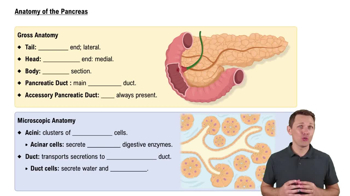
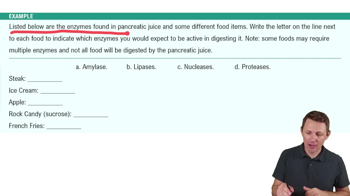
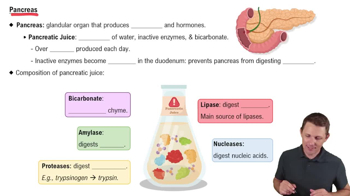
Pancreas
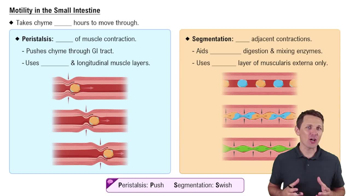
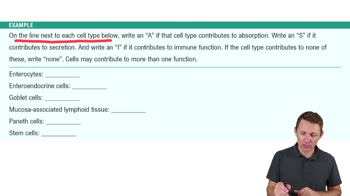
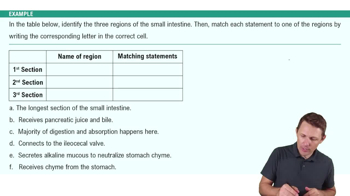
Small Intestine
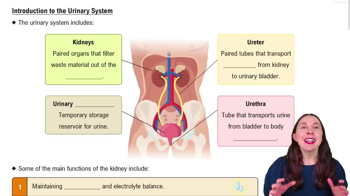
Introduction to the Urinary System
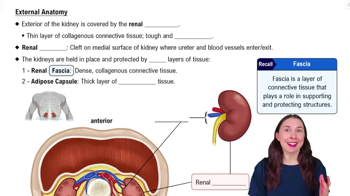
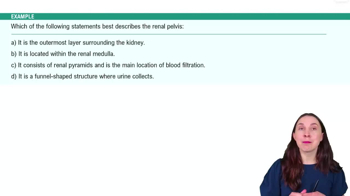
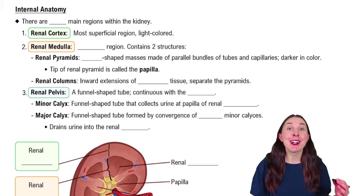
The Kidneys
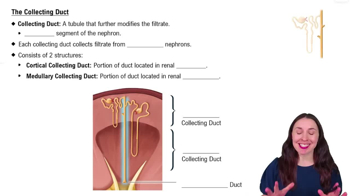
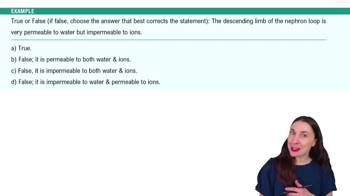
The Nephron
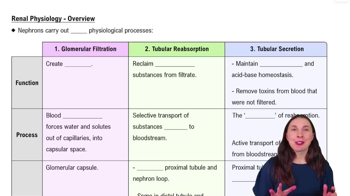
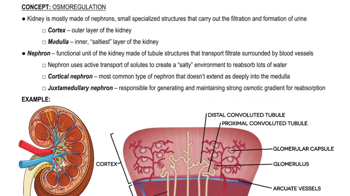
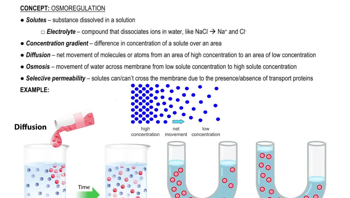
Renal Physiology: Overview
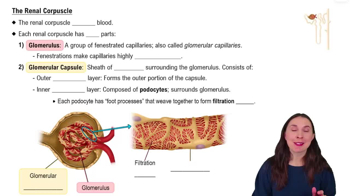
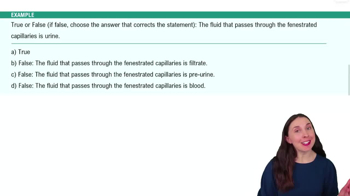
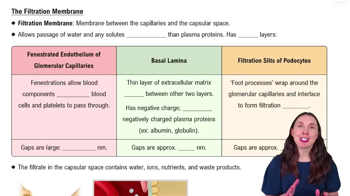
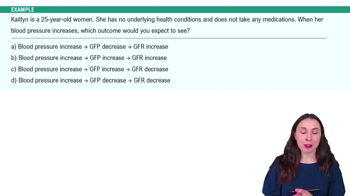
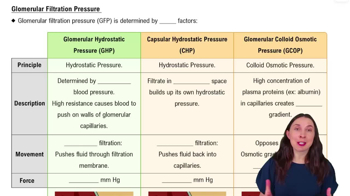
Renal Physiology Step 1: Glomerular Filtration
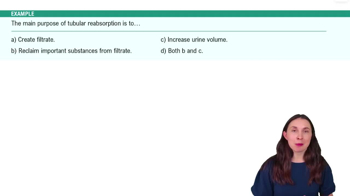
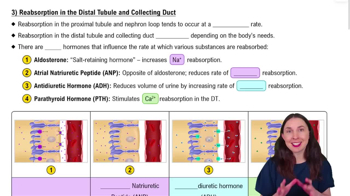
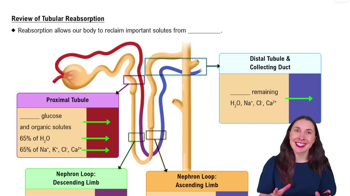
Renal Physiology Step 2: Tubular Reabsorption
Fluid Balance
Electrolyte Balance
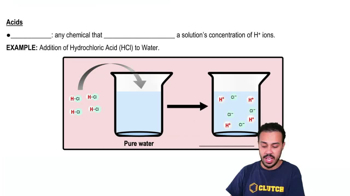
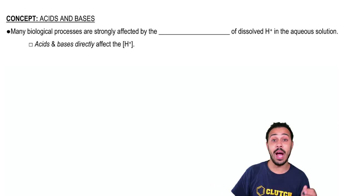
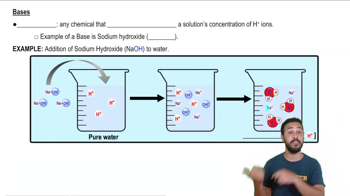
Acid-Base Balance
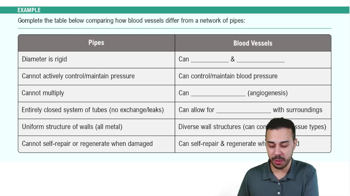
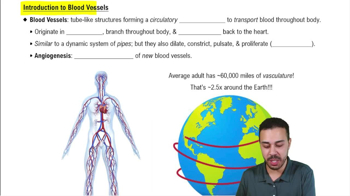
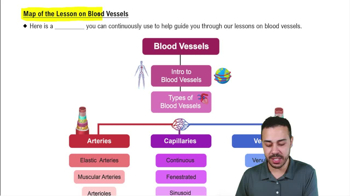
Introduction to Blood Vessels
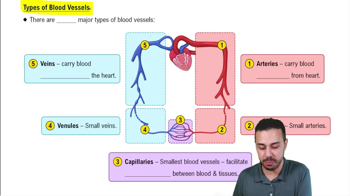
Types of Blood Vessels
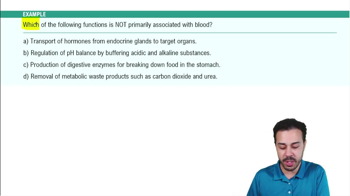
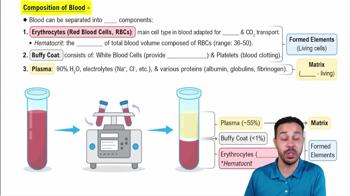
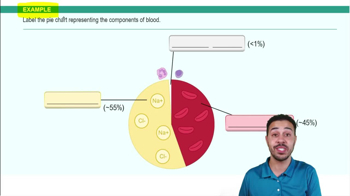
Introduction To Blood
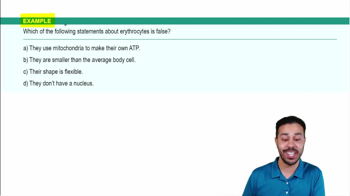
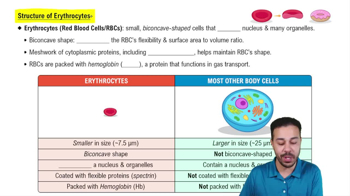
Erythrocytes
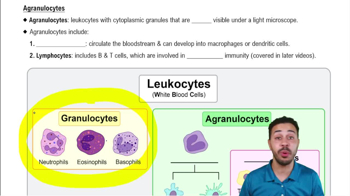
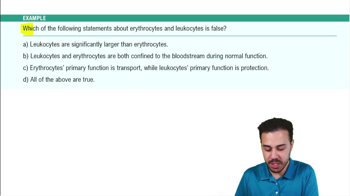
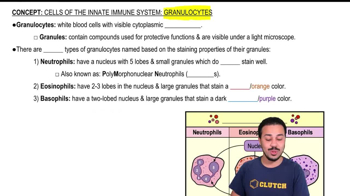
Leukocytes
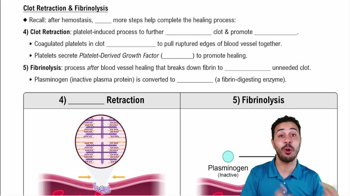
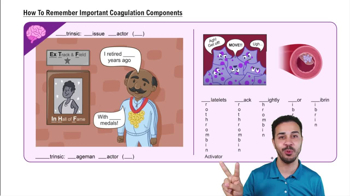
Platelets: Hemostasis
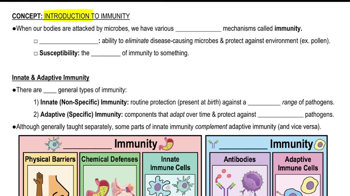
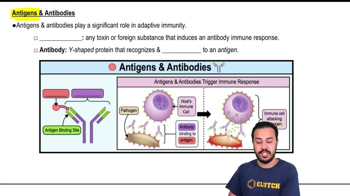
Introduction to the Immune System
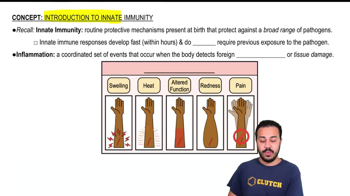
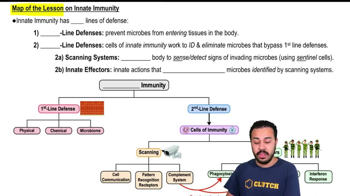
Introduction to Innate Immunity
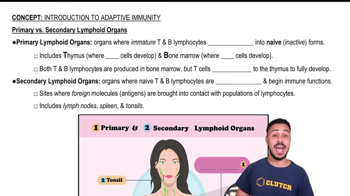
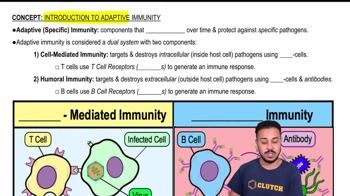
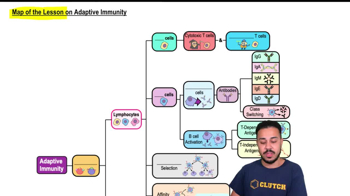
Introduction to Adaptive Immunity
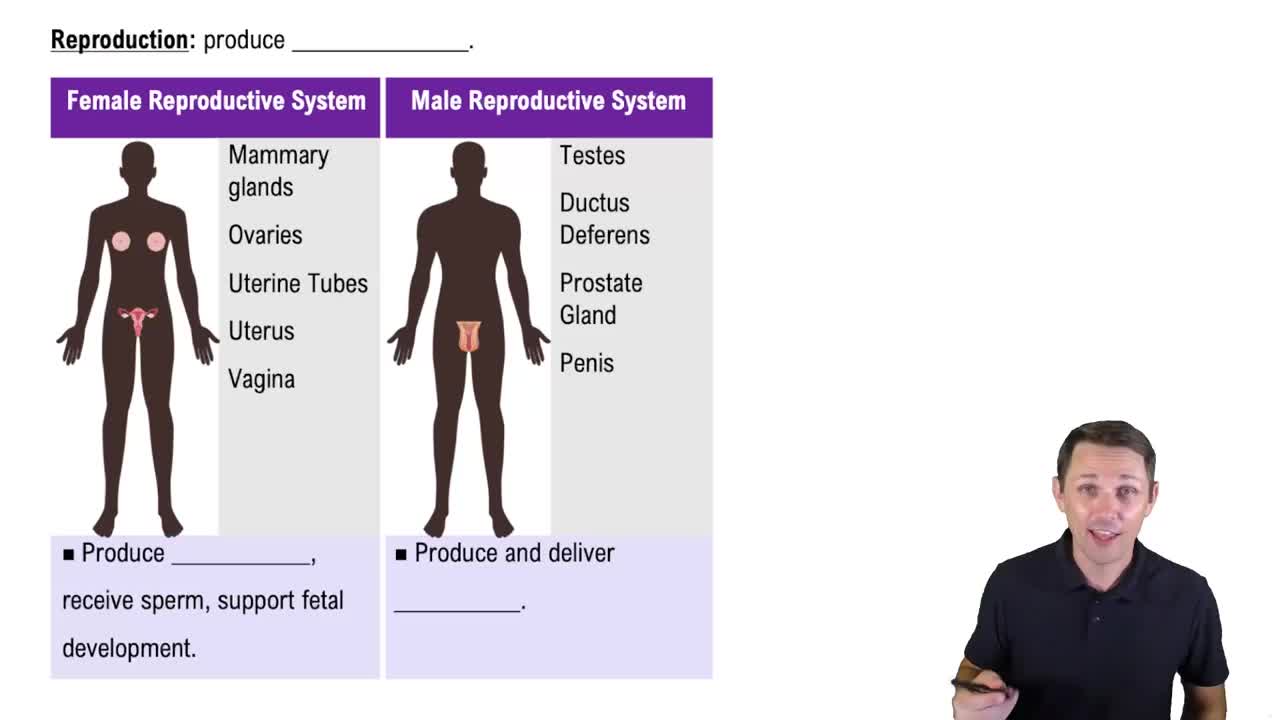
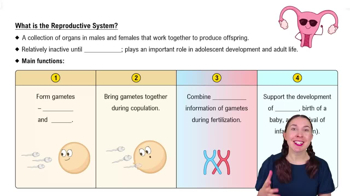
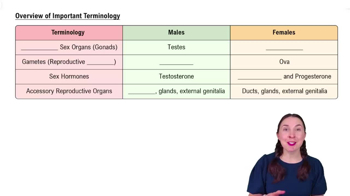
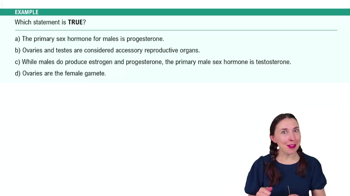
Introduction to the Reproductive System
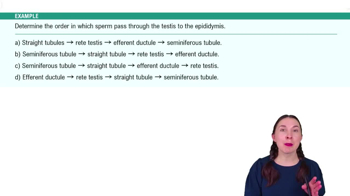
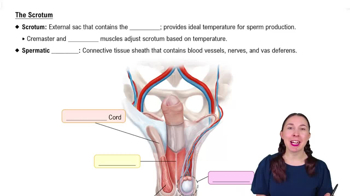
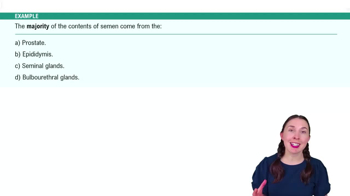
Anatomy of the Male Reproductive System
Anatomy of the Female Reproductive System
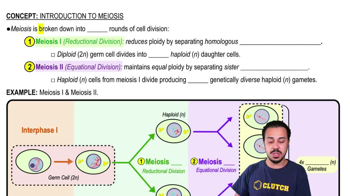
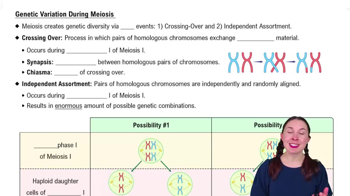
Meiosis
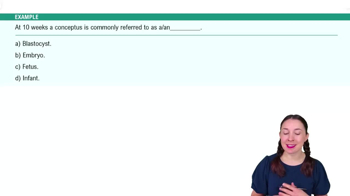
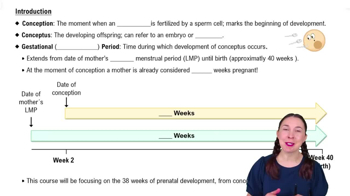
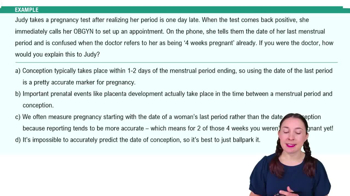
Introduction to Human Development
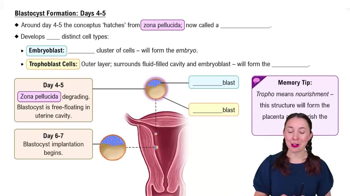
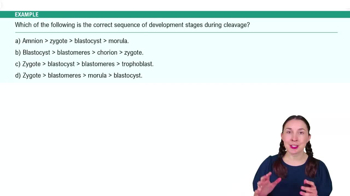
Early Embryonic Development
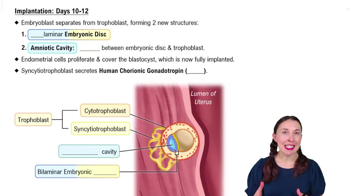
Implantation
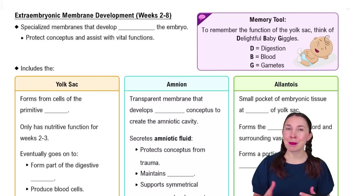
Extraembryonic Membrane Development
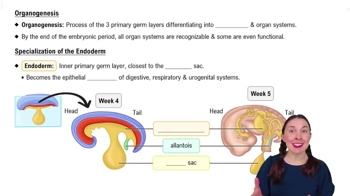
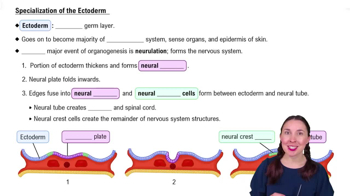
Embryonic Development (Weeks 3-8)
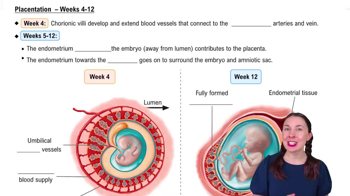
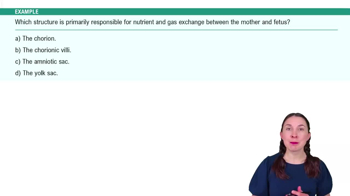
Placentation
 뒤로
 업로드한 자료에 맞춘 엄선된 수업 – 모든 주제를 단계별로 배워보세요.
 3:06