 뒤로
The Endocrine System: Structure, Function, and Regulation
스터디 가이드 - 스마트 노트
 자료에 맞춘 맞춤형 노트, 핵심 정의, 예시, 맥락을 확장해 제공합니다.
The Endocrine System
Overview
The endocrine system is a network of glands that secrete hormones directly into the bloodstream to regulate various bodily functions, including metabolism, growth, reproduction, and stress responses. This system works closely with the nervous system to maintain homeostasis.
Hypothalamus and Pituitary Gland
Structure and Function
The hypothalamus is a region of the brain that regulates many essential functions such as water balance, energy balance, growth, and reproduction. It exerts its effects primarily by controlling the pituitary gland, which acts as a major link between the nervous and endocrine systems.
Pituitary gland has two lobes: anterior and posterior.
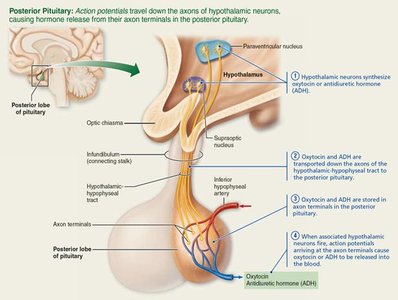
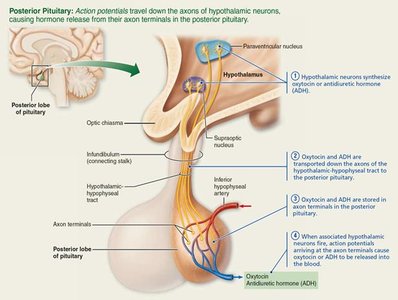
The hypothalamus is connected to the posterior lobe by a bundle of neurons and communicates with the anterior lobe via a network of small blood vessels.
The pituitary gland controls more bodily functions than any other endocrine gland.
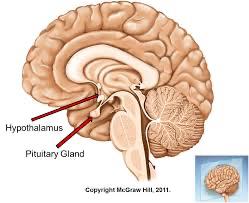
Hypothalamic-Pituitary Axis
The hypothalamus and pituitary gland interact through both neural and vascular connections, allowing for precise regulation of hormone release.
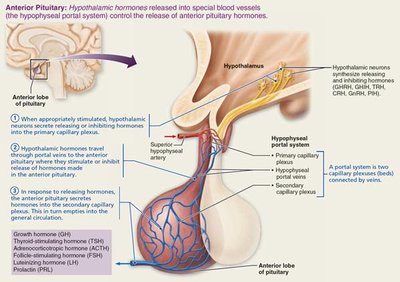
Anterior lobe: Regulated by hypothalamic hormones delivered via the hypophyseal portal system.
Posterior lobe: Receives direct neural input from the hypothalamus.
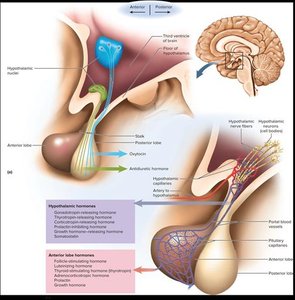
Anterior Pituitary Hormones
The anterior pituitary secretes several key hormones, each with specific target organs and functions:
Follicle-stimulating hormone (FSH): Stimulates development of gametes (eggs and sperm).
Luteinizing hormone (LH): Triggers ovulation and stimulates testosterone secretion.
Thyroid-stimulating hormone (TSH): Stimulates thyroid hormone release.
Adrenocorticotropic hormone (ACTH): Stimulates adrenal cortex to release glucocorticoids.
Prolactin (PRL): Stimulates milk synthesis in mammary glands.
Growth hormone (GH): Promotes tissue growth.
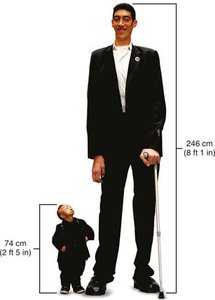
Growth Hormone Disorders
Abnormal secretion of growth hormone can lead to significant clinical conditions:
Hypersecretion in children: Causes gigantism (excessive growth).
Hyposecretion in children: Causes pituitary dwarfism (reduced growth).
Treatment: Growth hormone replacement therapy is used for deficiencies.
Posterior Pituitary Hormones
The posterior pituitary stores and releases hormones produced by the hypothalamus:
Oxytocin (OT): Involved in childbirth, lactation, and social bonding. Secretion is increased during labor and breastfeeding, and inhibited by stress.
Antidiuretic hormone (ADH, also called vasopressin): Regulates water balance by increasing water reabsorption in the kidneys. High concentrations cause vasoconstriction. Release is triggered by pain, low blood pressure, and certain drugs, and inhibited by alcohol.
Control of the Pituitary Gland
The hypothalamus regulates the pituitary gland through two main mechanisms:
Anterior lobe: Hypothalamic hormones (releasing and inhibiting) travel through blood vessels to stimulate or suppress pituitary hormone secretion.
Posterior lobe: Nerve signals from the hypothalamus trigger the release of ADH or OT.
Clinical Homeostatic Imbalances
Diabetes insipidus: ADH deficiency causing excessive thirst and urine output. May result from damage to the hypothalamus or pituitary.
Syndrome of inappropriate ADH secretion (SIADH): Excess ADH causes fluid retention, headache, and disorientation. Requires fluid restriction and monitoring of blood sodium.
Pineal Gland
Structure and Function
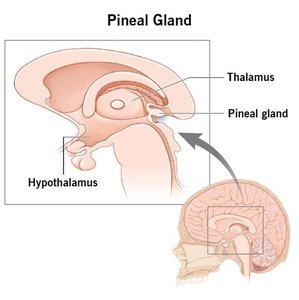
The pineal gland is located in the brain and secretes melatonin, a hormone that regulates sleep-wake cycles. Melatonin secretion increases in darkness, promoting sleep.
Thyroid Gland
Structure and Function
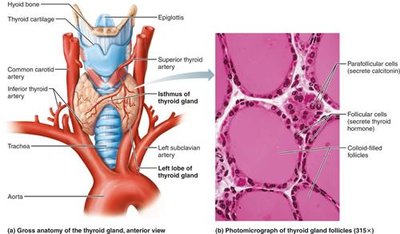
The thyroid gland is found superficial to the trachea and is composed of thyroid follicles. It produces two main hormones:
Thyroid hormone (TH): Increases metabolic rate, ATP consumption, and oxygen use.
Calcitonin: Secreted by parafollicular cells in response to high blood calcium, promoting bone deposition.
Thyroid Hormone Regulation
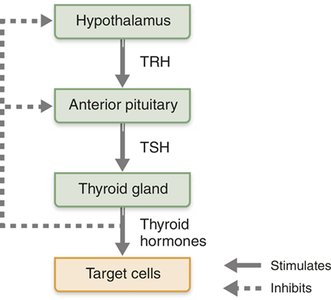
Thyroid hormone secretion is regulated by a negative feedback loop involving the hypothalamus and anterior pituitary:
Hypothalamus releases TRH (thyrotropin-releasing hormone).
TRH stimulates anterior pituitary to release TSH (thyroid-stimulating hormone).
TSH stimulates thyroid gland to release TH.
TH inhibits TRH and TSH release (negative feedback).
Clinical Imbalances of the Thyroid Gland
Hypothyroidism (myxedema): Low metabolic rate, dry skin, puffy eyes, lethargy.
Graves' disease (hyperthyroidism): Autoimmune disorder causing excessive TH production, leading to high metabolic rate, sweating, rapid heartbeat, and weight loss.
Parathyroid Glands
Structure and Function
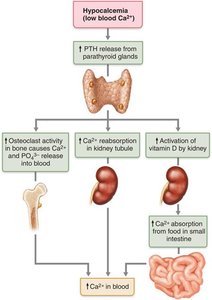
The parathyroid glands are located on the posterior surface of the thyroid. They secrete parathyroid hormone (PTH), which regulates blood calcium levels by:
Stimulating osteoclasts to release calcium from bone.
Enhancing calcium reabsorption in the kidneys.
Promoting activation of vitamin D, increasing intestinal calcium absorption.
Thymus
Structure and Function
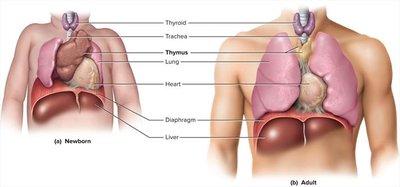
The thymus is located just above the heart and is most active during childhood. It secretes thymosin and thymopoietin, hormones that regulate the development and activity of T lymphocytes, which are essential for immune function.
Pancreas
Structure and Function
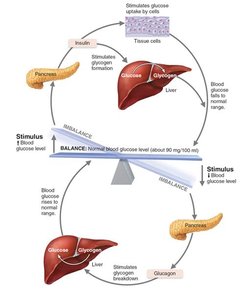
The pancreas is located below and behind the stomach. While most of its tissue is exocrine (digestive), the endocrine portion consists of pancreatic islets that secrete insulin and glucagon to regulate blood glucose levels.
Insulin: Promotes glucose uptake by cells and glycogen formation.
Glucagon: Stimulates glycogen breakdown and glucose release into the blood.
Clinical Imbalance: Diabetes Mellitus
Type 1 diabetes: Hyposecretion of insulin.
Type 2 diabetes: Hypoactivity of insulin.
Symptoms: Polyuria (excessive urination), polydipsia (excessive thirst), polyphagia (excessive hunger).
Gonads
Structure and Function
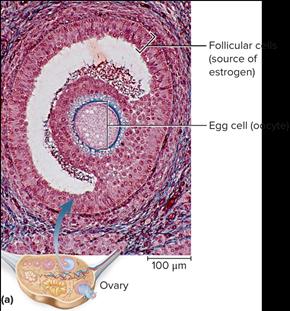
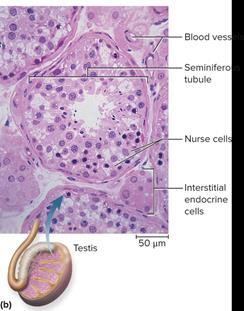
The gonads (ovaries and testes) function as both endocrine and exocrine glands:
Ovaries: Secrete estrogen and progesterone, regulating ovarian and menstrual cycles.
Testes: Secrete testosterone, sustaining sperm production and male secondary sexual characteristics.
Adrenal Glands
Structure and Function
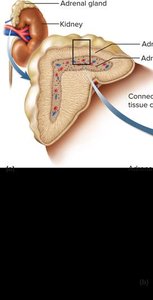
The adrenal glands are located on top of the kidneys and consist of two main regions:
Adrenal medulla: Secretes epinephrine and norepinephrine, mediating the fight-or-flight response.
Adrenal cortex: Produces steroid hormones:
Aldosterone: Stimulates sodium and water retention by the kidneys.
Cortisol: Increases blood glucose and fuel availability during stress.
Androgens: Contribute to reproductive development and secondary sexual characteristics.
Other Organs with Endocrine Function
Heart: Secretes hormones to decrease blood volume and lower blood pressure.
Liver: Produces hormones involved in blood pressure, growth, tissue repair, and iron regulation.
Kidneys: Secrete hormones that stimulate red blood cell production and increase blood pressure.
Stomach and intestines: Secrete hormones influencing appetite and stomach acid production.
Adipose tissue: Secretes hormones that regulate appetite.
Osseous tissue: Secretes hormones affecting bone matrix and metabolism.
The Stress Response
Stages and Regulation
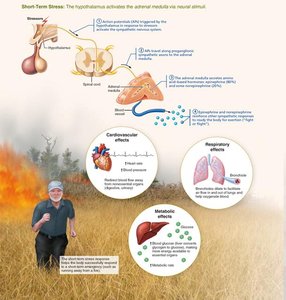
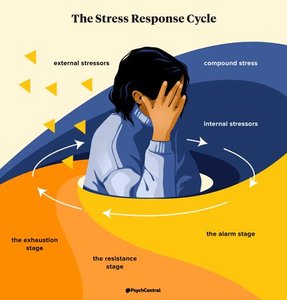
The body responds to stressors (physical or emotional) through a coordinated stress response, primarily regulated by the hypothalamus and adrenal glands.
Short-term stress: Activates the sympathetic nervous system and adrenal medulla, releasing catecholamines (fight-or-flight response).
Long-term stress: Involves adrenal cortex hormones (corticosteroids) for prolonged adaptation.
Exhaustion: Prolonged stress can disrupt homeostasis and cause health problems.
Science-Backed Ways to Reduce Stress
Breathing exercises
Stretching
Mindfulness breaks
Physical activity (e.g., brisk walk)
Listening to soothing music
Reducing environmental noise
Positive self-talk
Seeking social support
Study Tips for Anatomy & Physiology Exams
Focus on big-picture concepts and themes.
Use study guides and self-testing for effective learning.
Space out study sessions and practice teaching concepts to others.
Draw processes and create stories to aid memory.
Distinguish between knowledge-based (recall) and application-based (problem-solving) questions.
